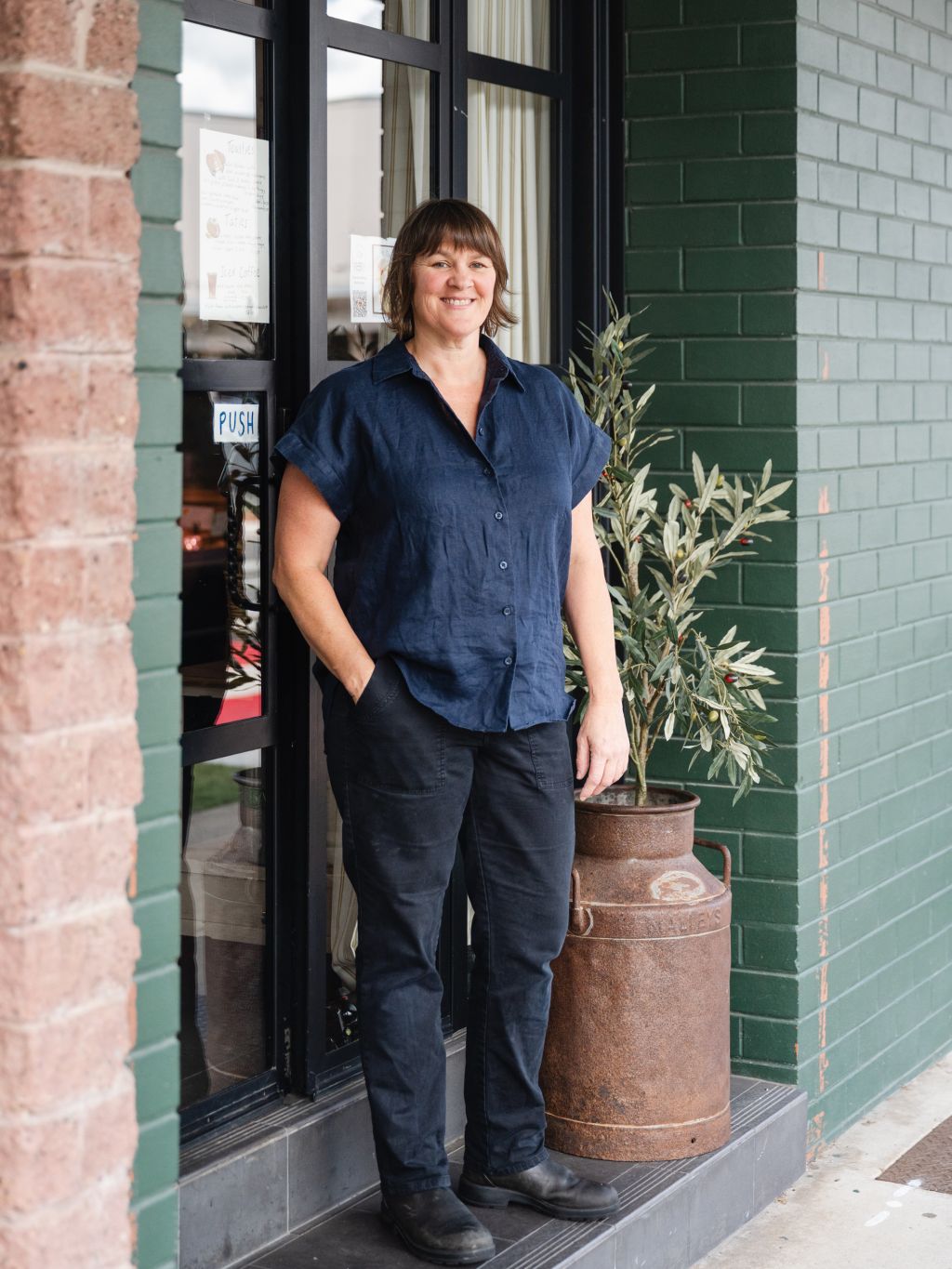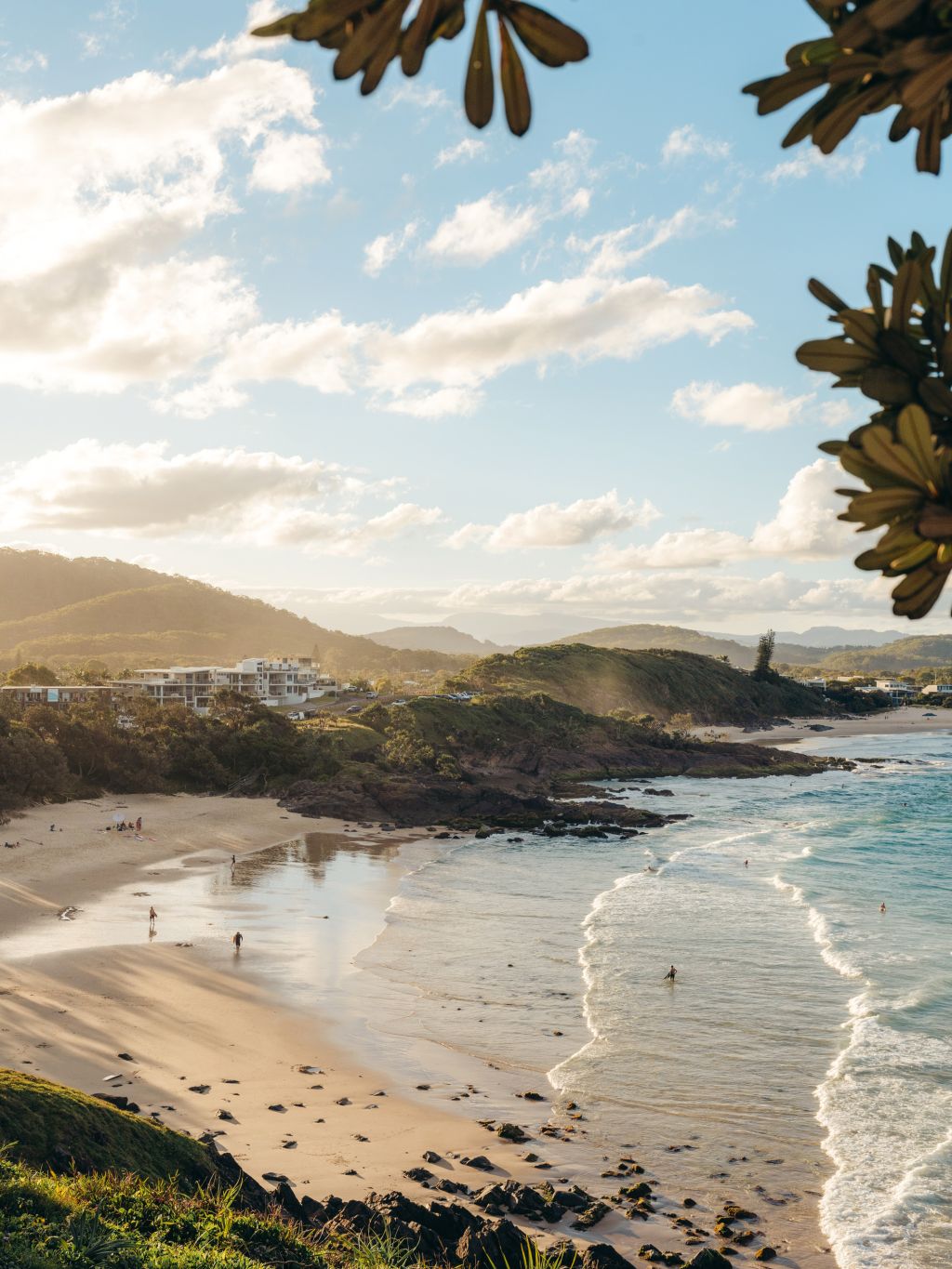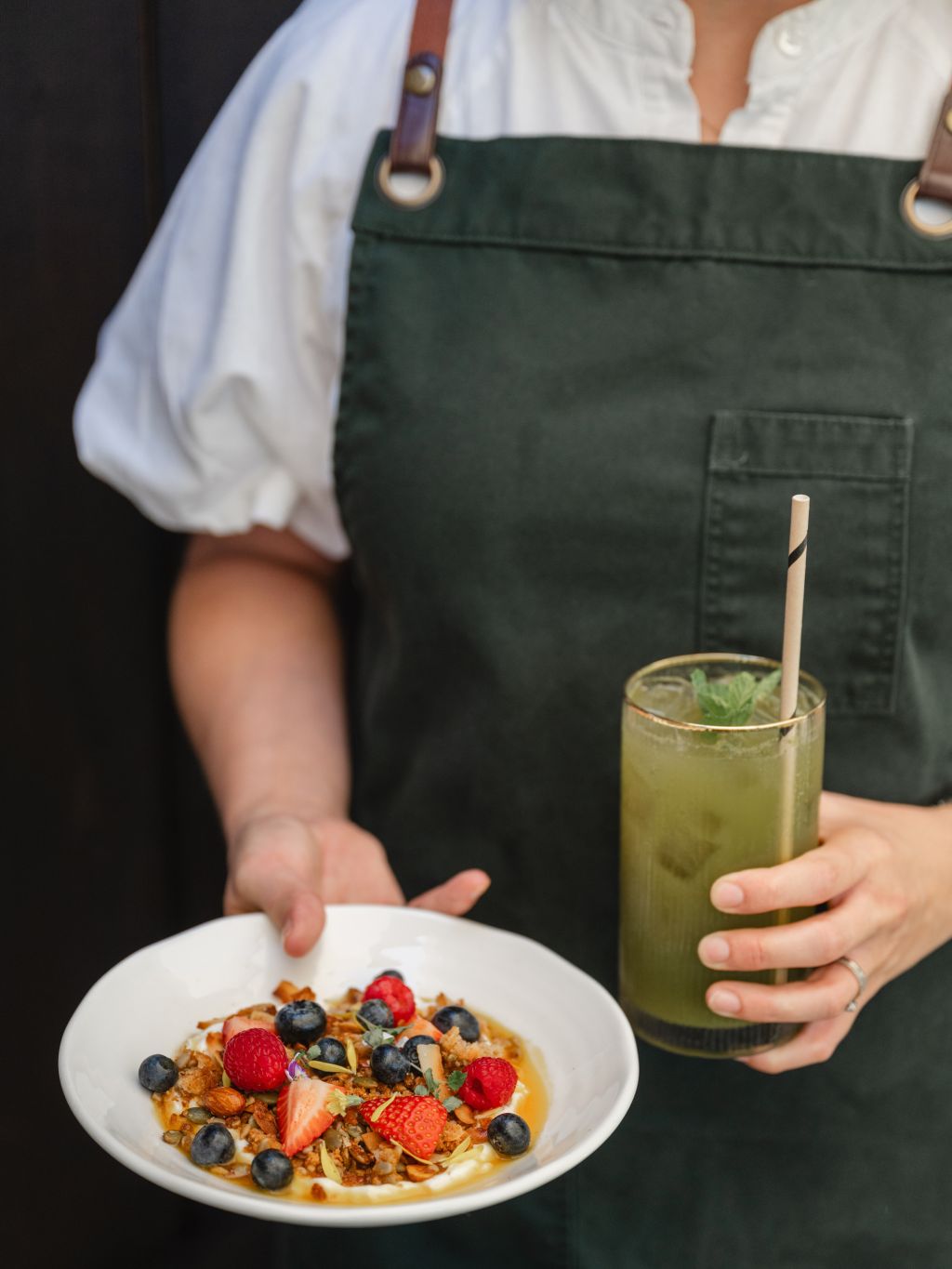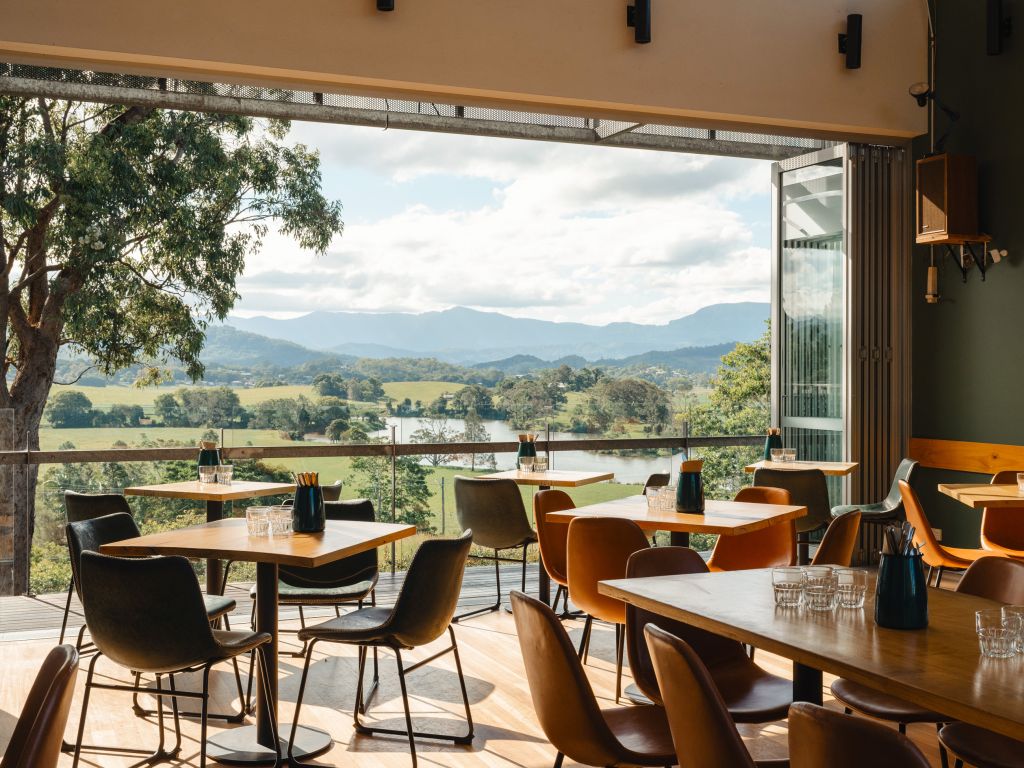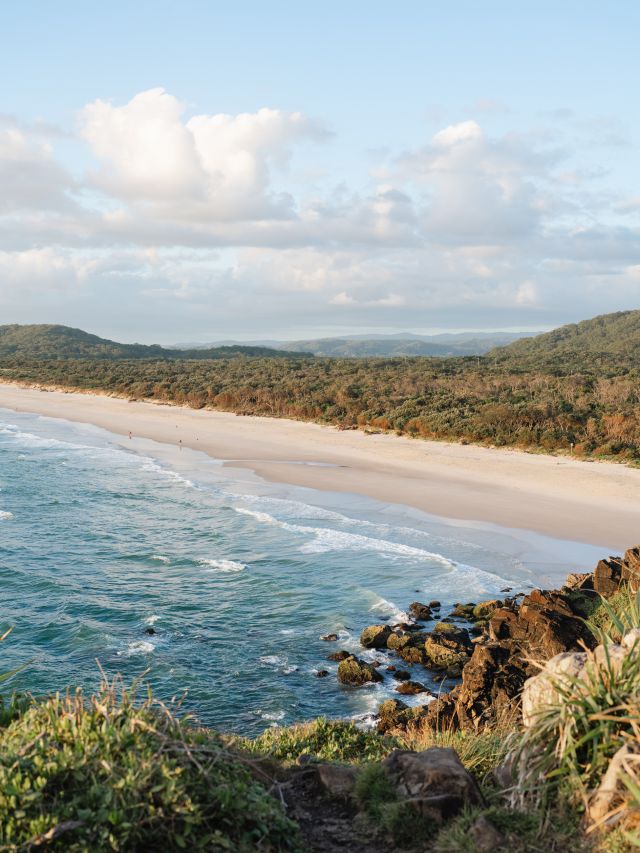

The women of The Tweed are growing more than just food. On Bundjalung Country in the Northern Rivers of NSW, they are reshaping the region’s culinary culture, placing community at the heart of everything they do.
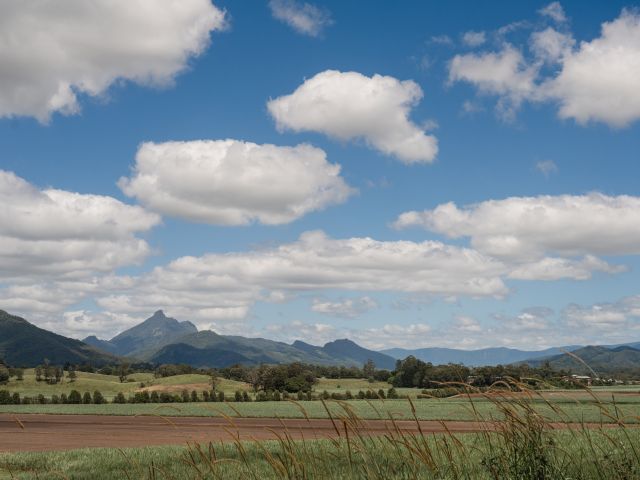
Across the lands of NSW’s Tweed region, food feels less like an industry and more like a conversation – between growers and chefs, producers and neighbours. Here, sustainability is practised rather than preached, community is central and women are increasingly setting the pace, weaving connection into their daily work in unmistakably delicious ways.
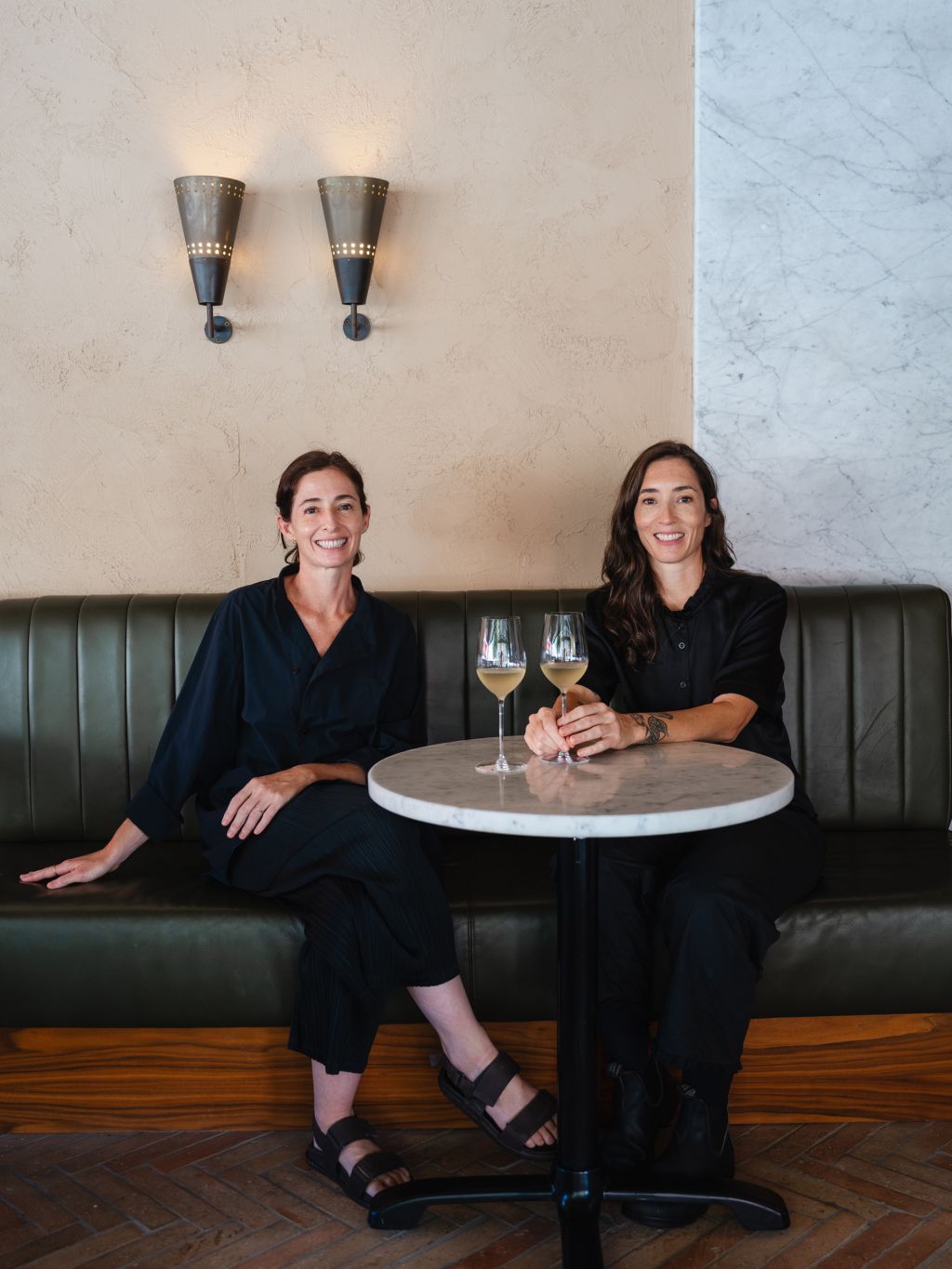
Christine Manfield and Amy Colli, Savour The Tweed
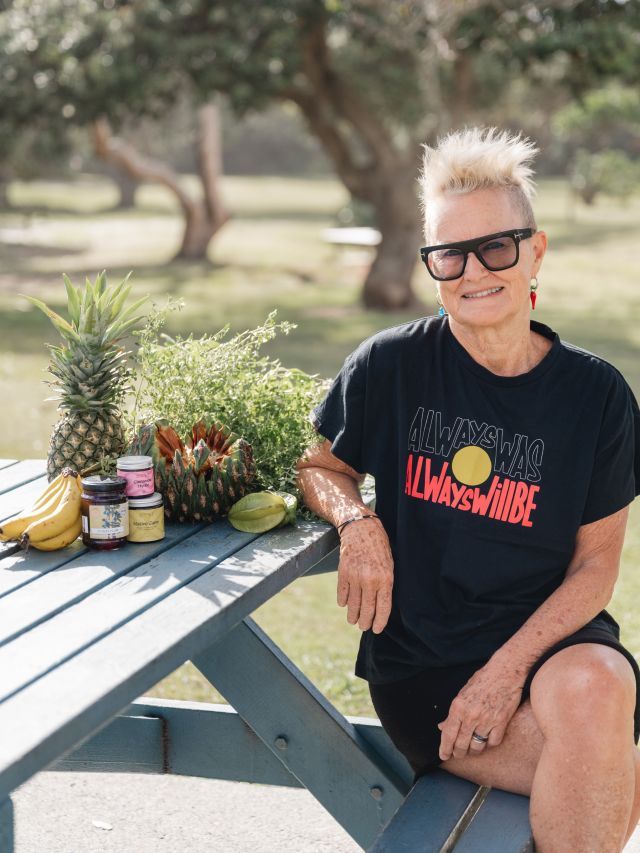
It’s into this verdant Northern Rivers landscape that acclaimed chef and author Christine Manfield settled several years ago. Beyond the relaxed beach life and rich soils, she found a food community whose values aligned with her own. Manfield has long championed Indigenous knowledge and collaboration, and here she found a place where engagement with First Nations people was strong – opening up new ways of connecting and reconciling through food.
“Australians need to be proud of our incredible Indigenous history, and food is a great way of encouraging and expressing reconciliation. It’s a gentle way of bringing people into the story without being afraid," she says.
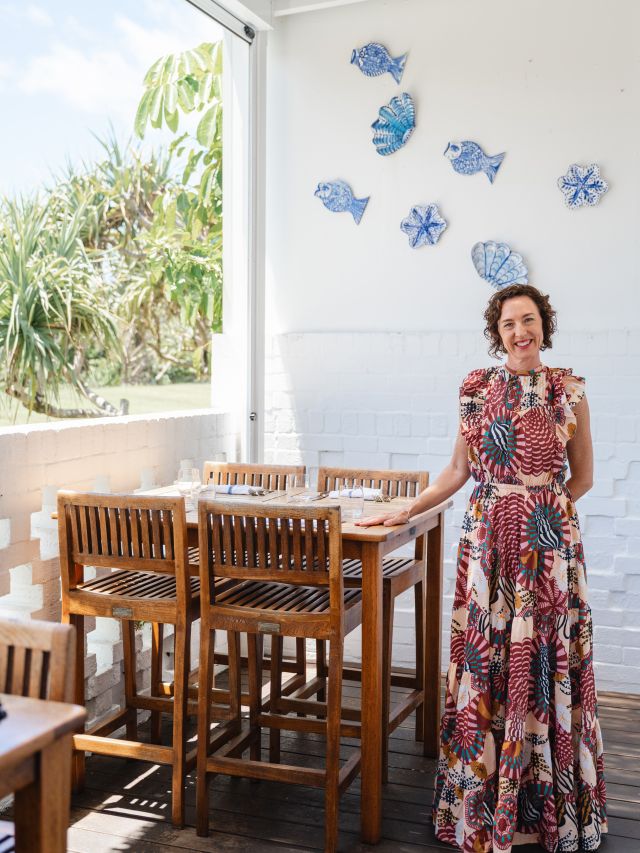
Bringing people to a shared table is what the annual Savour The Tweed food festival is all about. Launched in 2024 and running 22–26 October in 2026, it showcases the region’s farmers, chefs, distillers and brewers while honouring First Nations cultural heritage. As one of its co-curators alongside local food ambassador Amy Colli, Manfield has become a champion of the region’s food culture.
“We have a really flourishing food tribe here in The Tweed and it’s growing every month."
Mindy Woods, Champions of Change
As Colli points out, women are leading the charge, none more visibly than chef and educator Mindy Woods, a Bundjalung woman from Byron Bay dedicated to raising the profile of Indigenous food culture, the oldest in the world, both here and internationally.
“It’s a food story that’s largely untold. We have more than 6500 ingredients unique to this beautiful land, yet there’s an absolute scarcity of them in our grocery stores and home pantries. It’s a shame, and we’re all missing out," says Woods.
Winning the Champions of Change Award at the prestigious World’s 50 Best Restaurants event in June 2025 has given her voice greater global reach, as native ingredients are gradually popping up in the local food and drink scene.
Chanel Melani and Sally Carter, Birds of Isle
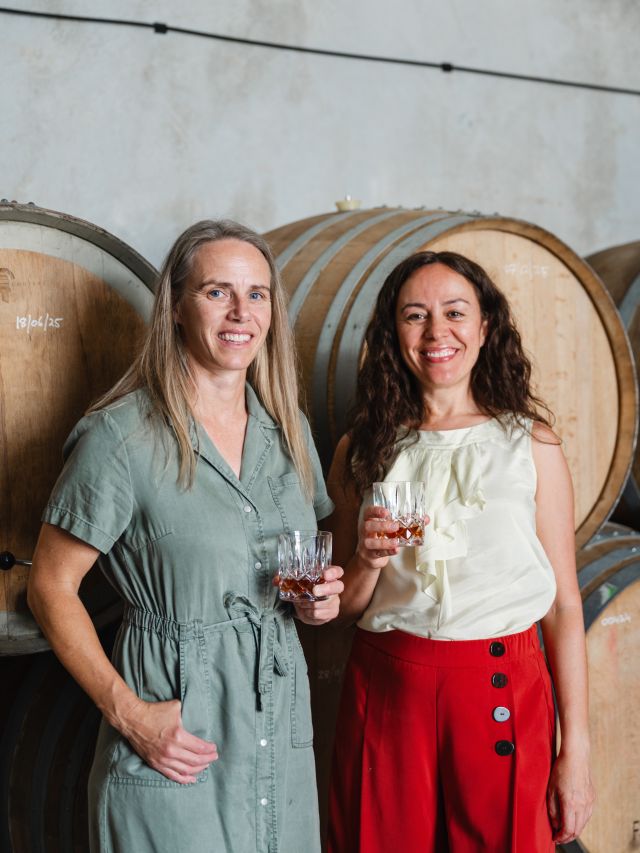
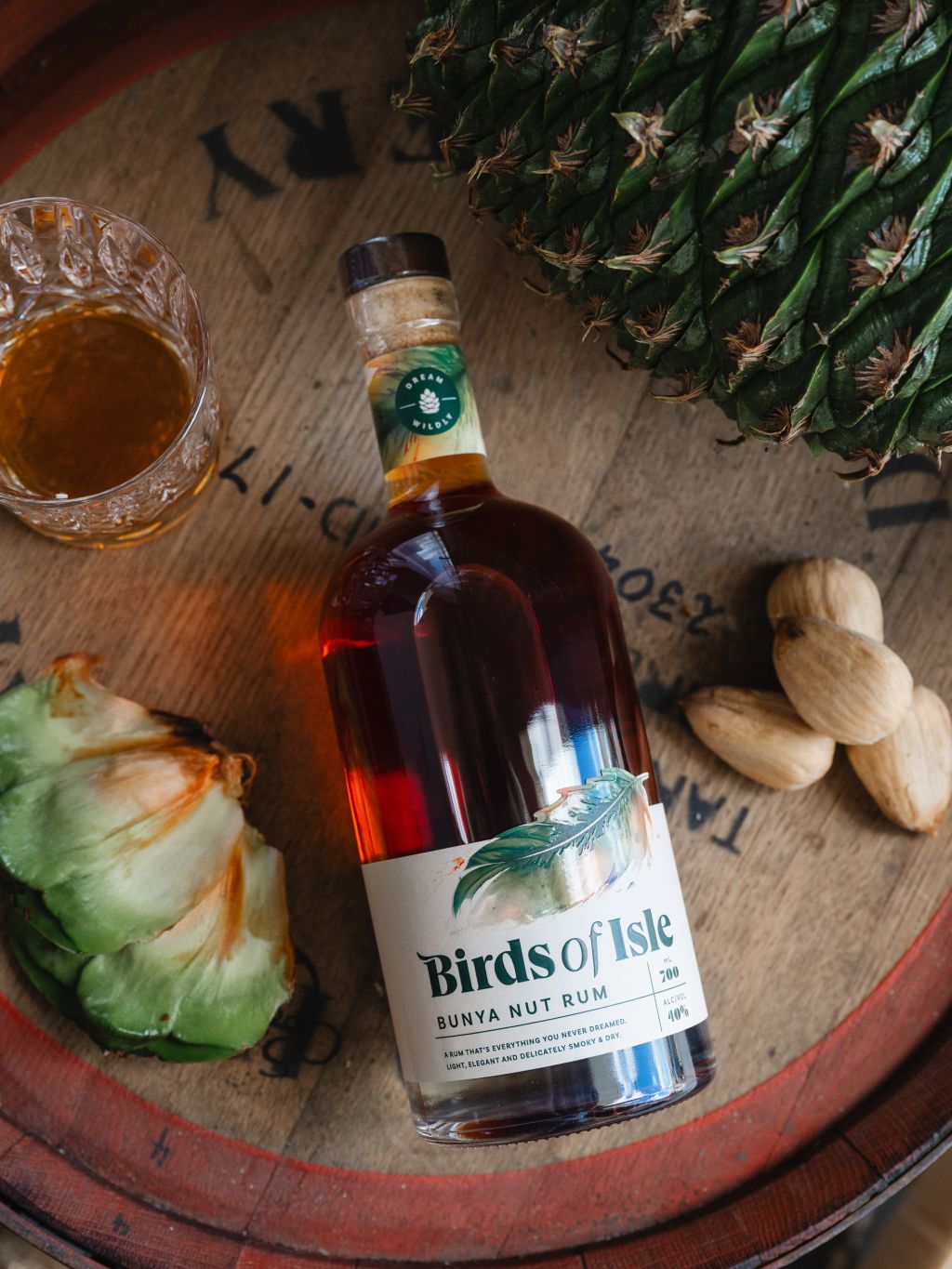
Nowhere is Woods’ advocacy more clearly realised than at Birds of Isle in Murwillumbah. When Chanel Melani and Sally Carter founded one of Australia’s first female-led rum distilleries, they wanted to create a spirit that truly reflected the Northern Rivers. Native ingredients were essential, but only with proper cultural understanding.
Before developing their signature Bunya Nut Rum, they engaged Woods as a cultural advisor. She guided them through the significance of bunya, showing how every part of the giant Jurassic-era pinecone can be valued – not just the nut, but the usually discarded shell which releases remarkable aromas when gently smoked in paperbark. This respectful approach now defines their work. Even their labels are made from sugarcane waste pulp, a further expression of valuing resources.
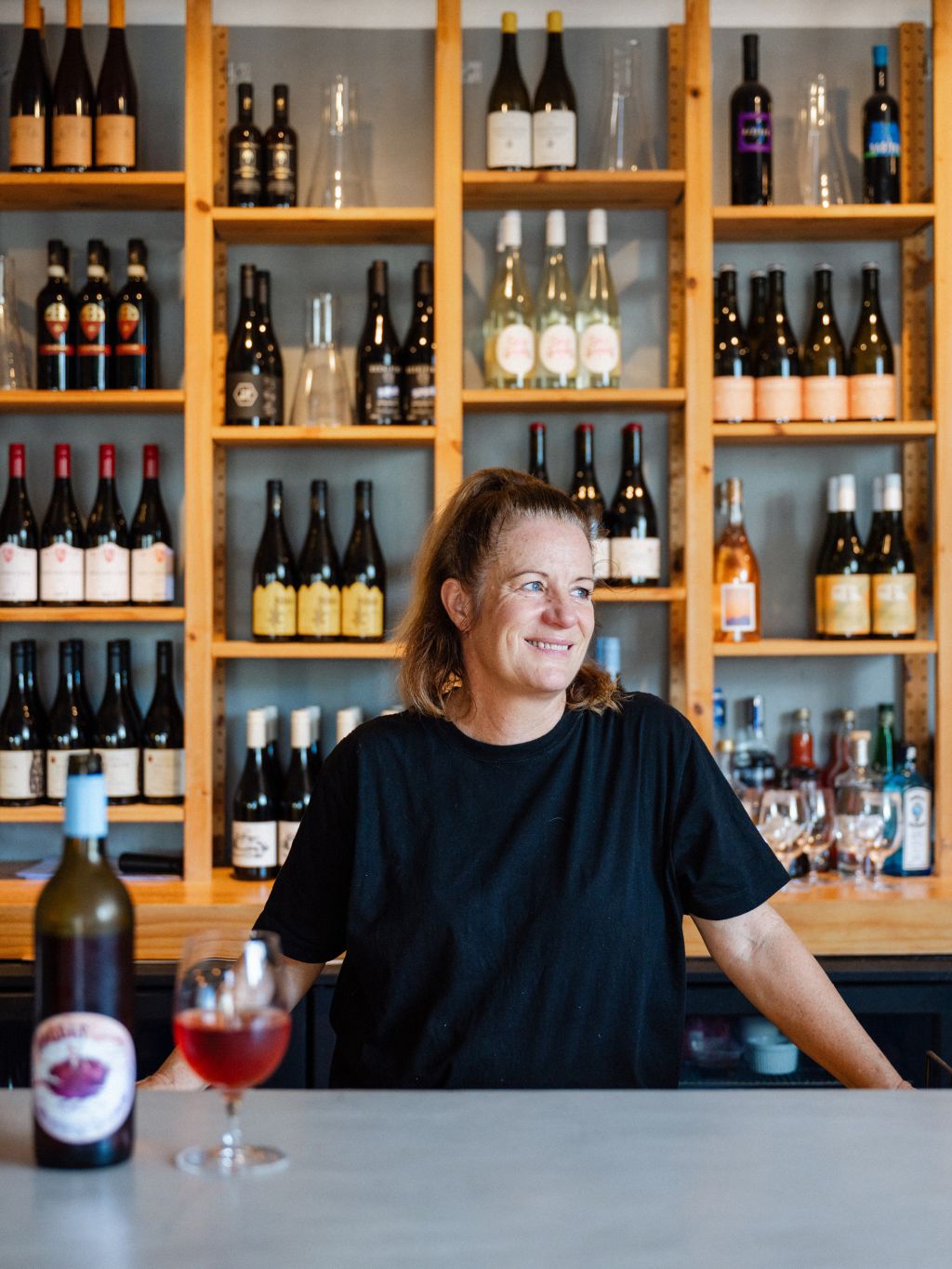
Bron Harrison, Natural Wine Shop & Bar
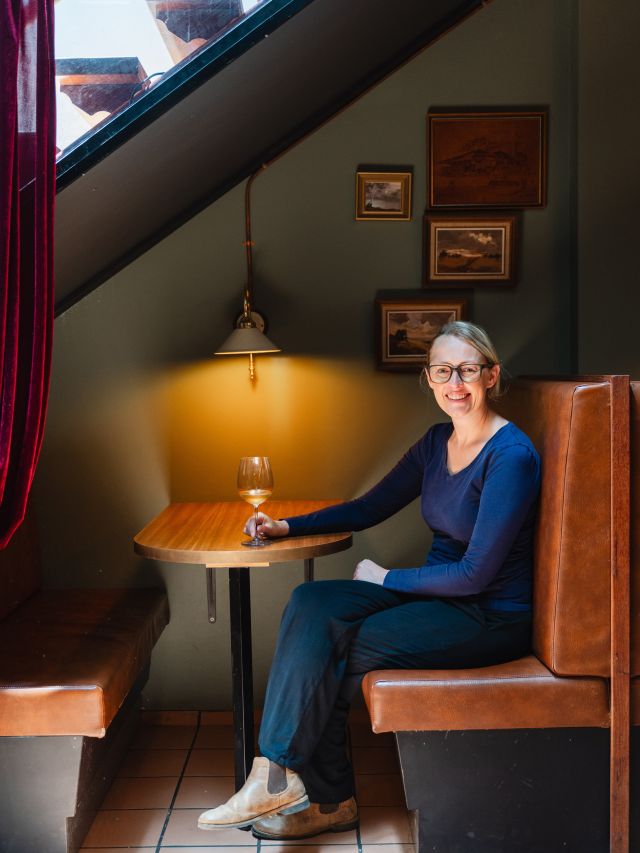
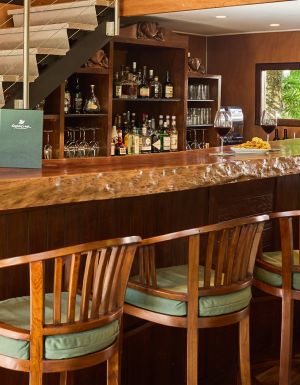
Keeping things natural continues at Burringbar’s Natural Wine Shop & Bar , tucked away in a small rural village along the Northern Rivers Rail Trail. The shop – and recently added wine bar – champions low-intervention and organic wines from small-batch makers: raw, vibrant, unfiltered, often hand-picked, foot-stamped and basket-pressed.
When the laundromat behind the shop became available, owner Bron Harrison seized the chance to expand. With a love of recycling and an eye for style, she converted the space into a charming, speakeasy-style bar pouring drinks until late.
“It was a lot of fun to put together. Everything you see is second-hand," says Harrison.
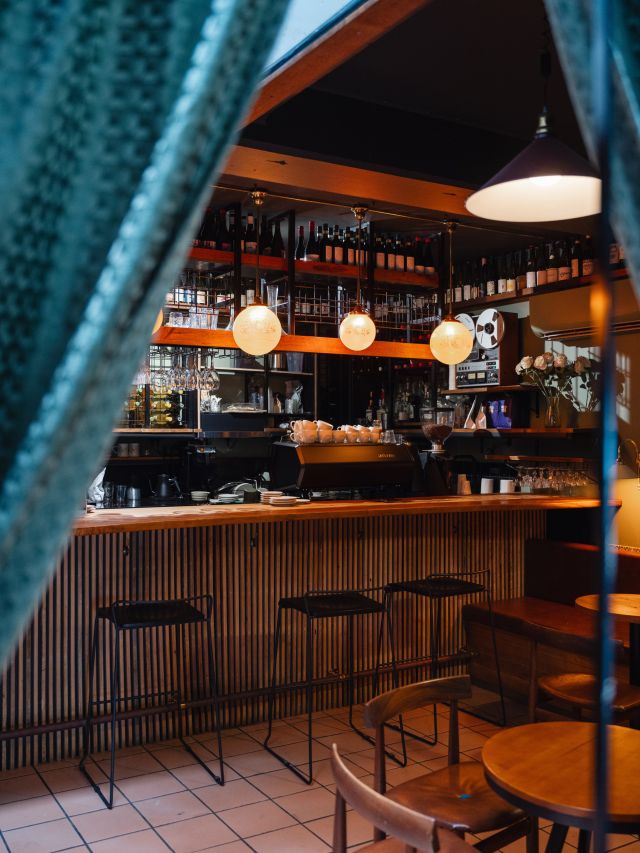
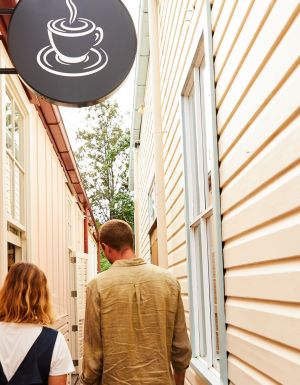
By day the venue morphs into Pour Good coffee bar, run by a husband-and-wife team who draw in locals and cyclists with aromatic, ethically sourced brews, pastries and snacks.
Michelle Kuramochi and Rachael Sanderson, Raven Place
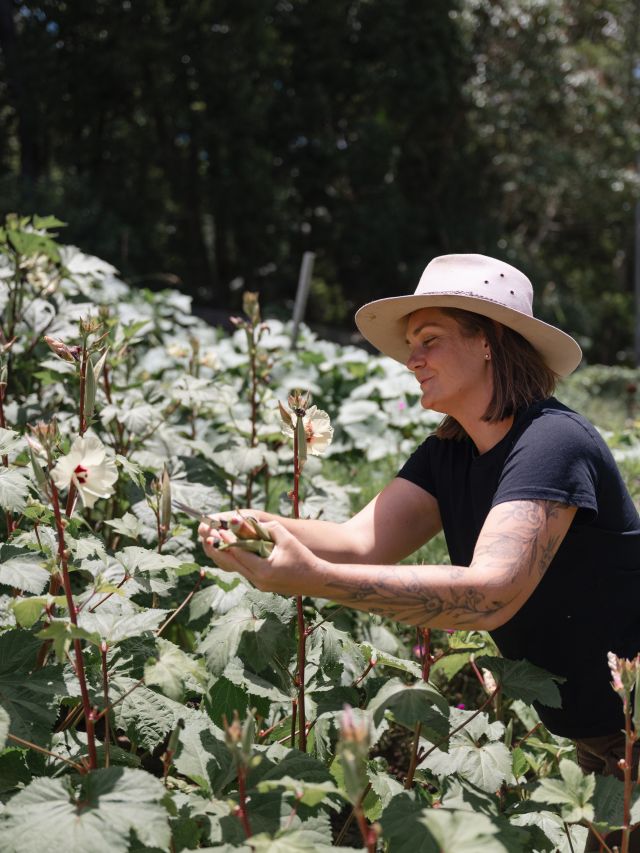
Community spirit runs deep at Raven Place , a rural haven in Clothiers Creek where Japanese street food meets organic farming and a lot of heart. Opened in 2023, it’s the dream-turned-reality of Michelle Kuramochi who’s teamed up with farmer Rachael Sanderson, who runs the completely chemical-free property. Around a third of the land is being regenerated to remove weeds and restore native species, producing edible mushrooms as a happy by-product.
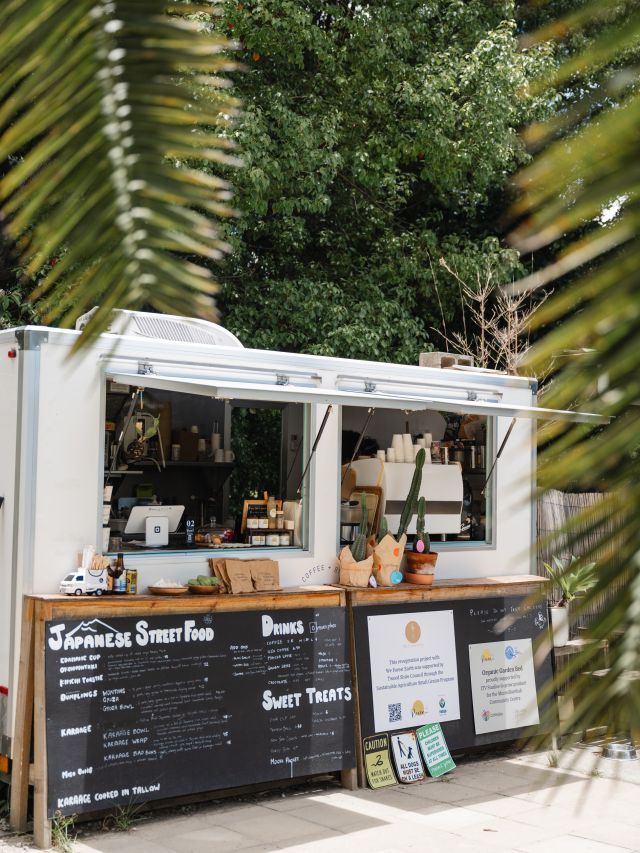
Everything in the onsite van is made from scratch. Drawing on years living in Japan and tips from her mother-in-law, Kuramochi pickles vegetables, mixes sauces for gyozas and wontons, and flavours coffee with fresh turmeric. Most ingredients come straight from the farm: pasture-raised chicken eggs, tiny cucamelons and basil for pesto. Some produce goes to restaurants and medicinal herbs become tinctures for a local herbalist.
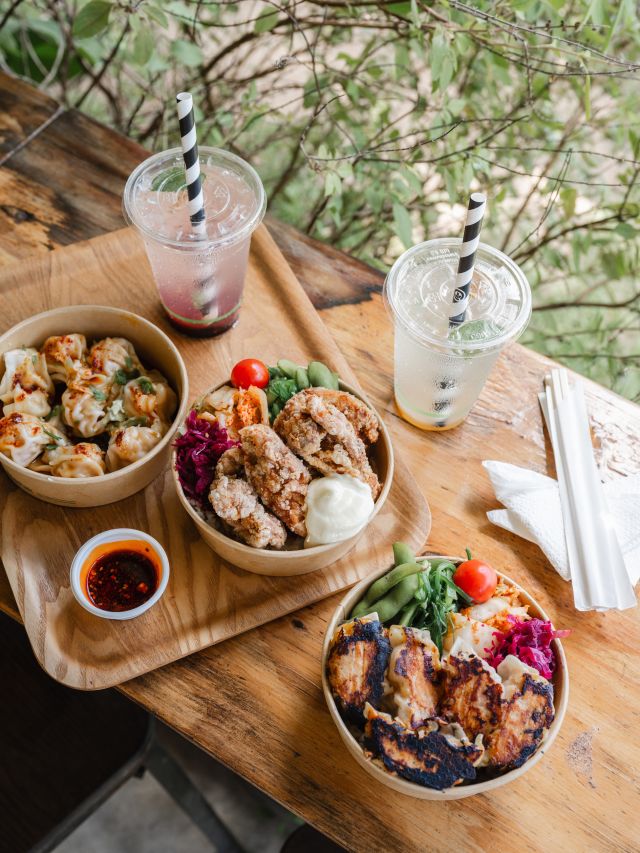
Knowledge is shared, too. Sanderson works with schools to build food-forests and teach kids about food security. Volunteers help weekly and join planting days.
“We’re really trying to bring that idea of community and all working together for a cause," says Sanderson.
The farm also grows food specifically for people in need, donating crops like snow peas, strawberries, potatoes and rocket to the community centre, with workshops planned to help people grow food at home.
Michele Stephens and Amy Brown, Farm & Co
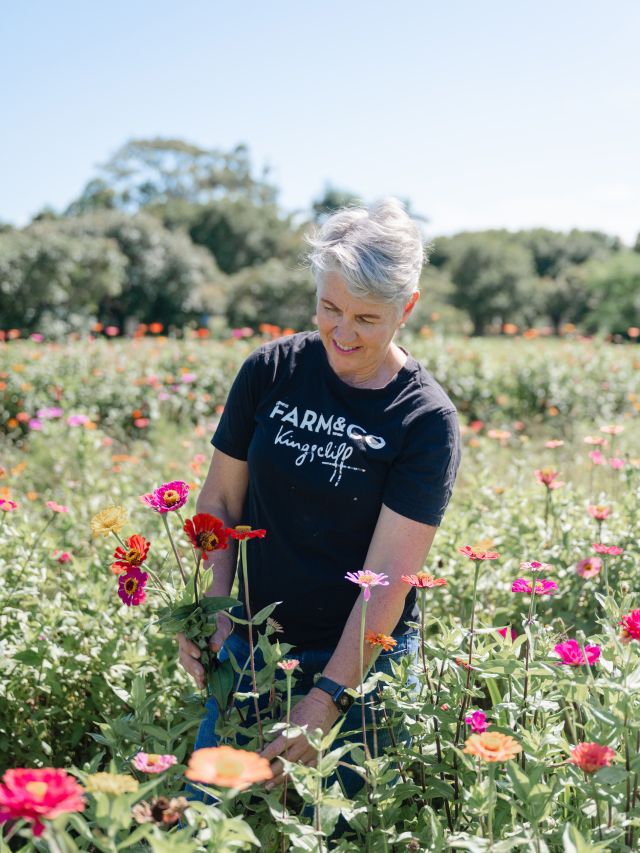
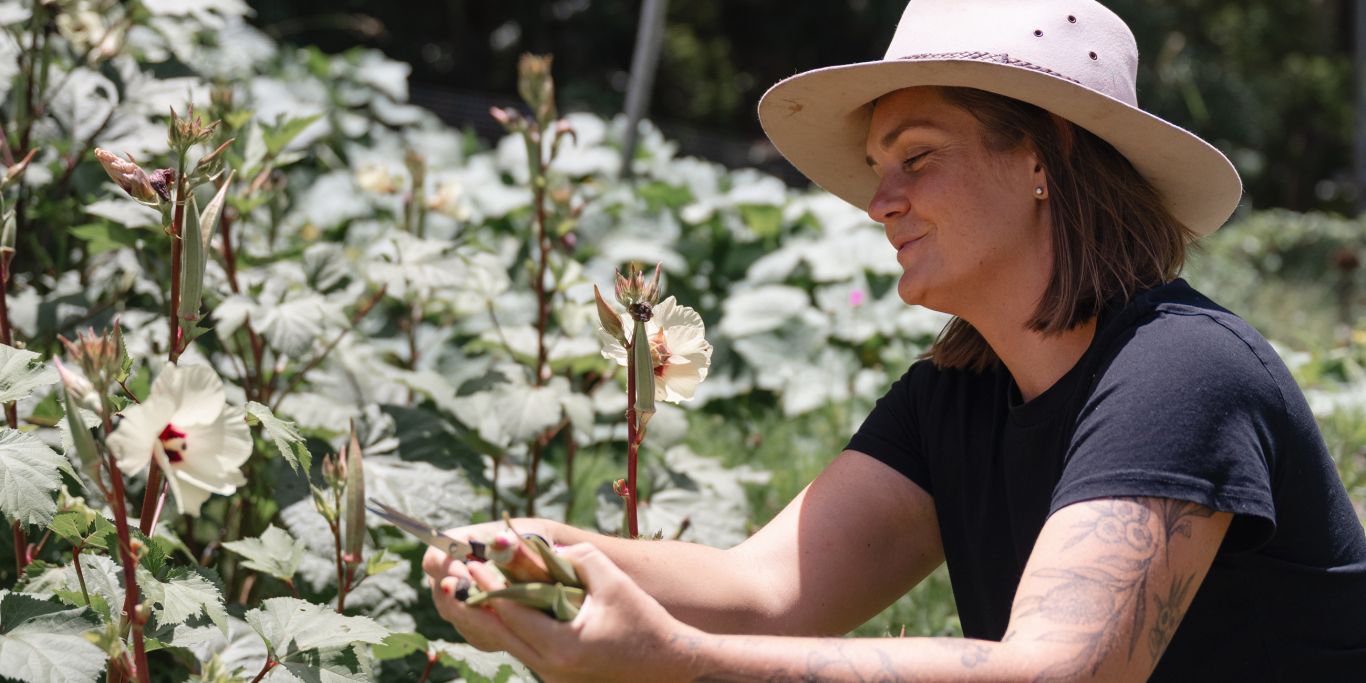
Michele Stephens’ passion is growing soil. She and her family have been at Farm & Co at Cudgen for 23 years, starting out as conventional sweet potato farmers. But as a former paediatric nurse, with a growing family and after a major health scare for her husband, she began rethinking everything she knew about food. What we eat, she realised, shapes our health.
“We need to look at our farming systems because no matter what you put into your mouth, it comes from a farm."
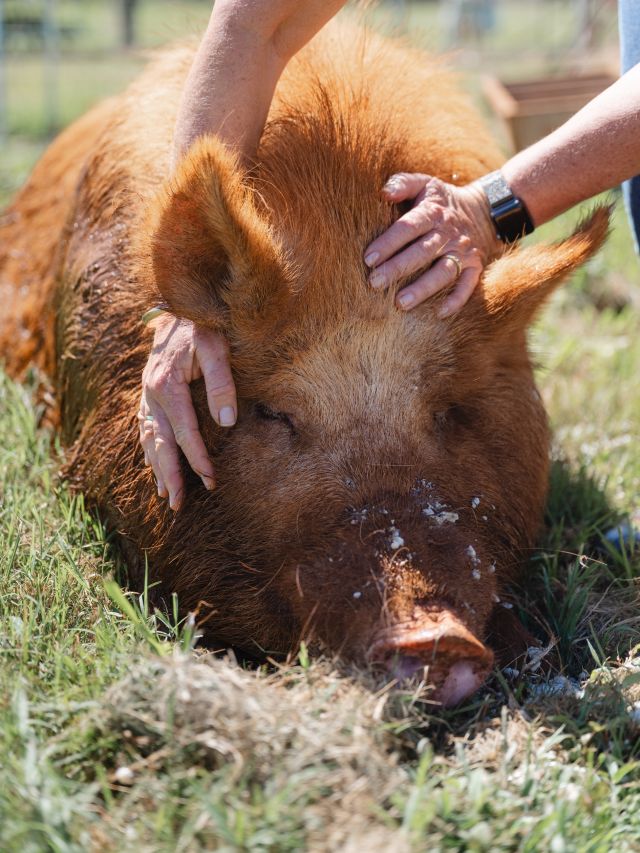
Today she farms in small lots, rotating crops to encourage biodiversity and feeding soil with green manure.
“That’s our fertilisation program. We don’t add anything extra, except perhaps from our pigs or chickens."
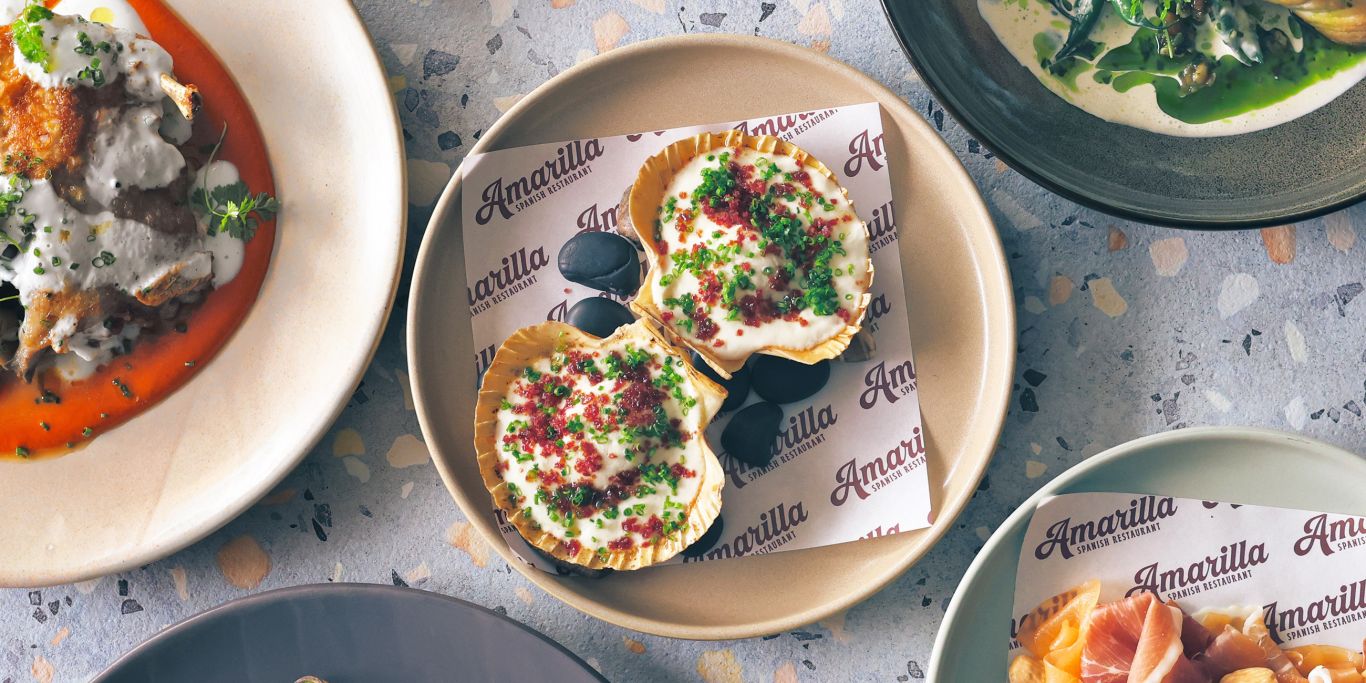
Alongside avocados, macadamias and sunflowers, the farm grows around 60 to 70 varieties of vegetables and herbs. Much of it makes its way to the small farm store and cafe out the front, a showcase of whatever’s at its peak. There’s a restaurant too, a collaboration of local hospitality talent with wholesome dining front and centre.
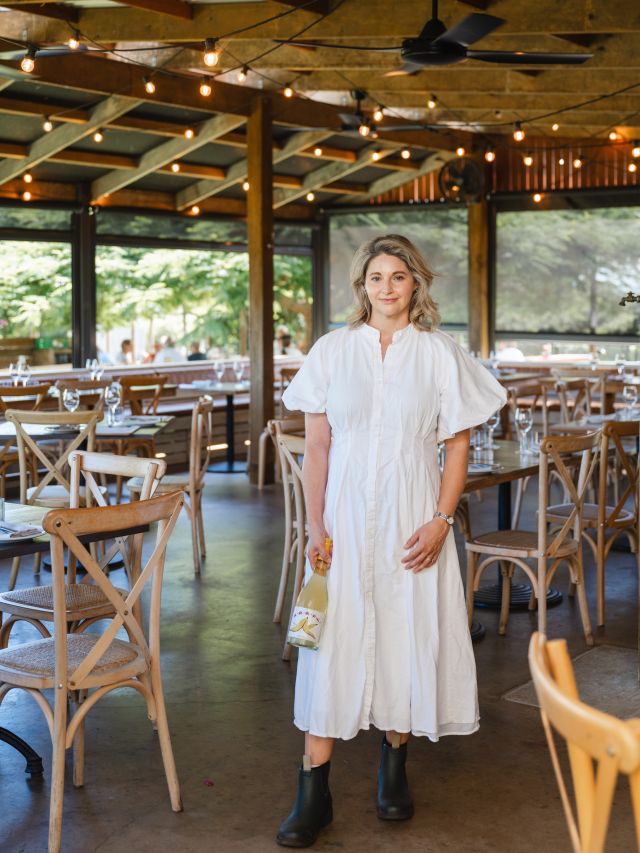
Amy Brown, former sous chef at Rick Shores, leads the front of house and kitchen, where the team turns organic produce grown metres away into sophisticated yet totally accessible dishes. Menus change with the farm’s rhythms and feature other nearby ethical and sustainable producers, as well as minimal-intervention wines.
More innovative women of The Tweed
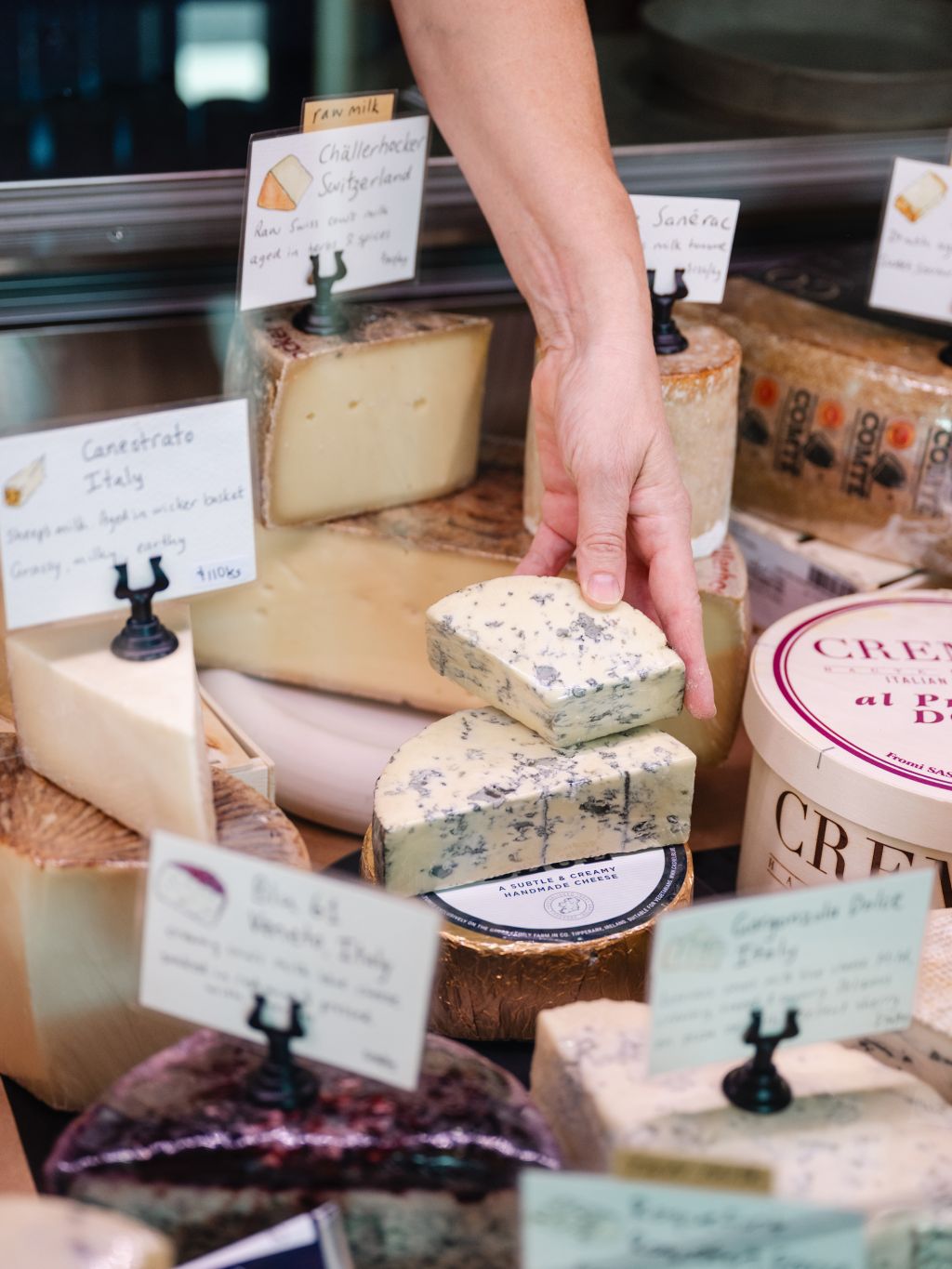
The momentum keeps building. Feted cheesemonger Kat Harvey brings artisanal cheeses (and killer toasties) to Murwillumbah. While sister-duo Nikky and Danni Wilson elevate neighbourhood dining at Bistro Livi around the corner.
Rachel Duffy brightens Cabarita Beach with delicious eats at No 35 Kitchen and Bar , and Hannah Bamford from Apex Dining at Tweed Regional Gallery champions female chefs.
Rounding out the wave are Yen Trinh, who imbues Pipit with sustainable storytelling and thoughtful design, and Morgan Snow, the creative director and sommelier shaping the award-winning seafood experience at FINS . As Harvey explains with a grin, “In The Tweed, it’s more than just food. It comes with a whole lot of love."