Broken Hill is seriously unlike any outback city or town. Here’s how best to find its eccentric essence in one wild long, long weekend.
The first time I drove into Broken Hill, years ago, after a languid, wondrous road trip from Sydney, a couple of surprises lightly smacked me across my sun-smooched cheeks.
First was the city’s improbable scale, given it’s only about 50 clicks from the South Australian border and almost as far west as you can go in NSW, enveloped by bewitching, spinifex-spiked outback.
The second dawned more gradually. ‘The Hill’ has an uncanny, vivacious and multifaceted personality – both the place and its people. It’s unlike any country town I’ve visited, including the small settlements I’d passed through on the drive from Sydney.
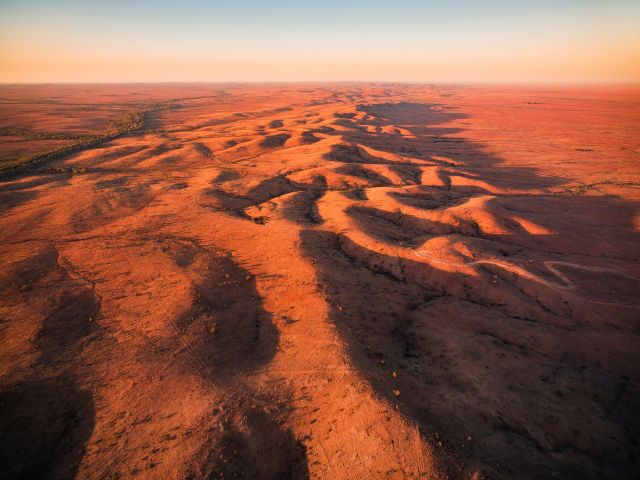
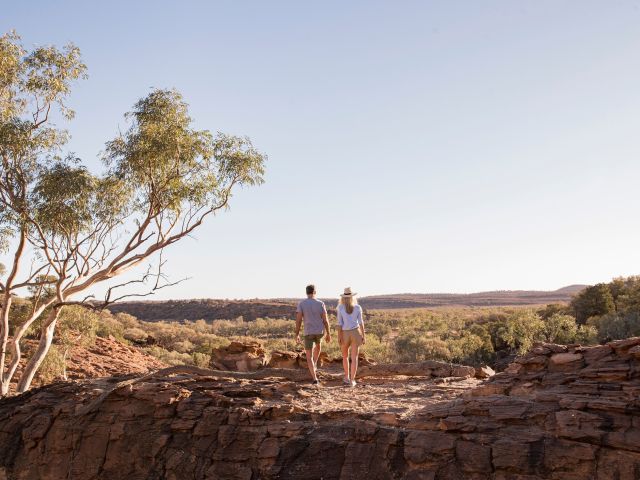
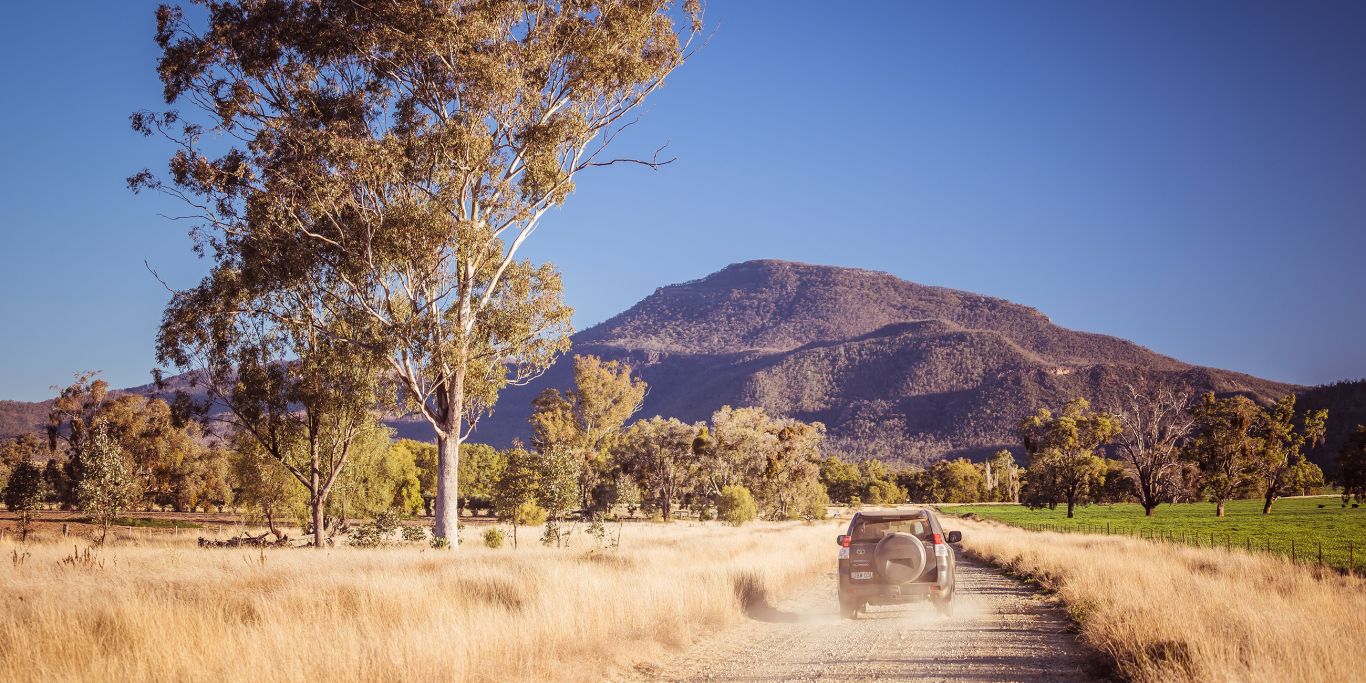
The striking red dirt in the outback landscape. (Credit: Destination NSW)
BHP’s birthplace makes a rugged first impression. Its mining past and present rise up from the landscape, providing a protective corrugated-metal shell around its neat historic city centre, a rich amalgam of Federation, Victorian and Art Deco architecture (funded by the silver, lead and zinc mines). Locals are even more diverse than their town’s architectural mix and less swayed by the east coast’s rule-makers and box-tickers. Out here, you’re free to be yourself: eccentric, artistic and even urbane.
For my fourth visit, I fly in from Sydney, rent a car and give myself a decent stretch of time to reacquaint myself with this character-filled place. Here’s what I’d do, with four days up my (rolled-up) sleeve in Broken Hill.
Day 1: Get your bearings
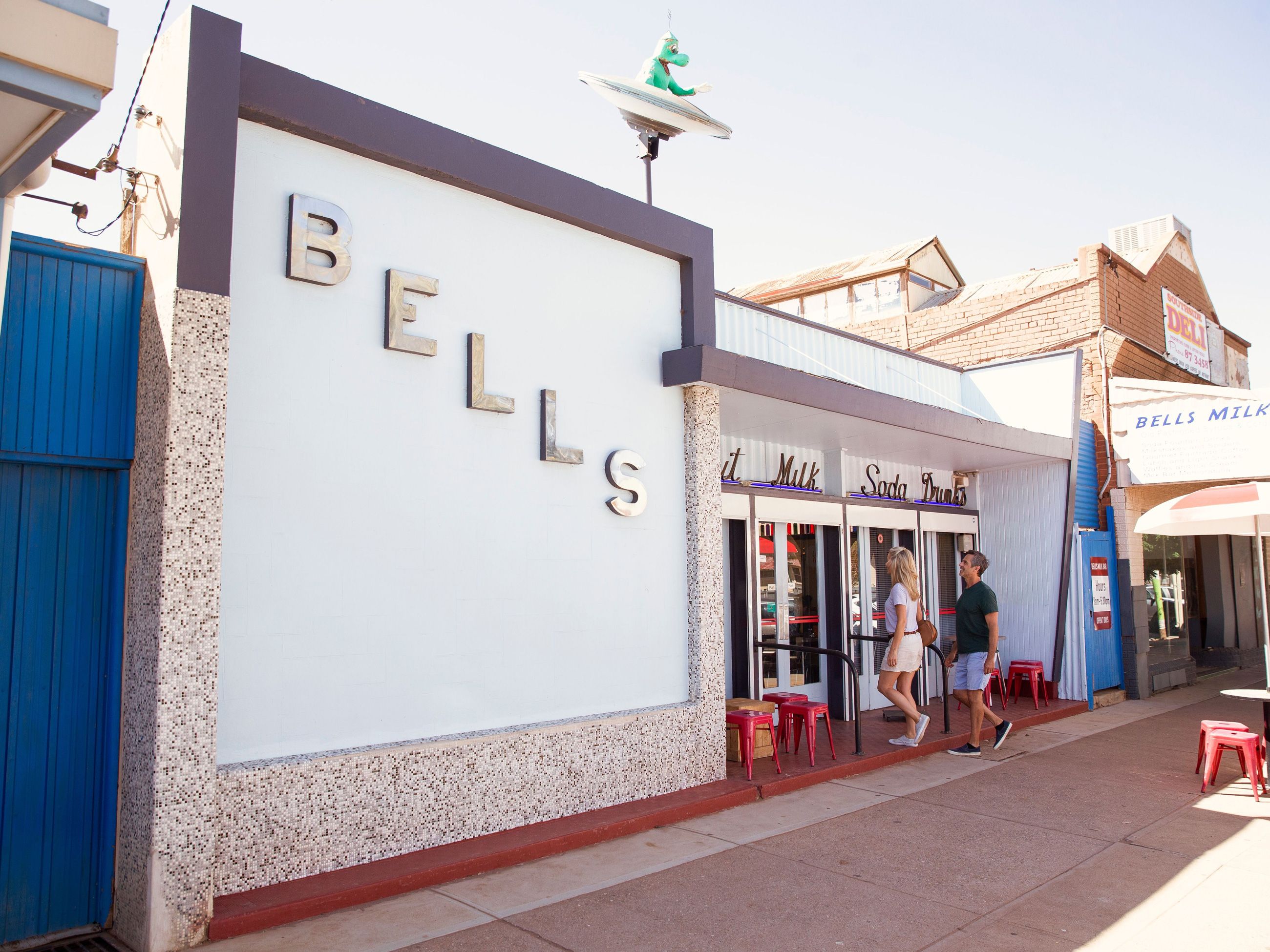
The iconic Bells Milk Bar. (Credit: Destination NSW)
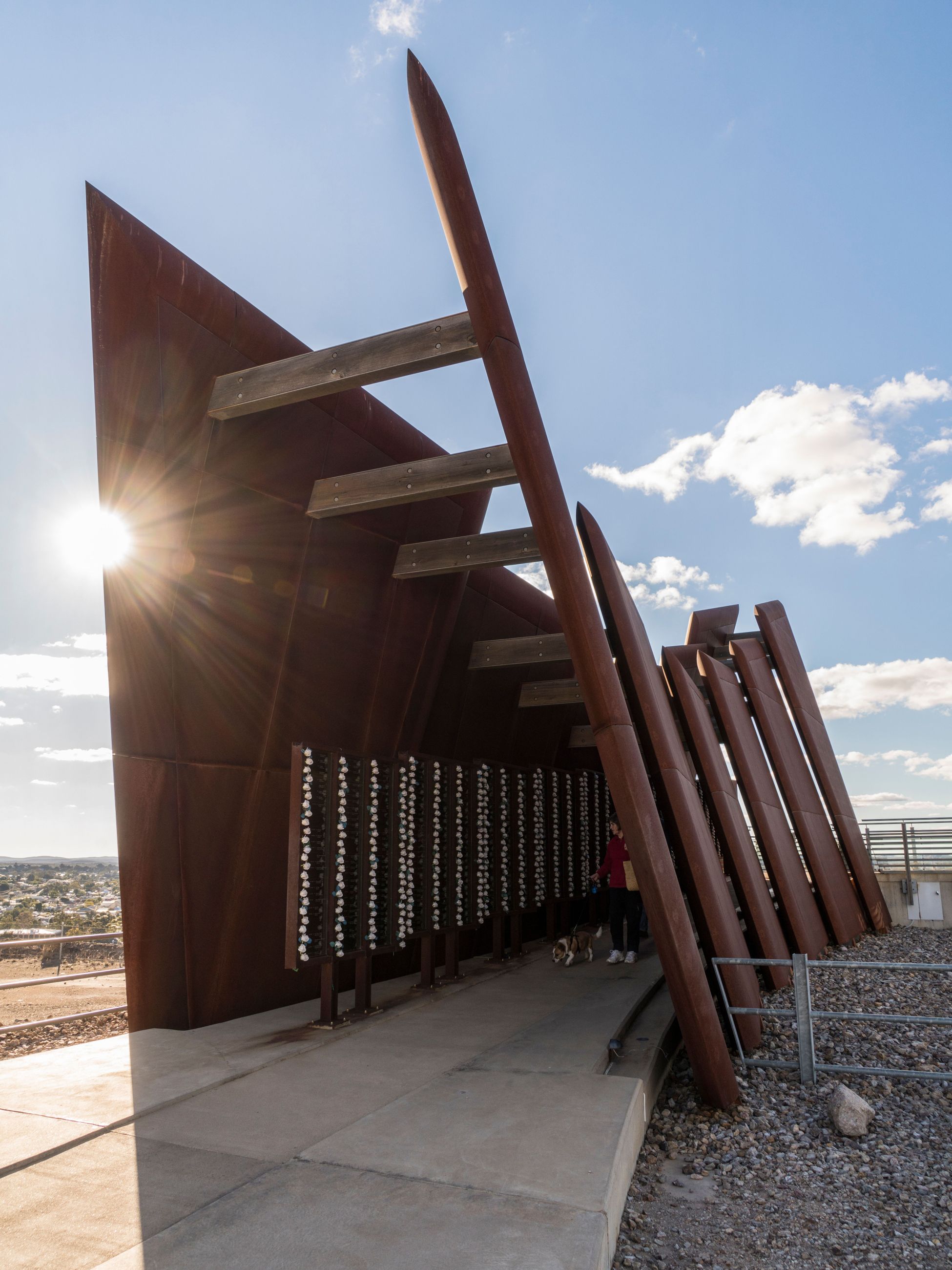
Line of Lode Miner’s Memorial. (Credit: Destination NSW)
Start at the Visitor Information Centre, where a Heritage Walk Tour is a laid-back, informative way to orient yourself in the gridded town centre. Street names such as Mercury and Cobalt prove just how interwoven mining is with the 143-year-old settlement and its economy. Drive up the waste-rock ‘mullock heap’ for an expansive vista and an insight into the industry’s brutal legacy at Line of Lode Miner’s Memorial, featuring the names of 800 workers who have perished on the job.
Another famous BHP – the 140-year-old Broken Hill Pub – offers big-lunch staples, including a belly-challenging range of schnitties, as well as surprisingly multicultural options (I recommend the karaage wings). I treat Bells Milk Bar (circa 1892) in South Broken Hill as my de facto dessert bar; slowly slurping a full-fat, house syrup-flavoured shake (the Jaffa is excellent) in the 1950s-style interior, marvelling at vintage cartoon murals. Bells’ ‘roof alien’ is a regional icon.
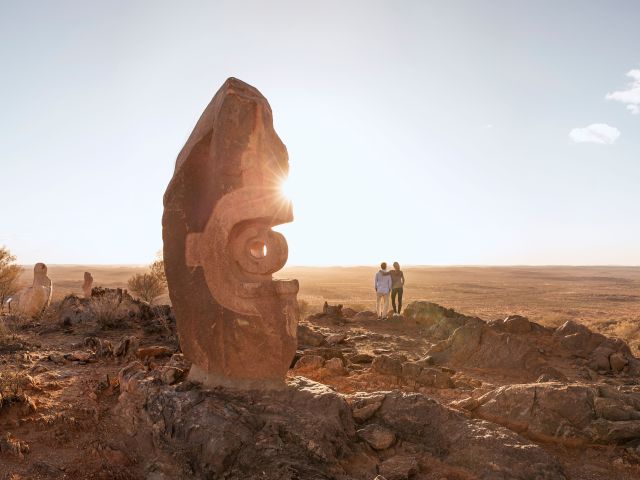
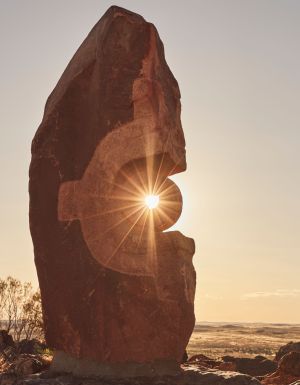
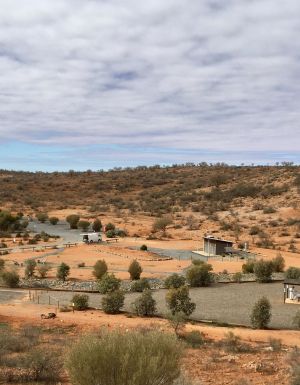
The Living Desert and Sculptures highlights the wide, open skies around Broken Hill. (Credit: Destination NSW)
As the sun sinks, drive 20 minutes north to Living Desert State Park. Atop Sundown Hill, meander around the 12 sandstone sculptures, carved by Indigenous and international artists, which surreally glow as the fading gloam sets the red desert landscape of the Barrier Ranges alight. Watch for kangaroos on the return drive.
Need tips, more detail or itinerary ideas tailored to you? Ask AT.
AI Prompt
Day 2: A far-out day trip and a night staring into the starry sky
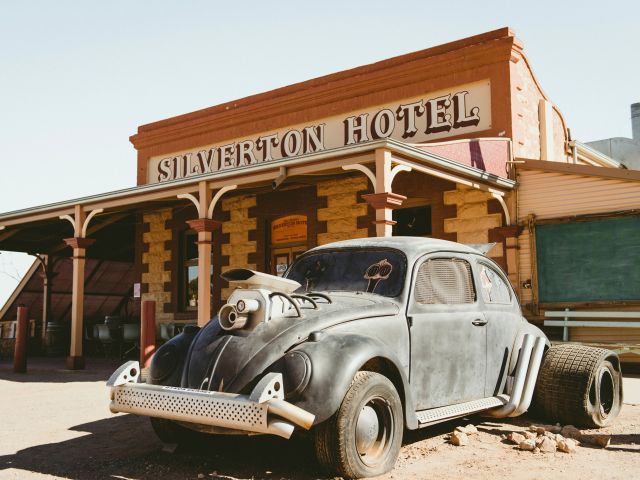
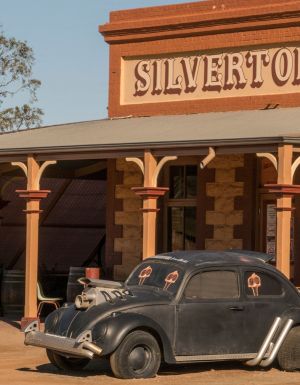
A VW Beetle outside the Silverton Hotel pays homage to the V8 Interceptor from the original Mad Max film. (Credit: Destination NSW)
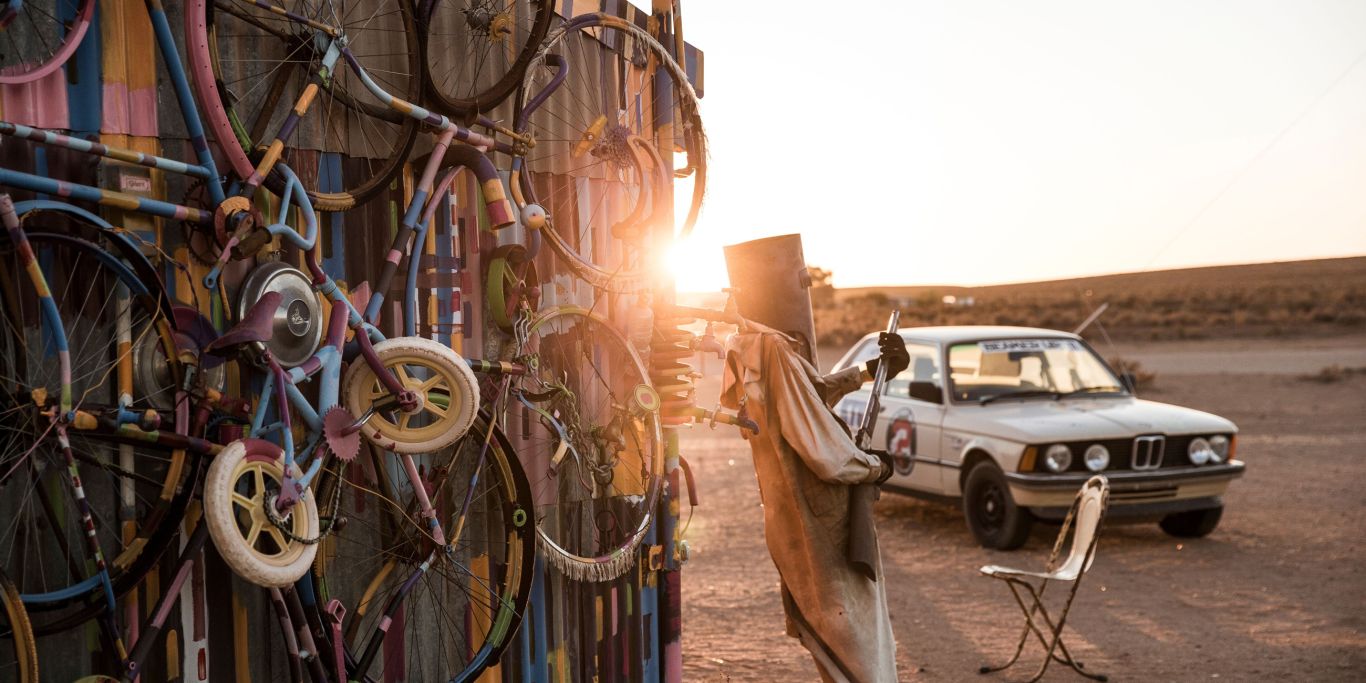
Silverton is only a 25-kilometre drive north-west of Broken Hill, along the ‘Road with 39 Dips’, but this 50-person dirt-street town feels like it’s from another time. Explore its saltbush surroundings on a swaying, belching dromedary with Silverton Outback Camels. A visit to the property of Petah Devine (‘the camel lady’) is a highlight, with a ragtag mob of rescue animals – from emotional emus to gruff water buffaloes – parading around rusty scrap metal and vintage contraptions.
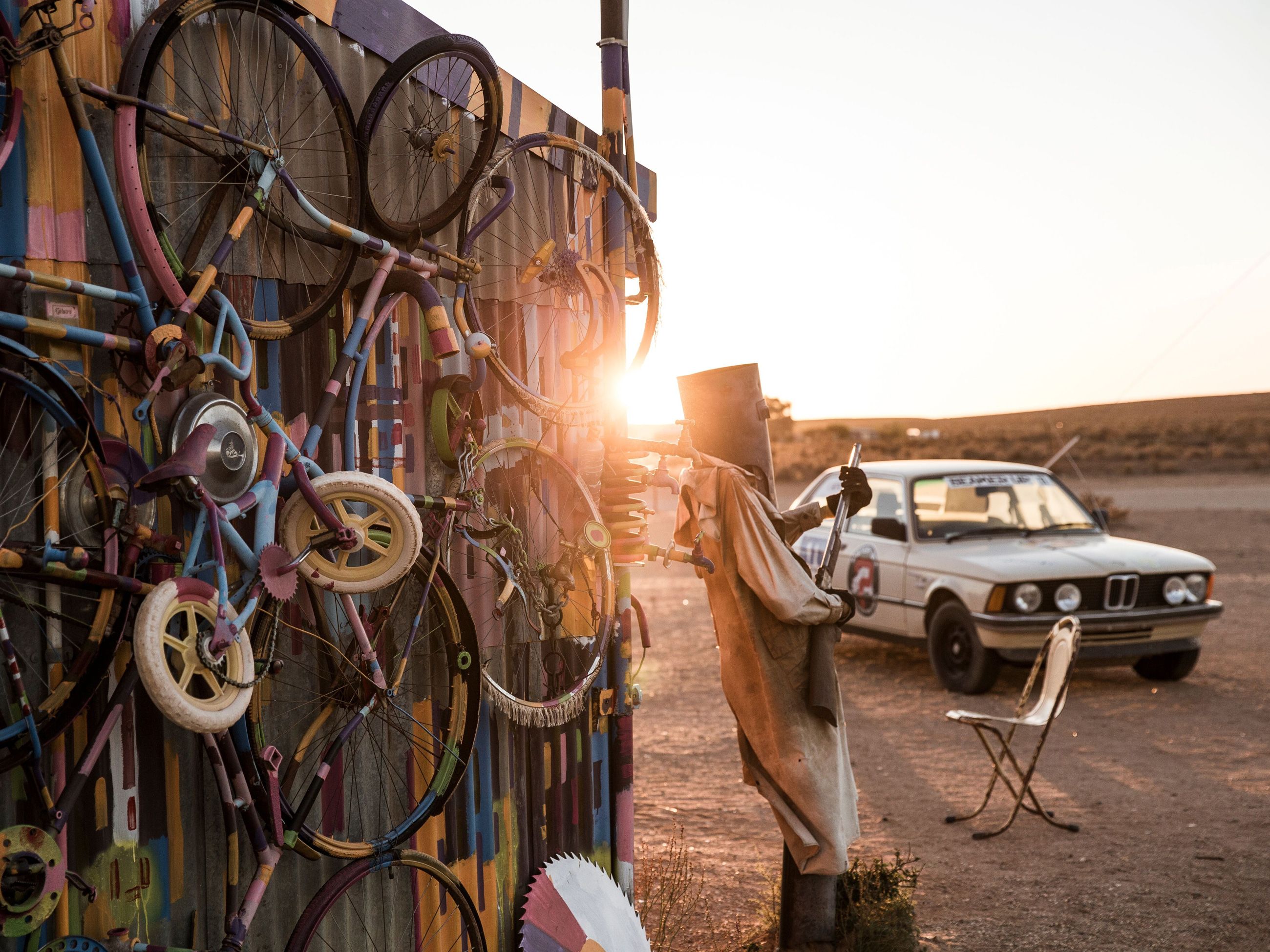
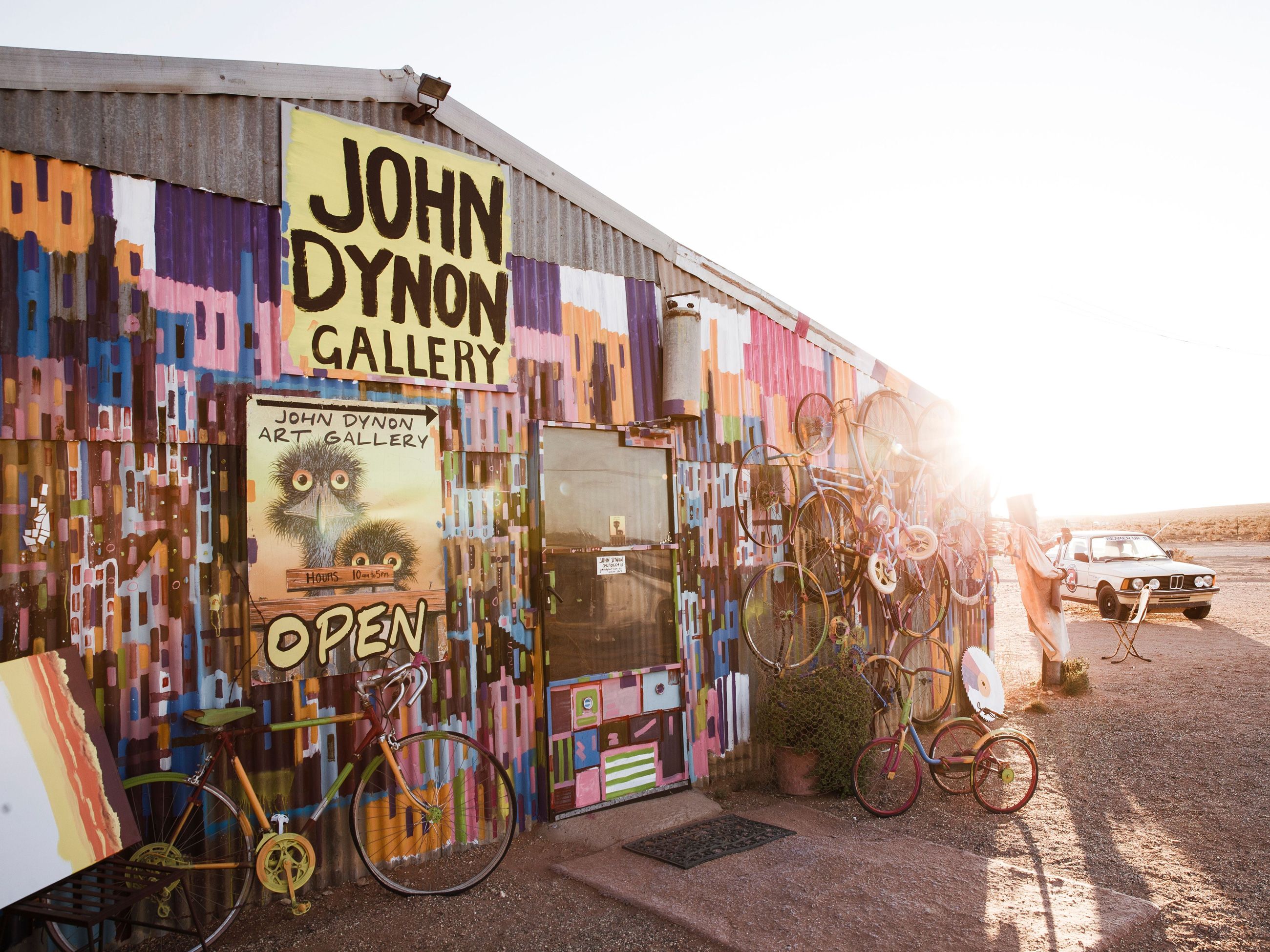
John Dynon Art Gallery celebrates painter John Dynon (aka the ‘Emu Man’ ) in the outback town of Silverton, a major source of inspiration for his art. (Credit: Destination NSW)
The colourful John Dynon Art Gallery
in Silverton. (Credit: Destination NSW)
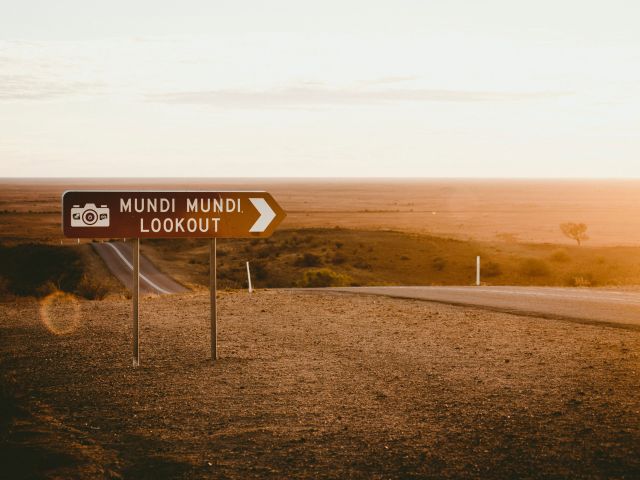
Pretty much everyone stops for a pub lunch and chilled beverage at the region’s second-most famous pub, Silverton Hotel (number one will be revealed on day four). The town’s marvellously motley activity options include the Mad Max 2 Museum (a corrugated-metal shed full of cars, costumes and kitsch from the film, which was shot nearby), the quirky John Dynon Art Gallery and a tour of historic Daydream Mine (28 kilometres north-west of Broken Hill). And you must admire the shimmering outback infinity from Mundi Mundi Lookout, where scenes from The Adventures of Priscilla, Queen of the Desert were filmed.
Access to Mundi Mundi Lookout is via a sealed road. (Credit: Destination NSW)
Speaking of infinity, head to Outback Astronomy (10 minutes north-east of Broken Hill) after dark, for one of its stargazing ‘sky shows’. Tuck into an Asteroid Scatter Platter, binoculars in one hand, wine in the other, as sky-guide Linda Nadge makes sense of out-of-this-world things with a laser pointer and telescope.
Day 3: Cafe hopping, gallery crawling and premium bush tucker
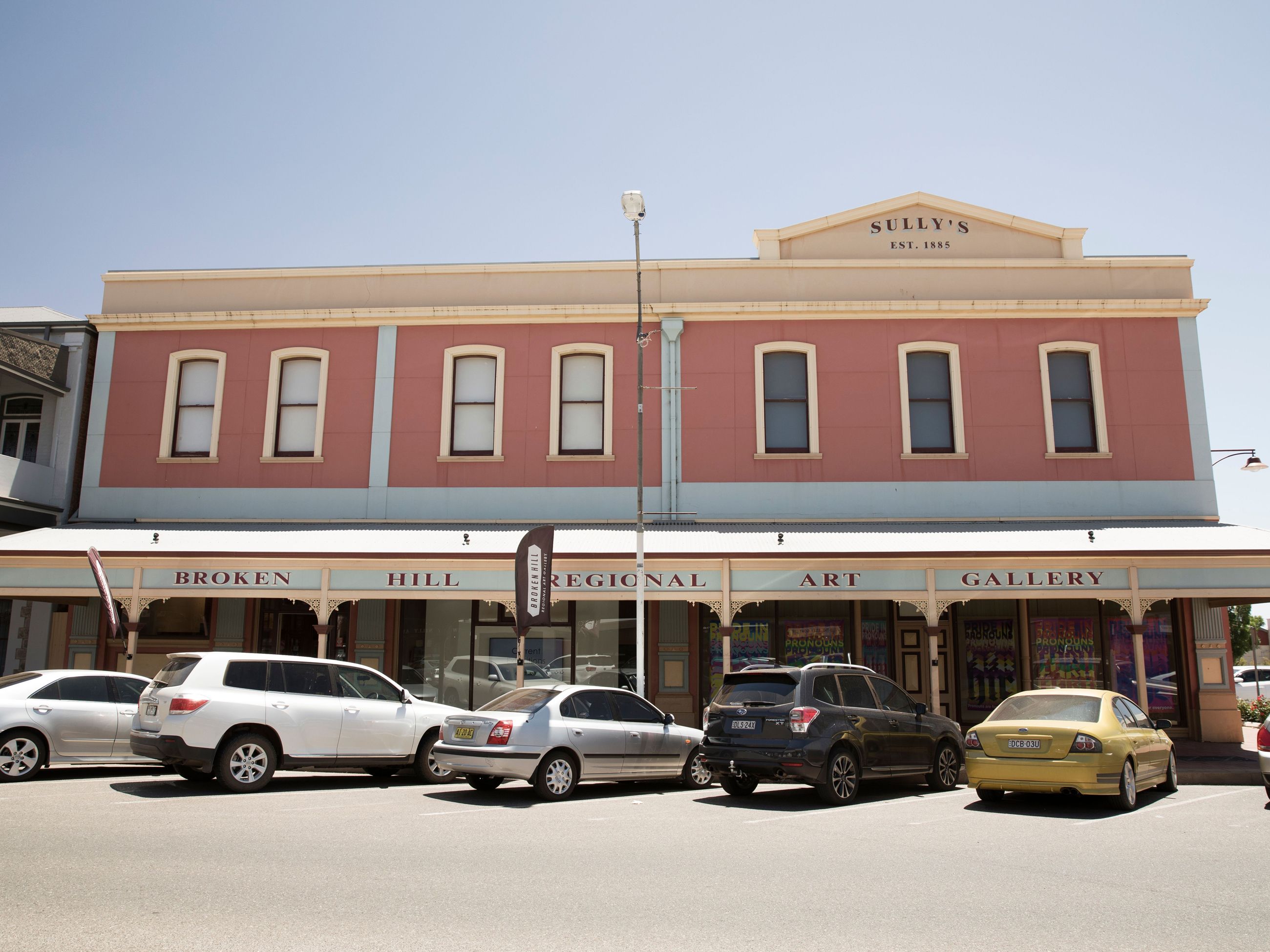
Broken Hill City Art
Gallery. (Credit: Destination NSW)
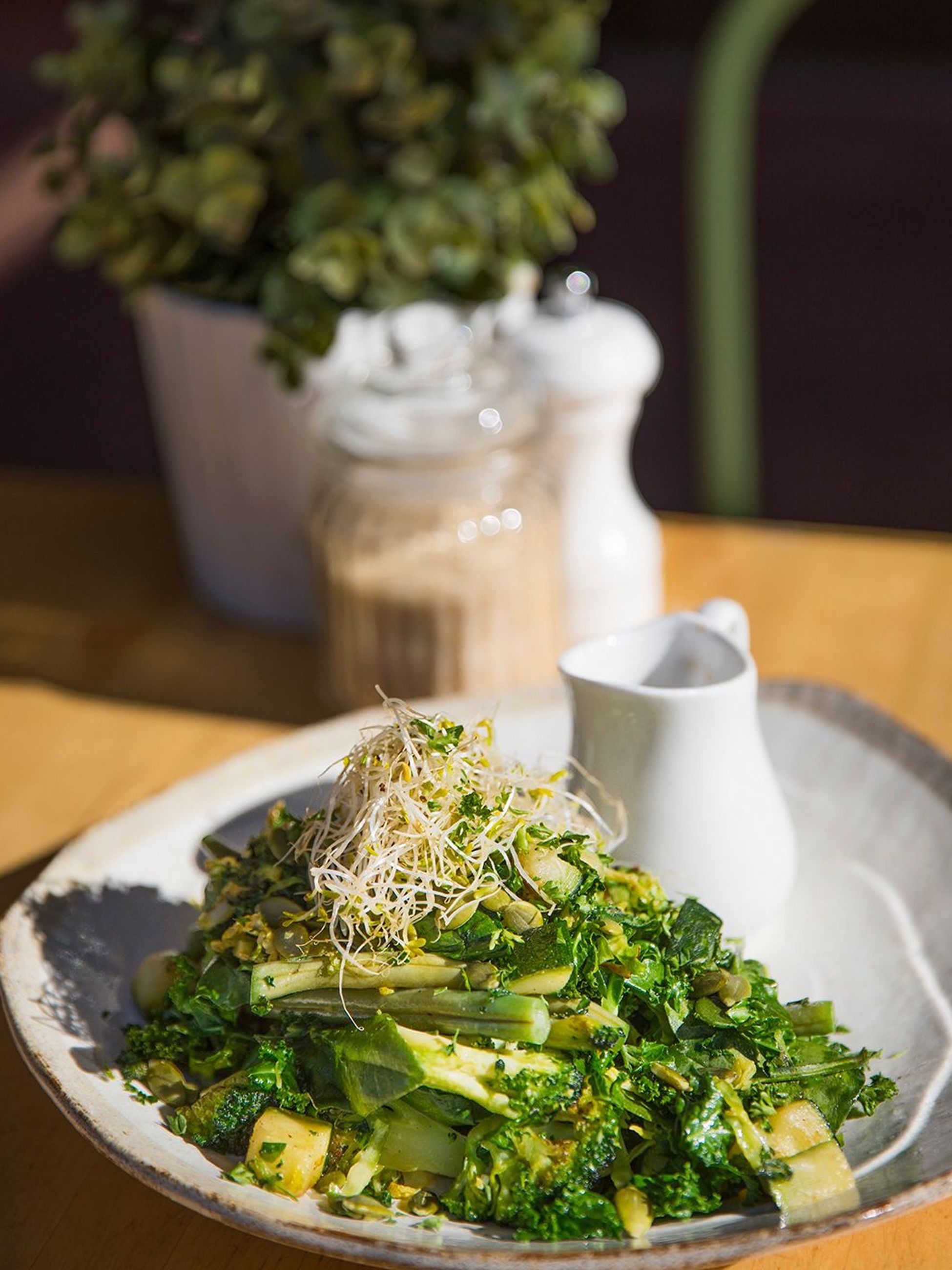
Lunch at The Silly Goat. (Credit: Destination NSW)
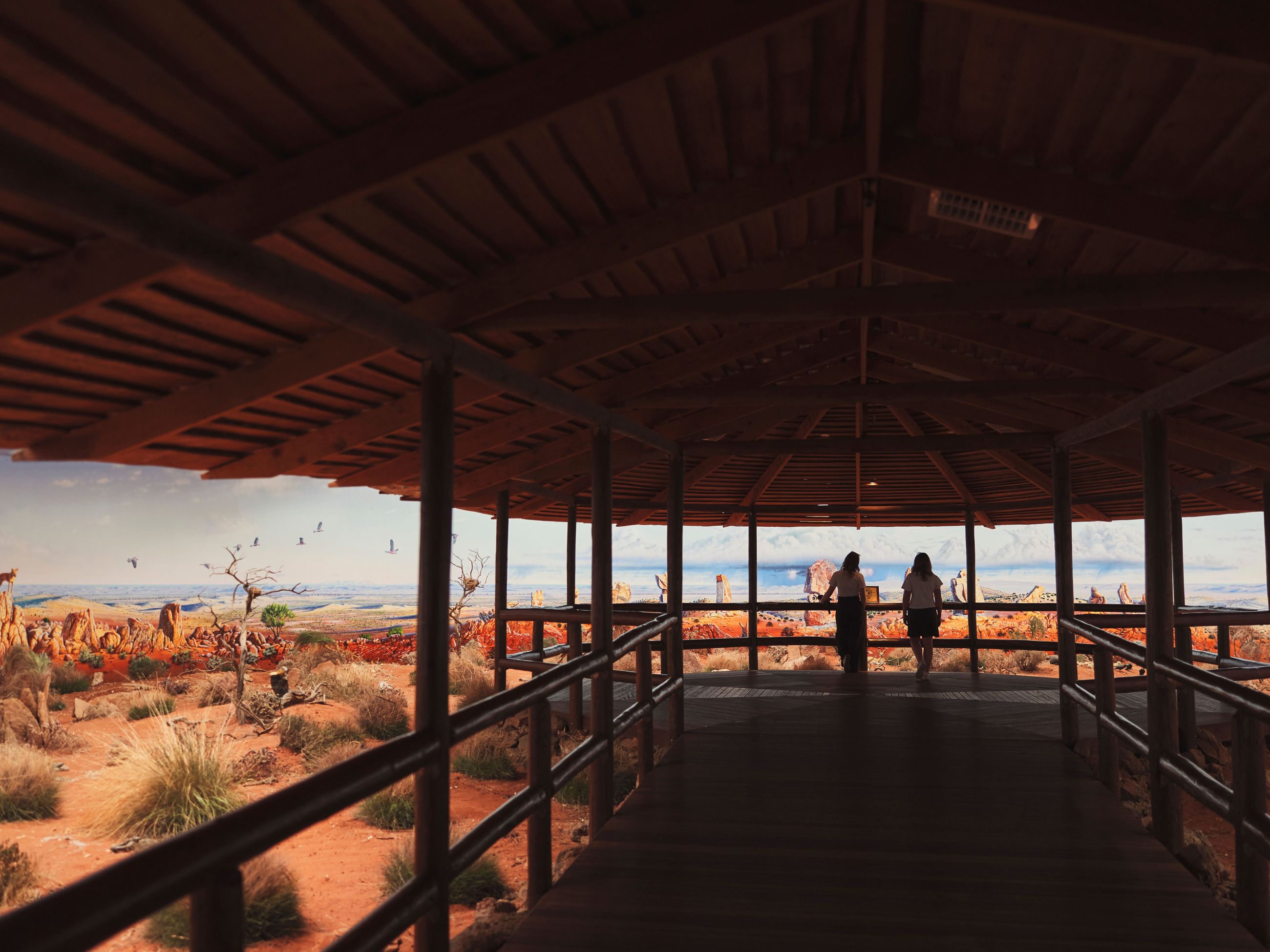
See The Big Picture at the Silver City Mint & Art Centre. (Credit: Destination NSW)
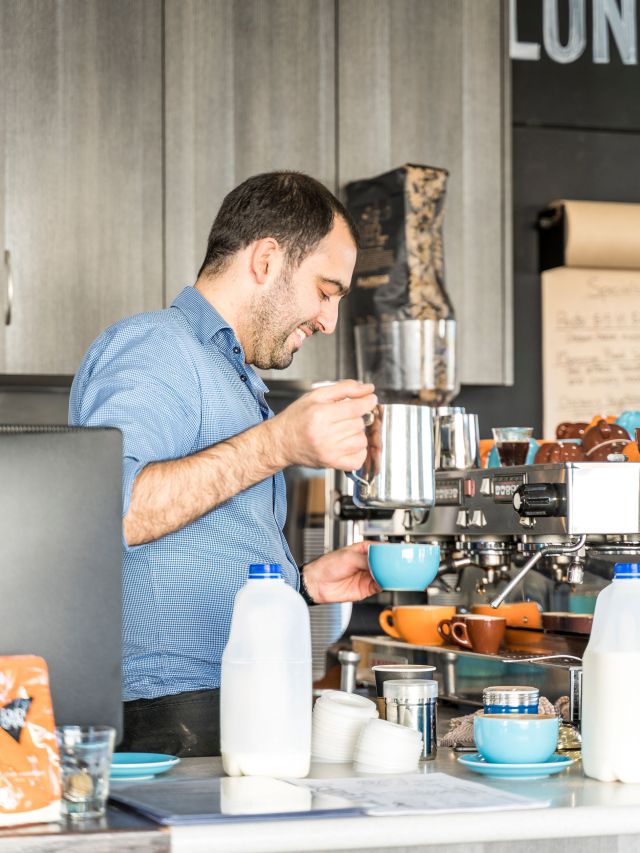
The outback is officially no longer a coffee wasteland. My favourite cafe option is The Deli – for its joyful, bright vibe, Little Marionette coffees and elevated old-school Aussie cakes. The whimsical gift shop is worth a browse, too. On the main drag, Argent Street, The Silly Goat draws in upwardly mobile locals for very good Seven Miles coffee and well-executed brunch faves in a post-industrial space.
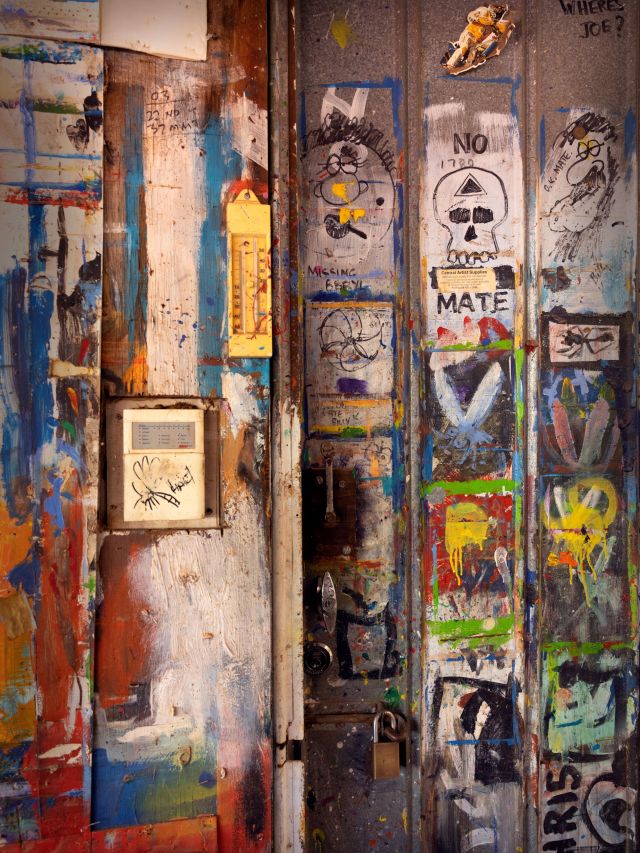
Paint-splattered doorway at Pro Hart Gallery. (Credit: Destination NSW)
After fuelling up on caffeine, it’s then time to set off on a choose-your-own-art-venture around The Hill’s charismatic galleries. Broken Hill City Art Gallery, based in an old general store, is my go-to, with a strong representation of Indigenous and bush artists. All tastes can be sated here, from bold outback-inspired impressionism and surrealism at Pro Hart Gallery to The Big Picture, an in-the-round, room-sized landscape at Silver City Mint & Art Centre (billed as the world’s largest acrylic painting on canvas by a single artist).
If I could eat out just once in Broken Hill, I would do it twice at The Old Salt Bush. Tenacious restaurateur and chef Lee Cecchin’s bush-food fusion makes this one of NSW’s finest regional restaurants. The setting, inside a refined 1888 heritage-listed building, is calm and genteel. Dishes such as saltbush-dusted lamb rump and green-ant panna cotta tart consistently keep tastebuds challenged and delighted (be sure to book ahead).
Day 4: A rock-art quest, then drag yourself to the ‘Priscilla pub’
Weekly travel news, experiences insider tips, offers, and more.
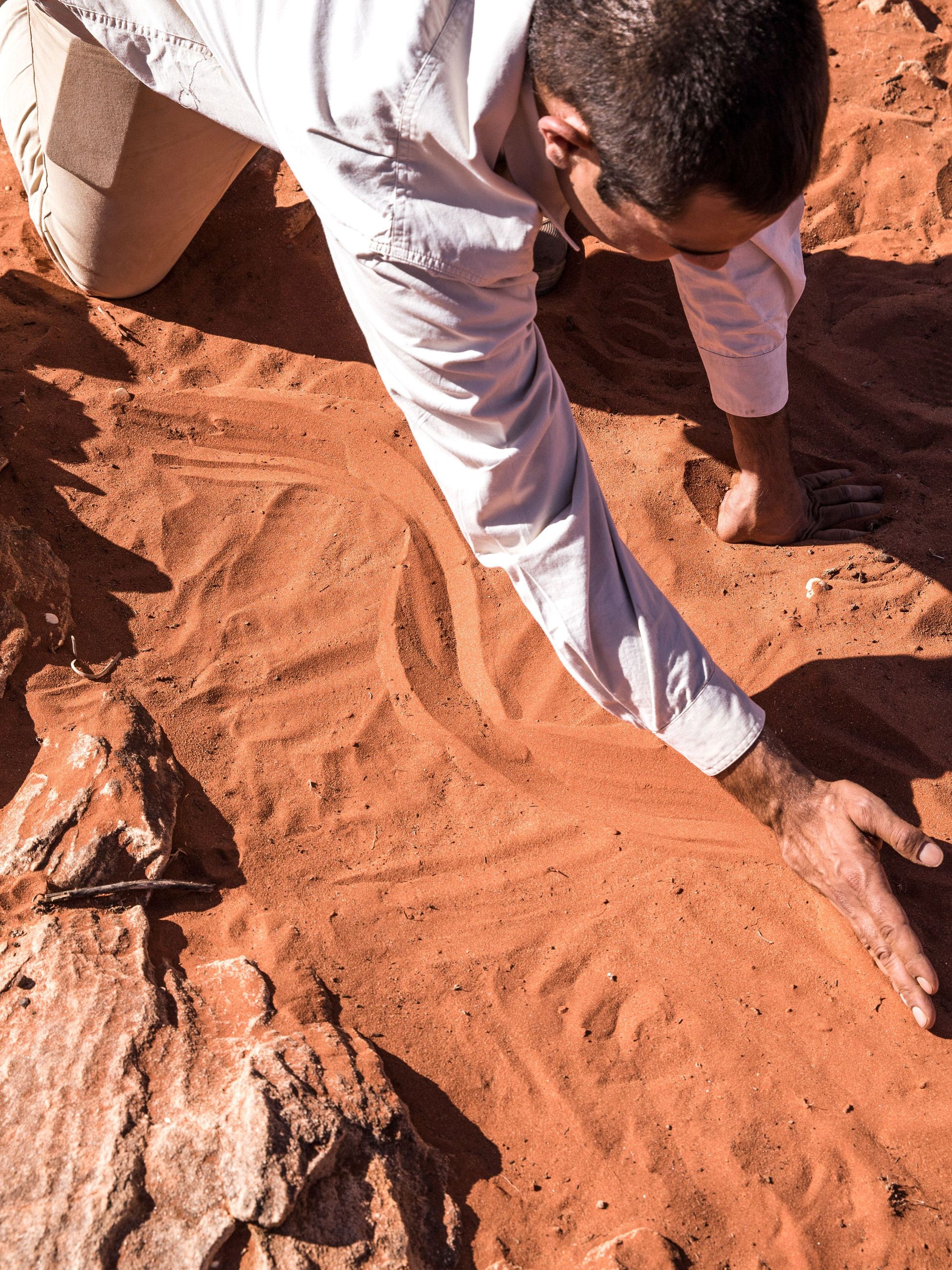
Take an Indigenous-led tour of Mutawintji National Park. (Credit: Destination NSW)
Exploring Mutawintji
National Park. (Credit: Destination NSW)
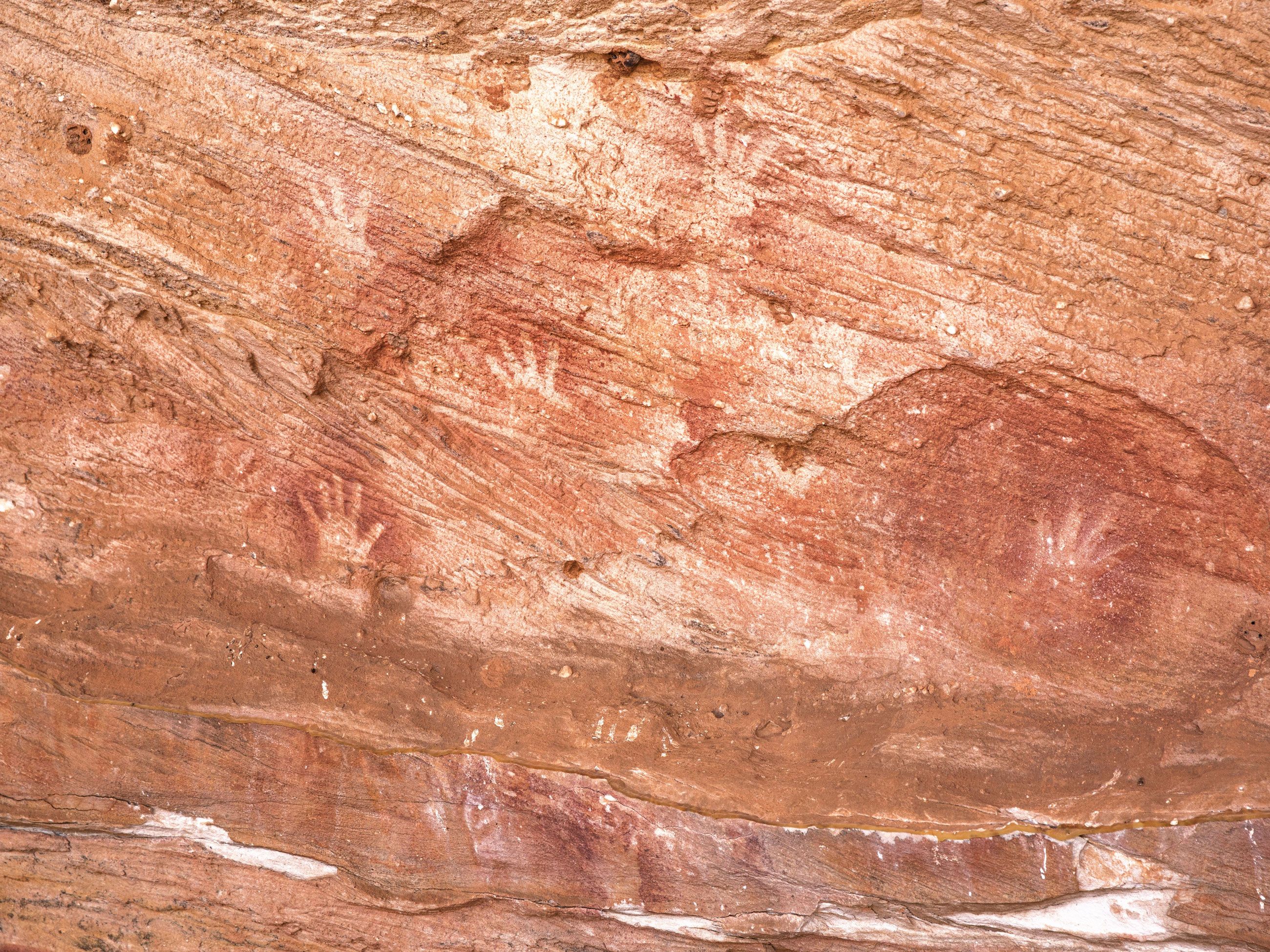
Admire ancient Aboriginal rock art. (Credit: Destination NSW)
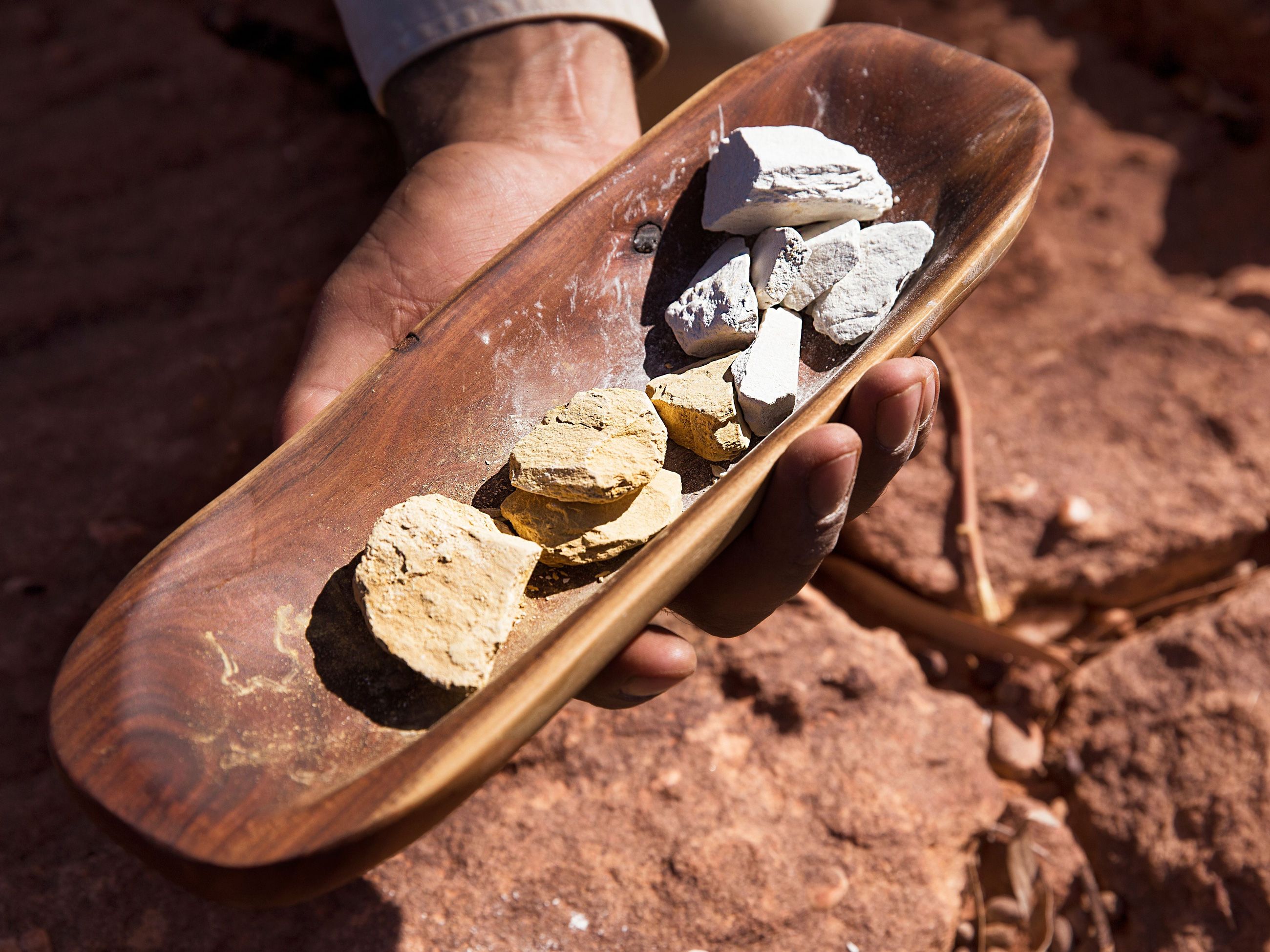
Mutawintji is one of Australia’s most underrated national parks and is well worth the 130-kilometre journey from Broken Hill. The drive, along a lonely road heading towards opal-mining outpost White Cliffs, is a mind-clearing meditation. Book ahead for an Indigenous guide-led Mutawintji cultural tour, which explores rock art highlights of the 69,000-hectare ex-sheep station. The hand stencils and tens-of-thousands of years old petroglyphs are stupendous.
Guide Keanu Bates sharing art and culture. (Credit: Destination NSW)
There are plenty of pockets of personality still to be explored this afternoon. My pick? Check out the Mosque Museum, once a place of worship for the outback-pioneering Afghan cameleers (open by appointment). Snap a selfie outside the vintage radio-shaped 2BH building. Head to the Royal Flying Doctor Service Outback Heritage Experience at the airport to revel in the history and heroics of the airborne medicos.
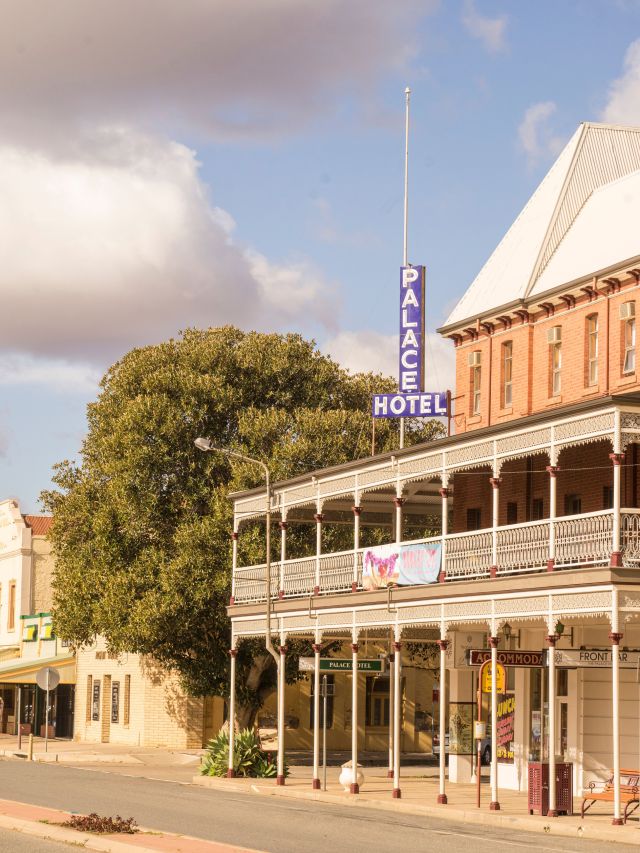
Beeline for The Palace Hotel. (Credit: Destination NSW)
For a final-night soiree, I suggest a multi-venue beverage safari in the town. Sample Old Man Saltbush gin at Broken Hill Distillery. Sip a late-afternoon cocktail or wine on the archetypal verandah at Red Lush (part of The Astra hotel). Beeline for The Palace Hotel – aka the ‘Priscilla pub’, the region’s most famous watering hole, where iconic scenes from the movie were filmed – to gape at its old-school murals, including a ceiling-based replica of Botticelli’s TheBirth of Venus. Then do what the locals do, whether it’s watching a drag show or belting out karaoke.
NB: Plan a sleep-in tomorrow.
Travel details
How to get to Broken Hill
Fly from Adelaide to Broken Hill with REX or direct from Sydney with QANTASLINK. By car, Broken Hill is about 1150 kilometres west of Sydney (13 hours) and about 517 kilometres north-east of Adelaide (5.5-6 hours).
Discover what makes this country town the perfect place to slow down, switch off and recharge.
At first glance, the country town of Moree may look like just another charming highway town, with heritage buildings, a leafy town centre and classic pubs the locals love. However, this regional New South Wales town is Australia’s Artesian Spa Capital, a wellness hub with a rich Indigenous cultural history and a growing reputation as a destination for slow travel.
Moree is ideally located at the crossroads of the Gwydir and Newell highways (and is also easily reached by train and air), making it a refreshing destination, or stop, on any road trip. And these eight experiences show why.
1. Taste Moree on a Plate
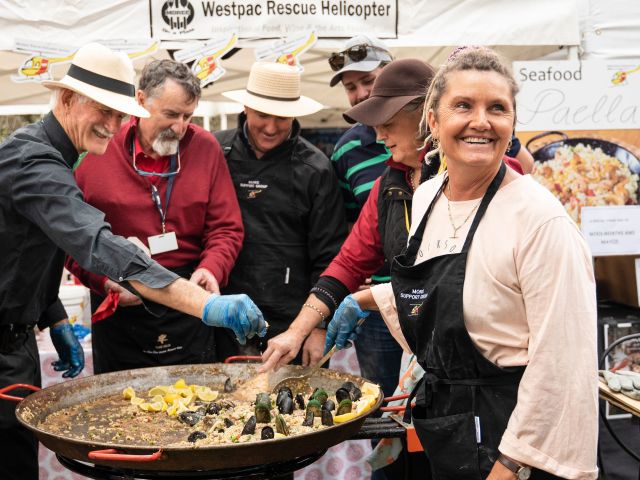
Taste the best of regional produce and culinary talent. (Credit: Destination NSW)
Time your trip for Mother’s Day weekend in May, and you’ll find yourself in the middle of the popular annual food and wine festival, Moree on a Plate, celebrating regional produce and culinary talent from the region’s fertile plains.
Browse the stalls and sample olives, pecans, citrus fruits, honey, boutique wines and handmade condiments. You can also enjoy live cooking demonstrations by celebrity chefs, a local barbecue competition, plein-air art, live music and a dedicated children’s activity area.
2. Experience artesian waters
Chill out in Moree’s famous artesian waters.
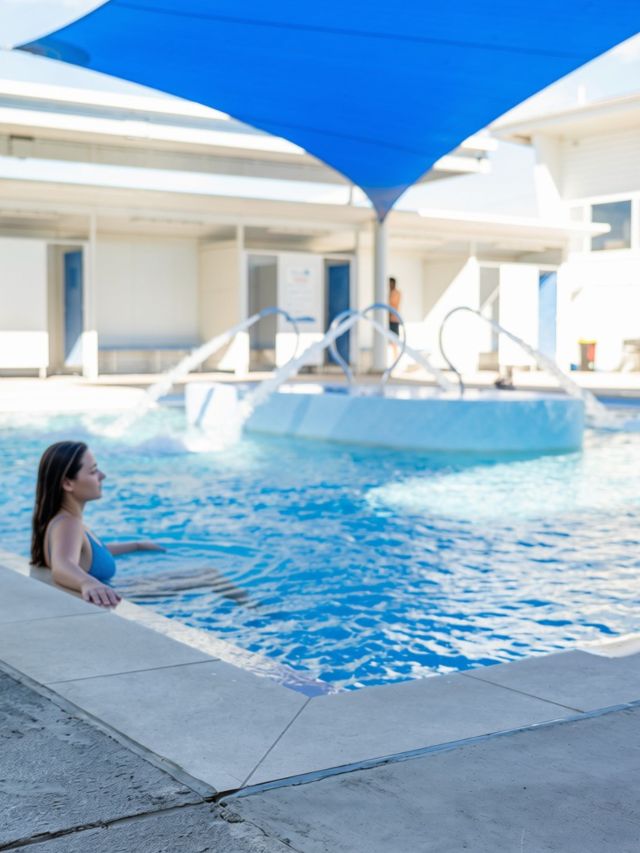
Moree’s famous artesian waters have attracted visitors for over 130 years. First discovered by accident in 1895, this mineral-rich, naturally heated water is drawn from deep within the Great Artesian Basin. Soak and slow down in the recently renovated pools at the Moree Artesian Aquatic Centre, where you can choose between the active pool with massaging water jets or the passive pool for a more relaxing experience.
For a longer soak, stay at one of the many motels within walking distance of the aquatic centre. Or book a stay with its own artesian pools.
Gwydir Thermal Pools Motel & Caravan Park has five on-site thermal pools and a broad range of accommodation, while the Phoenix Resort offers both indoor spas and outdoor thermal pools as well as recently upgraded self-contained apartments and motel rooms. Meanwhile, the Artesian Spa Motel is set on five acres of landscaped gardens and features swimming and thermal pools, including an indoor artesian spa and an on-site restaurant.
3. Enjoy an arty experience
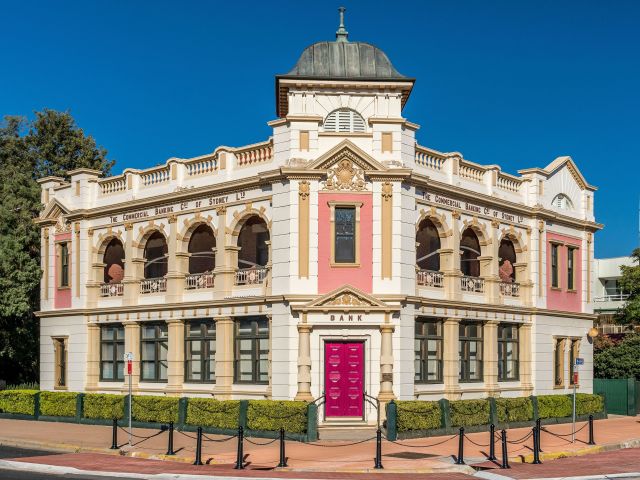
Step inside the gorgeous Bank Art Museum Moree. (Credit: Destination NSW)
To connect with Moree’s artistic side, head to Bank Art Museum Moree (BAMM), an independent contemporary art gallery housed in a beautifully preserved, Federation-era bank dating back to 1910. Inside, a nationally significant collection celebrates the art and culture of the Gamilaroi/Kamilaroi people and other First Nations artists alongside regional Australian art, while changing exhibitions offer something new.
Follow the Moree Art Mural Trail through the CBD, and you’ll pass large-scale murals and small galleries reflecting stories of the town’s people, history and culture. While you’re exploring this open-air gallery, look out for the eclectic mix of Art Deco and early 20th-century architecture, including the Moree Courthouse and the striking Capitol Theatre facade.
4. Discover cotton country
Learn more about Moree’s cotton industry. (Credit: Destination NSW)
Surrounded by the black-soil plains of the Gwydir Valley, Moree is at the centre of one of Australia’s major cotton-growing areas. Visit between March and May, and you’ll see fields covered in the distinctive fluffy white cotton bolls being harvested by huge machinery.
Trace the cotton from paddock to fabric on the Cotton Farm and Gin tour, running from April to September. You’ll visit a cotton farm and a working cotton gin up close, where you’ll see the cotton fibres separated from the seeds. Tours run weekly and include transfers.
5. Explore the Moree Plains
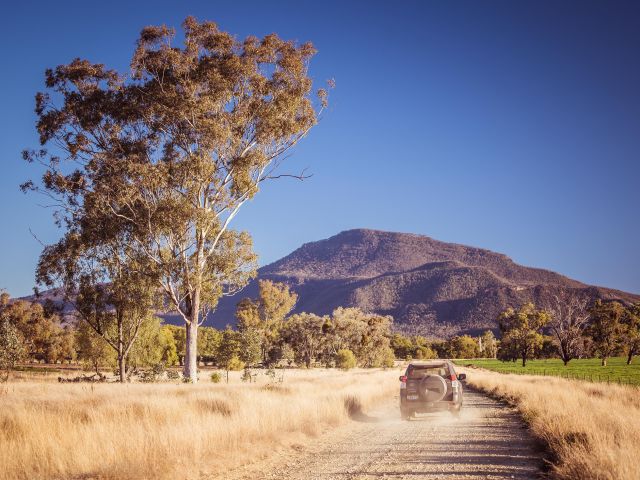
Head out of town to explore the plains.
Outside of the city centre, Moree is surrounded by charming rural villages dotted around the plains. The quiet village of Boomi, around 90 kilometres north-west of Moree, offers historic early 20th-century architecture, its own artesian thermal waters at the Boomi Artesian Baths and vast outback skies.
Further west, the pioneer border town of Mungindi straddles the Barwon River between New South Wales and Queensland. Follow the 2.5-kilometre sculpture trail to take in the outdoor public art, and you’ll cross the state border twice.
6. Relax by the water
Spot the locals at Gwydir Wetlands.
Just a short drive away, the peaceful Tareelaroi Weir Recreation Area makes the most of the meandering Gwydir River. Set up camp along the riverside and enjoy picnicking, fishing and swimming.
A little further afield, the Gwydir Wetlands are home to 75 recorded waterbird species, including brolgas, magpie geese, egrets, spoonbills, ibis and black-necked storks, also known as jabirus. Watchers can settle into the hide at Waterbird Lagoon, or follow a short walking trail through the wetlands, keeping an eye out for rare species.
7. Immerse in local Indigenous culture
Learn about the history of the Gamilaroi People.
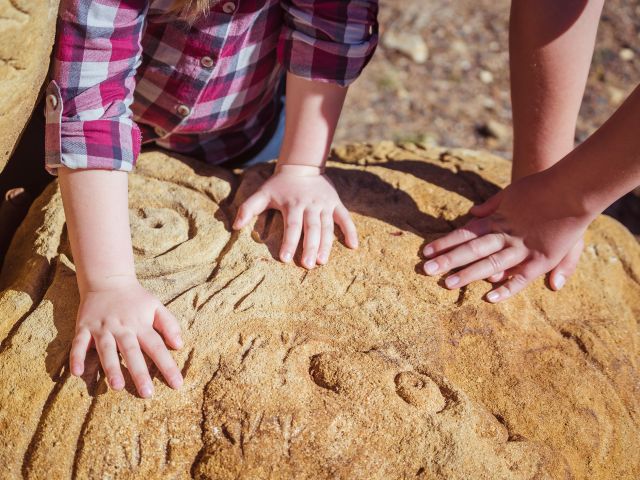
Moree lies on the traditional lands of the Gamilaroi People, whose connection to the land stretches back thousands of years. Today, visitors can learn about this history at Terry Hie Hie Aboriginal Area, which includes the 3.5 kilometre Yana-y Warruwi Walking Track.
Back in town, the Open Space Aboriginal Art Trail allows you to enjoy the Mehi River with a free, self-guided public art trail of work from local Indigenous artists and their personal connection to Country. Finish with a visit to the remarkable Dhiiyaan Aboriginal Centre, where more than 110,000 family genealogies are recorded. Browse artefacts, art and over 15,000 photographs. There are also changing exhibitions of historical photographs and local art.
8. Local cafe culture
Get amongst’s Moree’s vibrant cafe scene. (Credit: Destination NSW)
From relaxed country cafes to stylish modern eateries, Moree’s CBD has a surprisingly vibrant foodie scene. There are plenty of spots to choose from for a freshly brewed coffee, long lunch or tasty dinner, featuring menus showcasing local produce and loads of country charm.
If you’d rather dine in the great outdoors, grab a takeaway coffee or a picnic and head to leafy Jellicoe Park, a riverside oasis just a short walk from the centre of town. Pick a spot under the trees, enjoy the park’s art installations and keep watch for waterbirds along the river.