hero media

This fairytale walk is hiding in Sydney’s north

The scenic Sydney bushwalk you’ve probably never heard of.

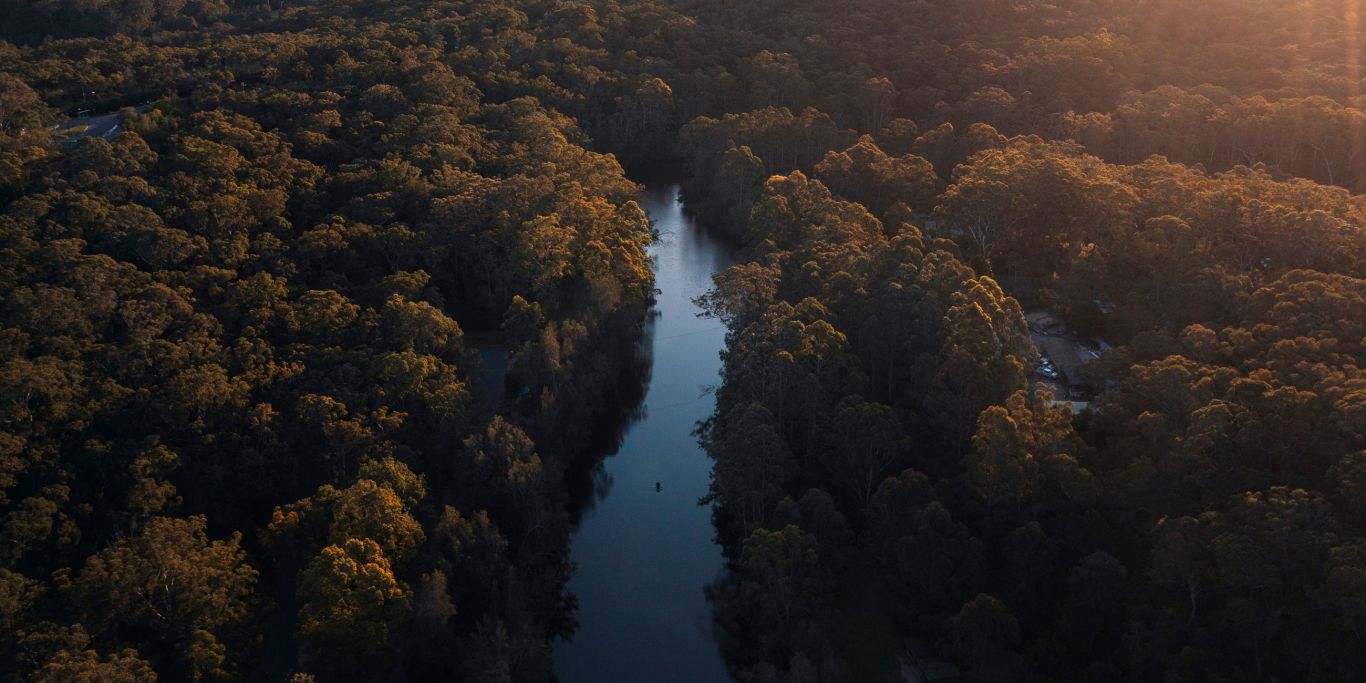
Tucked away in scenic northern Sydney, there’s a bushwalk that feels more like a scene from a storybook than a stroll through suburbia. The Fairyland Loop Track lives up to its name, offering a quiet escape from the city where towering gums, tweeting birds and a fascinating past weave together a touch of everyday magic. Weekend plans? Sorted.

The location – where is it?
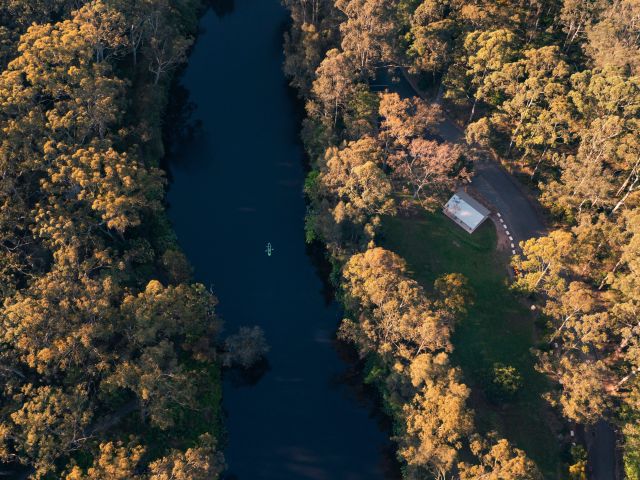
Lane Cove National Park in Sydney, NSW
The Fairyland Loop Track sits within Lane Cove National Park. (Image: Destination NSW)

Sydneysiders are truly blessed when it comes to walking trails. Thanks to our city’s unique position between the ocean and mountains, we’ve got access to some truly spectacular coastal hikes and bush walks. But as outdoor-loving folk, many of them have become more crowded corridors than peaceful paradises.

Yet among the well-trodden trails, a few enchanting corners remain relatively untouched, including the Fairyland Loop Track. Hidden within Lane Cove National Park on the Traditional Lands of the Cammeraygal people, this stunning bushwalk feels like its own little slice of serenity.

The history – why is it called Fairyland?
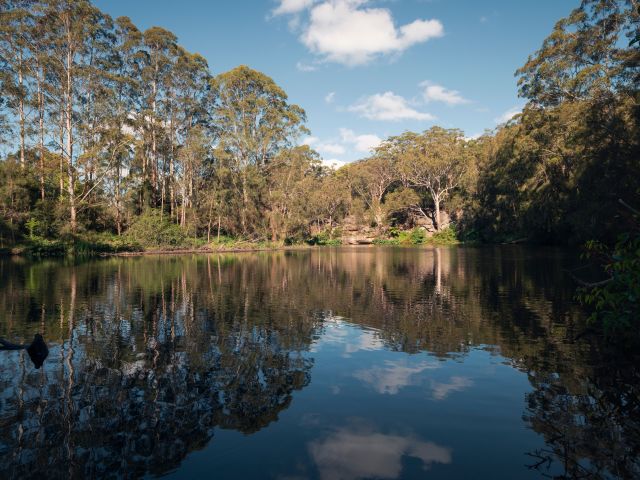
Lane Cove National Park in Sydney, NSW
The walk inherited its name from the Fairyland Pleasure Grounds. (Image: Destination NSW)

The walk gets its name from the historic Fairyland Pleasure Grounds. Purchased by the Swan family in the late 1800s, the land was originally used to grow crops of strawberries and watermelons. But after noticing the success of other pleasure grounds downstream, the family transformed the area into a recreational retreat.

They planted evergreens and palms, painted fairytale figures on trees and scattered wood-carved characters across the grounds, which became known as Fairyland. A slide in the shape of a sleeping giant soon followed, as well as a kiosk, flying fox, wooden pirate ship and a netted area for river swimming.
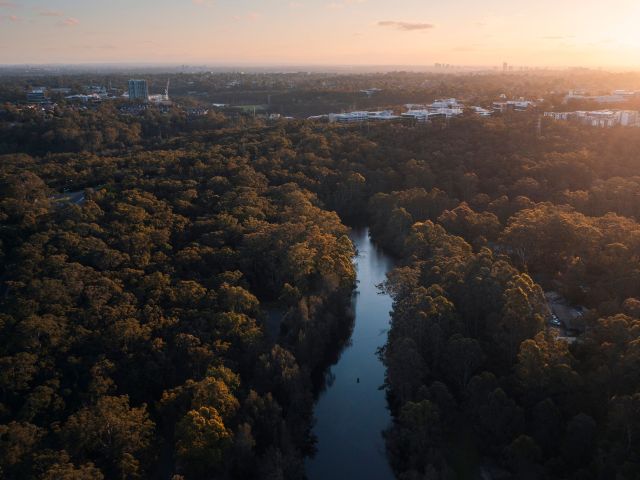
Lane Cove National Park in Sydney, NSW
The park sits among urban sprawl but retains its peaceful charm. (Image: Destination NSW)

Accessible only by ferry, the site drew crowds for decades until the 1960s, when a series of floods forced its closure. Although by then, it had already begun to lose its magic. The once-remote setting had been increasingly encroached on by expanding suburbs, the rise of motor cars and the opening of nearby Epping Road Bridge.

In the late 1970s, the land was acquired by the NSW National Parks and Wildlife Service , which began restoring the abandoned plot and regenerating the overgrown vegetation. Today, nature has almost completely reclaimed the site; a pair of rusted gateposts is all that remains.

The experience – what’s it like?

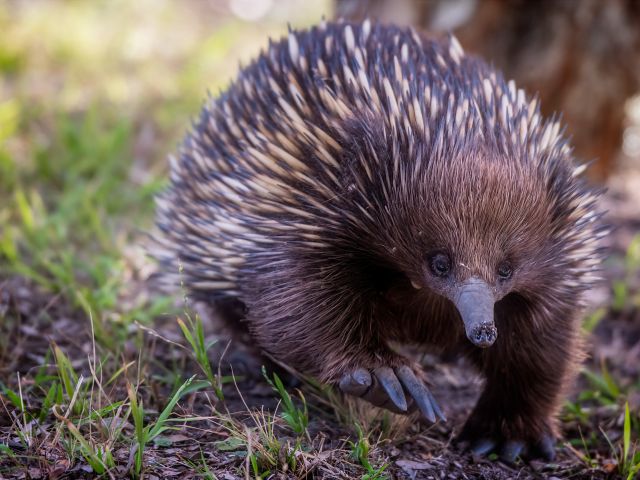
Echidna in the wild
Keep an eye out for native wildlife, including adorable echidnas. (Image: Getty/Tracie Louise)

Starting and ending at Fullers Bridge, the Fairyland Loop Track meanders 5.3 kilometres and takes roughly an hour to complete. And while it’s great for getting your steps up, the walk is also an invitation to slow down and reconnect with nature.

You’ll wander under ancient eucalypts along well-marked paths down to the river, where a boardwalk winds along the water’s edge. There, you’ll find plenty of quiet spots to sit and admire the view, so be sure to pack a picnic lunch.

Lane Cove National Park is also a haven for local flora and fauna. Native species thrive here – from scribbly gums, flannel flowers and old man banksias to kookaburras, swamp wallabies and even echidnas. Not only that, but the river provides a wetland ecosystem that allows swamp wallabies, ducks, green tree frogs and a range of saltwater fish species to flourish.
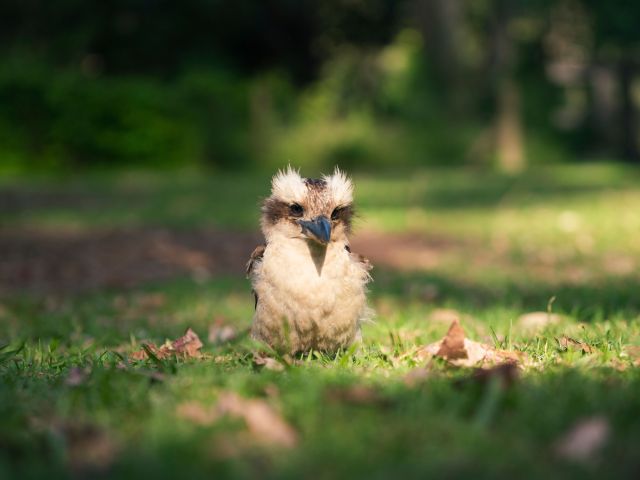
Kookaburra in the wild
A plethora of bird species call the national park home. (Image: Destination NSW)

It’s also a birdwatcher’s paradise, with a plethora of native bird species calling the national park home. Bring your binoculars to spot kookaburras, superb fairy wrens, sulphur-crested cockatoos, azure kingfishers, crimson rosellas and tawny frogmouths – the official 2025 Australian Bird of the Year.

The details – how do I get there?

The Fairyland Loop Track sits within Lane Cove National Park, about a 25-minute drive from Sydney’s CBD. Entry costs $8 per vehicle, per day. Start at Koonjeree Picnic Area, where you’ll find public toilets and plenty of parking just a short stroll from the trailhead.

Taylah Darnell
Taylah Darnell is Australian Traveller's Writer & Producer. She has been passionate about writing since she learnt to read, spending many hours either lost in the pages of books or attempting to write her own. This life-long love of words inspired her to study a Bachelor of Communication majoring in Creative Writing at the University of Technology Sydney, where she completed two editorial internships. She began her full-time career in publishing at Ocean Media before scoring her dream job with Australian Traveller. Now as Writer & Producer, Taylah passionately works across both digital platforms and print titles. When she's not wielding a red pen over magazine proofs, you can find Taylah among the aisles of a second-hand bookshop, following a good nature trail or cheering on her EPL team at 3am. While she's keen to visit places like Norway and New Zealand, her favourite place to explore will forever be her homeland.
See all articles
hero media

8 ways to discover a new side of Port Stephens

    Kate BettesBy Kate Bettes
    Aussies might think they know what Port Stephens is all about – but it’s time to take another look.

    You might’ve driven through this NSW coast town. Maybe even stopped for fish and chips or a quick dip. But spend a long weekend in the new Port Stephens , and you’ll seriously regret not doing it sooner. We’re talking treks across beaches, reef dives and up-close time with rescued koalas.

    All in all? It only takes a day before you see Port Stephens in a whole new light, and not much longer until it’s locked in as your favourite family destination.

    1. Stockton Sand Dunes

    Port Stephens incredible Stockton Sand Dunes are the largest moving sand mass in the Southern Hemisphere. They shift like an endless magic trick across the Worimi Conservation Lands , a 4200-hectare coastal co-managed by the Traditional Owners.

    Tear over them in a 4WD. Rev through valleys soft as melting ice cream on a quad. Carve down 30-metre slopes on a sandboard. However you choose to cross them, you’re guaranteed a seriously wild ride.

    Four rugged 4WDs kick up trails of golden dust as they charge across the sweeping desert landscape.
    Chase thrills across shifting sands. (Image: Destination NSW)

    2. Scale Tomaree Head Summit Walk

    A short climb through bushland opens up to the coastal drama of Tomaree Head . Spot Zenith, Wreck and Box Beaches. See the Fingal Island lighthouse and offshore rookeries where Australia’s rarest seabird, the Gould’s petrel, nests.

    History buffs can’t miss the WWII gun emplacements. And if you’re hiking between May and November, bring binoculars. Travelling whales might just be breaching below.

    Friends enjoying a scenic walk along the Tomaree Head Summit Walk in Tomaree National Park, Port Stephens.
    Climb Tomaree Head for jaw-dropping coastal views. (Image: Destination NSW)

    3. Watch out for whales

    You’ve seen the spouts of migrating humpbacks and southern right whales from shore. Set sail from Nelson Bay to see them up close. Cruise straight into the action, with tail-slaps, barrel rolls and all.

    And they’ve got competition from the local show-offs. Port Stephens bottlenose dolphins leap and play. Some tours even spot pudgy fur seals, spending lazy days soaking up the sun on Cabbage Tree Island.

    A whale’s tail on the sea’s surface.
    Watch for ocean tails. (Image: Destination NSW)

    4. Port Stephens Koala Sanctuary

    Pop into the Port Stephens Koala Sanctuary  to learn about the rescued koalas who climb, nap, snack and heal in this natural patch of bushland. Wander the immersive Sanctuary Story Walk to discover more about their habits, then head to the SKYwalk – a treetop platform constructed for spotting these eucalyptus-loving locals. Peek into the hospital’s viewing window, where sick or injured koalas may be resting in their recovery enclosures.

    Not enough time around these adorable marsupials? Stay overnight in silk-lined glamping tents.

    Koala sleeping in a tree at Port Stephens Koala Sanctuary, One Mile
    See koalas in their natural habitat. (Image: Destination NSW)

    5. Diving Port Stephens

    Port Stephens has some of NSW’s best dive spots. At Fly Point, float through sponge gardens and coral castles thick with nudibranchs (AKA sea slugs). Halifax Park has blue gropers and crimson-banded wrasse, while Shoal Bay’s seagrass meadows hide pipefish, cuttlefish and octopus.

    Accessible only by boat, Broughton Island is home to a vast array of marine (and bird) life. Snorkel with blue devilfish and stingrays at sites like The Looking Glass and North Rock. More experienced divers can head out with one of the many PADI-certified operators.

    At nearby Cabbage Tree Island, expect to see shaggy-faced wobbegongs cruising along.

    A couple suited up and ready to dive into adventure.
    Suit up and dive into Port Stephens’ vibrant marine life. (Image: Destination NSW)

    6. Irukandji Shark and Ray Encounters

    Not quite ready to dive in? Irukandji Shark and Ray Encounters is the perfect way to spot local marine life without getting too deep. But there’s no obnoxious glass tank tapping here. Instead, this interactive aquarium allows guests to wade into natural-style lagoons that mimic the real thing.

    Gently pat Port Jackson and bamboo sharks, hand-feed rays, and feel their sandpapery skin with your fingertips. It is all under expert guidance. If you want to go deeper, pop on a wetsuit and swim alongside tawny nurse sharks, white-tipped reef sharks and zebra sharks in the lagoon.

    Family enjoying an animal feeding experience at Irukandji Shark and Ray Encounters, Anna Bay.
    Meet the ocean’s friendliest faces at Irukandji. (Image: Destination NSW)

    7. Fish the estuaries

    Fishing fanatics will fall for Port Stephens hook, line and sinker. Here, one of the largest estuary systems in the whole state sees tidal rivers and mangrove ecosystems. Waterfronts are thick with oysters, and residential fish that might include anything from bream, whiting and flathead, to blue swimmer crabs, kingfish and longtail tuna.

    If you prefer to choose your own adventure and fish offshore, you can hire a boat from one of the marinas and set your own course.

    three men fishing on a boat in port stephens
    Join a tour or chart your own fishing trip. (Image: Destination NSW)

    8. Taste new Port Stephens flavours

    With plenty of activity to fill your days, refuelling on delectable cuisine becomes equally important. And Port Stephens answers the call.

    Pop into Holbert’s Oyster Farm for fresh-farmed Port Stephens rock oysters and Pacific oysters, Australian king and tiger prawns, as well as a variety of tasty sauces to try them with.

    Take a group to Atmos for an authentic Greek experience over large shared dishes and Greek-inspired cocktails. Or feast on sea-to-plate, modern Australian dishes at the pet-friendly Restaurant 2317.

    A plate of fresh oysters.
    Slurp your way through the region’s best oysters. (Image: Destination NSW)

    Start planning your Port Stephens getaway at portstephens.org.au .