Can you swim at any beaches in Darwin? Here’s what you need to know

hero media
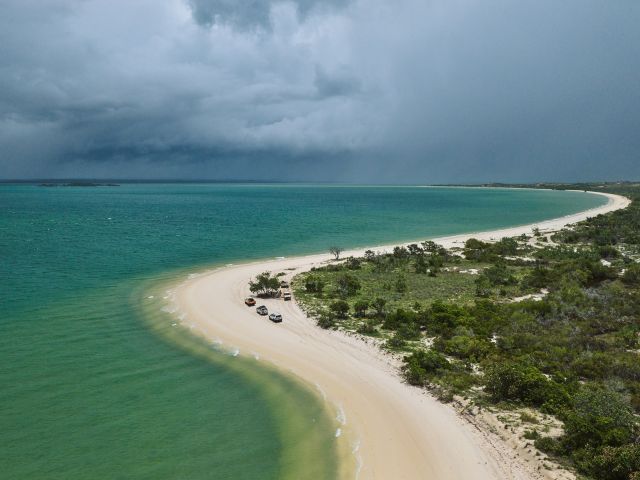
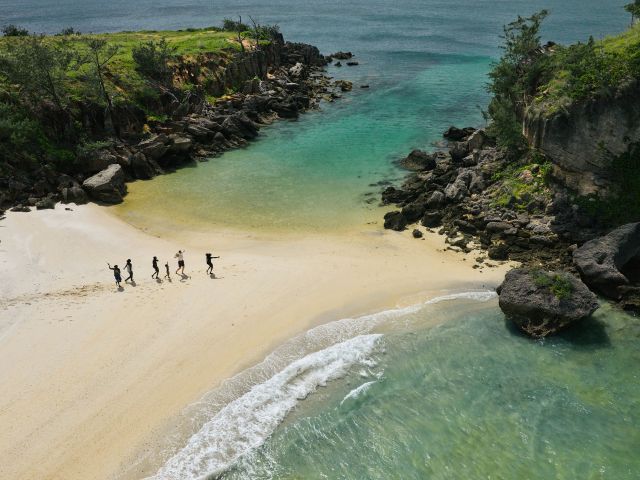
Darwin’s beaches stretch out in shades of soft turquoise, easy on the eyes and tempting in the heat. In the dry season, locals and visitors alike wade in, but swimming here comes with a few caveats best not ignored.

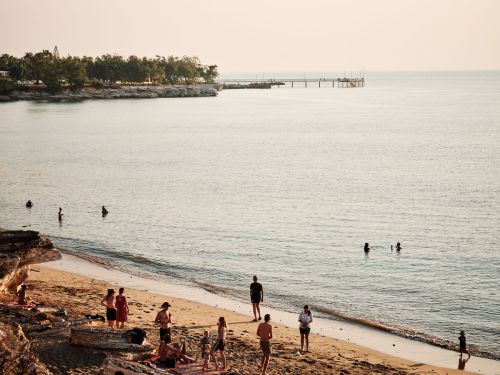
The risks? Crocs and stingers – because, well, this is the Top End. But on a dry season weekend, you’d be forgiven for thinking you’ve teleported to Bondi Beach, with 30 or so people splashing about at Nightcliff Beach and plenty more braving the ocean at Casuarina for a proper swim.

Swimming at the beach in Darwin is a personal call. Weigh up the risks, get informed, stick to patrolled areas when surf lifesavers are on duty, wear protective gear if it makes you feel better – and jump in if it feels right.

Here’s the lowdown on where you can swim, where to stay dry and how to enjoy Darwin’s beaches safely.

Where’s the safest place to swim in Darwin?
Darwin beaches
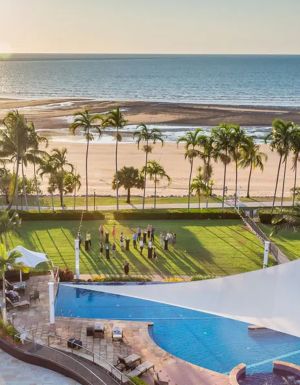
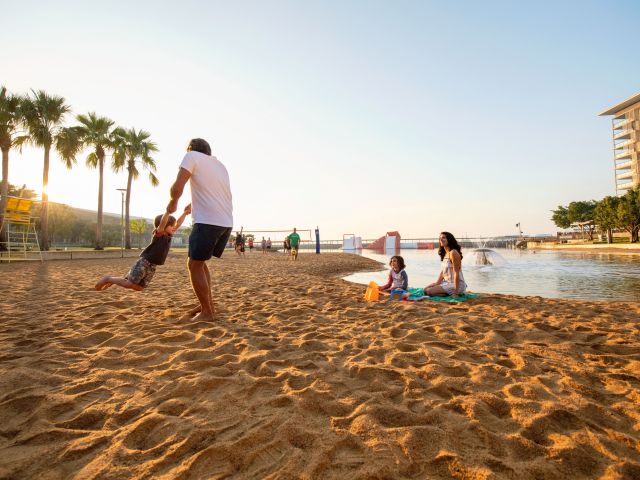
Swim and play at Darwin Waterfront (Image: Tourism & Events NT/Shaana McNaught)

Zero stress, zero surprises? Head to the saltwater lagoon beach at Darwin Waterfront, separated from the adjacent Darwin Harbour by a sea wall. It’s man-made, croc- and jellyfish-free and patrolled all year. There’s even a netted section and grassy banks for lounging, as well as wheelchair accessibility. The Wave Pool is nearby, with timed swells for boogie boarding. It’s the safest splash you’ll find.

Best beaches in Darwin for swimming

From June to August, things shift. The water’s clearer, jellyfish numbers drop and locals start dipping their toes – and more – in the ocean.

Nightcliff Beach
a scenic view of Nightcliff Beach, Darwin
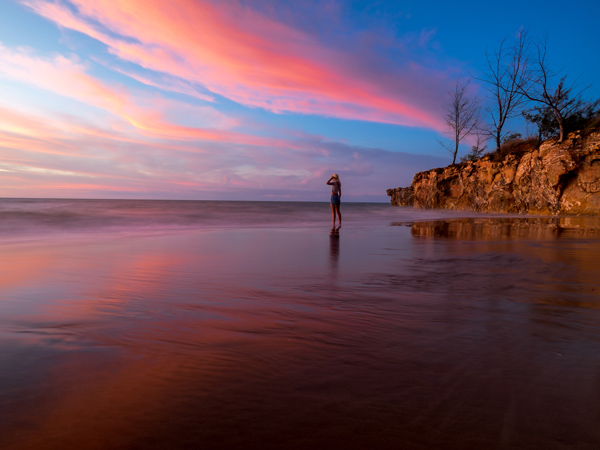
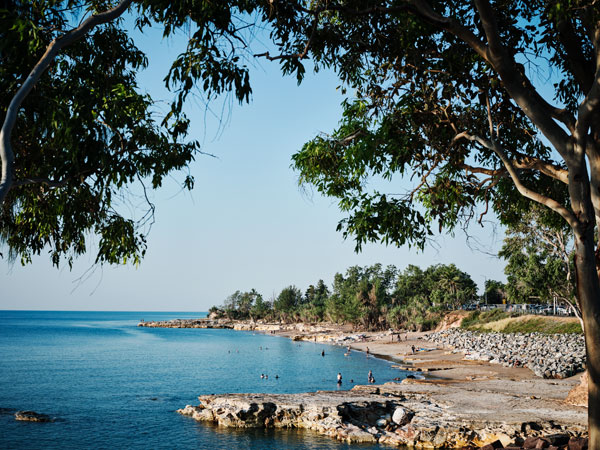
The picturesque Nightcliff Beach feels like a hidden gem. (Image: Jeremy Simons)

At high tide, Nightcliff Beach is magic. The water turns turquoise, locals swim and wade, and confident swimmers jump from the rocks (safely). The Darwin Surf Life Saving Club patrols on Sundays during the dry season, and there’s a laid-back vibe that makes it feel like a hidden gem.

Early riser? Join the Darwin Dippers at 6.30am on Wednesdays for a group swim and post-dip coffee at the Foreshore Restaurant & Cafe .

Casuarina Beach

sunset at Casuarina Beach in Darwin
Witness a pretty, pink-hued sunset at Casuarina Beach. (Image: Tourism NT/ James Maddock)

Part of the Casuarina Coastal Reserve, this wide 4.5km beach is home to Darwin Surf Life Saving Club and its little nippers’ training sessions (Sundays, June to September). It’s also where ocean swims happen each August, with lifesavers patrolling on boards and watercraft.

No rock jumping here – just calm waves and wide-open space. After your swim, refuel at De La Plague cafe – one of the city’s best spots for post-beach brunch. It’s dog-friendly, too.

Mindil Beach
sunset at Mindil Beach, Darwin
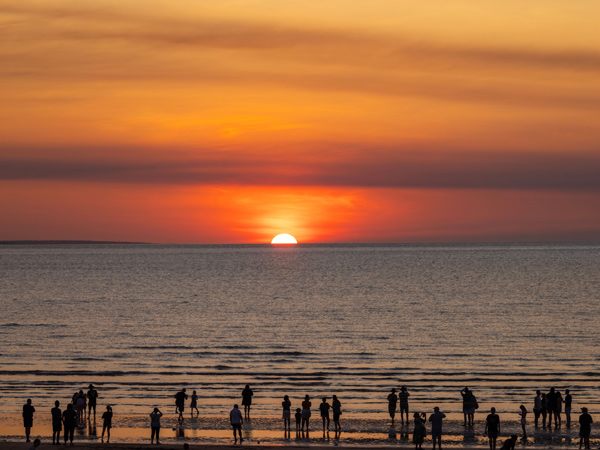
Soak up magnificent sunsets at Mindil Beach. (Image: Tourism NT/Sean Scott)

People do swim at Mindil Beach during the dry season, but let’s be honest – you’re really here for the Mindil Beach Sunset Market . Grab a laksa, sit on the sand, and soak up that famous sunset – swimming optional. Lifeguards patrol from 2pm to 6pm, Thursday to Sunday (and during high tides earlier in the week).

East Point Beach
an aerial view of East Point Beach in Darwin
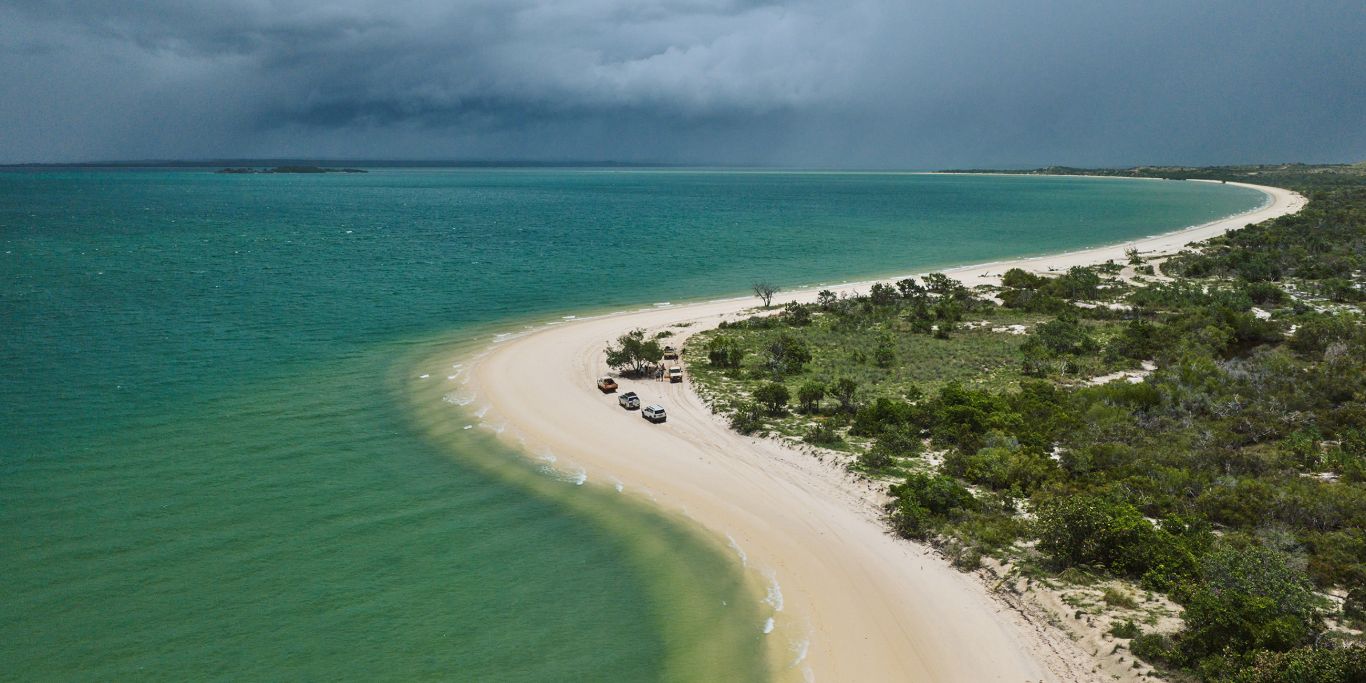
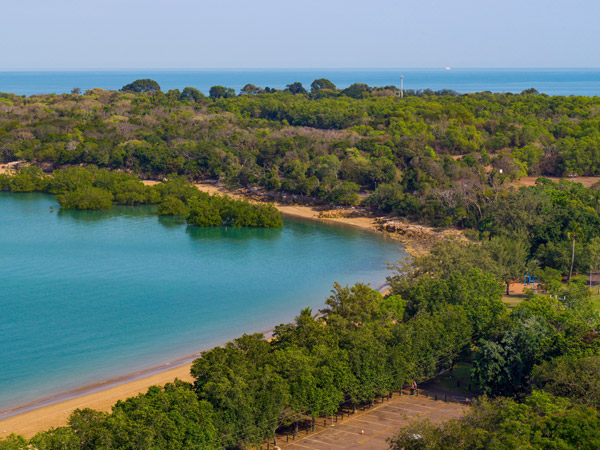
East Point Beach is surrounded by dense and thick mangroves. (Image: Tourism NT)

Patrolled by Mindil Beach Surf Life Saving Club on Sundays in the dry season, East Point Beach is part of the East Point Recreation Reserve, a curved 1.5km stretch ending in mangroves and rocky outcrops. Bonus: Lake Alexander is right behind the beach, offering a croc-free alternative if you’re not keen on the ocean.

What about stingrays?

Box jellyfish and Irukandji are no joke. They’re dangerous, sometimes deadly, and hard to spot. Stinger season runs from October to May, but stings have happened year-round. Kids are more at risk, and since 1975, all 14 recorded stinger-related deaths in the NT have been children.

Box jellyfish are clear with a boxy body and long venomous tentacles and their stings can be fatal. Irukandji (a group of smaller, highly venomous species) are tiny, but nasty. Some species are only the size of a thumbnail. If stung, pour vinegar on the area (not fresh water) and call 000 or find a lifeguard.

Are there crocs at Darwin beaches?
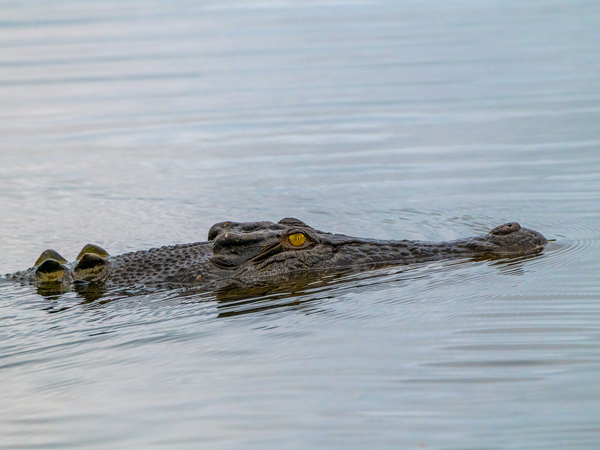
a wild saltwater crocodile swimming in the Northern Territory
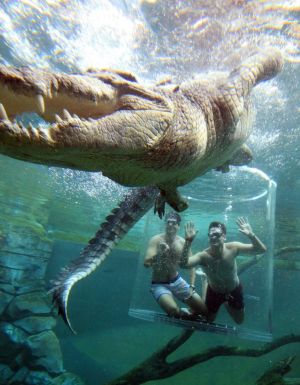
Darwin is home to dangerous saltwater crocodiles. (Image: Caroline Brundle Bugge)

Yes, saltwater crocs live in Darwin’s waters, but there hasn’t been a fatal attack at these beaches in over 120 years. Why? Because lifesavers manage the risks and beaches close immediately if crocs are spotted. But always check the water before you enter when swimming at the beach. Any natural body of water in the Top End may contain large and potentially dangerous crocodiles.

What about tides?
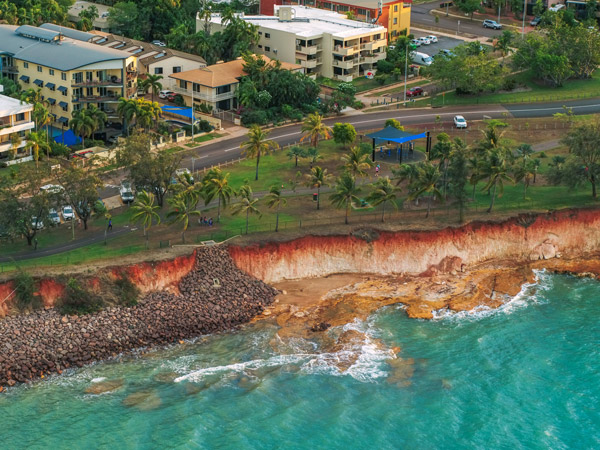
an aerial view of Nightcliff Beach, Darwin
Nightcliff Beach is moderately steep and narrow at high tide. (Image: Tourism NT)

Darwin has some of the biggest tidal shifts in the country, with changes of up to eight metres between low and high tide. At low tide, beaches can turn into vast stretches of exposed mudflats, making swimming tricky (and unappealing). High tide is your best bet – the water is deeper, clearer, and safer, with fewer sharp rocks and critters underfoot.

Top tips for beach swimming in Darwin

  • Stick to patrolled beaches.
  • Swim in the dry season (June–August).
  • Check signs for warnings and the water for crocs before diving in.
Leah McLennan
Leah McLennan is a freelance writer based in Darwin. She was a journalist in Sydney for over a decade and counts her time as travel editor for Australian Associated Press as one of the highlights of her career. From exploring remote campsites in the Top End with her family, to seeking out new art galleries in faraway cities, she’ll grab an adventurous or arty travel experience within her reach.
See all articles
hero media

Red earth, light shows and ancient culture: discover the ultimate NT road trip

(Credit: Tourism & Events NT/ Ben Savage)

    Kassia ByrnesBy Kassia Byrnes
    The Northern Territory is made for road trips, and this one hits all the highlights.

    Craggy mountain ranges, inviting waterholes, ochre soil: the landscape of the Northern Territory is asking to be explored by road and foot. There are many iconic road trips to choose from here, but none so all-encompassing than the roughly 3000 kilometres of sealed road that make up Explorer’s Way.

    Spend 14 days (or more, to really make the most of it) driving this route from Adelaide, hitting the NT near the small settlement of Kulgera before later finishing in Darwin. Along the way, you’ll find nearly all the territory’s most iconic sights.

    Discover some of the top highlights that make Explorer’s Way one of Australia’s most incredible road trips.

    1. Alice Springs

    echidna at Alice Springs Desert Park
    See the locals at Alice Springs Desert Park. (Credit: Tourism & Events NT)

    Recently hitting the big screen again with the story of The Kanagroo Sanctuary , there’s a lot to surprise you in Alice Springs.

    Three distinct desert habitats – desert rivers, sand country and woodland – are recreated over 1300 hectares at Alice Springs Desert Park . Time your visit for a presentation or a free bird show.

    Later, turn your attention to the skies above, taking a dive into local astronomy at Earth Sanctuary . You’ll find a range of experiences, from a 90-minute toe-dip into the stars through to an overnight adventure.

    Alice Springs packs a surprising punch with its tasty dining options, including pub grub and unique brews at Alice Springs Brewing Co , tapas and pizza at Epilogue Lounge and tasty cafe fare at the quirky Page 27 .

    2. Tjoritja/West MacDonnell National Park

    woman standing at Ormiston Gorge
    Dive into Ormiston Gorge. (Credit: Tourism & Events NT/ Dom and Jesso)

    Beginning 15 minutes from Alice Springs and stretching across 161 kilometres, Tjoritja/West MacDonnell National Park is packed with striking ancient landscapes and inviting water holes.

    Visit Standley Chasm – traditionally known as Angkerle Atwatye, meaning ‘Gap of Water’ – to take in its bold red and orange hues, and to observe the diverse bird species, lizards and wallabies that call it home.

    Cool off in one of several picturesque natural swimming holes, like Ellery Creek Big Hole and Ormiston Gorge.

    3. Uluru & Kata Tjuta

    three women looking at Kata Tjuta at sunset
    Explore Kata Tjuta. (Credit: Tourism & Events NT)

    Visiting the Cultural Heart of Australia is something everybody should experience. There are so many side trips in the Red Centre you could easily spend a week here, but to get the most out of a short time, park the car then get out on foot.

    Take the 10-kilometre Base Walk around the entirety of Uluru or join a free, ranger-guided Mala Walk along part of the base, learning about Tjukurpa (creation stories) and geology as you go.

    For a change of pace, wait until nightfall and wander through the iconic Field of Light display by celebrated artist Bruce Munro, or see the Wintjiri Wiru lightshow that shares the ancient Mala story using drones, lasers and projections.

    4. Tennant Creek

    pson looking at Karlu Karlu (Devils Marbles) northern territory
    See the ancient granite boulders of Karlu Karlu (Devils Marbles). (Credit: Tourism & Events NT/ Dom And Jesso)

    Tennant Creek was Australia’s third-largest gold mining town in the 1930s, and visitors can discover that history at Battery Hill Mining Centre – and even try their own hand at gold fossicking.

    For a completely different side of history, pop into Nyinkka Nyunyu Art & Culture Centre , which preserves and shares Warumungu culture through art, performance, a museum and more.

    Just outside town, find the ancient granite boulders of Karlu Karlu (Devils Marbles). A site integral to important stories held by the Warumungu, Kaytetye, Warlpiri and Alyawarra peoples, the boulders appear to almost have dropped out of the sky and seemingly continue to defy gravity.

    5. Mataranka

    aerial of people swimming in bitter springs northern territory
    Dive into Bitter Springs. (Credit: Tourism & Events NT/ Ben Savage)

    A town made famous by the novel We of the Never Never by Jeannie Gunn (and a movie of the same name), Mataranka is also known for its sandy-bottomed thermal pool, Bitter Springs , within Elsey National Park. Follow a 500-metre loop track around these spring-fed pools that stay a toasty 34°C year-round, before choosing your favourite spot to dive into. Enjoy the local birdlife while you relax.

    Elsewhere in the park, find historical sites, several scenic walks and Roper River, which is perfect for boating and fishing.

    6. Nitmiluk National Park

    Nabilil Dreaming Sunset Dinner Cruise
    Join a sunset cruise with Nabilil Dreaming. (Credit: Tourism & Events NT/ Lachlan Gardiner)

    Nitmiluk National Park is sandstone country, with 13 stunning gorges and plenty of waterfalls waiting to be explored.

    One of the most beautiful spots can be found along the 62-kilometre Jatbula Trail, a five-to-six day bushwalk that follows an ancient Jawoyn songline from Nitmiluk Gorge to Leliyn (Edith Falls). Numbers are restricted and book out quickly, so be sure to plan well ahead. Not up for the hike? Drive right up to the falls and enjoy a dip without the challenge.

    Elsewhere, explore Nitmiluk (Katherine) Gorge. Paddle a kayak through the river running through the canyon, or save your energy on a Nabilil Dreaming Sunset Dinner Cruise , discovering the stories and ways of the Jawoyn people while enjoying a candlelit dinner as the cliffs around you shift colour and glow with the changing daylight.

    Continue your cultural journey at local art centres like Godinymayin Yijard Rivers Art & Culture Centre or Mimi Aboriginal Art & Craft .

    7. Litchfield National Park

    cathedral termite mounds in Litchfield national park
    Be awed by giant cathedral termite mounds. (Credit: Tourism & Events NT/ As We Wander)

    Just over an hour’s drive from Darwin lies the beautiful Litchfield National Park. It’s famous for stunning waterfalls and swimming holes, including Buley Rockhole, Wangi Falls, Florence Falls and Tjaynera Falls.

    Here you’ll also find hundreds of giant – and magnetic – cathedral termite mounds that are truly a sight to see. Ageing up to 100 years old, you won’t find mounds like these outside the northern parts of Australia. Stroll along the accessible boardwalk to see them up close.

    8. Darwin

    darwin street art
    Darwin art is streets ahead. (Credit: Tourism & Events NT/ Mark Fitzpatrick)

    This list wouldn’t be complete without the territory’s capital city: Darwin. Situate yourself upon arrival with a stroll through the main streets, admiring the many art murals by local, interstate and international artists. They’re all remnants of the annual Darwin Street Art Festival , one of Australia’s longest running street art festivals.

    Stop to recharge along Darwin’s Waterfront Precinct , an area of delectable restaurants, public swimming pools and free events. And, of course, it would be wrong to leave the city without enjoying a bowl of laksa at Mindil Beach Sunset Market as the sun goes down.

    Learn more and start planning your Explorer’s Way road trip at northernterritory.com/drive.