Everything you need to know about Kakadu National Park

hero media
Kakadu National Park sings with nature and 65,000 years of Indigenous culture. Here’s all you need to know about visiting Kakadu.

Kakadu National Park is the jewel of the Northern Territory’s Top End. Its awe-inspiring landscapes and rich living culture attract visitors from across Australia and the world. The region is a UNESCO World Heritage-listed site, dual-listed for both its outstanding nature and culture. The Traditional Owners of Kakadu National Park are the Bininj in the north and the Mungguy in the south. It’s important to respect the culture, so it’s a good idea to familiarise yourself with local culture and customs  before you arrive.

It’s also worth noting that to enter Kakadu National Park, visitors must purchase a Parks Pass that can be purchased online  or at one of the visitor centres listed on the Parks website . Passes are free for Northern Territory residents. Here’s everything else you need to know about planning a trip to Kakadu National Park.

Where is Kakadu National Park?

Located within a protected area of the Northern Territory, Kakadu National Park can be found 253 kilometres from Darwin. It takes about 2.5 hours to drive between Darwin to Kakadu. The park is located within the Alligator Rivers Region.
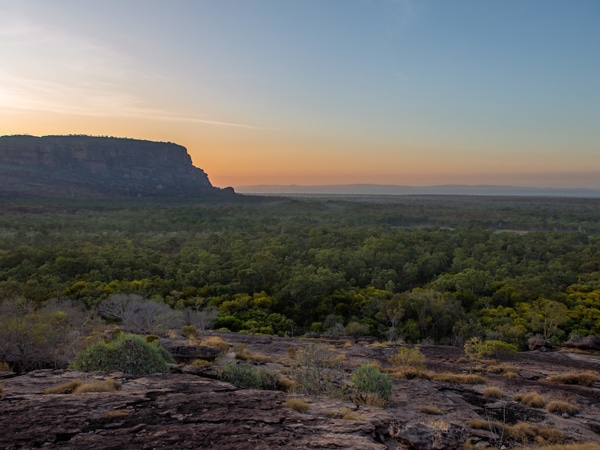
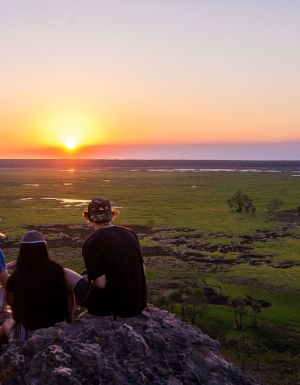
incredible sunrise views at Nawurlandja Lookout, Kakadu
Nawurlandja Lookout overlooks Nourlangie Rock and the Arnhem Land escarpment. (Image: Tourism NT/@jack.and.megan)

When is the best time to visit Kakadu National Park?

The best time to visit Kakadu National Park depends on what you want to see, experience and do there.

The countryside changes with the seasons – during the monsoon or wet season (December through to March or April), the wetlands swell with water and millions of Kakadu’s migratory birds, including jabirus and dancing brolgas swoop across the floodplains.
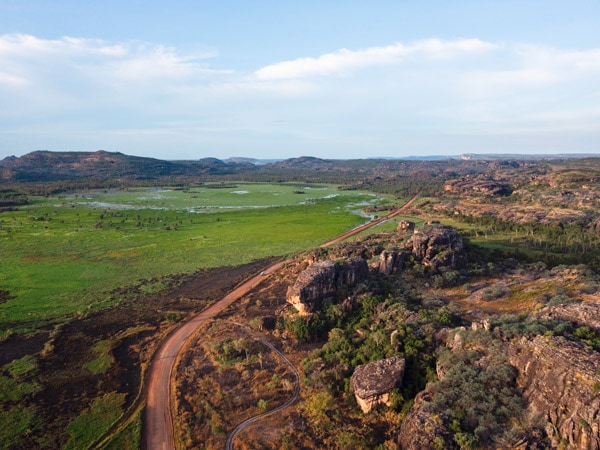
an aerial view of scenic landscapes in Kakadu
Take in the sights of Kakadu’s rugged landscapes. (Image: Tourism NT/Tourism Australia)

The drier months (May to October) are typically considered the best months to visit Kakadu National Park. The heat stays at more comfortable temperatures, and you can swim in plunge pools above waterfalls and explore the park by vehicle and on hiking trails.
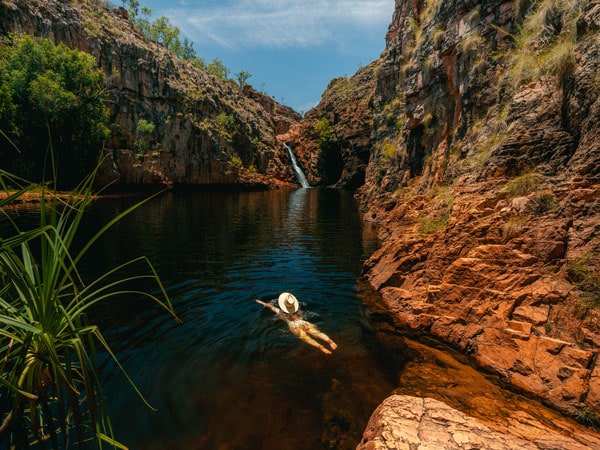
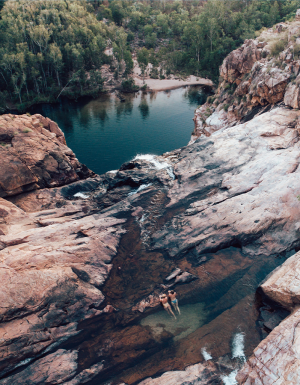
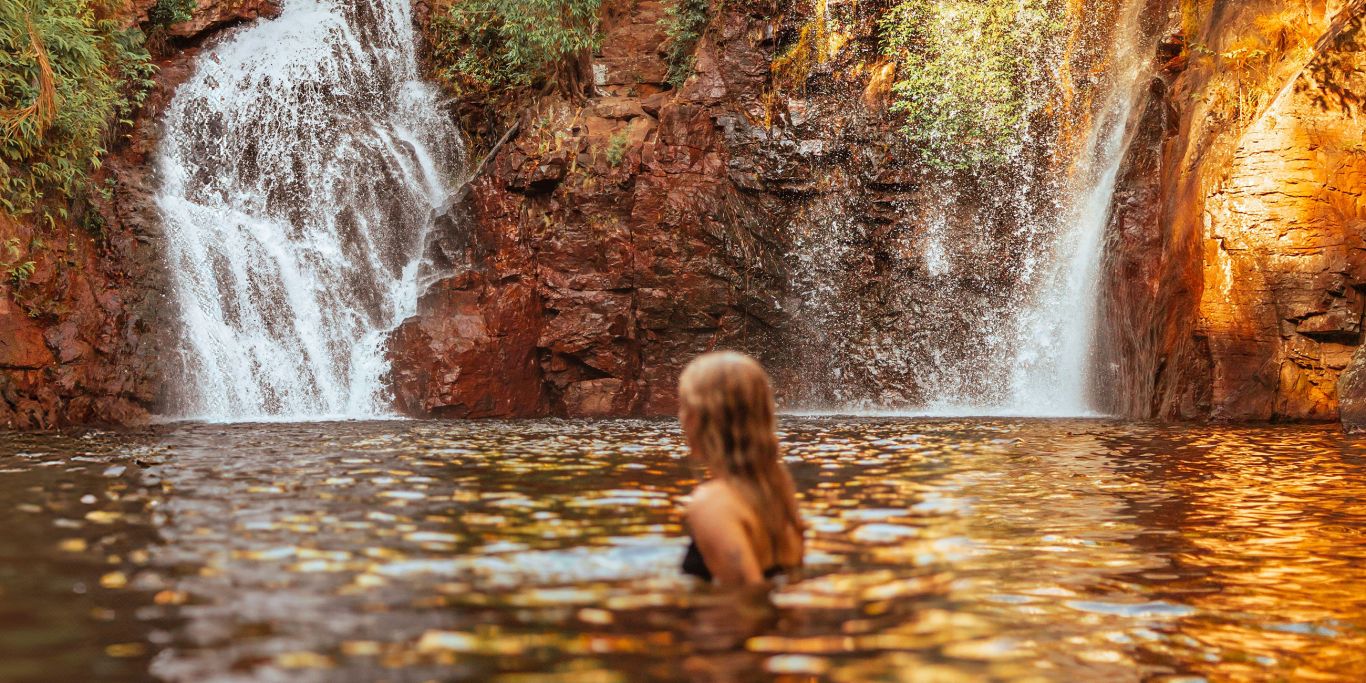
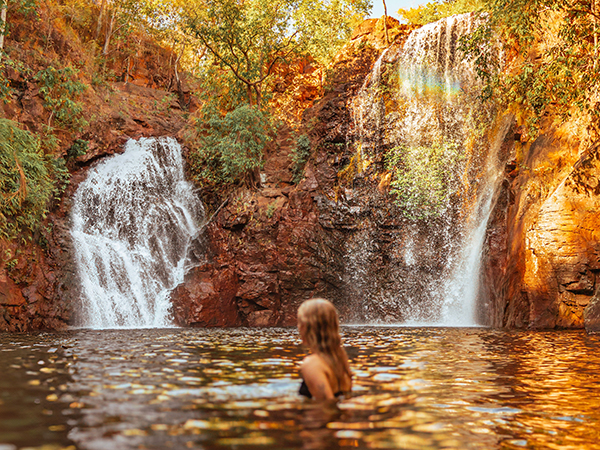
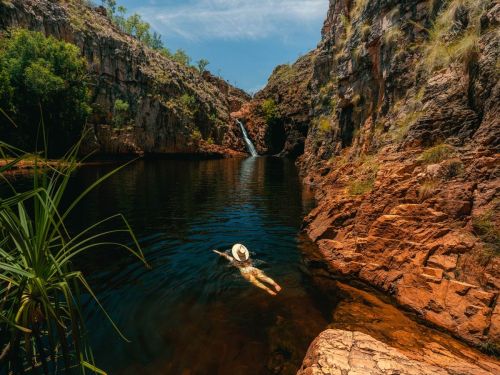
a girl swimming in Maguk
Maguk is a spectacular swimming hole fed by a waterfall. (Image: Tourism NT/@helloemilie)

How long should I spend at Kakadu National Park?

Kakadu National Park is just under one-third the size of Tasmania. Some ‘do’ Kakadu in a day trip from Darwin; others spend two weeks here and still don’t see as much as they’d like. We reckon any length of time from three days onwards will help you feel like you’ve ‘done’ the park properly.
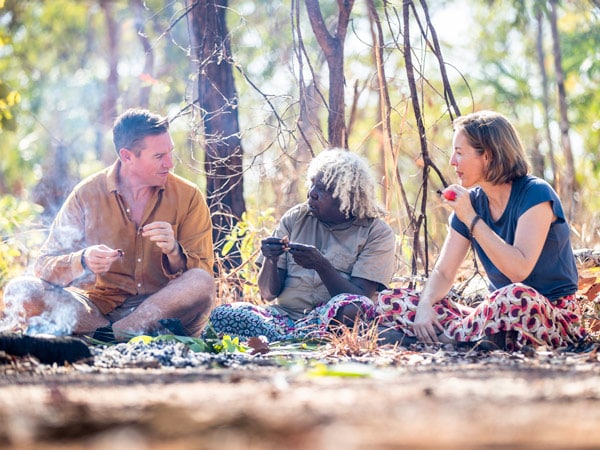
a couple at the Animal Tracks Safari in Kakadu
Animal Tracks Safari offers unforgettable experiences in the Kakadu wilderness. (Image: Tourism NT/Helen Orr)

What’s Kakadu National Park’s weather like?

Although the year can be roughly divided into two seasons, the dry (May–October) and the wet (November–April), the six seasons, used by Kakadu’s Indigenous people for millennia, will give you a much better idea of Kakadu’s weather and seasonal changes.
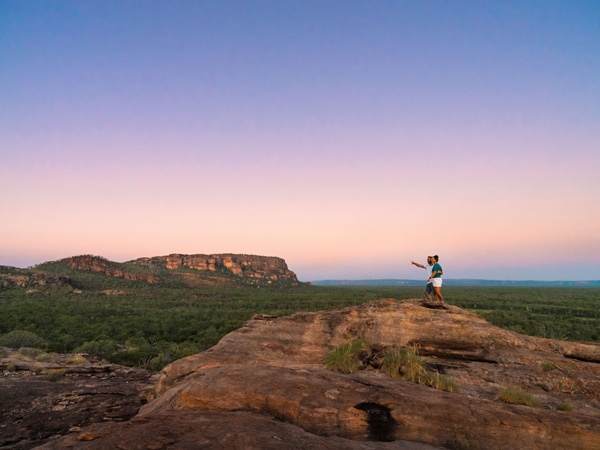
a couple admiring the sunrise over Nawurlandja Lookout
Hike up to the Nawurlandja Lookout before sunrise. (Image: Tourism NT/Shaana McNaught)

Kudjewk: Monsoon season

January to March – 24–34 degrees Celsius

Expect blue skies each morning, late afternoon thunderstorms and high humidity levels when waterfalls thunder, greenery explodes and a third of Kakadu National Park becomes floodplains.

You can still cruise, fly and drive to many of the park’s attractions; special wet seasons cruises operate at this time of year, too.
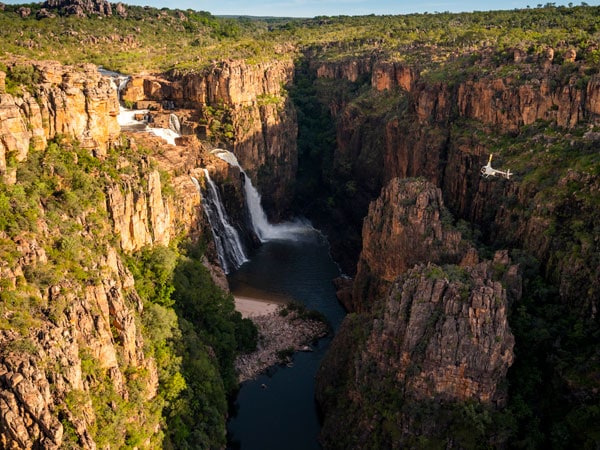
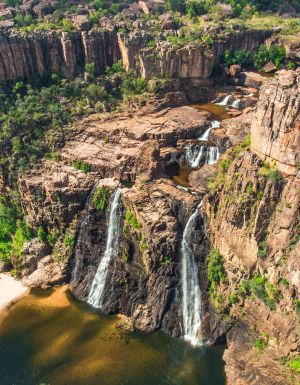
a scenic flight over Twin Falls, Kakadu National Park
Hop on a scenic flight over Twin Falls, Kakadu National Park. (Image: Tourism NT)

Bangkerreng: Storm season

April – 23–34 degrees Celsius

There are windy ‘knock-em’-down’ storms that flatten the speargrass in this time. Landscapes remain lush while receding waters – also known as the ‘run-off’ – cause fish to congregate in certain areas, making this a fantastic time of year to join one of Kakadu’s fishing tours.
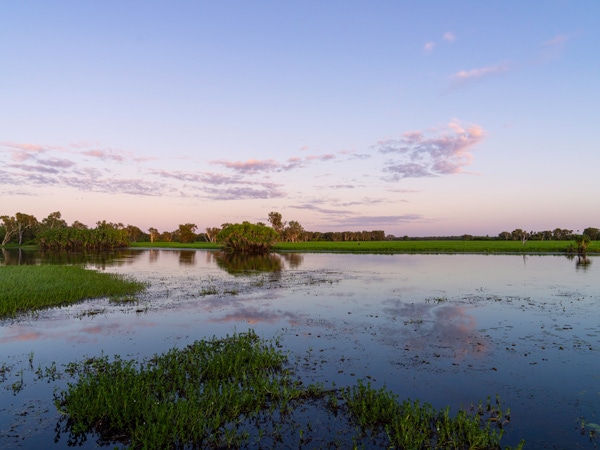
the wetlands of Kakadu, Yellow Water Cruises
Journey through Kakadu’s wetlands on a Yellow Water Cruise. (Image: Tourism NT/Tourism Australia)

Yekke: Cooler but still humid season

May to mid-June – 21–33 degrees Celsius

Most visitors prefer Kakadu’s weather during Yekke. A lovely time to visit, when storms have finished, and wetlands are carpeted with water lilies (make sure you take a cruise). Cooler breezes bring morning mists and respite from the humidity.

Previously flooded roads open up, offering access to different areas of the park.
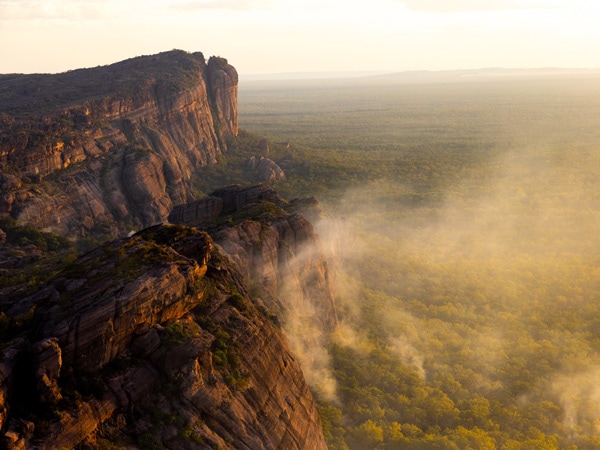
an aerial view of Kakadu on a misty morning
Soak up misty mornings in Kakadu. (Image: Tourism NT/Sean Scott)

Wurrkeng: ‘Cold’ season

Mid-June to mid-August – 17–32 degrees Celsius

As waterways and floodplains have dried up, some wet season cruises are unavailable, but more open roads mean more access via car instead. Meanwhile, magpie geese, fat and heavy from weeks of feasting, flock to billabongs, resulting in fantastic birdwatching.
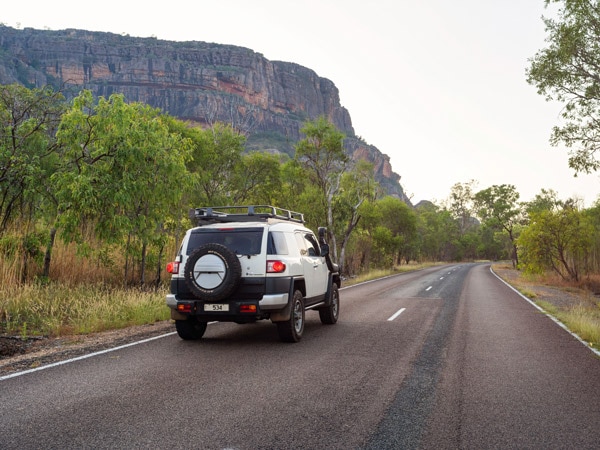
driving in Kakadu
Traverse the roads in Kakadu National Park. (Image: Tourism NT/Shaana McNaught)

Kurrung: Hot dry season

Mid-August to mid-October – 23–37 degrees Celsius

Heat returns and clouds start to gather, but humidity keeps its distance. Billabongs remain crowded with Kakadu’s iconic birds (including magpie geese), ensuring great birdwatching; the majority of the Kakadu National Park remains accessible by road.
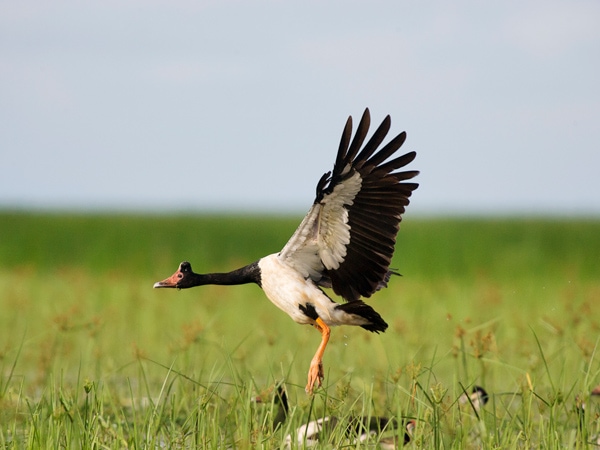
a Magpie Goose flapping its wings in Kakadu
Get up close encounters with Kakadu’s iconic birds like Magpie Geese. (Image: Tourism Australia/Bamurru Plains)

Kunumeleng: Pre-monsoon season

October to December – 24–37 degrees Celsius

Kunumeleng can last from a few weeks to several months, with dazzling lightning shows that hint at storms to come. Almost all roads are still accessible at this time of year but watch for early rains.
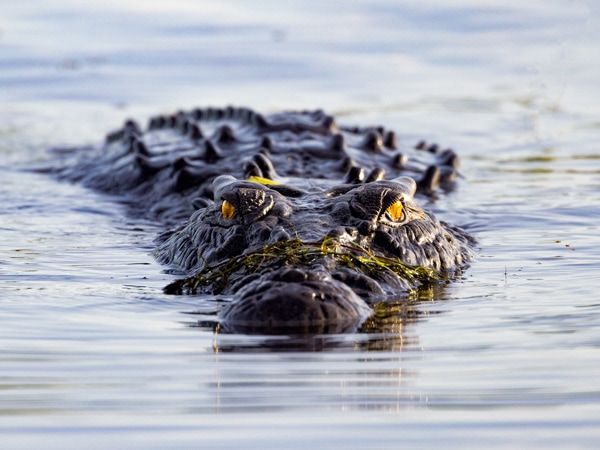
a crocodile at Yellow Waters, Kakadu
Crocodiles move freely in Kakadu. (Image: Tourism NT/Sean Scott)

Does Kakadu have good accommodation options?

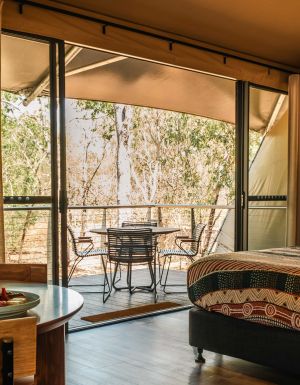
Although the park is sparsely populated, there is still a diverse range of accommodation options that range from luxury lodges to glamping and wild bush camping.
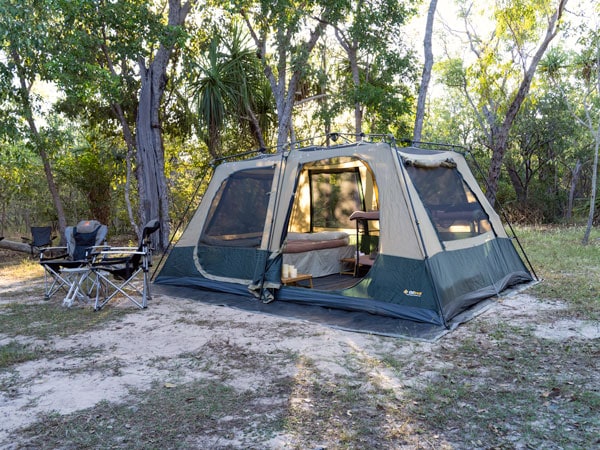
camping with Offroad Dreaming
Set up camp on the bushland with Offroad Dreaming. (Image: Tourism NT/Tourism Australia)

Most of Kakadu’s accommodation options are clustered around Jabiru, the only township in the Kakadu National Park. There’s an abundance of campsites located in the heart of the park, as well as some lodges with powered sites, restaurants and amenities onsite.

Read our comprehensive guide on accommodation in Kakadu National Park for all your accommodation needs.
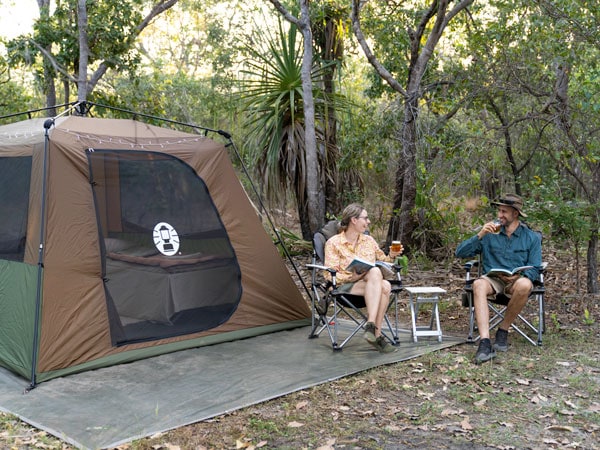
a couple sitting, drinking and reading a book outside their tent in Kakadu
Camping in Kakadu is best to unplug and unwind. (Image: Tourism NT/Tourism Australia)

Should I do one of the Kakadu tours?

With an abundance of cultural sites and walking trails in Kakadu National Park, it’s certainly possible to visit the park independently. However, it’s a great idea to seek out Indigenous-owned businesses and guides, as Aboriginal people hold the stories and culture tied to the landscape and have done so for 65,000 years.
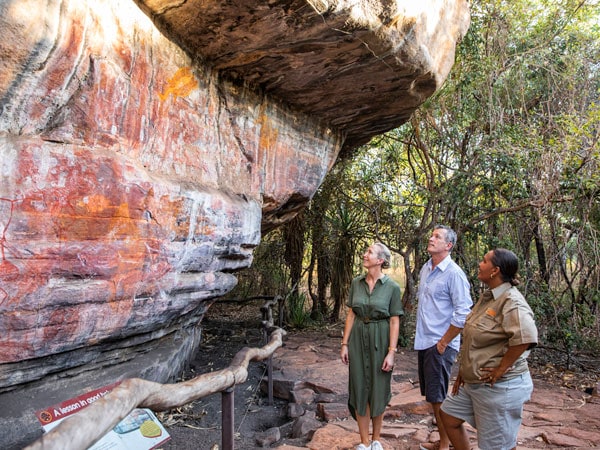
people looking at Ubirr Rock Art
Admire the outstanding rock art at Ubirr. (Image: Tourism NT/Helen Orr)

Whether you’re getting off the beaten track on a 4WD tour with a local or viewing rock art with an Indigenous guide, taking a tour in Kakadu can deeply enrich your knowledge. We’ve compiled a comprehensive guide on tours in Kakadu, so you can get a feel for what’s available.
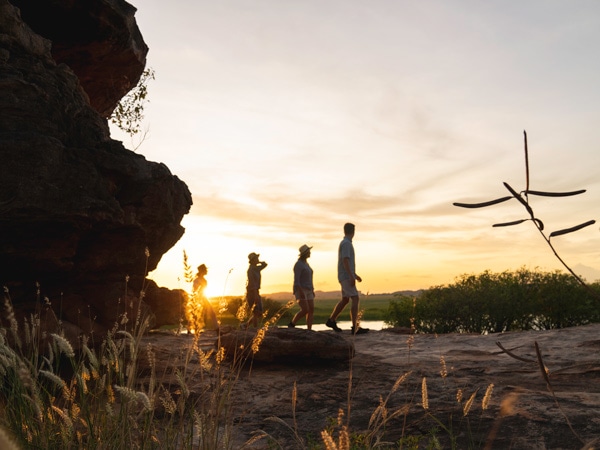
people walking at sunset during Kakadu Cultural Tours
Sign up for Kakadu Cultural Tours and immerse in the wilderness. (Image: Tourism NT/Tourism Australia)
If you want to make the most of your trip to Kakadu, don’t miss out on the unforgettable things to do in Kakadu National Park.
Elizabeth Whitehead
Elizabeth Whitehead is a writer obsessed with all things culture; doesn't matter if it's pop culture or cultures of the world. She graduated with a degree in History from the University of Sydney (after dropping out from Maths). Her bylines span AFAR, Lonely Planet, ELLE, Harper's BAZAAR and Refinery 29. Her work for Australian Traveller was shortlisted for single article of the year at the Mumbrella Publishing Awards 2024. She is very lucky in thrifting, very unlucky in UNO.
See all articles
hero media

8 Red Centre locations to explore after seeing the new movie, Kangaroo

Spend a few days visiting the real-life Central Australian locations that inspired the new film everyone is talking about, and discover why Alice Springs is such an important part of Australian culture.

In the credits of the new Australian film Kangaroo , the first name under ‘cast’ should read ‘The Northern Territory ’. Not only is Alice Springs (and the surrounding landscape) integral to the movie itself, but the spiritual heart of Australia and its local Indigenous owners also inform the look and feel of every frame, explains Producer Trisha Morton-Thomas of Brindle Films, who also plays Charlie’s grandmother Gwennie.

“By setting Kangaroo in Alice Springs (Mparntwe), the film embraces how visible Aboriginal people are here, and the living Aboriginal culture that is woven through this community,” she explains.

still from kangarro film
See Kangaroo, then visit the real-life filming locations.

And while shooting in such a sacred part of the Northern Territory required extra planning, it was something the cast and crew were highly invested in.

“There are incredibly significant sacred sites and places of deep cultural stories in the area, that at times are very gender-specific, which we’ve kept out of the production,” she explains. “Even if overhead drone footage captures a sacred site that isn’t meant to be seen by other people outside of that clan, we’ve made sure to omit it from the film.”

If Kangaroo piqued your interest in a Central Australian holiday, we don’t blame you. Read on to discover eight places featured in the movie that you can visit in real life – and get planning. Don’t forget to pack sunscreen and a hat.

1. Alice Springs/ Mparntwe

artist at Many Hands Art Centre
Visit the galleries of Alice Springs, like Many Hands Art Centre. (Image: Tourism NT/ Helen Orr/ Many Hands Art Centre)

The red and dusty streets of the film’s fictional town of Silvergum were filmed on the outskirts of Alice Springs. And, while the art gallery featured in the film is fictional, Alice Springs is a hub of creativity. See the work of local artists at the Araluen Art Centre , Yubu Napa Art Gallery , Iltja Ntjarra (Many Hands) Art Centre and the famous Tjanpi Desert Weavers .

2. The Kangaroo Sanctuary & Kangaroo Rescue Centre

The Kangaroo Sanctuary Alice Springs, the inspiration for the Kangaroo move
Visit the movie’s inspiration at Kangaroo Sanctuary. (Image: Tourism NT/ Kangaroo Sanctuary)

Kangaroo was inspired by the journey of Chris ‘Brolga’ Barns, who founded the now world-renowned Kangaroo Sanctuary based in Alice Springs. For lead actor, Aussie Ryan Corr, the animals were central to the movie, alongside the landscapes.

“The animals in this story were a real calling point for me,” he explains. “What this story tries to tell us about the connection between humans and animals is beautiful.”

To gain a real insight into the fauna and flora of the Red Centre, you can visit the Kangaroo Sanctuary on a sunset tour, where you might even get the chance to hold a baby kangaroo.

3. Ormiston Gorge

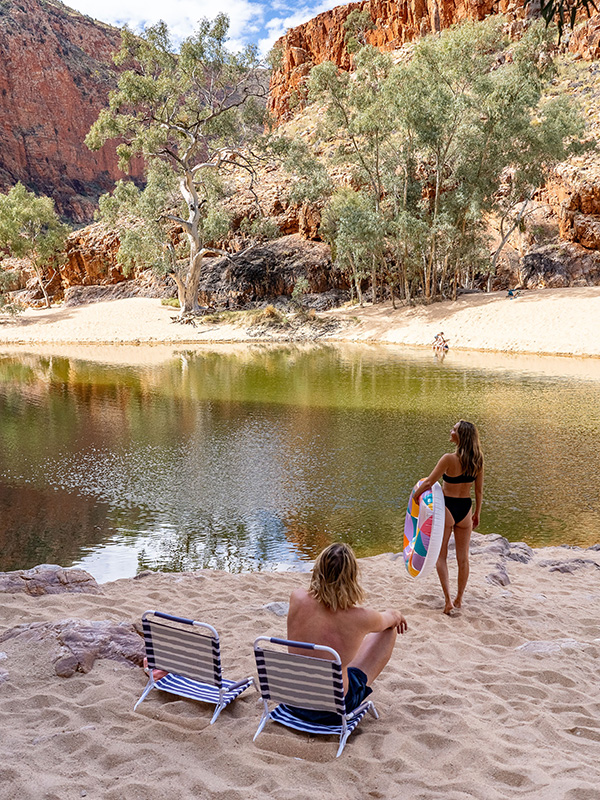
woman walking along the edge of Ormiston Gorge near alice springs
Take a dip in Ormiston Gorge. (Image: Tourism NT/ @domandjesso)

The film captures the raw beauty of the West MacDonnell Ranges, known in the Arrernte language as Tjoritja. This national park is rich in Indigenous culture and stark geological wonders.

Only a 15-minute drive from Alice Springs, Tjoritja offers visitors the chance to camp, hike and swim among ancient landscapes (most attractions are less than a three-hour drive away).

Ormiston Gorge , a cooling oasis in among the red desert sands, is one of the most popular destinations, no doubt because of the permanent swimming hole and towering red cliffs. From here, visitors can also embark on the beautiful Ormiston Pound Walk and the shorter – more accessible – Ghost Gum Walk. Bring your bathers – it’s safe for swimming.

4. Standley Chasm

woman walking through Standley Chasm near alice springs
Wander through Standley Chasm. (Image: Tourism NT)

The 1.2-kilometre walk to nearby Standley Chasm will be a highlight for any visitor as the imposing 40 metre-high chasm walls project strength and ancient wisdom.

Visit at midday to experience the path illumined by the midday sun. Not only will you fill your camera roll with vibrant red images of the gorge and its intoxicating shadows, but you can also camp nearby in a powered or unpowered site so you can watch the brilliance of the desert stars fill the night sky after dusk.

5. Simpsons Gap

three people walking on path through simpsons gap near alice springs
Walk the trails of Simpson’s Gap. (Image: Tourism NT/ Helen Orr)

Closer to Alice Springs, the photogenic Simpsons Gap is the perfect place to spot the endangered Black-footed Rock wallaby near the permanent watering hole. While swimming isn’t permitted, soaking up the sun and views certainly is.

Explore the area’s numerous walking trails, appreciate the soaring cliffs on either side of the ‘gap’ and pick out the shooting locations of Kangaroo in the area.

6. Ellery Creek Big Hole

aerial of Ellery Creek Big Hole near alice springs
Dive into Ellery Creek Big Hole. (Image: Tourism NT/ Tourism Australia)

When it comes to classic Northern Territory landscapes, you can’t go past Ellery Creek Big Hole/ Udepata : tall gum trees sidling up to a refreshing watering hole (fed by the West MacDonnell Ranges and surrounded by rugged red cliffs.

Swim in the cooling waters, hike the cliff tops, watch for birds and even stargaze as you camp here overnight. It’s locations like this that attracted the film’s director Kate Woods to the project.

“It humbles you to be in this environment: it’s so beautiful, so old and so vast,” she explains. “I was thrilled to get a chance to … shoot such a beautiful story in the incredible landscape of the Northern Territory.”

7. Larapinta Drive

aerial of Larapinta Drive into alice springs
Drive along Larapinta Drive. (Image: Tourism NT)

There is no better way to get a feel for how the characters arrived at the fictional Central Australian town of Silvergum than to travel along the iconic state road, Larapinta Drive.

Connecting Alice Springs to the mighty King’s Canyon in the west, via the historic community of Hermannsburg, this road takes in the West MacDonnell National Park, Alice Springs Desert Park and artist Albert Namatjira’s house, among other attractions. Take your time, bring a camera and prepare for numerous stops along the way.

8. Todd River

competitors in Henley on Todd Regatta, alice springs
Join in the fun of the quirky Henley on Todd Regatta. (Image: Tourism NT/ TImparja Creative)

Meandering through Alice Springs like a lazy Western Brown snake, the Todd River is a central part of Alice Springs culture. Known as an ‘intermittent river’, the Todd can go from a dry dusty riverbed to a flowing waterscape in less than 15 minutes after heavy rainfall.

When it’s dry, the famous Henley on Todd Regatta fills the sandy riverbed with handmade ‘boats’ carried by sailors. This is the world’s only dry river boating event, and it’s referenced in the ‘Silvergum Boat Race’ in the movie. Inspired by the real-life event, the characters built quirky “Flintstones-style boats” and competed in teams.

See Kangaroo in cinemas now, and start planning your NT getaway at northernterritory.com.