You don’t need to stay on Lady Elliot Island overnight to experience the world-class snorkelling haven.
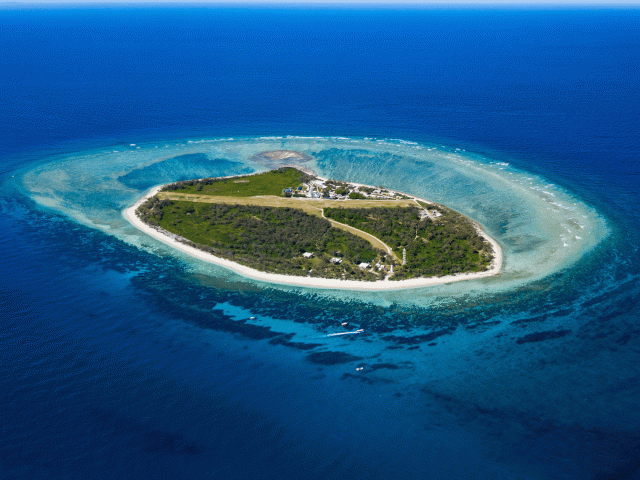
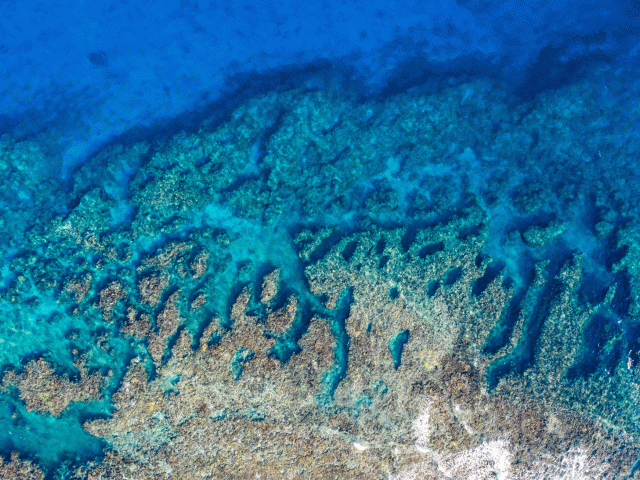
On a map, Lady Elliot Island is barely a blip in the Pacific. A pinprick of green ringed by sugar-white sand, the 45-hectare coral cay sits 80 kilometres off Queensland’s Bundaberg coast, all postcard prestige from above. But the real show is hiding below the waterline.
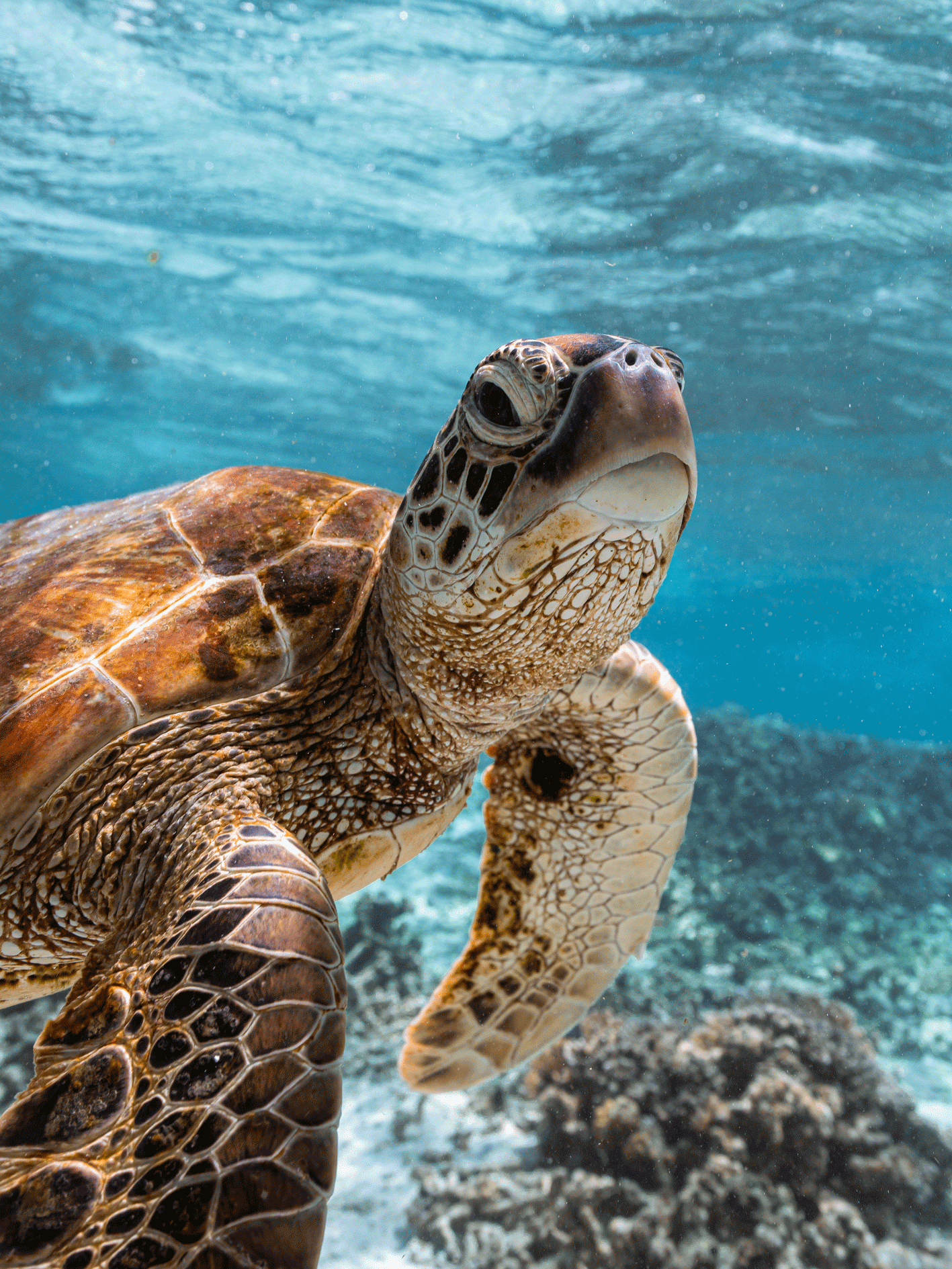
“Over here!" snorkel guide Hayden Mammolito calls out as we flipper our way through the blue. I turn to find an enormous loggerhead turtle nosing through a coral bommie, where bursts of darting damselfish shimmer like confetti. A few moments later, a white-tip reef shark flashes past.
Bubbles has figured out the ultimate seafood hack. This very cheeky dolphin has been caught stealing regurgitated meals from fish at Lady Elliot Island – and researchers have recorded him doing it 11 times. Talk about working smarter, not harder!
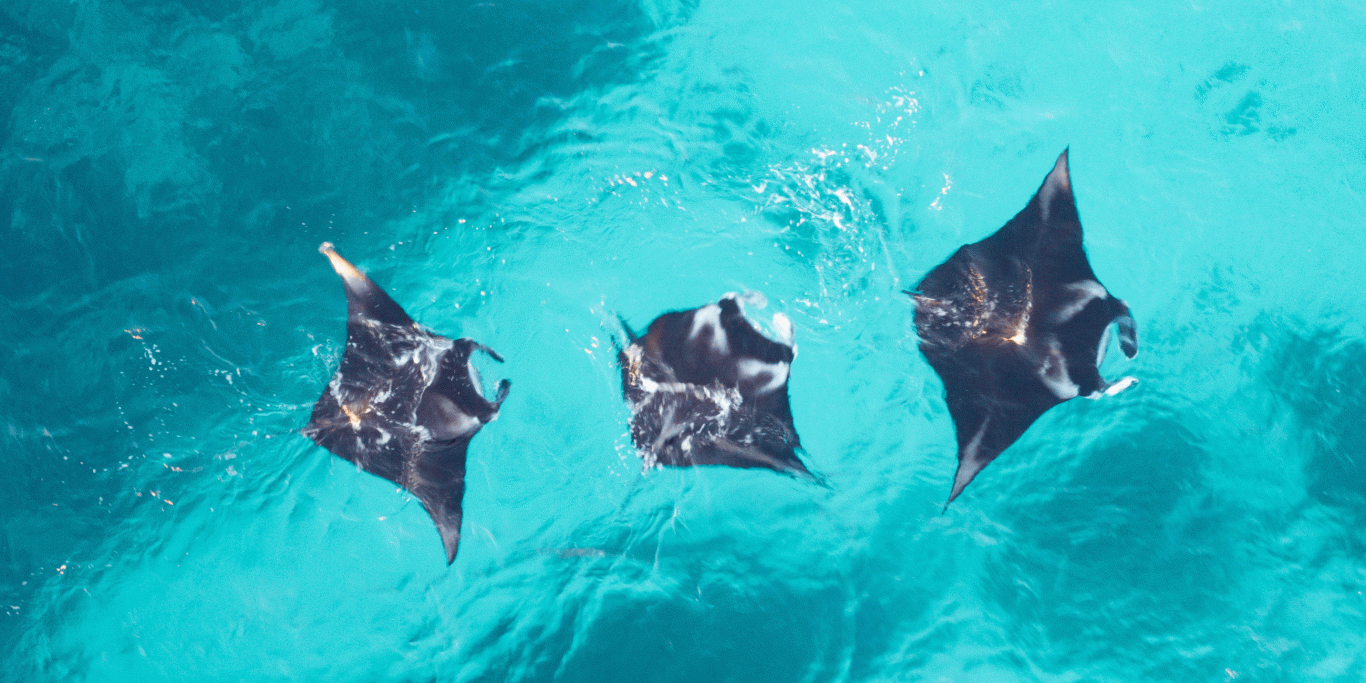
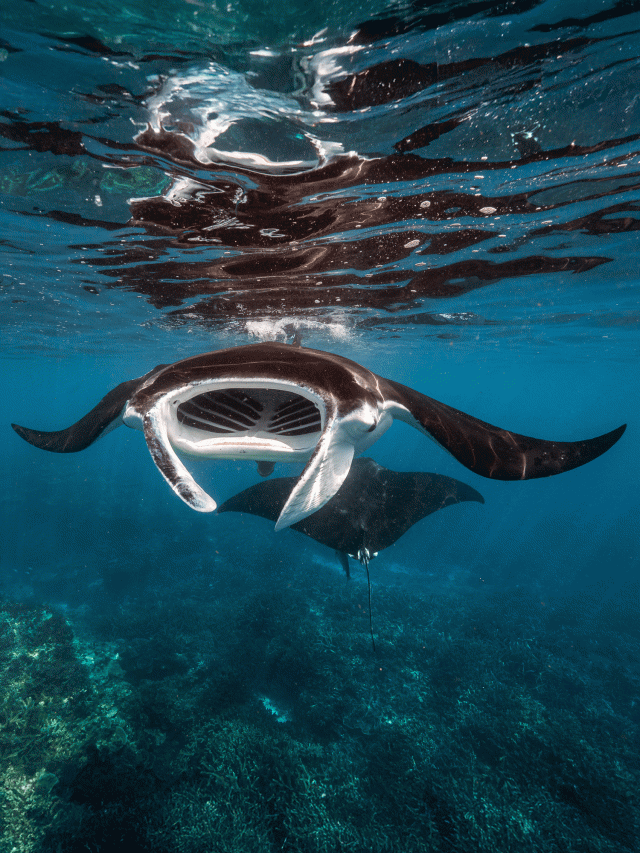
As the southernmost point of the Great Barrier Reef, Lady Elliot Island sits at the meeting point of tropical and temperate waters, supporting more than 1200 species of marine life. Among them are the largest known aggregation of manta rays on Australia’s east coast – and the world’s only known pink manta ray. Rare minke whales, bottlenose dolphins and an extraordinary diversity of corals add to the pull, making Lady Elliot Island a darling among divers and marine researchers. In July, Lonely Planet even named it the No.1 place to snorkel in the world.
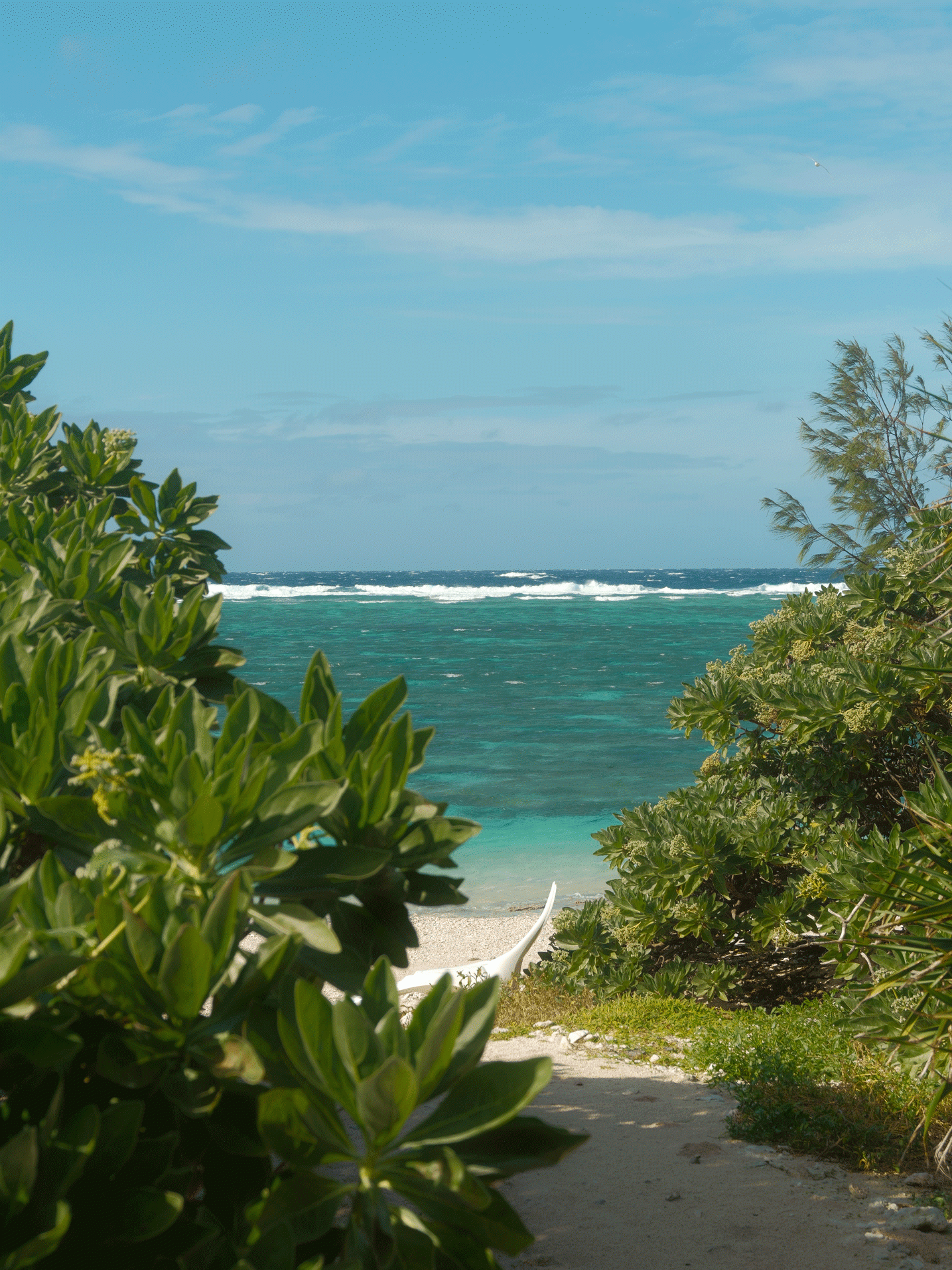
Lady Elliot Island is a 45-hectare coral cay.
The island’s comfortable, wi-fi-free eco-accommodation offers the full castaway experience, removed from the usual trappings of modern life. For some, that’s precisely the appeal. But for those who prefer a little more padding, there’s another way in.
In a nutshell
Emporium Hotel South Bank's luxury Reef & Retreat experience lets you have your reef and keep your room service, too – allowing you to visit the GBR's Lady Elliot Island (recently named the No.1 place to snorkel in the world by Lonely Planet) without giving up creature comforts.
Emporium Hotel South Bank’s Reef & Retreat lets you have your reef and keep your room service, too. The two-night luxury hotel package features a scenic flight day trip to Lady Elliot Island, bookended by a plush Brisbane base. In other words, you can spend the morning snorkelling with manta rays and the evening kicking back in an indulgent suite, watching the city lights glitter, or soothing sore muscles in the hotel’s sauna. It’s a rare chance to experience the island’s exceptional natural beauty and spirit of conservation, without sacrificing any creature comforts.
Checking into Emporium Hotel South Bank
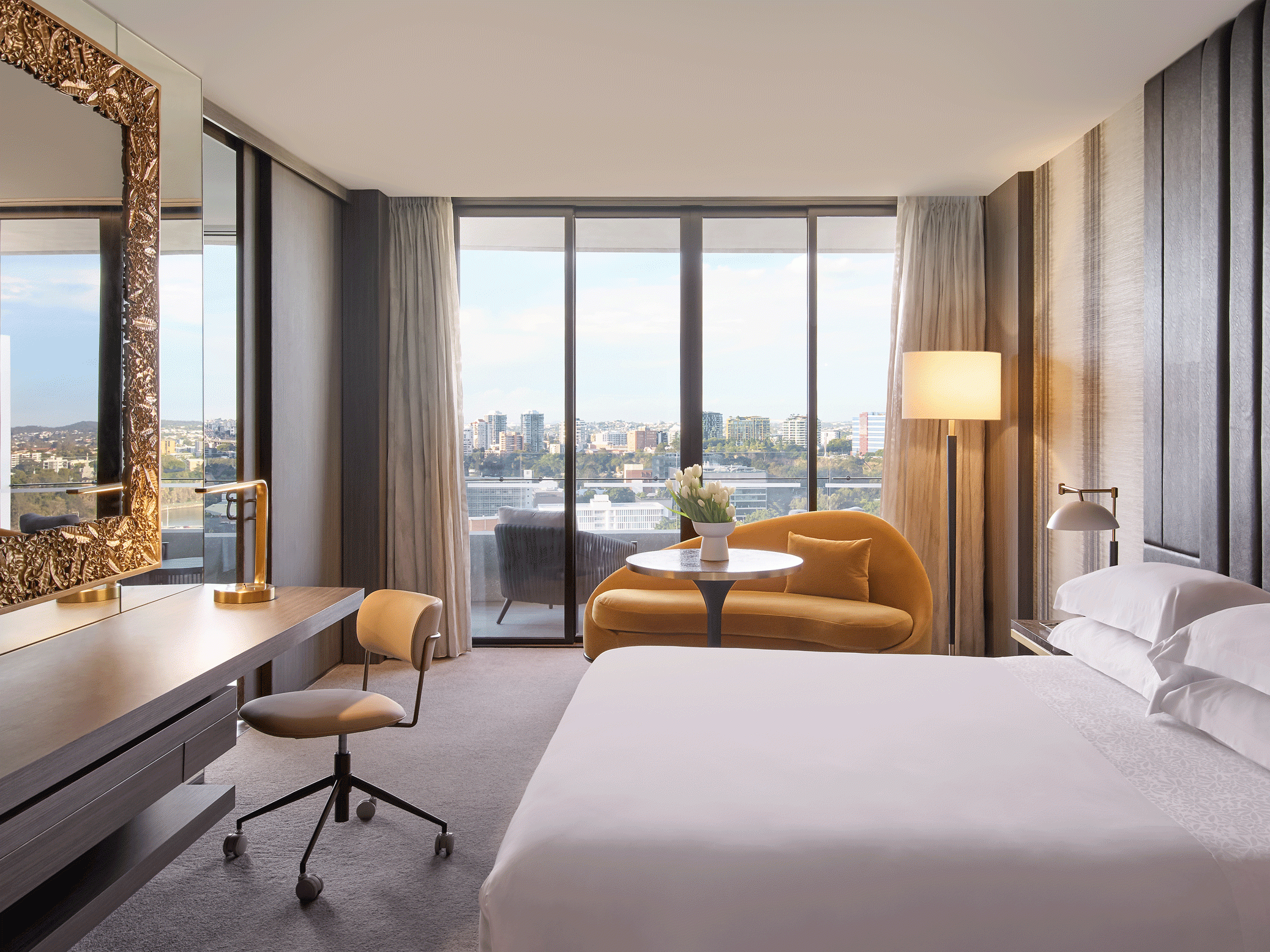
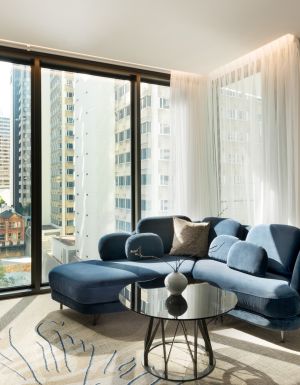
Bedding down in a premium suite at Emporium Hotel South Bank. (Credit: Justin Nicholas)
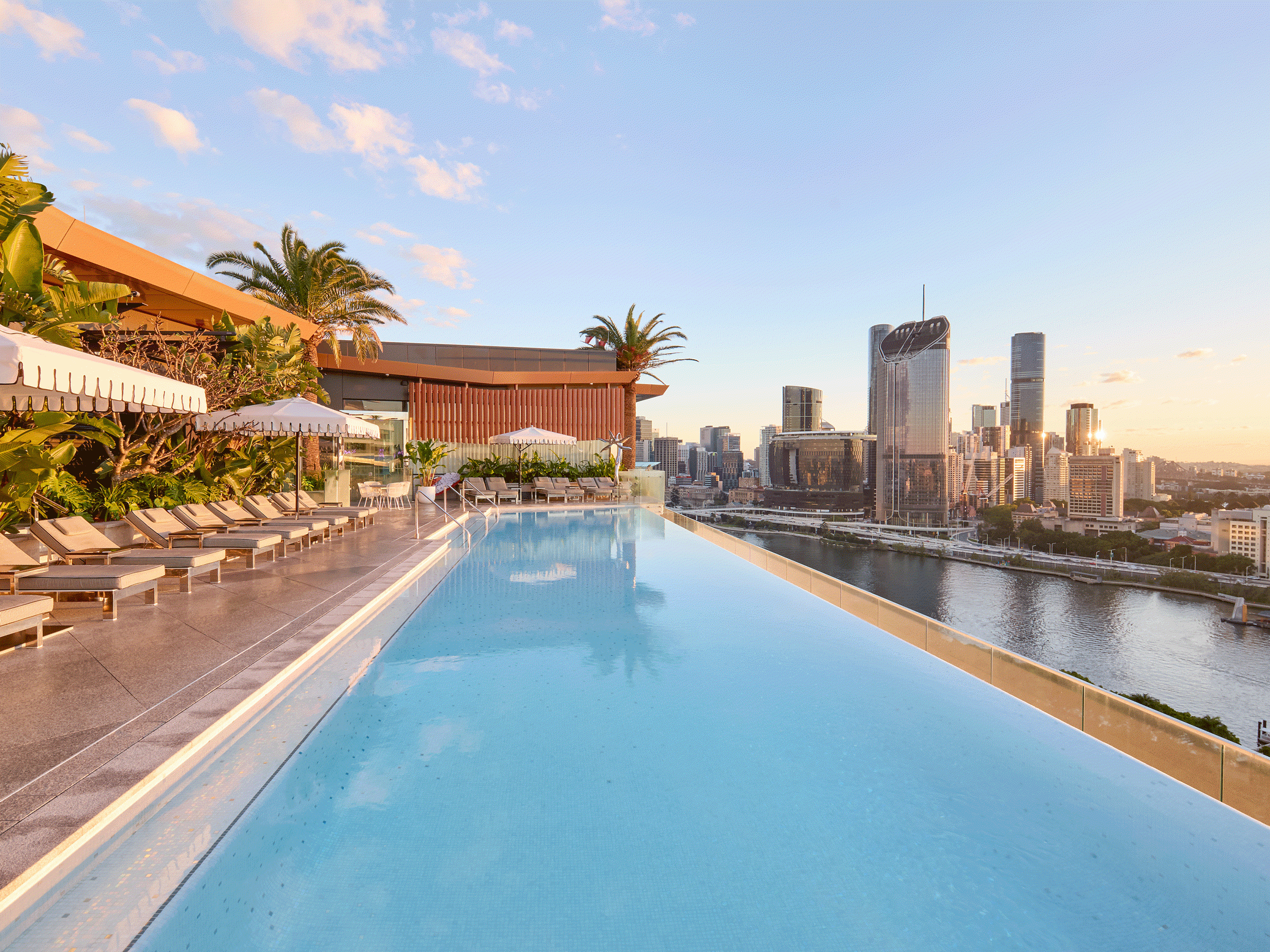
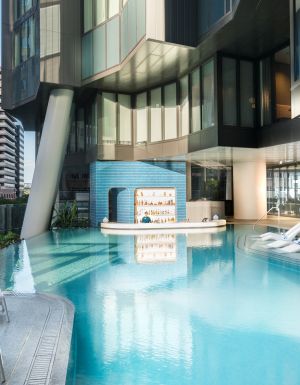
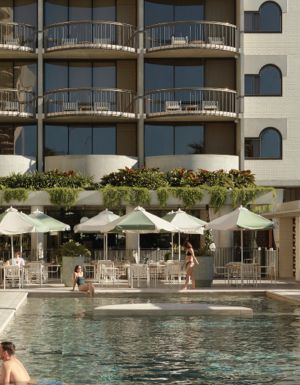
The hotel boasts a stunning rooftop pool. (Credit: Justin Nicholas)
Unwind with skyline views. (Credit: Justin Nicholas)
We arrive at Emporium Hotel South Bank on a Friday evening, all too happy to drop our bags and collapse into a cushy bed after the working day. The hotel is located a block or two back from the expansive riverfront and parklands of Brisbane’s buzzy South Bank precinct, where sparkling skyline views come standard.
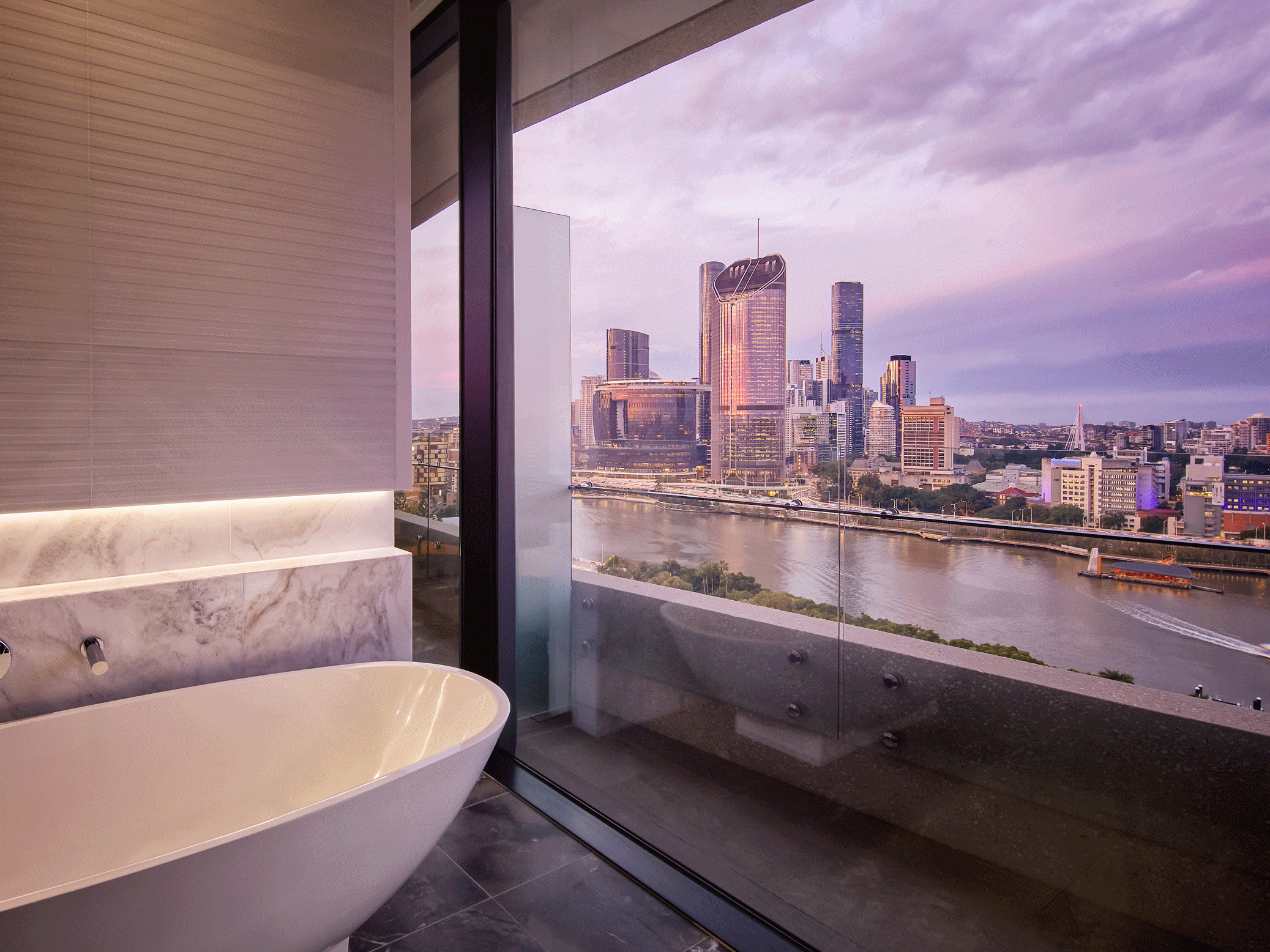
While the hotel’s Reef & Retreat package typically includes a River City King Suite, we’ve upgraded to one of the hotel’s premier suites – and intend to make the most of it. Here, you won’t want for space. The room boasts its own cocktail bar complete with eye-catching Zebra-pattern stools, a double shower in the bathroom and a walk-in wardrobe large enough to hide an elephant. But for me, the real drawcard is the showstopping freestanding tub, offering uninterrupted views of the Brisbane River and cityscape beyond. Talk about making a splash.
After our flight, we’re feeling peckish. Room service wins. A cheese plate arrives; we tuck ourselves in and rest up before our big day out.
Scenic flight to Lady Elliot Island
The scenic flight from Redcliffe to Lady Elliot Island takes 1.5 hours. (Credit: Tracy Olive)
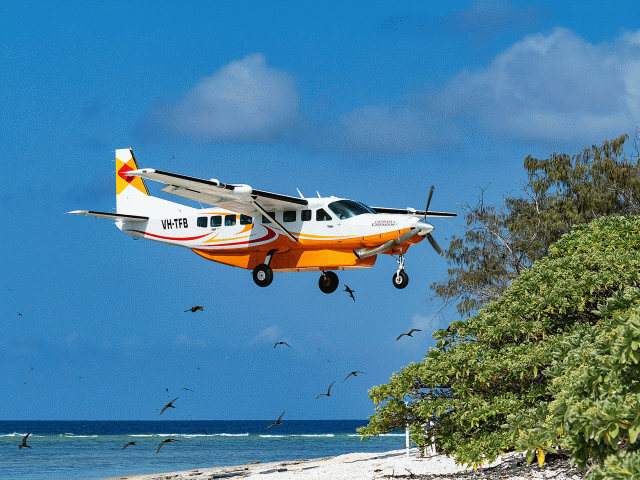
The day begins bright and early; a luxury private car is waiting for me outside the lobby at 6.15am and the hotel has conveniently packed me a brekkie box for the 40-minute drive to Redcliffe Aerodrome. It’s here that we step aboard an adorable Cessna Caravan aircraft that fits just 14 guests (it’s squishy, so pack light).
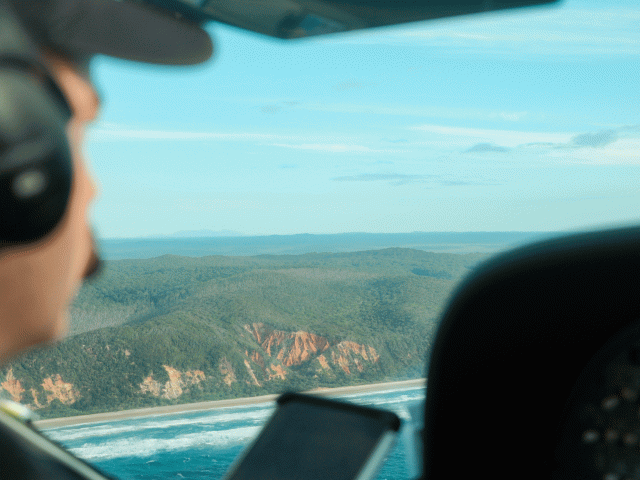
I’m lucky to be sitting up front alongside pilot Jonathon Rae, who has a back pocket full of fun facts about the breathtaking coastal formations we soar over during the 90-minute flight to Lady Elliot Island.
Expect aerial views over Queensland’s coast. (Credit: Eleanor Edström)
“On your left is the Glass House Mountains, which are around 25 to 50 million years old," Jonathon says, pointing to the volcanic peaks that rise from the Sunshine Coast hinterland plains like wonky witches’ hats.
It’s not long before we’re oohing and ahhing at Richard Branson’s uber-exclusive private island on the Noosa River, and flying over the curly-wurly lake systems and artesian springs of K’gari, the world’s largest sand island.
There is, however, a palpable peak in excitement as Lady Elliot Island looms on the horizon. An emerald teardrop-shaped landmass in the vast azure, the island is smaller – and far more beautiful – than I had expected. “Keep an eye out for whales," Jonathon says as we make our descent. Below, the sparkling coral-filled lagoon – transparent even from 1000 feet high – grows increasingly inviting.
Need tips, more detail or itinerary ideas tailored to you? Ask AT.
AI Prompt
Exploring the island
Touch down on the tiny island embraced by nature. (Credit: Eleanor Edström)
Stroll or sunbake on the lagoon beach. (Credit: Eleanor Edström)
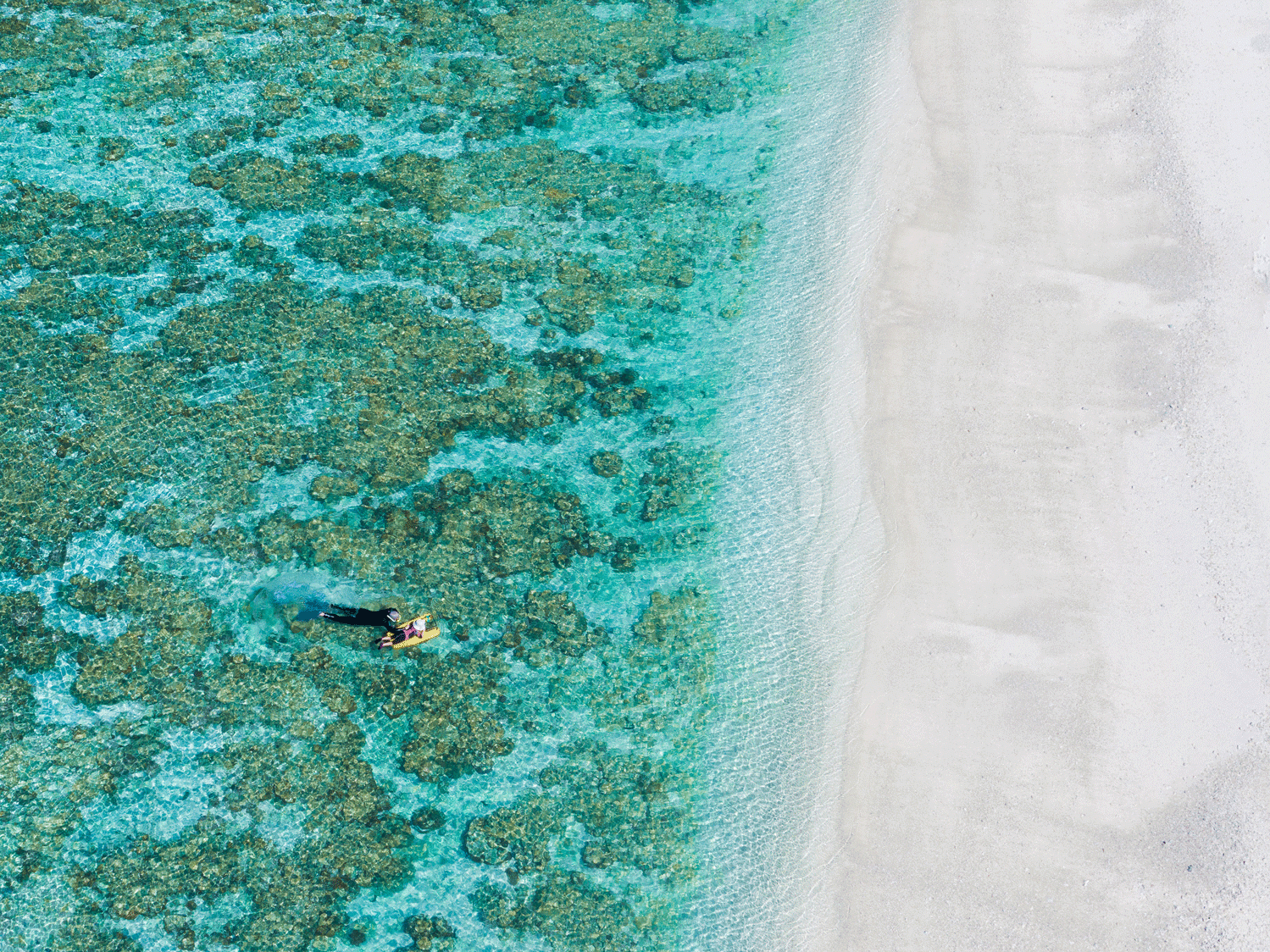
You can snorkel right off the beach. (Credit: Ben Andryc)
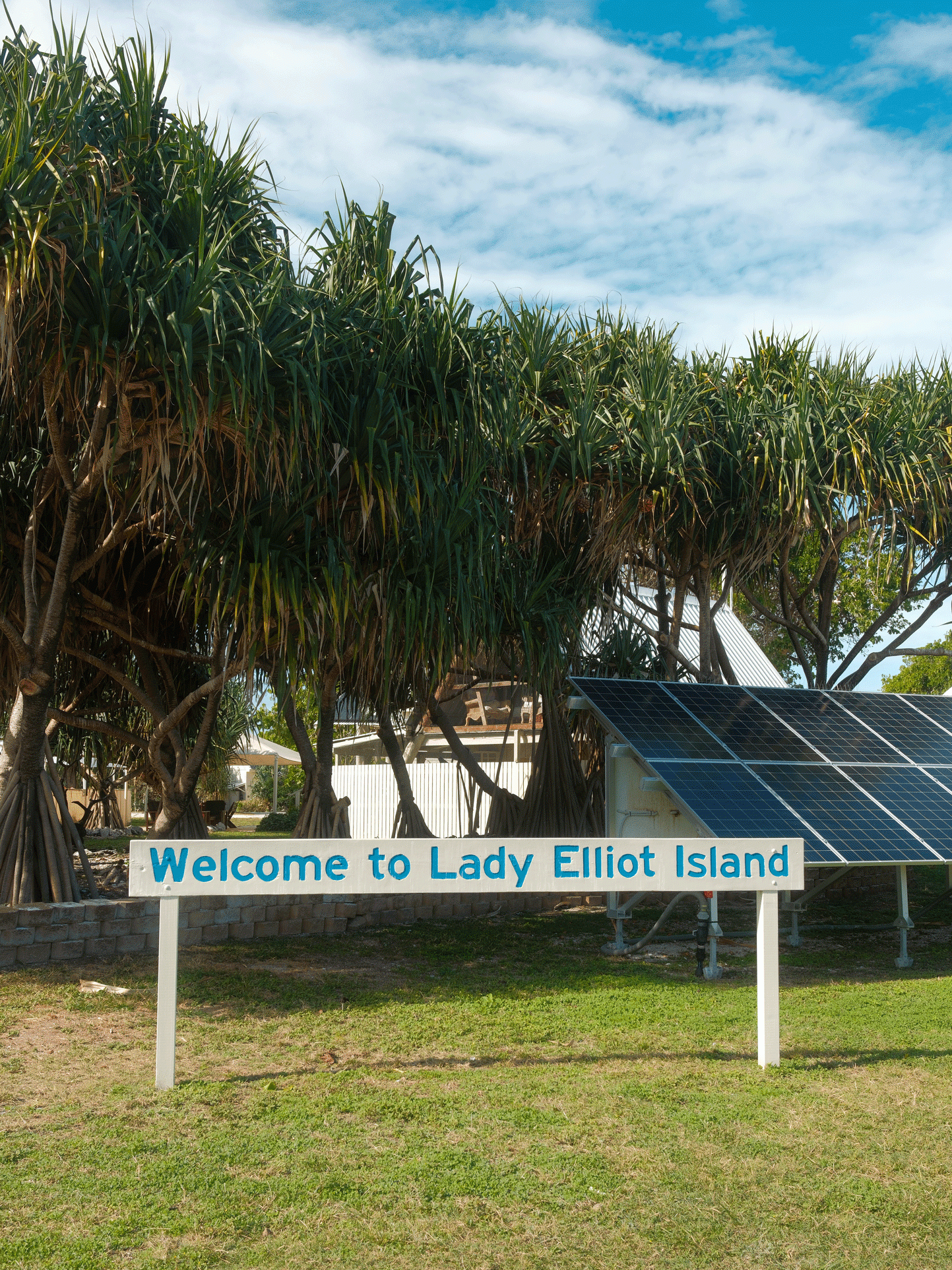
After disembarking the aircraft, we’re treated to a quick tour of the island, learning it operates on (almost) 100 per cent solar power thanks to more than 1000 solar panels. Sustainability is a central part of the island’s ethos, with wastewater used to water the runway and volunteer-run conservation projects fighting to protect the island’s remarkable ecosystems. Then there’s OSCA, the machine that munches up the food waste and transforms it into mulch that’s used around the island.
The airstrip slices the island into halves; the eco-accommodation, dive centre and reception services on one side, and sprawling nursery on the other. Outside the island’s exhibition space, where educational science presentations take place, there’s a tally board where guests can record the marine life they’ve seen that day. There’s a real sense of community here, with divers, school groups and volunteers all enjoying each other’s company in the shared spaces.
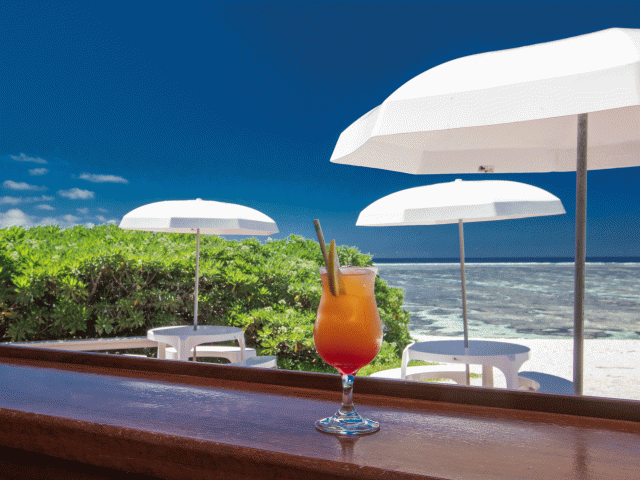
Enjoy a drink at the island’s restaurant. (Credit: Ben Andryc)
A maximum of 150 overnight guests and an additional 100 day guests are permitted on the island at any one time, yet somehow it feels like I have much of it to myself. As I walk along the lagoon beaches’ rock pools, entranced by the coral fossils, I spot fewer other guests than I can count on one hand.
Snorkelling the reef
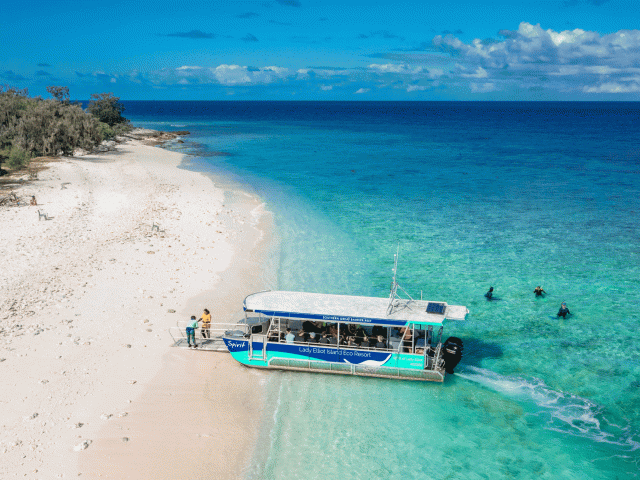
The package includes a glass-bottom boat and snorkel experience. (Credit: Ben Andryc)
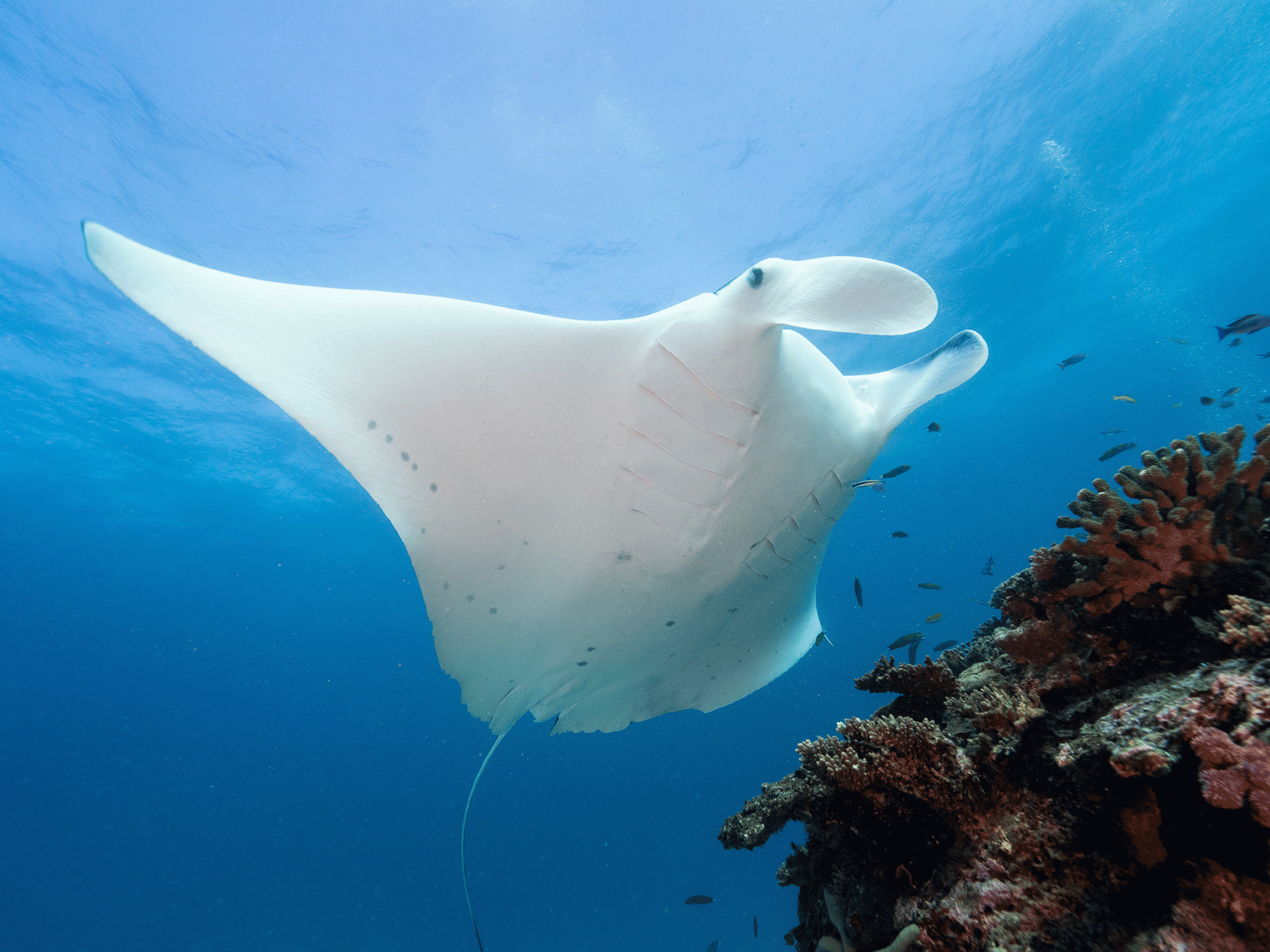
It’s time to suit up in our wetsuits at the dive shop, before taking a short trailer ride to the other side of the island. As an avid lover of all kinds of marine life, it’s safe to say I’m excited – Lady Elliot Island’s protected ‘no-take’ zone is raved about by in-the-know divers worldwide. Known as the ‘Home of the Manta Ray’, the island’s waters are home to nearly 1,200 individually identified manta rays. While mantas can be seen year-round, they gather in their greatest numbers between May and September.
Stepping aboard the glass-bottom boat, I’m struck by the beauty of the bubblegum-blue waters lapping against silky sands – how on Earth is this winter? If someone told me we had tele-transported to a remote island in Fiji, I would believe them.
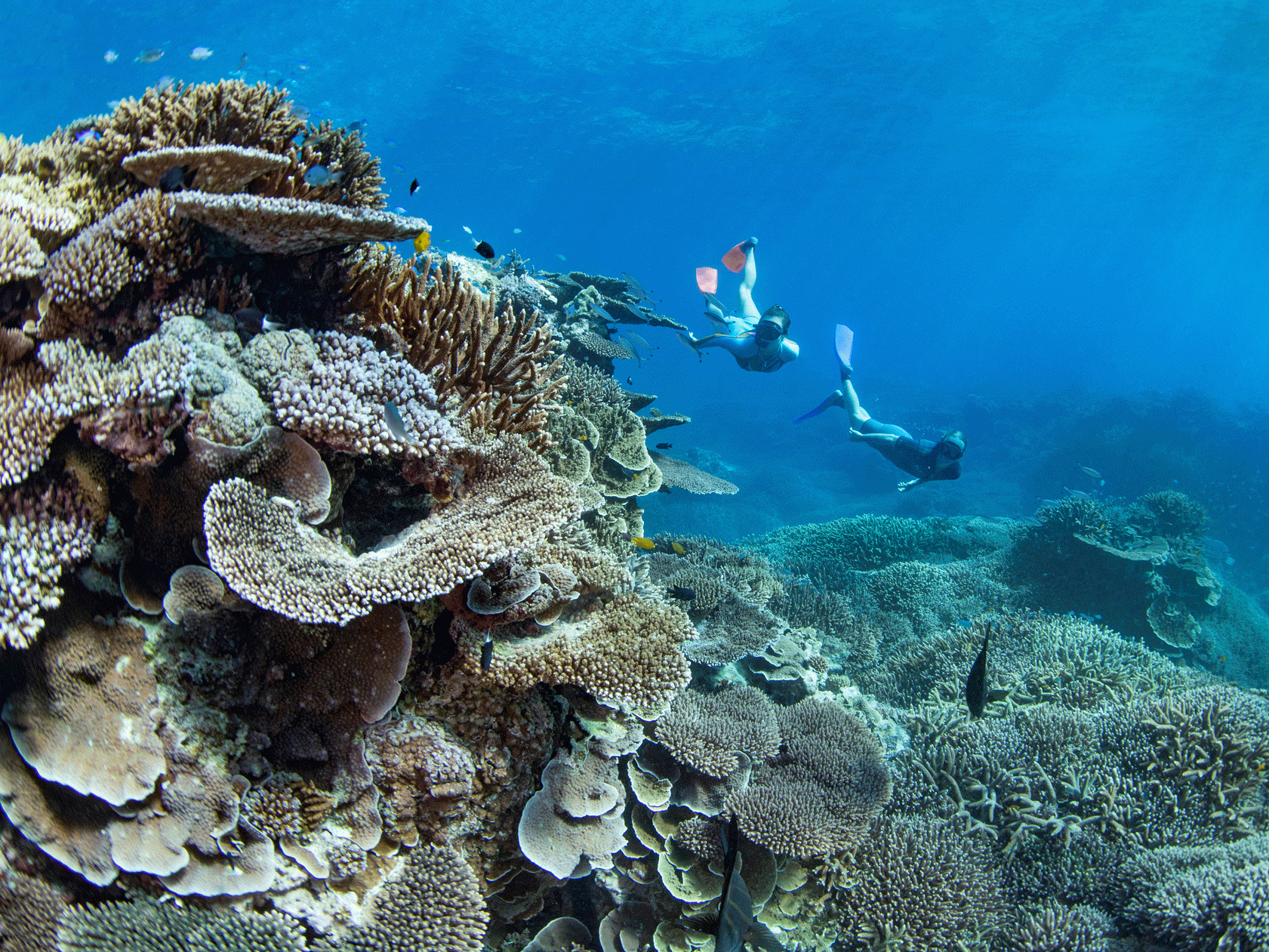
The boat stops just a hundred or so metres from the shore, and suddenly we’re donning snorkels and slipping into the water. Multiple in-water guides point the group towards marine life and help swimmers feel confident, making the experience accessible for all levels. And for those who prefer not to get in the water at all, there’s still plenty to see from the glass-bottom boat.
Turtles are found aplenty on the island's fringing reef. (Credit: Ross Long)
Discover a plethora of fish and corals. (Credit: Tourism & Events Queensland)
The island is nicknamed 'Home of the Manta Ray'. (Credit: Ross Long)
Underwater, the reef pulses with vitality. Giant turtles drift along the current, tiny chromatic fish swim right up to my goggles and swaying sea fan corals shelter macro invertebrates. While the corals aren’t as vivid as in the David Attenborough documentaries, skipper Patrick Bruce assures us that the brown and green corals are perfectly healthy and an integral part of the thriving ecosystem.
While luck isn’t on our side in terms of sighting manta rays or whales during our visit, encounters with these larger creatures are far from rare.
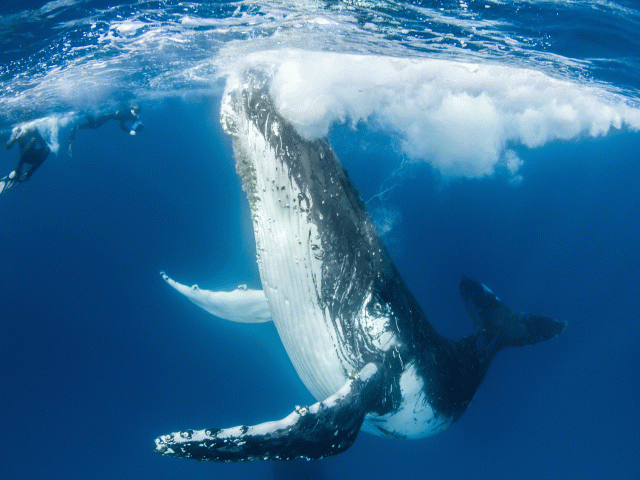
“I’ll never forget when a humpback whale came to check me out while I was leading a snorkel tour," Jessica Blackmore, the island’s environmental manager, recalls. “It was as curious about me as I was about it and even followed me when I swam away. There’s something incredibly special about making eye contact with a wild animal that’s completely at ease in your presence."
During winter, you may even be lucky enough to see a humpback whale in the water or from the air. (Credit: Jeremy Somerville)
Conserving this remarkable reef environment is at the heart of everything Lady Elliot Island does, Jessica says.
“When people get to snorkel in sparkling turquoise water, surrounded by fish and healthy coral, and turtles swimming by unphased, you can almost see the moment they realise why protecting places like Lady Elliot Island matters."
I certainly leave feeling more aware of how my actions impact marine environments and optimistic about tourism’s power to educate.
The world’s only known pink manta ray
The island is home to the largest manta ray population on Australia’s east coast. (Credit: Ross Long)
After a quick shower back on the island, I head to the island’s only restaurant for a buffet lunch. I’m halfway into a mouthful of carrot cake, when Lady Elliot Island’s community and brand manager Stacey Caine asks if I’ve heard about Inspector Closeau. I shake my head.
The creature, named after the detective from The Pink Panther series, is the world’s only known pink manta ray – and was first spotted in 2015 off Lady Elliot Island. Since then, it has been sighted only a handful of times.
The discovery is just one of many impressive contributions Project Manta has made to marine science since it started conducting research off the island in 2007. The multidisciplinary research group at the University of the Sunshine Coast studies the behaviour and population ecology of manta rays within Australian waters, and has been instrumental in uncovering information that has been used to inform IUCN Red List assessments and Important Shark and Ray Area designations. The group has also documented the world’s oldest manta ray, estimated to be more than 50 years old.
Manta rays play an important role in healthy reefs. (Credit: Sean Scott)
“Of the 1766 manta rays that have been identified on the east coast of Australia, 1175 of them have been sighted at Lady Elliot," says marine scientist Dr Asia Haines (Armstrong) of Project Manta. “Some of them have only ever been sighted around the island, and others have been observed undertaking movements over 1000 kilometres. There is a seasonal peak in sightings at Lady Elliot between May and September, and many of the manta rays make seasonal movements down to North Stradbroke Island."
Manta rays are important to the marine world as they transfer nutrients between pelagic and coastal ecosystems. As large planktivores, they can provide early warning signs of large-scale changes in plankton distribution.
Visitors keen to get involved in Project Manta can do so as citizen science contributors. Many snorkellers and divers choose to share their underwater photos and videos, helping the organisation identify and learn more about individual mantas. Asia says many of Project Manta’s memorable milestones have involved inputs from citizen scientists, including documenting Inspector Closeau and the longest point-to-point distance movements for a manta ray.
Weekly travel news, experiences insider tips, offers, and more.
Slippers, saunas and delectable dining
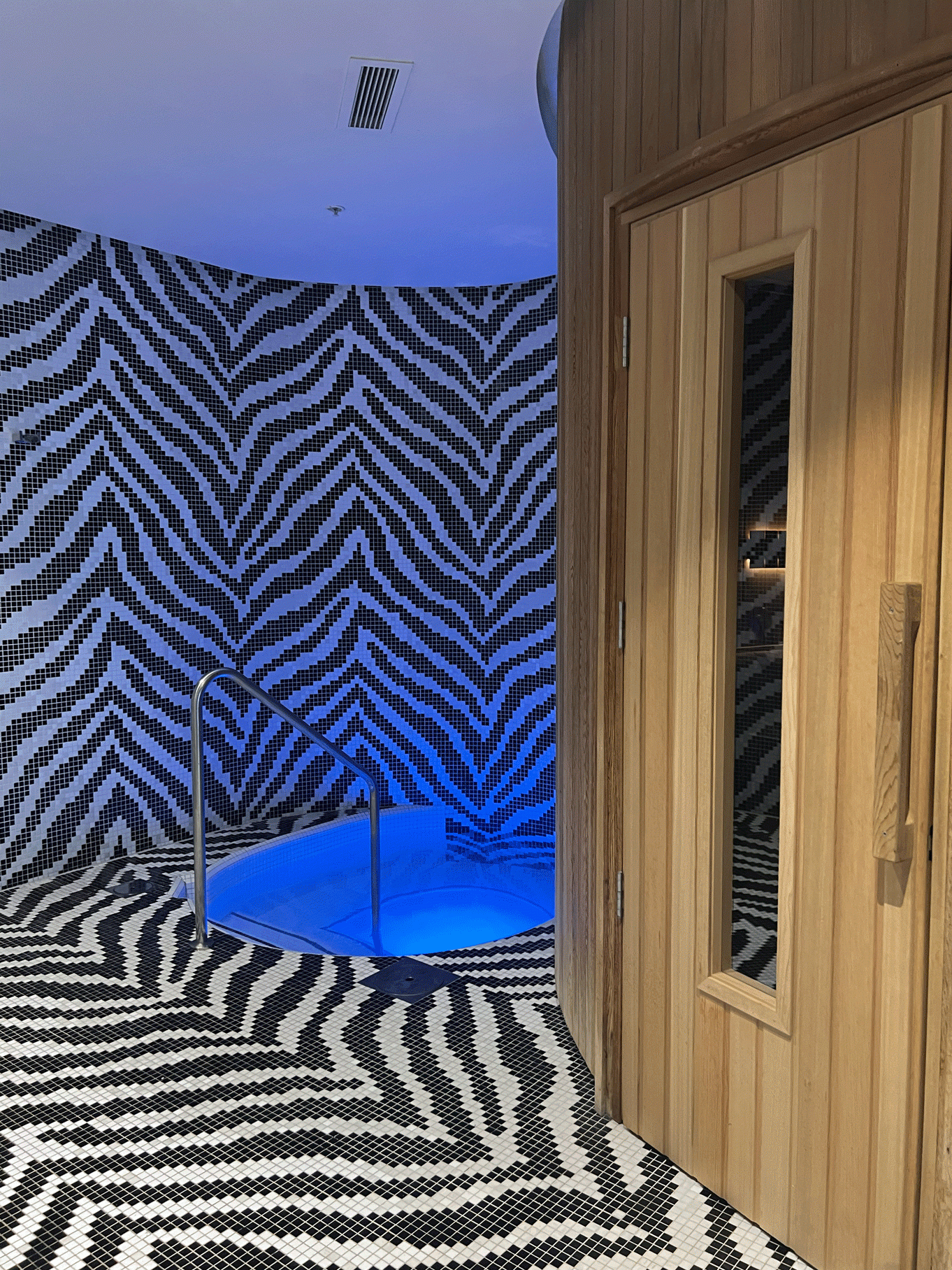
The hotel's sauna is the perfect way to unwind. (Credit: Eleanor Edström)
Then refresh with a cold plunge (if you're brave!). (Credit: Eleanor Edström)
Returning to a sleek hotel suite is a luxury. (Credit: Eleanor Edström)
I return to Brisbane’s Emporium Hotel South Bank around 5pm and, after a big day out, coming back to crisp linen, a plush robe and fluffy slippers is exactly what my sun-wearied body craves.
I’m quick to head up to the hotel’s sauna, steam room and cold plunge facility. The space is decked out in Emporium’s signature zebra pattern – in tile form this time. As my tired muscles begin to relax, I find it hard to believe that just hours ago I was snorkelling on the Great Barrier Reef.
Come dinnertime, we zip up to level 21 for a feed at The Terrace Rooftop Bar. The space offers five-star views over Brisbane’s skyline and is a buzzy place to settle in for drinks. A live saxophonist and DJ set the mood as we scan the menu: snackish, contemporary cuisine that snaps with global flavours. We’re smitten with the pan-fried octopus and monkfish, along with sticky Korean barbecue pork ribs paired with an apple pickle. Every morning, the restaurant transforms into a tranquil sun-drenched oasis for breakfast service, the mirrored ceiling folding back to reveal an atrium-like sunroof.
After dinner, the evening calls for a nightcap at low-lit The Reserve Wine Bar on the ground floor, where the Domaine de Chatillon gamay quickly becomes my drop of choice. Thousands of exclusive bottles of wine from more than 4000 brands are stored in hidden cellars around the hotel, our waiter tells us. The stockpile grew from Emporium visionary Tony John’s personal wine collection and has since developed into online retailer The Reserve Cellar.
Enjoy breakfast, drinks and dinner at The Terrace Rooftop Bar.
“There are vintages and bottles of wine that you cannot find anywhere else in the world – or that might be one of five left in the world," says Emporium Hotel South Bank general manager Julie Manega of the collection.
To round out the weekend, we spend the next day walking through Brisbane’s Botanic Gardens and wandering the chic neighbourhood of Fortitude Valley, known for its smattering of high-end shops and design-led eateries. But it’s back at the hotel’s jaw-dropping rooftop infinity pool, seemingly melting into the city skyline, that I find a much-welcomed sense of rest.
Lady Elliot Island and Emporium Hotel South Bank could hardly be more different. One is a tiny coral cay where nature reigns supreme and thriving ecosystems ignite your sense of adventure; the other is all cushy robes, rooftop pools and room service that gives you permission to slow down. Together, they remind you that the best escapes strike a balance between the thrill of discovery and the bliss of doing absolutely nothing at all.
The details
Experience: Emporium Hotel South Bank’s Reef & Retreat
Inclusions: Two nights in a River City King Suite, return car transfer and scenic flight to Lady Elliot Island, guided snorkel/glass-bottom boat tour, snorkel gear hire, welcome drink and buffet lunch on the island. A boxed breakfast on the morning of the day trip and breakfast at the hotel on the second morning are also included.
Cost: from $1739 per adult, $1414 per child or $3378 per couple
Tick the box next to "Australian Traveller". That's it.
Eleanor Edström is Australian Traveller’s Associate Editor. Previously a staff writer at Signature Luxury Travel & Style and Vacations & Travel magazines, she's a curious wordsmith with a penchant for conservation, adventure, the arts and design. She discovered her knack for storytelling much earlier, however – penning mermaid sagas in glitter ink at age seven. Proof that her spelling has since improved, she holds an honours degree in English and philosophy, and a French diploma from the University of Sydney. Off duty, you’ll find her pirouetting between Pilates and ballet classes, or hunting down Sydney's cosiest cafes.
Ancient rainforest, coral reefs, laid-back luxury and adrenaline-fuelled adventures, Port Douglas offers a side of Australia unlike anywhere else.
Mornings in Port Douglas start with a beautiful symphony. As day breaks, the lyrical calls of Rainbow Lorikeets, cries of the sulphur-crested cockatoos and rhythmic Coral Sea waves create a colourful soundtrack for Tropical North Queensland’s sunrise. If there’s one place in Australia that captures the sweet spot between luxury and laid-back living, it’s here. This small, seaside village has just enough glamour to feel indulgent and just enough barefoot charm to make you feel like you’ve escaped the chaos of everyday life.
Whether you’re diving into the warm waters on Four Mile Beach or enjoying an ice-cold drink and a Barramundi burger overlooking the marina, Port Douglas offers more than just a seaside holiday.
Local gourmet goodies
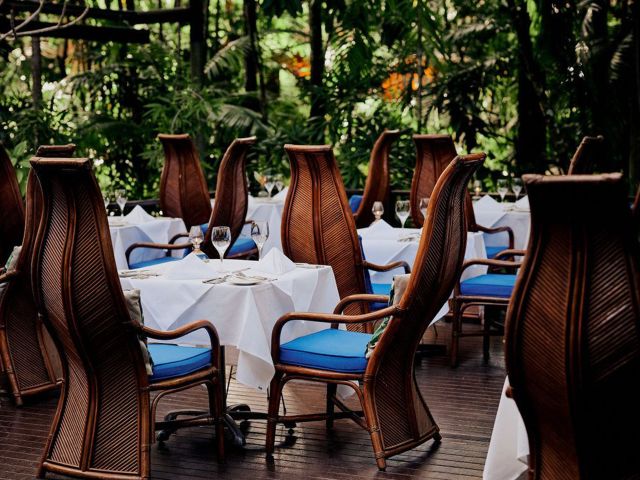
Nab an open-air table beneath a canopy of palms at Nautilus. (Image: Toby Stanley)
The tropical food scene in Port Douglas is influenced by the rich agricultural regions surrounding it, with fresh produce arriving daily from nearby farms and tropical growers across the region. At Nautilus – a hidden, palm-fringed restaurant just off Macrossan Street – the menu showcases regional flavours. Its Signature Nautilus Mango Soufflé is a long-time favourite.
Nearby, Hi-Tide by the Beach offers a relaxed way beachfront dining experience overlooking the Coral Sea. From crocodile and lemon myrtle spring rolls to wild barramundi and a volcanic hot stone steak, taste the diverse flavours of Tropical North Queensland.
Visitors can also explore the region’s local markets. Port Douglas Markets offers artisan products and tropical treats each Sunday, while the Saturday morning Mossman Markets is the place for fresh local produce from the surrounding farming community.
Just outside of Port Douglas, Ospreys at Thala Beach Nature Reserve has one of the region’s most memorable dining outlooks. Perched on a small headland between rainforest and sea, take in views across the coastline and mountains while you dine. The seasonal menu highlights local seafood, tropical fruits and native ingredients sourced from across the region
Travelling with young humans
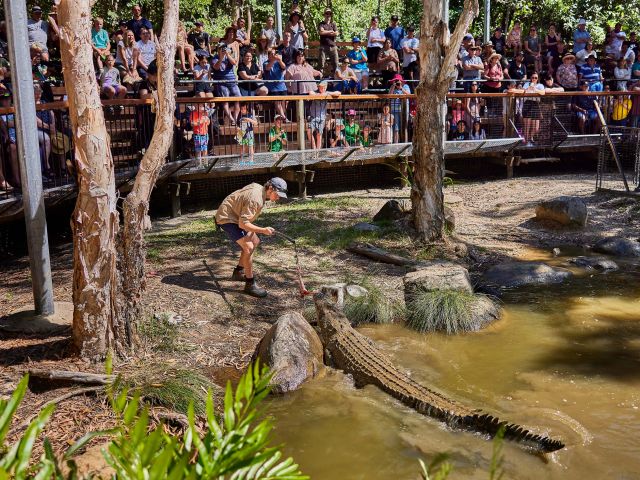
Catch a spectacle at Hartley’s Crocodile Adventures. (Credit: TTNQ)
Port Douglas caters for all types of visitors, but families especially love the walkable streets, wide beaches and range of activities nearby. An attraction that never fails to delight all ages is Hartley’s Crocodile Adventures – a wildlife sanctuary and ecotourism park with some of the region’s largest crocodiles. Here, you’ll also find koalas, cassowaries, turtles and other Australian wildlife.
For something slower paced, sit back and enjoy a tranquil visit aboard the historic Lady Douglas River Cruise. Glide along the calm waters of Dickson Inlet, keeping an eye out for birdlife and estuarine crocodiles along the mangroves. Children can take part in activity sheets onboard and even have the opportunity to help steer the boat.
This region is also deeply connected to Indigenous culture, and a Dreamtime Walk is one way to learn about it. Discover the stories, traditions and connection to Country of the local Kuku Yalanji people from local Indigenous guides, while exploring the rainforest and waters of Mossman Gorge.
Exploring local waterways
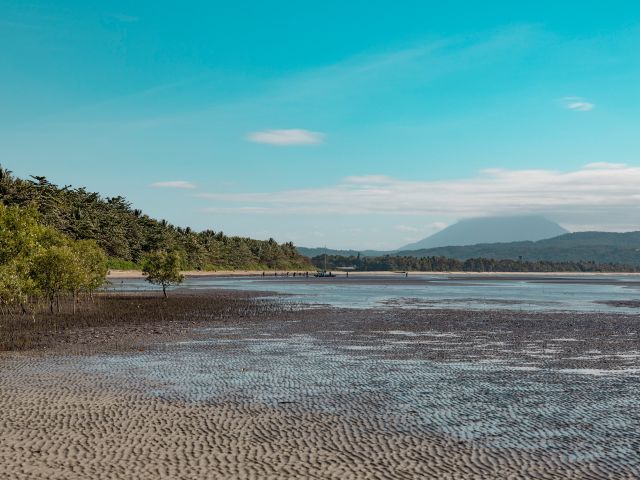
Walk along the peaceful Cooya Beach. (Credit: TTNQ)
Join a guided tour with Walkabout Cultural Adventures to explore the peaceful Cooya Beach. Led by deeply knowledgeable local Aboriginal guides, try seasonal local bush tucker, take in the beautiful landscape and gain insight into the history, culture and traditions of this land.
Surrounded by dense canopy and ancient species, nearby Hartley’s Creek Falls are at their finest after rain. These beautiful falls are reached via a lush rainforest walk that winds through creek crossings, towering greenery and moss-covered boulders.
To swim where the locals swim, head out past local farms and into the foothills of the Mossman River to Shannonvale – a low-key freshwater swimming hole surrounded by sun-warmed rocks and deep pockets of clear water. It’s a quiet area to spend a few hours retreating from the world.
Adrenaline adventures
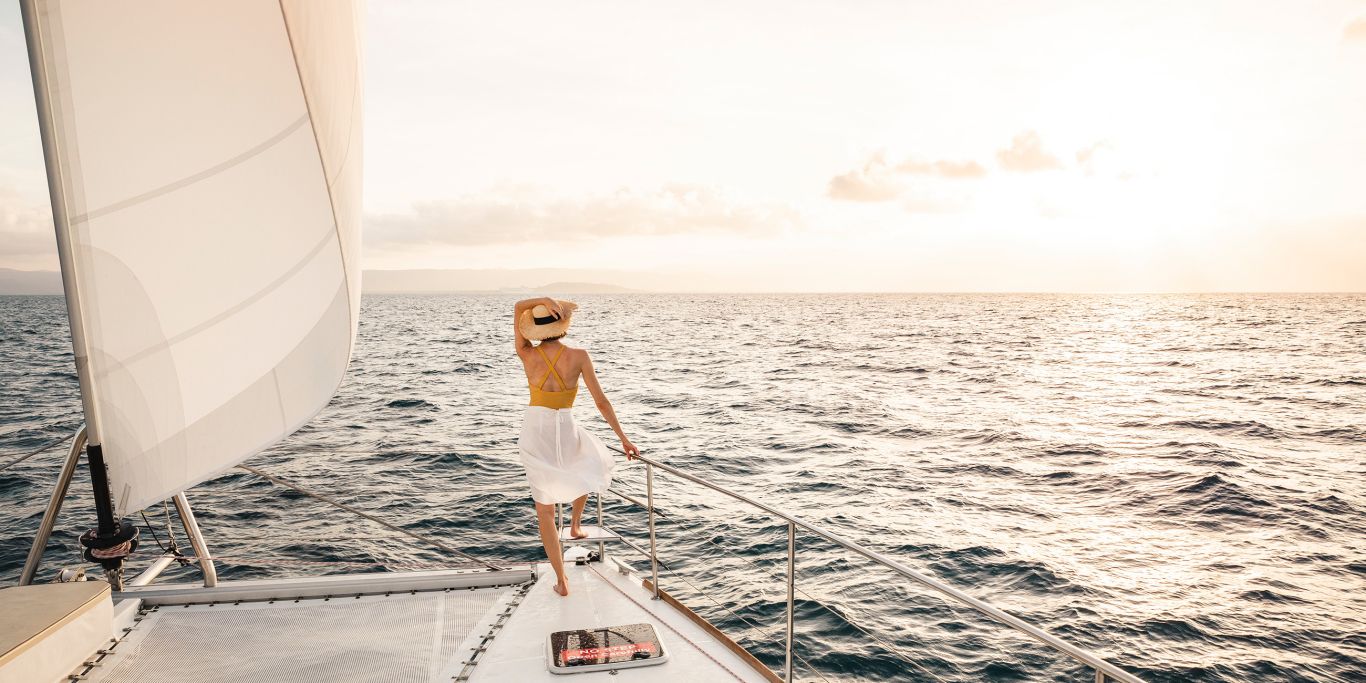
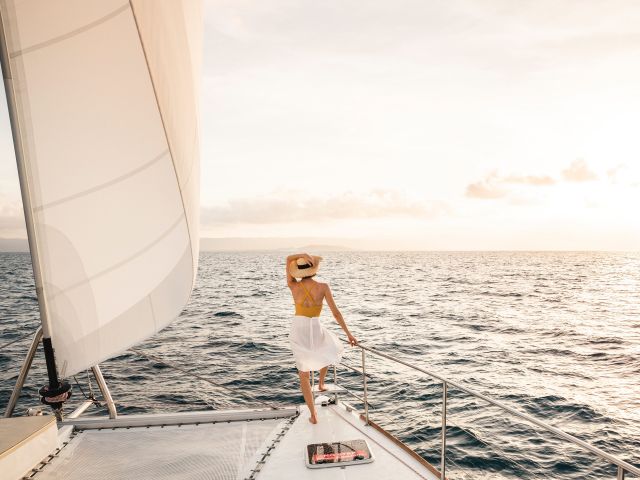
Take to the ocean with Sailaway Port Douglas. (Credit: TTNQ)
One of the most high-octane ways to enjoy the nature of Tropical North Queensland is white-water rafting down the impressive Barron River. With Grade two and Grade three rapids, expect plenty of splashing, some teamwork, and a few moments where everyone in the raft screams and laughs at the same time.
Join Back Country Bliss for the most unique floating experience you’ll ever encounter. Head into the rainforest and float along the serene Mossman River on your individual board, taking in the sights and sounds of the ancient landscape around you.
If you prefer ocean swimming, Sailaway Port Douglas explores the idyllic Low Isles and the outer reef on their snorkelling tours. Enjoy the Great Barrier Reef from above or below and look out for coral gardens, giant clams, colourful reef fish and, if you’re lucky, sea turtles.
For land-lovers, the Devil’s Thumb is a challenging but rewarding hike with incredible views over the coast and endless cane fields. This 10km return hike will take around six to eight hours, so leave a whole day and pack snacks!
Experiences that give back
See the rainforest from above on The Skyrail Rainforest Cableway. (Credit: TTNQ)
With two UNESCO World Heritage-listed sites – the Great Barrier Reef and the Wet Tropics of Queensland rainforest region – it’s not surprising Tropical North Queensland is a hub for eco-tourism. The stunning Daintree Ecolodge was founded on the principles of minimising environmental impact, supporting the local community and teaching guests about the local Indigenous culture. Their elevated rainforest-style ‘bayans’ are tucked among the trees, bringing nature into every part of a guest’s stay.
Further down the coast, the luxury bungalows and treetop hideaways of Thala Beach Nature Reserve are dotted across 45 acres of protected headland, forest and beach. The property’s design intentionally preserves large areas of native vegetation and beachfront ecosystem, while conserving the surrounding habitat. The private beach and various swimming pools offer a cool retreat from the heat of the day, while the main lodge offers the perfect place to read and relax.
The Skyrail Rainforest Cableway, a 7.5-kilometre cableway between Cairns and nearby Kuranda, has won multiple tourism and environmental awards. It’s also the first tourism attraction in the world to achieve Platinum EarthCheck Accreditation, for its long-term environmental management and sustainability initiatives.