A thriving hub of native wildlife, pristine beaches and rich local produce, Phillip Island has remained relatively removed from the mainland, in both a geographical and figurative sense.
Where is it
Situated on Victoria’s Bass Coastline, 140 kilometres southeast of Melbourne, Phillip Island is neighboured by Mornington Peninsula, Western Port Bay and Bass Strait.
How to get there
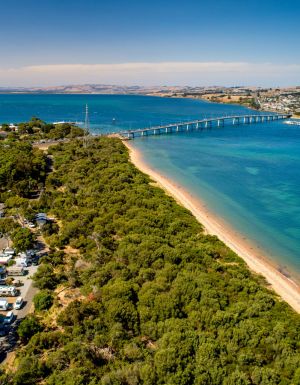
As one of few islands you can drive to, a road trip to Phillip Island (PI) takes about one-and-a-half hours from Melbourne along the South Gippsland Highway, linked via a 640-metre bridge. Otherwise, Inter Island Ferries run daily between Stony Point (on Mornington Peninsula) and Cowes (PI).
Public transport on the island itself is limited so driving is ideal, but if you get stuck Phillip Island Bus Service travels between Wonthaggi and Cowes every day.
Why Phillip Island is so great
Few places this small can offer so much to such a spectrum of travellers. Spread across 100 square kilometres is a population of around 7000 people (although up to 3.5 million people visit over the course of one year), but there’s an abundance of wildlife. Be it flippers, fins or feathers, there’s an animal encounter for all ages (more on that later).
The stunning beaches are another big drawcard, ranging from surfing hotspots and family-friendly flagged sections to private pockets of coastal paradise. But aside from the usual tourist must-dos are some unexpected gems like the National Vietnam Veterans Museum.
Best of all, PI still has that familiar country-town feel about it, where the locals are only too happy to offer advice on what to see, where and when to go and how to get there so you don’t miss out.
Where to eat & drink on Phillip Island
Beach HQ
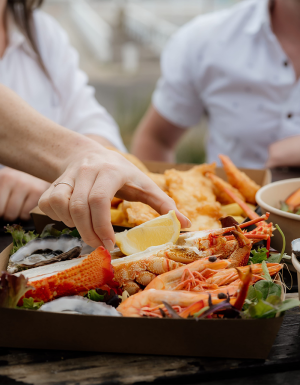
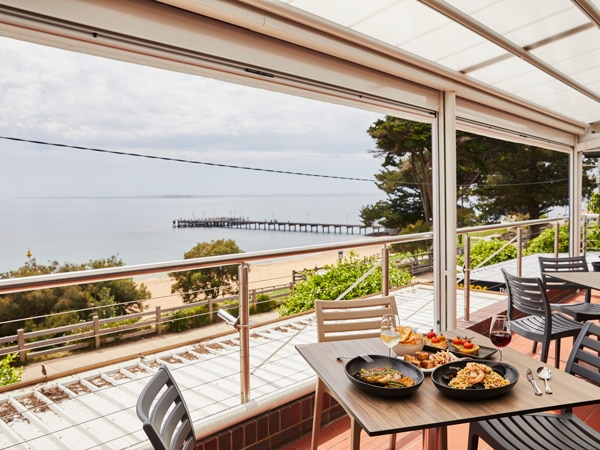
Dine out on the terrace and enjoy water views of Cowes foreshore beach, Westernport Bay, French Island and the Mornington Peninsula at Beach HQ. The menu offers a range of seafood and modern Australian dishes to choose from. Share the seafood platter and expect a bounty of Kilpatrick oysters, cold king prawns, chilli mussels with bread, battered fish, prawns and scallops, and salt and pepper calamari with a side of chips and salad, and a range of condiments to drizzle it all in. The wine list features a range of Phillip Island and Gippsland wines to match your meal.
Cape Kitchen
The Cape Kitchen boasts uninterrupted views overlooking the Southern Ocean, a sleek and modern dining space and an inviting verandah. The team is focused on using the best quality produce available from regional, Victorian and Australian suppliers.
Start your day with the Cape Kitchen mimosa alongside a plate of fluffy ricotta and buttermilk hotcakes topped with caramelised banana, blueberry compote, honey and lavender mascarpone and a sprinkling of toasted pecans. If you prefer a savoury start to the day, try the sweetcorn, pea and zucchini fritters with poached eggs and vine-ripened cherry tomatoes all drizzled in mint and honey yoghurt. Return for lunch and a killer dessert menu which may include the likes of eton mess or an espresso creme brulee.
Phillip Island Chocolate Factory
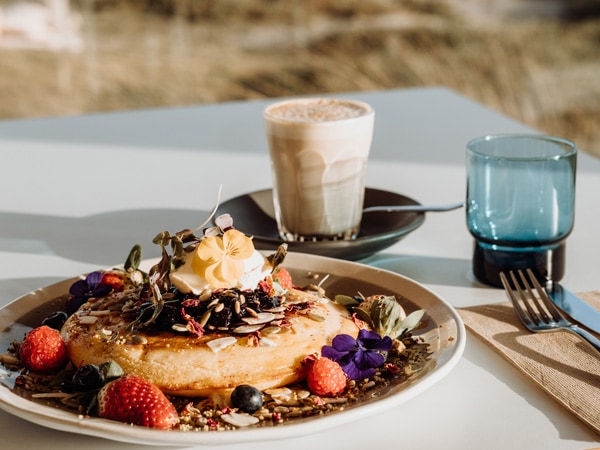
Then for something sweet, Phillip Island Chocolate Factory is hard to beat. Amongst the truffles and clusters is the Phillip Island Chocolate Factory exhibition, featuring interactive displays and machines; one of which allows visitors to make their own chocolate bar. There are also chocolaty reproductions of masterpieces such as Michelangelo’s David statue. Oh, and the chocky is pretty amazing too!

Ocean Reach Brewing
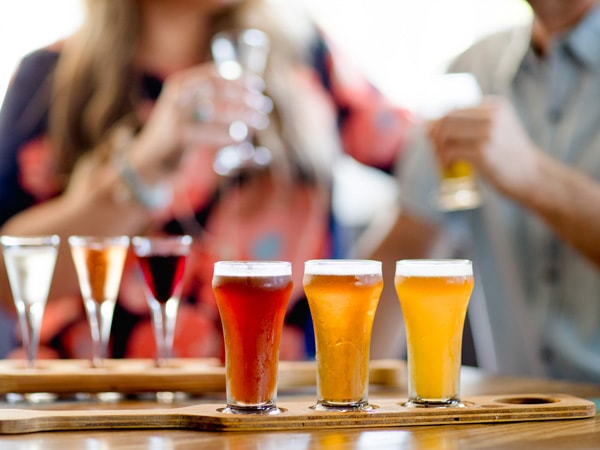
What started as a passion project of small-batch brews out of a home garage, grew into the family-run Ocean Reach Brewing. The fully-fledged brewhouse now sells a range of locally-brewed beers and a more experimental range of seasonal beers – which can include the likes of a hazy pineapple IPA or peaches and cream sour. Beers can be purchased online, or stop by the taphouse for a takeaway beer or wine and pair it with one of their juicy burgers or other small bites.
Phillip Island Winery
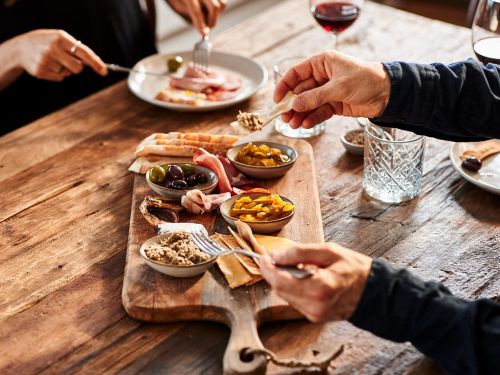
The island’s mild weather and rich volcanic soil allow for some delicious cool-climate wines. Among the makers is Phillip Island Winery near the Grand Prix Circuit. Producing a range of whites and reds, their 2008 Estate Chardonnay is especially impressive, awarded 94/100 by wine guru James Halliday. The cellar door is a cute cottage-style building, offering wine tastings, a cosy log fire, local Gippsland cheeses and smoked trout and homemade dips.
Purple Hen Winery
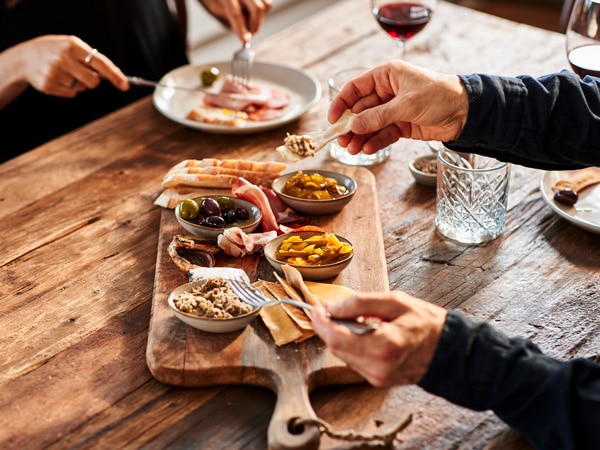
Alternatively, find the Purple Hen winery near Rhyll. Planted across five hectares of vineyards, the winery largely produces pinot noir and chardonnay – the pinot is especially good! The cellar door is open five or seven days a week depending on the season, offering wine tastings, cheese platters and great views.
Rusty Water Brewery
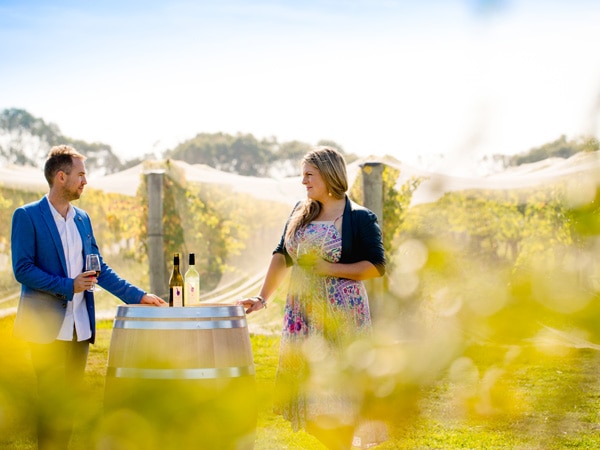
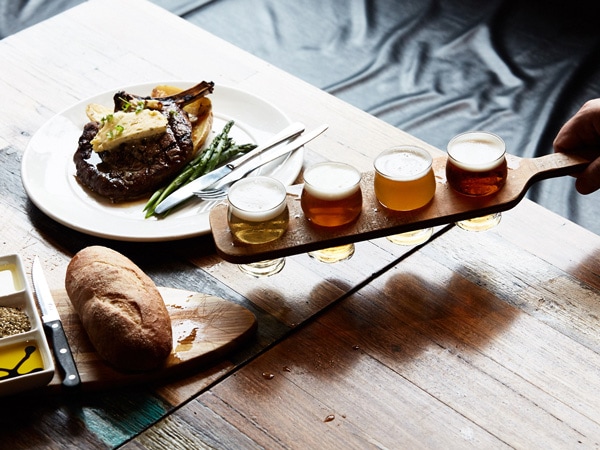
But for those who favour beer for a beverage, there’s the Rusty Water Brewery. With five of their own handcrafted brews on tap, they also offer other boutique beers such as Prickly Moses and Matso’s. The restaurant menu features plenty of hearty dishes to taste test too.
Top things to do on Phillip Island
Penguin Parade
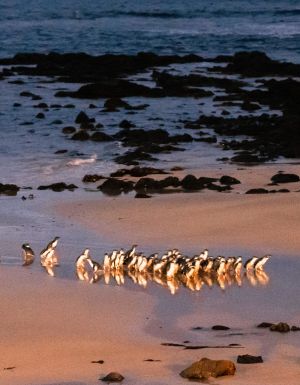
This should definitely top the must-do list, watching on at sunset as rafts of little (fairy) penguins return from a day at sea fishing, waddling ashore and back to their burrows.
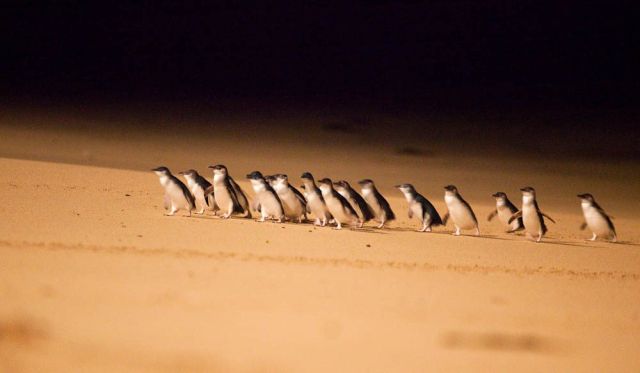
Phillip Island Nature Parks offer a range of tours that vary in intimacy and cost, but I highly recommend the Ultimate Adventure Tour. It allows a group of fewer than 10 people to sit on the beach, equipped with specialty torches and infrared goggles, and watch on as these clumsy but cute critters waddle past, calling out to their waiting families. Despite full bellies and tiny legs, they somehow manage to climb sand dunes and walk up to two kilometres each night. During the tour’s walk back to the centre, you’ll also see loads of eager chicks and night-time lovers, which is just as exciting as the beachfront viewing.
Cruise to Seal Rocks
Wildlife Coast Cruises offers a two-hour tour to one of Australia’s largest wild fur seal colonies at the aptly named Seal Rocks. The boat drifts within metres of the rock formation, where there can be hundreds, if not thousands of seals, from beastly bulls to playful pups. As naturally inquisitive creatures, many will jump into the water and right up to the vessel, while others will happily continue sunbaking.
Visit Nobbies Centre
With panoramic views overlooking The Nobbies, this free-to-enter centre showcases the local marine life. There are many interactive displays, including a Big Brother-like camera that was installed at Seal Rocks, which visitors can navigate from the centre to take photos. The centre is also a handy stop-off for families, offering a café, bathrooms and a children’s play area.
Hot tip: When leaving, take a different route home and drive along an unsealed road that follows the coastline to Phelans Bluff and loops back to the main road. The turn off is within the centre’s car park but there’s limited signage so it can be easily missed. Drive slowly, take in the sights, and keep an eye out for the blowhole and local wildlife, especially wallabies and Cape Barren geese.
Koala Conservation Centre
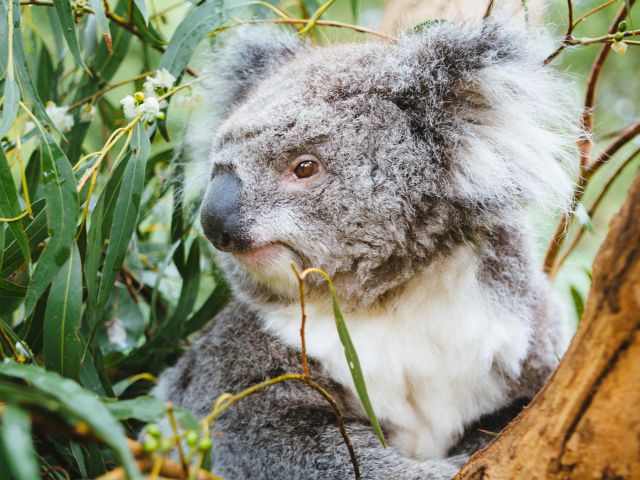
Stroll along the treetop boardwalk and see up to 30 resident koalas as they doze amongst the gums. The boardwalk includes strategically positioned information signs, pointing to the koalas’ favourite branches for easy spotting. Inside the centre are more displays on these native marsupials, with information about their evolution, breeding habits and conservation efforts.
Feed pelicans and stingrays
Every day at noon, the mainland side of Phillip Island Bridge becomes a feeding frenzy for pelicans and stingrays at the water’s edge. Visitors can throw fish scraps to stingrays, even pat them, or watch on as nearby pelicans are fed and informative talks are given. Best of all, it’s free.
Make tracks to the Grand Prix circuit
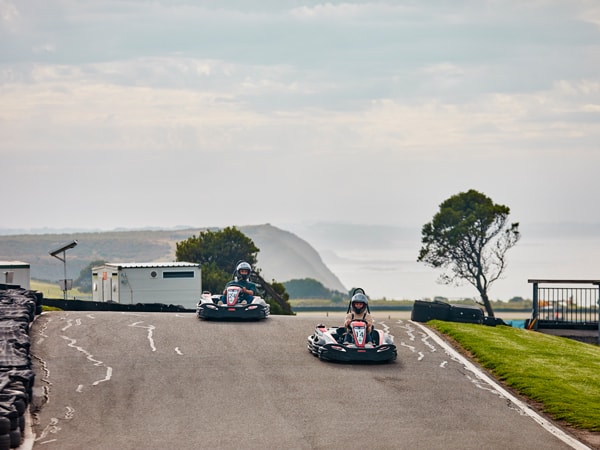
Sandwiched between paddocks of grazing cattle and the calm blue Bass Strait, this buzzing (sometimes screeching) motor circuit is a stark contrast from the serene surroundings. Here, visitors can follow in the footsteps of racing superstars with a Guided Circuit Tour, which includes access to restricted areas such as the pit roof complex and the winner’s podium. Adrenalin junkies can strap in for three high-speed Hot Laps around the circuit in a race car, at the hands of an experienced driver.
Otherwise, next door are the Champ Go Karts, which run on a 760-metre scale replica of the real circuit. There are tandem karts available for youngsters, and each driver is given a personalised lap-time printout at the end.
Swim, Surf or Snorkel
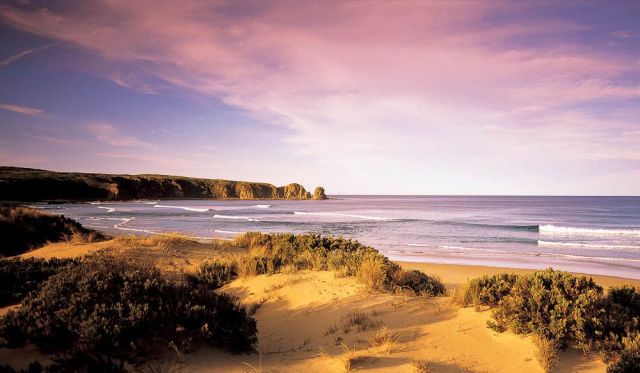
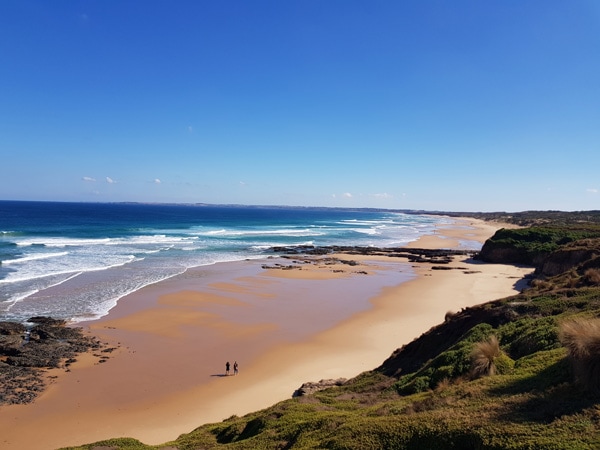
With over 100 kilometres of coastline defining PI, there is no shortage of swimming holes. It can range from pounding surf at hotspots like Surf Beach and Flynns Reef, to sheltered bays suitable for young families at Smiths Beach or Cowes Main Beach on the north side.
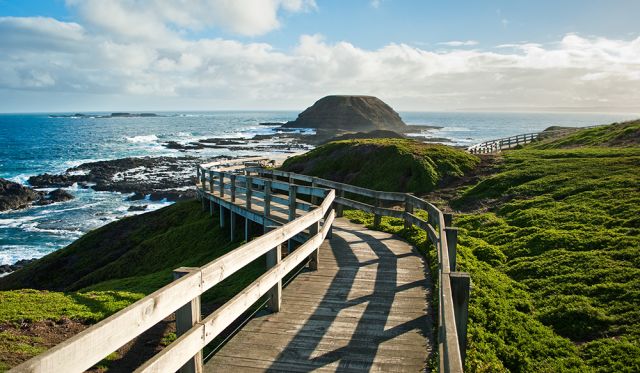
Depending on weather conditions, snorkelling is also available. The locals recommend Red Rocks Point and Churchill Island. However, Woolamai Beach is a must as a scenic, surfable and patrolled area, not far from The Pinnacles, a stunning rock formation on the southeast tip of the island. Visitors can walk up the beach to Magic Lands before taking an inland walking track that continues up to the highest point on the island, overlooking the formation.
Churchill Island Heritage Farm
An off-shoot of PI, Churchill Island is where the first farm in Victoria was established. Today it comprises native wetlands and numerous walks, but the main attraction is Churchill Island Heritage Farm. Surrounded by heritage gardens and a working farm, the property also includes a historic homestead with authentic room displays, a licensed café overlooking the bay and gift shop. Daily displays are held throughout the property including sheep shearing and cow milking, plus an animal nursery. Great for little ones!
Fly high in a helicopter
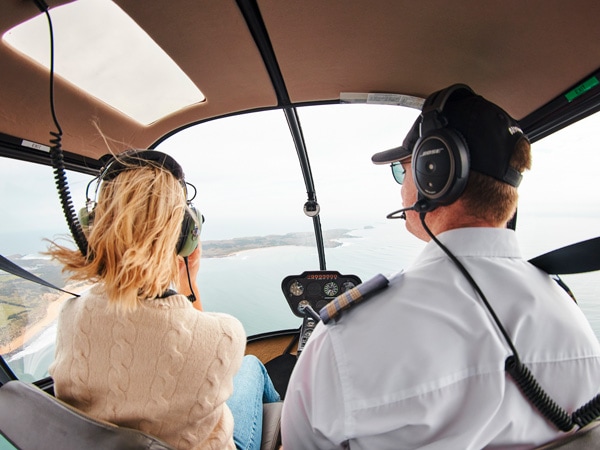
Get your bearings from above in a scenic flight around the island with Phillip Island Helicopters. There are seven routes to choose from, taking in major local attractions like The Pinnacles, Penguin Parade, Grand Prix Circuit and The Nobbies. There are other heli-adventures available, such as packaged deals to Bass Valley Estate Wines, French Island and skydiving.
Vietnam Veterans War Museum
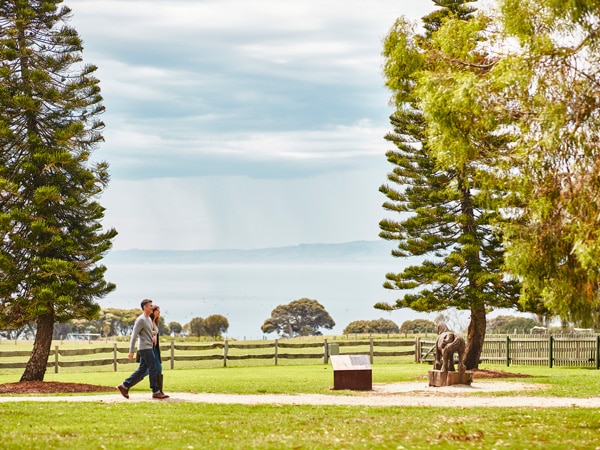
An unexpected find is the National Vietnam Veterans’ War Museum , dedicated to preserving and exhibiting memorabilia from the war. With over 5000 artefacts, photographs and displays, some aspects of the museum are quite confronting. Outside are the biggest items, including a Centurion tank and a Wessex helicopter. There is an entrance fee into the museum, but it is well worth a look.
Where to stay on Phillip Island
There are many accommodation options available throughout the island, ranging from boutique B&Bs to budget caravan parks.
The Island Accommodation
A particularly good starting point is the new The Island Accommodation – part of the Big Wave Complex which also encompasses a café and surf shop. The accommodation itself is made up of studio suites, family rooms and multi-share rooms, catering for couples, families and backpackers travelling on a budget. Clean and welcoming, facilities include well-equipped kitchens for self-catering and the Big Wave Café next door for a quick bite.
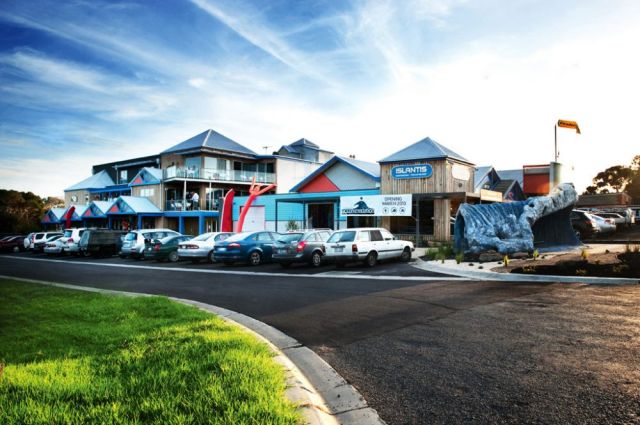
The hosts are especially helpful, giving all guests an easy-to-follow illustrated map and a run down on all the must-see-and-dos.
Silverwater Resort
For something a bit more upmarket, Silverwater Resort is ahhh-mazing. Located on the highway right before the Phillip Island Bridge, Silverwater Resort offers one to three bedroom apartments, all luxurious, spacious and fully self-contained. Expect private balconies, air conditioning, flat-screen TVs, digital movies on demand, internet, great views and luxe furnishings. The resort also boasts heated pools, spa and sauna, tennis, basketball, volleyball and bocce courts, children’s play areas, a lounge bar and the Watermark Restaurant.