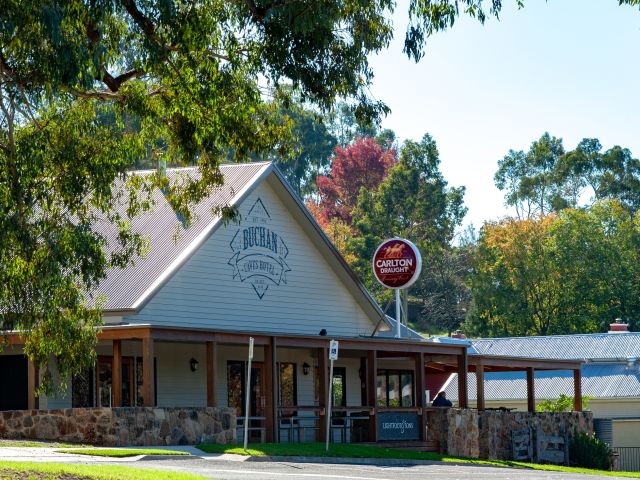
It’s right there in the name. Come to think of it, the name is somewhat of an understatement…
From Torquay to Allansford, a small town on the doorstep of Warrnambool, the 243-kilometre Great Ocean Road in Victoria is a highlight reel of dramatic cliffs, windswept beaches, lush rainforest, abundant wildlife and, of course, almighty views over the Southern Ocean.
A recent study by Youi has revealed it is the most popular road trip in Australia, with 39 per cent of respondents ranking it their favourite. Here’s a road trip itinerary to make the most of this great Australian icon.
Day 1: Torquay to Apollo Bay
Distance: 1 hour and 50 minutes/92 kilometres
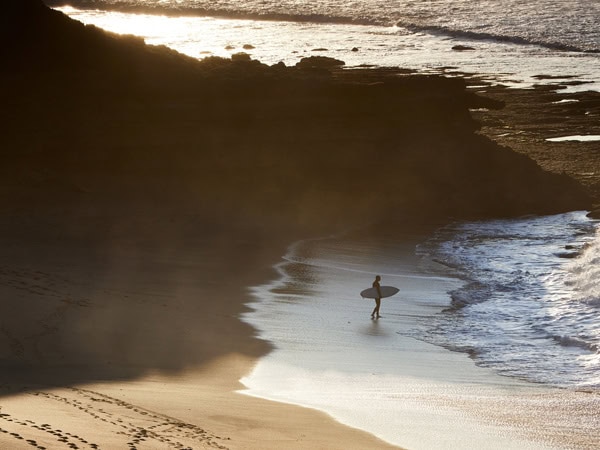
A touch over 100 kilometres from Melbourne’s Tullamarine Airport, Torquay marks the Great Ocean Road’s official launch point. But no need to rush. It would be remiss to leave without indulging in Torquay’s star attraction – its beaches. For a dip, hit up Front Beach or Jan Juc, or for a glimpse of an aquatic icon, head south for Bells Beach, host of the annual Rip Curl Pro.
Stretching 44 kilometres from Torquay to Aireys Inlet, the Surf Coast Walk is another way to take in this spectacular region. The multi-use trail has 12 sections for those not in the mood for a literal marathon effort. This map will help you find your preferred route.
For lunch, you’re in for a treat, but there’s a crucial decision to be made: seafood or Spanish cuisine. In Anglesea, a leisurely 12-minute drive from Bells, Fish by Moonlite, offers the freshest seafood you can find. Alternatively, tack on an extra 30-minute drive to reach Lorne, another picturesque seaside town (of course!).
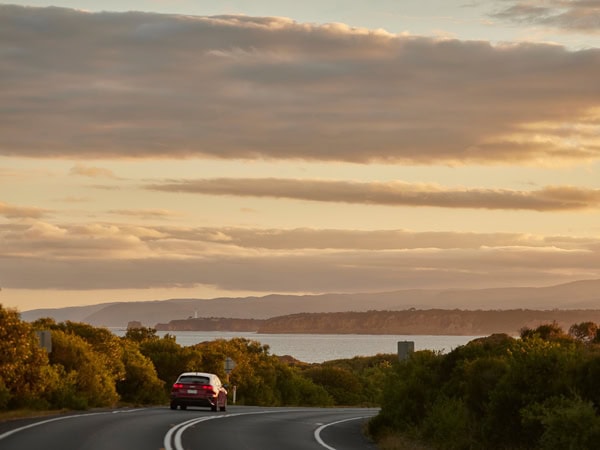
The drive to Apollo Bay is a particularly impressive stretch of this famous road with wild beaches rollicking below your clifftop route.
Hint
If you’d prefer a more casual (yet entirely quintessential) lunch, grab fish ‘n’ chips and enjoy beachside in Lorne.
Must see
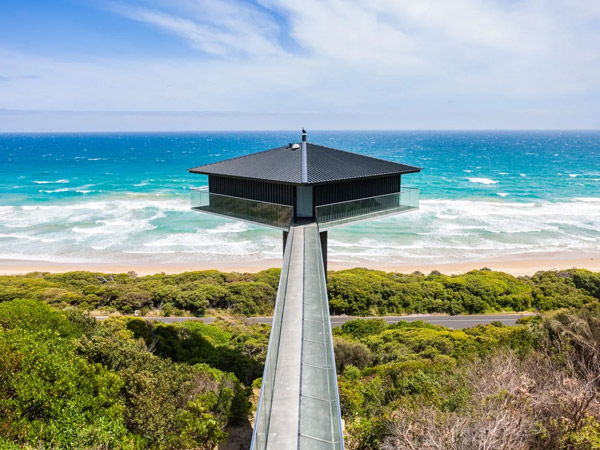
Perched 40 metres above Fairhaven Beach, about 15 minutes south of Anglesea, Pole House is an architectural wonder. Pull over for a cheeky look or, better still, add another day to your itinerary and stay the night.
Need tips, more detail or itinerary ideas tailored to you? Ask AT.
AI Prompt
Where to stay
Seafearers Getaway – Stylish studios, units and lodges with a mesmerising beachfront location.
Chris’s Beacon Point – A sophisticated, not to mention convenient, choice after dining in the acclaimed restaurant.
Day 2: Apollo Bay to Port Campbell
Distance: 2 hours and 5 minutes/123 kilometres (including detour to Cape Otway)
Grab breakfast in Apollo Bay before starting day two on a high with a visit to the lush Otway National Park and the Cape Otway Lightstation. Built in 1848, the lighthouse is the oldest on mainland Australia and, on the other side of a 90-metre climb, offers commanding views of the Bass Strait and Southern Ocean.
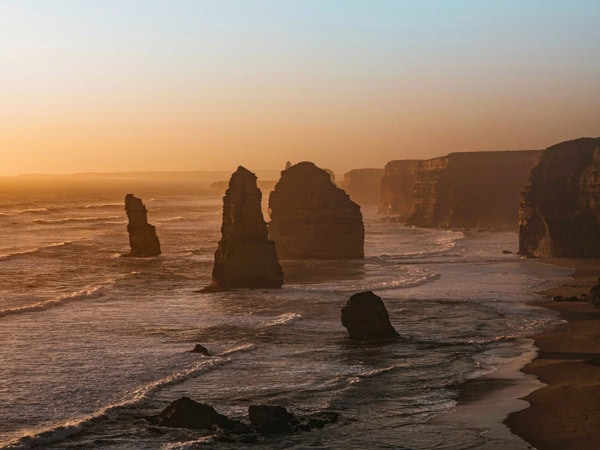
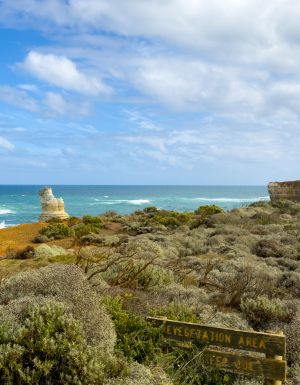
Back on the Great Ocean Road, it’s showtime as the Twelve Apostles come into view. These craggy limestone stacks, dramatically piercing the ocean, are a geological marvel, shaped by 20 million years of wind and waves. There are only seven apostles today, but the sight is still striking. There are numerous lookouts from which to snare a vantage point while the Gibson Steps will put you on the sand and under the towering formations.
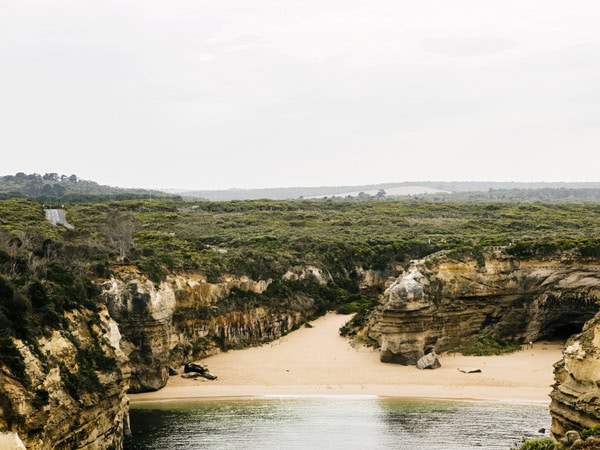
Just a few minutes west, Loch Ard Gorge offers a network of walking trails to help further explore the coastal wilderness.
Must see
Impressive at any time of day, the 12 Apostles are particularly magic at sunrise or sunset.
Where to stay
Anchors – Three self-contained villas combining the tranquillity of a rural getaway with five-star touches.
Sea Foam Villas – Light and comfortable apartment-style accommodation a stone’s throw from the water.
Weekly travel news, experiences
insider tips, offers, and more.
Day 3: Port Campbell to Warrnambool
Distance: 62 kilometres
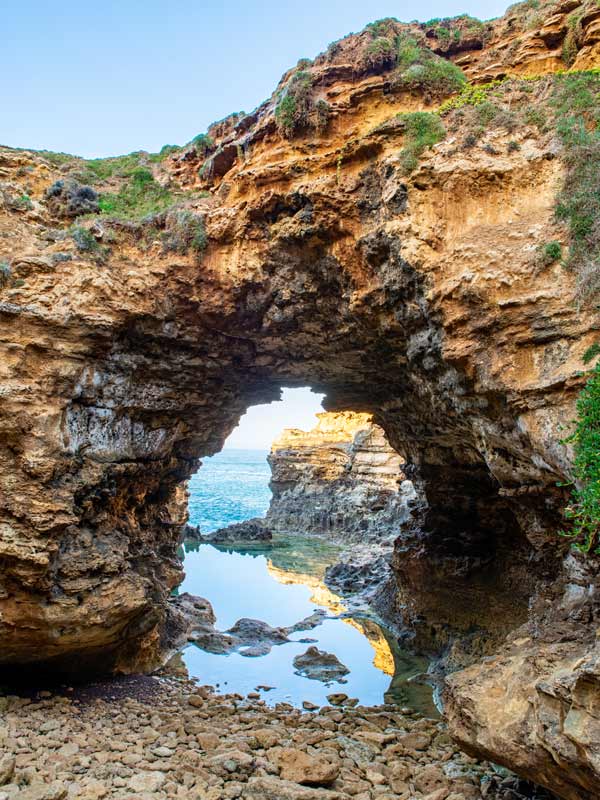
What is a road trip without a banging playlist? And what’s a banging playlist without a little Beyoncé? We recommend Queen Bey’s hit Formation as a fitting preparation for day three, which starts with more of Mother Nature’s grand rock monuments: The Arch, London Bridge and The Grotto.
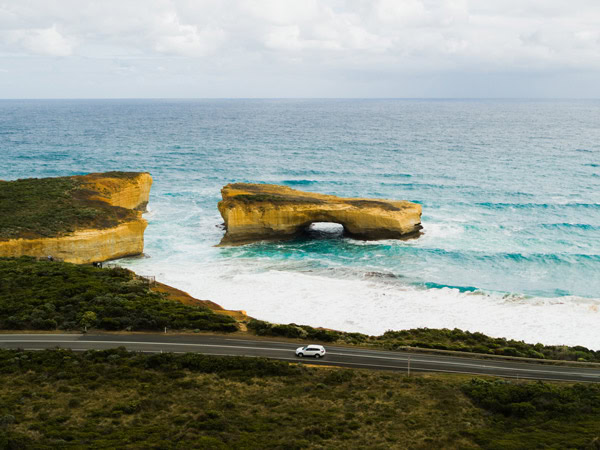
Then it is on to the Bay of Islands Coastal Park, a 32-kilometre-long beauty starting just beyond Port Campbell at Peterborough. Although overshadowed by their famous neighbour, the Bay of Islands and Bay of Martyrs also inspire displays of towering limestone stacks.
The Great Ocean Road officially ends at Allansford, but extend the drive by just 12 minutes for the brighter lights of Warrnambool. If you’re travelling between June and September, be sure to head to the viewing platforms at Logans Beach for the chance to spot the migrating southern right and blue whales. With views to write home about (or, let’s be honest, brag about via Instagram), it’s got to be Simon’s Waterfront for dinner and a toast to this unforgettable coastline.
Hint
If time allows, a wee detour to Timboon will be much appreciated by any foodies in your touring party. Stop in at Timboon Distillery for lunch or dinner on the deck of a boutique distillery. Modern Australian cuisine and daytime cafe food served in a boutique distillery with deck seating.
Where to stay
Lady Bay Resort – Contemporary accommodation on the picturesque bay.
Quest Warnambool – Comfortable apartment-style hotel conveniently located on Warnambool’s main street.
Want to know more? Read our ultimate travel guide to the Great Ocean Road.
Want to see more stories from Australian Traveller in your Google search results?
- Click here to set Australian Traveller as a preferred source.
- Tick the box next to "Australian Traveller". That's it.