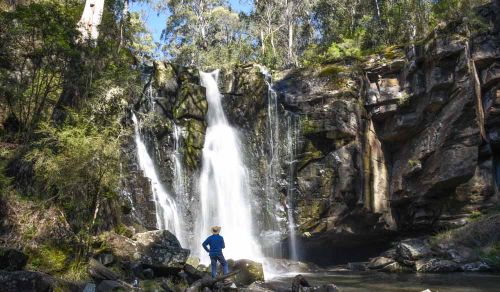
Planning a day trip to Lorne? This guide is the key on how to spend the ultimate day in this charming Victorian town.
The Details:
Where is Lorne?
Lorne is located a two-hour drive away from South-West Melbourne.
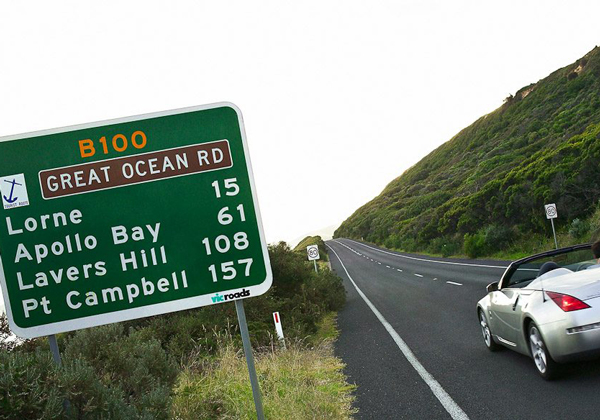
Take the Great Ocean Road for scenic drive down to Lorne.
Population
The 2016 census showed a population of 1,114. But in the summer months, expect flocks of tourists to swarm the area.
What’s it all about?
Beautiful surf and hinterland.
Best months to go?
May to October is prime time for a visit down to Lorne.
Why go?
Lorne is a seaside retreat of Melburnians. A quick weekend down the coast with beaches, vibes and a close proximity to the Otway Ranges.
9am
Head over to Health and Hire (HAH), Lorne’s local lifestyle café. Owned by resident Katie Walker, this café is only five short steps away from the local beach and boasts jaw-dropping views of the area. In summer, head up to order brekkie after your surfing session, but in winter, grab a morning hot chocolate and watch the whales play in the bay.
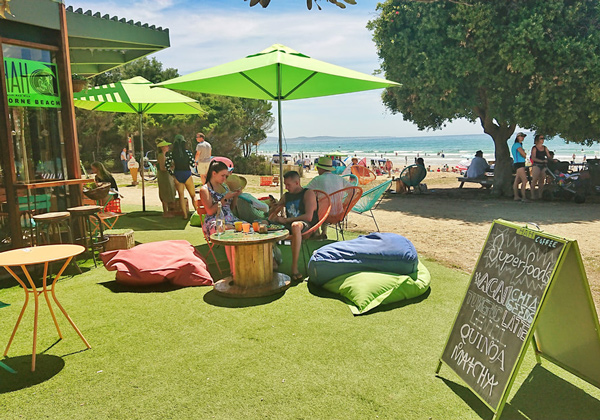
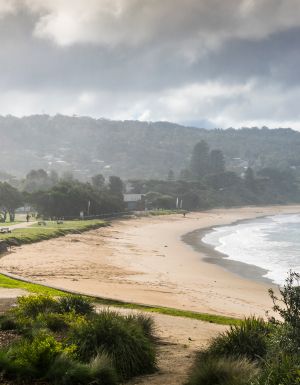
Head over to HAH for a spot of brekkie right on the beach.
The best thing on the menu here is the acai power smoothie bowl, topped with the freshest seasonal fruit, sided with a slice of freshly baked banana bread drizzled in locally-produced honey. Everything at HAH is sustainably sourced and eco-friendly.
10am
After you’ve licked your bowls clean and mopped up all the crumbs, it’s time to head out for a quick cycle. The good thing about HAH is that you can hire out bikes, stand-up paddle boards and surfboards straight from the café. Cycle out until you reach the beautiful beach path to Lorne Pier. Wave hi to the fisherman as you cycle pass and don’t forget Sammy the Seal, Lorne’s resident seal.
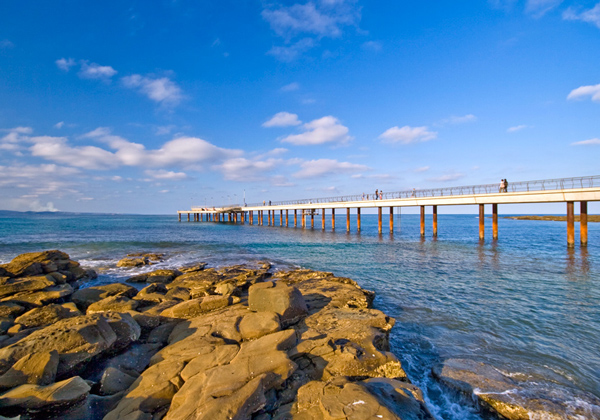
Hop on a bike and cycle through Lorne and down to the pier.
11:30pm
Lorne is known for their boutique shops, so take a wander down Mountjoy Parade to check out all the awesome little stores. La Sirena, Vic and Bert and Lorne Beach Books have all set up shop in this coastal town. Search along the strip to find rare antiques, quirky homewares and of course a souvenir or two.
12:30pm
You must be starved after all of that retail therapy. Luckily, Lorne has a whole heap of epic eateries around for you to choose from. It may not look it, but QDOS Arts (two minutes behind Lorne) is home to an art gallery and cute café. Set amongst bushland, enjoy slices of the tastiest wood-fried pizzas or if you have more of a sweet tooth, try their home-made pastries under the sun. After lunch, take a look through the grounds to search for hidden sculptures and artistic gems.
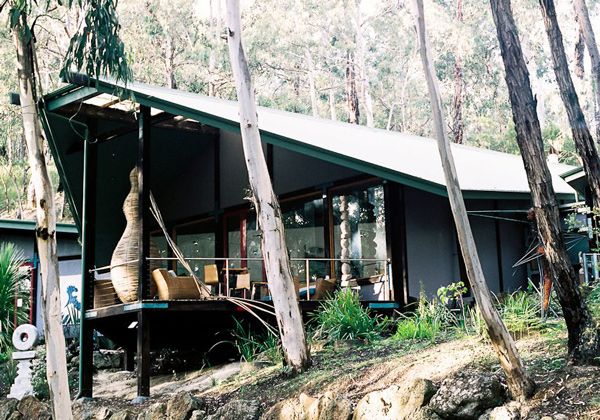
Pop into QDOS Art Gallery to roam the grounds for hidden sculptures.
If art isn’t your style and you’re in the mood for an Aussie greasy burger, The Bottle of Milk along Mountjoy Parade will satisfy your cravings. Known grilling up the best burgers in the state, this place has quite the reputation. Situated right across from Anzac Park, ask for takeaway and have a picnic on the grass.
2pm
Now is the time to work off that over-filling lunch and what better way to do that than a brisk walk around the best areas in Lorne’s hinterland. Depending on how far you want to walk, Lorne has got a heap of tracks for you to stroll down.
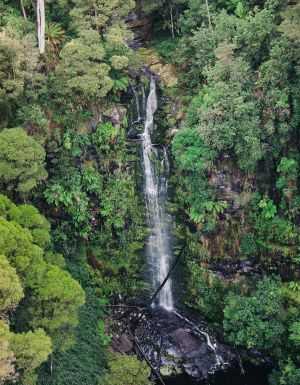
But the locals all swear by the St Georges River Walk. A 5 kilometre walk through the beautiful apple orchards of Allenvale and up to Phantom Falls. This area is home to the tallest eucalyptus trees in Australia. And where the trickle of St George River meets the falls, it feels like you’ve entered a different tropical world. Surrounded by shady fern gullies, revel in the rocky pools to cool off.
4pm
Take a visit to the Lorne Sea Baths to de-stress. With a mix of activities and wellness sessions you won’t be able to pull yourself away. Mini Golf, Bumper Boats and Aqua Orbs are available if you’re up to the challenges.
Otherwise, head into Lorne Salt therapy for a detoxifying appointment. The rooms are fitted out with reclining chairs and a television, and most importantly a fresh air filter to assist in the elimination of airborne particles. During your session, a halo-generator machine will grind up the salt to a fine dust, allowing it to be absorbed through the skin.
7pm
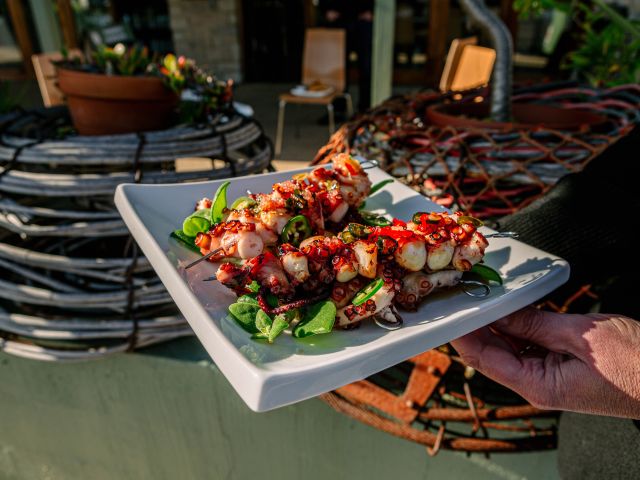
To finish off what has already been a pretty spectacular day, make a booking for the town’s favourite Greek establishment, IPSOS Restaurant & Bar . Bringing a traditional Greek menu to the table, feast on Kalamata olives, chargrilled octopus and slow cooked lamb shoulder all night long. Grab a seat on the outside deck and enjoy a shot of Ouzo under the stars.
Planning to stay?
If you’re planning on staying in Lorne, that’s a wise choice. Accommodation in the area is really affordable considering you’re basically getting million-dollar views wherever you stay.
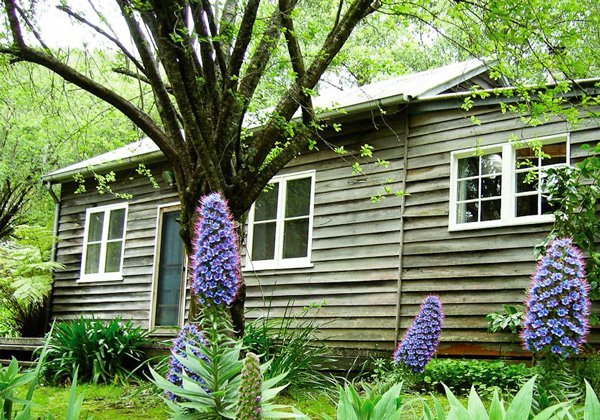
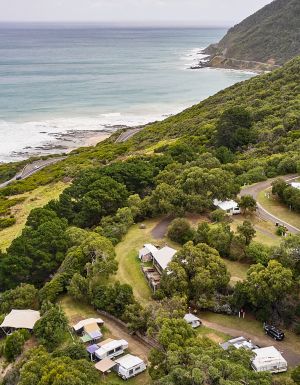
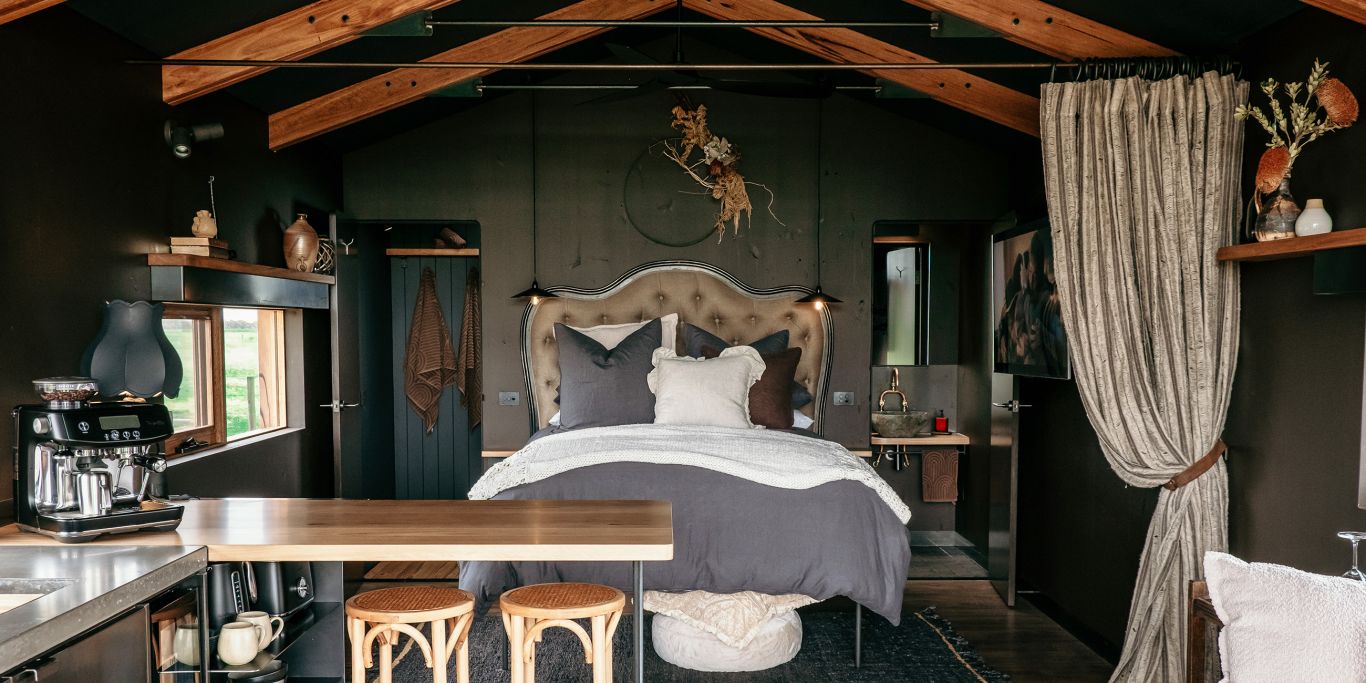
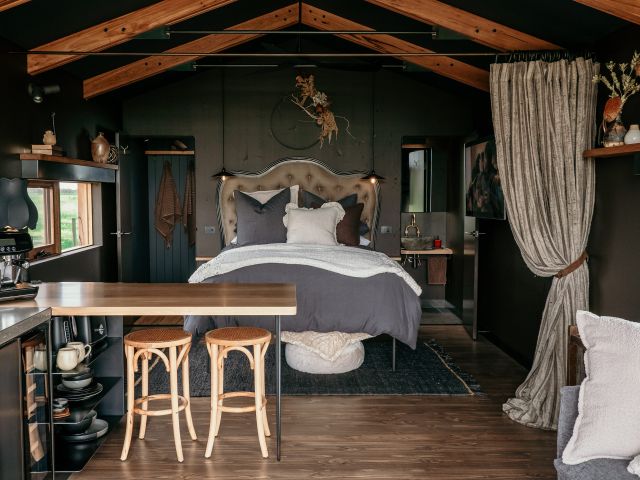
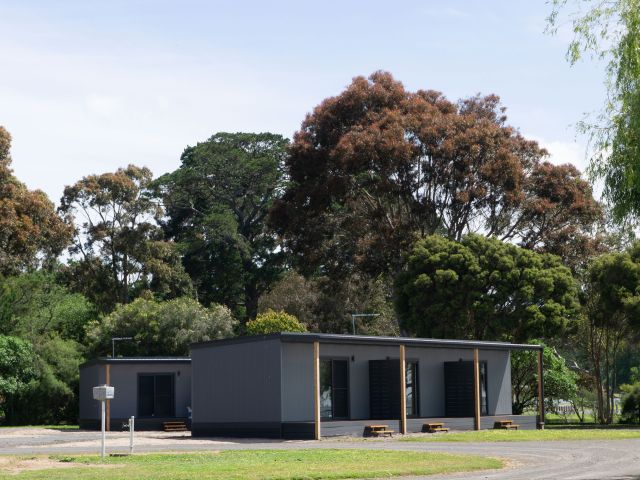
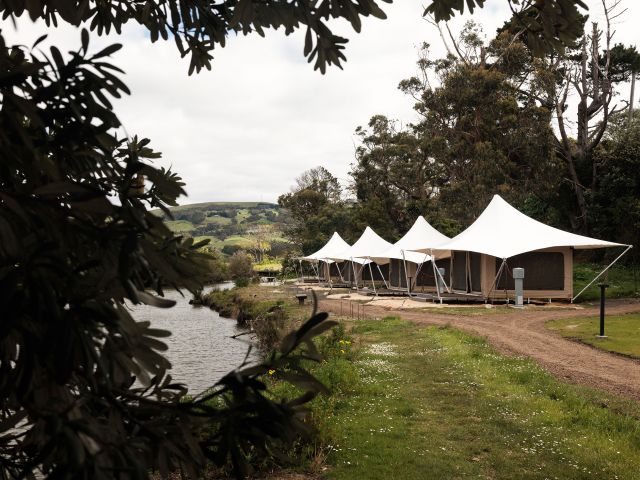
Stay at this cosy cottage hideaway located just outside of Lorne.
Three minutes away from the town centre, you’ll find a hideaway cabin that is perfect for making you feel a million miles away from civilisation. Check out our review of Allenvale cottages in Lorne.
Abandoned mills and forgotten paper plants are finding second lives – and helping redefine a city long underestimated.
Just 15 years ago, Federal Mills was a very different place. Once among the most significant industrial sites in Victoria, the historic woollen mill was one of a dozen that operated in Geelong at the industry’s peak in the mid-20th century, helping the city earn its title as ‘wool centre of the world’. But by the 1960s global competition and the rise of synthetic fabrics led to the slow decline of the industry, and Federal Mills finally shuttered its doors in 2001. Within a few years, the abandoned North Geelong grounds had become makeshift pastoral land, with cows and goats grazing among the overgrown grass between the empty red-brick warehouses. It was a forgotten pocket of the city, all but two klicks from the bustle of the CBD.
Geelong has shed its industrial identity to become an innovative urban hub with reimagined heritage spaces. (Image: Ash Hughes)
Federal Mills: from forgotten factory to creative precinct
Today, the century-old complex stands reborn. The distinctive sawtooth-roof buildings have been sensitively restored. An old silo is splashed with a bright floral mural, landscapers have transformed the grounds, and the precinct is once again alive with activity. More than 1000 people work across 50-plus businesses here. It’s so busy, in fact, that on a sunny Thursday morning in the thick of winter, it’s hard to find a car park. The high ceilings, open-plan design, and large multi-paned windows – revolutionary features for factories of their time – have again become a drawcard.
Paddock Bakery and Patisserie is housed within the historic wool factory. (Image: Gallant Lee)
At Paddock , one of the precinct’s newer tenants, weaving looms and dye vats have been replaced by a wood-fired brick oven and heavy-duty mixers. Open since April 2024, the bakery looks right at home here; the building’s industrial shell is softened by ivy climbing its steel frames, and sunlight streams through the tall windows. Outside, among the white cedar trees, families at picnic benches linger over dippy eggs and bagels, while white-collar workers pass in and out, single-origin coffee and crème brûlée doughnuts in hand.
Geelong: Australia’s only UNESCO City of Design
Paddock Bakery can be found at Federal Mills. (Image: Gallant Lee)
“A lot of people are now seeing the merit of investing in Geelong,” says Paul Traynor, the head of Hamilton Hospitality Group, which redeveloped Federal Mills. A city once shunned as Sleepy Hollow, and spurned for its industrial, working-class roots and ‘rust belt’ image, Geelong has long since reclaimed its ‘Pivot City’ title, having reinvented itself as an affordable, lifestyle-driven satellite city, and a post-COVID migration hotspot.
And the numbers stand testament to the change. In March 2025, and for the first time in its history, Greater Geelong became Australia’s most popular regional town for internal migration, overtaking Queensland’s Sunshine Coast. Current forecasts suggest Geelong will continue to outpace many other Australian cities and towns, with jobs growing at double the rate of the population.
Tourism is booming, too. The 2023-24 financial year was Geelong and The Bellarine region’s busiest on record, with 6.4 million visitors making it one of the fastest-growing destinations in the country. It’s not hard to see why: beyond the city’s prime positioning at the doorstep of the Great Ocean Road, Geelong’s tenacity and cultural ambition stands out.
As Australia’s only UNESCO City of Design, Geelong is swiftly shaking off its industrial past to become a model for urban renewal, innovation, sustainability and creative communities. The signs are everywhere, from the revitalisation of the city’s waterfront, and the landmark design of the Geelong Library and Heritage Centre and Geelong Arts Centre, to the growing network of local designers, architects and artists, and the burgeoning roster of festivals and events. That’s not even mentioning the adaptive reuse of storied old industrial buildings – from Federal Mills, to Little Creatures’ brewery ‘village’ housed within a 1920s textile mill – or the city’s flourishing food and wine scene.
The rise of a food and wine destination
Restaurant 1915 is housed within a restored former boiler house. (Image: Harry Pope/Two Palms)
Traynor credits now-closed local restaurant Igni, which opened in 2016, as the turning point for Geelong’s hospo industry. “[Aaron Turner, Igni’s chef-patron] was probably the first guy, with all due respect, to raise the bar food-wise for Geelong,” he says. “People now treat it really seriously, and there’s clearly a market for it.” While Igni is gone, Turner now helms a string of other notable Geelong venues, including The Hot Chicken Project and Tacos y Liquor, all within the buzzy, street art-speckled laneways of the CBD’s Little Malop Street Precinct. Many others have also popped up in Igni’s wake, including Federal Mills’ own restaurant, 1915 . Housed within the cavernous boiler house, 1915’s interior is dramatic: soaring, vaulted ceilings with timber beams, exposed brick, a huge arched window. The share plates echo the space’s bold character, playing with contrast and texture, with dishes such as a compressed watermelon tataki, the sweet, juicy squares tempered by salty strands of fried leeks, and charred, smoky snow peas dusted with saganaki on a nutty bed of romesco.
The Woolstore is a new restaurant and bar housed within a century-old warehouse. (Image: Amy Carlon)
The Woolstore , one of The Hamilton Group’s most recent hospo projects, opened in February. It occupies a century-old riverside warehouse and exudes a more sultry, fine dining ambience. Much like Federal Mills, the blueprint was to preserve the original brickwork, tallowwood flooring and nods to the building’s former life. That same careful consideration extends to the well-versed, affable waitstaff as well as the kitchen. Head chef Eli Grubb is turning out an eclectic mix of ambitious and indulgent mod Oz dishes that deliver: strikingly tender skewers of chicken tsukune, infused with hints of smoke from the parrilla grill, and glazed with a moreish, sweet gochujang ‘jam’; nduja arancini fragrant with hints of aniseed and the earthy lick of sunny saffron aioli; and golden squares of potato pavé, adorned with tiny turrets of crème fraîche, crisp-fried saltbush leaves, and Avruga caviar, to name but a few stand-out dishes.
Woolstore’s menu is designed for sharing.
Breathing new life into historic spaces
On the city’s fringe, hidden down a winding side road with little fanfare, lies a long-dormant site that’s being gently revived. Built from locally quarried bluestone and brick, and dating back to the 1870s, the complex of original tin-roofed mill buildings is lush with greenery and backs onto the Barwon River and Buckley Falls; the audible rush of water provides a soothing soundtrack. Fyansford Paper Mill is one of few complexes of its time to survive intact. It feels steeped in history and spellbindingly rustic.
“We were looking for an old industrial place that had some charm and romance to it,” explains Sam Vogel, the owner, director and winemaker at Provenance Wines which moved here in 2018. When he first viewed the building with his former co-owner, it was in such a state of disrepair that the tradie tenant occupying the space had built a shed within it to escape the leaking roof and freezing winter temperatures. “To say it was run down would be an understatement,” he notes. “There was ivy growing through the place; the windows were all smashed. It was a classic Grand Designs project.”
Provenance Wines moved to Fyansford Paper Mill in 2018. (Image: Cameron Murray Photography)
The team has since invested more than a million dollars into their new home. Where paper processing machinery once sat, wine barrels are now stacked. Vaulted cathedral ceilings are strung with festoon lights, and hidden in plain sight lies a shadowy mural by local street artist de rigueur Rone – one of only three permanent works by the artist.
While the award-winning, cool-climate pinot noir, riesling and chardonnay naturally remain a key draw at Provenance, the winery’s restaurant is a destination in itself. Impressed already by whipsmart service, I devour one of the most cleverly curated and faultlessly executed degustations I’ve had in some time. It’s all prepared in a kitchen that is proudly zero-waste, and committed to providing seasonal, ethical and locally sourced meat and produce under head chef Nate McIver. Think free-range venison served rare with a syrupy red wine jus and a half-moon of neon-orange kosho, shokupan with a deeply savoury duck fat jus (a modern Japanese take on bread and drippings), and a golden potato cake adorned with a colourful confetti of dehydrated nasturtiums and tomato powder, and planted atop a sea urchin emulsion.
Bell’s handcrafted functional pieces on display.
The complex is home to a coterie of independent businesses, including a gallery, a jeweller, and its latest tenant, ceramicist Elizabeth Bell, drawn here by the building’s “soul”. “There’s so much potential for these buildings to have new life breathed into them,” says Bell, whose studio is housed within the old pump room. “Even people in Geelong don’t know we’re here,” she says. “It’s definitely a destination, but I like that. It has a really calming atmosphere.”
A Melbourne transplant, Bell now feels at home in Geelong, which offers something Melbourne didn’t. “If this business was in Melbourne I don’t think it would’ve been as successful,” she notes. “It’s very collaborative in Geelong, and I don’t think you get that as much in Melbourne; you’re a bit more in it for yourself. Here it’s about community over competition.”
Ceramicist Elizabeth Bell has a store in Fyansford Paper Mill.