It’s the simple pleasures that make this seaside town a family favourite and romantic escape for couples, says Laura Waters. Here, find the attractions that put it at no. 43 on your list of Top 50 Aussie Towns.
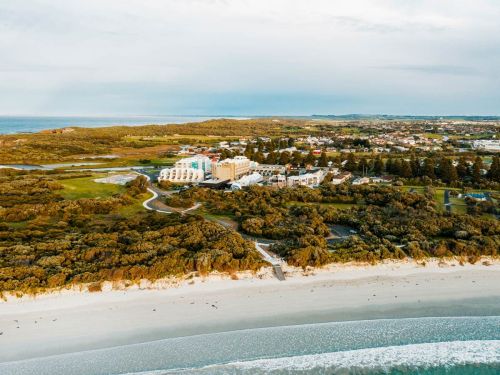
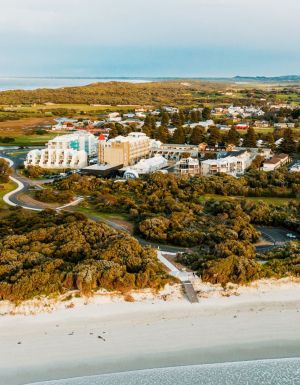
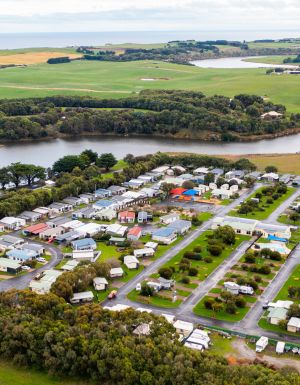
Three hours west of Melbourne, Warrnambool is on the rise. The town is growing with city folk arriving in search of a sea change, but it’s at that sweet spot where you can still enjoy a relatively undeveloped seaside town as well as a little luxury and a decent meal. Come here to inhale the ocean air and relax.
Inhale the ocean air in Warrnambool.
1. Water and whales
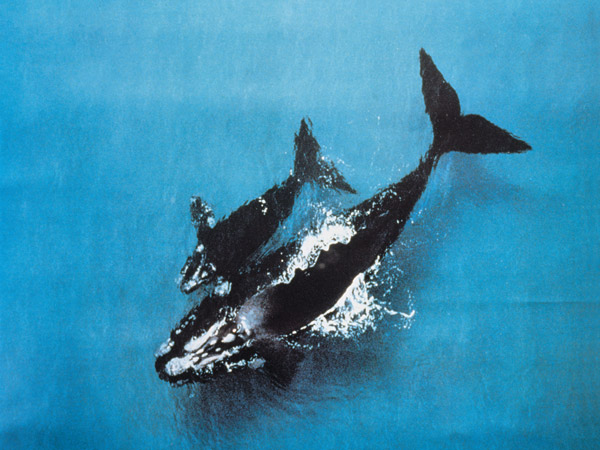
Everyone gravitates to Warrnambool’s coastline, whales included. On Logans Beach, a viewing platform overlooks a nursery where southern rights have brought their calves for centuries. From June to September, they can be seen lolling about as little as 100 metres from shore.
Southern right whales have brought their calves here for centuries.
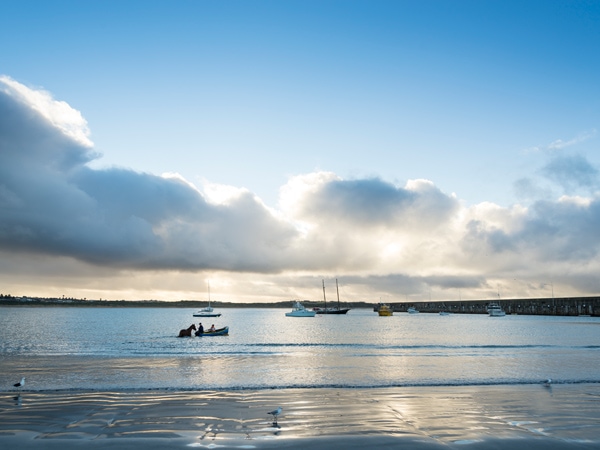
Logans is good for a surf, too, while the gentle arc of Lady Bay is patrolled for safe swimming.
Perhaps most idyllic are the rockpools, white sands and shallow turquoise waters of Stingray Bay, at the mouth of the Merri River.
2. Hot springs
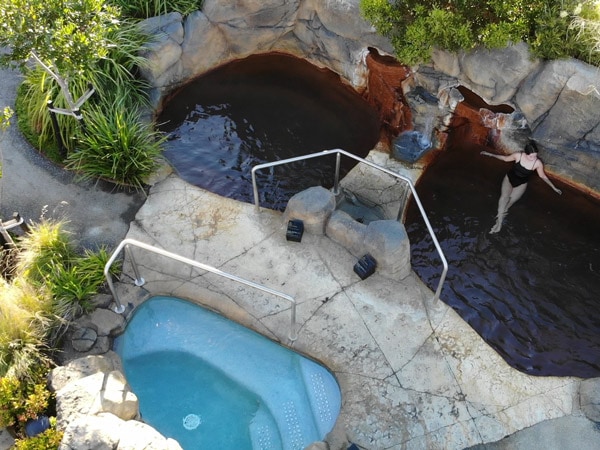
In the late 1800s, Warrnambool was renowned for its ‘therapeutic’ heated seawater baths, drawing visitors from far and wide. Now, spa wellness is undergoing a revival at Deep Blue Hot Springs .
Immerse yourself in Deep Blue Hot Springs.
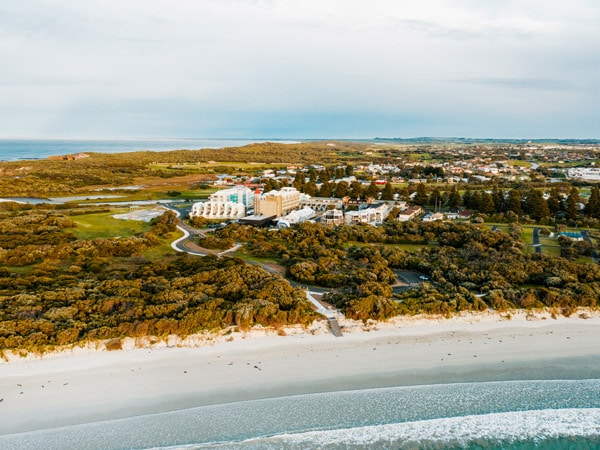
Soaking in its 15 open-air bathing pools filled with geothermal waters pumped from 850 metres underground is divinely rejuvenating, not to mention the indoor bathhouse and spa. It all adjoins the impressive seafront Deep Blue Hotel.
Soak in its 15 open-air bathing pools filled with geothermal waters.
3. Wonderful walks
There are kilometres of paths to explore, from the paved Foreshore Promenade Walk to an undulating coastal track around the cliffs via Middle Island (made famous in the movie Oddball, where maremma sheepdogs guard a colony of penguins) to Thunder Point.
Set in the crater lake of an extinct volcano, Tower Hill Wildlife Reserve has a maze of trails where you’re guaranteed to see an emu and maybe a koala and kangaroo, too.
4. Lake Pertobe
Families flock to this 58-hectare reserve encompassing wetlands and three lakes. Apart from birdwatching and walking trails, there’s a massive adventure playground featuring a maze, flying fox, giant slides and gas barbecues.
Most popular are the colourful motorboats, which anyone over the age of 12 can captain.
5. Maritime history
This is the gateway to the shipwreck coast and there are more than a dozen shipwrecks in Lady Bay alone; interpretive signage along the foreshore tells their stories.
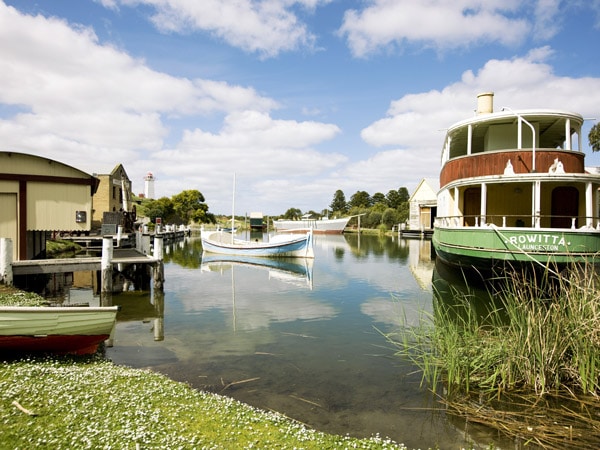
The Flagstaff Hill Maritime Village is a step back in time.
To fully understand the lives of sailors and survivors in those times, visit Flagstaff Hill Maritime Museum and Village , a recreation 19th-century village complete with volunteers in costume and an evening sound and light show.
Laura is a Melbourne-based writer, speaker and author with a passion for adventures in the great outdoors. Her memoir ‘Bewildered’, about hiking the length of New Zealand, won Best Travel Book at the 2021 ASTW Awards and she has also penned the popular Ultimate Walks & Hikes Australia.
The Mornington Peninsula blends vineyards, galleries, golf and delicious finds for an unforgettable getaway that indulges all penchants.
Just over an hour from Melbourne, the Mornington Peninsula blends coast and country in a way that feels effortlessly indulgent. It’s a region where vineyard views meet acclaimed dining, art and culture is never far from the sea, and where hot springs bubble alongside rolling fairways. Whether your escape is a long lunch, an immersive art trail or a round of golf, the Mornington Peninsula has an itinerary to match. And there’s always a glass of good local pinot waiting for you at the end of the day.
A creative trail through the Peninsula
The Mornington Peninsula is a haven for artists and creatives. Its coastal views and rolling landscapes have long been a source of inspiration. Stay at the historical InterContinental Sorrento , a grand hotel established in 1875, recently renovated to blend heritage charm with contemporary elegance. With curated art lining the hotel’s corridors and rooms, you could spend hours simply wandering the halls, studying the walls.
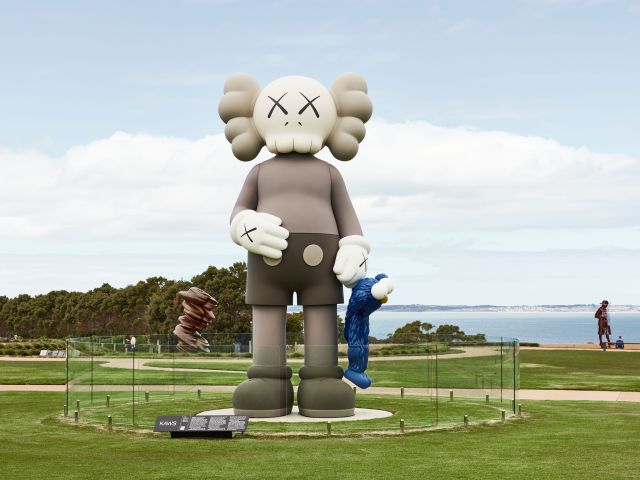
Wander around Pt. Leo Estate’s outdoor gallery. (Image: Visit Victoria/Jesse Hisco)
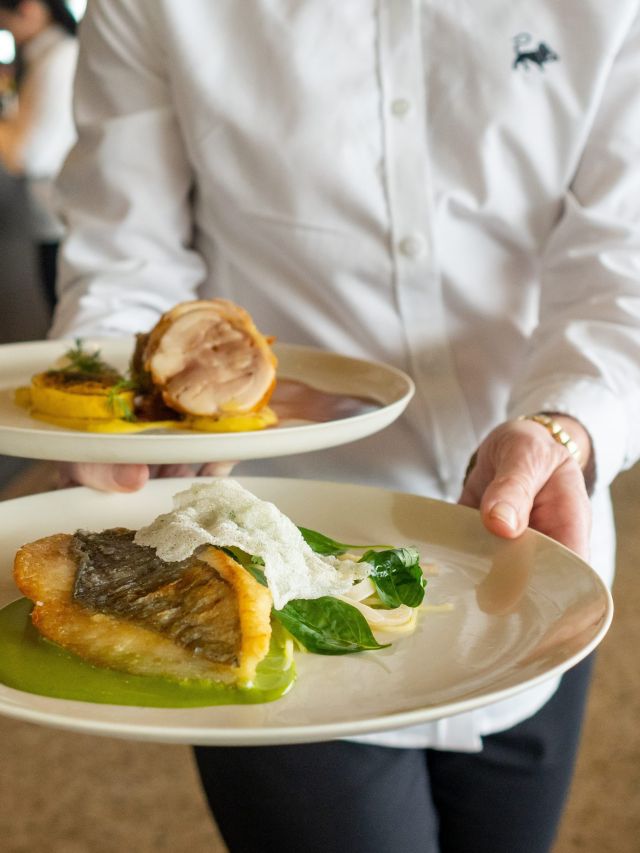
If looking for an outdoor gallery with sea views, head to Pt. Leo Estate , a landscaped vineyard home to a sculpture park featuring more than 70 large-scale works by both local and international artists, all easily accessible by connecting paths. After strolling through the vineyards, there are three dining options: fine dining at Laura, a relaxed meal at Pt. Leo Restaurant or a vino at the Wine Terrace. For something more hands-on, sign up for the Sip & Sketch experience. And if you book directly into the elegant Lancemore at Lindenderry Red Hill , you’ll enjoy free access to the sculpture park.
Pt Leo Estate boasts three elegant dining venues. (Image: Visit Victoria/Two Palms/Arianna Harry)
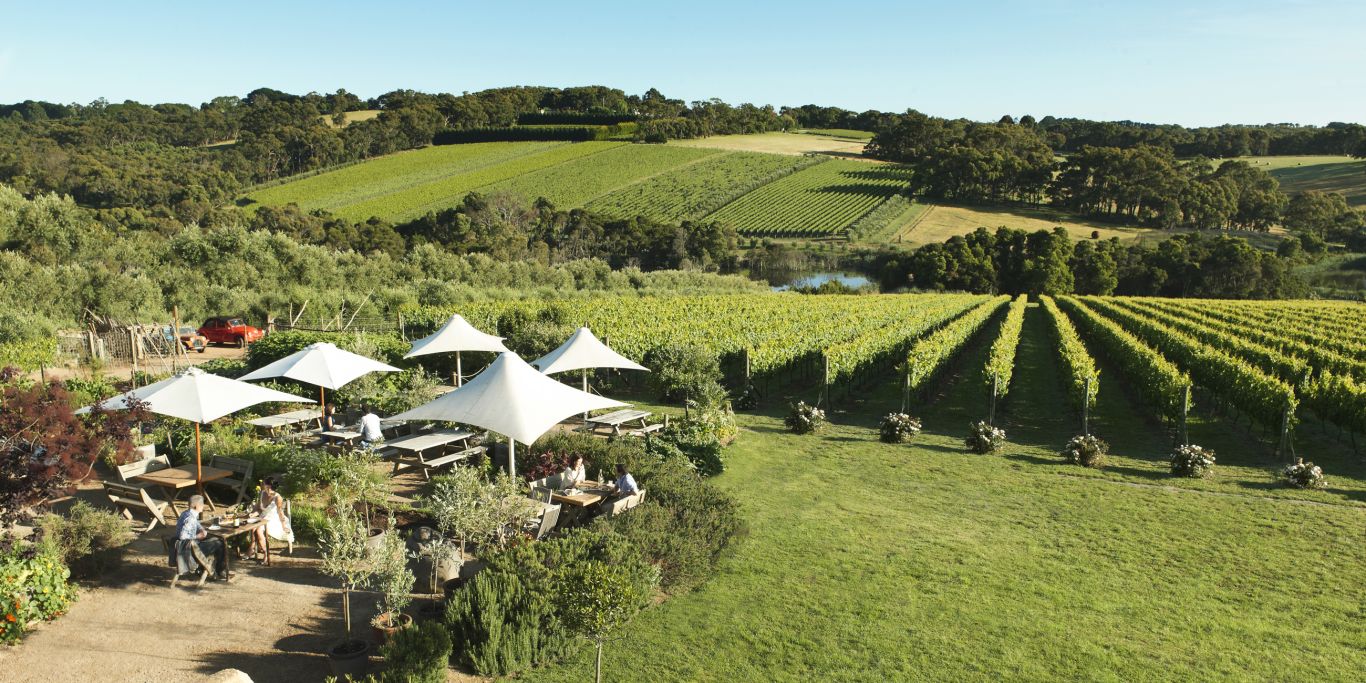
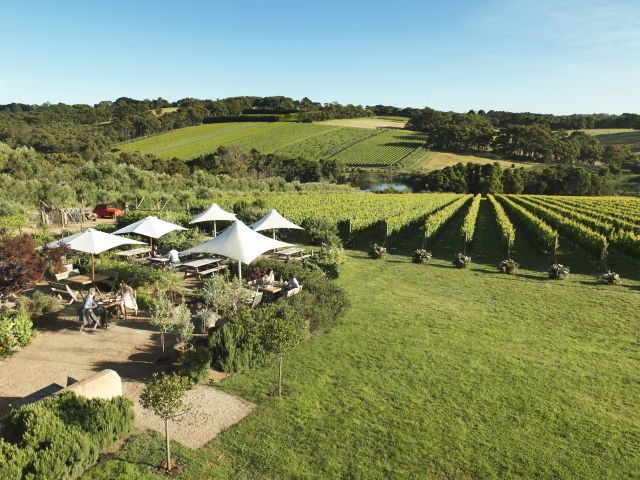
For those who like their art framed by rolling hills, vines and wetlands, Montalto is the place. More than 30 sculptures are dotted throughout the property. The vineyard offers a formal restaurant and casual tables among the seasonal produce in a setting that feels like Mr. McGregor’s Garden from Peter Rabbit. And there’s always the option to picnic on the lawn.
Montalto Vineyard is an idyllic setting for afternoon wining and dining. (Image: Visit Victoria/Robyn Lea)
The Sorrento-Portsea Artists Trail offers a self-guided walk along bush paths and sea cliffs to see the same landscapes that once inspired brushstrokes of some of Australia’s most famous artists. Along the way, interpretive signs share insights into the area’s artistic past. And, if the peninsula’s weather turns a little wild, the region is brimming with galleries, particularly around Flinders, Sorrento and Red Hill. Artisan studios are open by appointment.
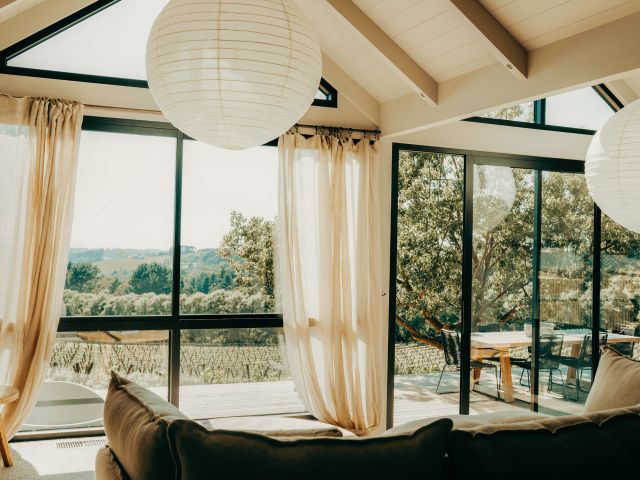
The perfect base for a culinary inclined trip is Cassis Red Hill , where luxury accommodation is tucked between grape vines and olive trees. A quiet nod to the fishing village of Cassis in the south of France, this retreat is all about contemporary elegance – crisp linen, sunlit interiors and a private mineral plunge pool.
Then, for a stand-out lunch, Green Olive at Red Hill offers a delicious way to enjoy the region. Graze on generous tasting plates with house-made relishes, lamb sausages, local cheese and just-picked garden produce. Pair it with a wine flight or order a picnic hamper to enjoy among the olive grove; there’s a picnic option for your dog, too. And for a playful twist, Green Olive is home to what is believed to be Australia’s only pickleball court set within a vineyard or orchard.
Amid the many wineries with open cellar doors, Main Ridge Dairy offers a delicious detour – a goat dairy where you can sample handcrafted cheeses and even meet the resident goats. For a more refined experience, Paringa Estate is one of the peninsula’s most awarded wineries, offering fine dining with sweeping vineyard views and a menu crafted from seasonal, locally sourced ingredients.
If you’re looking to step outdoors before a lingering lunch, during winter Flinders Truffles offer the chance to join their clever dogs and search for the black gold under oak trees. For an authentic taste of the region, time your visit with one of the Peninsula’s vibrant farmers’ markets.
From golf days to spa stays
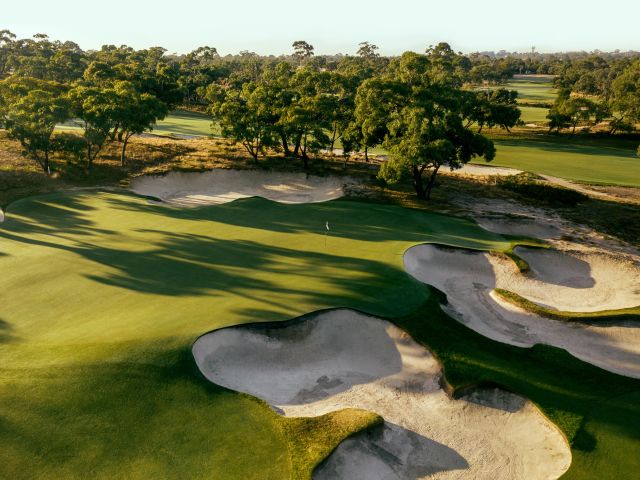
Peninsula Kingswood Country Golf Club. (Image: Visit Victoria)
With its champion courses, the Peninsula is a dream destination not only for those who love to tee off but for those who enjoy the post-golf wind down. Peninsula Kingswood Country Golf Club draws keen golfers from around the world, while Peppers Moonah Links Resort is a course that has hosted both a PGA tournament and two Australian Opens. For a true test of skill, The Dunes Golf Links is one of Australia’s top public courses.Each golf course offers accommodation, and staying onsite means maximum convenience, especially at The Dunes, where premium rooms have you sleeping right next to the fairway. Off-course indulgence is close at hand, too.
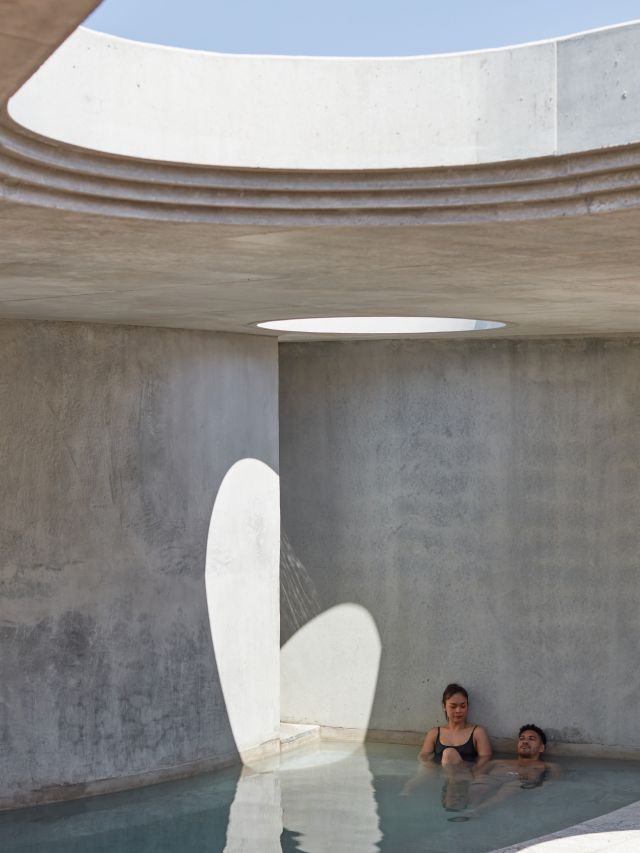
Soaking at Alba Thermal Springs & Spa. (Image: Visit Victoria)
Peninsula Hot Springs and Alba Thermal Springs are just next door, where thermal waters drawn from geothermal mineral springs deep underground provide the ultimate recovery after a day of perfecting your swing. These award-winning wellness sanctuaries offer everything from bathing pools to private plunges and spa treatments.
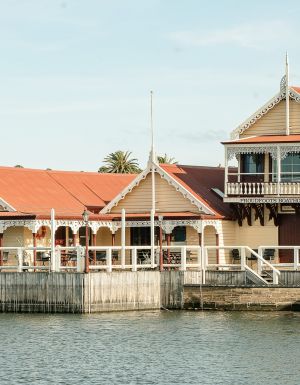
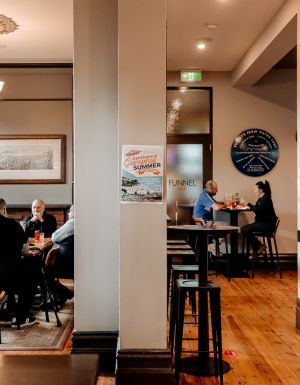
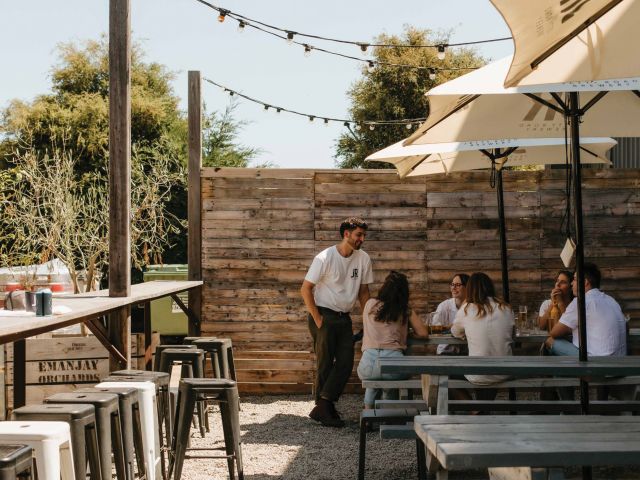
Jetty Road Brewery.
After sinking the last ball, and the 19th hole beckons, the Peninsula serves up just as many dining options as it does golf courses. Just minutes away and right on the beach, Jetty Road Brewery is a laid-back spot perfect for a round of beers and typical pub fare. For something a little elevated, book a table at Epicurean . Here, a glass of local red pairs beautifully with handmade pastas and woodfired pizza, all served in a historical coolstore and packing shed dating back more than a century.