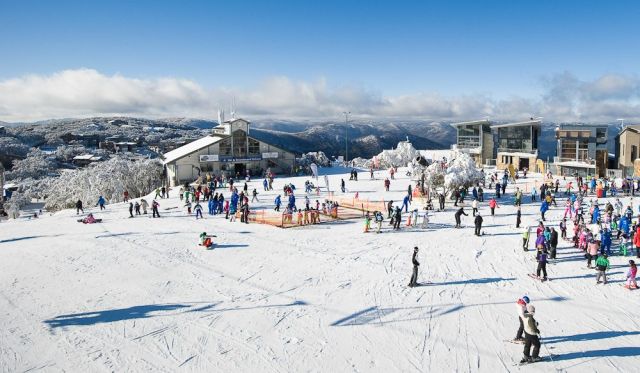
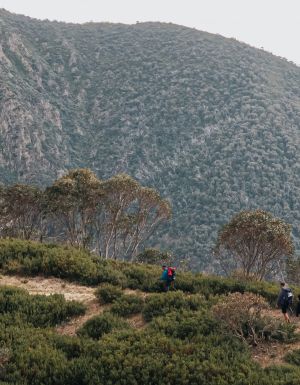
Mt Buller is a winter satellite of Melbourne’s social scene, making this perhaps Australia’s most vivacious après village.
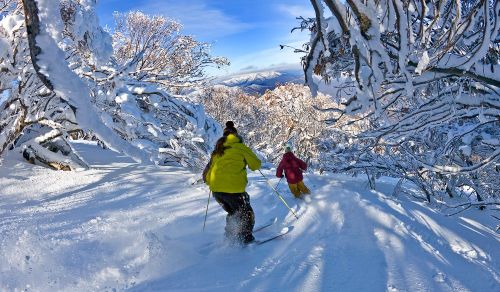
Thanks to the largest lift network in Victoria, the AM action is solid too, especially for free-riders and snowboarders.
What it’s good for?
Buller embraces the freestyle philosophy, with plenty of opportunities to show off among its 300 hectares (and 22 lifts), including Skyline Park for those wanting to play Winter X Games-style.
Mt Buller ski and snowboard school in session.
Intermediates should sample the distinctly un-standard Standard run for its length, breadth and off-shoots. Head to the Summit chair for that bluebird-day Instagram moment.
Where to stay in Buller
In the heart of the village the Mt Buller Chalet Hotel & Suites’ two-king Delatite Suite yields supreme top-floor High Country vistas, plus an antique grizzly bear.
The Duck Inn’s recent makeover makes it a contemporary choice in a ‘quiet’ neck of town.
Sample a Pony Iced Tea at intimate fireside cocktails favourite Snow Pony .
Powder Bar in Village Square purveys fine Euro-style snacks and craft beer, plus a cultured range of local vino.
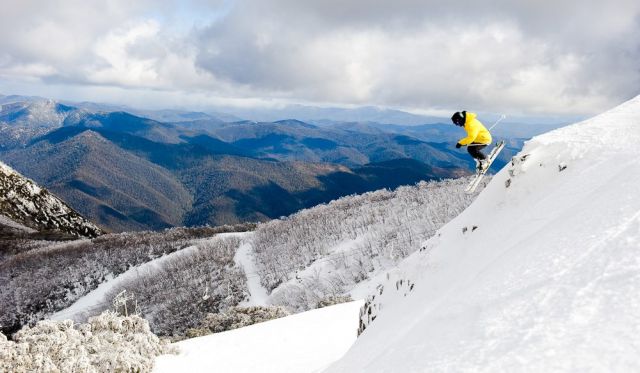
Dropping off the edge, Mt Buller
Breathtaker Hotel will keep the family distracted; a massage at the loftiest spa in Australia for mum, while the rest of the fam head to The Loft Bar for pizza and films on beanbags.
How to get and ski there
Mt Buller is three hours’ drive from Melbourne and the Mt Buller Ski Express connects from downtown Melbourne and the airport.
Mansfield is the place to hire gear and chains.
You can find your friends on the slopes using the Glympse feature in the Mt Buller Live app.
Hot tip: Schuss up to the ski-thru espresso window (at the front of Pension Grimus, off Bourke Street run) for your morning caffeine face-slap.
We round up the luxe, the lovely and the latest places to stay in regional Victoria.
1. Hotel Ernest, Bendigo
The elegantly styled Hotel Ernest oozes heritage charm.
Settle into this artful lodging in the city centre for a boutique stay with heritage roots dating back to 1864. Each of the 10 suites in this former bank is elegantly styled and furnished with covetable works by Australian artists. Ernest is also home to the much-lauded Euro-style Restaurant Terrae, so be sure to book into the two-level diner during your visit.
2. Norsu Cabin, Macedon
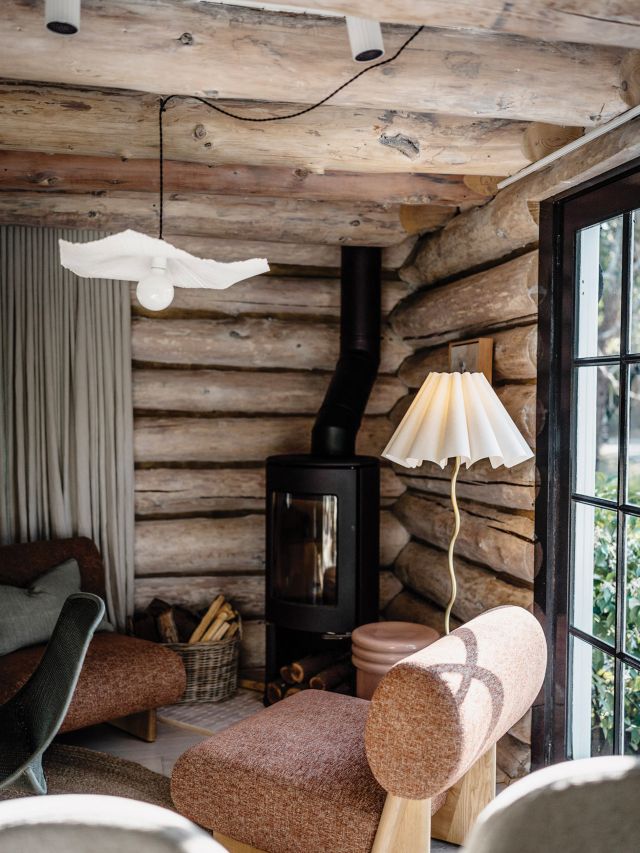
Settle into this Scandi-inspired abode. (Image: Nick Skinner)
Country cabin dreams come to life under the sweet timber A-frame of Norsu . Sleeping eight guests, this Scandi-inspired abode is so meticulously styled it’s received knowing nods from The Design Files and is everything a modern log cabin should be, including cosy fireplace, fire pit, modern appliances and French linens. Perfect for logging out of daily life for a moment.
3. Islay House, Woodend
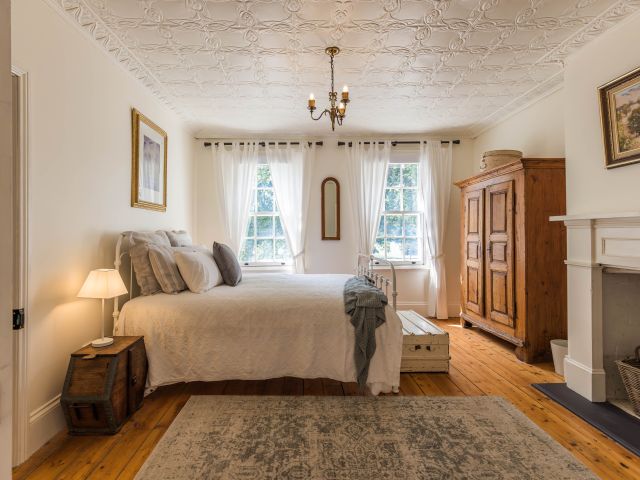
Bed down at the gorgeously restored heritage Islay House. (Image: Tiffany Warner)
Lean all the way into a country luxe state-of-mind with a stay at the gorgeously restored heritage Islay House . This bed and breakfast sleeps up to nine guests and is just a short walk from town, but you’ll want to spend most of your time curled up fireside in the elegantly styled rooms as you admire the collection of antiques.
4. Nerissa Rye, Mornington Peninsula
Indulge in barefoot luxe at Nerissa Rye. (Image: Eve Wilson)
This Rye beach pad is just a 10-minute walk from 16th Beach, and while a morning walk is lovely, returning to the barefoot luxe vibes of this four-bedroom escape is just as enlivening. Bright, open and welcoming, this is the place to settle in for endless cups of tea and a good book between beach jaunts.
5. Hotel Vera, Ballarat
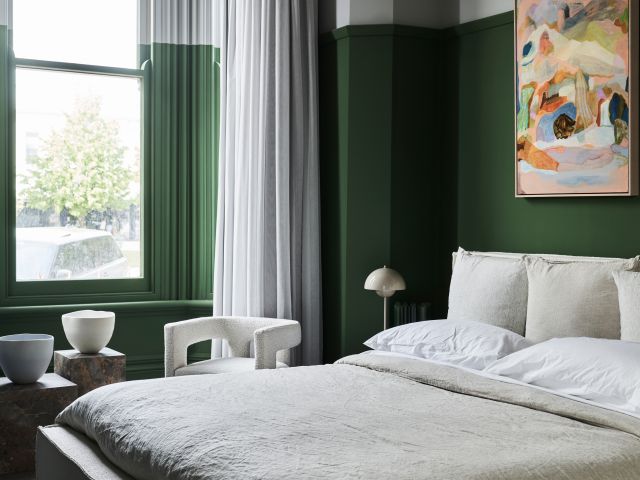
Modern meets bygone elegance.
This Ballarat beauty set in a 1900s mansion is all bygone elegance edged with modern style. Just seven boutique suites, each with its own distinct personality, makes it a singularly luxe stay. Sister to Bendigo’s Hotel Ernest, Vera is similarly bequeathed with a stand-out fine diner, Babae, which plates up the best of the region’s produce.
6. Hotel Sorrento, Port Philip Bay
The Amalfi-style beachside Hotel Sorrento at Port Philip Bay.
The historic and iconic clifftop Hotel Sorrento at Port Philip Bay is mid-refurb and will reopen 1 December 2025, just in time for Amalfi-style beachside stays.
7. The Idle Lake House, Lakes Entrance
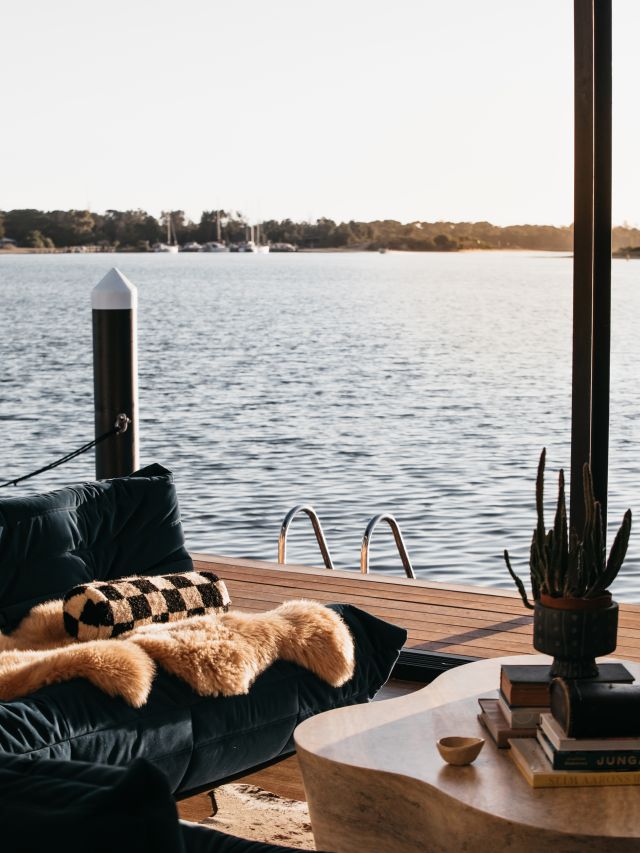
Soak up lakeside serenity. (Image: Kate Enno Photography)
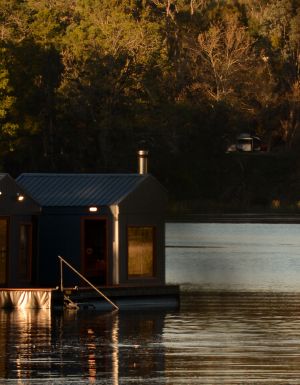
Enjoy a ripple of serenity when you step aboard this water-top abode on the Gippsland Lakes. Once a Chinese restaurant, this spacious and stylish two-bedroom stay offers unbroken gazing of the shimmering surface in a beautifully private bay. Lounge on the deck and enjoy the onboard bathhouse; come evening, sit by the sleek suspended fireplace.
8. The Monty, Anglesea
Bed down at the vintage motel, The Monty.
Palm Springs makes an entrance on the Great Ocean Road with the opening of The Monty in October 2025. Its vintage motel meets modern muse at this playful boutique stay complete with pool and a vibrant Mexican cantina. You’re just a stroll from the beach here, which tells us it’s ripe for summer vacays this season.
9. Trentham Waters Resort, Mildura
The bright and retro-style bedroom at Trentham Waters Resort.
Another new property lands in regional Victoria in time for an endless summer with Trentham Waters Resort expected to open by February 2026. Breezy, subtly retro and brightened by the big Mallee sky, this river’s-edge escape is perfect for settling in for a spell with one-, two- and three-bedroom villas. There’s a lagoon-style pool, riverside hot tubs and onsite dining for all your relaxation requirements.
10. Crowne Plaza, Geelong
Sink a cold one at the Trattoria Bar.
Geelong is getting its own Crowne Plaza in 2026. Its arrival on the waterfront will make it the city’s largest (and newest) hotel with 200 contemporary rooms and suites, a Skybar, all-day dining, indoor pool and gym, and event spaces. Keep it on your radar.
11. Re’em, Yarra Valley
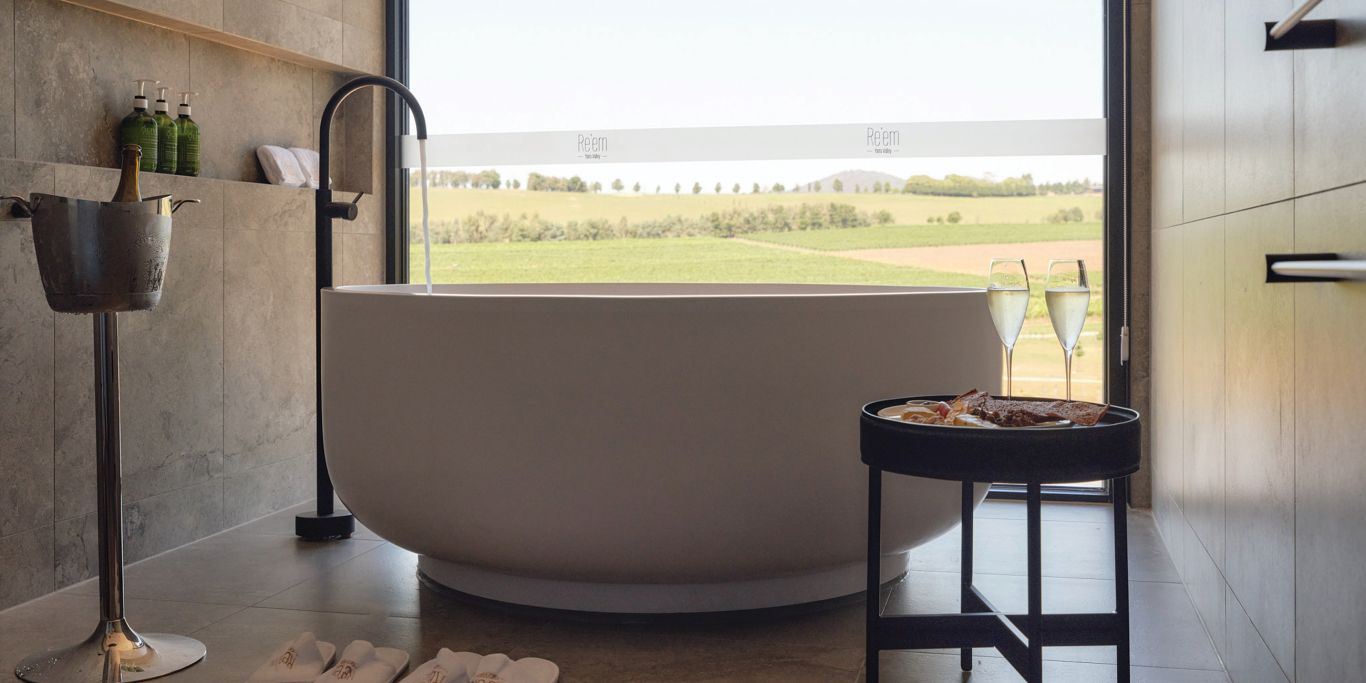
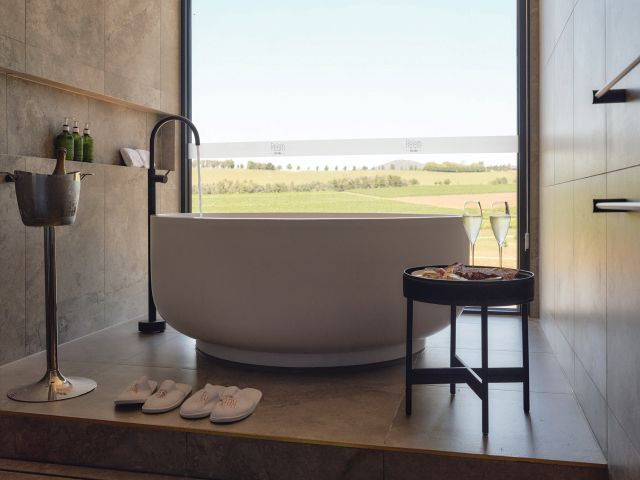
Sip and soak in tranquillity.
With verdant Yarra Valley views that take in the linear beauty of tended grapevines, the 16 suites and rooms at Re’em are set amid the Helen & Joey Estate and invite sipping and sitting in tranquillity. The onsite restaurant deftly balances Chinese and Australian flavours and if you’re staying over the weekend, be tempted out of your stylish room for yum cha that features delicate handmade dumplings and vineyard vistas.
12. Arapiles Clubhouse and Crash Pad, Grampians
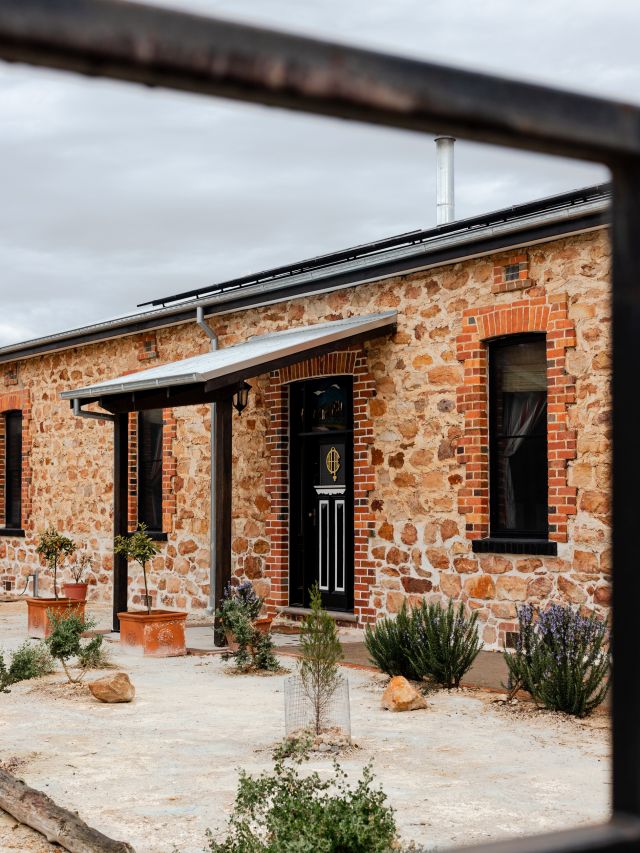
Spend an overnight stay in the Natimuk stone house. (Image: Bianca Jackson)
These 1880-era mountain-adjacent digs have been tenderly restored to provide rock climbers and Grampians country wanderers a chic place to rest. You’ll find four bedrooms in the Natimuk stone house, as well as a heated pool out the back and plenty of luxe embellishments. There’s also a two-person ‘Crash Pad’ in the confines of the Clubhouse with its own separate entrance.
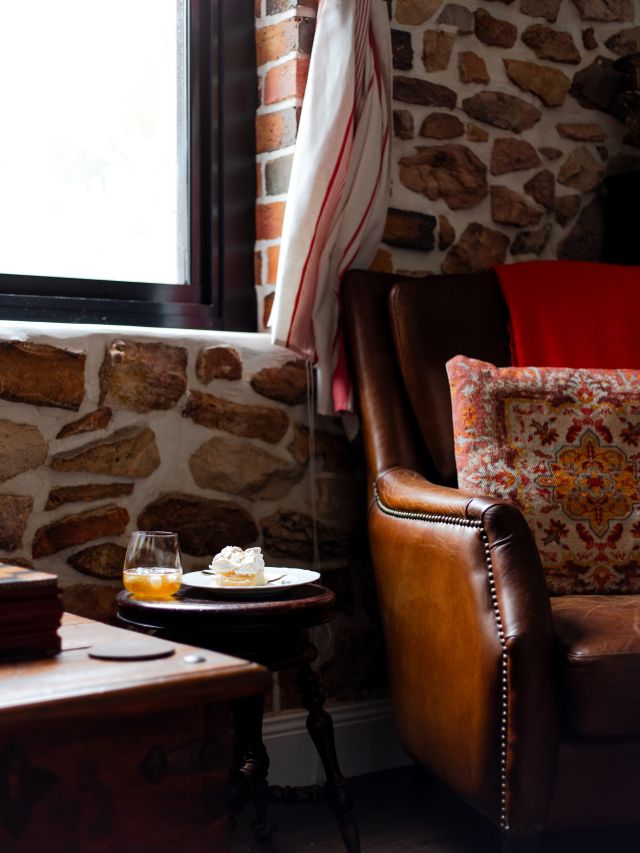
The Crash Pad offers a resting place for rock climbers and Grampians country wanderers. (Image: Bianca Jackson)