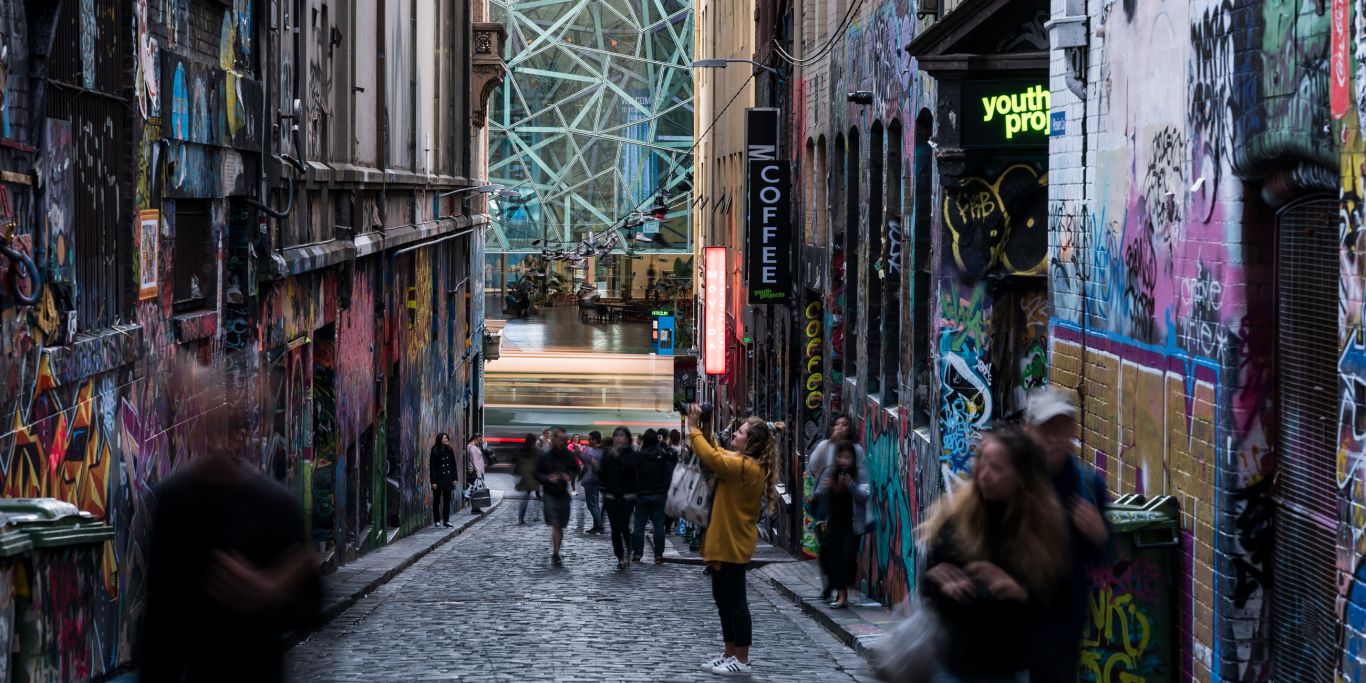

Melbourne has long held the crown of Australia’s cultural capital but refuses to rest on its laurels, with a slew of new openings demanding attention.
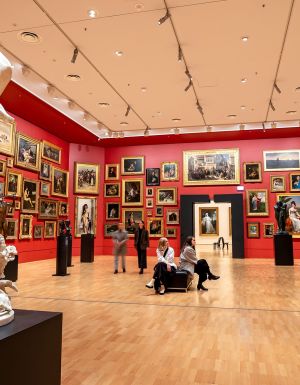
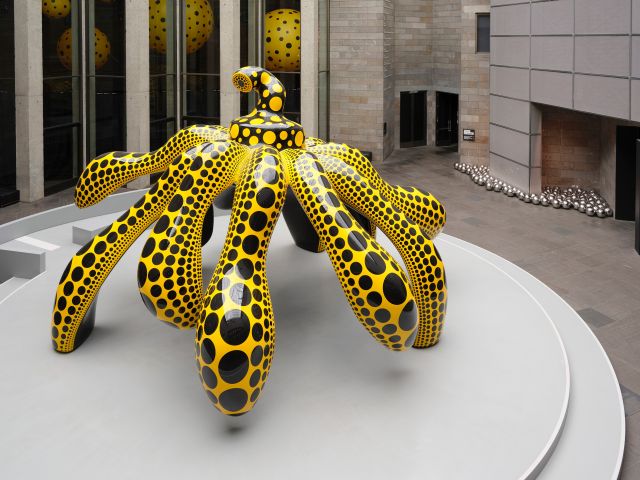
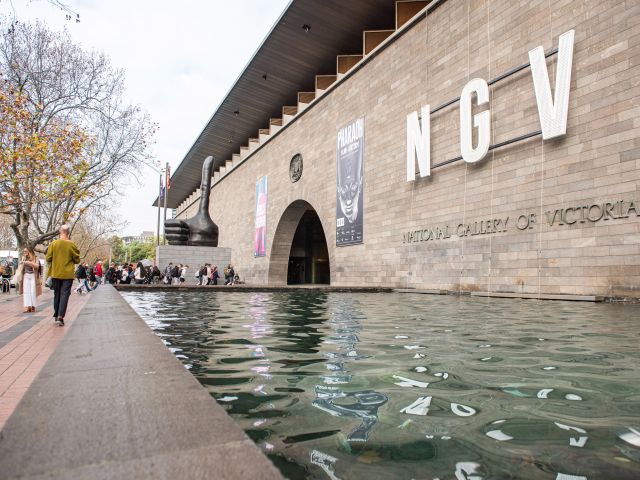
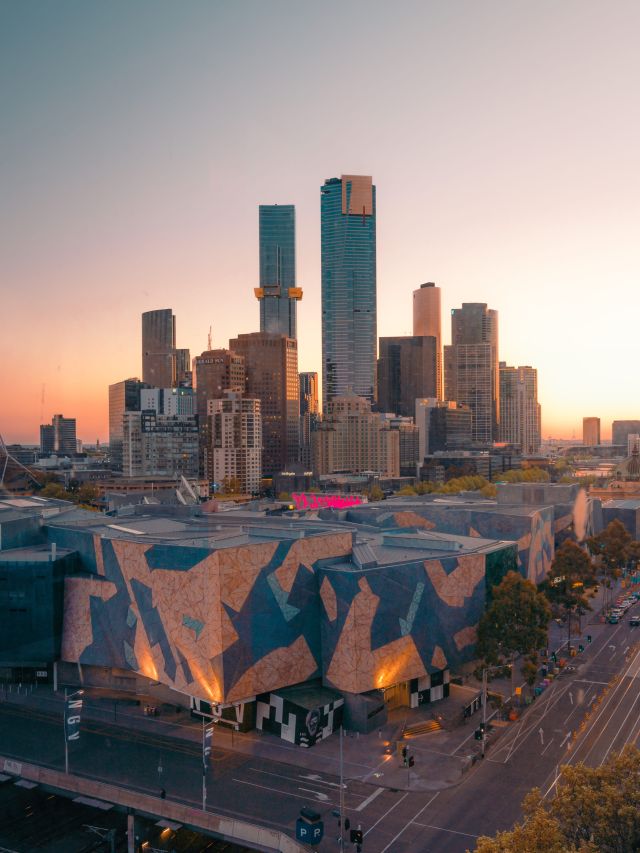
I weave in and out of the giant yellow tentacles, craning my neck to see the spotted pumpkin they’re supporting metres above my head. Titled Dancing Pumpkin, the iconic work of Yayoi Kusama was originally part of the National Gallery of Victoria’s (NGV) 2025 retrospective featuring nearly 200 of the artist’s most celebrated works in one landmark exhibition; it’s now part of the gallery’s permanent collection. Early impressions of Laak Boorndap, an expansive 18,000 square-metre biodiverse public urban garden, indicate the sculpture will feature as the centrepiece of the new outdoor space, one of three major developments to be realised in the Melbourne Arts Precinct transformation that will unfold over the next three years.
It’s Australia’s largest ever cultural infrastructure project, encompassing The Fox: NGV Contemporary, a landmark new gallery currently under construction; the major refurbishment of Arts Centre Melbourne’s Theatres Building; and creation of Laak Boorndap. Creating a single continuous art, civic and cultural precinct stretching from Federation Square through to Southbank, it’s an ambitious project to say the least. But Melbourne never does anything by halves.
How Melbourne continues to draw tourists back
It was the arts that first caused me to travel to Melbourne as a culture-starved 21-year-old. Growing up in a sleepy coastal region of NSW meant my access to galleries, museums and theatre was extremely limited. I travelled to the Victorian capital with my mum and sister to see the stage production of Wicked make its Australian debut; the weekend was a revelation. Not only the exposure to the arts, but the food, the architecture, the hum of the city; it was intoxicating. Six years later I was back, dining on dumplings and drinking at hidden bars in Melbourne’s laneways before embarking on a week-long road trip of the Great Ocean Road with my best friend, and just this year I returned for my first Australian Open with my husband and his family – vowing not to allow so many years to pass between visits. A vow I kept six months later, this time combining a short stay in the Mornington Peninsula with a long weekend in the city.
The evolution of Melbourne’s hotel offerings
Dipping in and out of a place over decades makes its changes more acute, and there’s something wonderful about watching a city build on its potential. In a literal sense, Melbourne’s hotel scene has been quietly scaling new heights for the past 15 months with notable openings such as The StandardX, Lanson Place Parliament Gardens, Hyde Melbourne Place, and most recently, 1 Hotel Melbourne. The latter, a joint luxury development between the 1 Hotel brand and Melbourne-based Riverlee, has been a decade in the making. Set in the revitalised North Wharf precinct of Docklands along 220 metres of uninterrupted Yarra River frontage within Melbourne’s last remaining heritage goods shed, 1 Hotel Melbourne is an architectural marvel with a foundation firmly rooted in sustainability.
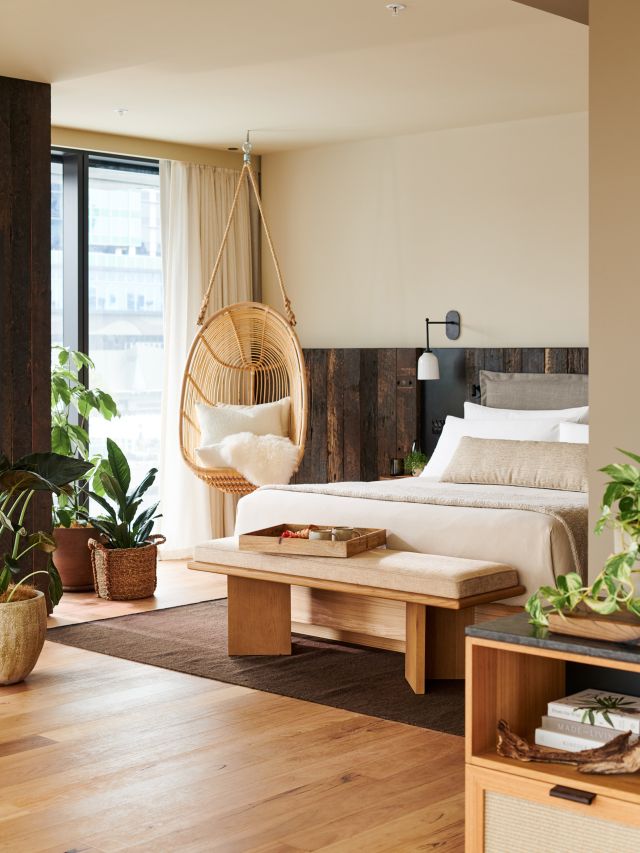
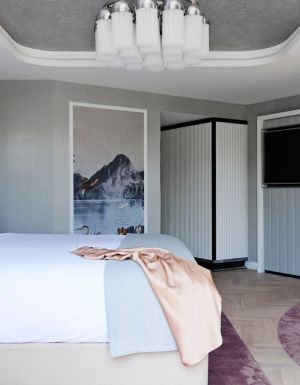
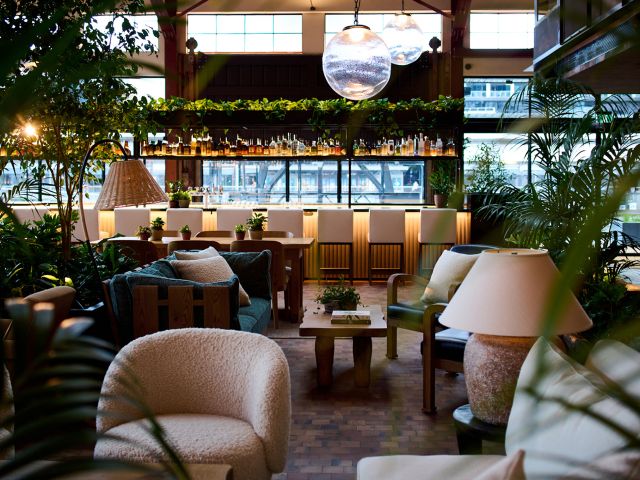
The hotel features 277 tranquil guestrooms, including 36 suites. I’m staying in the spacious River Suite; it’s 51 square metres in size with floor-to-ceiling windows (85 per cent are openable) and a homely collection of plants (there are 7000-plus living plants featured throughout the hotel). Natural light floods the space, with commanding views of the Yarra River and Melbourne skyline. Wooden accents, beige-coloured furnishings and warm lighting create an atmosphere of elevated comfort. It’s like stepping into the pages of Architectural Digest. The commitment to biophilic design is palpable, with nature seamlessly blended into every space. Rather than your cookie-cutter hotel lobby and bar, the height and scale of the greenery immediately transport you to an indoor parkland. Reclaimed steel, bluestone and timbers from the state’s decommissioned rail bridges or salvaged wharf timber are repurposed into the lobby staircase and bedheads, room numbers and feature walls in the guestrooms.
Guests are invited to participate in the brand’s purpose-driven ethos with small opportunities to give back to people and the planet thoughtfully designed into the room. There’s the ‘1 Less Thing’ wooden block on the bench prompting me to donate any clothes I’ve overpacked to the hotel’s local charity partner; the inbuilt shower timer encouraging me to save water; and the repurposed wine bottles, now a carafe and cup sitting on a cork mat letting me know that every drop of water at 1 Hotels is filtered (there’s a filtered water tap above the minibar for instant refills). Even the clothes hanger has a printed message: “Hang on to this thought. It takes about 700 gallons of water to produce one cotton shirt. That’s enough water for one person to drink three cups of water per day for three-and-a-half years." It could feel performative or like a soft rebuke, but it doesn’t. Instead, it feels achievable; a reminder that small changes made collectively can have a big impact.
Need tips, more detail or itinerary ideas tailored to you? Ask AT.
AI Prompt
The new restaurants keep coming
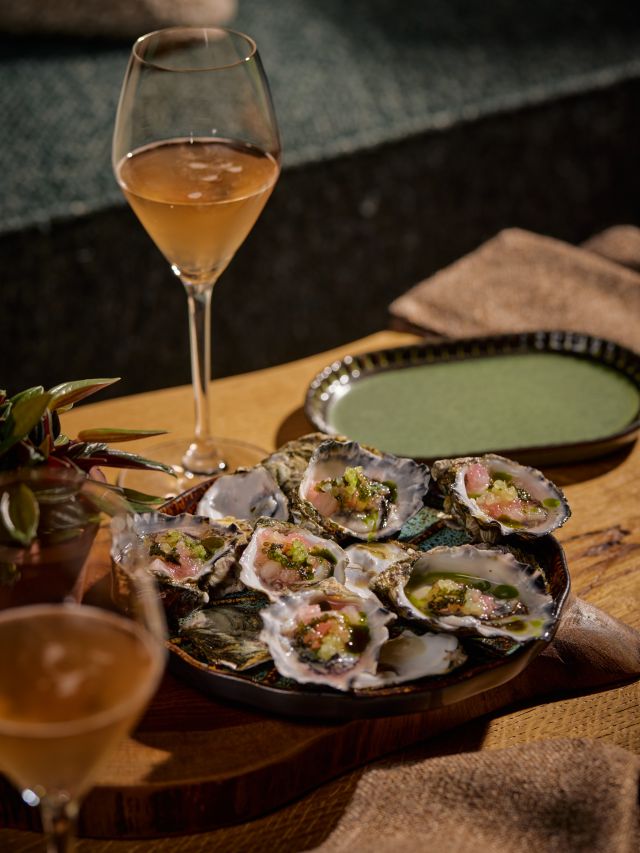
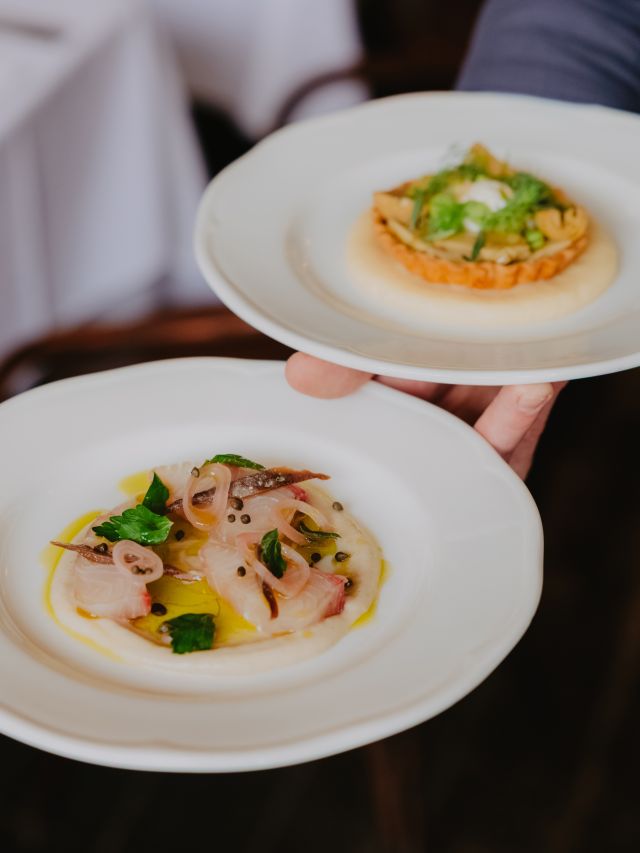
The sustainable ethos continues downstairs with lunch at From Here by Mike. Helmed by renowned Australian chef Mike McEnearney, the signature hotel restaurant spotlights hyper-seasonal ingredients sourced from Victoria’s leading producers, farmers and fishers who share his values of authenticity, sustainability and ethical farming practices. The set lunch menu includes a choice of one main and two sides for $59 with optional additions. The poached Port Phillip Bay snapper arrives floating in a delicious fennel beurre blanc alongside grilled broccolini drizzled in macadamia cream and fried brussels sprouts with ricotta salata. I know I’ll be back as soon as I take the first mouthful.
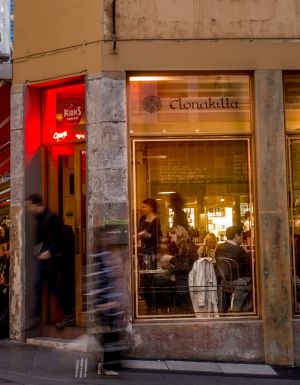
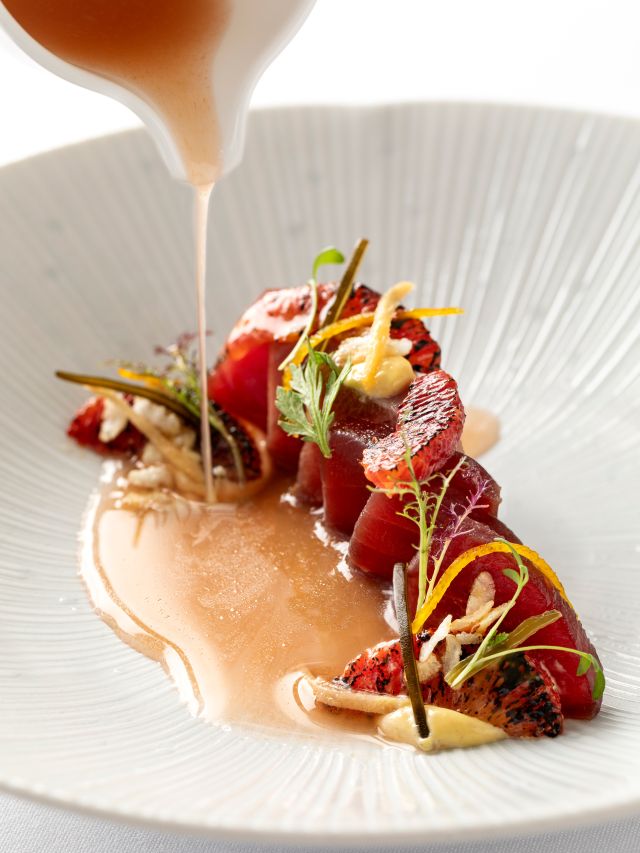
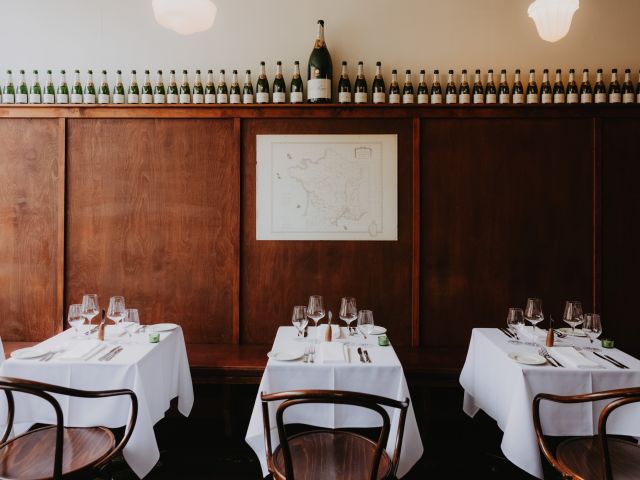
But From Here by Mike is in good company. The sheer number of incredible dining experiences and cuisines available across the city continues to grow with other notable openings including Maison Bâtard from restaurateur Chris Lucas (Chin Chin, Society and Grill Americano), a sprawling four-level French dining destination with a two-level dining room, basement jazz club and rooftop bar. The tableside chocolate mousse trolley is unmissable.
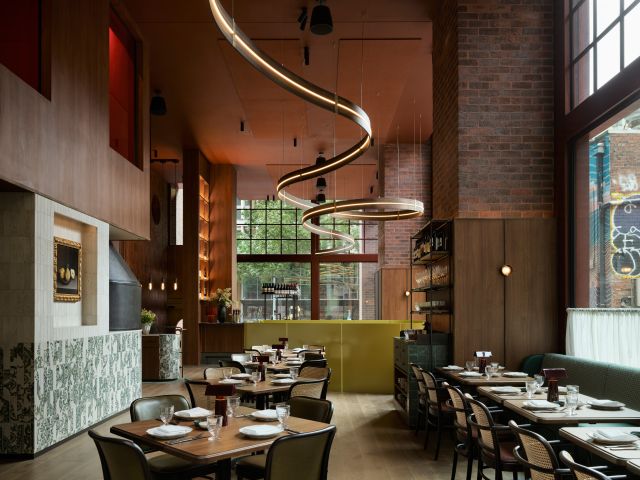
For a taste of the coastal cuisine of Portugal and Spain cooked over a custom-built charcoal grill and wood oven, find Marmelo underneath Hyde Melbourne Place. I recommend starting with the celeriac nata with picked and shelled spanner crab. Then there’s Askal, a modern Filipino restaurant inside a heritage building in Melbourne’s CBD. Expect an inventive take on traditional Filipino flavours and dishes.
Melbourne’s best day-trip destinations
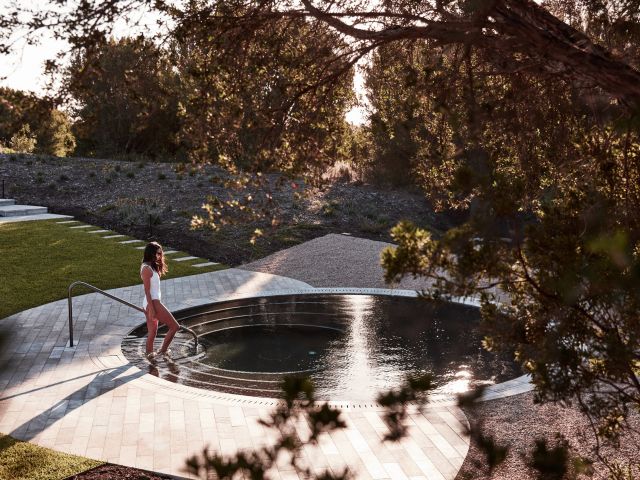
Melbourne isn’t just a destination; it’s also a jumping-off point to some of Victoria’s best regions. Think a road trip along the Great Ocean Road – it’s consistently voted Australia’s best road trip for a reason and it’s only 80 minutes away. But I’m headed in the opposite direction, out of the city to spa country on the Mornington Peninsula. Ninety minutes later, I’m soaking in a moon-shaped geothermal pool before checking into one of the five luxurious stand-alone villas that just opened at Alba Thermal Springs & Spa. The Sanctuary accommodation is the newest addition to the 15-hectare bathhouse and wellness destination.
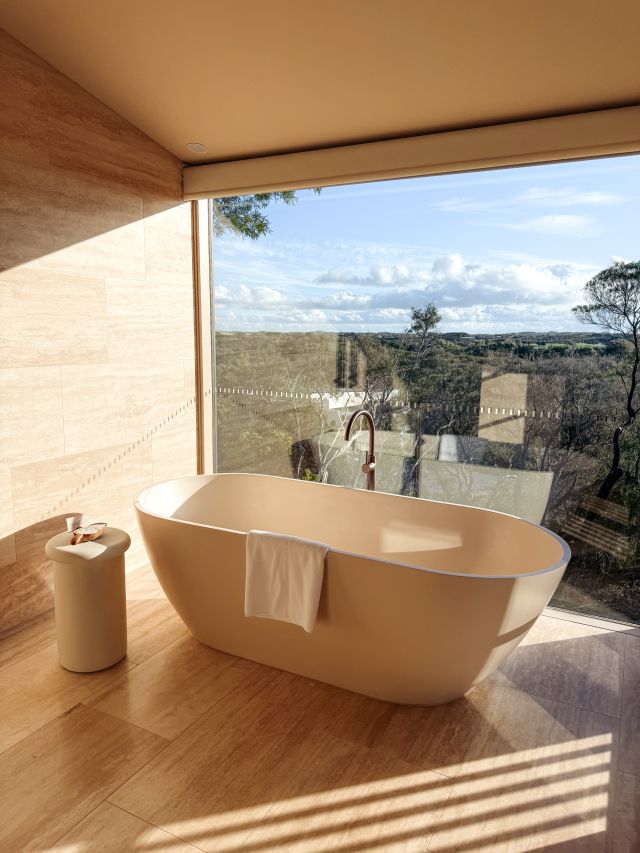
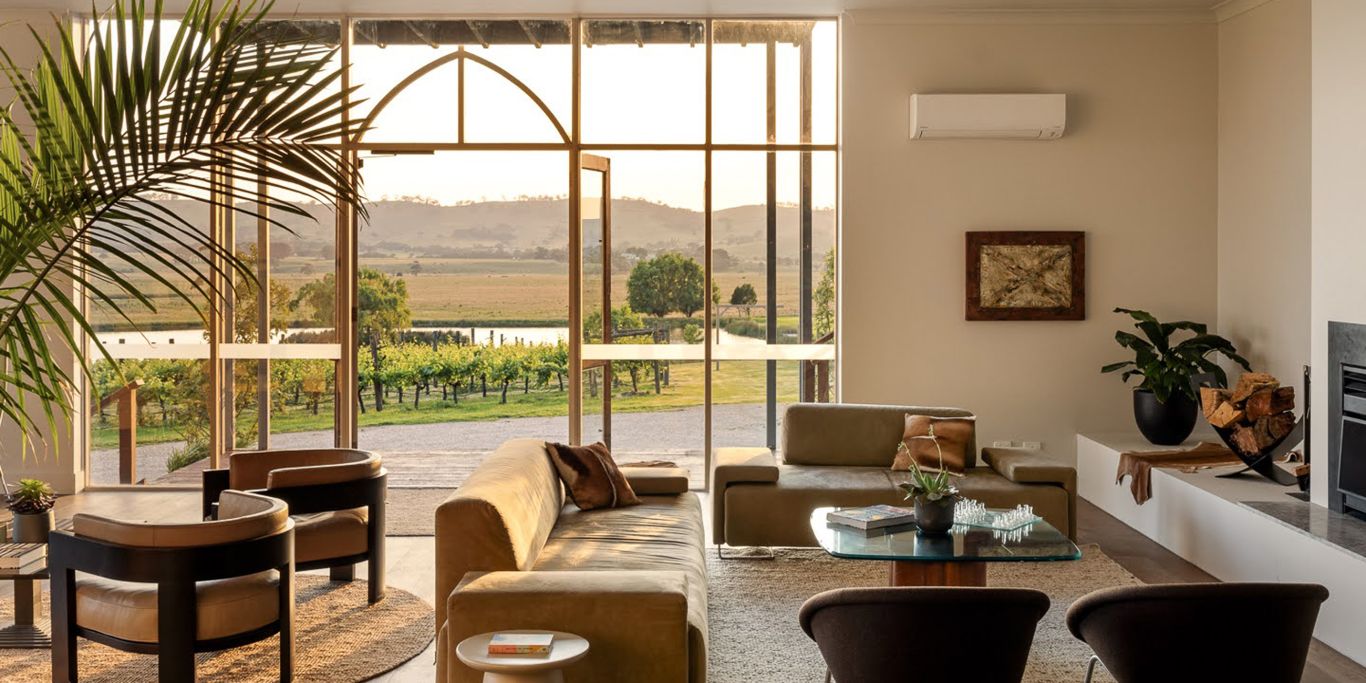
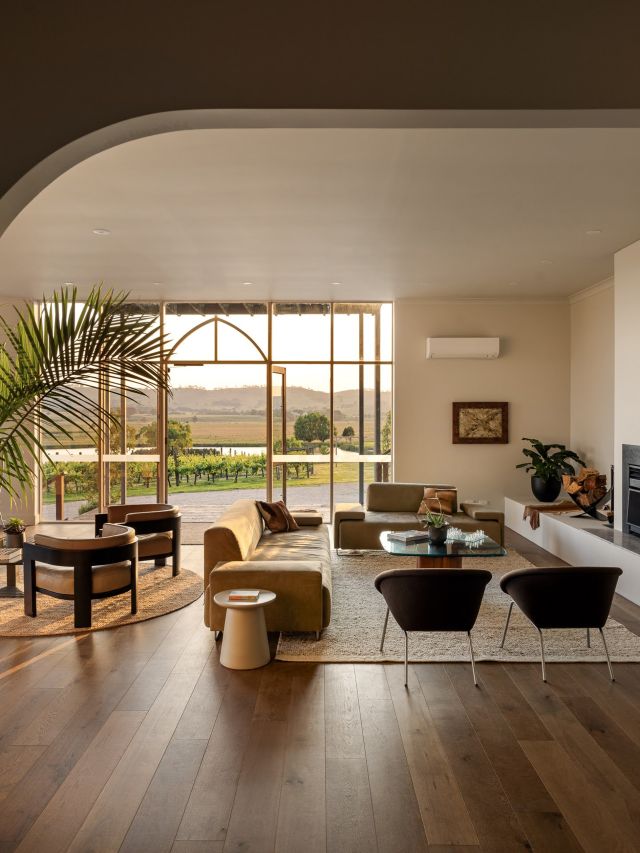
I’m staying in one of three villas that feature an en suite with an oversized stone bathtub set in front of a floor-to-ceiling glass window. It means I’m treated to expansive views of the bay and native bushland while soaking in Alba’s signature bath salts – a blend of native Australian botanicals, moisturising oils and mineral-rich salts. My second-favourite feature (after the bath) is the indoor log fireplace that is set every evening by the concierge. Listening to the crackle of fire from the comfort of the king bed makes drifting off to sleep a breeze.
The seaside town of Sorrento, as well as world-class restaurants, wineries and pristine beaches, is all minutes away. It’s a complete wellness weekend getaway (if you count the wine as fruit). As for my next visit to Melbourne, I look forward to seeing the next phase of this vibrant city’s evolution. Hopefully sooner than expected.
Weekly travel news, experiences
insider tips, offers, and more.
A traveller’s checklist
Staying there
1Hotel Melbourne at Docklands features rooms and suites, including connecting rooms and two-bedroom accommodation. It’s also pet-friendly. The luxe sustainable hotel has a restaurant, cafe and two bars, a spa and gym.
Alba Thermal Springs & Spa features standalone villas and two rooms nestled in the dunes above the springs for overnight stays. Entry to the hot springs, spa lounge, breakfast and transfers to the main building are included.
Playing there
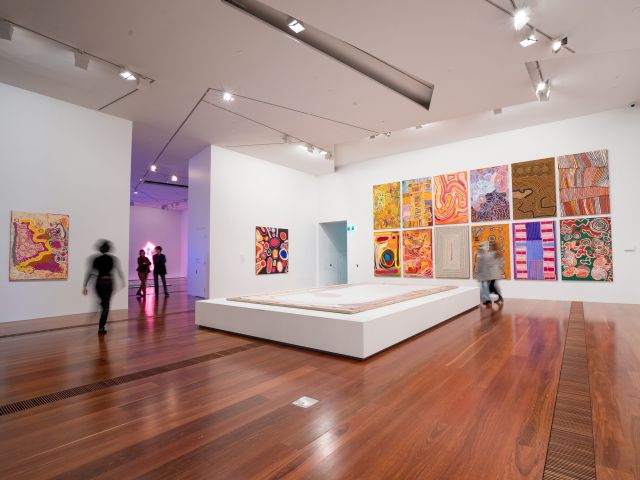
The Melbourne Arts Precinct around Birrarung/Yarra River is home to the Arts Centre, NGV International, Southbank Theatre, Australian Centre for Contemporary Art and more. Upgrades will be complete in 2028.
Want to see more stories from Australian Traveller in your Google search results?
- Click here to set Australian Traveller as a preferred source.
- Tick the box next to "Australian Traveller". That's it.