7 tips for road tripping success these holidays

hero media
From the moment free-wheeling Australians sensed light through the cracks of state border restrictions, we’ve been dreaming up travel extravaganzas larger than the Big Banana, Pineapple and Yamba Prawn combined.

After two undeniably long years of thwarted travel plans, our patience is running on empty. However, while undeterrable travel-addicts are crossing fingers and toes and gambling on international flights, many Australians aren’t quite ready to risk booking overseas travel.
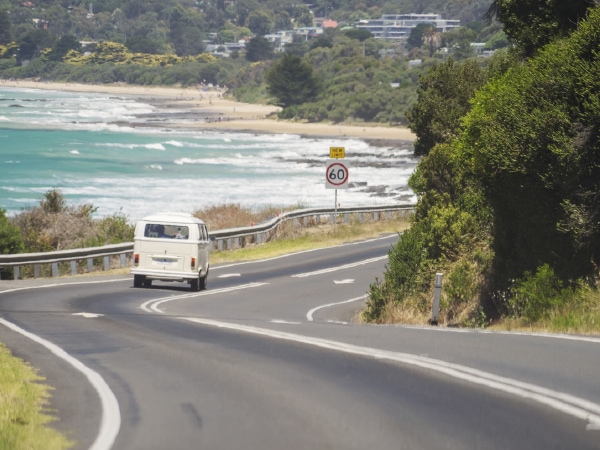
Driving the great ocean road
Get ready to hit the road again.

Back to Roadtrippin’ Australia

As a result of precious time loss, our silver-nomads and young families alike are reassessing lifelong international travel plans.

Every Australian deserves safe, assured, personalised holidays and happily, all those ‘good things promised to those who wait’ are finally being presented on a large, delectable platter. It’s time to take back the streets, the highways and country roads of Australia, to rule the cities and the coastline, the outback and the tropics. It’s time for some holiday DIY (drive it yourself)!
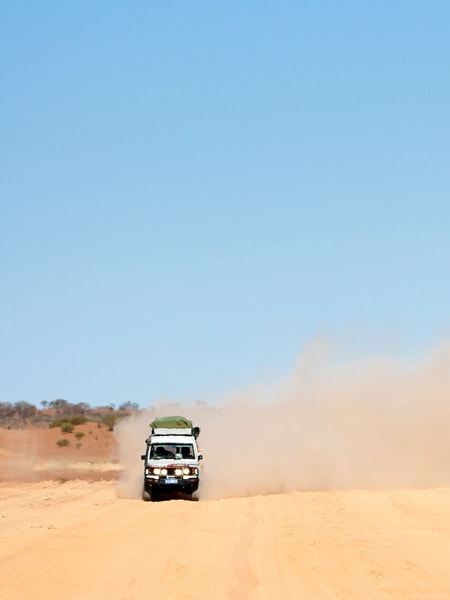
A 4WD driving on sand
From beach to bush to outback, make sure you are well prepared.

Set off with confidence

Yes, the great Aussie road trip is back in full throttle! However, before you drive off into the sunset, we suggest settling your engines for some sage advice.

Now is not the time for total spontaneity, or leaving things to chance, especially when carrying precious cargo – that includes you, your loved ones (furry or otherwise) and even the Christmas Pav.

Whether you’re heading home for the holidays, embarking on a driving adventure across our dusty plains, honed-in on seven glorious days around Tasmania, cruising even a small portion of our stunning coastline or meandering your four-wheel-drive deep into rainforest tranquillity, the one thing you absolutely cannot do without is solid planning. The very act of driving across our enormous, rugged country, where towns can be situated days apart, takes a certain level of skill, preparedness and awareness.

We don’t wish to deter you, far from it – we want to make sure you get away without a hitch! So, in the essence of mateship and spirit of holidays past, present and future we are wrapt to present you with our ‘we’ve got your back’ travel pack of expert tips. Just follow the checklist below to avoid common road-trip pitfalls and further disappointment. Let this summer holiday be ruled equally by heart and common sense.

Your Australian road tripping safety checklist
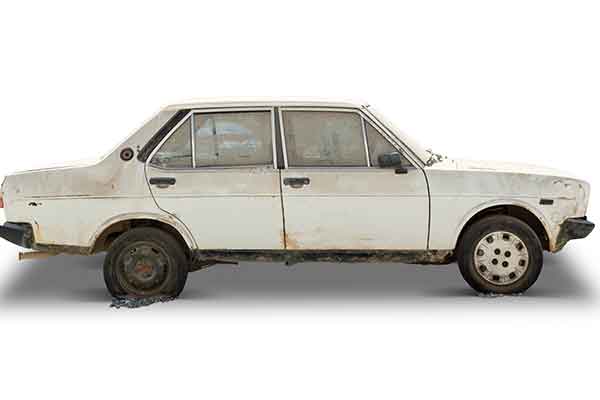
beat up car
Is your car up to the journey? It may be time to upgrade your vehicle.

1. Is your car up to the challenge?

A quick check up at your local service centre might seem like ‘just another expense’, especially in holiday season, but in the long run it could save you truckloads of cash and most importantly keep you safe. Be prepared for items like brake pads, tyres, and anything else that wears, to possibly need replacing before you take off; of course, if you’ve been thinking about buying a new car now might provide the perfect opportunity.
If the festive season isn’t the time to gift and receive thousands of safe, ergonomically sound, air-conditioned kilometres of road travel – well when the heck is? Be warned however, with vehicle supply delays, dealers have the upper hand. The best way to save is by securing your most competitive interest rate by seeking car loan pre-approval.
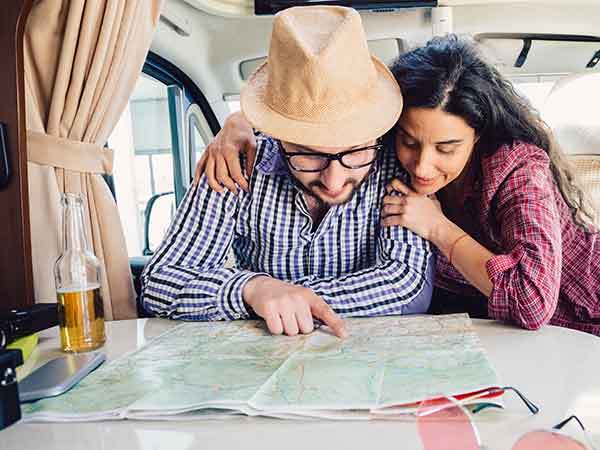
Planning a road trip
Loosely planning your road trip is not just sensible but fun.

2. Scouting your route

No matter how long you’re planning to be away there’s plenty to be considered before checking your rear-view mirrors and taking off. Loosely planning your entire route, perhaps detailing the first couple of legs, will save time and frustration, as well as ensure your focus remains on the road ahead. Planning comfort breaks and leg stretches with something for the kids to do is critical when you have the entire brood on board.
Use digital maps such as Google to plot out essential points on route – from coffee and toilet stops to fuel and police stations (particularly if travelling solo), to tollways and places of interest you’ll likely miss if you stick to the main drag.
From time to time, you may find yourself out of mobile phone reception range, so before you leave, download whatever information you need, including maps, onto your device. Don’t scrimp on your playlists, a bit of chill or trance might be perfect for short scenic drives but hours into extended trips and you’re likely to need something a little more upbeat.
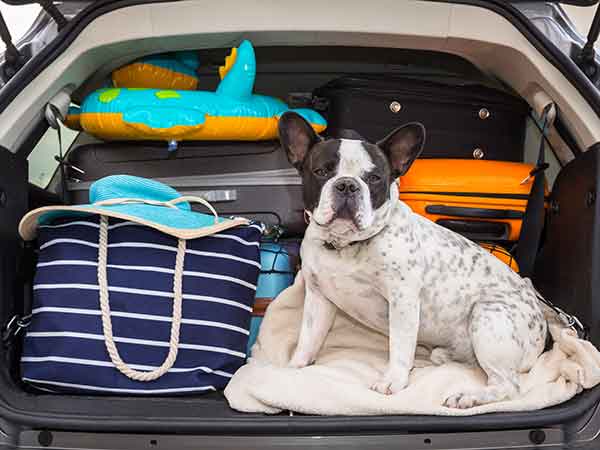
Packed car
Consider your cargo and what can safely fit in your car.

3. Consider your cargo

Sure, there’s the obvious packing to be done (e.g. clothes, toiletries and essential medications) and begging for favours (i.e. neighbours to feed the cat, water the plants, collect the mail etc) – but there are fewer things more crucial than securing extra oil, radiator fluid and more water than you think you’ll need – especially if driving on remote stretches without access to roadside assistance.
The essential list of items to pack for a remote Aussie road trip include a 2-way radio, survival kit and other specialised equipment may be necessary, so be sure to do your research when navigating unfamiliar outback destinations. Check for last minute items like mints or ginger sweets for tummies prone to motion sickness, wet wipes, hand sanitiser, small garbage bags, pet bowls and eucalyptus oil to mask funky odours. Don’t forget the Eski, back support pillow and a first aid kit if not already on board… ah, you’ve got this. Lastly, get a good night’s sleep.
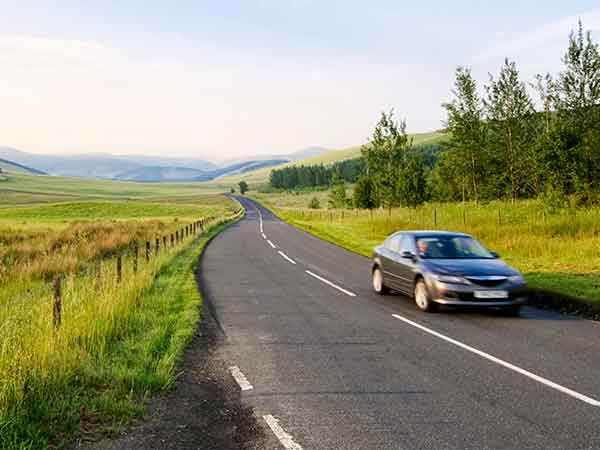
Set off early
Set off early to avoid heavy traffic and delays.

4. Ready, set, go.

Leave early to avoid traffic and stay refreshed longer. Keep hydrated (also caffeinated, if that’s your thing). Give yourself plenty of time to reach your destination; in peak travel periods a breakdown, even if it’s someone else’s, can add hours to your journey and there’s never a good reason to rush on the road – holiday calling or not. If travelling with friends arrange a kitty for petrol, tolls, snacks, cleaning etc. If kids are along for the ride, and miraculously don’t have their heads glued to an electronic device, pre-plan some games or a singalong (I mean who doesn’t love a few thousand rounds of eye-spy with my little eye, or never-ending chorus of Kookaburra sits in the old gumtree), or other in-car activities to keep them occupied and your head from spinning off on the longest expanses.
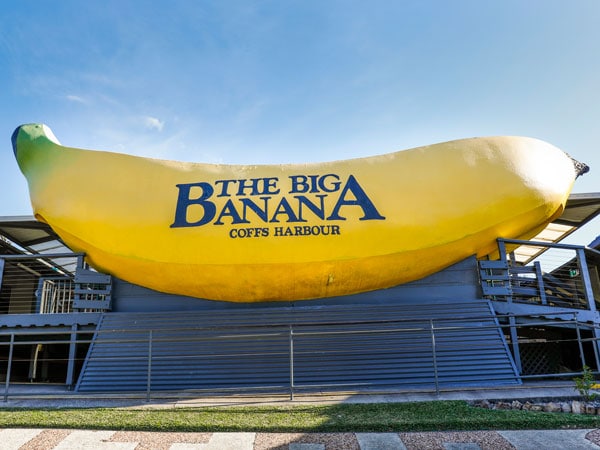
Big Banana Coffs harbour
Break up he drive with a selfie at one of Australia’s ‘big things’. (Image: DNSW)

5. Stay on track

Break up the drive with regular stops at scenic lookouts or interesting towns. Gulp plenty of fresh sea or country air – it’s free and a great way to refresh and reset. Alternatively, spending some money in a regional bakery or cafe can go a long way to helping the locals and spreading holiday cheer – it’s also good for the soul. If you’re feeling sleepy or unwell make sure you pull over for a break or nap, swap with a co-driver or call it a night and stay at the nearest accommodation.
Car Rental Sign Airport
Consider clocking up miles on someone’s else’s car via a rental.

6. Rocking a rental

If time is of the essence? Hiring a car to suit your holiday budget, comfort and personal style requirements might be the answer, with the added bonus you are adding kms to the odometer of a car that is not yours. The booking process is simple, and you drive away safe in the knowledge that all reputable companies run their fleet through constant safety assessments and upgrades. Purchase comprehensive insurance (read the fine print) and you’ll avoid additional costs in the case of an accident. If your rental is out of action, it will be swiftly replaced for continuing your trip. It’s worth shopping around as prices do vary and may increase with demand. Book as soon as you’ve circled your travel dates, otherwise those already on track with their holiday-road-trip-to-freedom may well have scarfed the lot.
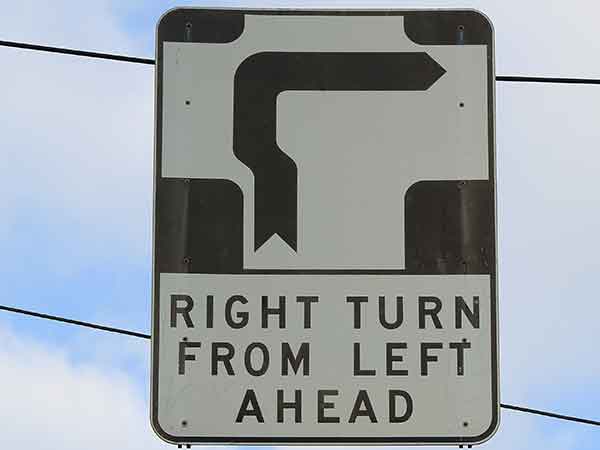
Hook turn sign, Melbourne
Remember that this may be one country but road rules do change between cities… Melbourne’s hook turn being the most notorious.

7. Additional extras

You might be an excellent driver and know your automobile inside and out, but road conditions and rules vary from state to state so it’s worth educating yourself for possible anomalies (think Victoria’s infamous hook turns or giving way to horses in Queensland). When your vehicle is heavily laden, you’ll also need to be mindful of issues such as your headlights shining higher, or your newly low-hanging chassis being damaged on uneven surfaces. Know your tow limits, height and width restrictions and if going off-road ensure your wheels (including spares) and suspension are up to the task. Finally, remember, once you’re out there, to relax, take in the beauty of your surroundings, let the wind blow through your hair – and enjoy your well-earned break, assured everything is in check. You’re welcome. Happy holidays.

Jane Lawson
When Sydney based food and travel writer Jane Lawson isn’t devouring the globe, she’s developing and hosting luxe, layered culinary-culture tours of Japan, collecting ceramics and swinging her camera around. An ex-chef, she’s also the author of 10 food and travel related books, several focussed on Japan and Australia.
See all articles
hero media

Unforgettable First Peoples tours and experiences in Victoria

From ancient aquaculture systems to sacred rock art shelters, Victoria’s First Peoples cultural experiences offer a powerful connection to one of the world’s oldest living cultures – where every site, story and smoking ceremony invites a deeper understanding of the land beneath your feet. 

Victoria’s sweeping landscapes hold stories far older than any road map can trace – stories etched into stone, sung through generations and woven into every bend of river and rise of hill. From the lava flows of Budj Bim to the ancient middens of Moyjil/Point Ritchie and the volcanic crater of Tower Hill, the state is home to some of the most significant First Peoples cultural sites in Australia. These places, along with other immersive experiences, offer not only a window into a 60,000-year legacy, but a profound way of understanding Country itself. As more travellers seek connection over checklists, guided tours by Traditional Owners offer respectful, unforgettable insights into a living culture that continues to shape the land and the people who walk it. 

Budj Bim cultural landscape  

Budj Bim Cultural Landscape
Budj Bim Cultural Landscape is on Gunditjmara Country. (Image: Visit Victoria)

Venture beyond the surf and sand of the Great Ocean Road to discover a deeper story etched into the volcanic landscape. At Budj Bim , ancient aquaculture channels built by the Gunditjmara people to trap, store and harvest kooyang (short-finned eel) reveal one of the world’s oldest living cultures. While you’re in the area, head over to the state-of-the-art Tae Rak Aquaculture Centre, where you can observe the eels in a special tank, wander the shores of Tae Rak (Lake Condah), and enjoy a bite at the Bush Tucker Cafe. Also nearby is Tower Hill, a dormant volcano reborn as a wildlife reserve, offering trails through bushland teeming with emus and koalas. 

eel tank
The kooyang (eel) tank at Tae Rak. (Image: Visit Victoria)

Dumawul Kooyoora Walking Tour 

Dumawul walkingtour
Guests are guided through Kooyoora State Park on the Dumawul walking tour. (Image: Visit Victoria)

Step into a timeless landscape with Dumawul’s guided tour through Kooyoora State Park, around an hour’s drive west of Bendigo in north-central Victoria. Led by Djaara guides, this immersive half-day journey breathes life into Country, weaving together stories, bush tucker and ancient rock art. Known to the Dja Dja Wurrung people as Guyura – the ‘mountain of light’ – this dramatic granite range is rich with cultural and spiritual significance.  The adventure begins with a meet-up at the Bridgewater Hotel on the banks of the Loddon River, before guests are welcomed onto Country with a traditional Smoking Ceremony – a powerful ritual that honours ancestors and cleanses those who walk the land. From there, it’s a gentle wander through rugged outcrops and open bushland, with sweeping vistas unfolding at every turn. Along the way, guides share their knowledge of how the Dja Dja Wurrung peoples have cared for and adapted with this land for generations, offering a rare and moving window into an ancient way of life that continues to thrive today.  

Kooyoora walking tour
Knowledge of the Dja Dja Wurrung is shared on the trail. (Image: Visit Victoria)

Kingfisher Cruises  

Kingfisher Cruises
Cruising the Murray with Kingfisher Cruises. (Image: Visit Victoria)

Glide quietly through the Barmah-Millewa forest – the nation’s largest river red gum ecosystem – on a scenic journey along the Murray River and into the Barmah Lakes with Kingfisher Cruises . Led by passionate guides who share stories of the cultural significance of this ancient landscape, these cruises reveal the stories, totems and traditional knowledge of the Yorta Yorta people. As you navigate narrow waterways and spot native birds, you’ll gain a richer understanding of how First Peoples have lived in harmony with this floodplain for tens of thousands of years. It’s a gentle, immersive experience that leaves a lasting impression – one where every bend in the river carries echoes of culture, connection and Country.  

wawa biik 

 Taungurung leaders
Exploring Nagambie with Taungurung leaders. (Image: Visit Victoria)

Translating to ‘hello, Country’ in the language of the First Nations People and Custodians of the rivers and mountains of Taungurung Country in Central Victoria, wawa biik guides a range of authentic and deeply immersive experiences. Leaving from either Nagambie or Euroa, the tours are woven with ancient stories of the Taungurung, telling how a sustained connection and responsibility ensures the continued health of biik – benefitting the people, animals and plants that live in and around the Goulburn River. During the wawa Nagambie experience, guests participate in a Welcome Smoking Ceremony, and enjoy lunch and conversation with two Taungurung leaders as they cruise through the wetlands of tabilk-tabilk (place of many waterholes). The 4.5-hour tour begins at Tahbilk Winery, which is set in the wetlands of Nagambie on Taungurung Country and collaborates with Taungurung Elders to share knowledge of biik. 

Bataluk Cultural Trail  

Bataluk Trail
Cape Conran on the Bataluk Trail. (Image: Visit Victoria)

The Bataluk Cultural Trail winds through East Gippsland like a thread stitching past to present, tracing the deep connection between the Gunaikurnai people and their land. Starting at the Knob Reserve in Stratford, visitors walk among scarred trees and ancient stone tools once used for survival and ceremony. At the Den of Nargun near Mitchell River, the earth holds stories of women’s sacred spaces, cloaked in myth and legend. Further along, Legend Rock at Metung tells of greed and consequence, its surface etched with ancient lore. At Cape Conran, shell middens lie scattered like breadcrumbs of history – 10,000 years of gatherings, stories and saltwater songs still echoing in the wind.  

Healesville Sanctuary  

echidna at Healesville Sanctuary
Get up close with a resident echidna at Healesville Sanctuary. (Image: Visit Victoria)

Set on the historic grounds of Coranderrk Aboriginal Station, Healesville Sanctuary honours the Wurundjeri people of the Kulin Nation through immersive storytelling and connection to Country. Along Wurundjeri Walk, visitors are invited to reflect on the land’s rich First Peoples history, with native plants revealing their traditional uses. Wurundjeri Elder and educator Murrundindi shares culture in-person with the Wominjeka Aboriginal Cultural Experience every Sunday, and most days during Victorian school holidays. Murrundindi’s smoking ceremonies, storytelling and bush tucker knowledge reveal the sacred relationship between people, animals and the environment. Bird-lovers can’t miss the incredible Spirits of the Sky show featuring native birds daily at 12pm and 3pm. 

The Grampians 

Rock art at Bunjil Shelter in The Grampians
Rock art at Bunjil Shelter in The Grampians. (Image: Visit Victoria)

Known as Gariwerd to Traditional Owners, the Grampians is a place of immense cultural and spiritual significance. This rugged landscape holds more than 80 per cent of Victoria’s known First Peoples rock art, offering a powerful window into the region’s deep heritage. Visitors can respectfully explore five remarkable rock art sites: Billimina and Ngamadjidj in the Wartook Valley, Manja Shelter near Hamilton, Gulgurn Manja shelter near Laharum, and the Bunjil Shelter near Stawell, where the creator spirit is depicted. Each site tells a unique story of connection to Country, shared through ancient handprints, dancing figures and Dreaming narratives etched into stone.