hero media

Australia’s most loved hikes of the year revealed

Which hikes are you adding to your list in 2026?

Australia’s walking tracks are having a moment, and the latest data from AllTrails reveals exactly where hikers went in 2025. Based on user ratings from millions of walkers, the list highlights the highest-rated hikes in Australia right now, from alpine Tassie circuits to outback canyon climbs, and coastal cliff walks.

If you’re planning a hiking trip this year, these are the trails earning near-perfect scores.

1. Crater Lake, Marion’s Lookout, Lake Lilla and Dove Lake Loop, Tas
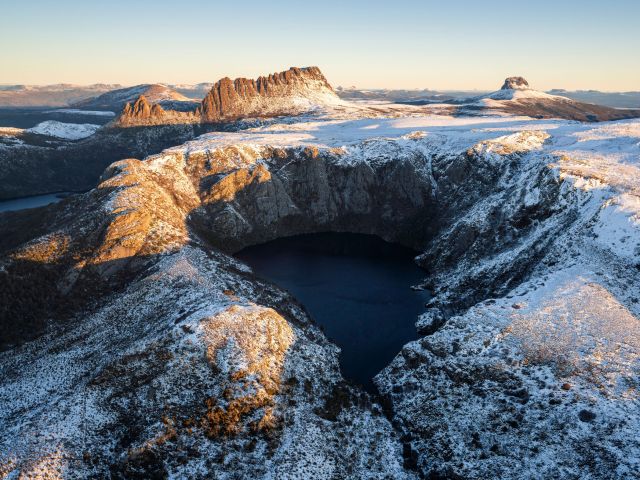
Crater Lake and Cradle Mountain
This Cradle Mountain classic packs a lot into one walk. (Image: Tourism Tasmania / Luke Tscharke)

Distance: 9.2km loop
Difficulty: Grade 3

One of Tasmania’s most scenic alpine circuits, this Cradle Mountain classic packs a lot into one walk. Expect glacial lakes, button grass plains and a steep climb to Marion’s Lookout, where jagged peaks and alpine valleys stretch into the distance. It’s demanding in sections, but the views make it one of the most rewarding day walks in the country.

2. Kings Canyon Rim Walk, NT

Would you stand on the edge of this breathtaking Australian landscape? It's all part of a guided Kings Canyon Rim Walk, through ancient red domes and towering cliffs in the heart of the Northern Territory.

Distance: 6km loop
Difficulty: Grade 4

This iconic Red Centre hike climbs out of the canyon via a steep staircase before tracing the rim high above the sandstone walls. Along the way, walkers pass waterholes and ancient rock formations, with sweeping desert views the whole way around. It’s short but challenging, especially in the heat.

3. Cradle Mountain Summit and Hansons Peak via the Overland Track, Tas
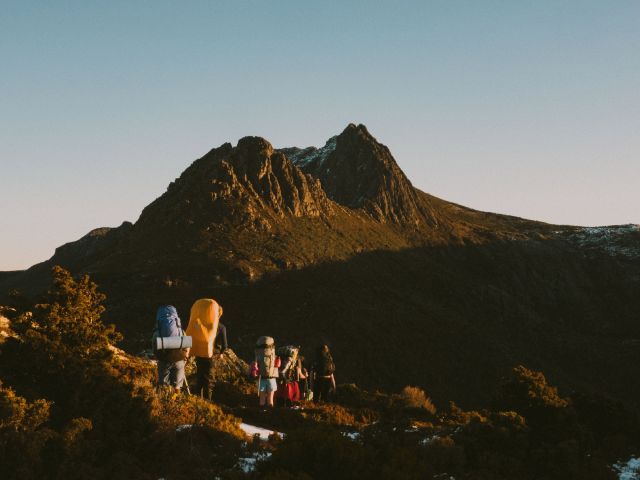
Cradle Summit Walk
The Cradle Summit Walk is for more experienced walkers. (Image: Tourism Tasmania / Matty Eaton)

Distance: 13km return
Difficulty: Grade 5

A tougher option for experienced walkers, this route uses sections of the Overland Track to reach two of the region’s most impressive lookouts. Weather can change quickly here, but on a clear day, the panoramic views over alpine wilderness are hard to beat.

4. North Gorge Walk, North Stradbroke Island (Minjerribah), Qld
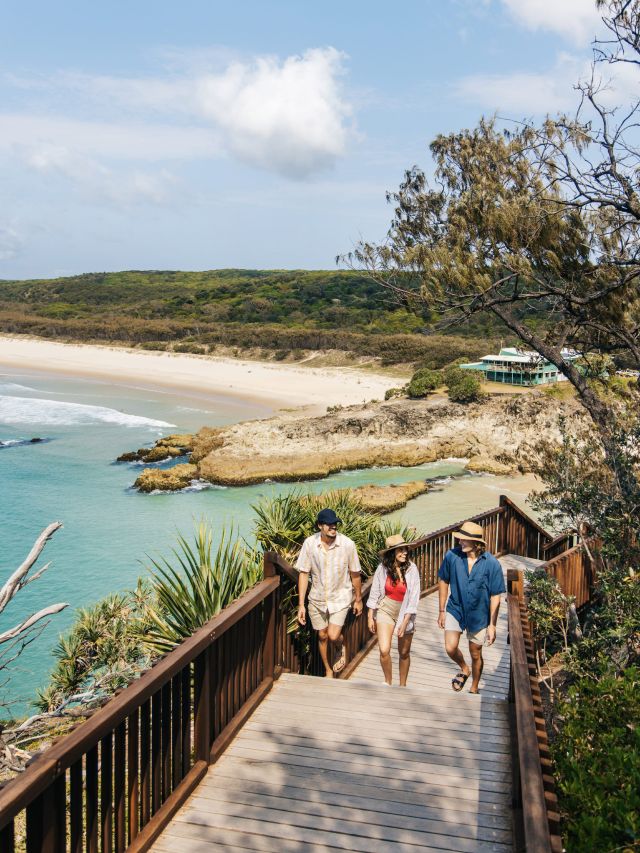
North Gorge Walk on North Stradbroke Island
The North Gorge Walk is an easy stroll. (Image: Tourism and Events Queensland / Jesse Lindemann)

Distance: 1.2km
Difficulty: Grade 2

This self-guided coastal circuit delivers big pay-off for relatively little effort. Clifftop boardwalks and rocky headlands frame turquoise water below, making the North Gorge Walk one of Queensland’s most photogenic short walks and a standout for travellers chasing scenery over distance. There are some sections with steps along the boardwalk and viewing platforms.

Need tips, more detail or itinerary ideas tailored to you? Ask AT.

AI Prompt

5. The Pinnacle, Grampians National Park, Vic
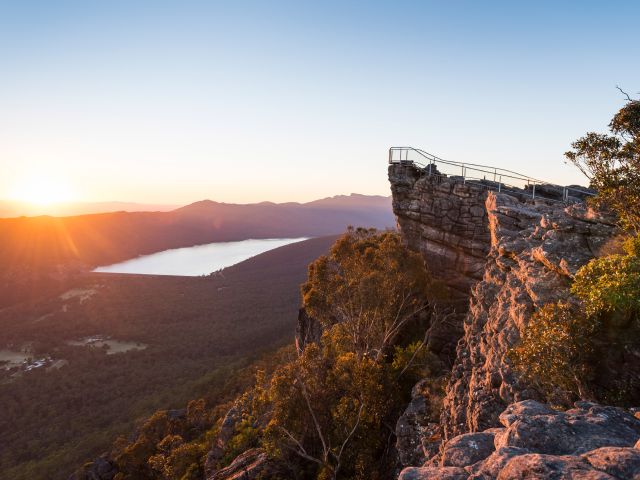
The Pinnacle in Grampians National Park at sunset
The Pinnacle is striking at sunset.

Distance: approx. 4.2km return
Difficulty: Grade 4

A steep climb through bushland leads to one of Victoria’s most dramatic viewpoints in Grampians (Gariwerd) National Park. From the summit, the rocky outcrop looks out over deep valleys and layered ridgelines, especially striking at sunrise or sunset.

6. Bald Head Walk Trail, Torndirrup National Park, WA
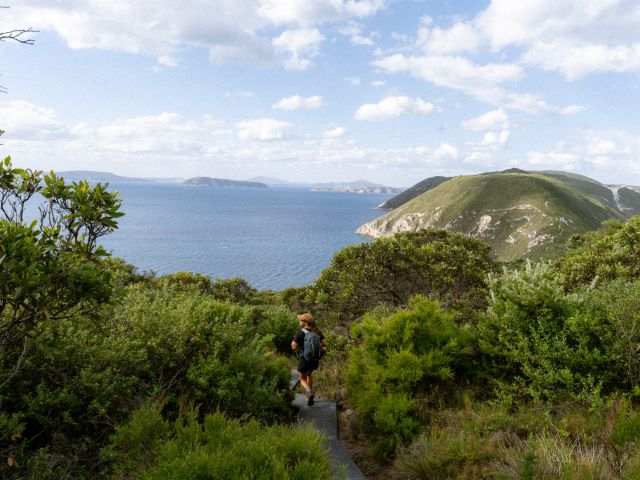
Bald Head Trail and Bluff Knoll, Stirling Range National Park
Bald Head Walk Trail is a memorable hike. (Image: Tourism Western Australia)

Distance: 12.5km return
Difficulty: Grade 4

This rugged coastal walk near Albany follows a narrow ridge between two beaches, with constant ocean views and wild southern coastline scenery, and during wildflower season, it’s covered in blooms. It’s exposed and windy in places, but it’s easily one of Western Australia’s most memorable day hikes.

7. Bungoona Walk, Bald Rock National Park, NSW
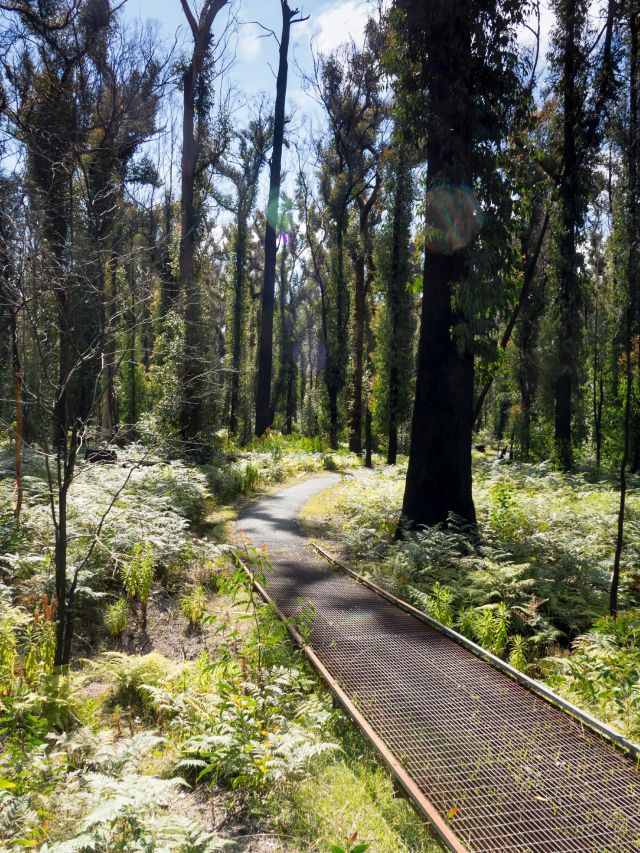
The Bungoona Walk in Bald Rock National Park, NSW
The Bungoona Walk rewards hikers with sweeping views. (Image: Leah Pippos / DCCEEW)

Distance: 5.7km return
Difficulty: Grade 3

Climbing Australia’s largest exposed granite rock, the Bungoona Walk rewards hikers with sweeping views across the New England region. 30 kilometres outside of Tenterfield, the final ascent is steep but well worth it, especially on clear days when the surrounding countryside stretches endlessly.

8. Grand Canyon Track, Blue Mountains, NSW (Second  year in a row)
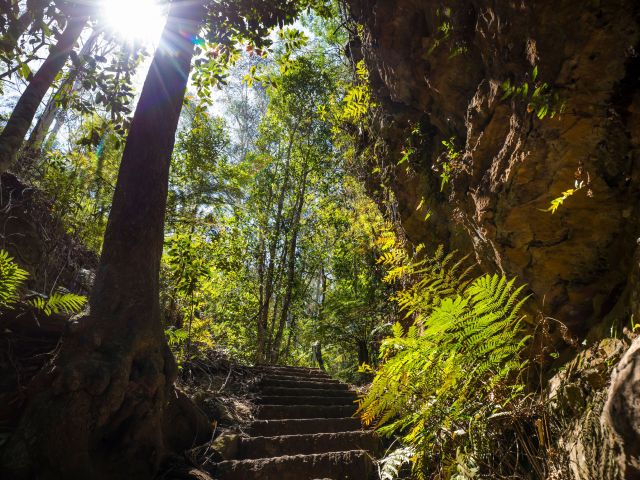
The scenic Grand Canyon Walking Track in the Blue Mountains National Park, Blackheath.
The Grand Canyon Track is always a favourite. (Image: Destination NSW)

Distance: 6.3km loop
Difficulty: Grade 3

A long-time Blue Mountains favourite, this shaded loop winds through lush rainforest, sandstone walls and fern-filled gullies. Waterfalls, creek crossings and cool canyon air make it a popular choice year-round. It is also the only walk on the list to have been awarded a spot on the most loved list for two consecutive years.

Weekly travel news, experiences
insider tips, offers, and more.

9. Bishop and Clerk Track, Maria Island, Tas
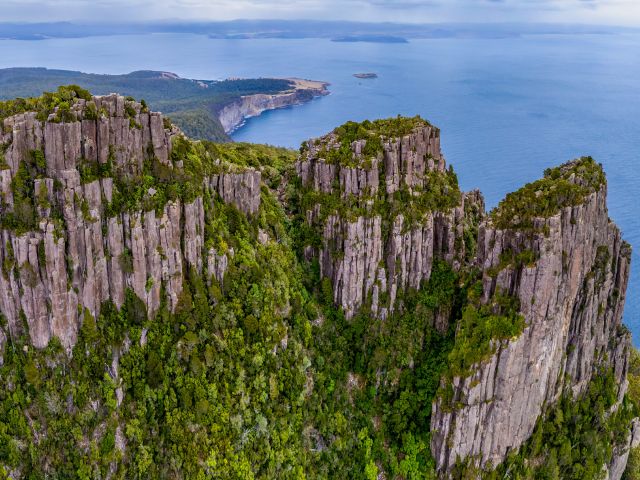
Views from Bishop and Clerk peak in Maria Island, Tasmania, Australia
The views from the Bishop and Clerk Track are unbeatable. (Image: Getty Images / estivillml)

Distance: 11km return
Difficulty: Grade 4

One of Maria Island’s most rewarding hikes, this track climbs steadily from the Darlington settlement to a rocky summit with sweeping views across the island and out to the Tasman Sea. Expect a mix of open woodland, coastal vistas and a final steep scramble to the top. Wildlife sightings, including wombats and kangaroos, are common along the way, making this a standout hike for walkers visiting the island.

10. The Pinnacle via Wonderland Car Park, Grampians National Park, Vic
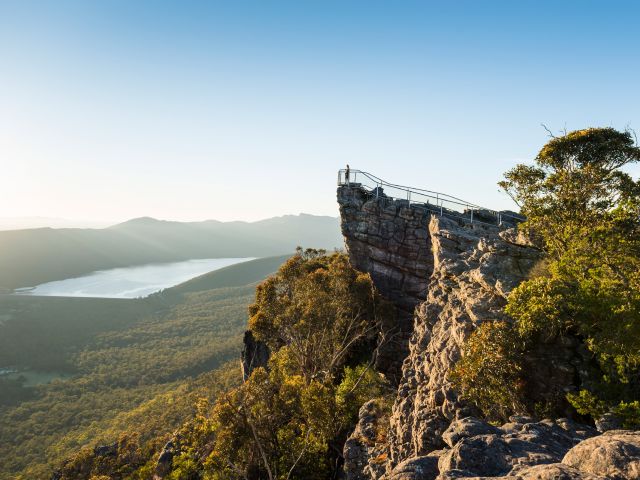
The Pinnacle in Grampians National Park
This slight variation of The Pinnacle also made the list.

Distance: approx. 4km return
Difficulty: Grade 4

A more demanding variation of The Pinnacle walk, this route adds steep rocky areas, which can be slippery in the wet and extra elevation before reaching the same jaw-dropping lookout. Ideal for walkers wanting a fun challenge.

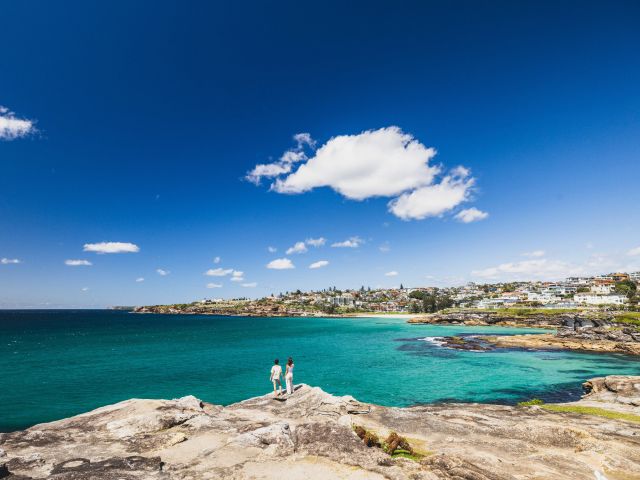
Couple enjoying the coastal view, Tamarama
The Bondi to Coogee Coastal Walk is Australia’s most popular hike. (Image: Destination NSW)

While the highest-rated hikes lean towards more remote and challenging terrain, AllTrails data also shows which walks Australians are actually tackling in huge numbers. These are the most popular trails of 2025.

  1. Bondi to Coogee Coastal Walk, NSW
  2. Wineglass Bay and Hazards Beach Circuit, Tas
  3. Grand Canyon Track, NSW
  4. Cape Byron Walking Track, NSW
  5. Werribee Gorge Circuit Walk, Vic
  6. Cape Woolamai Circuit, Vic
  7. Mount Ngungun Summit Track, Qld
  8. Twin Falls Circuit, Qld
  9. Lyrebird Loop Track, Vic
  10. Mount Lofty Loop, SA

Whether you’re chasing five-star ratings or well-worn favourites, this year’s AllTrails list proves Australia’s best hikes range from easy classics to serious wilderness adventures.

Want to see more stories from Australian Traveller in your Google search results?

  1. Click here to set Australian Traveller as a preferred source.
  2. Tick the box next to "Australian Traveller". That's it.
Emily Murphy
Emily Murphy is Australian Traveller's Email & Social Editor, and in her 4+ years at the company she has been instrumental in shaping its social media and email presence, and crafting compelling narratives that inspire others to explore Australia's vast landscapes. Her previous role was a journalist at Prime Creative Media and before that she was freelancing in publishing, content creation and digital marketing. When she's not creating scroll-stopping travel content, Em is a devoted 'bun mum' and enjoys spending her spare time by the sea, reading, binge-watching a good TV show and exploring Sydney's vibrant dining scene. Next on her Aussie travel wish list? South Australia and The Kimberley.
View profile and articles
hero media

7 ways to switch off and reconnect with nature in Albury Wodonga

Credit: Destination NSW

    Kate Bettes Kate Bettes
    Switch the hustle and bustle for a weekend of birdsong and greenery on the border.

    Straddling the Murray River where New South Wales meets Victoria, Albury Wodonga is just hours by car or train (or even a quick flight) from many major cities, but it feels a million miles away from the everyday.

    Here, you’ll find a blend of relaxed country lifestyle and modern city amenities, where a booming culinary scene and vibrant arts offerings meet a rich Indigenous history and stunning natural vistas. Spend time amongst river red gums, wildlife-filled wetlands and winding waterways.

    Ready to roll on the river? Here’s where to begin.

    1. Birdwatch in Wonga Wetlands

    The scenic Wonga Wetlands along the Wagirra Trail and Yindyamarra Sculpture Walk, West Albury.
    Walk along Wonga Wetlands, looking for local birdlife. (Credit: Destination NSW)

    It might be close to Albury’s CBD, but Wonga Wetlands feels a watery world away. This former grazing land has been restored to 80 hectares of lagoons, billabongs and river red gums, and you can now wander three kilometres of walking trails as you spot cormorants, spoonbills, egrets and sacred kingfishers. More than 170 bird species call the wetlands home, thanks to the Murray’s cycle of flooding and drying, so pack a picnic, settle in at a bird hide, and pull out those binoculars.

    2. Explore the Murray River

    picnicers in Noreuil Park albury wodonga nature autumn
    Take a picnic to enjoy in Noreuil Park. (Credit: Destination NSW)

    The Murray River runs between Albury and Wodonga, where locals swap desks and deadlines for shaded riverbanks. Less than a kilometre from Albury’s CBD sits Noreuil Park, the city’s favourite stretch of riverfront. Cool off on the famous loop float, hire a kayak, launch a stand-up paddleboard or cast a line.

    Afterwards, chuck a rug on the lawn under a plane tree, fire up one of the free barbecues and watch the water as you munch on some Murray cod.

    3. Take a sculpture walk

    Albury Wodonga Yindyamarra Sculpture Walk
    See the art along the Yindyamarra Sculpture Walk.

    Albury Wodonga’s three sculpture trails showcase the Murray through First Nations tales on foot or by bike. Along the Yindyamarra Sculpture Walk, 15 contemporary Aboriginal artworks celebrate kinship and Country. The Crossing Place Trail passes the Wodonga Scar Tree, where local Indigenous people once harvested bark to craft canoes, and the Gateway Island trail tells you how the Murray sustained First Nations people for millennia.

    4. Get moving on local tracks and trails

    bike rider on albury wodonga nature trails
    Take your bike to Hunchback Mountain Bike Park.

    More than 100 kilometres of trails cross Albury Wodonga’s hills, reserves and riverbanks. Mountain bikers can tackle the championship-calibre descents of Nail Can Hill, weaving through eucalyptus forest where the rare crimson spider orchid blooms, or hone their skills at Hunchback Mountain Bike Park‘s 29 graded trails.

    Keen to explore on foot? Huon Hill makes the sore legs worth it, with lookouts across Lake Hume and the Kiewa Valley, while McFarlanes Hill meanders through stringybark woodland and rocky outcrops.

    For a slower pace, the 44-kilometre High Country Rail Trail hugs the shores of Lake Hume, crossing the red-pillared Sandy Creek Bridge before rolling into Tallangatta.

    5. Check into restorative stays

    Couple standing outside the retro inspired Astor Hotel Motel in Albury
    Check into one of Albury Wodonga’s over 60 accommodation options. (Credit: Destination NSW)

    Some moments call for a boutique hotel. Others call for backing the caravan up beside the lake. Whether you’ve spent the day splashing in the Murray, furiously clocking kilometres on the bike trails or entertaining kids in playgrounds at the water’s edge, there’s somewhere to lay your head.

    From motels shaded by river red gums to lakeside holiday parks and boutique hotels, Albury Wodonga’s 60-plus accommodation options mean you’re never far from a morning walk along the Murray or dinner on Dean Street. But be warned: book ahead. You might not be the only one craving a weekend by the Murray, especially in the school holidays.

    6. Enjoy delicious dining options

    yardbird restaurant
    Enjoy incredible meals in Albury Wodonga.

    Every paddle, bushwalk and bike trail deserves a proper meal afterwards. Once you’ve swapped out your damp swimmers or your dusty trainers and start to sniff out a feed, you’ll quickly discover you’re surrounded by one of Australia’s richest agricultural regions.

    Unsurprisingly, Albury Wodonga’s dining scene is all about that Riverina produce. We’re talking Murray cod (of course) but also premium local beef from the valleys, olive oil from nearby groves, cool-climate wines and European-style cheeses.

    The restaurants, wine bars and breweries around Dean Street and Junction Square are all within easy reach, serving everything from modern Australian and Mediterranean to Thai, Vietnamese, Italian and classic wood-fired steakhouse fare. Looking for a riverside brunch? A comforting bowl of dumplings on a winter evening? Or up the ante with the vibrant flavours of Europe? Whatever the craving, there’s a table waiting.

    7. Get out on Lake Hume

    lake hume at sunset in albury wodonga nature
    Be sure to stay for a Lake Hume sunset.

    When you’re ready to dial up the solitude, trade the river for a veritable inland sea: Lake Hume. Just 15 minutes from Albury and Wodonga, it’s one of Australia’s largest water storage reservoirs. In other words, there’s plenty of space to swim, paddle and stake out a patch of shoreline all to yourself.

    Take the long way through Riverina farmland, stopping at the dam wall to appreciate just how enormous Lake Hume is. Cast a line for Murray cod, rainbow trout, golden perch or redfin and unpack a bag of bakery treats beneath the trees before launching a kayak into the vastness.

    Afterwards, stop by the Bonegilla Migrant Experience, where the remaining accommodation blocks tell the stories of more than 320,000 post-war migrants who passed through between 1947 and 1971. Give yourself time to walk through the preserved camp, stopping to digest the photographs, personal stories and artworks that reveal what it meant for residents to begin a new life at the edge of the world.

    Even if you’re exhausted, stay until twilight. The sunset is about to put on a hell of a leaving show for you.

    Start planning your escape into nature at visitalburywodonga.com.