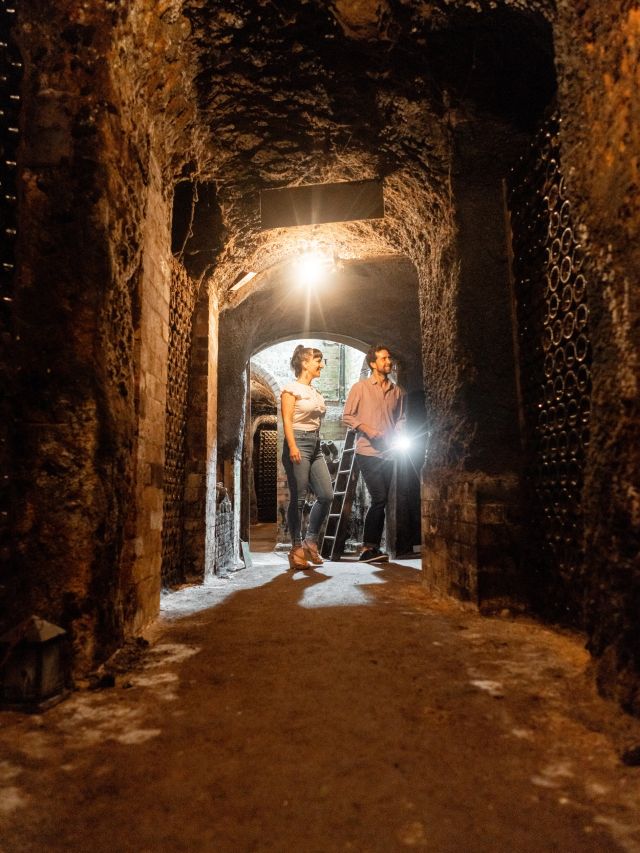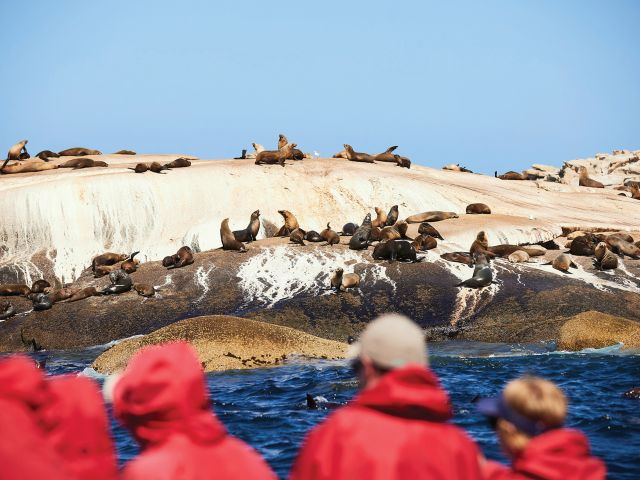
Ditch the jam-packed itinerary – this escape is all about slowing down, switching off and truly unwinding.
For years, the ultimate holiday experience has been defined by how many sights, attractions and landmarks can be crammed into an itinerary. The more boxes ticked, the more successful the trip. But a growing number of Australian travellers are flipping that mindset on its head, rejecting the ‘tick list’ approach in favour of slowing down, unwinding and immersing themselves in nature. Enter the ‘anti-tick list holiday’ – a travel trend that’s all about embracing the joy of doing less.
Why the anti-tick list holiday is gaining traction

A combination of factors is driving the shift in how Aussies are choosing to holiday. The rising cost of travel, increasing overtourism in major hotspots and a collective yearning for a break from the chaos of everyday life have all contributed to the growing appeal of slow travel.
Reflections Holidays chief executive officer Nick Baker told Australian Traveller that many Aussies are realising that the cookie-cutter holiday experience just isn’t for them. “We’ve noticed a growing shift towards Aussies seeking out authentic, personalised getaways that avoid common tourist traps," Baker said.
“Instead of wasting time in queues and crowded attractions, travellers now want to focus on activities they truly enjoy, opting instead for an anti-tick list itinerary."
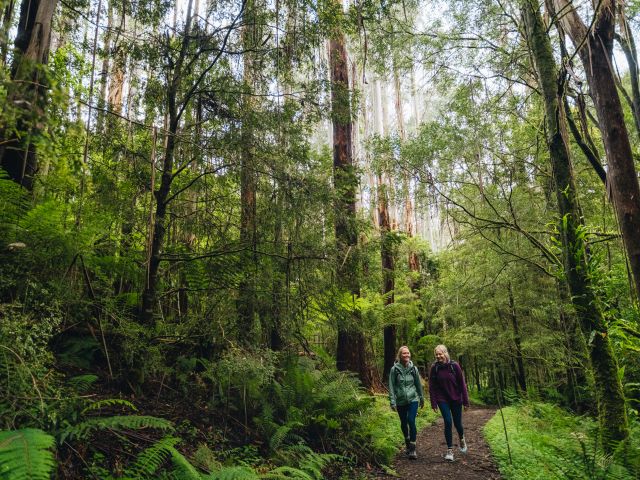
Rather than rushing from one attraction to the next, the anti-tick list holiday encourages travellers to take a step back, focus on being present and enjoy the simple pleasures of their surroundings. Whether it’s waking up to the sound of birdsong in a secluded stay in Tasmania, spending an entire day reading on a secret beach, going on an epic road trip to the heart of the outback or hiking to a lookout without checking the time, this kind of travel is about experiences, not itineraries.
Less is more
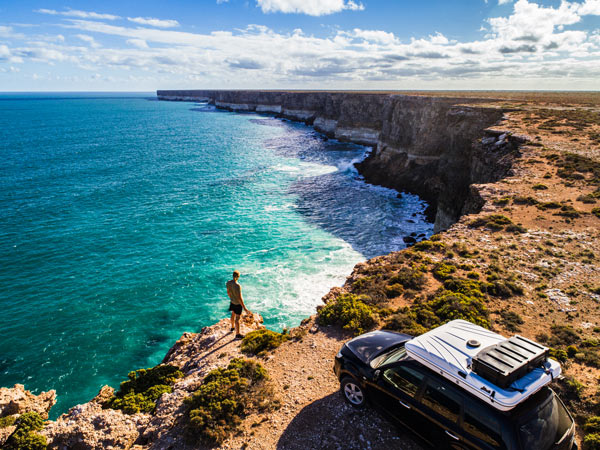
Stepping away from the pressure to ‘see it all’ can lead to a more meaningful and rejuvenating holiday. Instead of returning home feeling like they need another break to recover, travellers who embrace a slower pace report feeling more refreshed and connected to both their surroundings and themselves.
Nature-based getaways, in particular, are proving to be a popular choice for those looking to escape the daily grind. Immersing in natural environments – whether it’s a rainforest retreat in Tropical North Queensland, a remote campground or a small town coastal escape in South Australia – has been linked to improved mental health , lower stress levels and a greater sense of well-being. It’s not just about switching off from work emails; it’s about reconnecting with the world in a way that doesn’t require a checklist. Because we have enough of those already.
“Sometimes, less really is more. When you strip back the clutter of a packed schedule, you create space for genuine relaxation and a chance to reconnect with nature," Baker told Australian Traveller.
Where to go for the ultimate anti-tick list holiday
For those keen to embrace the anti-tick list ethos, there’s no shortage of destinations across Australia that offer a slower, more immersive escape. Here are a few ideas:
Holiday parks in beautiful locations
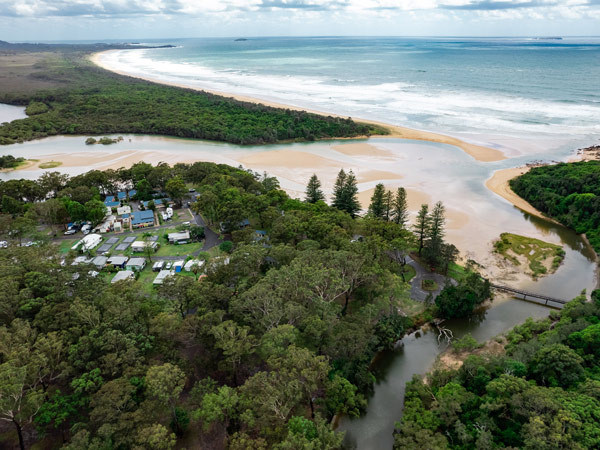
Nestled in some of Australia’s most picturesque locations, Reflections Holidays campgrounds and cabins provide a perfect setting for a low-key, nature-based escape. With waterfront views, bushland retreats and easy access to stunning landscapes, they make it easy to slow down and savour the beauty of Australia.
“We are seeing a lot of interest in spots that are more off-the-beaten-track with locations such as Bonny Hills, Evans Head, Pambula, Tumut and Eden, gaining popularity, offering the perfect balance of comfort, adventure and seclusion," Baker said.
And for a taste of remote wilderness, Discovery Parks has some standout locations, including Broome, Lake Argyle and Lake Kununurra in the Kimberley.
Margaret River, WA
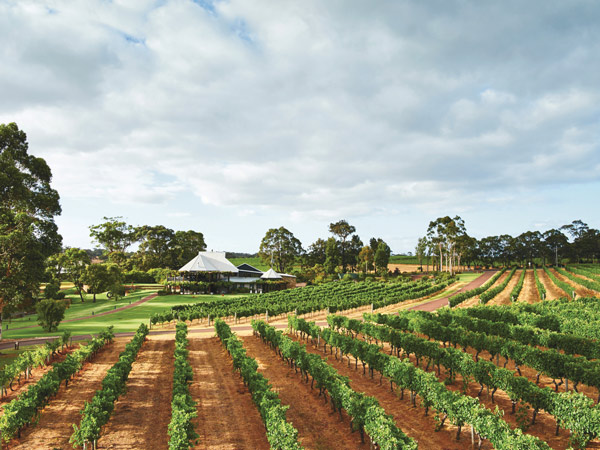
A world-renowned wine region that offers more than just cellar doors. Here, you can take long walks along untouched beaches, explore ancient caves and enjoy farm-to-table dining at a relaxed pace. The lush vineyards and rugged coastlines create the perfect backdrop for a truly unhurried escape.
The Blue Mountains, NSW
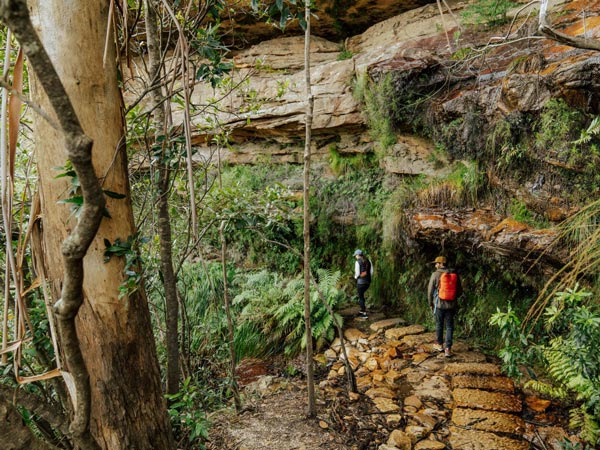
Known for its dramatic cliffs, waterfalls and lush eucalyptus forests, the Blue Mountains is an ideal destination to unwind. Ditch the crowded lookouts and instead explore lesser-known hiking trails, stay in a cosy cabin or simply soak up the crisp mountain air.
The Yarra Valley, Vic
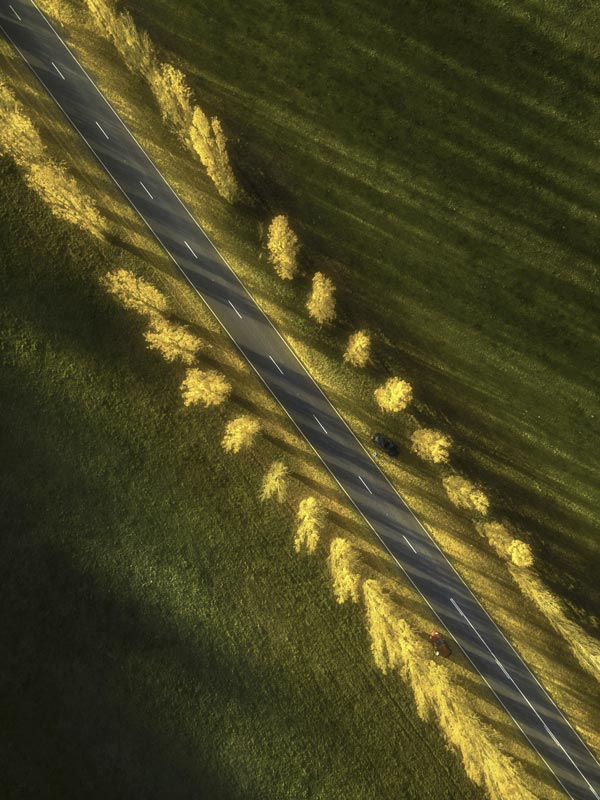
This wine country escape offers rolling vineyards, exquisite dining and boutique accommodation set in tranquil countryside. Whether it’s a leisurely afternoon tasting local wines, indulging in gourmet produce or enjoying a picnic by the river, the Yarra Valley is perfect for a slow and mindful getaway.
Cocos Keeling Islands
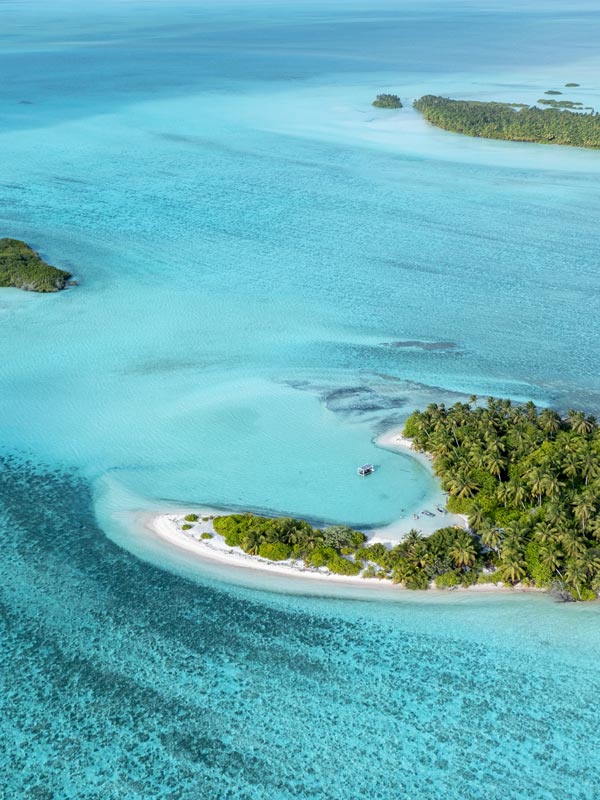
A remote paradise in the Indian Ocean, the Cocos Keeling Islands are an archipelago that boasts crystal-clear waters, pristine white-sand beaches and an unhurried island vibe. With limited tourist infrastructure, it’s the ultimate spot to disconnect from the world, snorkel among vibrant marine life and enjoy uninterrupted sunsets over the horizon.
The future of anti-tick list travel?
The rise of the anti-tick list holiday suggests that more Aussies are rethinking what a successful getaway looks like. While there will always be a place for bucket-list travel, there’s a growing recognition that a holiday should be about more than just ticking boxes – it should be about taking a breath, enjoying the moment, and making memories that aren’t defined by a checklist.
As this trend continues to gain momentum, expect to see more travellers opting for slow, nature-focused escapes that prioritise relaxation over rushing. After all, sometimes the best way to make the most of a holiday is to simply let go of the agenda altogether.