Listen up, happy campers! A study comparing the quality of camping around the world has ruled that Australia tops the list, beating out the USA, Canada and South Africa. It’s a big call to make, but we’ve broken down the reasons why Australia was awarded top gong, plus some of the best campsites the country has to offer.
Why Australia is the best country for camping
The study, carried out by Asilia Africa Lodges , focused on eight different criteria, collectively used to assign each country a rating. These criteria were:
– Wildlife and plant species diversity
– Light pollution levels
– Annual rainfall
– Number of national parks
– Urbanisation rates
– Availability of outdoor activities
– Population density
Australia was awarded a score of 82.25/100, the highest of any country. We shone in all categories, but truly triumphed in our sheer number of national parks – 685 to be exact – covering 28 million hectares total. In particular, the study highlighted the UNESCO-listed Kakadu National Park in the NT, as well as Blue Mountains National Park in NSW as standouts. (Psst, we’ve rounded up the best camping spots in the Blue Mountains here, and the best Kakadu camping here).
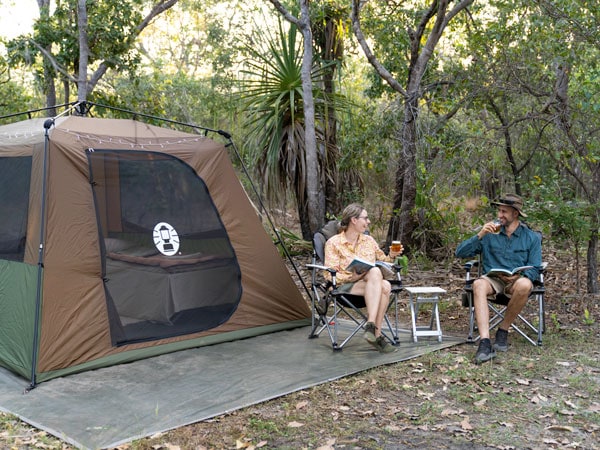
Camping in Kakadu is a chance to unplug and unwind. (Image: Tourism NT/Tourism Australia)
The study also noted Australia’s diverse plant and wildlife species and ample places to roam as factors that make the country a camper’s paradise. And we’re inclined to agree.
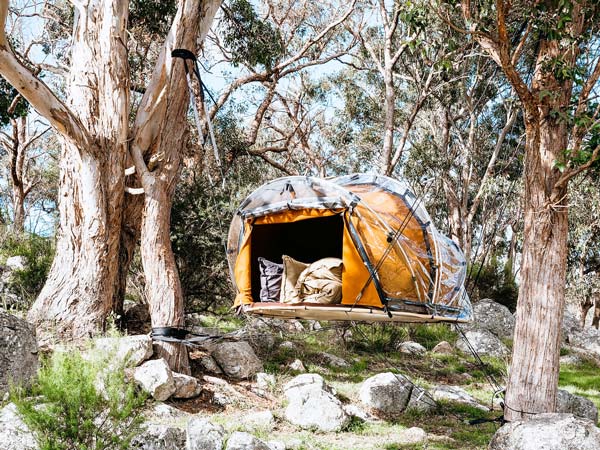
Camp in a mini bubbletent in the Capertee Valley. (Image: Sera Wright)
Where to camp in Australia
We’ve already rounded up the best campsites in Australia, from camping on the white sands of Lucky Bay WA to Tasmania’s luscious Mt Field National Park. We also have a guide to the best places to camp in winter, from laid-back coastal camping adventures to far-flung outback stations. We also have guides on the prettiest places to camp in Tasmania and luxury glamping in the NT, if you prefer a bit of extra comfort.
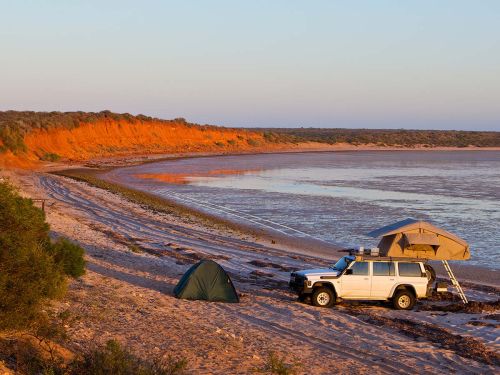
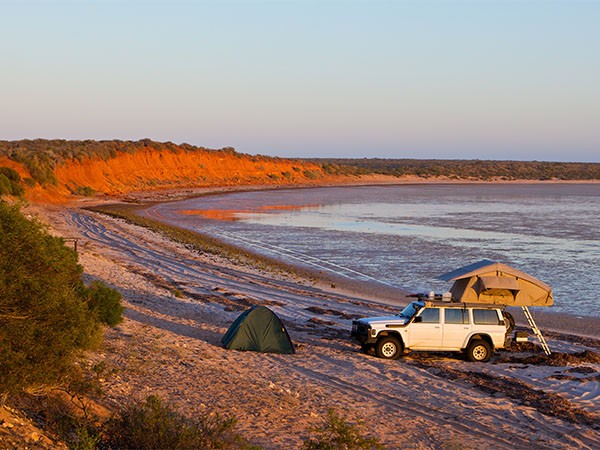
The West Australian Coast is home to an abundance of camping spots. (Image: Getty/dm2912)
Camping can take on many forms, and it doesn’t have to mean roughing it or carrying heavy gear through remote stretches of wilderness. But whether you’re trekking with a tent or parked up by the beach in a comfy campervan, camping close to nature is a thousand-star experience that no luxury resort can replicate.
Elizabeth Whitehead is a writer obsessed with all things culture; doesn't matter if it's pop culture or cultures of the world. She graduated with a degree in History from the University of Sydney (after dropping out from Maths). Her bylines span AFAR, Lonely Planet, ELLE, Harper's BAZAAR and Refinery 29. Her work for Australian Traveller was shortlisted for single article of the year at the Mumbrella Publishing Awards 2024. She is very lucky in thrifting, very unlucky in UNO.
From the Kimberley to Cape York, explore Australia’s epic and varied landscapes on curated and all-inclusive, intimate adventures via custom-built all-terrain coaches with Outback Spirit.
From the tip of the Northern Territory to the rugged coast of the country’s southernmost point, Australia is a continent ripe with diverse and distinct adventures that are captivating and inspiring in equal measure. Luckily, so many of them are accessible by car with epic road trips that showcase the journey as much as the destination. With Outback Spirit, the award-winning and eco-certified tour operator from leading experiential tourism group Journey Beyond, the road less travelled – accessible in custom-built all-terrain coaches chaperoned by expert local guides – is the only way to go.
From the dramatic jewels of the Kimberley in Western Australia to the remote stretches of Savannah Way in the country’s far north, Outback Spirit does all the hard work on all-inclusive, small-group tours that pause at an exclusive network of lodges and safari camps – so you can just enjoy the ride.
1. The Kimberley
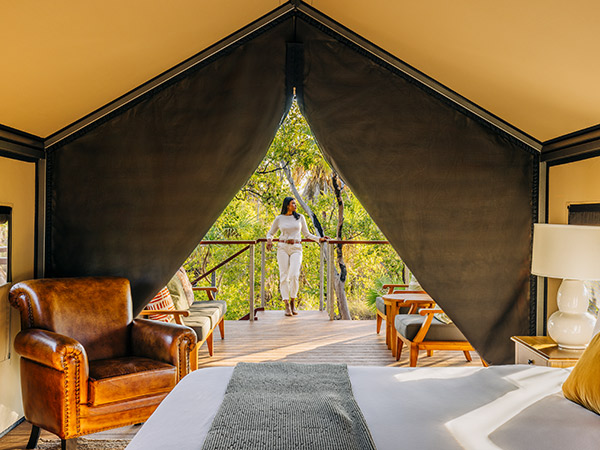
With an otherworldly ambience that must be experienced to be understood, the Kimberley is a cornucopia of breathtaking cliffs, stunning gorges and exceptional waterways. A highlight of the 13-day Jewels of the Kimberley adventure is the spectacular 18-minute scenic helicopter flight over the Bungle Bungles. You’ll encounter a bounty of new perspectives elsewhere, too, between the astounding cruise through the Attenborough-approved Buccaneer Archipelago, humbling walks beneath ancient rock drawings, and evenings spent in the comfort of Outback Spirit’s exclusive-use, well-appointed Ngauwudu Safari Camp Safari Suites.
Relax in Ngauwudu Safari Camp Safari Suites.
2. Arnhem Land
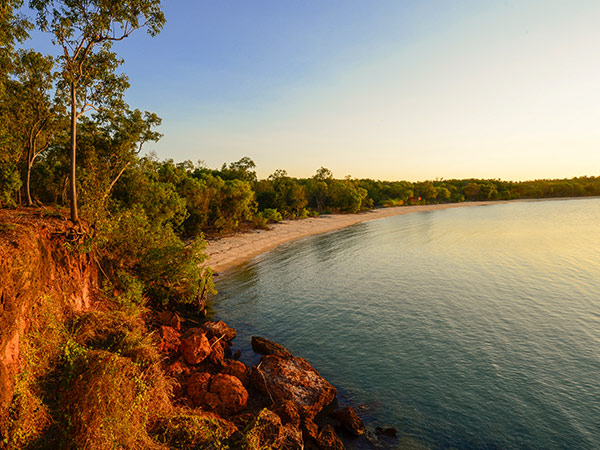
The Traditional Lands of the Yolngu People reach into your heart and stay there. Outback Spirit’s 13-day Arnhem Land Wetlands & Wildlife tour was conceived in extensive consultation with Traditional Owners to guarantee a true immersion in Country. Explore the world’s largest outdoor rock art gallery; try your luck catching a metre-long barramundi; and discover pristine ecosystems from freshwater swamps to rocky escarpments. Relax each night in comfortable lodges exclusive to Outback Spirit, including the iconic Seven Spirit Bay Resort. Here, sophisticated luxury villas are perched on the bay’s edge overlooking clear, turquoise waters of Coral Bay.
Enjoy the views at Seven Spirit Bay Resort.
3. Cape York
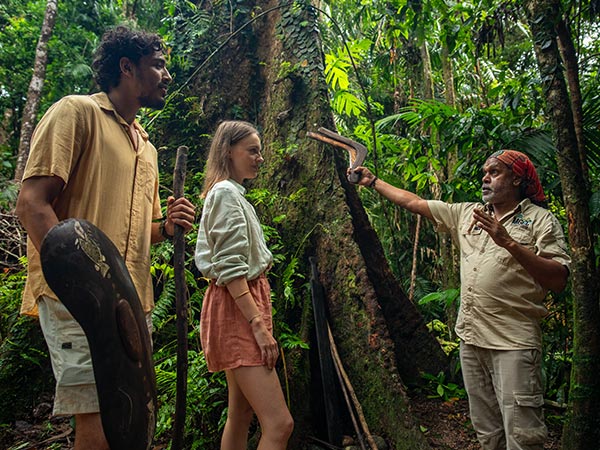
Travelling from Cairns to Cape York and back over 13 days, the small-group Cape York Wilderness Adventure tour runs from May to September, with unparalleled access to stunning sacred destinations and vibrant experiences on Thursday, Horn and Friday islands in the Torres Strait. The World Heritage-listed Daintree Rainforest is a star of the expedition, with the exclusive guided Dreamtime Gorge Walk with a Kuku Yulanji elder taking place beneath lush ferns, with the commanding rumble of Mossman Gorge in the distance.
Join the Dreamtime Gorge Walk. (Image: TEQ)
4. Margaret River
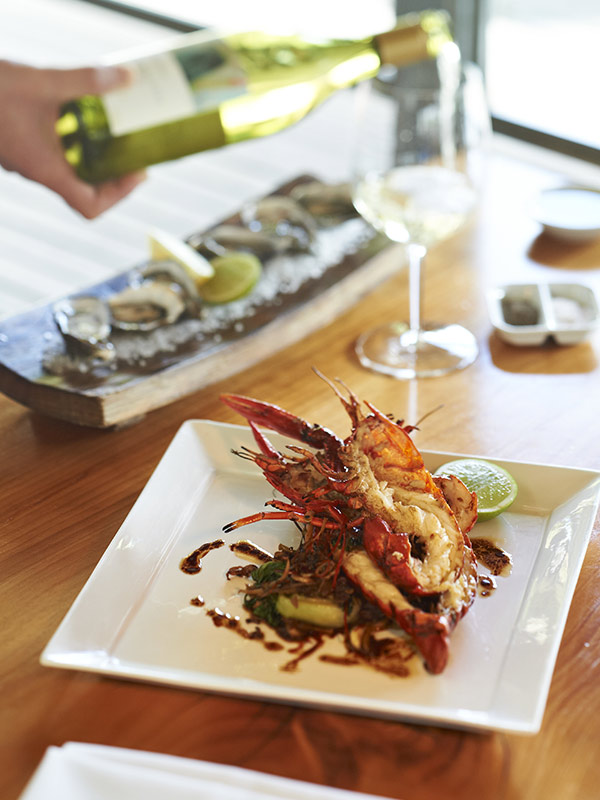
The nine-day Margaret River & Rottnest Discovery highlights fine wine, great food, art, music and local produce at Leeuwin Estate on the vineyard-packed banks of the Margaret River, pausing to explore the ancient underground caves and towering Karri timber forests. Start the journey with a ride on the iconic Indian Pacific and pop to Rottnest Island on the tail-end of the trip, with 10,000 quokkas to befriend and 63 gorgeous beaches to explore before lunch. With bubbles included, of course.
Treat your tastebuds at Leeuwin Estate. (Image: Tourism WA)
5. Savannah Way
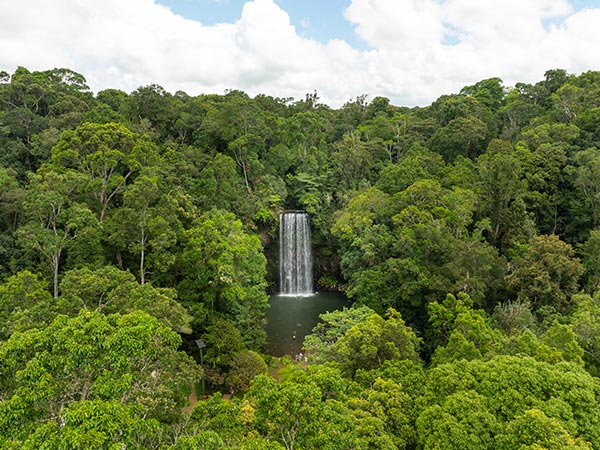
On this 15-day Leichhardt’s Savannah Expedition , Outback Spirit’s custom all-terrain Mercedes-Benz coaches cross two states from Cairns to Darwin. After visiting the most northerly camp of the Burke and Wills Expedition of 1860/61 and visiting the see-it-to-believe-it Millaa Millaa Falls (refreshing swim optional!), you’ll indulge in three nights at the million-acre Lorella Springs Station, a sunset dinner cruise on the Gulf of Carpentaria and a dip in warmed thermal pools in the middle of the wilderness.
Dive into Millaa Millaa Falls. (Image: TEQ)
6. Central Australia
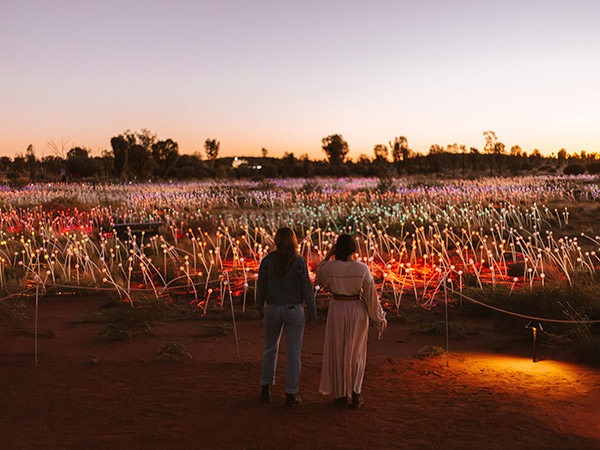
The captivating splendour of Uluru is the central focus of the eight-day Red Centre Explorer tour, which includes Alice Springs and Kings Canyon among its stops. Hosted on the sacred lands of the Pitjantjatjara and Yankunytjatjara Anangu, this itinerary is grounded in the landscape, with visits to the critically acclaimed Field of Light installation, a multi-course dinner under the stars at Ayers Rock Resort, and a didgeridoo performance to accompany bush-tucker-packed snacks all within the shadow of the sacred geological site. Awaken early for a sunrise over the pindan plateau, the image of which will remain in your memory for a lifetime to come.
Marvel at the Field of Light installation (Image: Tourism NT/ Lola and Jira/ Uluru Kata-Tjuta NP)
7. Flinders Ranges
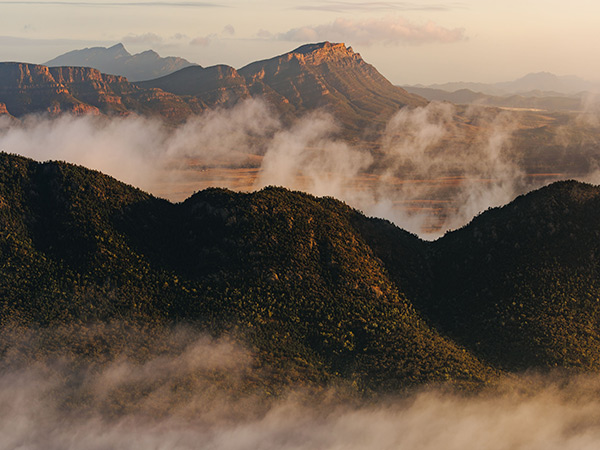
The remote South Australian landscape is your playground on the 11-day Outback South Australia tour, which takes in the sights (including Wilpena Pound and beloved Lake Eyre), sounds and flavours of the ‘festival’ state. At Arkaroola Wilderness Sanctuary, cosmos chasers will enjoy a tour of the stars at the accredited onsite astronomical observatory as endangered yellow-footed rock wallabies bounce in the dark. The next day, guests will take to open-air 4WDs with expert guides for the Ridgetop Tour to explore the breathtaking, unique 1600-million-year-old landscape within the Flinders Ranges.
See the impressive Wilpena Pound. (Image: Emile Ristevski)
8. Tasmania
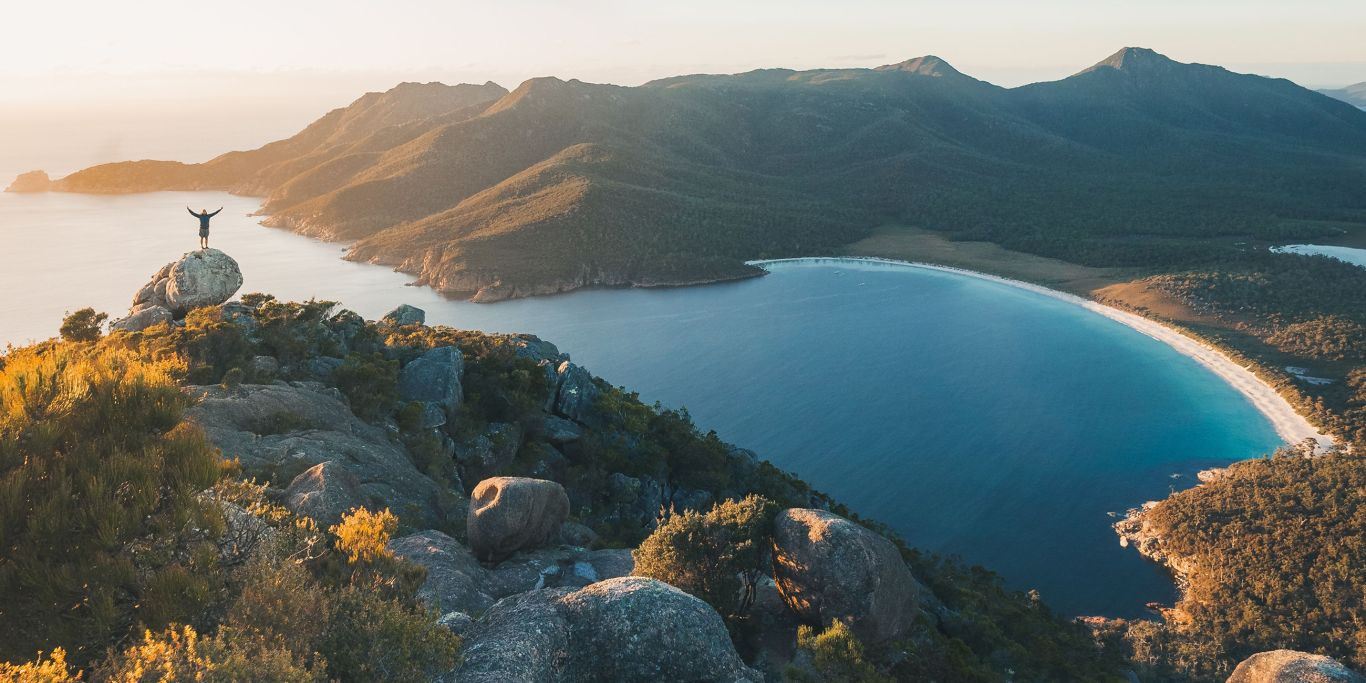
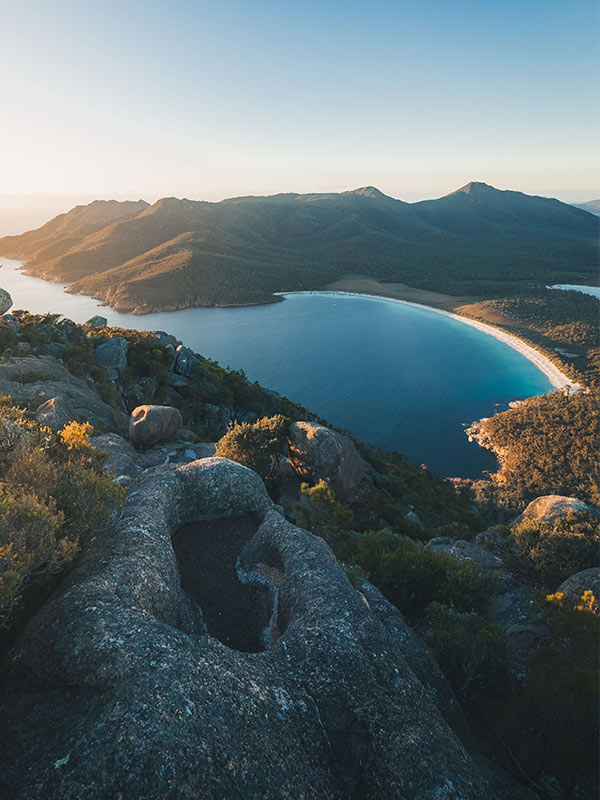
Take in stunning views from Cradle Mountain-Lake St Clair National Park (or, afterwards, from the comfort of Cradle Mountain Lodge) on the 12-day curated Tasmanian Wilderness Explorer itinerary. Taste the incredible food on Bruny Island and wander Wineglass Bay in Freycinet National Park. Traverse the glacial-formed Dove Lake on a 5.7-kilometre hike; soak up sombre history at Port Arthur; and pose with penguins in Penguin before settling in for the night at Outback Spirit’s suite of exclusive partner lodges.
See the spectacular Wineglass Bay. (Image: Chad Dewson)
Find your Outback Spirit with the 2026 season. Book now to receive Earlybird savings up to $2200 per person at outbackspirittours.com.au .