From game-changing light installations to murals and festivals that tap into the essence of a place, arts and culture have the power to reveal a destination to itself and those who visit.
Journey with our writers as they take you into Australia’s top emerging cultural experiences from our 100 Emerging Destinations and Experiences series.
1. Art illuminates the beating heart of Australia
Travelling with: Imogen Eveson
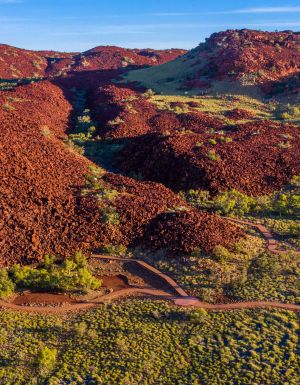
The same red centre journey that sparked the idea for Bruce Munro’s smash-hit installation at Uluru included a stop at Kings Canyon in Watarrka National Park. It, too, left a deep impression.
Some three decades later and seven years on from the debut of Field of Light, Munro has unveiled an immersive sound and light installation at Discovery Resorts – Kings Canyon , part of the final stages of a $20 million transformation that began not long after the property was acquired by G’day Group in 2021.
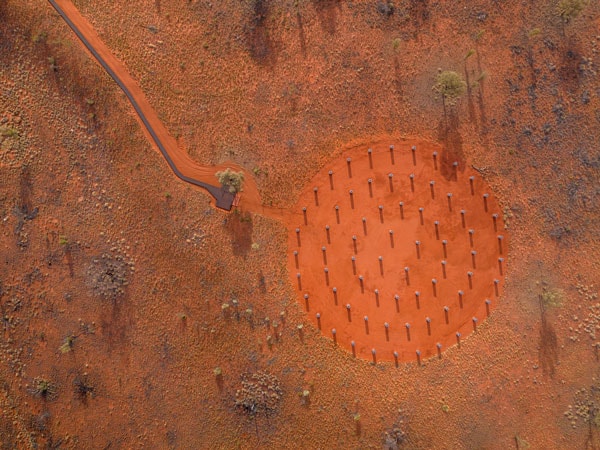
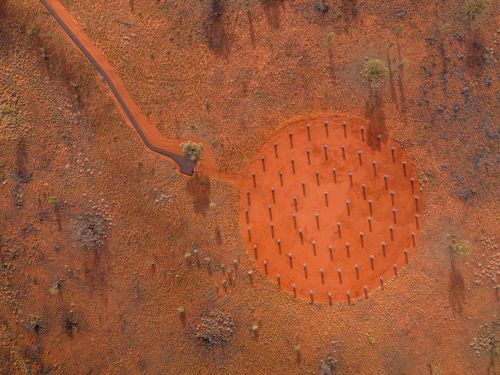
Light-Towers sees 69 two-metre-tall towers of solar-powered light pulse gently in the desert during sunrise, sundown and into the inky black of the night. A meditation on synaesthesia, connection and healing, the towers cycle through a spectrum of colours in response to a soundscape that reflects the musical diversity of many nations.
Wandering between them is a contemplative experience that works its magic softly and seeks to complement, but never upstage, the astounding natural environment it rests within. This is Munro’s creative expression of how the landscape makes him feel – joyful and connected – which he hopes will in turn resonate with visitors and prompt them to consider their own response.
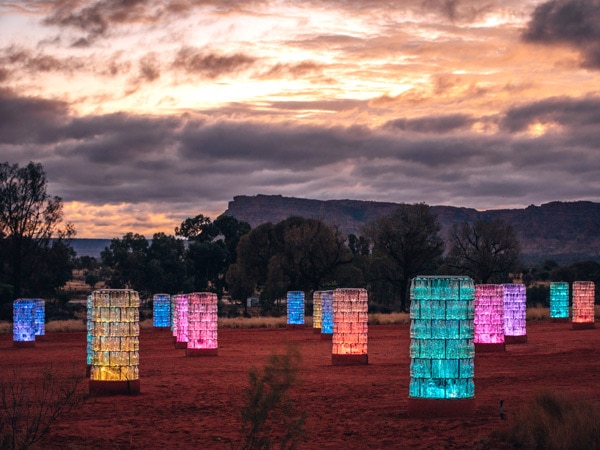
At the core of Light-Towers is the idea, posited by the book Gifts of Unknown Things by Lyall Watson, that Earth has a natural pulse that resonates at a rate of 69 beats per day. A heartbeat.
“And I’ve always associated the heart of Australia with this," says Munro. “This place has always given me those moments of reflection where I’ve felt this connection with the world around me."
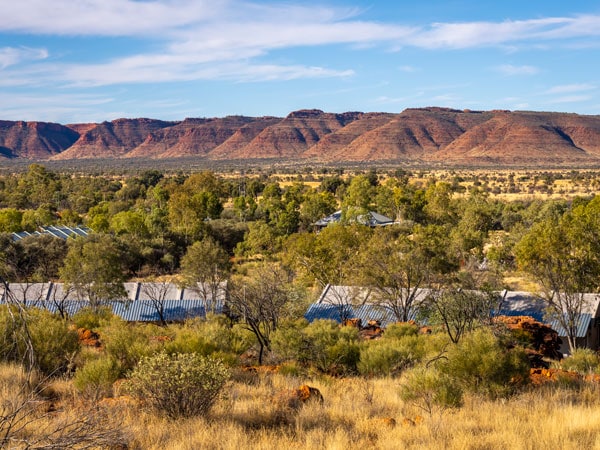
The installation is a reason to stay longer at Kings Canyon and explore the living landscape of Watarrka National Park. Tread lightly on half-billion-year-old rocks on the Rim Walk, see the abstract patterns cast by the land from above on a scenic helicopter ride or join a Karrke Aboriginal Cultural Experience.
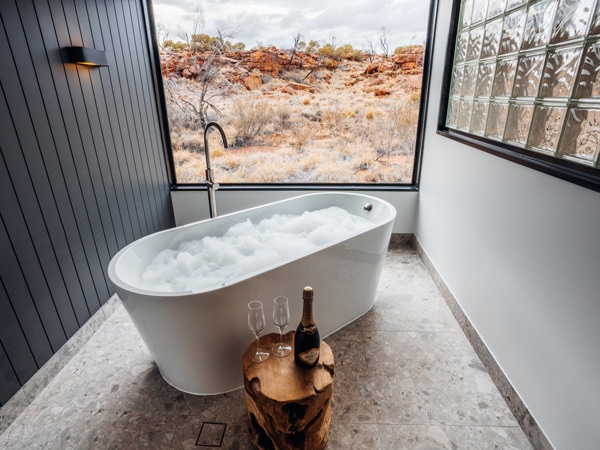
Then retire to one of the resort’s newly refurbished Deluxe Rooms to soak your muscles in a freestanding bathtub with a view out to a rugged red escarpment. And it invites you to experience the Red Centre Way in a whole new light; between Field of Light and the new Wintjiri Wiru at Uluru, Alice Springs with its Parrtjima light festival and now Light-Towers, this classic outback road trip is emerging as something of a light installation art trail.
2. Soaking up change in Mullum
Travelling with: Lara Picone
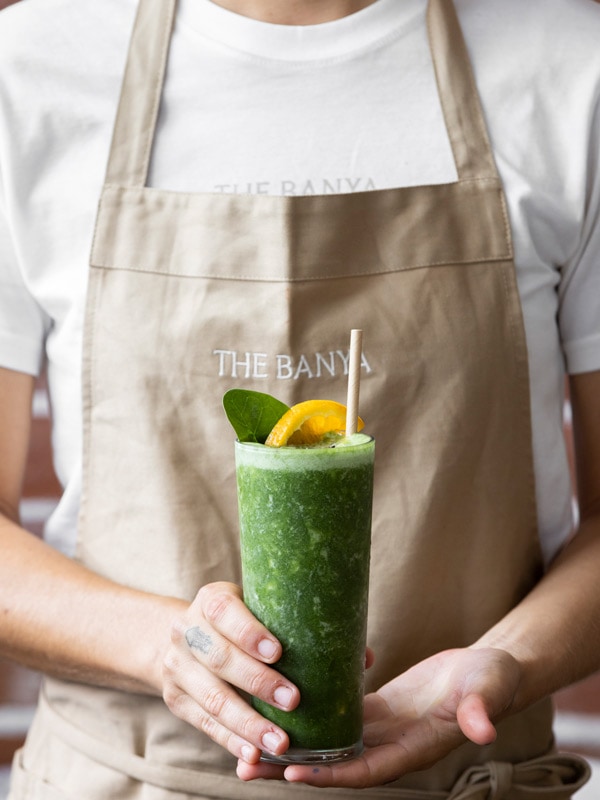
I rarely do things that alarm my body, but it’s physiological panic stations as I plunge into a 9°C cold pool. I employ every trick my astonished brain can muster to endure two minutes of extremity-creeping chills. Then, I’m out, and into a warm mineral spa. The contrast makes my limbs fizz like a Berocca in a glass of water. Cold gives way to a post-adrenaline state of calm, allowing me time to soak in the magnesium-enriched water and my surroundings at Mullumbimby’s bathhouse, The Banya .
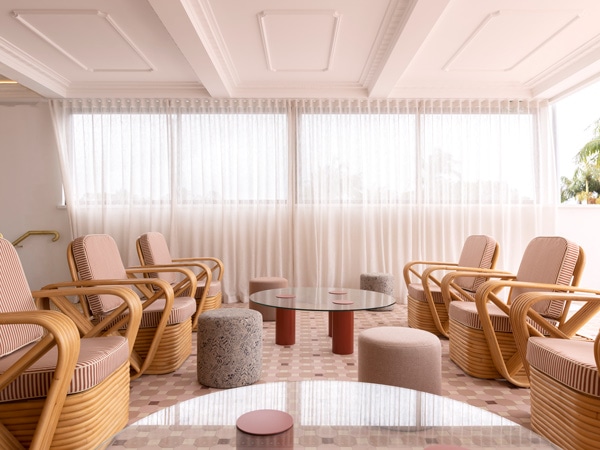
Opened in December 2022, if one is ever compelled to force their body into a series of hot and cold sensations, The Banya is an agreeable place to do so. The space is well-styled to enhance a sense of unmitigated relaxation.
Polished green and white marble tiles line the plunge pool and spas; white-washed walls encircle the traditional woodfired sauna, punishingly hot steam room and bucket showers; and lounging nooks topped with terracotta pots conjure Mediterranean beach club vibes. Throughout, gentle Art Deco touches honour the original architecture of the 1920s former bank.
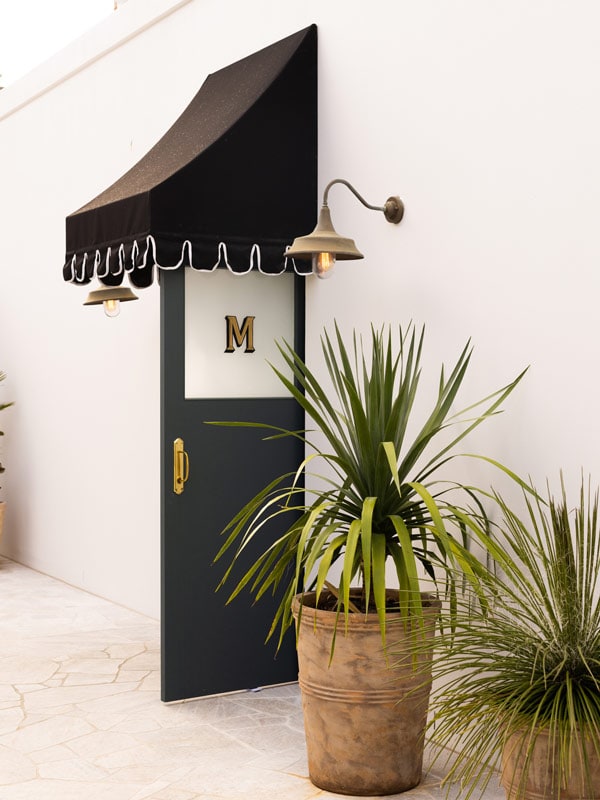
The Banya would make sense in Biarritz, Bali and nearby Byron Bay, yet it’s the last thing I’d expect to see in rural and alternative-leaning Mullumbimby. It draws a line in the sand, accelerating Mullumbimby’s inevitable gentrification.
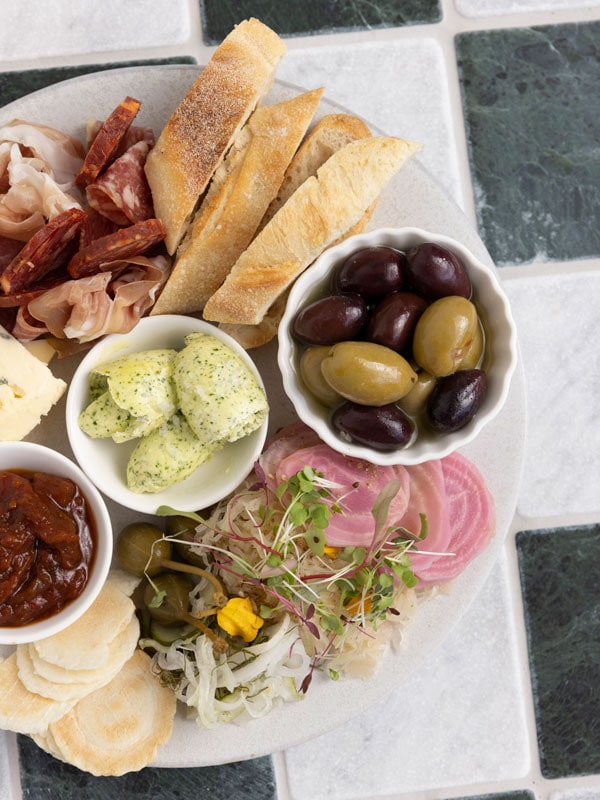
Inspired by Russian bathhouse culture, The Banya encourages the social aspect of communal bathing, helping the community to feel welcome and included in the transformation of their hometown. Judging by their serene smiles, they’re embracing the benefits Mullum’s proximity to Byron will continue to attract. 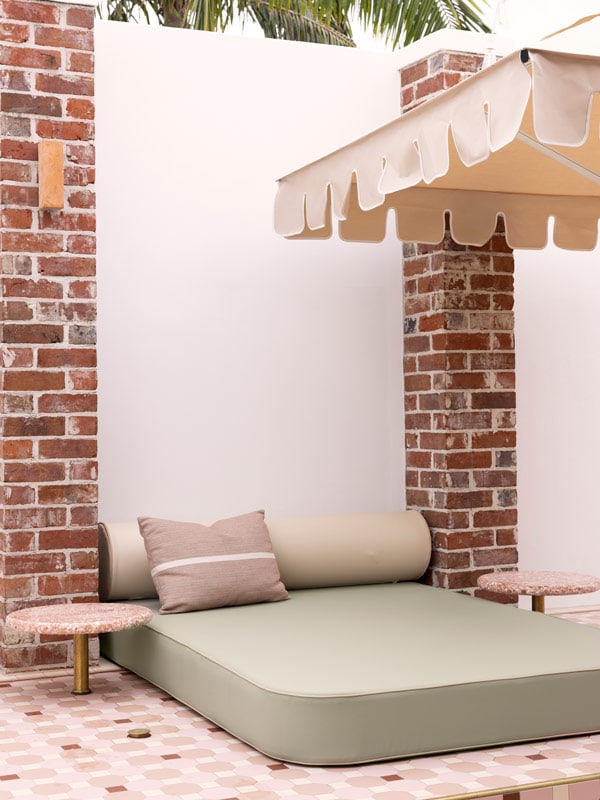
Lounge around on shaded day beds. (Image: Kristian Beek)
As Byron Bay has swelled with prosperity over the past few decades, spilling into the nearby towns of Bangalow and Brunswick Heads, Mullumbimby, just 20 minutes north, remained the final stronghold of affluence adverse hippie types. While gentrification has always been inevitable, it was taking its time. That was until The Banya opened, essentially drawing a line in the sand of what Mullumbimby was and what it will most certainly become.
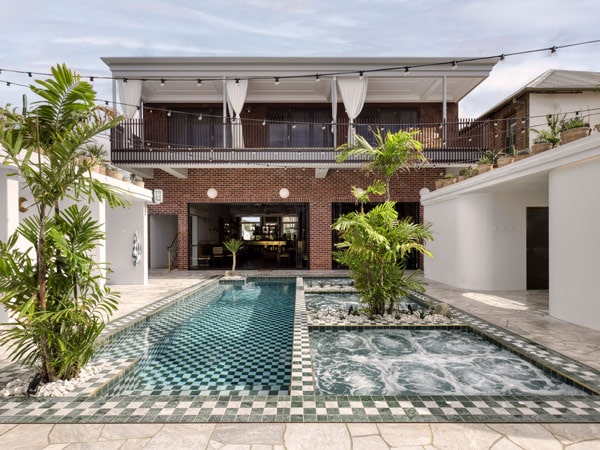
You’ll pay: A very reasonable $60 for 90 minutes using the bathhouse facilities, but you’re welcome to stick around after your session for a bite, a massage or just to lounge about.
Where: 35–37 Burringbar Street, Mullumbimby. It’s just 20 minutes north of Byron Bay and 10 minutes west of Brunswick Heads.
3. Kickstarting Queensland’s outback for every generation
Travelling with: Quentin Long
The population of Julia Creek, the tiny outback town three hours east of Mount Isa swells from 400 to 3000 deliriously happy revellers over a weekend in April.
The Dirt n Dust Festival is a celebration of the Outback Queensland spirit. Festivalgoers can take on the Adventure Run – the mud bog obstacle is the highlight – and don their party frocks or fancy dress (after a quick scrub-up) for a day at the outback races. The party continues every night as cowboys battle broncs and bulls at the rodeo and music takes the party well into the night.
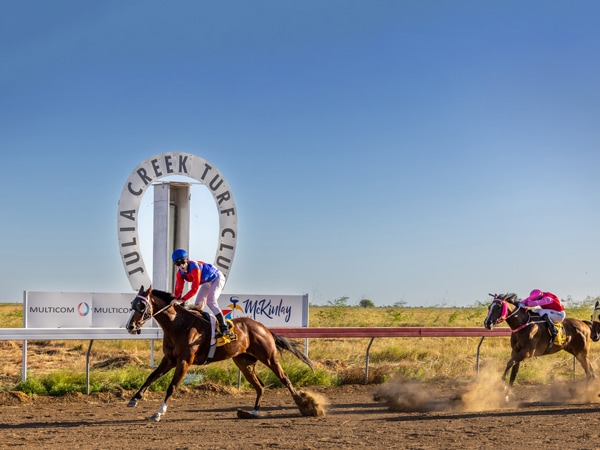
The outrageous Australia’s Best Butt competition anoints a duo of cheeky winners after two nights of tushy shaking. While the festival is a world of fun, it is crucial for the long-term health of the local community; it brings the town a much-needed injection of funds at the end of a long, quiet summer. And more importantly, Dirt n Dust is managed by and attracts the next generation of outback community leaders who will carry the spirit of Queensland’s outback forward.
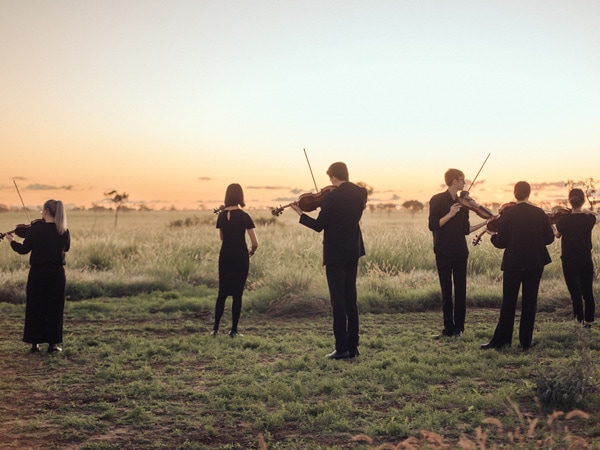
While Dirt n Dust kicks off the season, the entire outback winter calendar is crammed with events. Highlights include the Outback Festival (biannual September school holidays), Festival of Outback Opera (Winton and Longreach in May; below), Birdsville Big Red Bash (July), Boulia Camel Races (July) and Mount Isa Rodeo (August).
4. WA’s next big festival
Travelling with: Fleur Bainger
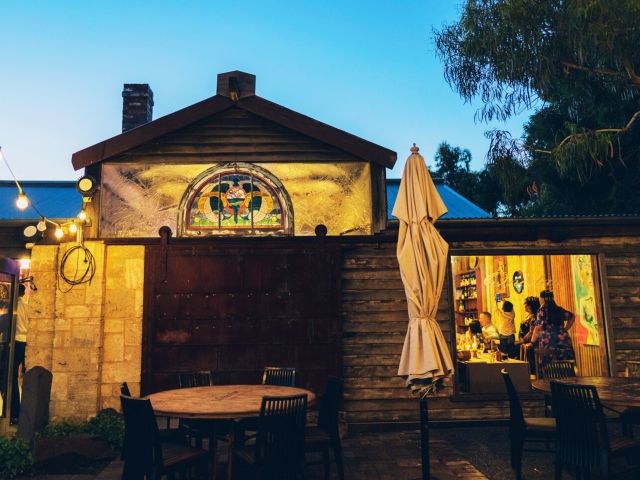
The two-year-old Fine Vines Festival in Margaret River is the exuberant wild child of wine festivals, shaking up what’s possible with its gleeful grassroots approach.
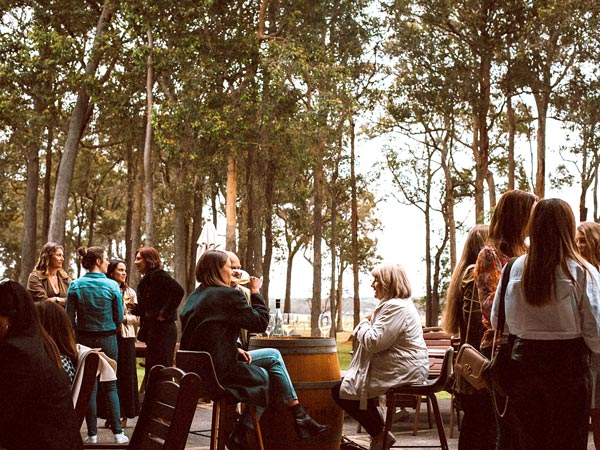
For starters, there’s a fierce focus on natural and garage winemakers, plus a deliberate effort to open up wineries that have no cellar doors (and therefore, usually can’t be visited), opening farm gates that are otherwise closed. There are also one-off dinners, tastings and art events in barrel rooms you’d never usually see.
Billed as ‘the insider’s insider tour’, The Somm Trek – in which a sommelier leads 20 guests through five vineyards normally inaccessible to the public – is already sold out. Instead, try Mozzarella in the Cellar, combining mozzarella-making with a wine masterclass, or Wine on the Water, where whale-watching and vino-sipping collide. It’s all happening 20–29 October.
5. An old Tasmanian town with new prospects
Travelling with: Elspeth Callender
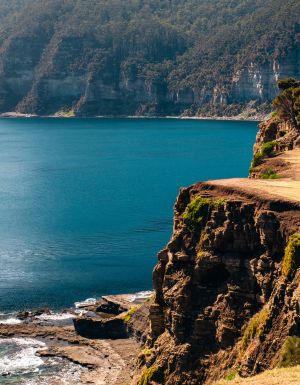
Queenstown, on the West Coast of lutruwita/Tasmania, is in the process of reinventing itself while also working hard to maintain and celebrate its unique identity. We’re all invited to be part of this evolution.
Thousands of generations of people of the South West Nation sustained the health of this area’s buttongrass plains, sparkling waterways, cool temperate rainforest and pink-tinged conglomerate peaks.
Then, in the 1890s, capitalist greed blundered in with its clear felling, pyritic smelting and sulphurous rain. By 1900, Queenstown was an established mining centre of the region. It stayed that way until the Mt Lyell Mine closed in 2014.
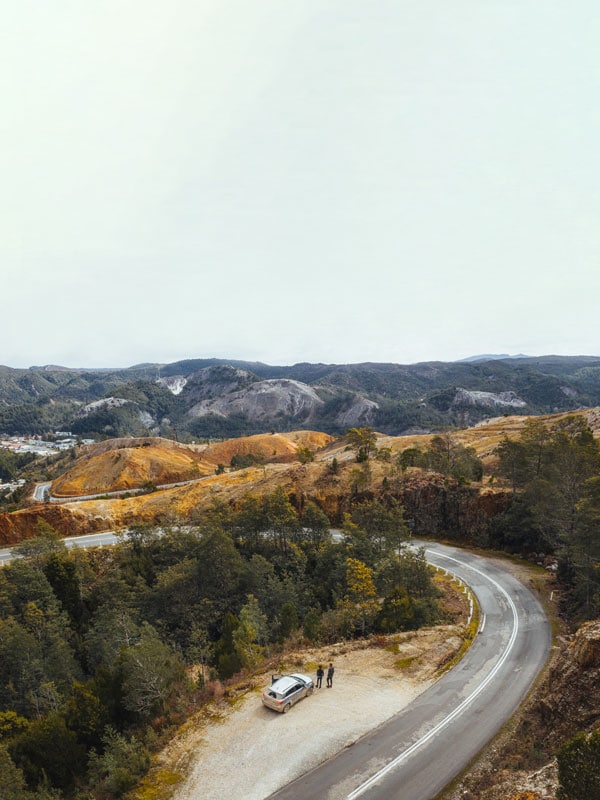
On approach to Queenstown from nipaluna/Hobart on a sweeping Gormanston bend, looms what was once the Royal Hotel in Linda. Since last drinks were poured in 1952, it’s been stripped of everything but its potential. The adjacent relocated Hydro building is now Linda Cafe.
From there, a snaking section of the Lyell Highway, called ‘the road of 99 bends’, crests between the shoulders of Mt Lyell and Mt Owen and switchbacks down into Queenie where you’ll find the town’s first-ever wine bar: Moonscape.
Outdoor adventure companies such as RoamWild, King River Rafting and the main Franklin River rafting operators aren’t trying to build lodges in the World Heritage Area but be agents for conservation. The town’s new mountain-biking network includes beginner and double-black diamond trails.
Artists have always been in Queenie, but creative expression is more accepted these days. There are multiple mural spaces and art galleries, a graphic design studio on Orr Street and various artist-in-residence programs. Printmaking collective PressWEST now exists within a former primary school.
The Unconformity biennial arts festival takes place from 19–22 October this year. As always, it invites artists from anywhere to interrogate Queenstown’s past through site-specific works and encourages visitors to take a scenic drive and be part of the town’s ongoing journey.
6. Head back to Ballarat
Travelling with: Jo Stewart
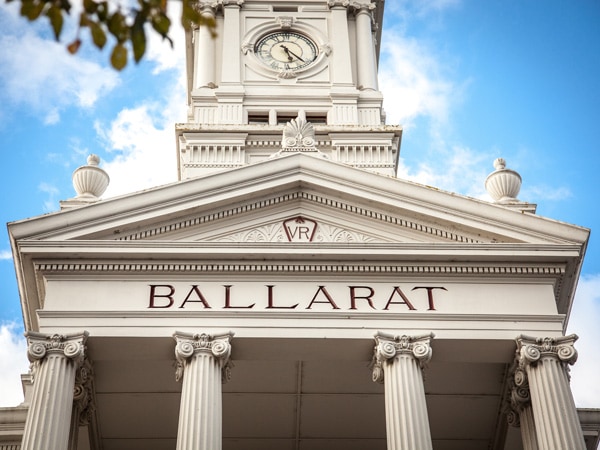
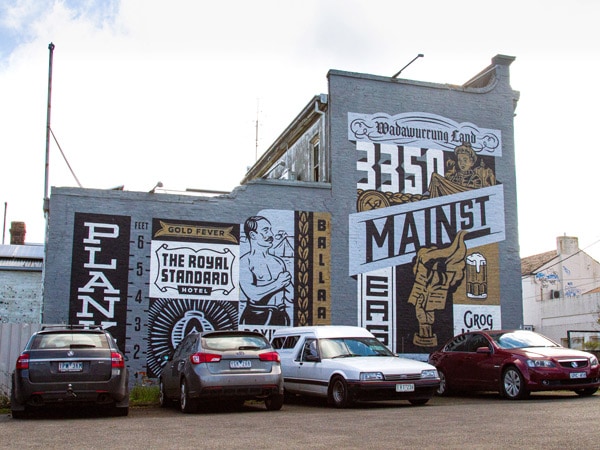
If you haven’t been to Ballarat in a while, prepare to be surprised. An enduring school excursion and family holiday favourite (thanks to longstanding attractions such as Sovereign Hill and Kryal Castle), Ballarat has matured into a city where timeworn traditions are honoured in new ways.
Opened in late 2022, the Centre for Rare Arts and Forgotten Trades is giving people from all over Australia a solid reason to revisit Victoria’s largest inland city. Riding a wave of interest in keeping traditional arts, crafts and trades alive, the hub is welcoming visitors to learn skills that have fallen by the wayside over the years.
Ever wondered how to plait straw into traditional harvest knots? How about crafting your own split cane fly-fishing rod or traditional English-style, horn-nocked self-longbow? (With reverse-twisted, Flemish-looped bowstrings, of course.)
If you hadn’t already guessed, there’s nothing paint-by-numbers about these workshops. After being taught by masters of the trade, you’ll walk away with much more than technical skills – you’ll get a geography, culture and history lesson too.
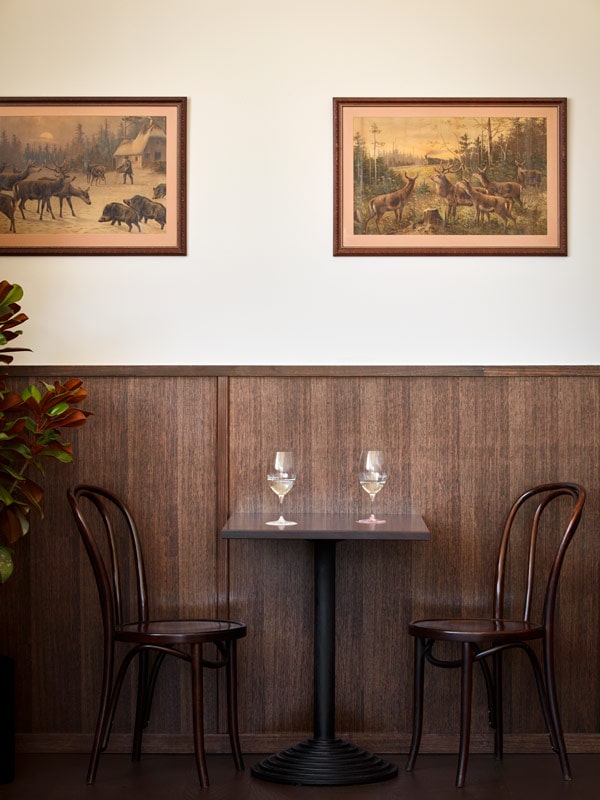
Elsewhere in town, new eateries open every month. Newcomers include Euro-inspired Ellington’s Wine Bar , old-world degustation experience Peasant and Earls Deli, which shares a building with sustainable community housing built by a not-for-profit. Earls takes the basics (sandwiches, condiments, coffee) and makes them shine. Try a classic Reuben sandwich or a culinary mashup such as a cacio e pepe toastie. The deli is easy to spot thanks to the restored jelly crystals sign on the wall above, a nod to a historic local business that may be gone but hasn’t been forgotten.
7. Wintjiri Wiru lights up the skies at Uluru
Travelling with: Elizabeth Whitehead
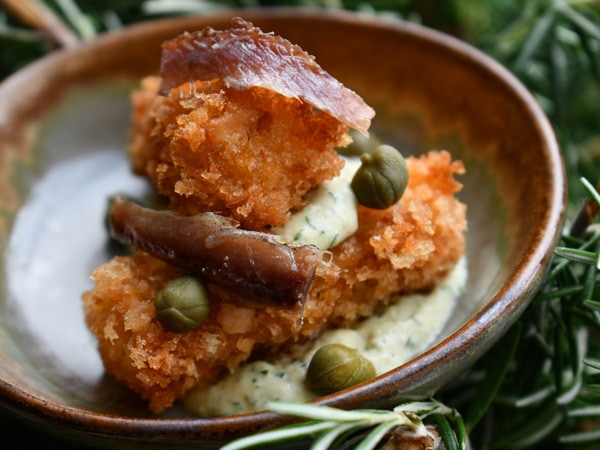
There’s no magic quite like the glittering desert skies. But Wintjiri Wiru is the new light show set to take Uluru’s nightscapes to a new level of brilliance from May. The sky will become a canvas for the telling of an ancestral Anangu story, brought to life by more than 1000 drones and recordings in Pitjantjatjara and Yankunytjatjara languages.
Ancient storytelling meets modern technology to recount the Mala story about a feud between the Mala people and the Wintalka men. The signature experience will be accompanied by a sunset dinner, after which you’ll settle into an open-air desert theatre and wait for the show to begin.
8. A festival for grown-ups in Adelaide
Travelling with: Alexis Buxton-Collins
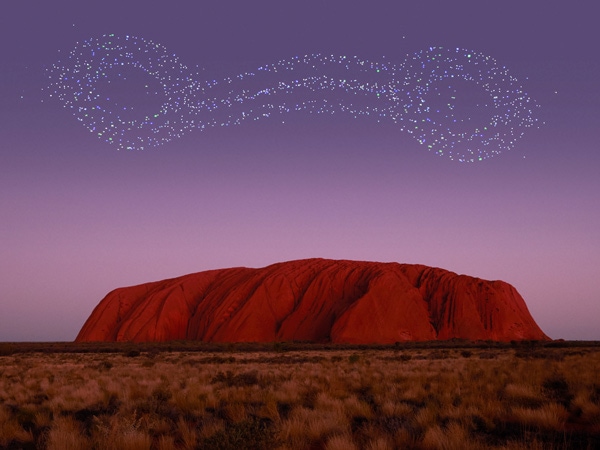
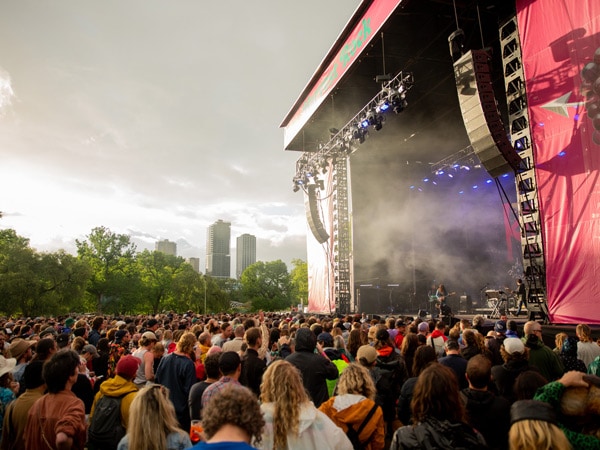
Harvest Rock is a music festival for people who’ve outgrown dusty mosh pits, long lines at the bar and overflowing loos, drawing crowds in for its rock-star chefs as much as its actual rock stars.
The inaugural 2022 festival saw headliners such as Jack White, Crowded House and Khruangbin share top billing with arkhé’s Jake Kellie, who cooked up a feast of flame-grilled share plates paired with wines selected by renowned critic Nick Stock.
Elsewhere, punters could find natural winemakers hosting tastings and an entire bar devoted to non-alcoholic options. Add to that a central location in the leafy parklands and plenty of space to move around. It’s the perfect festival for people who appreciate a boogie and a good meal but want to wake up feeling good the next morning.
9. Get exclusive access to Australia’s cultural assets
Travelling with: Megan Arkinstall
Money-can’t-buy experiences can, in fact, be bought, thanks to Cultural Attractions of Australia. This collective of the country’s most iconic galleries, sporting grounds and performing arts venues has tailor-made experiences that everyday folk wouldn’t otherwise have access to.
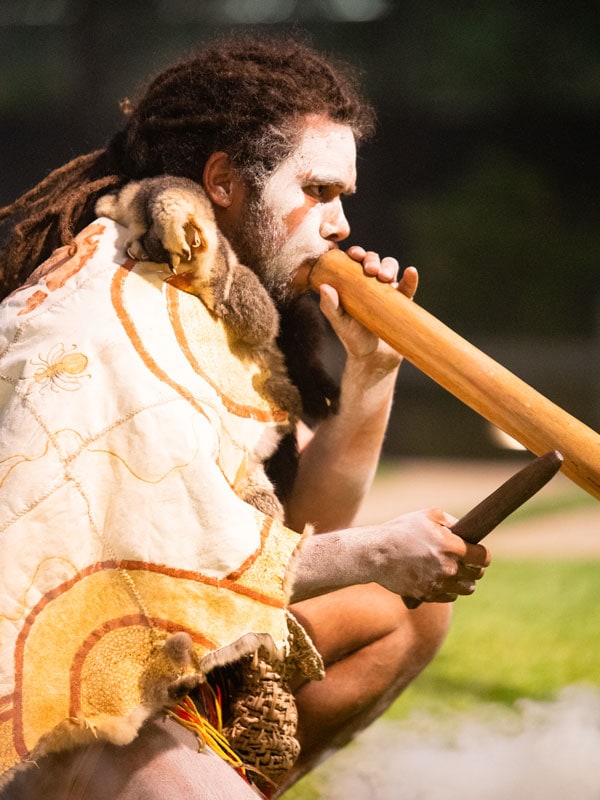
Imagine viewing masterpieces in Canberra’s National Gallery of Australia when the doors are locked to the general public. Or spending an exclusive evening immersed in Indigenous art and dining at Brisbane’s QAGOMA. What about gaining behind-the-scenes access to the players’ rooms and inside the century-old scoreboard at Adelaide Oval?
It’s also worth splashing some cash on a private dinner under the 24-metre blue whale skeleton at WA Museum Boola Bardip in Perth.
10. The rise and rise of regional galleries
Travelling with: Carla Grossetti
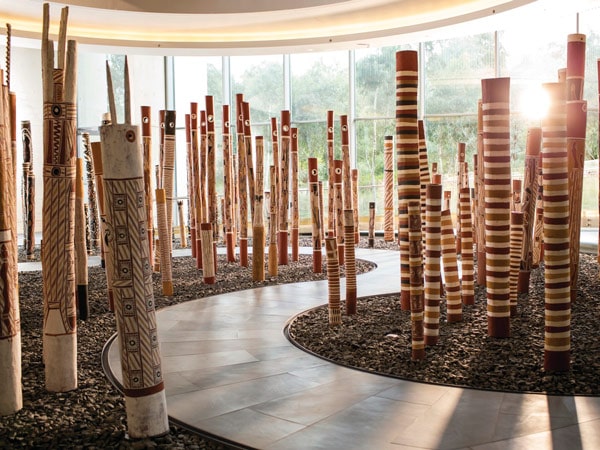
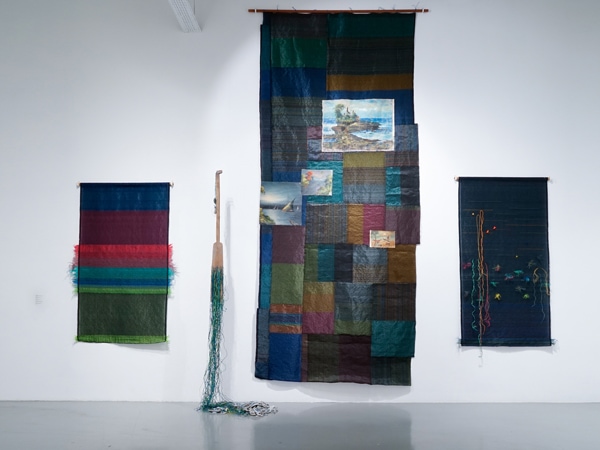
Kunmanara Carroll was a Luritja, Pintupi and Pitjantjatjara man based in Pukatja/Ernabella in the Anangu Pitjantjatjara Yankunytjatjara (APY) Lands of South Australia. Until his passing in 2021, Carroll worked with clay and paint to form artworks that told stories about his ancestors, culture and identity.
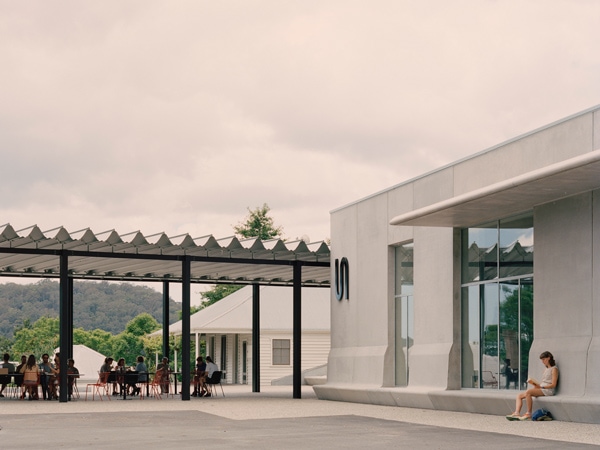
A series of these earthy, organic vessels form part of the upcoming Kunmanara Carroll: Ngaylu Nyanganyi Ngura Winki (I Can See All Those Places) exhibition to be featured this year at the Shepparton Art Museum (SAM), which opened its doors in November 2021.
The artworks on show in the new $50 million Denton Corker Marshall-designed SAM are emblematic of the dynamic gallery scene now flourishing in regional Australia.
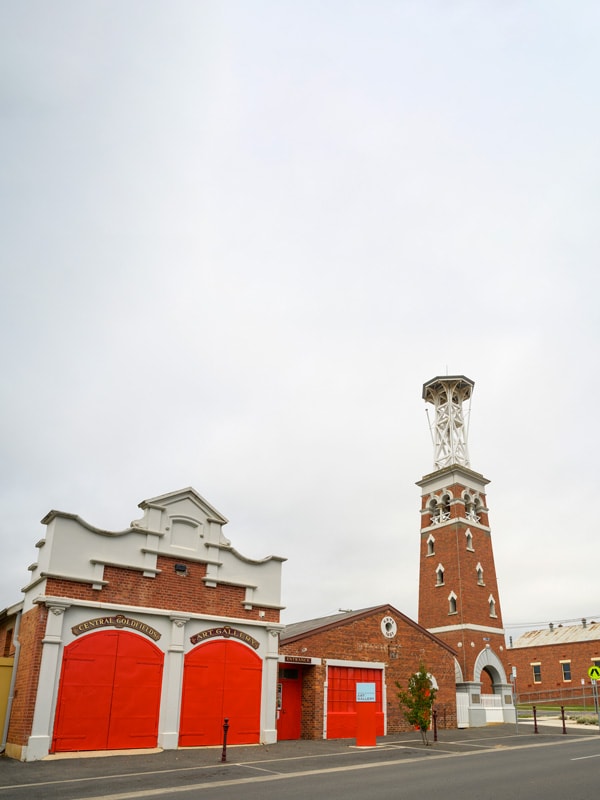
The newly transformed Central Goldfields Art Gallery in Maryborough is another cultural attraction drawing visitors to regional Victoria. The gallery reopened in March 2023 with the headline exhibition Ladder to the Stars: Dean Bowen Sculptures after undergoing a $2.28 million upgrade.
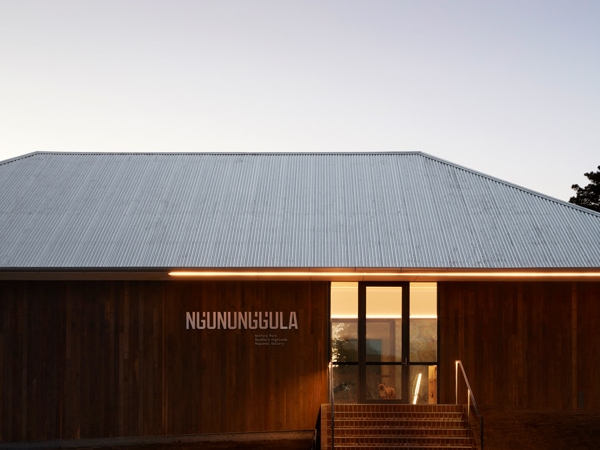
The reimagined 19th-century fire station is worth a visit in its own right. There is also a vibrant arts scene unfolding in the Bega Valley with the South East Centre for Contemporary Art (SECCA), the latest place-making attraction in regional NSW following the double-whammy openings of Bundanon and Ngununggula, Southern Highlands Regional Gallery in recent years.
The state-of-the-art SECCA gallery is set to open its doors soon after a major $3.5 million redevelopment and expansion. The art centre will be dedicated to nurturing local talent and acknowledging First Nations people while providing a platform for artists to express their diverse political, social and cultural beliefs. Whether classic, contemporary, cool or creative, gallery-hopping is an inspired way to connect an ever-widening audience of art lovers with regional communities. We’re all for it.
11. Street art comes out from underground
Travelling with: Carla Grossetti
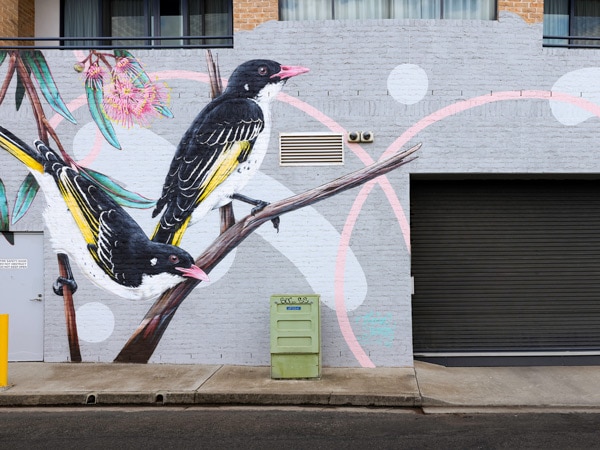
You know the graffiti movement has gone global when it cements itself in the regional NSW town of Griffith. Head to Banna Lane in its backstreets to find a wall of works that includes a striking rendition of painted honeyeaters signed by artist Thomas Jackson.
The UK-born Australian artist draws inspiration from nature to paint large-scale murals of wildlife listed as vulnerable species.
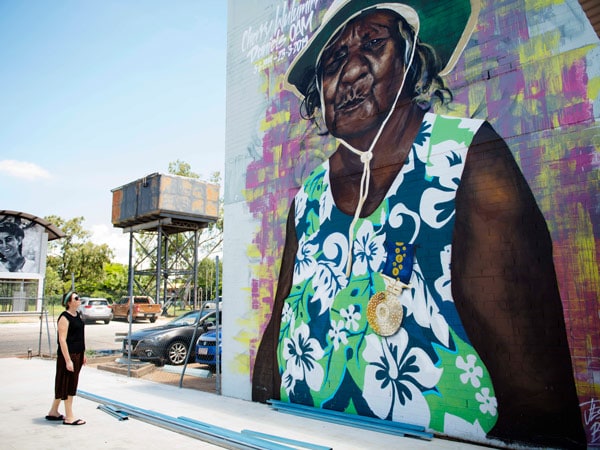
There is a long-held tradition of street artists acting as social commentators to present their interpretation of the world and what they see as important. And there are great examples of street art providing more context to the built environment everywhere from Newcastle to Dubbo, Kiama, Perth, Shepparton and Katherine.
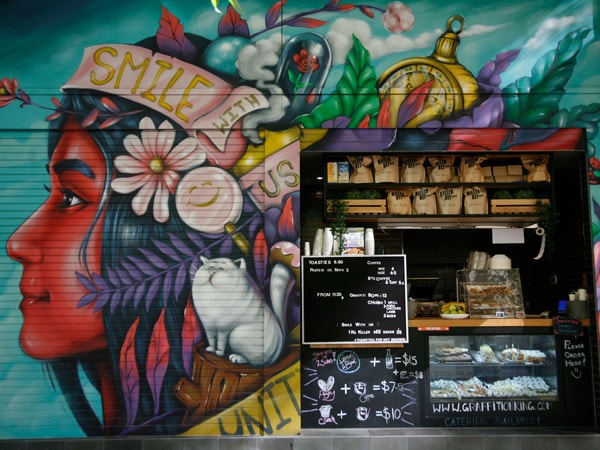
Progressive councils across the country have recognised that life looks different when viewed through the eyes of a street artist and are now inviting them into public spaces to tell stories about their cultural identity. Our urban environments are all the better for it.
These intense layerings of paint on plaster or brick add more than splashes of colour to the edges of society’s broader fabric. It’s an expansive, albeit ephemeral, archive of people and community.
12. Live la dolce vita in Cairns
Travelling with: Carla Grossetti
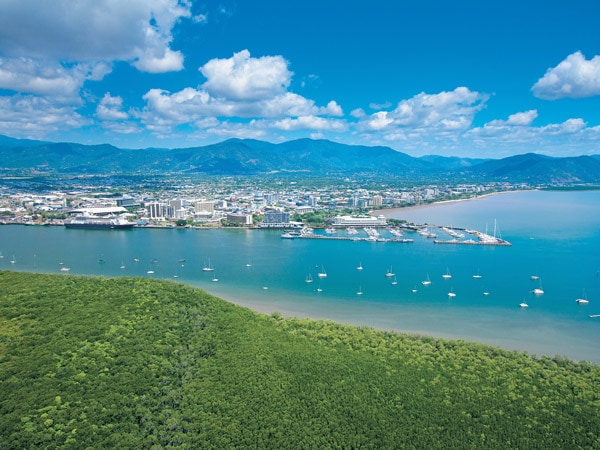
Salami operates as its own currency in Tropical North Queensland. And visitors to this year’s Cairns Italian Festival will get to decide which homemade version is the best at the Salami and Sausage Competition.
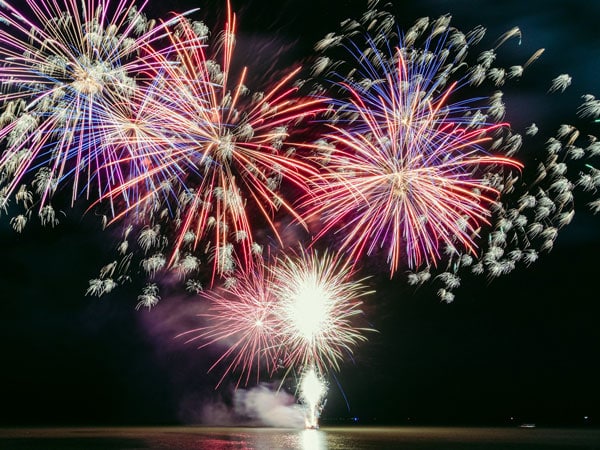
Feasting, folk dancing, fireworks, cooking classes and cultural talks are at the heart of the 10-day festa, set to return for its second year in 2023. The festival is a celebration of the influence of many Italian migrants, including my late nonno and nonna, who came to TNQ in search of a better life.
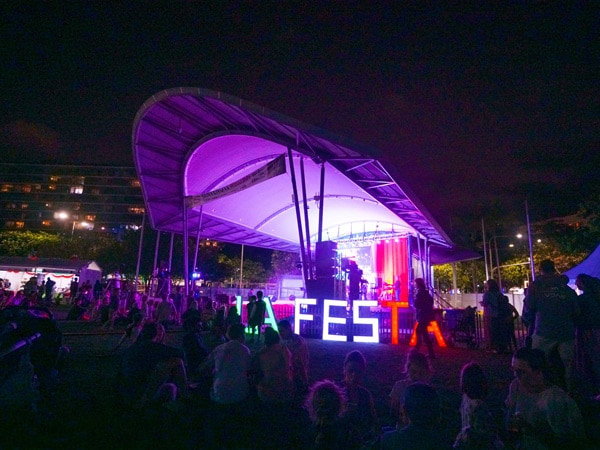
Highlights of the festival include Opera on the Reef, Carnevale Gala Ball and La Festa, where you can purchase everything from handcrafted biscuits to sweet, rich passatas.