10 natural wonders to see around Australia

hero media
Deep chasms, cascading waterfalls, emerald waterholes. Rocks that pierce blue skies. Hyper-green rainforest. Night-sky phenomena. This wide, brown land holds plenty of natural colour and beauty.

This article is part of our 100 Australian Wonders series. Throughout the series, we explore our nation’s wonders across culture, nature, food, islands and many more. We hope it inspires your own exploration of Australia’s many wonders.

1. Tasmanian Wilderness World Heritage Area

Travelling with: Fleur Bainger

Bring tissues on a nature cruise down the Gordon River, meandering through the lesser-visited western edge of Tasmania where the Franklin Dam project was proposed. You may well be brought to tears by the beauty of Huon pines rising from riverbanks, reflected in mirror-like stillness. Some of these conifers are aged at up to 3000 years, mere saplings at the time of Alexander the Great. They were nearly all lost to damming in the 1980s – cue more tears.
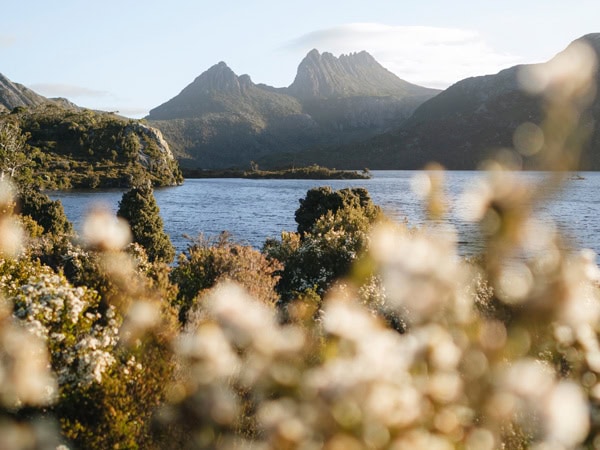
scenic views from the Cradle Mountain
The bushland surrounding Cradle Mountain is home to Australia’s most unique wildlife. (Image: Tourism Australia/Ain Raadik)

This, and about one-fifth of Tasmania, is protected by the Tasmanian Wilderness World Heritage Area. It’s one of only two places on the planet to meet seven out of 10 UNESCO criteria.
a man standing in the middle of a megalith
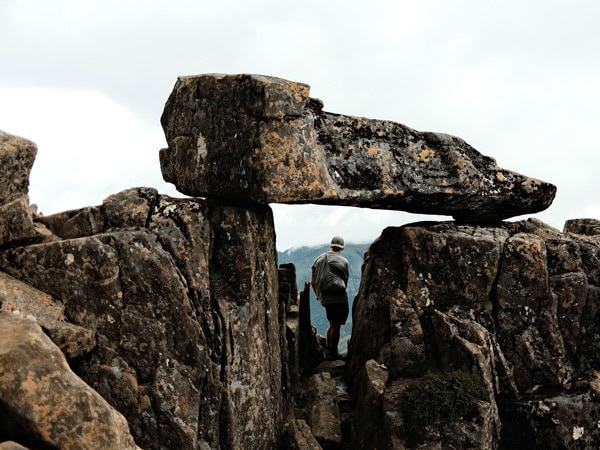
Explore stunning landscapes on one of the 20-plus self-guided walks. (Image: Tourism NT)

The zone also scoops up Cradle Mountain, where more than 20 self-guided walks, most on narrow, slatted boardwalks, encourage repeat visitation. The Dove Lake Circuit, with its Instagrammable boatshed, might be the most recognisable, and the Overland Track the most challenging. But it’s the Enchanted Walk and King Billy Walk that will steal your heart as you’re enveloped by moss-clad trees that will shelter you from the feathery rain.
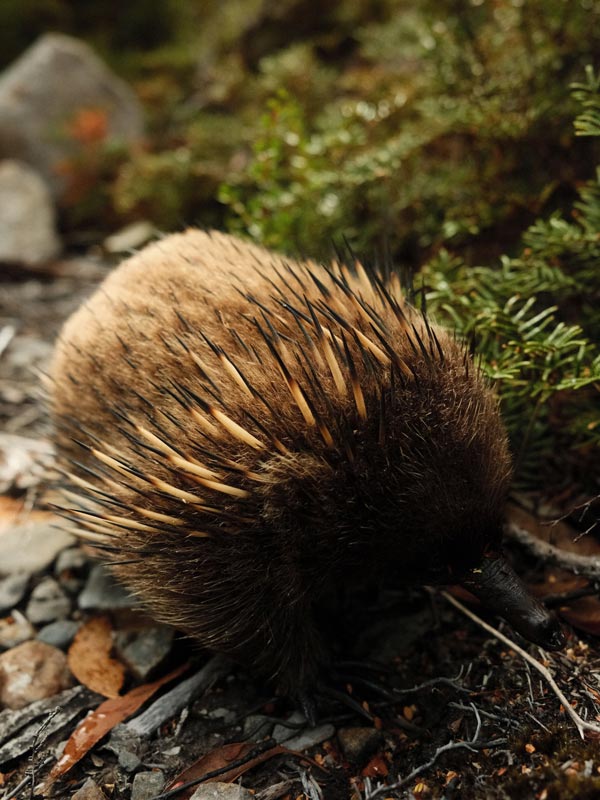
An echidna in the wilds of Tasmania
Spot an echidna. (Image: Blake Lisk – Pillar Creative)

2. Aurora australis, Tas

Travelling with: Elizabeth Whitehead

The northern lights top bucket lists around the globe, but this natural phenomenon is closer than many realise. The aurora australis, or the southern lights, are often spotted dancing across Tasmania’s otherworldly starscapes.
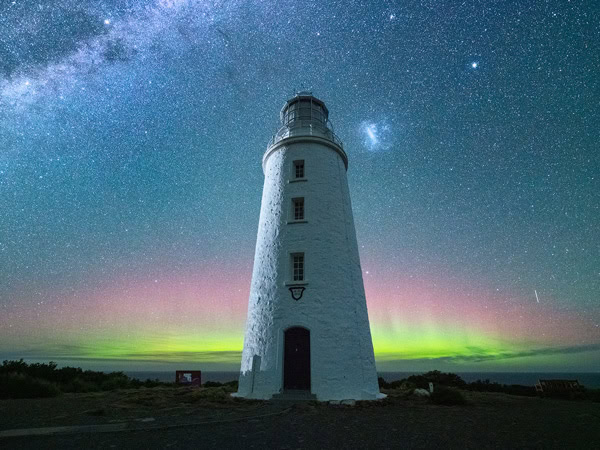
the Aurora Australis at Cape Bruny Lighthouse
See the spectacular Southern Lights at Cape Bruny Lighthouse. (Image: Luke Tscharke)

The further south you go, the more likely you’ll catch the mysterious ribbons of light billowing out in a technicolour show of red, green and blue. Some of the best spots to stake out include Bruny Island, Cradle Mountain and kunanyi/Mt Wellington. Bring a camera and a coat.
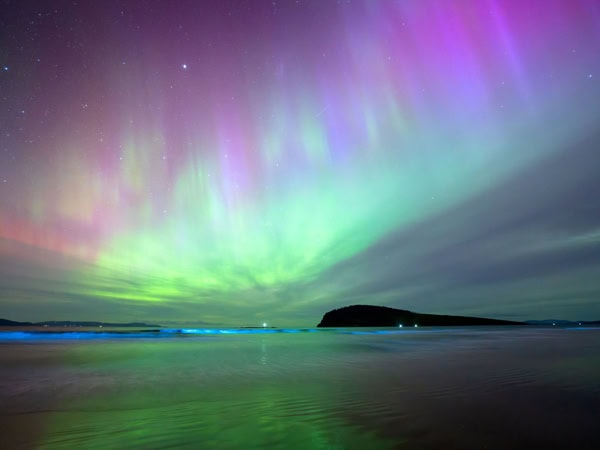
incredible views of Aurora Australis
Bask in the glory of Aurora Australis. (Image: Luke Tscharke)

3. Gorgeous gorges across Australia

Travelling with: Megan Arkinstall

The second widest gorge in the world, pipped only by the Grand Canyon, is in NSW’s backyard. Capertee Valley is cradled by sandstone cliffs that have been carved over millions of years.

Australia’s vast landscape is punctuated by manifold gorges, including Nitmiluk (Katherine) Gorge in the Top End, which comprises 13 ravines sliced by the Katherine River.
the Joffre Gorge at Karijini National Park
The Joffre Gorge is a standout with its curved rock formations. (Image: Tourism Western Australia)

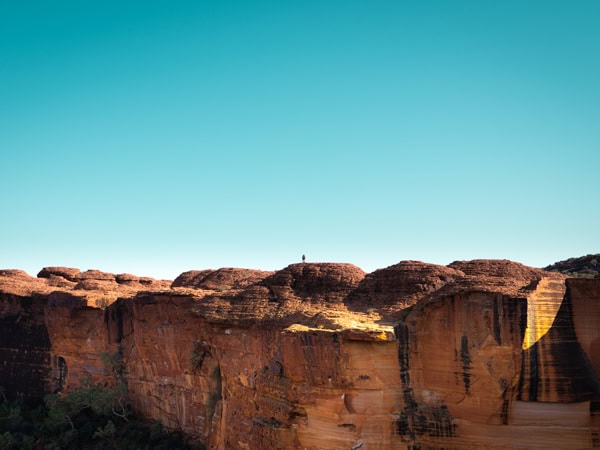
Towards the navel of the country, the mighty red cliffs of Kings Canyon span up to 300 metres in height, providing breathtaking views across the desert.

Western Australia’s claim to gorge fame is the spectacular Karijini National Park, a tropical semi-arid landscape where fern-lined swimming holes and gushing waterfalls are hidden within the vertical rock faces.
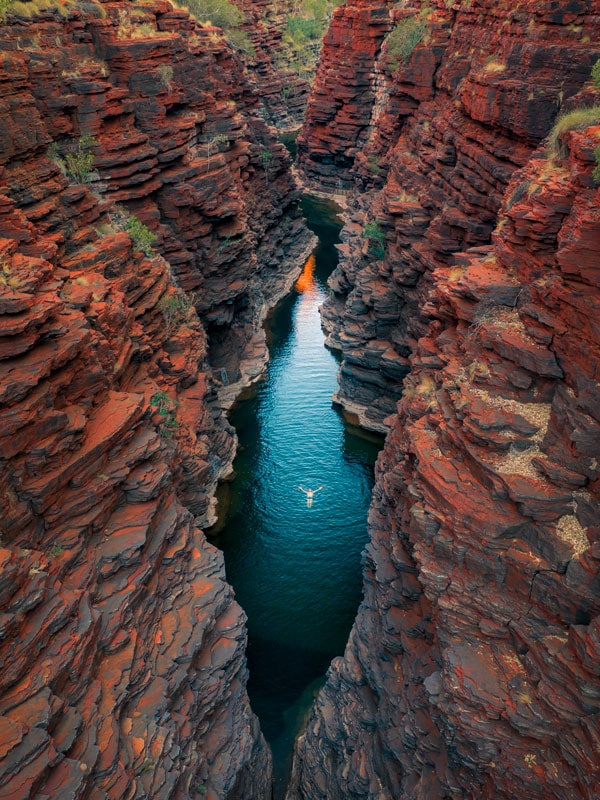
an aerial view of an ancient gorge at Karijini National Park
Swim through the ancient deep gorges at Karijini National Park. (Image: Tourism Western Australia)

4. Kiama Blowhole, NSW

Travelling with: Carla Grossetti

When the tide is right, the whoosh of water that blasts out of Kiama Blowhole splits the silence open. In fact, when the vertical blowhole on the NSW South Coast hits its peak at more than 30 metres, it is so loud that it drowns out the delighted squeals of the thousands of visitors who congregate here each year. The foundation for this geological wonder – the largest blowhole in the world – was laid from volcanic lava more than 260 million years ago. And while the nearby Little Blowhole is not as flamboyant, it’s also a wonderful place to watch the water wash in.
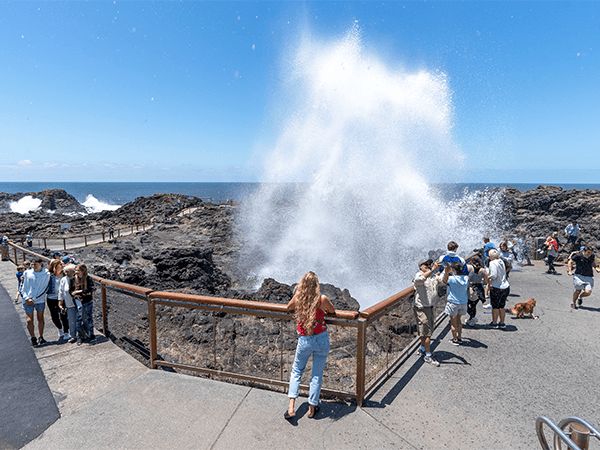
Kiama Blowhole
Kiama Blowhole releases plumes of water as high as 30 metres. (Image: Kiama Municipal Council)

5. Australia’s wonderous waterfalls

Travelling with: Carla Grossetti

Waterfalls in Australia can go from a tumbling trickle to a thundering roar after a sheeting downpour in the wet season.

Expect a couple of jungle nymphs to swing from the liana vines near Fairy Falls in Tropical North Queensland. Pack your bathers for a bracing dip in the natural rock pool at Kondalilla Falls, which you’ll often find swathed in mist in the Sunshine Coast Hinterland. Seek out the falls and swimming holes of El Questro and spectacular four-tiered Mitchell Falls (Punamii-Uunpuu) in WA’s mighty Kimberley region.

And while Horizontal Falls (Garaanngaddim), also in the Kimberley, is not technically a waterfall, it deserves special mention for being spectacular when the tides are at their highest in the winter months and it morphs into a churning mass of fury.
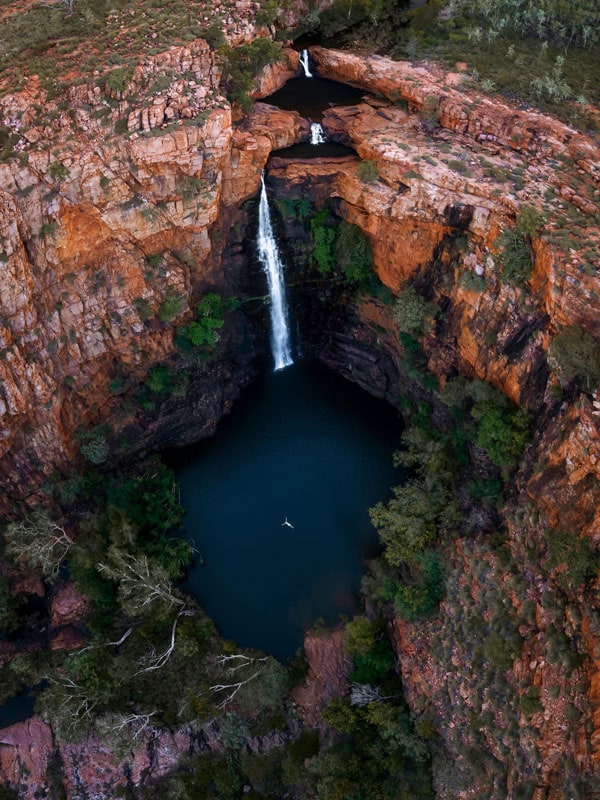
the falls and swimming hole at El Questro
Seek out the falls and swimming holes of El Questro. (Image: Tourism Australia)

6. Remarkable rocks

Travelling with: Megan Arkinstall

Billions of years in the making, unique rock formations draw people in far and wide for ogling and photo ops. Some are easy to get to – such as the Blue Mountains’ Three Sisters and Victoria’s 12 Apostles – but others rise out of barren landscapes seemingly in the middle of nowhere, making them even more awe-inspiring.
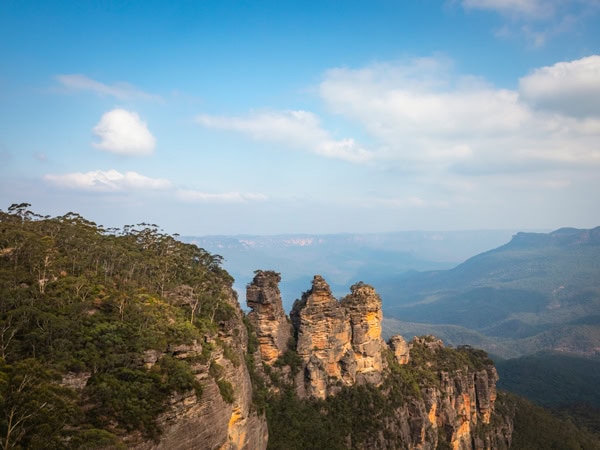
an aerial view of the Blue Mountains’ Three Sisters
Take in the jaw-dropping vistas at the Blue Mountains’ Three Sisters. (Image: Destination NSW)

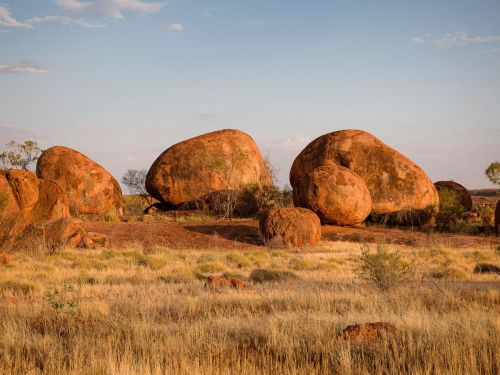
On WA’s Coral Coast, thousands of natural limestone Pinnacles stand up to five metres tall. Four hours inland, the 110-metre-long, 15-metre-high Wave Rock is the only swell you’ll find this far from the coast. Kangaroo Island’s Remarkable Rocks perch above the sea in Flinders Chase National Park. And the NT’s Karlu Karlu (Devils Marbles) is a sacred site for the Warumungu, Kaytetye, Alyawarra and Warlpiri peoples, comprising giant granite boulders mysteriously scattered across a wide valley.
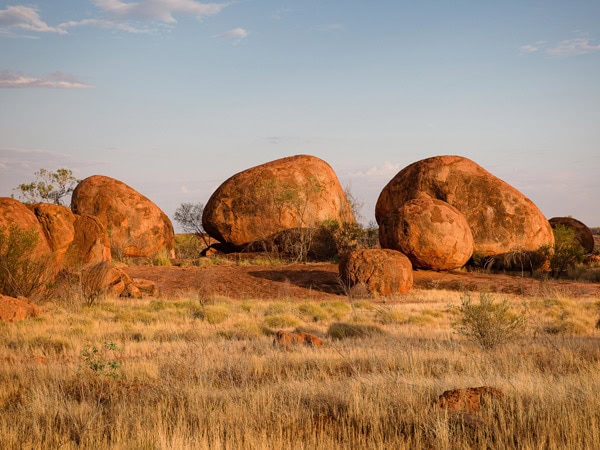
the Devils Marbles in NT
More than just rocks, the Karlu Karlu (Devils Marbles) is a sacred site for the Warumungu, Kaytetye, Alyawarra and Warlpiri peoples. (Image: Tourism NT/Kate Flowers)

7. Cassowaries of Mission Beach, Qld

Travelling with: Steve Magdwick

A few chilled days in utopian Mission Beach, two hours south of Cairns, is its own reward but also perhaps your best chance to see a weird, wonderful cassowary in the wild. Don’t go chasing the tropical dino bird, just observe it* (Mother Nature willing) from a safe distance as you explore the surrounding rainforest and beaches. Cruise down to South Mission Beach by bike. Stride through the flourishing forest of the Dreaming Trail circuit. Eat breakfast at hippy-chic Bingil Bay Cafe . Mission Beach overflows with tributes, from the aptly named Cassowary Drive to kitsch effigies and murals galore. (*A sticky beak around Garners Beach and behind Tasman Holiday Parks may be fruitful.)
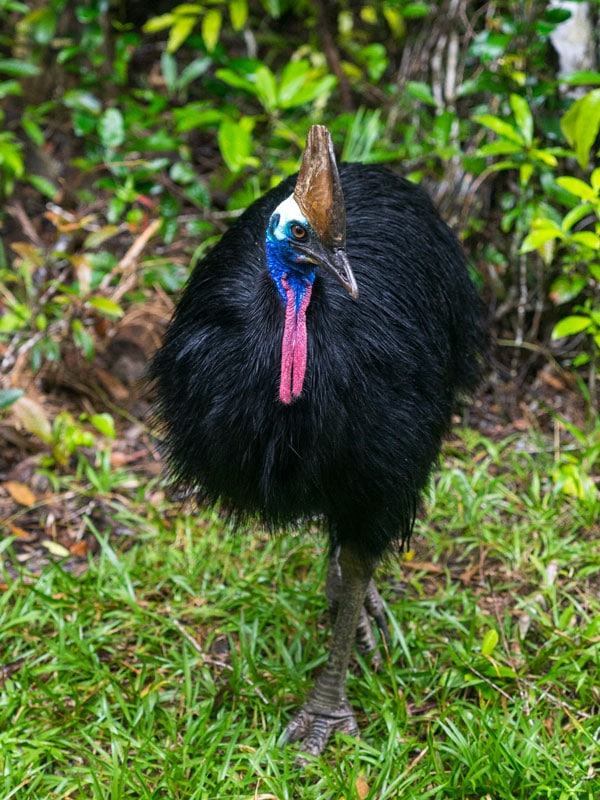
a cassowary at Wallaman Falls
See a cassowary in the wild. (Image: Tourism and Events Queensland/ Narelle Bouveng)

8. Daintree Rainforest, Qld

Travelling with: Carla Grossetti

Standing in the beautiful green dappled light of the Daintree in Tropical North Queensland is akin to being in a cathedral. The world’s oldest living rainforest was recognised by UNESCO in 1988 as having one of the most important ecosystems in the world containing relics of the Gondwanan era, which existed more than 180 million years ago.
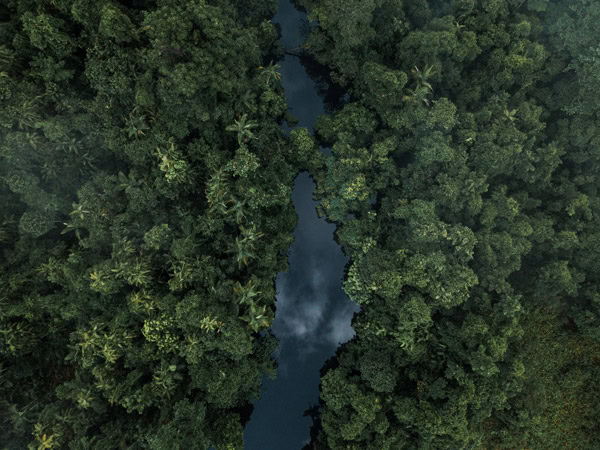
an aerial view of the Daintree Rainforest, Qld
Explore the world’s oldest living rainforest. (Image: Tourism Australia)

Take a guided tour deep into the Daintree with one of the Traditional Owners from the Mossman Gorge Cultural Centre. Here you will hear birds that only know how to screech, not sing. Inhale air that is thick with the cloying perfume of the forest floor. And understand why the Daintree is so deserving of our devotion.
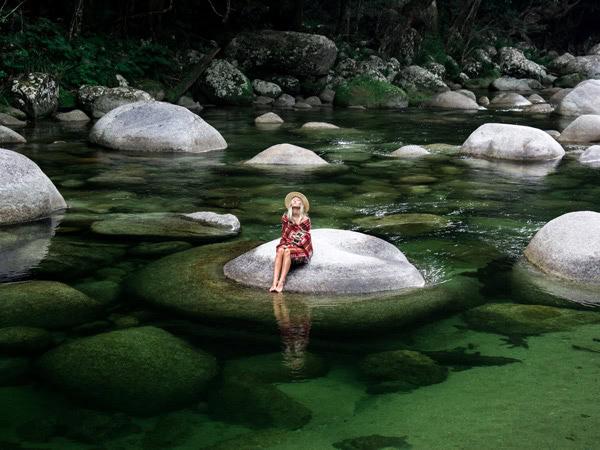
a woman sitting on a huge rock at Mossman Gorge
The magic of Mossman Gorge needs to be experienced. (Image: Silky Oaks Lodge)

9. Christmas Island

Travelling with: Fleur Bainger

The Jurassic feel of Christmas Island’s black volcanic rock and fluttering leafy plants is elevated when you look up to the skies and down to the forest floor. Creatures synonymous with the Galápagos Islands are found here: brown booby birds shrouding fluffy white chicks or nesting atop sheer cliffs, and inky frigatebirds soaring overhead with bright throat pouches flashing red.
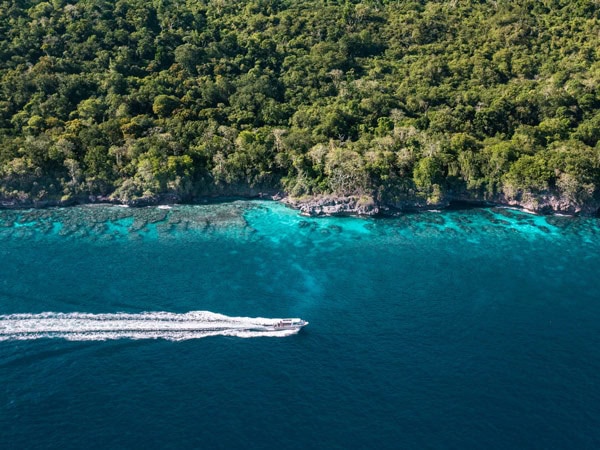
a drone shot of a boat sailing across Christmas Island
Christmas Island is a secluded gem in the Indian Ocean. (Image: Christmas Island Tourism Association)

There are more than 20 species of crab, with an estimated 60 million iconic red crabs flooding the streets during their October or November migration to spawn.

Christmas Island National Park covers 63 per cent of the wild isle and efforts to protect it are collaborative. Regular marine debris clean-ups are held on beaches to clear reams of ocean plastics – voluntourism at its best. WA’s Tangaroa Blue Foundation is holding a series of clean-ups from 14–21 June as part of its Keep Christmas Island Beautiful Week.
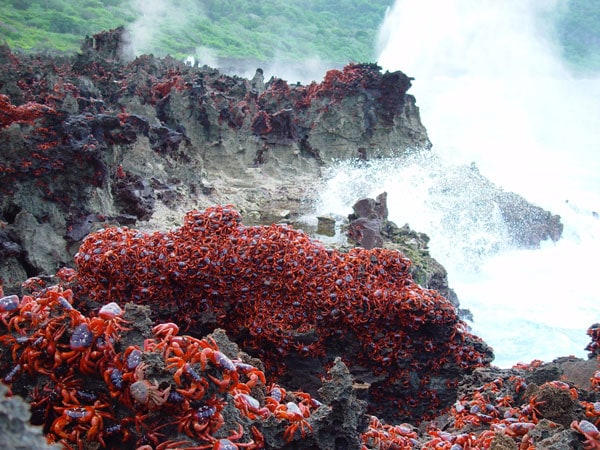
a group of red crabs on a cliff at Christmas Island
The Galapagos of Australia is home to the world’s weirdest creatures. (Image: Christmas Island Tourism Association)

10. Ningaloo/Nyinggulu, WA

Travelling with: Christine Aldred

While Ningaloo/Nyinggulu is rightly known for its coast-hugging reefs and stunning ocean blues, the adjoining desert landscapes and nearby gulf are more than worthy counterpoints.

The superlatives used to describe life-spawning reef that hugs the north-west coast of Australia – the remarkable sea creatures that live there including the famous whale sharks, and the vibrance of its colours – are all accurate.
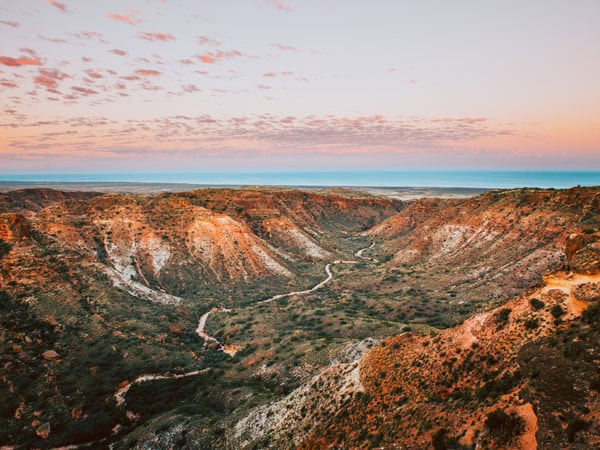
Charles Knife Gorge, Cape Range National Park
Views of Charles Knife Gorge in Cape Range National Park.

But the other two arms of this triple treat of nature also deserve attention: the rugged wilderness of Cape Range National Park; and Exmouth Gulf, the reef nursery where whales, dugongs and turtles go to rest and play, and the home of ancient life forms. Book into tented eco-luxury resort Sal Salis, the only serviced accommodation within the national park, for the awe of the landscape to be really revealed.

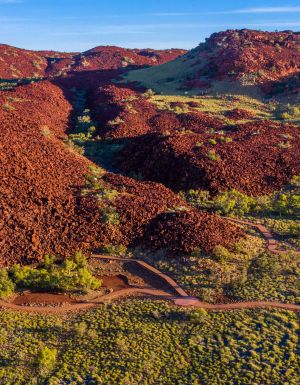
Keep reading our 100 Australian Wonders series; from road trips, outback and cultural wonders to foodie wonders and many more.
hero media

3 wild corners of Australia that let you reconnect with nature (in comfort)

The country’s rawest places offer some of its most transformative, restorative experiences.

Australia offers sublime opportunities to disappear into the ancient, untouched wilderness, worlds away from modern stress. Wild Bush Luxury offers a collection of experiences that are a portal into the continent’s wildest, most undiscovered landscapes, from wide floodplains to vast savannas, where the only distractions are birdsong, frog calls, curious wallabies and the daily drama of sunset. With a focus on conservation and Indigenous knowledge, these all-inclusive experiences allow guests to slow down and quiet their minds for intimate encounters with the natural world.

1. Bamurru Plains

safari tent at Bamurru Plains wild bush luxury
Let nature take front row.

In the remote Top End, just outside Kakadu National Park on the fringes of the spectacular Mary River floodplains, you’ll find Bamurru Plains , a peerless Australian safari camp. After a quick air transfer from Darwin to the camp’s private airstrip, you’ll be whisked away via 4WD to a vivid natural wonderland of shimmering floodplains, red earth, herds of peacefully grazing water buffalo and 236 bird species (Bamurru means magpie goose to the Gagadju people).

Accommodations consist of 10 mesh-walled bungalows and two luxe stilted retreats where guests enjoy panoramic, up-close views that invite them into their rightful place in the landscape (and binoculars to see it even better). Being an off-grid experience designed to help guests disconnect, the only distractions are birdsongs, frog calls, curious wallabies, the occasional crocodile sighting and the daily drama of the spectacular golden sunset.

It’s a place where nature’s vastness rises to the level of the spiritual, and Bamurru’s understated, stylish,  largely solar-powered lodgings are designed to minimise human impact and let nature take front row.  Guests relax in comfort with plush linens, an open bar, communal tables that allow for spontaneous connections and curated dining experiences from the in-house chef using local ingredients and bush-inspired cooking methods.

Bamurru Plains airboat tour
Zoom across the floodplains. (Image: Adam Gibson)

It’s a restorative backdrop for days spent zooming across the mist-covered floodplains in an airboat, birding with expert guides, taking an open-sided safari drive or river cruise through croc country. Spend time at the Hide, a treehouse-like platform that’s perfect for wildlife spotting.

In fact, nature is so powerful here that Bamurru Plains closes entirely during the peak monsoon season (October to April), when the floodplains reclaim the land and life teems unseen beneath the water. Yet Wild Bush Luxury’s ethos continues year-round through its other experiences around Australia – each designed to immerse travellers in a distinct Australian wilderness at its most alive and untouched.

2. Maria Island Walk

woman on a headland of Maria Island Walk
Maria Island Walk offers sweeping coastal scenes.

Off Tasmania’s rugged east coast, the iconic Maria Island Walk is an intimate four-day journey through one of the country’s most hauntingly beautiful and unpopulated national parks, encompassing pristine beaches, convict-era ruins, and wildlife sightings galore. Accessible only by a small ferry, Maria Island feels like a place reclaimed by nature, which is exactly what it is: a penal settlement later used for farms and industry that finally became a national park in 1972.

These days, the island is known as ‘Tasmania’s Noah’s Ark’ and its only human inhabitants are park rangers. It’s a place where wombats amble through grassy meadows, wallabies graze beside empty beaches, dolphins splash in clear water just offshore and Tasmanian devils – successfully reintroduced in 2012 after near-extinction on the mainland – roam free and healthy.

Each day unfolds in an unhurried rhythm: trails through coastal eucalyptus forests or along white-sand bays, plateaus with sweeping ocean views, quiet coves perfect for swimming. Midway through the journey, you’ll explore Darlington, a remarkably preserved 19th-century convict settlement whose ruins tell stories of human ambition at the edge of the known world.

At night, sleep beneath a canopy of stars in eco-wilderness camps – after relaxing with Tasmanian wine and locally-sourced meals, and swapping stories with your fellow trekkers by candlelight.

3. Arkaba

two people standing next to a 4wd in Arkaba
Explore Arkaba on foot or on four wheels.

For a bush immersion with more of an outback flavour, Arkaba offers a completely different type of experience. A former sheep station and historic homestead in South Australia’s striking Flinders Ranges that has been reimagined as a 63,000-acre private wildlife conservancy. It’s now patrolled mainly by kangaroos and emus.

Small-scale tourism (the homestead has just five ensuite guestrooms) helps support rewilding projects, and guests become an essential part of the conservation journey. Days begin with sunrise hikes through ancient sandstone ridges or guided drives into the ranges to spot yellow-footed rock-wallabies. And end with sundowners on a private ridgetop watching the Elder Range glow vibrant shades of gold, crimson and violet as the air cools and time stands still.

Here, you can join conservation activities like tracking native species or learning about Arkaba’s pioneering feral-animal eradication projects, then unwind with chef-prepared dinners served alfresco on the veranda of the homestead, which is both rustic and refined. The highlight? Following Arkaba Walk, a thriving outback wilderness where emus wander and fields of wildflowers grow.

It’s an unforgettable immersion in Australia’s vast inland beauty, a place where the land’s deep and complicated history – and astounding resilience – leave their quiet imprint long after you return home. In a world where genuine awe is rare, Wild Bush Luxury offers a return to what matters most in the untamed beauty of Australia’s wilderness.

Disconnect from the grind and reconnect with nature when you book with at wildbushluxury.com