Discover why the off-season rivals summer as the best time to explore Australia.
If Australia were represented as a season, it would be summer. Hot, balmy days are what the world knows us for. But we know better. We know that in the off-season, some of the real Australian magic happens. Here are some of our favourite things that only happen when the weather starts to cool and the crowds start to thin out.
1. Experience a Tasmanian winter
It’s only right to start with a state whose entire marketing campaign is centred around the off-season. Tasmania really does know how to embrace chillier days. Spend every day staying warm by the fire with Tassie’s famed wine and produce (winter is truffle hunting season, after all). Join the cold plunge craze and take a dip in the ocean. Or, join one of the most renowned winter festivals, Dark Mofo, which is back in 2025.

2. See turtles hatching in Queensland
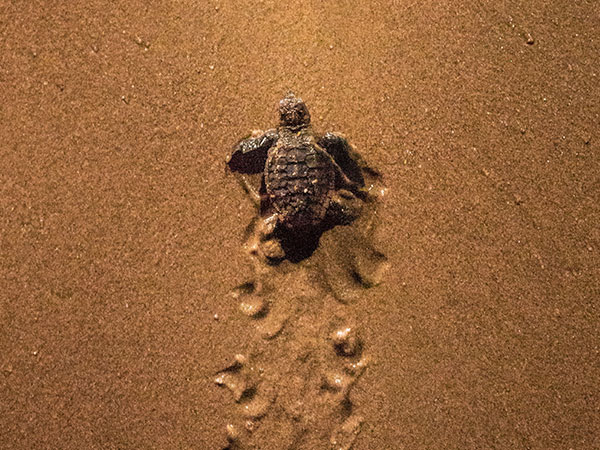
With eggs being laid in the summer heat between November and January, autumn becomes the perfect time to catch little hatchlings as they make a dash for the roaring ocean. There are many places along the coastline where this occurs, but visit Lady Elliot Island, Heron Island or Mon Repos Beach for the most immersive and turtle-friendly experiences.
Need tips, more detail or itinerary ideas tailored to you? Ask AT.
AI Prompt
3. Head to the outback
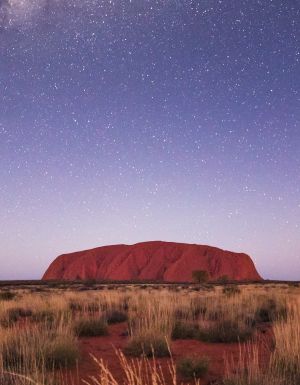
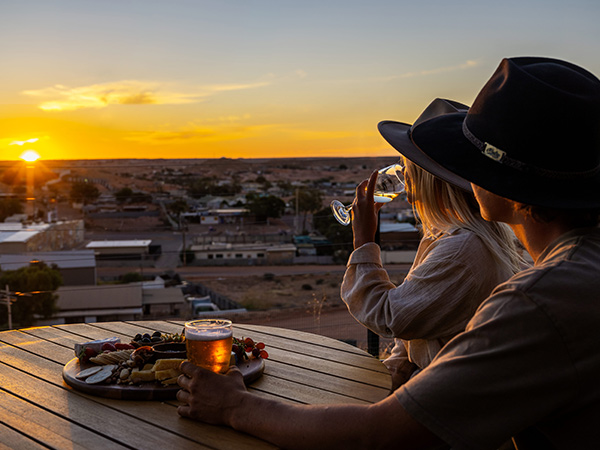
Unlike along Australia’s coast, the outback maintains clear skies and abundant sunshine all through the winter months. Not to mention that the temperatures become very reasonable, with max temps falling to the low 30s. This means it’s the perfect time to explore Uluru or go hiking in the Ikara-Flinders Ranges. Head to the unique Coober Pedy, which becomes a far more bearable temperature from April to October. Or check out Queensland’s Birdsville, and the iconic Big Red sand dune marking the start of the Simpson Desert.
4. Spot orcas in Western Australia
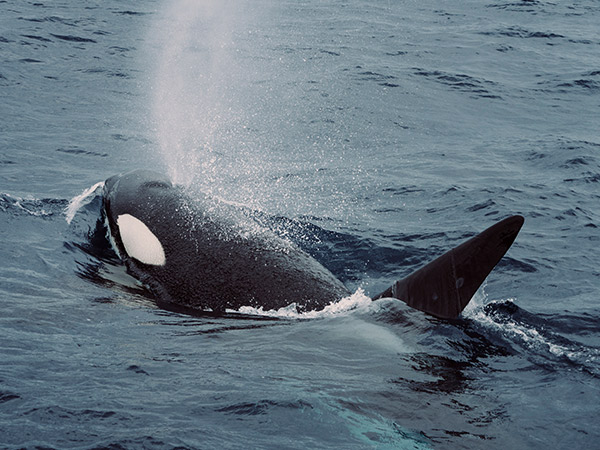
Head to Bremer Bay in the southwest corner of the state to see the largest congregation of orca whales in the southern hemisphere. Here, offshore canyons make for rich hunting grounds, enticing orcas from January until April. You might even catch them in something of a feeding frenzy. In general, Australia is an amazing place to find whales of many breeds, discover them all in our guide.
5. Thaw out in the Top End
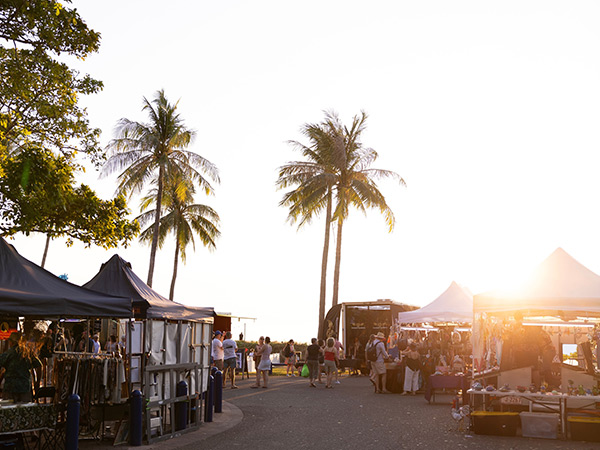
The off-season doesn’t have to mean bracing for a chill. Chase the eternal sunshine and head up to Australia’s Top End. Darwin is a laid-back city that packs a punch when it comes to good food and epic day trips. Head to the famous Mindil Beach Sunset Market for laksa on the beach as the sun goes down, drive 1.5 hours south of Darwin to swim in Litchfield National Park’s natural water holes or even take a helicopter or 2.5-hour ferry to discover the local culture of Tiwi Islands.
Thanks to summer rains, April and May make the trails around Kakadu National Park and Kings Canyon particularly lush. Plus, most waterholes reopen about this time, after the heavy rains stop.
Weekly travel news, experiences
insider tips, offers, and more.
6. Get cosy in Adelaide’s wine country
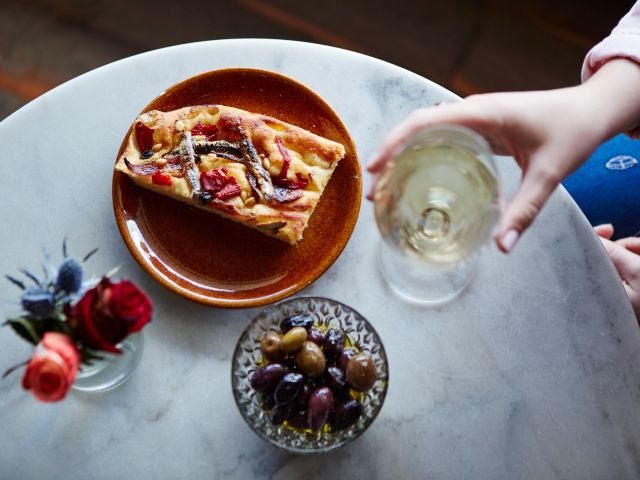
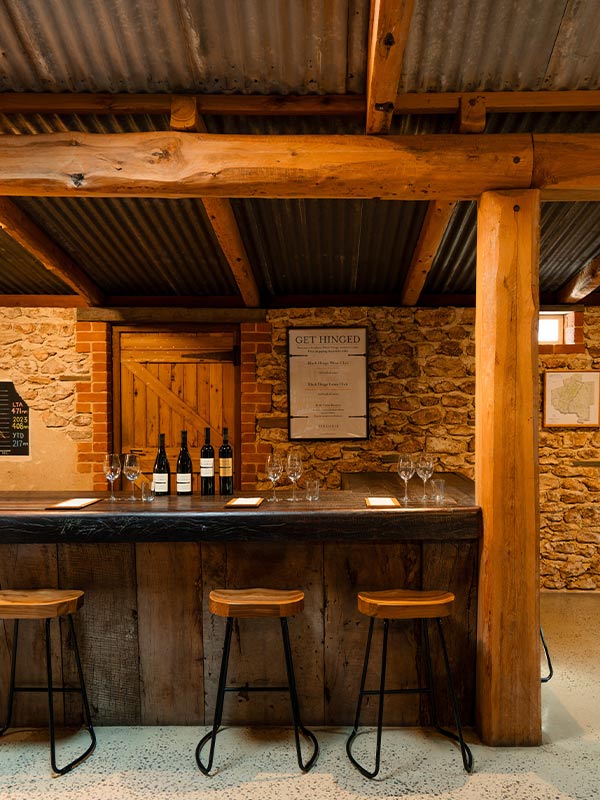
Wine goes with everything and every season. But there’s something particularly enjoyable about getting cosy in wine country when the air outside is crisp. The best part? Adelaide has several incredible wine regions to choose from. Pick your experiences from some of our favourites, and if you’re heading to Adelaide Hills don’t miss these drops.
7. Shred New South Wales’ snowfields
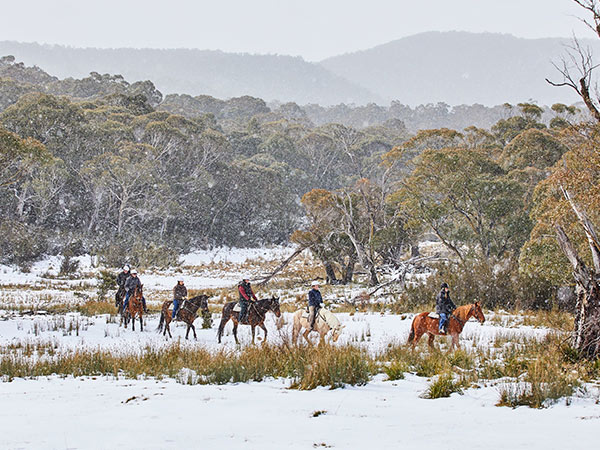
Every year, NSW’s Snowy Mountains come alive with snow bunnies. Winter is anything but slow here. Starting around the June long weekend and runs until October, with peak season usually in July and August. You don’t have to love skiing, either. Warming yourself by a hotel’s fireplace and taking snow hikes are totally acceptable ways to enjoy the snow. Just read our tips before you go, even if you’re on a budget.
Want to see more stories from Australian Traveller in your Google search results?
- Click here to set Australian Traveller as a preferred source.
- Tick the box next to "Australian Traveller". That's it.