Get ready – the Perseid meteor shower is just around the corner.
The night sky above Australia has been putting on a show this year, with a flurry of interstellar activity on display throughout 2026. But August is delivering the celestial drama, as the Perseid meteor shower begins its roughly one-month journey past Earth.
What is the Perseid meteor shower?
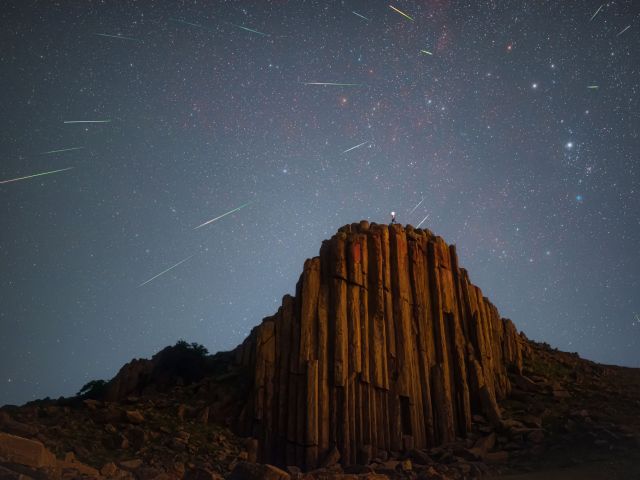
The Perseid meteor shower is about to pass Earth again. (Credit: Getty Images/bjdlzx)
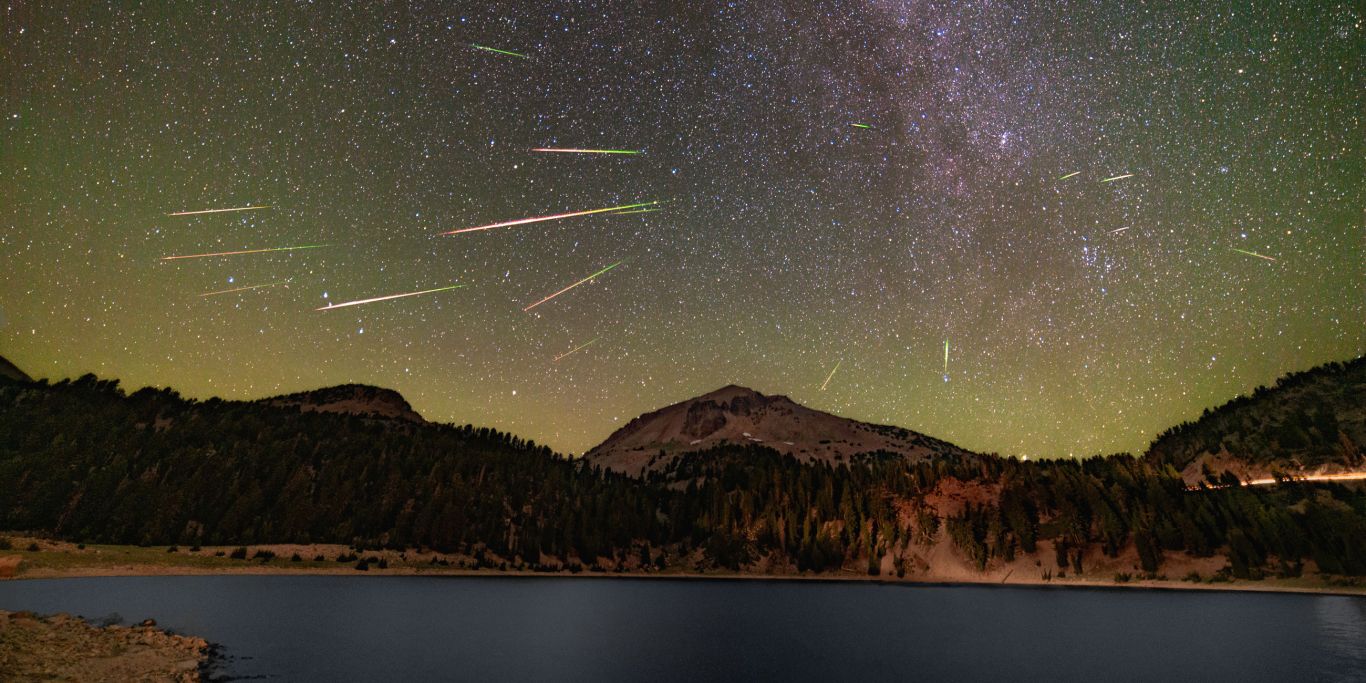
The Perseid meteor shower is often dubbed the best of its kind. Characterised by its swift and bright meteors that are visible from both the northern and southern hemispheres, it’s one of the most highly anticipated celestial events around the world.
This natural light show has long been a favourite among astronomy enthusiasts, famed for the vibrant trains of light left in its wake and the dazzling fireballs that often accompany it. Not only can we Earth dwellers easily spot it with the naked eye, but we’re also able to make out different colours and sizes.
When will it be active?
The Perseids originate from comet 109P/Swift-Tuttle, which left a large trail of detritus as it cruised past us back in 1992. When Earth passes through this debris stream during its orbit around the sun, the cometary material collides with our atmosphere.
The celestial shower is visible to the naked eye. (Credit: Getty Images/bjdlzx)
Extreme speeds create air friction, and that, combined with atmospheric compression, causes the objects to heat up, break apart and burn out. That’s what we see during a meteor shower. Earth enters comet 109P/Swift-Tuttle’s debris trail once a year and takes around a month to fully clear it, so we’re treated to the show every year.
Need tips, more detail or itinerary ideas tailored to you? Ask AT.
AI Prompt
Where can I see it?
This year, the Perseids meteor shower is expected to peak overnight on 12–13 August. This is when Earth passes through the most concentrated part of the debris trail, resulting in the most meteor activity.
Unfortunately for Aussies, the Perseids’ radiant point – the direction in which meteors appear from – is in the northern hemisphere. This means it sits very low on the northern horizon for countries like Australia, putting us at a visual disadvantage. However, if you’re in the right place at the right time, you can still catch a glimpse.
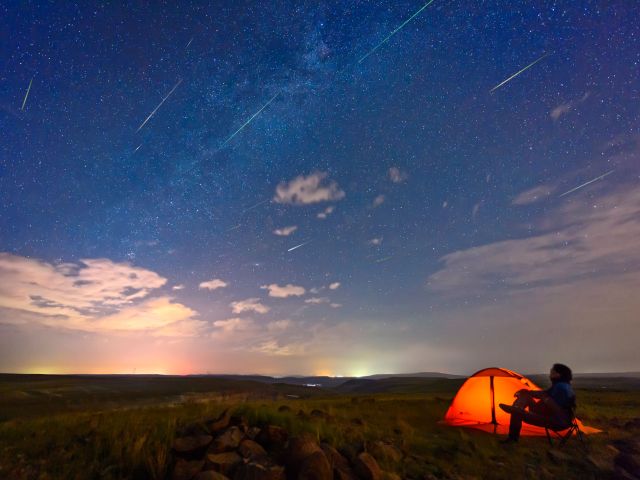
Low light pollution is key to the viewing experience. (Credit: Getty Images/Jerry Hamblen)
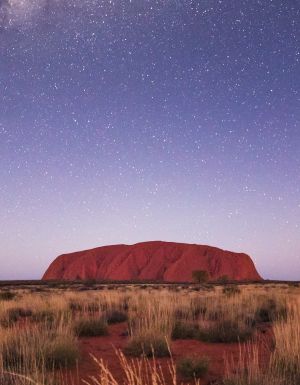
The further north you are, the better your chances of spotting them. In cities like Cairns, Darwin and Broome, celestial viewers should be able to spot a handful of meteors streaking through the sky overhead. To give yourself the best shot, head to one of Australia’s prime stargazing spots for darker skies and less light pollution.
Get the most out of your experience by heading outside roughly 30 minutes before peak viewing time, as it gives your eyes enough time to fully adjust to the darkness. While gear like binoculars and telescopes can certainly help, you don’t need them to enjoy the show – just bring a cosy blanket and a bit of patience.
Want to see more stories from Australian Traveller in your Google search results?
Tick the box next to "Australian Traveller". That's it.
Taylah Darnell is Australian Traveller's Writer & Producer. She has been passionate about writing since she learnt to read, spending many hours either lost in the pages of books or attempting to write her own. This life-long love of words inspired her to study a Bachelor of Communication majoring in Creative Writing at the University of Technology Sydney, where she completed two editorial internships. She began her full-time career in publishing at Ocean Media before scoring her dream job with Australian Traveller. Now as Writer & Producer, Taylah passionately works across both digital platforms and print titles. When she's not wielding a red pen over magazine proofs, you can find Taylah among the aisles of a second-hand bookshop, following a good nature trail or cheering on her EPL team at 3am. While she's keen to check out places like Scotland and North America, her favourite place to explore will always be her homeland.
Discover the magic of a Sydney staycation in summer at The Fullerton Hotel Sydney.
Sydney City is magical in summer. Warm summer evenings beg to be spent sipping cool cocktails at one of many al fresco and rooftop bars. Ferries and buses are ready to transport travellers to the best nearby beaches for salty days on the sand. National parks and rainforests are waiting to be explored. And the city’s events calendar is packed, from live music to cultural attractions. All elements that call for a Sydney staycation.
Discover where to eat, stay and play for the perfect local getaway.
Where to stay
The Fullerton Hotel Sydney
Sleep inside a 151-year-old icon.
Amid the bustle of the perfect Sydney staycation, one needs a place to escape to and recharge. Enter, The Fullerton Hotel Sydney. The hotel is an icon in its own right – nestled inside the 151-year-old building that was originally Sydney’s General Post Office, its heritage-listed sandstone walls and Victorian renaissance grandeur have been carefully preserved – providing a rare chance to sleep within Sydney’s history.
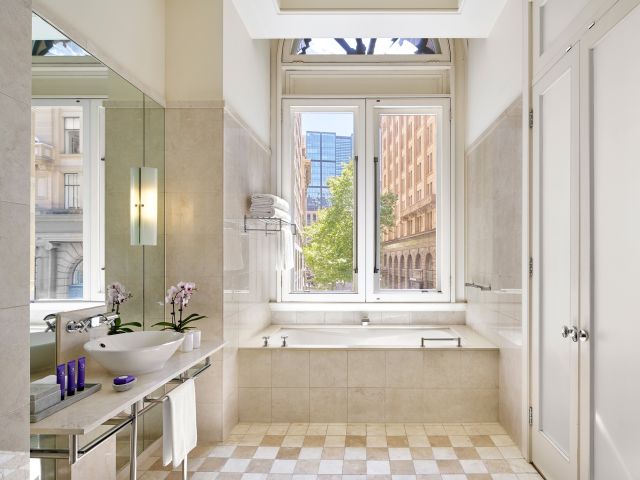
Despite its fascinating history, the hotel isn’t short on modern, luxurious comforts. Rooms and suites are available in both the modern high-rise with gorgeous views over the clock tower and lively city below, or inside the historical post office building itself.
Heritage rooms maintain their old-world style.
Either way, guests can enjoy sophisticated touches, including a deluxe bed and pillow menu, Harman Kardon Bluetooth speakers, a digital concierge, a Vittoria coffee machine and amenities from the Balmain bathroom collection.
The team at this five-star hotel provides excellence and a quality experience for all their guests, while amenities like a gym help with a well-rounded stay. For a peaceful moment with sweeping city views, enter The Fullerton Club Lounge on level 28. This private haven for dining and relaxation is available to any guests staying on the hotel’s club floors and suites.
Add to this a central location in the CBD’s Martin Place, with easy access to Sydney’s top attractions, and convenience meets style.
Where to drink & dine
1. The Bar
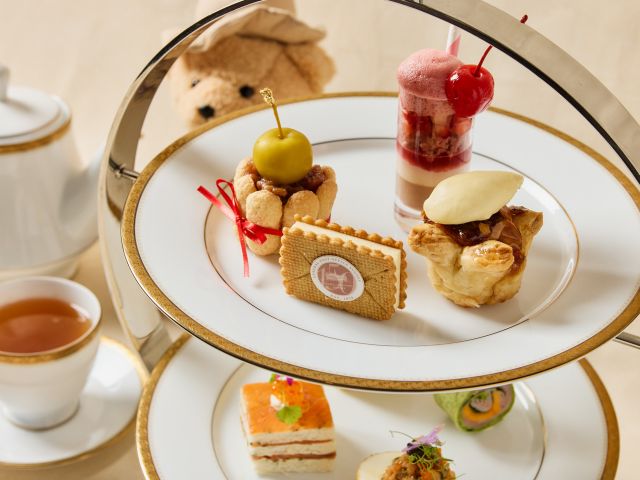
Indulge in the Fullerton Signature Afternoon Tea.
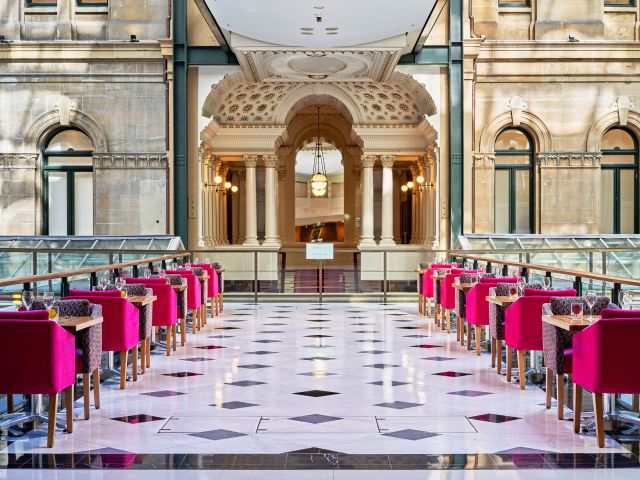
Inside The Fullerton Hotel Sydney’s lobby, The Bar does more than sling a few delicious cocktails (although it certainly does that well). Its brown leather chairs and glass ceiling create the perfect, almost al fresco, setting for the Fullerton Signature Afternoon Tea.
Served daily from 12 to 4 pm, the afternoon tea is a nod to the cherished social occasion it once was during the Victorian Renaissance era. People like to dress up for this afternoon tea, and if you’re lucky, a pianist often sits down at the on-site grand piano, just adding to the elegance.
The afternoon tea is served high tea style, offering reimagined British flavours of the Victorian Renaissance era with a unique blend of Australia’s culinary heritage. A sweet layer offers delights like a Malted Milk Envelope (a milk mousse layered between two biscuits), Bakewell Pudding (a super tasty egg-based pudding), and Apple Charlotte.
On the savoury layer, expect finger sandwiches with fillings like cucumber, egg and smoked salmon. While classic pinwheels and stuffed eggs almost make the menu. And, of course, all finished off with traditional scones served with cream and mixed berry jam.
Can’t fit in a whole afternoon tea? Be sure to at least order a slice of the 32-layered chocolate cake, a decadent mix of dark chocolate crémeux, fresh whipped cream, and Valrhona Azélia chocolate sauce.
2. The Place
Dine in the stunning GPO atrium.
On level one of The Fullerton Hotel Sydney lives The Place – the hotel’s restaurant, in an atrium overlooking the former GPO. Here, dine on Modern Australian cuisine – think fresh, local seafood and a Riverina steak sandwich – along with a touch of Singaporean signature dishes, like Thai-style green curry or chicken satay. All in the shadow of the GPO clock tower, enjoying the GPO atrium’s natural light.
3. Local gelato
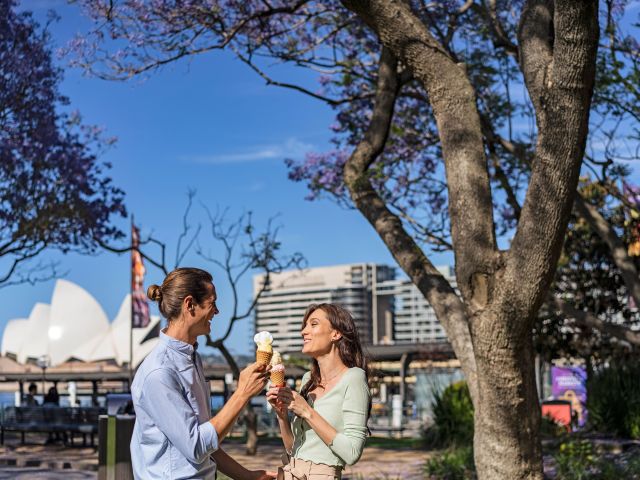
Enjoy ice cream in the sunshine. (Image: Destination NSW)
What is summer without ice cream and/or gelato? Luckily, there are plenty of options just a short walk from The Fullerton Hotel Sydney, whether you’re craving a midday pick-me-up or an after-sun treat.
What to do/see
1. GPO Heritage Tour
Be awed by the building’s history.
Want to know more about the building you’re staying in? The Fullerton Hotel Sydney offers a complimentary 90-minute GPO Heritage Tour. Follow a knowledgeable tour guide to discover the stories, tales and legends of the former Sydney General Post Office building.
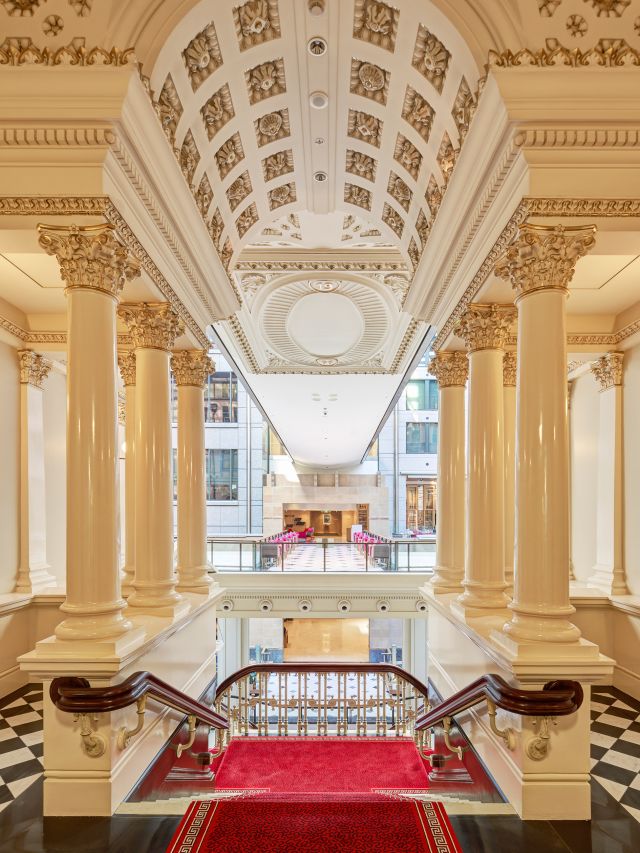
From the iconic clock tower (completed in 1891) to the black-and-white tiled staircase at 1 Martin Place, which was once the main entrance to the GPO and today serves as a prominent feature of the building to the 24 stone faces (mascarons) on the Martin Place side of the building. Part of the 1880s-era facade (designed by architect James Barnet), each represents different states, countries and continents.
2. Circular Quay
Catch a ferry from Circular Quay. (Image: Destination NSW)
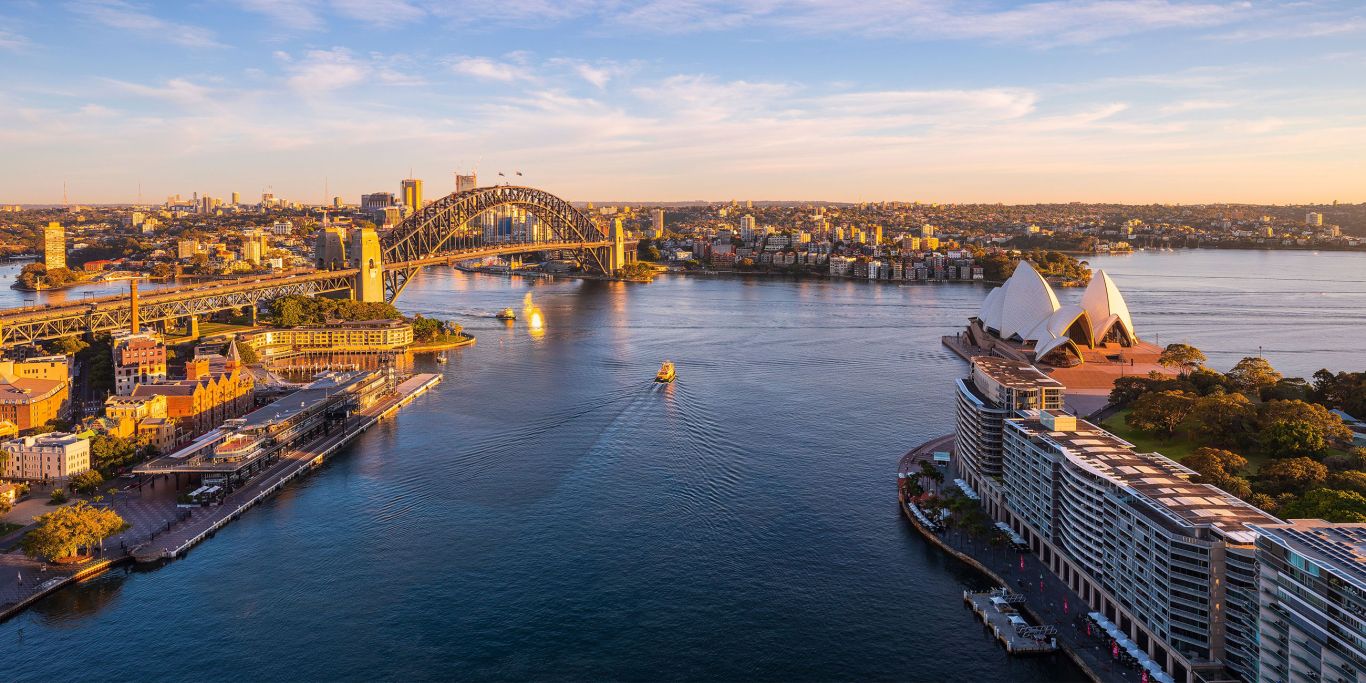
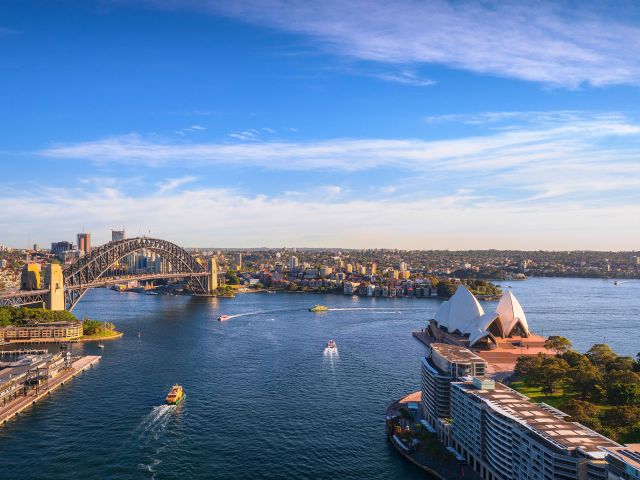
An easy walk or light rail ride away from The Fullerton Hotel Sydney, lies the bustling Circular Quay. Here, you can sit for a drink and nibbles at the Opera Bar, or head into the iconic house itself for a show. It’s also a major ferry port, becoming your gateway to Sydney’s beaches, Luna Park and even Sydney Zoo.
3. Royal Botanic Gardens
Wander through Sydney’s Royal Botanic Garden. (Image: Destination NSW)
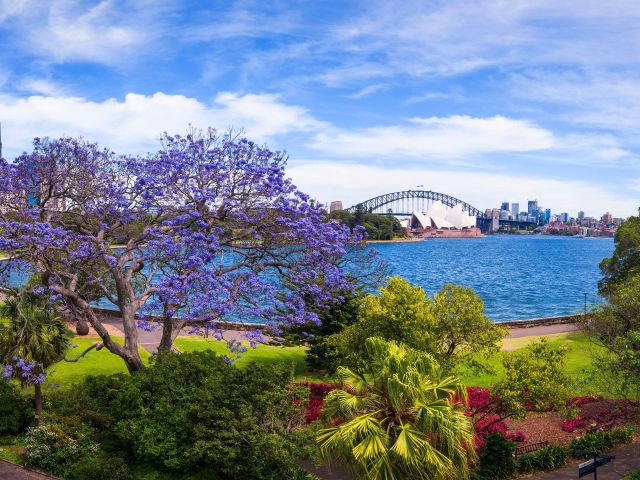
Just beyond Circular Quay, discover Sydney’s Royal Botanic Garden. Wander through this 30-hectare, heritage-listed, botanical garden – exploring its differing sections, from Australian native botanicals to garden beds of vibrant flowers to towering groves of international trees.
It’s also the perfect place for a picnic, so pick up supplies before you come and enjoy a spot on the grassy meadow looking out into the harbour.
4. Theatre Royal
Take in a show at Theatre Royal. (Image: Daniel Boud)
Just a one-minute walk from The Fullerton Hotel Sydney, take in a show at Theatre Royal. Built in 1976, the theatre has been offering a broad range of entertainment since the 1990s. Expect a show roster that ranges from the classics (like Cats) to the modern) like Pretty Woman: The Musical).