From the best sausage rolls and surf clubs to finger buns worth the drive, discover Australia’s top road trip pit stops as crowned by Wotif’s 2024 Uniquely Aussie Awards.
Australians famously love a road trip, jumping at any chance to explore a new nook of our vast, beautiful country. And as we head into the warmer months of the year, Wotif has announced the winners of its 2024 Uniquely Aussie Awards, offering some exciting new inspiration for your summer road trips.
From mouth-watering sausage rolls and beachside surf clubs to finger buns that are worth the detour, these are the pit stops every road tripper needs to know about.
The best sausage roll; a flaky, golden masterpiece
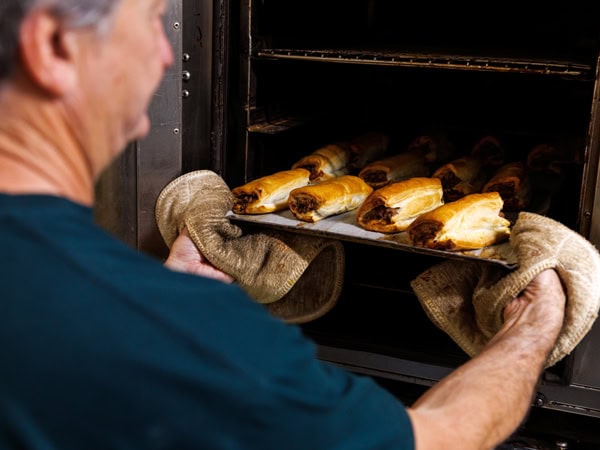
Flaky, golden and packed with flavour, the best sausage roll in Australia can be found at Kenilworth Bakery , nestled in the Sunshine Coast Hinterland. Not only is this iconic bakery known for its mouth-watering sausage rolls, but adventurous foodies can take on the one-kilogram sausage roll challenge – finish it in one go and get your money back!
Stop in at Kenilworth Bakery for the best sausage roll in Australia.
Jaw-dropping views at the best lookout point
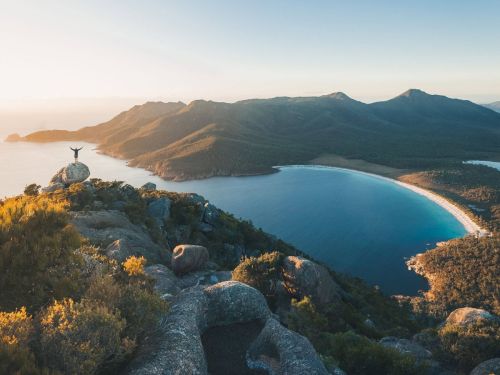
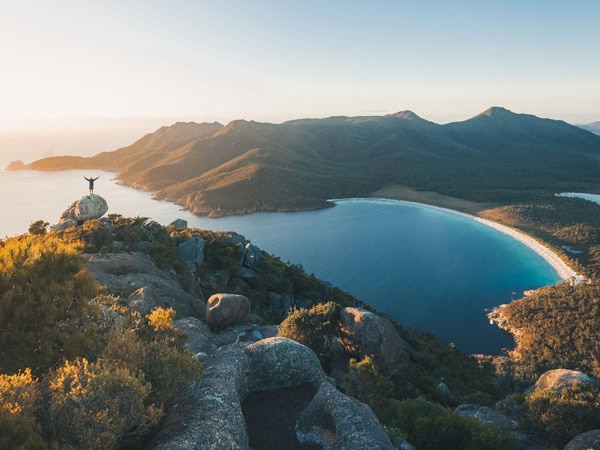
For a view that will take your breath away, head to Wineglass Bay Lookout in Freycinet, Tasmania. A scenic 1.3-kilometre trek leads you to this stunning vantage point, where crystal-clear waters meet a perfect crescent of white sand. Keep an eye out for dolphins or even whales as you soak in one of Australia’s most iconic views.
Wander the scenic 1.3-kilometre trek to reach Wineglass Bay Lookout. (Image: Chad Dewson)
Sip in style at the best hotel bar
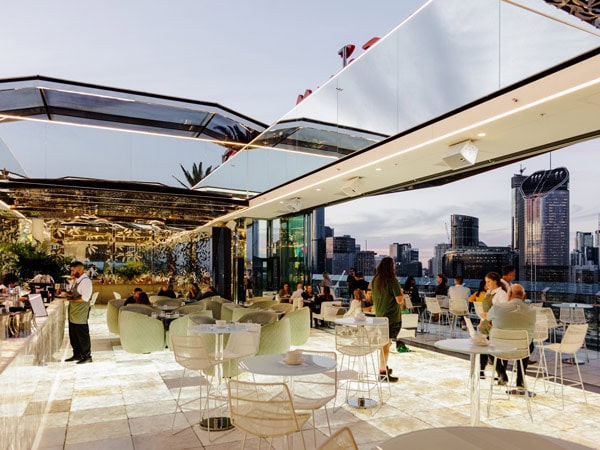
Sip in style at the Terrace Rooftop Bar , one of Brisbane’s best rooftop bars, perched atop the Emporium Hotel South Bank. With its retractable ceiling and panoramic city views, this architectural wonder offers a perfect blend of luxury and relaxation. Enjoy a cocktail while taking in the expansive vistas that stretch out to the South Bank Parklands – this is the ultimate pit stop for those who appreciate a drink with a view.
The Terrace Rooftop Bar is one of Brisbane’s best rooftop bars.
Best finger bun: A must-try sweet treat
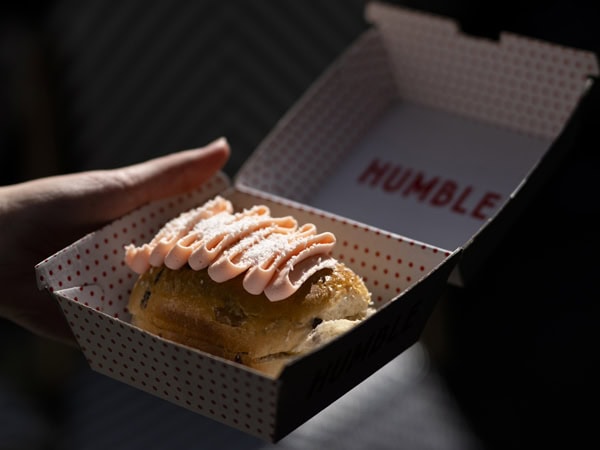
Humble Bakery in Sydney has redefined the classic Aussie finger bun with its decadent take on this nostalgic treat. Featuring a dreamy pink cream cheese frosting and a buttery finish from locally sourced ingredients, this gourmet version is a must-try. Whether you’re a long-time fan or a curious newcomer, one bite of this finger bun will leave you craving more.
Devour this nostalgic treat at Humble Bakery.
Soak in the beach vibes at the best surf club
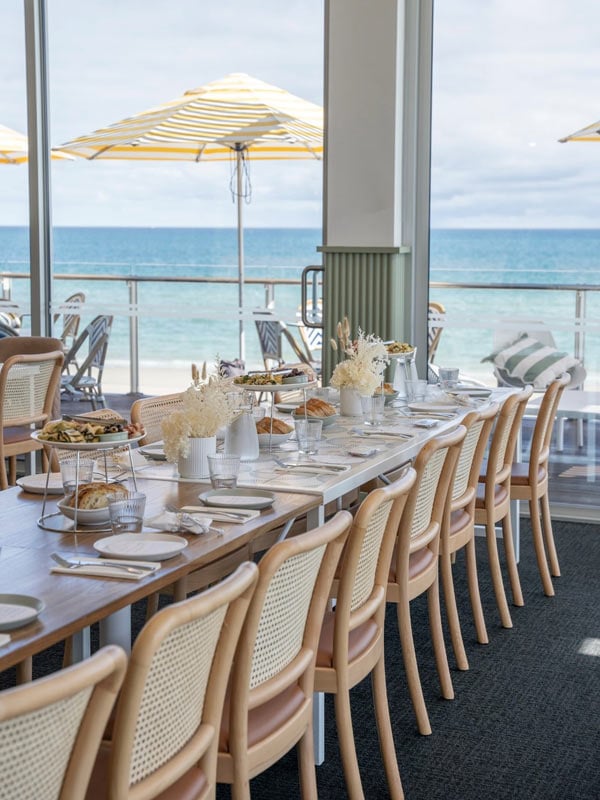
As the first surf lifesaving club in South Australia, Henley Surf Life Saving Club in Henley Beach is a true icon. With its stunning Ocean Bar and Kitchen helmed by celebrity chef Adam Swanson, you can enjoy locally sourced Italian-inspired dishes while gazing out over the water. This community-driven club offers family-friendly vibes and unforgettable sunsets, making it a perfect coastal pit stop.
Henley Surf Life Saving Club was the first surf lifesaving club in SA.
Learn about history at the best regional museum
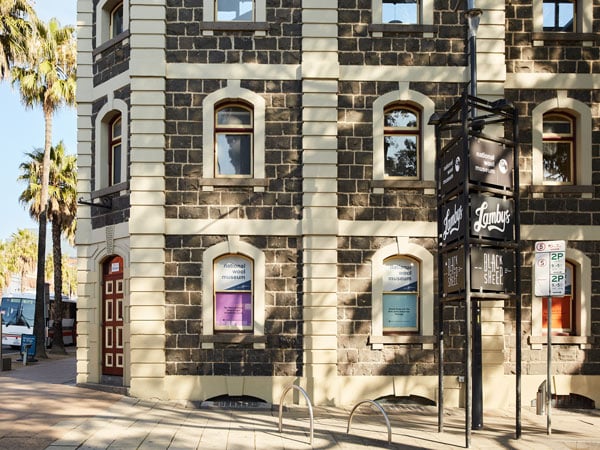
The National Wool Museum in Geelong, Victoria, offers a fascinating glimpse into Australia’s rich wool history. Housed in a former wool store, this museum showcases everything from the production process to the final product. After exploring, head to the museum’s shop for high-quality woollen goods, or take a stroll along the nearby waterfront for a relaxing afternoon stop.
The National Wool Museum showcases everything from the production process to the final product.
Emily Murphy is Australian Traveller's Email & Social Editor, and in her time at the company she has been instrumental in shaping its social media and email presence, and crafting compelling narratives that inspire others to explore Australia's vast landscapes. Her previous role was a journalist at Prime Creative Media and before that she was freelancing in publishing, content creation and digital marketing. When she's not creating scroll-stopping travel content, Em is a devoted 'bun mum' and enjoys spending her spare time by the sea, reading, binge-watching a good TV show and exploring Sydney's vibrant dining scene. Next on her Aussie travel wish list? Tasmania and The Kimberley.
Feast your way through Sun Country on the Murray – a beautiful and bountiful region in northern Victoria with gourmet delights galore.
Nestled on the lands of the Yorta Yorta People along the mighty Murray River, Sun Country is a truly extraordinary place. The northern Victorian enclave is a tapestry of meandering waterways, ancient forests, sandy beaches, enchanting country towns and an easy way of life.
Beyond its landscapes and bucolic charm, Sun Country on the Murray is a culinary paradise: think farm-fresh produce, family-run wineries and no shortage of places to feast.
If you’re a serious foodie or simply epicurious, here’s your ultimate guide to a gourmand Murray River getaway.
The Murray Farm Gate Trail
The self-guided Murray Gate Farm Trail lets you sample the area’s best produce while immersing yourself in the lush Goulburn and Murray Valleys. The trail has something to suit every palate and pace, but there are a few notable highlights.
1. Rich Glen
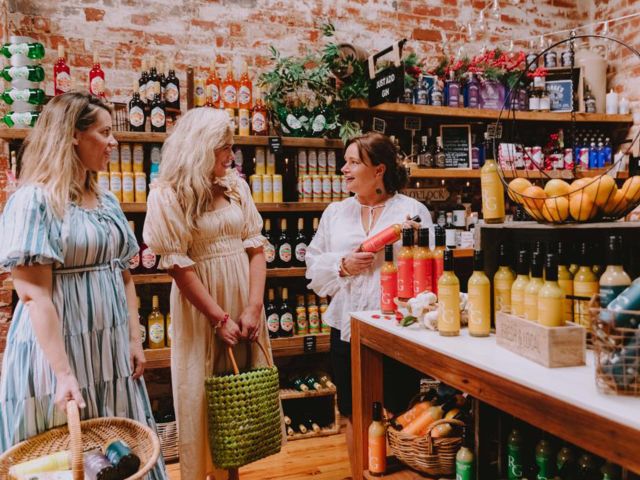
Stock up at Rich Glen. (Image: Chloe Smith Photography)
Rich Glen is renowned for its award-winning olive oils. Everything is grown and created on the family farm in Yarrawonga, the results of which you can visit at Rich Glen Provedore – a treasure trove of gourmet foods, including that signature olive oil. Or explore Rich Glen Skin & Beauty, which stocks lush handmade skincare and wellness products.
2. How Now Dairy
A charming micro-farm producing ethical dairy, How Now Dairy , lets its baby calves remain with their mothers and its cows roam on rolling pesticide-free pastures. Try a selection of cheeses that do good and taste good, including a fantastic punchy blue, and velvety milk with a thick, creamy top.
3. Cactus Country
Stop into Cactus Country. (Image: Chloe Smith Photography)
Cactus Country is a 12-acre stretch of desert-like garden containing cacti of all shapes, sizes and colours. Naturally, it makes the most of its bounty at the on-site bar and restaurant, with a cactus-infused dessert menu alongside a vibrant line-up of Mexican snacks and mains.
4. The Olde Creamery
The Olde Creamery is a local icon, a former hobby farm that has flourished into a thriving purveyor of flowers and foods. The elderflower cordial and bramble gin and tonic jam are must-tries, and make for tasty mementoes of your trip.
Wineries, breweries and distilleries
The region’s sunny climate and rich soils make it a prime place for viticulture. If wine isn’t your thing, you’ll also find boutique breweries and distilleries producing top-notch beers and spirits.
1. Squires Winery
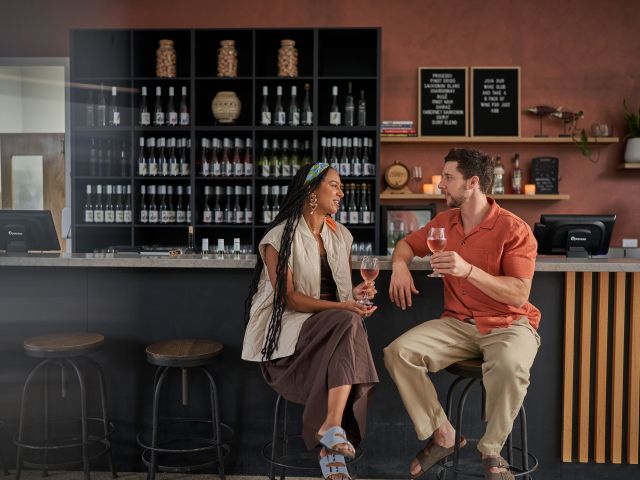
Pop in for a tasting. (Image: Visit Victoria)
With its idyllic positioning on the Ovens River, Squires Winery is a lovely setting for a long, leisurely lunch or tasting. Enjoy a riverside sip of prosecco, rosé or cab sauv, complemented by seasonal bites and a backdrop of towering gum trees.
2. Cape Horn Vineyard
Cape Horn is one of the region’s most established vineyards. Its sparkling durif/shiraz is a crowd favourite and well worth trying on your foodie tour, especially if it’s served with one of the winery’s delicious wood-fired pizzas.
3. Byramine Homestead & Brewery
Enjoy a tipple at this historic homestead.
A top pick among beer, cider and history enthusiasts, Byramine serves a rotation of brews made on-site in the historic homestead. Wander through the venue and learn about its colonial past before sitting down to a freshly made Ploughman’s and cold local ale.
4. Monichino Wines
Monichino is a slice of la dolce vita in northern Victoria, producing classic Italian varietals like pinot grigio and aromatica. Drop by for a tasting at the cellar door (open weekends or by appointment) and explore everything from crisp whites to robust fortified wines, or pack a picnic and savour your glass in the picturesque gardens.
5. Corowa Distilling Co
Sit down to a hearty lunch. (Image: Visit Victoria)
Corowa Distilling Co crafts an incredible variety of single-malt and blended whiskies, and is a beloved spot among locals and visitors alike. Stop in for a tasting flight in the whisky room, or a hearty breakfast or lunch paired with a wee dram.
Farm-to-table dining
If you’ve got the time to linger over a gourmet spread, Sun Country on the Murray has an abundance of outstanding restaurants and cafes.
1. O’Reilly’s Food and Wine
O’Reilly’s feels much like stepping into a good friend’s home, albeit with a refined twist. The menu changes weekly and rotates through a selection of comforting yet elevated dishes – think lamb cottage pie, French-style moussaka, a perennially popular open steak sandwich and cakes that change flavours weekly.
2. Stock and Barrel
Soak in views of Lake Mulwala. (Image: Visit Victoria)
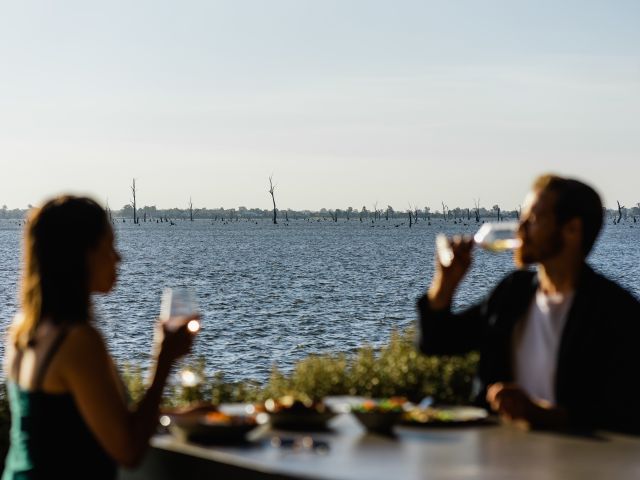
Tucked inside The Sebel Yarrawonga hotel, overlooking sparkling Lake Mulwala, Stock and Barrel does pub classics with a Sun Country spin. Order a perfectly seared steak and triple-cooked potatoes alongside a freshly poured pint, or try a regional highlight: local produce features abundantly across Stock and Barrel’s dishes.
3. The Bend
With spacious decks and panoramic views of the Murray, The Bend is ideal for a sun-soaked long lunch. Order a round of moreish share plates (like baja fish tacos and a warm-from-the-oven brioche loaf stuffed with cream cheese and herbs) or a signature cocktail and indulgent main – we can’t go past the slow-braised wagyu brisket.
4. Blacksmith Provedore
Taste Blacksmith Provedore’s delicious pizzas. (Image: Chloe Smith Photography)
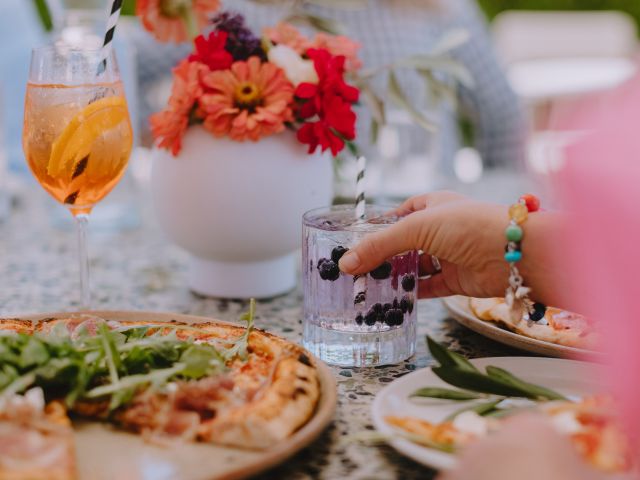
If you’re after a slick yet relaxed dining destination, head to Blacksmith Provedore . Perched right next to Lake Mulwala, the venue is airy and elegant, with a minimalist-chic design. The pizzas are seriously good too, made with 72-hour fermented dough and toppings sourced from Italy’s finest producers.
5. Broken Willow
As soon as you enter Broken Willow ’s front doors, you’re greeted with genuine hospitality and a classic bistro menu that has something for everyone: succulent grilled meats, parmas and schnitzels, juicy burgers, and international dishes ranging from weekly curry and stir-fry specials to zippy banh mi.
While you’re there
Discover plenty to do between meals. (Image: Chloe Smith Photography)
Got a few hours to spare? Make the most of your trip by exploring the natural wonders and rich cultural heritage of your riverside surroundings.
Barmah National Park is a sanctuary of walks through majestic river red gums and serene wetlands. Here, a seat on board a Kingfisher River Cruise offers a different Murray experience, letting you see the vast river from the perspective of the Yorta Yorta peoples.
If you’re a watersport enthusiast, Lake Mulwala in Yarrawonga is a favourite for canoeing, cruising, fishing, kayaking and water skiing. While the silo murals at Katamatite, St James, Tungamah and more recently Waaia are essential stops in Victoria’s famed Silo Art Trail .
In Cobram Barooga, make sure to visit Thompson’s Beach, the largest inland beach in the southern hemisphere. Nearby, the Bullanginya Dreaming project is an award-winning 1.8km immersive art experience that immerses you in light and sound to tell a rich story of country, culture and connection.