Why you should travel during a ‘dead week’ (and when to do it)

hero media
Avoid the crowds, save big and enjoy top holiday spots in peace – here’s why you should book your next trip during a ‘dead week.’

Picture this: fewer crowds, cheaper stays and a chance to experience Australia’s most popular destinations without the chaos of peak holiday seasons. Welcome to the magic of ‘dead weeks’ – those rare travel sweet spots when demand takes a dip and savvy travellers can cash in on great deals.

According to Stayz’ 2025 Holiday Planning Guide , timing your trips around these underrated periods could be the smartest way to secure your dream getaway without the usual stress.

So, what exactly is a dead week?

These are short, specific periods that immediately precede or follow peak travel times – when families are back at work and school, and the average nightly rates for accommodation take a welcome nosedive. Here’s how to plan your next break during a dead week and make the most of these golden windows of opportunity.

March: The pre-Easter escape
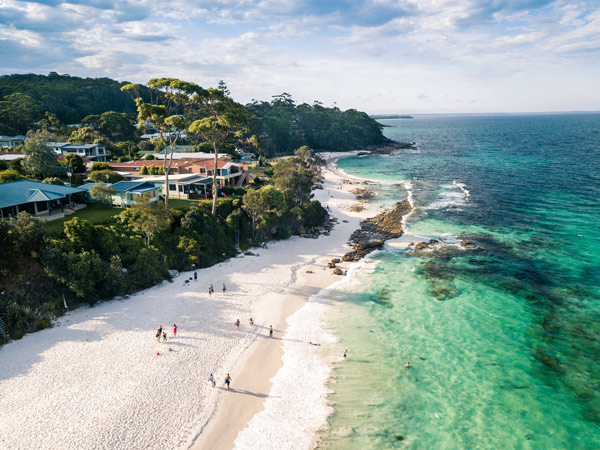
Aerial Drone Picture of the White Sand Hyams beach in New South Wales, Australia
Stay in Jervis Bay for your pre-Easter holiday. (Image: Getty Images/Roman Skorzus)

Easter is one of the most competitive travel periods of the year, with popular coastal spots like Noosa, Batemans Bay and Jervis Bay booking out well in advance. But if you can sneak in a break before the Easter madness, mid-March offers the perfect opportunity. Expect milder temperatures, quiet beaches and better rates on holiday homes.

June: The calm before the winter rush
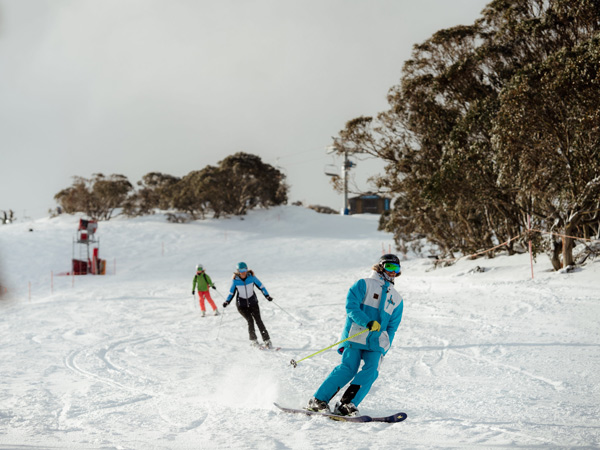
skiers Falls Creek
Falls Creek is the ideal winter destination.

Winter school holidays send skiers and snow lovers flocking to Jindabyne and Thredbo, but mid-June – before the school bells signal the start of the break – is an ideal time to book a last-minute winter escape. Whether you’re after crisp mountain air or a cosy beachside getaway, you’ll find better availability in winter hotspots like Coffs Harbour, Falls Creek, Surfers Paradise, Hervey Bay and Port Douglas, before the winter crowd settles in.

October: The secret spring getaway
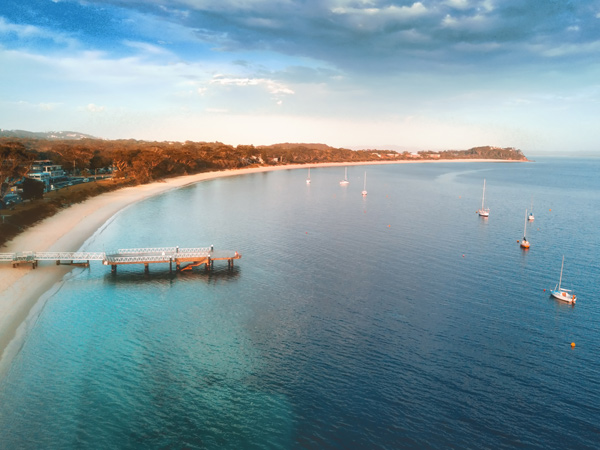
First light on Shoal Bay, Port Stephens, located in the Hunter region of NSW
Discover Port Stephens in springtime. (Image: Getty Images/lovleah)

Spring school holidays see families heading to sunny spots across the country, but the magic of late October lies in its post-holiday lull. This is the perfect time to score discounted stays in coastal havens before summer prices start creeping up. Forster, Noosa and Port Stephens all offer incredible value at this time of year.

January: The summer dead week you should know about
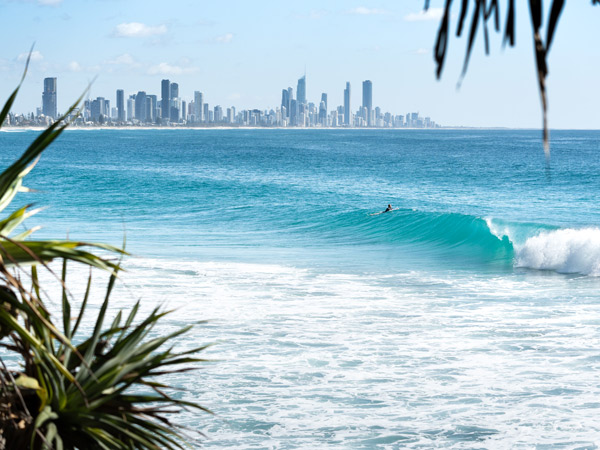
Gold Coast Cityscape
Head to the Goldie when most people go back to work. (Image: Getty Images/Still Horizon Studio)

The post-New Year lull in mid-January is one of the best-kept secrets for scoring a summer getaway without the peak-season price tag. While the Christmas/New Year period sees a rush of travellers filling up Australia’s top holiday spots, demand starts to drop from the second week of January, making it the perfect time to secure a last-minute escape. Destinations like Jervis Bay, the Mornington Peninsula, Noosa and the Gold Coast often have better availability during this time, meaning you can still enjoy the height of summer without the peak-season crowds. Plus, with many families heading home for school and work, beaches, restaurants and attractions become far more relaxed.

How to maximise your dead week travel
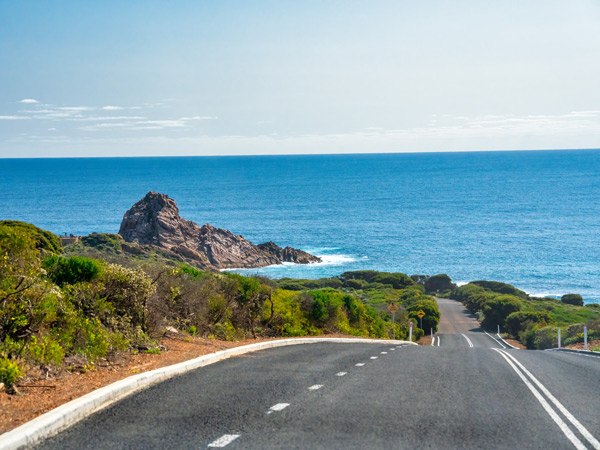
Cape Naturaliste coastline in South Western Australia
The Margaret River region is a holiday hotspot to book in advance. (Image: Getty Images/Paola Giannoni)

Flexibility is key when planning a trip, even during a dead week. Even shifting your stay by a day or two can unlock significant savings, as accommodation prices fluctuate based on demand. Look for discounts on holiday homes, as many offer reduced rates for longer stays or early bookings.

Booking in advance is still crucial – while dead weeks see lower occupancy, the best properties can still be snapped up quickly. Additionally, consider travelling mid-week rather than over weekends for even better deals. Airlines and hotels may also offer hidden perks, such as free upgrades or discounted add-ons, so it’s always worth asking. Finally, use price-tracking tools or sign up for travel deal alerts to ensure you’re getting the best possible rate.

If you really must travel in peak periods, here’s your deadline
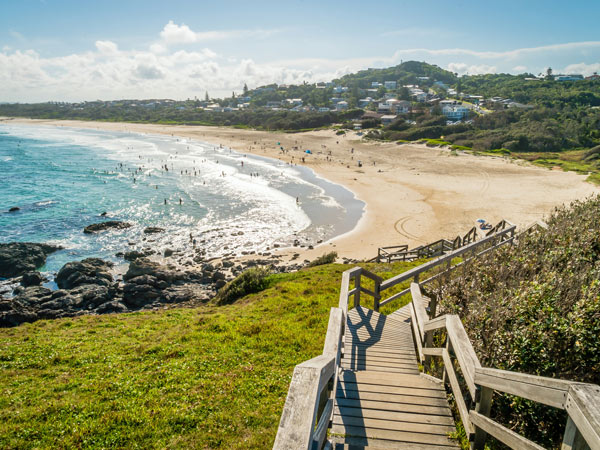
Lighthouse beach seen from the lighthouse in Port Macquarie in the summer
Book your Port Macquarie trip soon to avoid disappointment. (Image: Getty Images/Stephane Debove)

Timing is everything when securing accommodation, especially during peak travel periods.

For the Easter long weekend (18–21 April 2025), availability is already tightening in popular destinations such as Forster, Port Macquarie, the Gold Coast and the Margaret River. Stayz data suggests that less than 50 per cent of properties will still be available by the end of February, with that number dropping to under 30 per cent by early March.

Planning ahead is even more critical for summer holidays, as the last week of December is expected to be the busiest travel period of the year. Demand for holiday homes in hotspots starts surging by mid-June, and availability continues to tighten through July and August, so securing your summer stay by 21 August is highly recommended.

Emily Murphy
Emily Murphy is Australian Traveller's Email & Social Editor, and in her time at the company she has been instrumental in shaping its social media and email presence, and crafting compelling narratives that inspire others to explore Australia's vast landscapes. Her previous role was a journalist at Prime Creative Media and before that she was freelancing in publishing, content creation and digital marketing. When she's not creating scroll-stopping travel content, Em is a devoted 'bun mum' and enjoys spending her spare time by the sea, reading, binge-watching a good TV show and exploring Sydney's vibrant dining scene. Next on her Aussie travel wish list? Tasmania and The Kimberley.
See all articles

From coast to bush: these are Gippsland’s best hikes

Video credit: Tourism Australia

From coast to mountains, hiking in Gippsland offers a stunning array of landscapes, with trails that take you deep into the region’s heritage.

I step out onto the sand and it cries out underfoot. Kweek! I take another step and there’s another little yelp. Screet! Picking up the pace, the sounds follow me like my shadow, all the way down to the water. It’s obvious how this spot got its name – Squeaky Beach – from the rounded grains of quartz that make the distinctive sounds under pressure.

For many, Wilsons Promontory National Park is the gateway to Gippsland , and the best way to explore it is by walking its network of hiking trails, from coastal gems such as Squeaky Beach through to the bushland, among the wildlife. But it’s still just a taste of what you’ll find on foot in the region.

Venture a bit further into Gippsland and you’ll discover the lakes, the rainforest, and the alpine peaks, each changing with the season and offering summer strolls or winter walks. Just like that squeaky sand, each step along these trails has something to tell you: perhaps a story about an ancient spirit or a pioneering search for fortune.

The best coastal hikes in Gippsland

sunset at Wilsons Promontory National Park
Wilsons Promontory National Park is a sprawling wilderness with many coastal bushland trails. (Image: Mark Watson)

Wilsons Promontory National Park (or ‘The Prom’, as you’ll end up calling it) is an easy three-hour drive from Melbourne, but you might ditch the car when you arrive, with much of the park’s 50,000 hectares accessible only by foot. From the inky water of Tidal River (dyed dark purple by abundant tea trees), I like the easy walks along the coast, among lichen-laden granite boulders, to golden beaches and bays.

a couple on Mount Oberon
Panoramic views from the summit of Mount Oberon. (Image: Everyday Nicky)

The trail to the panoramic views at the summit of Mount Oberon is a bit harder, up steep timber and granite steps, but it’s a popular 6.8-kilometre return. The more remote hikes are found through the open banksia and stringybark woodland of the park’s north, or along the multi-day Southern Circuit , which ranges from about 35 to 52 kilometres, with sunrises and sunsets, kangaroos and cockatoos, and maybe even whales.

a golden sand beach at Wilsons Promontory National Park
Walk ‘The Prom’s’ golden sand beaches. (Image: Tourism Australia/Time Out Australia)

You might also see whales on the George Bass Coastal Walk , even closer to Melbourne on the western edge of Gippsland. This dramatic seven-kilometre trail along the clifftops takes in sweeping views of the wild ocean, occasionally dipping down from grassy green hills to coastal gullies and a secluded beach. It also now links into the Bass Coast Rail Trail for an extra 14 kilometres.

the George Bass Coastal Walk
George Bass Coastal Walk trails for seven kilometres along clifftops. (Image: Visit Victoria/Time Out Australia)

Over at the eastern edge of Gippsland, in Croajingolong National Park, you can wander along the lakeshores beneath koalas and around goannas (I keep my distance since one chased me here!). For those who are even more adventurous, the park is also the starting point for the 100-kilometre Wilderness Coast Walk , usually done over seven days.

the Croajingolong National Park, Gippsland
Wander along the lakeshores in Croajingolong National Park. (Image: Tourism Australia)

The best bush hikes in Gippsland

the Baw Baw National Park
The alpine heath of Baw Baw National Park. (Image: Everyday Nicky)

Deep in the Long Tunnel Extended Gold Mine at Walhalla, mining guide Richard tells me how this small town in the mountains east of Melbourne boomed when prospectors found gold here in 1862. These days, you’ll find most of the town’s treasure – its heritage – above ground, with the Walhalla Tramline Walk a wonderful way to explore it.

Just seven kilometres long, the walk takes you through decades of Gold Rush history, following the original rail trail from lush bushland to the mining sites, and through the charming village of just 20 residents with its wooden cottages and old shopfronts adorned with turn-of-the-century advertising posters. Blazing a trail where trailblazers once opened up the region, this is also the starting point for the 650-kilometre Australian Alps Walking Track.

Nearby, Baw Baw National Park has walks through gnarled snow gums and alpine heaths that show off the colourful wildflowers in summer and the pristine carpet of white in winter. Several trails are perfect for snowshoes, including a 45-minute route from St Gwinear up to vast views across the Latrobe Valley.

Further up into the mountains, the Toorongo and Amphitheatre Falls Loop Walk is an easy 2.2-kilometre path that serenades you with the sound of flowing water as you pass mossy rocks and tree ferns en route to two sets of waterfalls cascading over boulders in the remote wilderness.

The best cultural hikes in Gippsland

the Mitchell River National Park, Gippsland
Hike the Mitchell River National Park. (Image: Parks Victoria/Grace Lewis)

Across a pool in a natural sandstone amphitheatre, deep within a cave behind a waterfall, it’s said the Nargun has its lair. A fierce creature, half human and half stone, that abducts children and can’t be harmed by boomerangs or spears, the story of the Nargun has been told around the campfires of the local Gunaikurnai people for generations.

As a culturally significant place for women, hikers are asked not to go into the Den of Nargun, but a 3.4-kilometre loop walk leads you through a rainforest gully to the entrance where you can feel the powerful atmosphere here in Mitchell River National Park , along Victoria’s largest remaining wild and free-flowing waterway.

the bee-eaters at Mitchell River National Park
Bee-eaters at Mitchell River National Park. (Image: Parks Victoria/Grace Lewis)

The Den of Nargun is part of the Bataluk Cultural Trail , a series of important traditional Gunaikurnai sites through central Gippsland. Another location is Victoria’s largest cave system, Buchan Caves Reserve, with trails to important archaeological sites of human artefacts up to 18,000 years old. The FJ Wilson Interpreted Walk includes the naturally sculpted white limestone steps of the 400-metre-long Federal Cave, while the Granite Pools Walk goes among tall timber and moss-covered gullies.

the ancient rainforest of Tarra-Bulga National Park
The ancient rainforest of Tarra-Bulga National Park. (Image: Josie Withers)

Also important to the Gunaikurnai people is Tarra-Bulga National Park , known for its ancient myrtle beeches and enormous mountain ash trees. Just 40 minutes return, the Tarra Valley Rainforest Walk offers a taste of this verdant landscape, while the Grand Strzelecki Track takes you deep into the lost world of forest giants on an epic 100-kilometre trail rich with tradition.

A traveller’s checklist

Staying there

the WildernessRetreats in The Prom
Wilderness Retreats in The Prom. (Image: Christian Pearson)

Wilderness Retreats in Wilsons Promontory offers glamping-style tents with luxurious queen beds. Star Hotel is a reconstruction of a Gold Rush-era hotel from 1863 in the heart of heritage Walhalla. Caves House is a historic three-bedroom house with views over the Buchan River.

Eating there

the Carrajung Estate, Gippsland
Enjoy a post-hike lunch at Carrajung Estate. (Image: Everyday Nicky)

Kilcunda General Store serves great coffee and meals of local produce at the George Bass Coastal Walk. Alpine Trout Farm is located near Toorongo Falls in Noojee. Fish for your own lunch and barbecue it with the provided cookware.

Carrajung Estate is a short drive from Tarra-Bulga National Park. The winery’s restaurant offers a seasonal menu of regional ingredients and you can stay at The Lodge.

a seafood feast at Carrajung Estate, Gippsland
The table is set for a seafood feast at the estate.

Video credit: Tourism Australia