This underrated NSW hike takes you through 2 coastal national parks

hero media
This little-known coastal track is hiding in plain sight. 

Tucked between South West Rocks and the sleepy surf hamlet of Hat Head lies a walking trail so wild and scenic, it cuts through not one but two coastal NSW national parks – and somehow still flies under the radar. 

The Smoky Cape Range Walking Track is the kind of walk that makes you feel like you’ve truly earned your morning coffee. This 5.5-kilometre one-way track winds through a ridgeline flanked by Arakoon and Hat Head national parks, offering sweeping ocean views, rugged terrain, rainforest pockets and a side of convict history for good measure. 

If you haven’t heard of it, you’re not alone – this little-known walk is one of the most underrated on the Mid North Coast. 

Two national parks, one unforgettable walk 
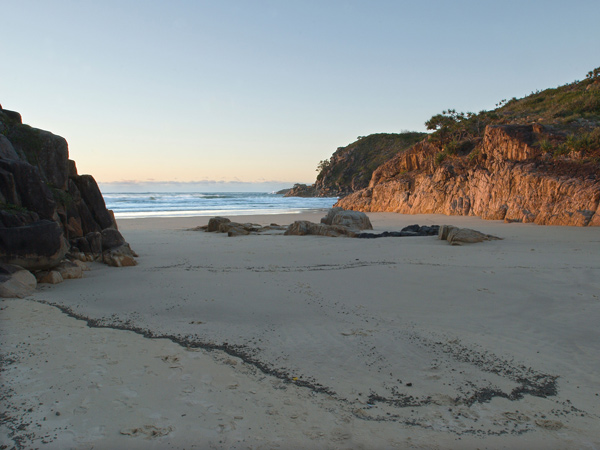
Little Bay picnic area in Arakoon National Park
Start at Little Bay picnic area in Arakoon National Park. (Image: Michael Van Ewijk/DCCEEW)

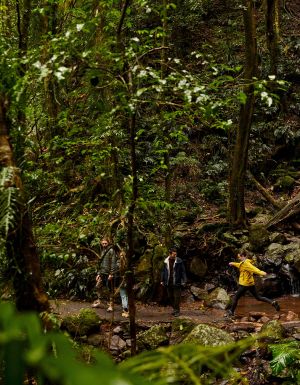
Starting near the historic Overshot Dam at Little Bay picnic area in Arakoon National Park, the trail ascends through coastal heathlands, rainforests and grassy woodlands. As you traverse the ridge, you’ll transition into Hat Head National Park, where the landscape shifts to lush rainforests and expansive ocean vistas. The trail culminates at the iconic Smoky Cape Lighthouse, perched dramatically above the Pacific Ocean. 

This walk is not just a physical journey but also a cultural one. The land holds deep significance for the Dunghutti people, the Traditional Custodians of the area. Walking through these parks offers a chance to reflect on the rich Aboriginal heritage and the natural beauty that has been preserved for generations. 

Wildlife and seasonal spectacles 
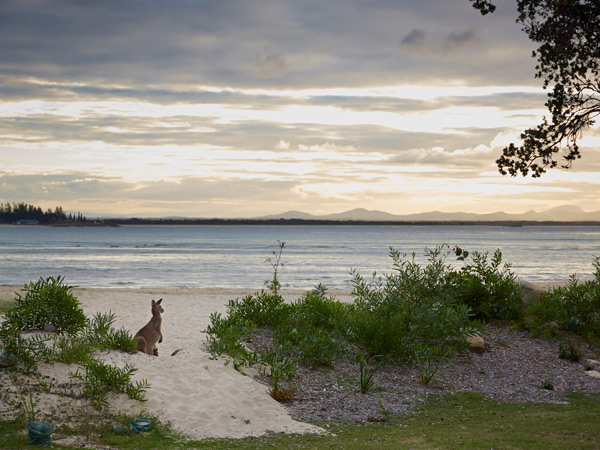
Eastern grey kangaroo at sunset beachside camping with great fishing and beaches perfect for whale watching and swimming in Arakoon National Park
Spot wildlife on the walk. (Image: Nick Cubbin/DCCEEW)

Depending on the season, the trail offers different natural spectacles. In spring, the heathlands burst into a kaleidoscope of wildflowers, attracting a variety of bird species.  

From May to November, the cliffs become prime vantage points for whale watching, as humpback and southern right whales migrate along the coast. Keep an eye out for wallabies, echidnas and the occasional goanna basking in the sun. 

Need tips, more detail or itinerary ideas tailored to you? Ask AT.

AI Prompt

A lighthouse steeped in history
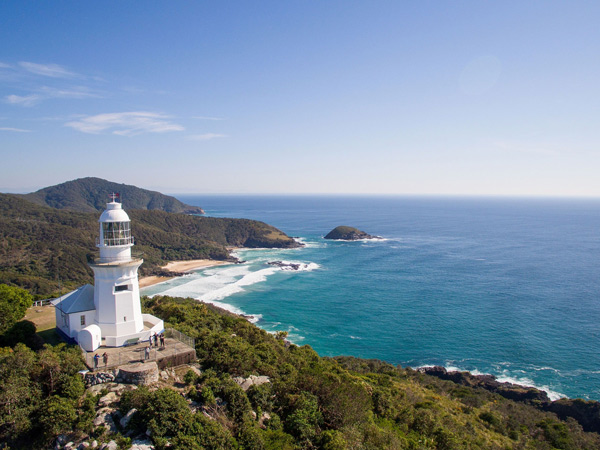
Smoky Cape Lighthouse, Smoky Cape, South West Rocks, Hat Head National Park
Smoky Cape Lighthouse is one of the state’s tallest. (Image: Jessica Robertson/DCCEEW)

Upon reaching the Smoky Cape Lighthouse, you’re greeted by one of the tallest lighthouses in NSW, built in 1891. This heritage-listed structure offers not only a sweeping 360-degree view of Hat Head National Park and the wild coast below but also a glimpse into maritime history.  

For those interested in delving deeper, the NSW National Parks and Wildlife Service offers guided tours of the lighthouse. Led by knowledgeable rangers, these 45-minute tours provide insights into the lighthouse’s history and operations. Tours are scheduled on select dates throughout the year, and bookings are essential.  

Even better? There’s a car park nearby, so if you want to do the track one way, you can arrange a pick-up at the lighthouse end and make it a point-to-point hike instead of an out-and-back. 

Stay a little longer 
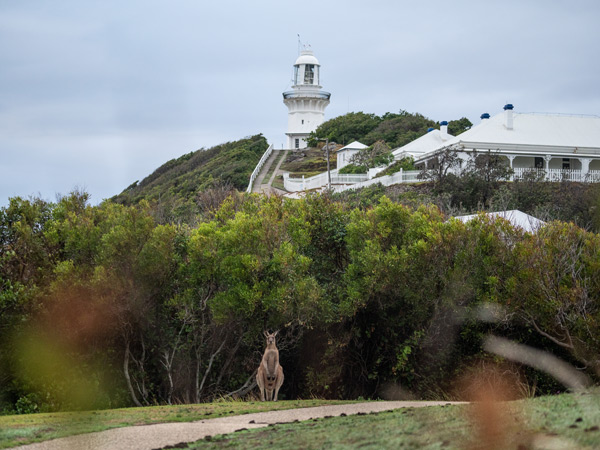
Kangaroo in front of Smoky Cape Lighthouse, Smoky Cape, South West Rocks, Hat Head National Park
You can stay at the Smoky Cape Lighthouse Keepers’ Cottages. (Image: Robert Mulally/DCCEEW)

To fully immerse yourself in the area’s charm, consider staying at the Smoky Cape Lighthouse Keepers’ Cottages. This historic accommodation offers both bed and breakfast and self-contained options, providing a unique opportunity to stay in a working lighthouse precinct. Situated high above Smoky Beach, the cottages are perfect for whale watching in winter and enjoying the tranquillity of the national park year-round. 

Weekly travel news, experiences
insider tips, offers, and more.

What to know before you go
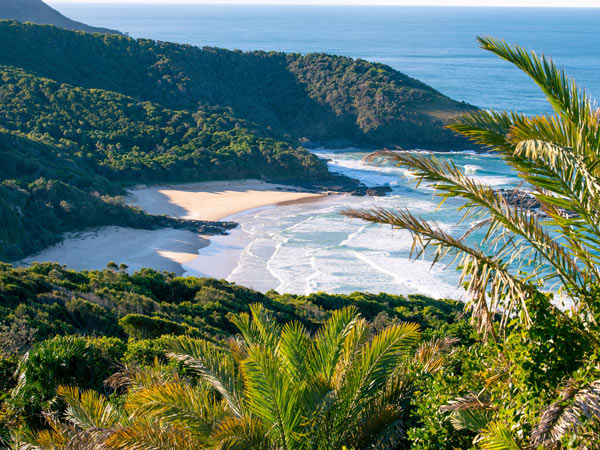
Views of North Smoky Beach from Smoky Cape Lighthouse in Hat Head National Park, Arakoon
This walk is best suited for those with bushwalking experience. (Image: Destination NSW)

This is a Grade 4 trail, meaning it’s best suited to fit walkers with some bushwalking experience. You’ll want decent footwear, plenty of water and a charged phone with offline maps. 

There’s not much signage, so download a trail map ahead of time or use AllTrails. It’s around two to three hours one-way if you take your time to stop at the scenic points (and you should). 

Note: Limited mobile reception in some areas; plan accordingly. 

Make a weekend of it 
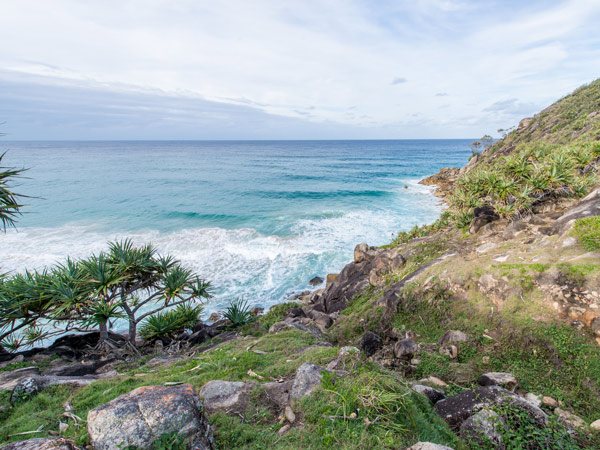
Screw Pine Trees (Pandanus tectorius var. australianus), also known as Beach Pandan or Breadfruit are scattered along the rocky headlands along the Little Bay to Smoky Cape track in Hat Head National Park
Make the most of your time in the region. (Image: John Spencer/DCCEEW)

South West Rocks is the perfect base for this walk, with beachfront holiday parks, cosy cabins and local cafes to refuel in after your hike. Add in a sunset swim at Trial Bay or a visit to the hauntingly beautiful ruins of Trial Bay Gaol, and you’ve got yourself one very memorable nature escape. 

Not many walks let you cross between two national parks, pass a heritage lighthouse and feel like you’ve got the whole place to yourself. But this one does. And it’s right there, hiding in plain sight. 

Want to see more stories from Australian Traveller in your Google search results?

  1. Click here to set Australian Traveller as a preferred source.
  2. Tick the box next to "Australian Traveller". That's it.
Emily Murphy
Emily Murphy is Australian Traveller's Email & Social Editor, and in her 4+ years at the company she has been instrumental in shaping its social media and email presence, and crafting compelling narratives that inspire others to explore Australia's vast landscapes. Her previous role was a journalist at Prime Creative Media and before that she was freelancing in publishing, content creation and digital marketing. When she's not creating scroll-stopping travel content, Em is a devoted 'bun mum' and enjoys spending her spare time by the sea, reading, binge-watching a good TV show and exploring Sydney's vibrant dining scene. Next on her Aussie travel wish list? South Australia and The Kimberley.
View profile and articles
hero media

7 Lake Macquarie secrets the locals don’t want you to know

Credit: Beau Pilgrim

An untapped side to this popular holiday spot is hiding in plain sight.

Laidback Lake Macquarie draws in holidaygoers and day trippers with its casual coastal allure and raw beauty. But even though it’s just 90 minutes from Sydney, most visitors have only scratched the surface of what this region has to offer.

Foodie hotspots, quaint towns, tranquil waterways and compelling art are all waiting to be discovered. You just need to know where to find them.

1. Most visitors don’t make it to the western side

Explore beyond the western side. (Credit: Beau Pilgrim)

While there’s no harm in walking the well-worn path in this idyllic pocket of the world, the area west of Lake Macquarie is defined by stretches of ancient rainforests and quaint towns with a more local feel. Toronto is the largest town on this side and features a golf course and sailing clubs, while peninsula-based Wangi Wangi is fantastic for bushwalking and swimming.

2. There’s a booming arts scene

Museum of Art and Culture, YAPANG
Discover the Museum of Art and Culture, YAPANG.

Lake Macquarie is a must-visit destination for creatives. Discover the Museum of Art and Culture, YAPANG; this modern gallery is set on a five-hectare sculpture park and showcases a free rotating program of exhibitions and events, with a strong focus on contemporary Aboriginal art. In Wangi Wangi, explore the Wangi Owl Trail, which includes Dobell House, the preserved home of prolific artist Sir William Dobell. And enjoy live music every Saturday evening at the recently renovated Toronto Hotel.

3. It’s a nature lover’s paradise

three people swimming in lake macquarie
In and out of the water, find a natural paradise. (Credit: Beau Pilgrim)

Lake Macquarie is a playground for nature lovers. It’s home to Australia’s largest saltwater lake, a 110-square-kilometre haven for swimming, fishing, boating and sunset views. Another oasis is the Lake Macquarie State Conservation Area, a 761-hectare protected reserve with wildflowers, Second World War heritage sites and spectacular views to Pulbah Island. The upgraded Toronto baths, complete with jetty decking and netting, make for a sheltered spot for a refreshing dip, while the Awaba Mountain Bike Park gives adrenaline junkies their fix.

4. The dining scene is unbeatable

8 at Trinity lake macquarie
Treat yourself to 8 at Trinity.

Gourmands are well looked after in Lake Macquarie. At Emerson’s on the Lake in Toronto, the modern Australian fine dining menu spoils seafood lovers with the freshest ocean produce and stunning lake views. Sitting on Trinity Point’s waterfront, 8 at Trinity is another standout offering, serving Mediterranean fare in an open-air setting. For a more relaxed affair, the microbrewery trail lets craft beer enthusiasts sip on inventive brews from The Yard, Lake Mac Brewing and Bread & Brewery.

5. There are hidden coves and waterways

kayakers on lake macquarie local secrets
Get out onto the lake. (Credit: Beau Pilgrim)

There’s no better way to experience Lake Macquarie than directly on its waters, and in doing so you’ll discover a world of hidden coves and secluded waterways. Jump in a kayak for a tour with the friendly team at School of Yak and paddle to Cockle Creek, Awaba Bay, Green Point and Fennel Bay, discovering underwater life along the way. Or go all in and stay the night on one of Lake Macquarie Houseboats’ spacious vessels or hire a BBQ pontoon boat for the day from Lake Macquarie Boat Hire to enjoy a feast in the sunshine while admiring the marine life and picturesque waterscape.

6. It’s a birdwatcher’s paradise

ll blue wren sitting on a tree branch
Keep an eye out for local birdlife. (Credit: Walter Coppola)

Twitchers are in for a real treat as hundreds of fascinating bird species such as Australian pelicans, black swans, white-bellied sea-eagles and superb fairy-wrens call this area home. Take a self-guided tour around top spots including Bird Cage Point and Lake Macquarie State Conservation Area (near Morisset) or be guided in a clear-bottom kayak through the waterways with Lake Macquarie Kayak Adventures, observing feathered friends as you go.

7. The lake has islands

sail lake macquarie
Charter a boat to see Lake Macquarie’s islands.

Hop on a private boat, kayak or charter around the lake to discover the plethora of small islands peppered around Lake Macquarie. The largest is Pulbah Island, a 69-hectare nature reserve home to goannas and sugar gliders with secluded beaches. Sandy islands such as Spectacle Island and Pelican Island have a tropical lagoon-like look to them as they sit in the tidal path of Swansea Channel, which filters the sand and creates a pristine environment. Stop by for a dip and a picnic.

Start living like the locals at visitlakemac.com.au.