Cuttaburra National Park is NSW’s newest national park, set to open its gates to visitors in 2025.
Next year, there will be a new national park that adventure lovers can visit. This September, 37,422 hectares of land in outback NSW was designated an official national park. The new park, Cuttaburra National Park, earned the title thanks to its unique ecology and cultural significance.
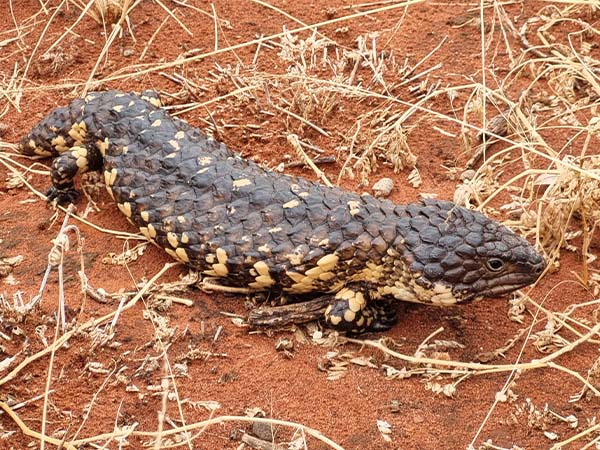
Cuttaburra is teeming with flora and fauna, containing some of Australia’s most important wetlands home to thousands of species of waterbirds. The park is also a haven for threatened species such as the brolga, eastern fat-tailed gecko, black-breasted buzzard and little eagle.
Cuttaburra National Park is full of fauna, like this shingleback lizard. (Image: Kirsten Skinner)
In addition, the park has many Aboriginal cultural sites, including stone arrangements, scar trees and wells. Cuttaburra will be managed by the NSW National Parks and Wildlife Service in collaboration with Aboriginal and local people to protect these important places.
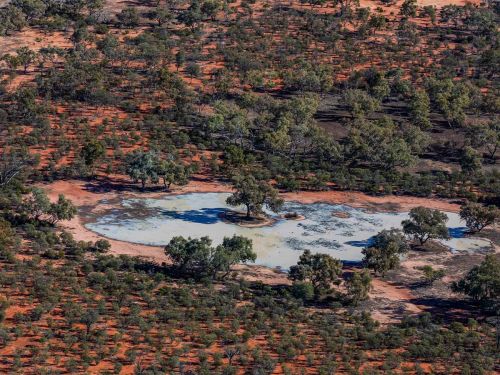
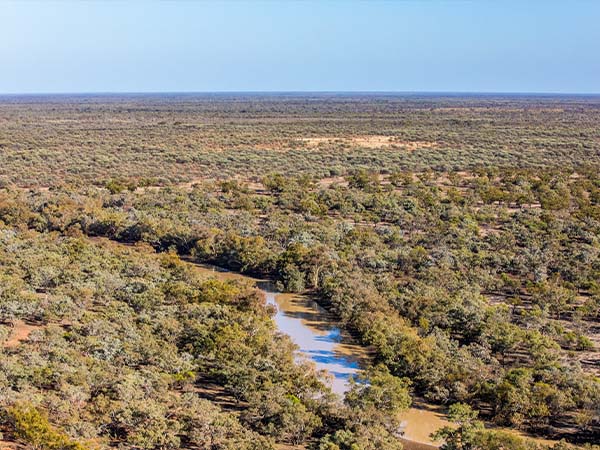
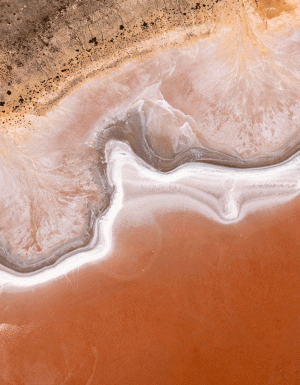
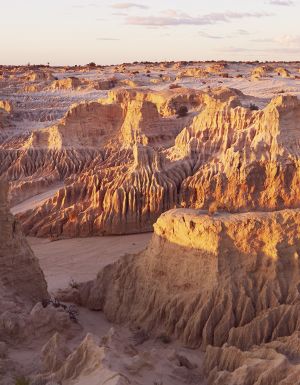
The landscape encompassed by the park is rich and diverse, characterised by red earth cut through with tree-lined river floodplains, swamps and waterholes. Cuttaburra National Park doesn’t officially open its gates until next year, but here’s what we know about it so far.
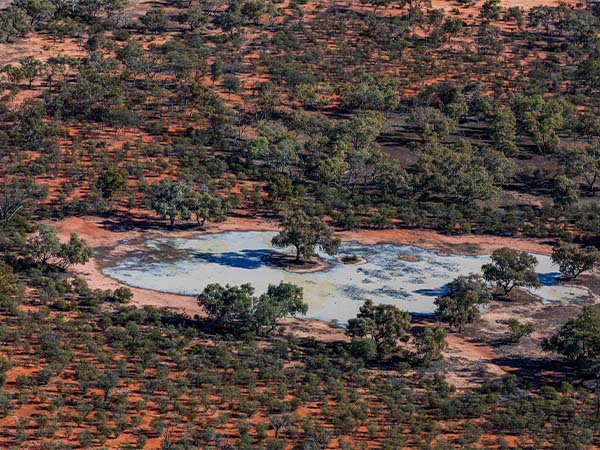
Cuttaburra National Park is abundant with flora, including endangered trees. (Image: Joshua J Smith Photography)
Where is Cuttaburra National Park?
Cuttaburra National Park lies on Paroo and Warrego River Country in the far north of NSW. The park is remote, located deep inland in NSW’s outback, about 150 kilometres north-west of Bourke and accessed along the iconic 4WD Dowling Track.
The new National Park is full of waterways and wetlands. (Image: Joshua J Smith Photography)
What can you do in Cuttaburra National Park?
Right now, the park is geared towards plant, wildlife and cultural conservation. It remains to be seen what infrastructure will exist for tourists when Cuttaburra National Park officially opens in 2025, so stay tuned to find out.
Right now, you can pass through Cuttaburra National Park on the Dowling Track, a historic outback 4WD trail that connects Bourke to Quilpie in Queensland. The neighbouring Brindingabba National Park just 25 kilometres away contains a campground and a 4WD touring route for nature lovers keen to experience the landscape.
Cuttaburra National Park will open its gates to visitors in 2025. (Image: Joshua J Smith Photography)
Tick the box next to "Australian Traveller". That's it.
Elizabeth Whitehead is a writer obsessed with all things culture; doesn't matter if it's pop culture or cultures of the world. She graduated with a degree in History from the University of Sydney (after dropping out from Maths). Her bylines span AFAR, Lonely Planet, ELLE, Harper's BAZAAR and Refinery 29. Her work for Australian Traveller was shortlisted for single article of the year at the Mumbrella Publishing Awards 2024. She is very lucky in thrifting, very unlucky in UNO.
Think you know Lismore? Think again. From pop-up feasts to a buzzing nightlife to a thriving arts scene, discover a new side of the Northern Rivers.
Scratch beneath the surface of Lismore and its surrounding villages and you’ll discover a side of the Northern Rivers many travellers don’t expect. Here lies a region bursting with creativity, where vibrant street art, innovative eateries and enriching cultural experiences shape everyday life. Best of all, it’s authentic, and can be enjoyed without the crowds. Here are eight reasons why it deserves a closer look.
1. Nights come to life
Stay out a little longer and experience the vibrant nightlife. (Image: Visit Lismore)
The Lismore region stirs after the sun sets, with wine bars, pub gigs, pop-up dinners and live music events at atmospheric country pubs and halls. The Eltham Hotel is a hinterland institution, its verandah regularly echoing with rootsy live music. Nimbin Bush Theatre’s Sonic Bloom nights bring pop-up dinners, films and DJ sets. The Channon Tavern hosts weekend sessions, while Il Carretto’s pizza nights fill Clunes Cafe on Thursday nights and Bexhill Hall on Fridays. Rider Taco Pop Up also brings a laid-back Mexican feast to Clunes, where guests spread out on the grass or gather in the old hall to share freshly made tacos.
2. A thriving arts and culture scene
Follow the Art & Culture Trail. (Image: Visit Lismore)
The Northern Rivers has long attracted artists, makers and free thinkers, and nowhere is that creative energy more evident than in Lismore and its neighbouring hamlets. The city’s Art & Culture Trail shines a spotlight on the city’s flourishing arts scene, linking galleries, studios and public art across the region. Start at the Lismore Regional Gallery, which has a dynamic mix of contemporary works and community-focused exhibitions. Also keep an eye out for events at The Quad, an open-air space that lights up with live music, projections and family-friendly events. Beyond the city, discover the colourful street murals of Nimbin, browse local art at Blue Knob Gallery or get your hands dirty during a clay workshop at Silt Studio.
For travellers who love discovering independent labels and one-of-a-kind finds, Lismore and its nearby villages offer a treasure trove of boutiques. Here, you’ll find everything from clothes and hand-crafted trinkets to books and homewares, each store reflecting the personality of its makers and curators. Highlights include Hanging Rock Flowers, where seasonal blooms meet beautifully chosen artisan gifts, and Two Ravens Antique and Vintage, where a collection of objects whisper stories of the past. Little Polli and the Blackbird offers whimsical fashion and homewares, while Folk Modern champions eclectic textiles and global finds and Valley of the Craftsmen showcases refined handmade artistry.
4. Diverse food offerings
Settle in for an evening of great drinks and live tunes. (Image: Visit Lismore)
Lismore’s dining scene is celebrated for its paddock-to-plate produce, global cuisines and cafe culture. At Two Mates Brewing small-batch beers are crafted for easy afternoons, often best enjoyed with a food truck bite, while The Levee Lounge and Bar brings a touch of Melbourne-style polish to town, with cocktails and wine served against the hum of live music.
Heritage bones meet a modern buzz at The Bank Cafe & Espresso, while smoked meats and fried chicken take centre stage at The Stockpot Kitchen. Housed in a former butter factory, Channon Tavern is the ideal place to while away the day on the grass by Terania Creek, and the The Eltham Hotel offers an upscale food menu with old school charm.
Find Annies Country Bakery in Modanville on Lismore’s Great Pie Trail, serving award-winning pies, open every day, it’s a great stop on a scenic drive on route to nearby national parks and Rocky Creek Dam. Or pop into Clunes Cafe for regular hosted dinners, each with its own unique flair. Listen to live music while you’re there, and maybe even join in a line dance.
5. Alternative lifestyles reign
Discover a place where freedom, art and community are part of everyday life. (Image: The Legendary Pacific Coast)
This area has long been a free-spirited community, where counterculture values and creative expression shape everyday life. Its roots trace back to the 1973 Aquarius Festival, when thousands gathered in the hills near Nimbin and the one-time dairy town’s once-quiet streets were painted in kaleidoscopic colour. Many never left, establishing communes and laying the foundations of a community built on sustainability and freedom. Events such as the annual Nimbin MardiGrass festival keep its activist, grassroots spirit alive, while continuing to welcome diverse travellers in search of something a little different.
6. Breathtaking nature on the doorstep
Step into a world of ancient forests. (Image: Visit Lismore)
Lismore acts as the gateway to some of Australia’s most spectacular ancient Gondwana rainforests and untouched wilderness. Nearby Nightcap National Park offers UNESCO-listed rainforest walks and waterfalls, while Rocky Creek Dam is a tranquil spot for picnics and birdlife – and you may even spot a platypus if your timing is right. Whian Whian State Conservation Area reveals lush subtropical trails and hidden swimming holes, while the Northern Rivers Rail Trail winds through farmland and forest, passing historic railway bridges along the way.
7. Boutique stays
Experience award-winning eco stays. (Image: Contained in Nimbin)
Accommodation in the Lismore region tends to favour character over gloss, with stays that trade uniform luxury for a stronger sense of place and personality. Lismore Gateway Motel and Invercauld House offer easy comfort close to Lismore CBD, while The Eltham Hotel pairs a lively pub atmosphere with individually designed rooms that reflect the building’s heritage character. Nightcap Ridgesecluded luxury eco retreat and Rummery Park Campground in Whian Whian State Conservation Area, and Contained in Nimbin’s award-winning eco cabins, all bring you closer to nature.
8. Form community connections
Celebrate winter solstice at the Lismore Lantern Parade. (Image: Visit Lismore)
If you are wanting to immerse yourself more in the community, there are some standout events that embrace Lismore’s individuality. Lismore is known for its markets, so they’re a great place to start. The fire twirling at Lismore’s weekly Thursday produce markets makes for a particularly fun spectacle.