After decades of growing food and wine for NSW, producers from the Riverina cities of Wagga Wagga and Griffith are welcoming visitors to enjoy it straight from the source.
The food bowl of NSW is fed by the mighty Murrumbidgee. I, too, have come here to be fed. After many years of growing some of the country’s best crops, the Riverina is now fertile ground for visitors looking for food experiences as agritourism grows and local restaurants make the most of the produce at their fingertips.
Agriculture is still at the heart of Wagga Wagga and Griffith, two of the area’s main hubs – even if they’ve grown and evolved in different ways since returned soldiers were given plots of land to farm.
The centre of Wagga Wagga feels like a big city, but I only have to walk a few blocks to find incredible neighbourhood restaurants – and even a hidden speakeasy. Just a two-hour drive away, Griffith has most of its best dining clearly on display on its leafy main street. Less obvious, but only an easy drive away, are the local producers now throwing their doors open to visitors.
Griffith: grown from Italian roots
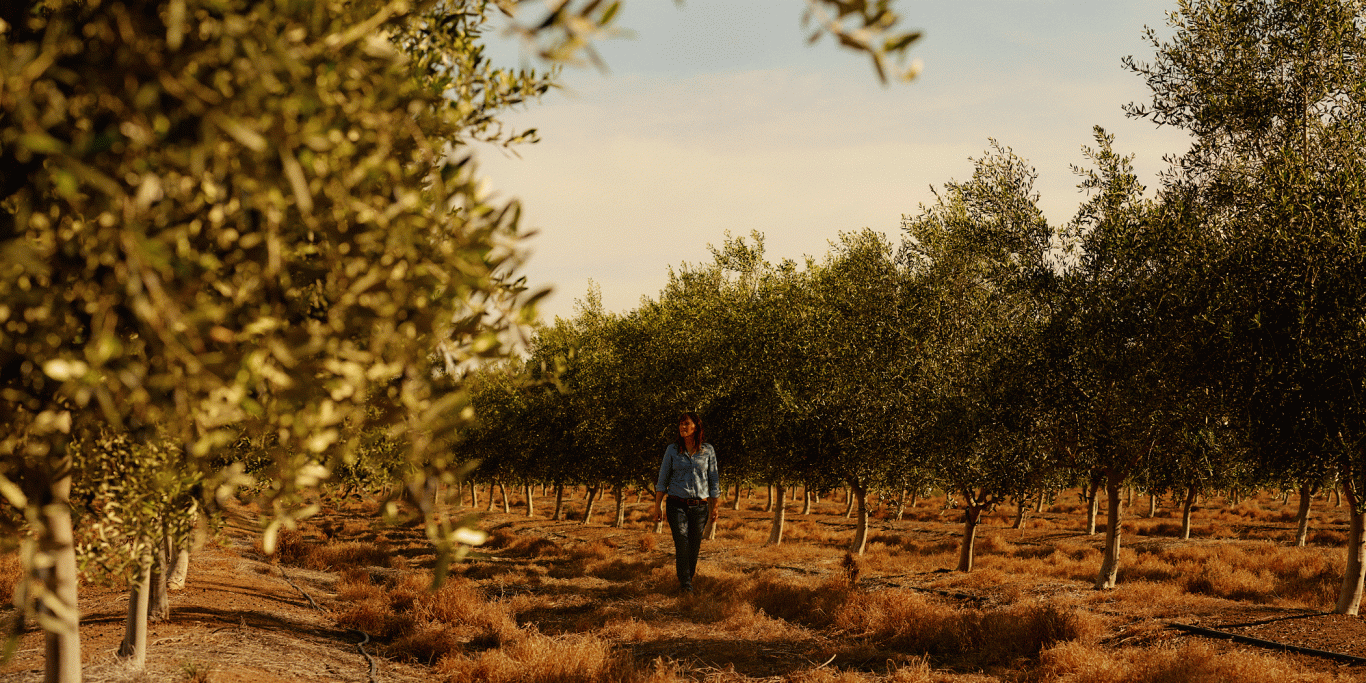
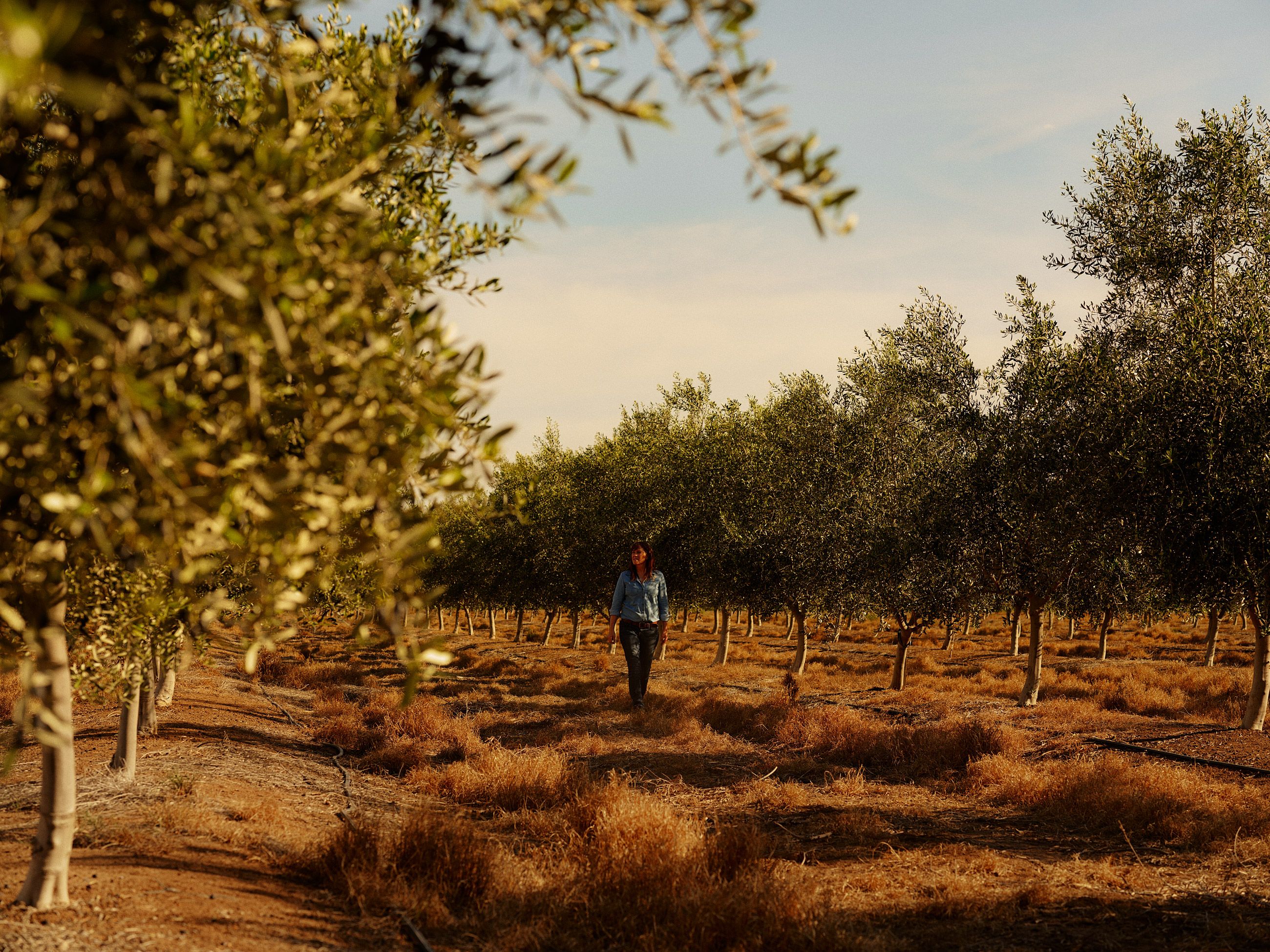
Visit groves that produce award-winning olive oils. (Credit: Steven Woodburn)
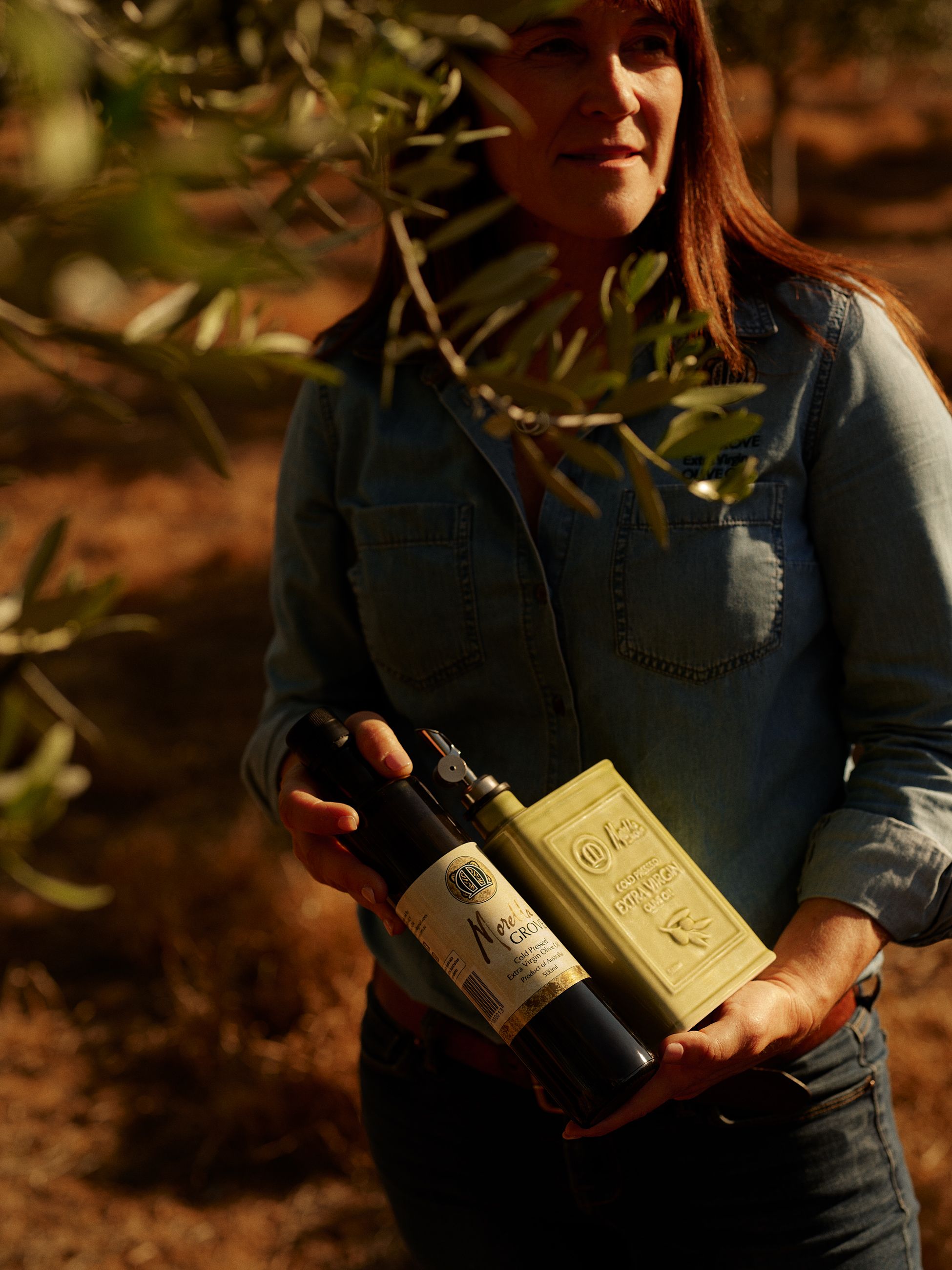
Sample olive oil at Morella Grove. (Credit: Steven Woodburn)
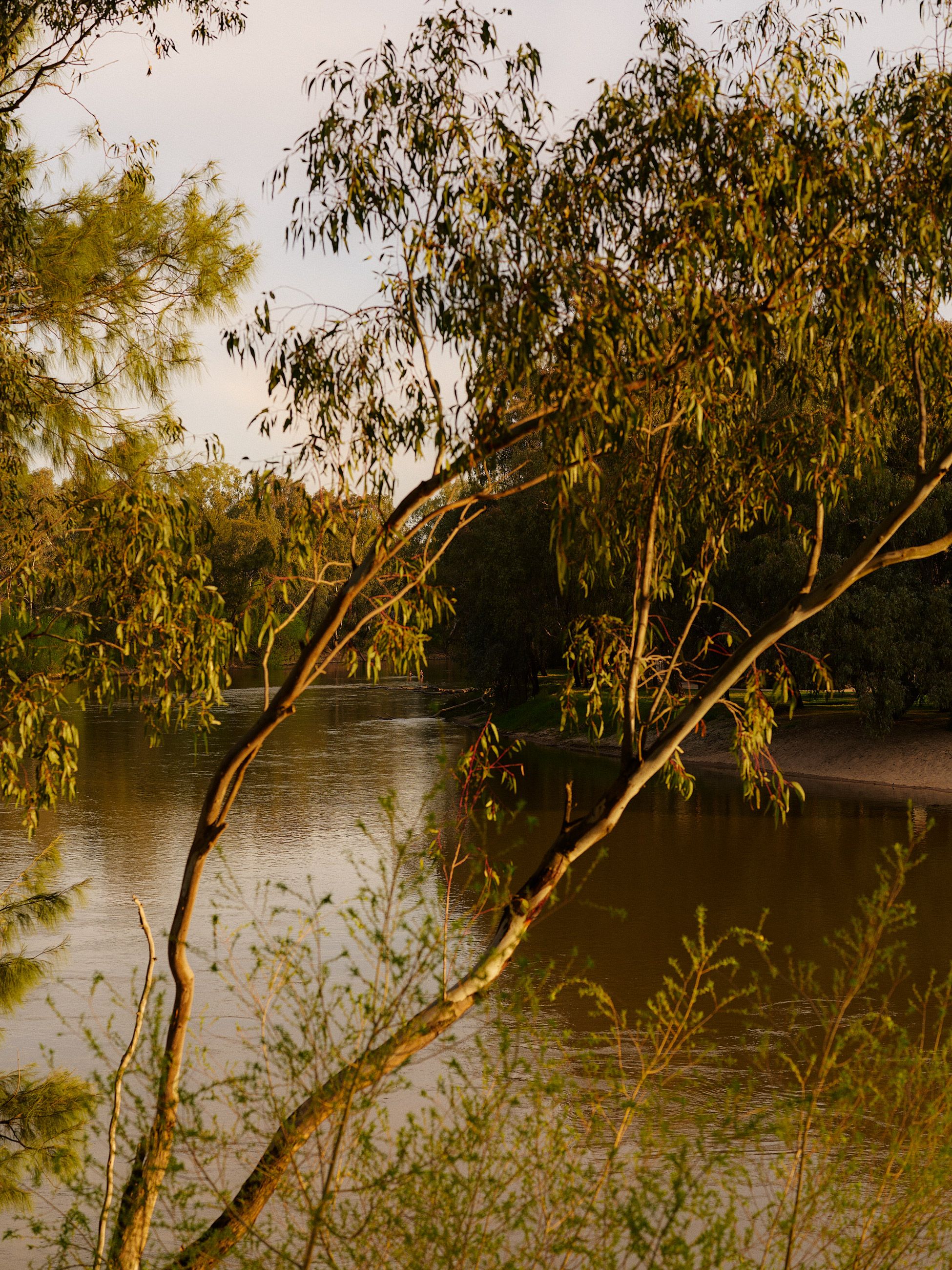
The mighty Murrumbidgee. (Credit: Steven Woodburn)
Like the irrigated water from the river that crosses the region, the legacy of Griffith’s European farmers still flows across the land. Many of the returned soldiers who were allocated properties here sold them to migrants from countries such as Italy, who brought farming practices from home.
Frank DalBon’s father was one of the first Italian farmers in Griffith. He arrived in Australia in 1937 and settled in the area after the Second World War. Now Frank – who has been farming for 54 years – runs Morella Grove, which produces some of the country’s best olive oil.
“If you want quality, it starts with a good tree then time to process," he explains as he shows me around the farm. He’s leading more tours as visitor numbers increase.
Zecca plates up rare pasta shapes. (Credit: Steven Woodburn)
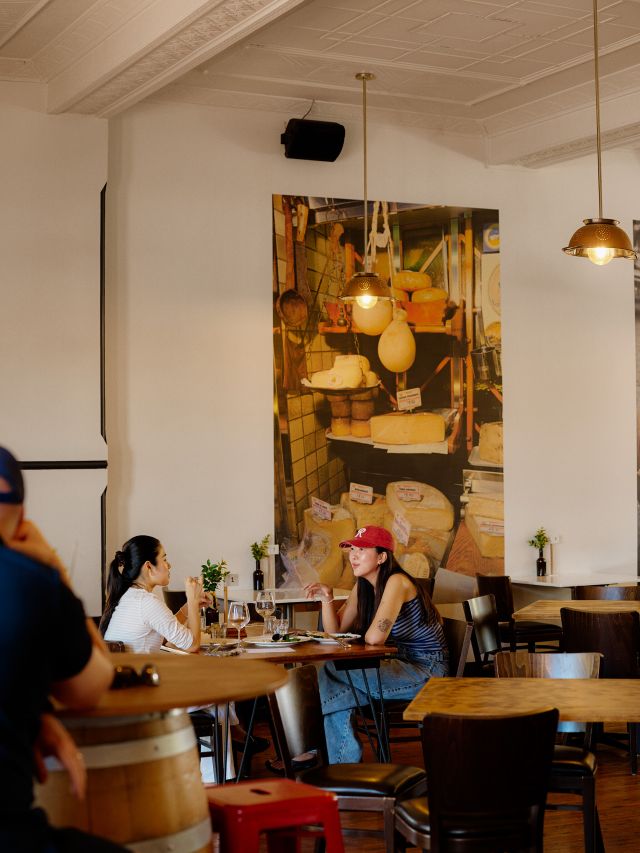
In town, Zecca Handmade Italian is another part of this legacy. Famous for its pasta, including rare and obscure shapes, the restaurant is even decorated with colanders for lightshades. I pop in one morning and, although I’m tempted by the breakfast gelato, find the local eggs and bacon hit the spot.
For dinner I grab pizza at Griffith institution La Scala, family owned and operated since 1977. One of the pizzas is called ‘toppa’, and owner Alessandro tells me that decades ago his Italian grandfather named it after a dirty anatomical word, so if people were rude he could tell them to “eat his toppa". The name stuck and it’s now a local favourite.
Need tips, more detail or itinerary ideas tailored to you? Ask AT.
AI Prompt
Local wineries serve delicious drops. (Credit: Steven Woodburn)
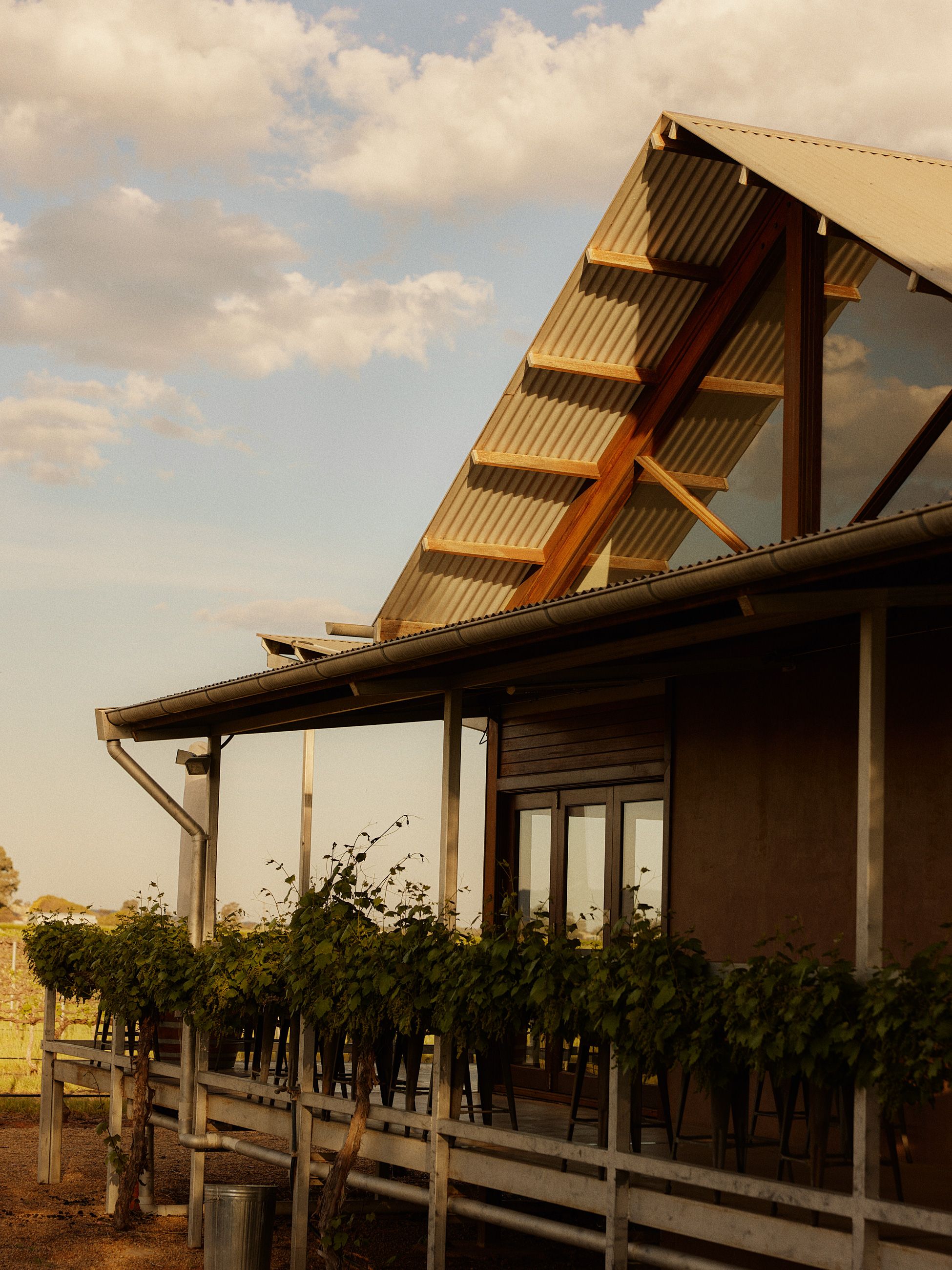
Experience sustainably crafted Australian drops at Yarran Wines. (Credit: Steven Woodburn)
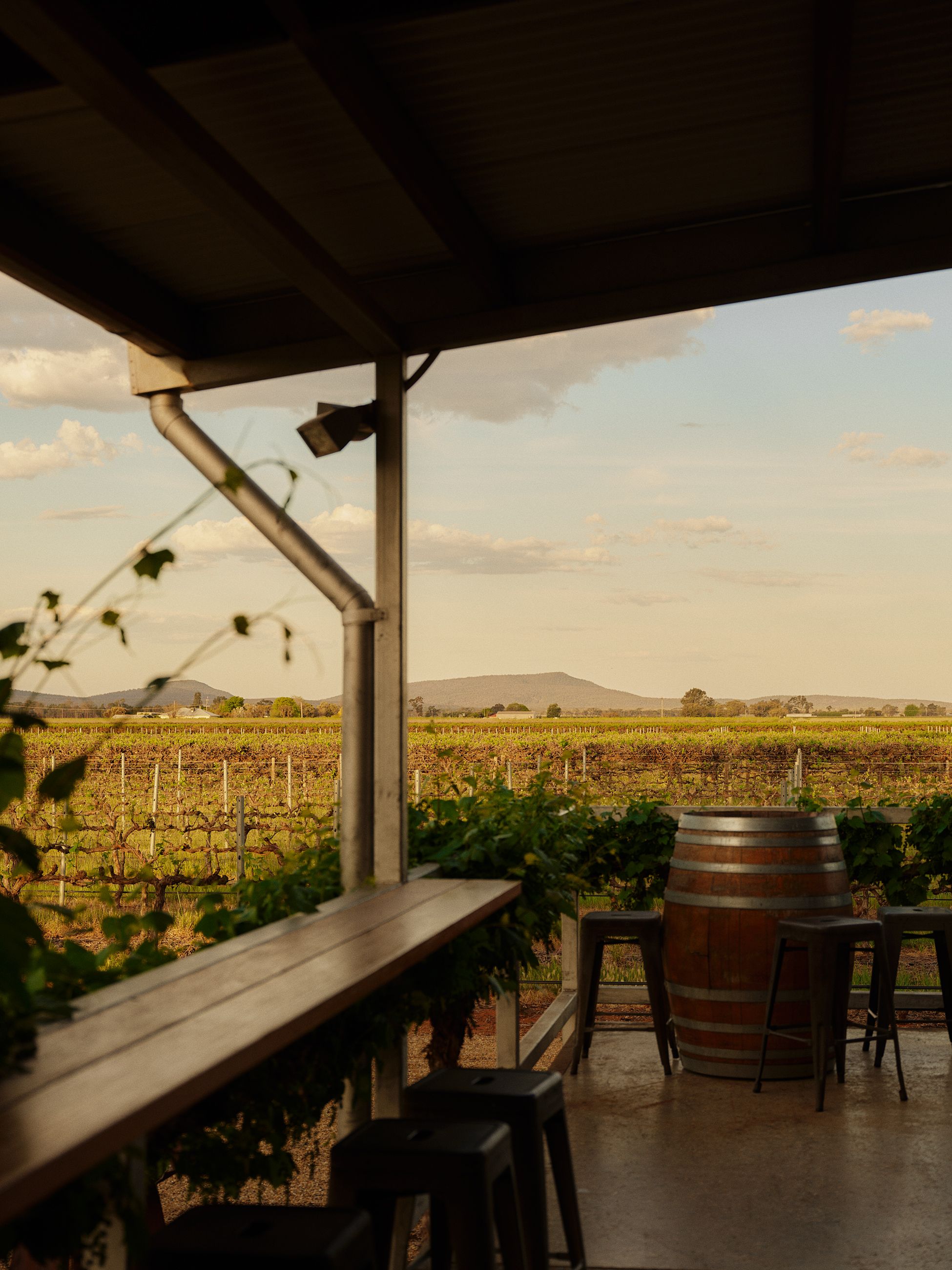
Enjoy vineyard views at Yarran Wines. (Credit: Steven Woodburn)
Much of the food I’m eating comes from the surrounding region, so I join Robyn Turner from Bella Vita Tours to see it for myself. Along the way, we visit a fish farm, where ponds are filled with Murray cod, and Southern Cotton Gin, where an enormous hall of machinery turns picked cotton into clean bales. I’m slightly disappointed to find there’s no gin to be had here, rather ‘gin’ is short for ‘engine’, a machine that separates cotton fibres from seeds. But my dismay is short-lived as I marvel at this agricultural process. We also drive past groves of walnuts and orchards of oranges, before we end our day among the vines.
About a quarter of Australia’s wine comes from the Griffith region and, along with the big players of Casella and De Bortoli, there are also boutique producers, such as Yarran Wines. Sitting on its small, shaded deck, grapes close enough to touch, I taste a petit verdot aged in barrels, a montepulciano done as a rosé and a durif that could be the new shiraz. European classics, but with a local Griffith twist.
Wagga Wagga’s new cuisine
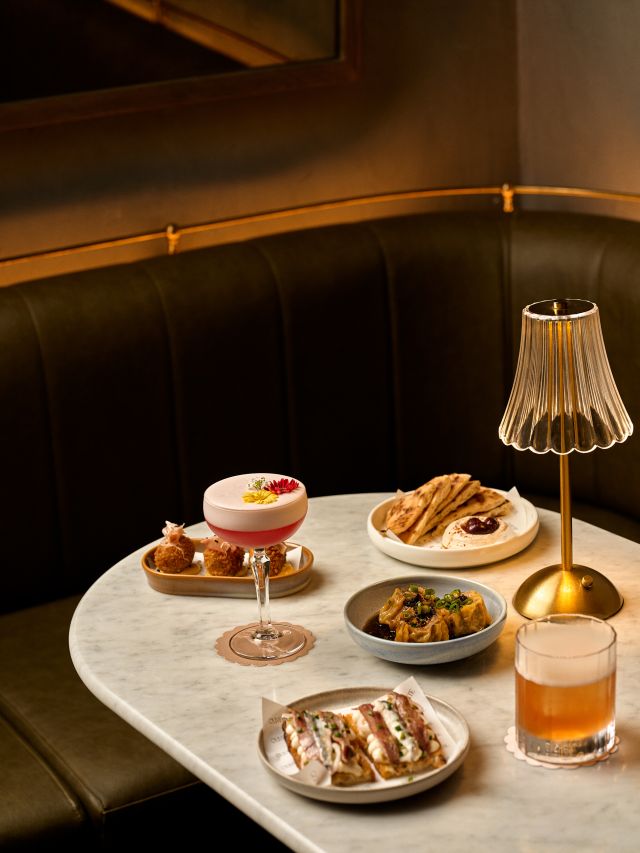
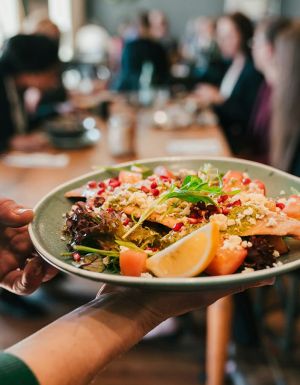
Perfect pairings at Bar Olivette. (Credit: Steven Woodburn)
Just 180 kilometres away, Wagga Wagga’s legacy feels very different. I start my visit at Museum of the Riverina, where generations of farming equipment and an old rural schoolhouse speak to a history of integrated agriculture. An exhibit including snow domes and photos of waterslides also boasts that “Wagga was a popular holiday destination in the 1950s and ’60s".
Well, it’s popular again today, and all that farming heritage is one of the reasons why. With local chefs making the most of the fresh food, you can easily plan your whole day around eating.
A great breakfast spot is Mr. Lawrence. Next to the Murrumbidgee, it attracts quite a buzz because it’s from famous local chef Jamie Shepley. Although it describes itself as ‘somewhere between a cafe, restaurant and bar’ it’s only 8am, so I ignore the bar and stick to the excellent coffee with a breakfast bruschetta.
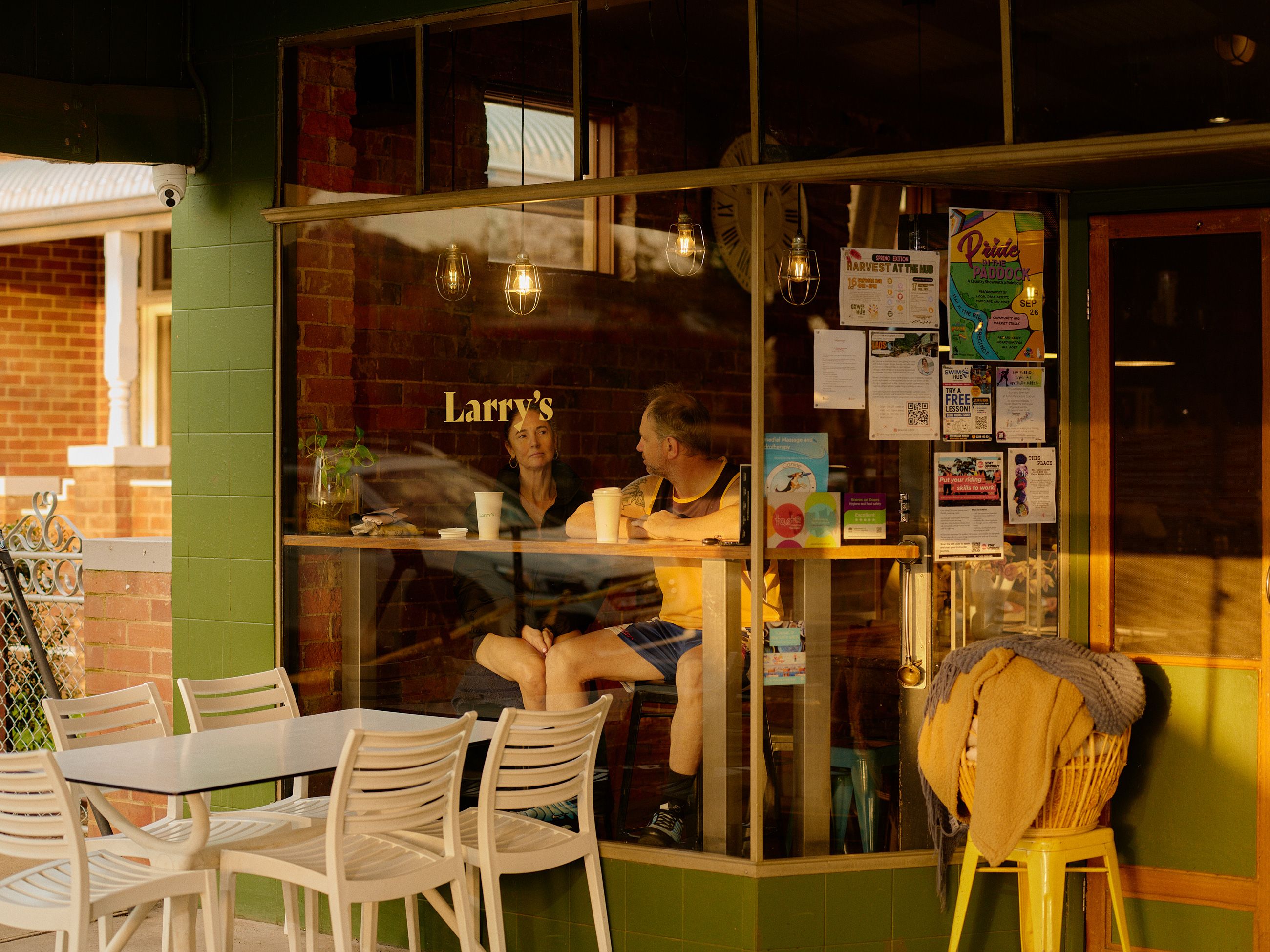
Sit and watch the world go by at Larry’s. (Credit: Steven Woodburn)
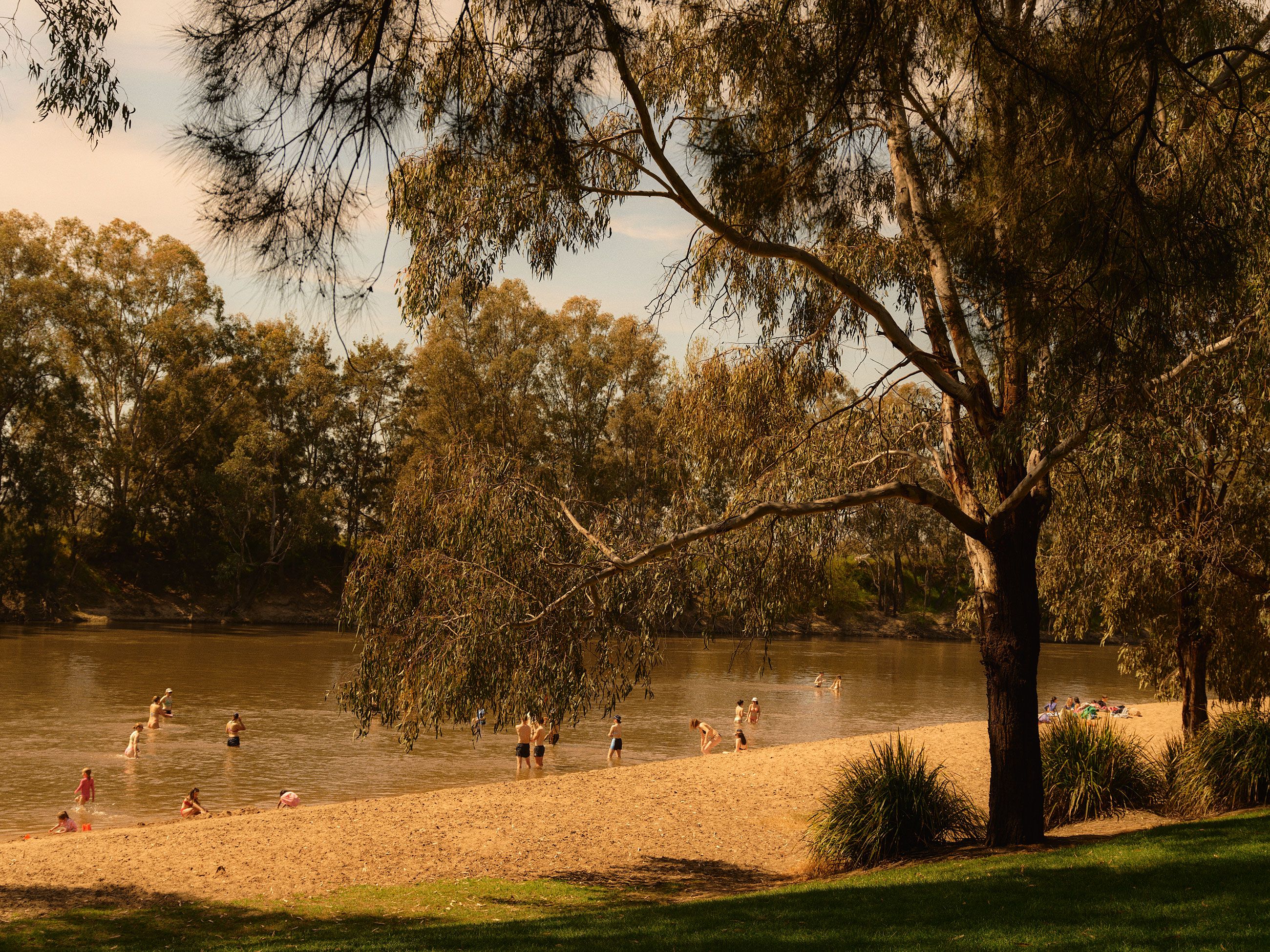
The Murrumbidgee
River runs through the
region. (Credit: Steven Woodburn)
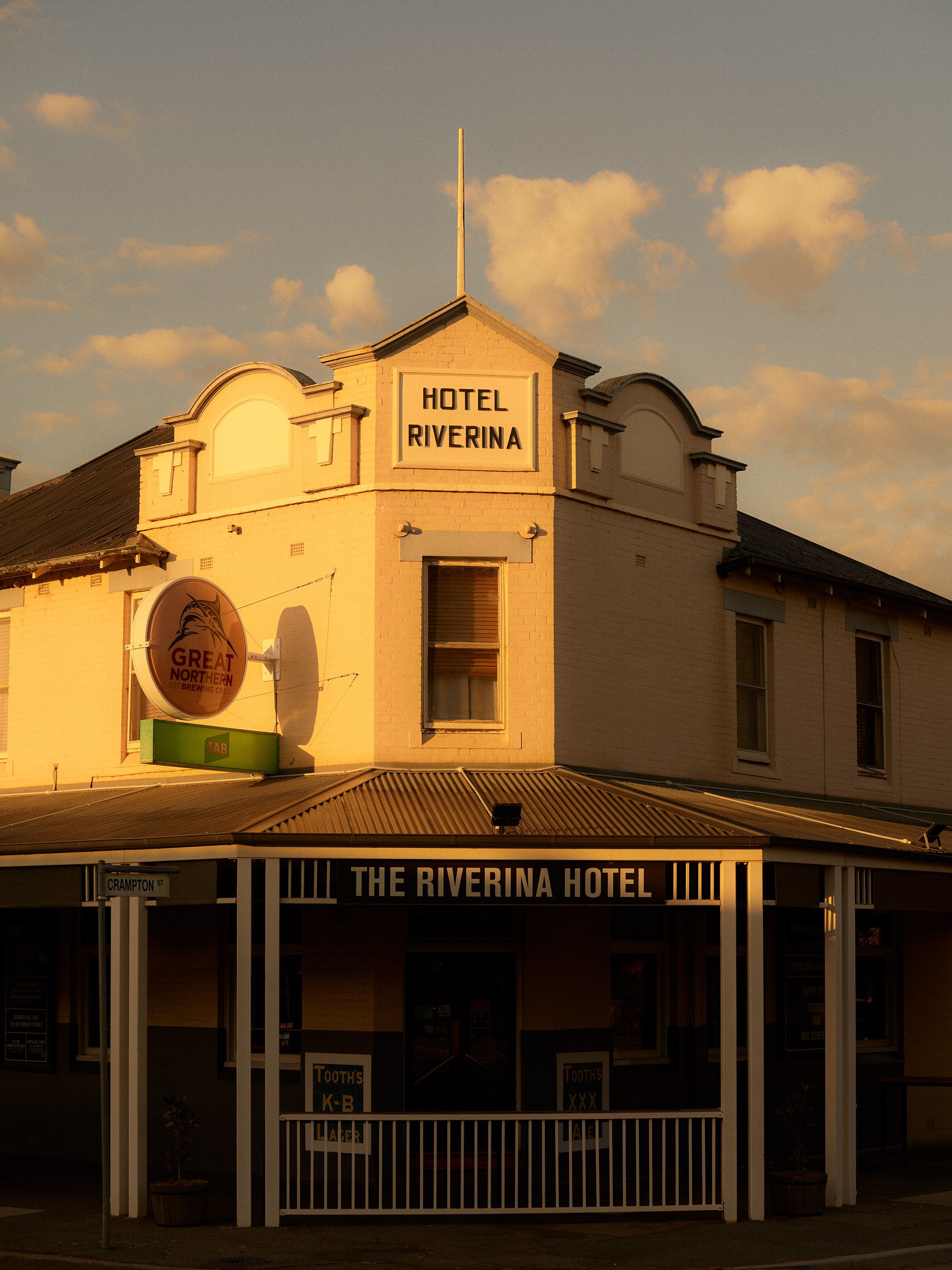
The Riverina
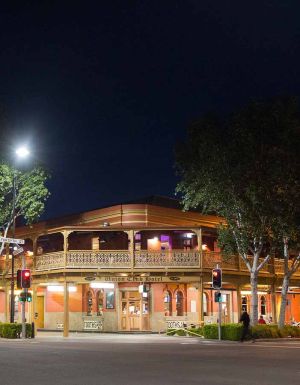
Hotel is the region’s oldest pub. (Credit: Steven Woodburn)
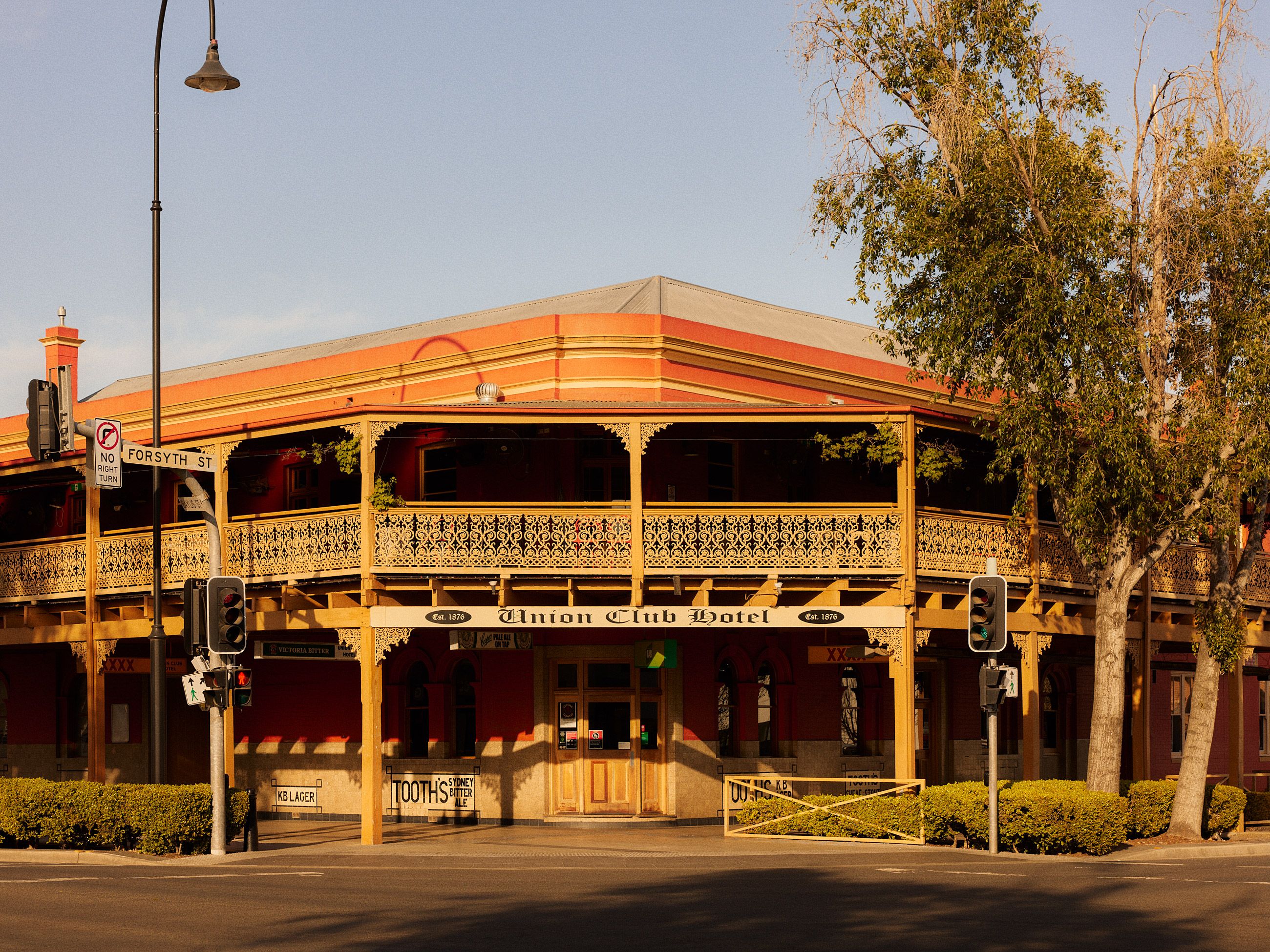
The historic Union Club Hotel. (Credit: Steven Woodburn)
For lunch, I continue the casual vibe and head to Larry’s, a cafe in a suburban area about 15 minutes’ walk from town. Behind the simple facade are hearty sandwiches with fillings almost falling out the sides, mostly sourced from the surrounding region. The ‘fancy sausage sandwich’ even has some chilli relish from Frank DalBon’s Morella Grove in Griffith.
When it’s dinnertime, it’s HIDE Steak & Bar I seek. Head chef and owner Sârn Rudd used to be a veterinarian, which may seem odd, but she uses her experience with local livestock producers to bring generosity and connection to the menu. For a real treat, go for the tasting menu to try a variety of dry-aged meats cooked over mallee charcoal.
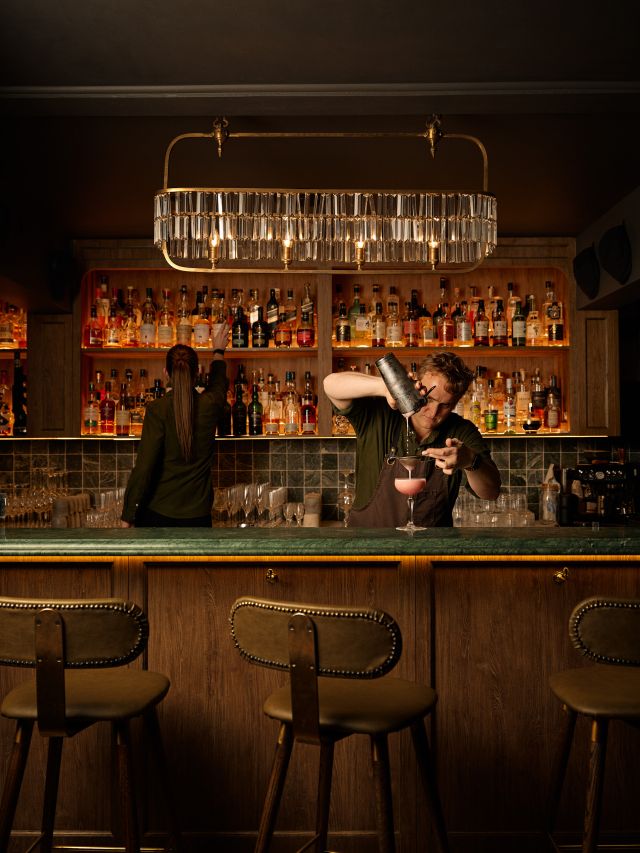
Speakeasy-style Olivette serves up fun cocktails. (Credit: Steven Woodburn)
To finish, I find my way to Olivette. This underground speakeasy can be hard to spot, with no obvious sign, and the dark and intimate interior has prohibition-era charm. The cocktails are inventive and fun. Nick King opened the bar partly because he was tired of pubs, pokies and parmas. “There was no place for our age group to have a nice drink and not have to yell at each other," he says.
Well, there are plenty of places now. Wagga Wagga and Griffith are no longer just hubs for the region or stops for the drivers; destinations in their own right, the food is reason enough to visit.
Weekly travel news, experiences insider tips, offers, and more.
Travel details
How to get there
By car, Griffith is a six-hour drive from Sydney and Wagga Wagga is less than five hours. Alternatively, you can fly direct to Wagga Wagga or Griffith with QantasLink and Rex.
Where to stay
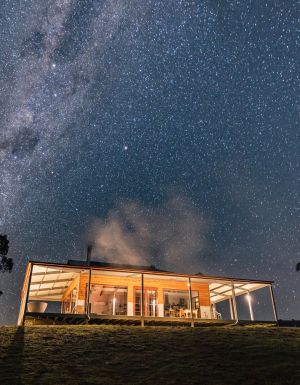
Charming country stays await at The Houston. (Credit: Steven Woodburn)
The Houston is a grand 1868-built house that’s been converted into 11 boutique suites in Wagga Wagga. Many of the large modern rooms at Griffith’s recently renovated Gem Hotel overlook the leafy main street.
Tours to try
Bella Vita Tours takes foodies around Griffith and the Riverina. Learn about cotton at Southern Cotton Gin, a massive facility that’s open for public tours. Tour the brewpub then join a tasting or enjoy a meal at Thirsty Crow Brewery.
Want to see more stories from Australian Traveller in your Google search results?
Tick the box next to "Australian Traveller". That's it.
Michael Turtle left Australia in 2011 to explore the world – and ended up travelling nomadically as a blogger for almost a decade! A little pandemic brought him home, where he rediscovered his love of Australia and all its fascinating stories. Michael is just as happy sipping a shiraz at a vineyard as hiking in the Outback, but his special place is a sunrise walk along Sydney Harbour.
An untapped side to this popular holiday spot is hiding in plain sight.
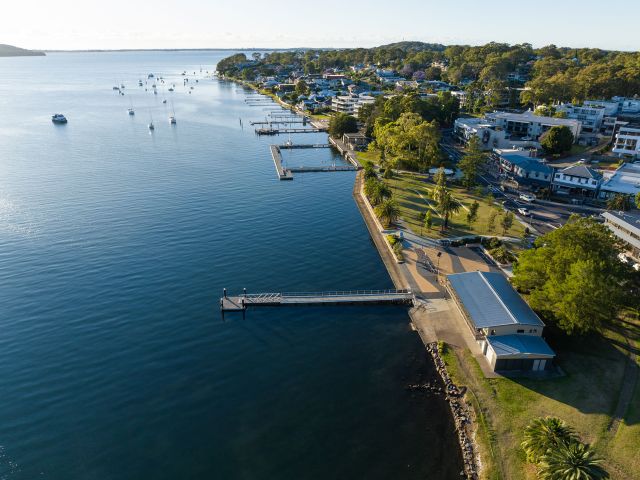
Laidback Lake Macquarie draws in holidaygoers and day trippers with its casual coastal allure and raw beauty. But even though it’s just 90 minutes from Sydney, most visitors have only scratched the surface of what this region has to offer.
Foodie hotspots, quaint towns, tranquil waterways and compelling art are all waiting to be discovered. You just need to know where to find them.
1. Most visitors don’t make it to the western side
Explore beyond the western side. (Credit: Beau Pilgrim)
While there’s no harm in walking the well-worn path in this idyllic pocket of the world, the area west of Lake Macquarie is defined by stretches of ancient rainforests and quaint towns with a more local feel. Toronto is the largest town on this side and features a golf course and sailing clubs, while peninsula-based Wangi Wangi is fantastic for bushwalking and swimming.
2. There’s a booming arts scene
Discover the Museum of Art and Culture, YAPANG.
Lake Macquarie is a must-visit destination for creatives. Discover the Museum of Art and Culture, YAPANG; this modern gallery is set on a five-hectare sculpture park and showcases a free rotating program of exhibitions and events, with a strong focus on contemporary Aboriginal art. In Wangi Wangi, explore the Wangi Owl Trail, which includes Dobell House, the preserved home of prolific artist Sir William Dobell. And enjoy live music every Saturday evening at the recently renovated Toronto Hotel.
3. It’s a nature lover’s paradise
In and out of the water, find a natural paradise. (Credit: Beau Pilgrim)
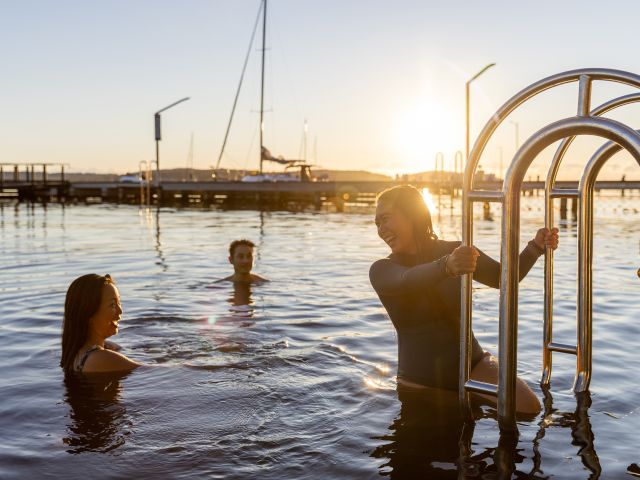
Lake Macquarie is a playground for nature lovers. It’s home to Australia’s largest saltwater lake, a 110-square-kilometre haven for swimming, fishing, boating and sunset views. Another oasis is the Lake Macquarie State Conservation Area, a 761-hectare protected reserve with wildflowers, Second World War heritage sites and spectacular views to Pulbah Island. The upgraded Toronto baths, complete with jetty decking and netting, make for a sheltered spot for a refreshing dip, while the Awaba Mountain Bike Park gives adrenaline junkies their fix.
4. The dining scene is unbeatable
Treat yourself to 8 at Trinity.
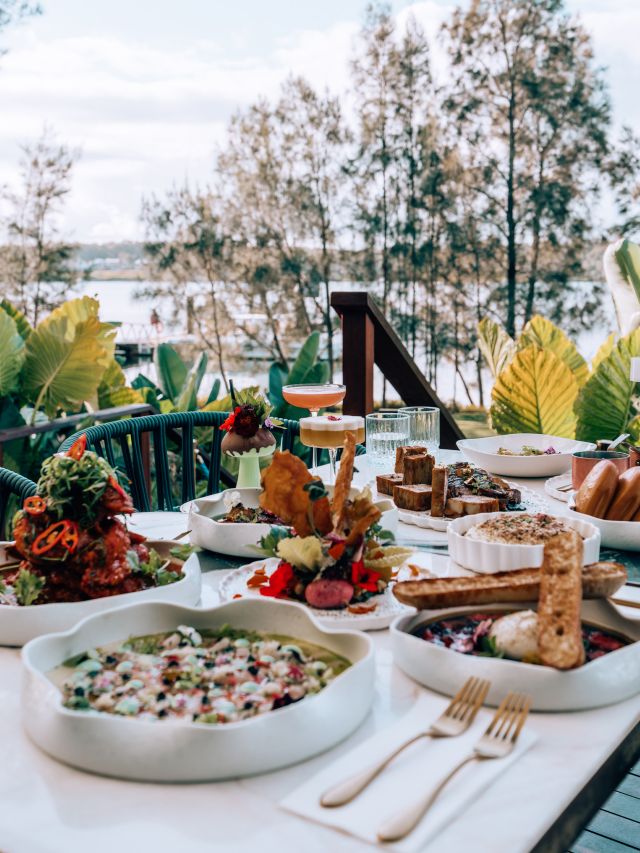
Gourmands are well looked after in Lake Macquarie. At Emerson’s on the Lake in Toronto, the modern Australian fine dining menu spoils seafood lovers with the freshest ocean produce and stunning lake views. Sitting on Trinity Point’s waterfront, 8 at Trinity is another standout offering, serving Mediterranean fare in an open-air setting. For a more relaxed affair, the microbrewery trail lets craft beer enthusiasts sip on inventive brews from The Yard, Lake Mac Brewing and Bread & Brewery.
5. There are hidden coves and waterways
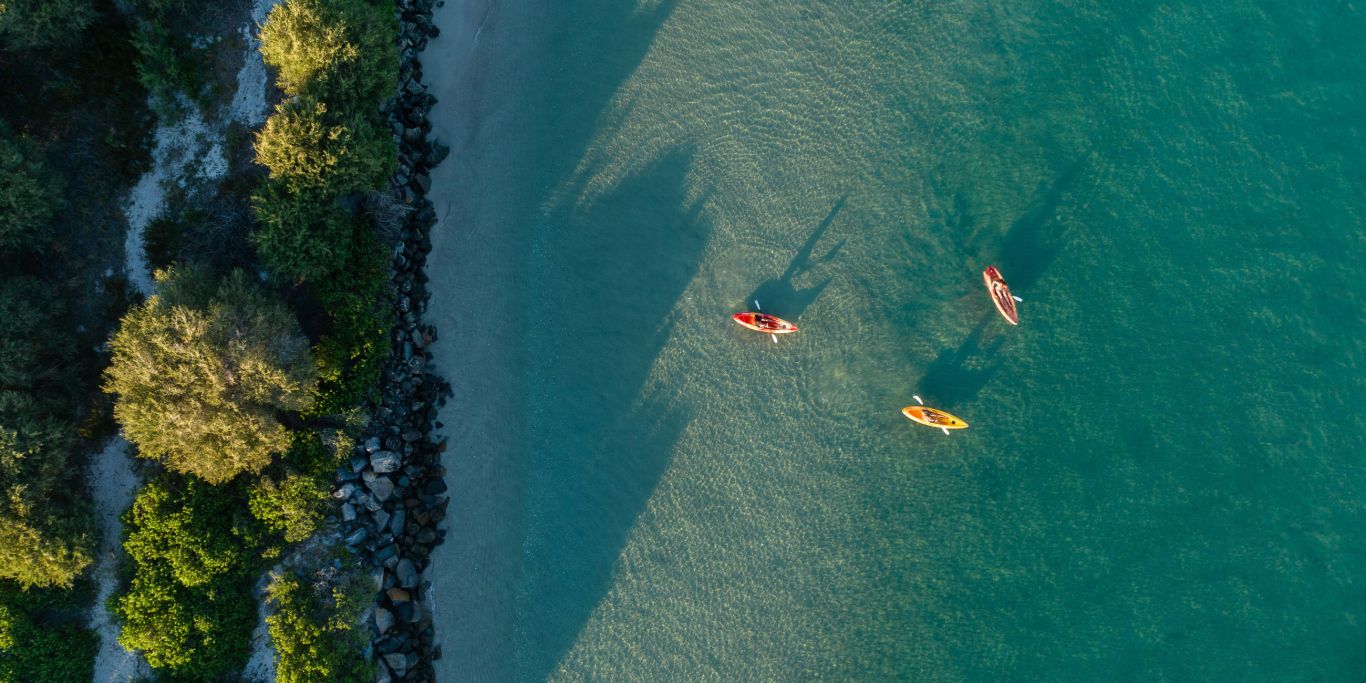
Get out onto the lake. (Credit: Beau Pilgrim)
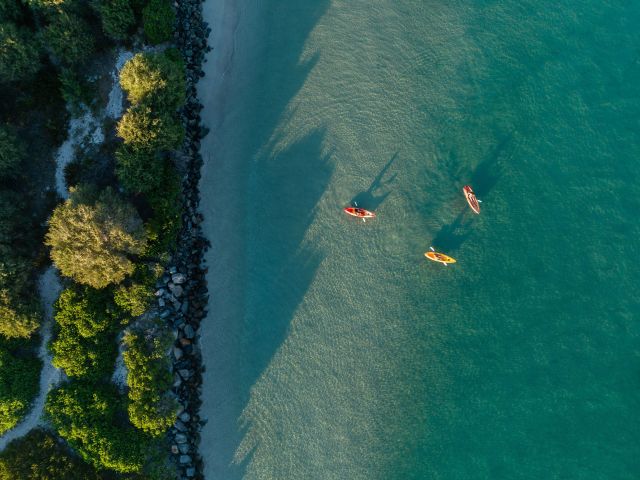
There’s no better way to experience Lake Macquarie than directly on its waters, and in doing so you’ll discover a world of hidden coves and secluded waterways. Jump in a kayak for a tour with the friendly team at School of Yak and paddle to Cockle Creek, Awaba Bay, Green Point and Fennel Bay, discovering underwater life along the way. Or go all in and stay the night on one of Lake Macquarie Houseboats’ spacious vessels or hire a BBQ pontoon boat for the day from Lake Macquarie Boat Hire to enjoy a feast in the sunshine while admiring the marine life and picturesque waterscape.
6. It’s a birdwatcher’s paradise
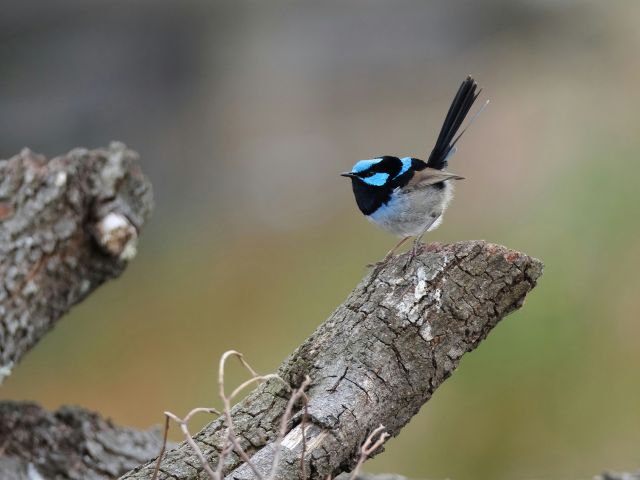
Keep an eye out for local birdlife. (Credit: Walter Coppola)
Twitchers are in for a real treat as hundreds of fascinating bird species such as Australian pelicans, black swans, white-bellied sea-eagles and superb fairy-wrens call this area home. Take a self-guided tour around top spots including Bird Cage Point and Lake Macquarie State Conservation Area (near Morisset) or be guided in a clear-bottom kayak through the waterways with Lake Macquarie Kayak Adventures, observing feathered friends as you go.
7. The lake has islands
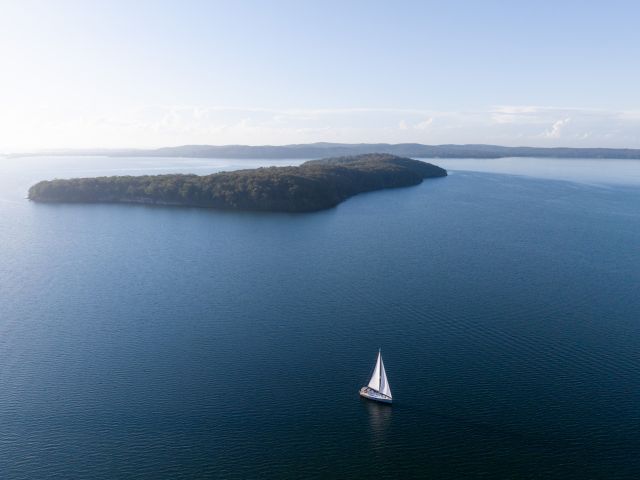
Charter a boat to see Lake Macquarie’s islands.
Hop on a private boat, kayak or charter around the lake to discover the plethora of small islands peppered around Lake Macquarie. The largest is Pulbah Island, a 69-hectare nature reserve home to goannas and sugar gliders with secluded beaches. Sandy islands such as Spectacle Island and Pelican Island have a tropical lagoon-like look to them as they sit in the tidal path of Swansea Channel, which filters the sand and creates a pristine environment. Stop by for a dip and a picnic.