A road trip itinerary along the great Kosciuszko Alpine Way

hero media
Twist and turn along the Kosciuszko Alpine Way for a journey steeped in mythology and untold adventure.

The Kosciuszko Alpine Way spectacularly snakes its way up and over the Snowy Mountains, the highest section of the Great Dividing Range, through magnificent landscapes of mountain forests mythologised by Banjo Paterson.

Steeped in intrigue and a storied history that stretches back millennia, this iconic NSW road trip is a well-trodden path. Every summer for thousands of years, Aboriginal people would cross tribal boundaries and travel the Alpine Way to the high country to meet for corroborees, trading, marriages and more, and to feast on bogong moths.

More recently, it was used as a drover’s stock route and for the literally groundbreaking Snowy Mountains Hydro-Electric Scheme that you’ll learn about en route. And although it’s only just over 100 kilometres in length, squiggling between Jindabyne and Khancoban near the Victorian border, the Alpine Way is a route to be savoured.

Stop off along the way to walk to Australia’s highest peak, immerse yourself in adventure, or simply sit back, inhale the fresh alpine air and sip a crisp Kosciuszko Pale Ale or snow-pure local schnapps. Our action-packed itinerary covers the Alpine Way’s very best bits.

Start at Cooma

Your journey begins at the gateway to the Snowy Mountains in the alpine town of Cooma, just over four hours by car from Sydney and 1.5 hours’ drive from Canberra. It’s an ideal spot to launch yourself headfirst into the adventure of the region and learn about its monumental heritage.

Kick off your Alpine Way road trip at the Snowy Hydro Discovery Centre  – with its models, interactive exhibits and historical photographs – to learn the story of a modern engineering wonder: the Snowy Mountains Hydro-Electric Scheme.
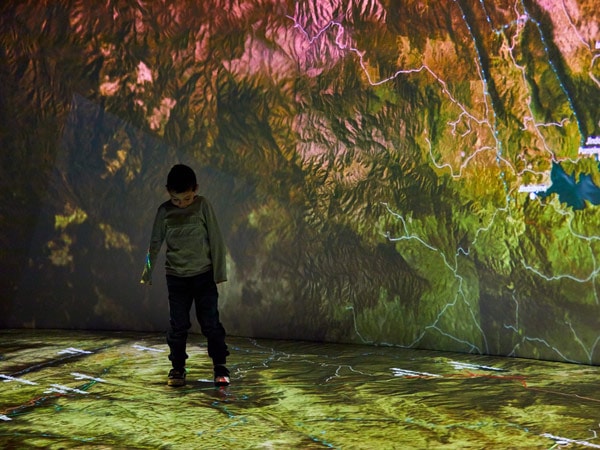
a kid exploring an interactive exhibit at Snowy Hydro Discovery Centre
Kids will enjoy the interactive art and science installations. (Image: Destination NSW)

One of the most complex integrated water and hydro-electric power systems in the world, designed to divert water from the Snowy River westwards beneath the Great Dividing Range to drought-proof parts of NSW and Victoria, the scheme plays out in real-time from Jindabyne to Khancoban.
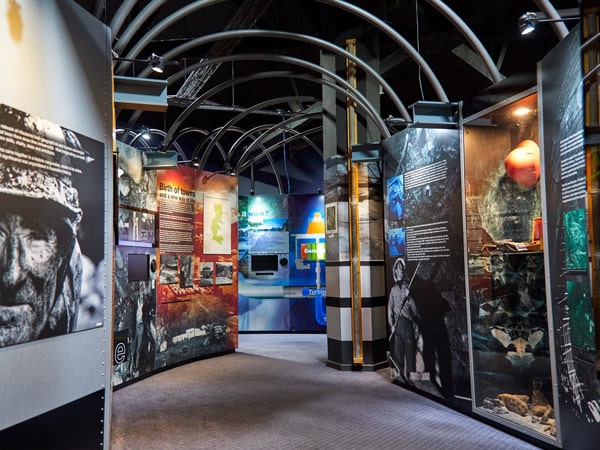
an exhibit inside Snowy Hydro Discovery Centre and Cafe, Cooma
Touring Snowy Hydro Discovery Centre is a truly immersive experience. (Image: Destination NSW)

For a fresh start in the morning, kip overnight at boutique Nebula Motel , a cosy hosted stay on one of Cooma’s historic streets or several campgrounds.

And if you’re visiting on the third Sunday of the month, drop into Centennial Park, right off the main road, where you’ll find the monthly Cooma Rotary Markets stocked with local artisan products and food stalls.

Cooma to Jindabyne

Distance: 62 kilometres
Travel time: About 45 minutes

Head west from Cooma along Kosciuszko Road until you reach Jindabyne. The moment you crest the hill just outside of town and see stunning Lake Jindabyne pool out before you is the first of many ‘wow’ moments you’ll experience along the Alpine Way.
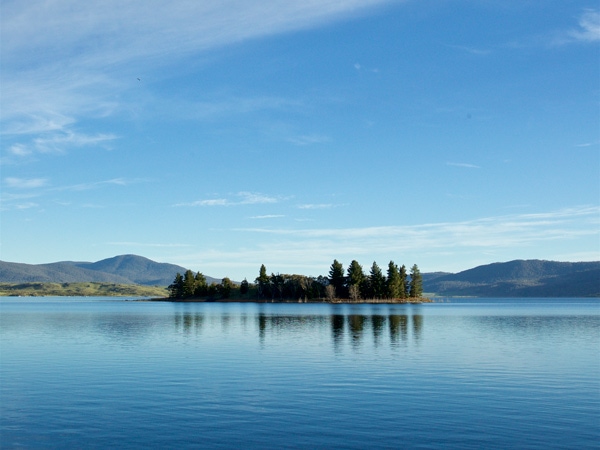
Lake Jindabyne
Lake Jindabyne is stunning from every angle. (Image: Destination NSW)

This glassy expanse forms part of a major dam created in the mid-1960s as part of the Snowy Mountains Scheme, drowning old Jindabyne in the process. Today the town sits scenically around the lake’s foreshore and, with its crisp mountain air, serves up outdoor adventure and indulgence in equal measure.
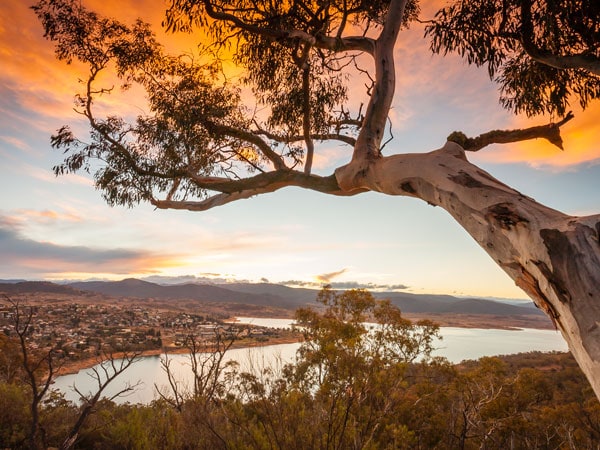
sunset views over Lake Jindabyne in the Snowy Mountains.
Fiery sunset hues unfurl over Lake Jindabyne. (Image: Destination NSW)

Join fellow adventurers fuelling up for the day at the buzzing Birchwood Cafe , where nourishing breakfasts include avo toast stacked with feta, tomato salsa, pickled onion, radish, pomegranate and peanut dukkah, dippy eggs with fried zucchini soldiers and a vegan brekkie wrap of pulled marinated jackfruit, tofu scramble, pickled zucchini, spinach, vegan mayo and mustard.
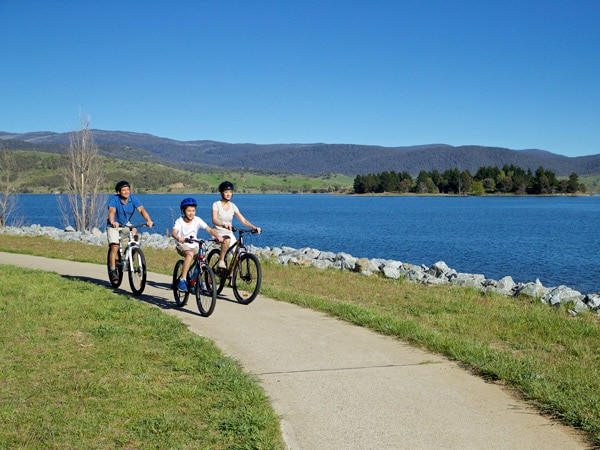
a family biking along Lake Jindabyne, Snowy Mountains
Stroll around Lake Jindabyne on two wheels.

Then hire a bike from Sacred Ride  and cycle scenic local trails or spend the morning climbing and abseiling the ‘Jindy’ Rock at Lake Jindabyne with boutique adventure-tour company K7 Adventures  before settling in for a well-earned drink and a classic pub meal overlooking the lake at the Banjo Paterson Inn . And don’t forget to stop in at Wildbrumby Schnapps’ Distillery & Cafe  to sample their quality takes on the sweet stuff.
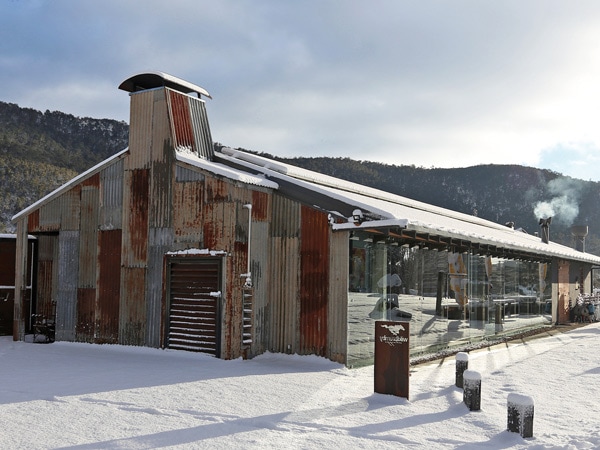
the exterior of Wildbrumby Schnapps’ Distillery & Cafe, SNowy Mountains
Make a pitstop at Wildbrumby Schnapps’ Distillery & Cafe.

Jindabyne to Thredbo in Kosciuszko National Park

Distance: 21 kilometres
Travel time: 20 minutes

Before hitting the Alpine Way proper, enjoy a quintessential Jindabyne experience with a stay at one of its superlative accommodation offerings such as Lake Crackenback Resort & Spa, west of town in the Thredbo Valley.
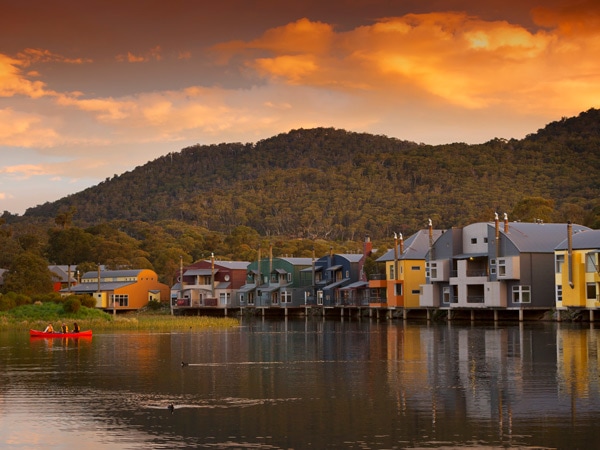
kayaking along Lake Crackenback at sunset
Lake Crackenback Resort & Spa is perched on the lake.

It boasts two excellent onsite eateries, Cuisine Restaurant & Bar and Alpine Larder, as well as a day spa and all manner of outdoor activities including mountain bike and walking trails, Segway tours and guided fly-fishing tours. The 60-hectare alpine oasis is peppered with lake views and mountain chalets and makes for the ultimate retreat for a night or two.
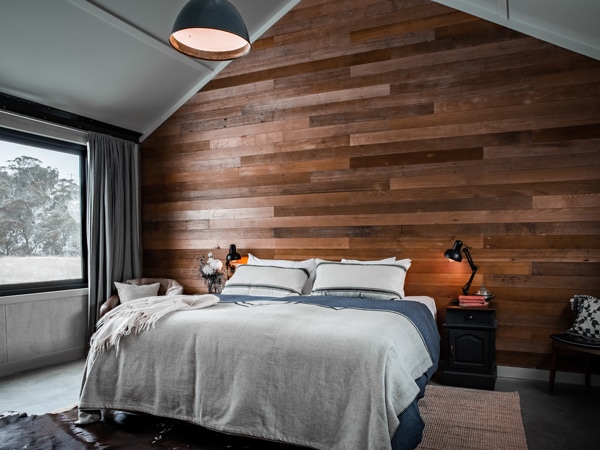
a rustic bedroom at Tinkersfield Hut
Check into a charming rustic hut at Tinkersfield.

Alternatively, check into nearby Tinkersfield , a more intimate affair secluded in the Crackenback Valley with a curated choice of rustic-chic, high-country hideaways – think antique timber, clawfoot bathtubs and open fireplaces – including the one-bedroom Field Huts and two-bedroom Barnhouse and Post Office.
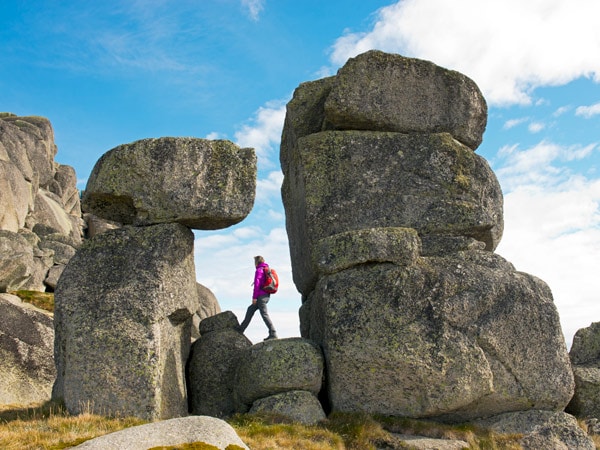
a woman walking along Ram Ranges Head, Kosciuszko National Park
Walk along massive rocks at Ram Ranges Head in Kosciuszko National Park. (Image: Don Fuchs; Destination NSW)

Back on the road and you’re on the Alpine Way, cruising into Kosciuszko National Park with its pine-clad ridges as immortalised in Banjo Paterson’s iconic poem The Man from Snowy River.
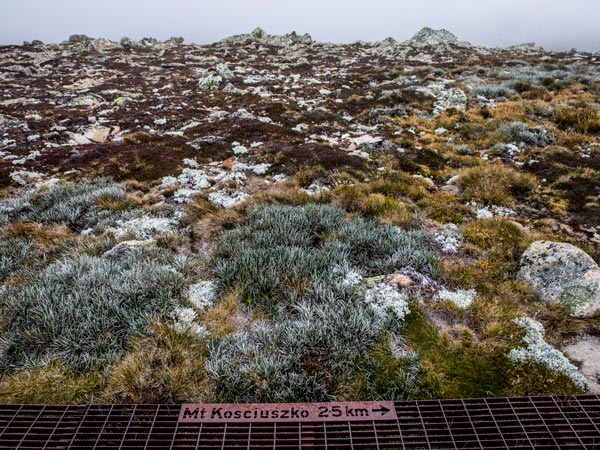
frost over the vegetation along the Mount Kosciuszko Summit walk
Find frost-covered vegetation along the Mount Kosciuszko Summit walk. (Image: Destination NSW)

Keep a look out for a diverse range of farm animals and wildlife along both sides of the road. Upon our last visit, we spotted emus, cows, alpacas, horses, kangaroos, wombats and deer on the one single drive. Incredible.
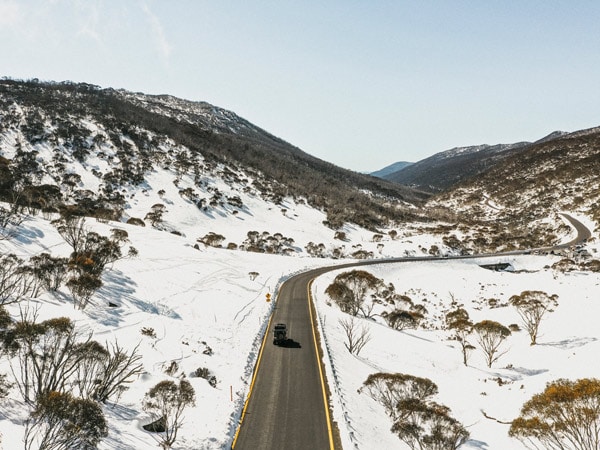
a scenic road trip along Alpine Way, Thredbo in the Snowy Mountains
Journey through the Snowy Mountains. (Image: Alexandra Adoncello; Destination NSW)

A classic winter destination that’s home to the ski fields of ThredboPerisher and Charlotte’s Pass, as well as Australia’s highest mountain, Kosciuszko reveals a whole different side in the warmer months.
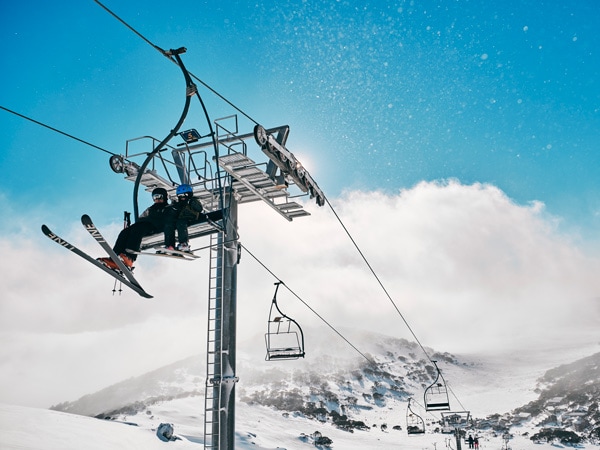
skiers riding the chair lifts at Charlotte Pass Ski Resort in the Snowy Mountains
Lift off from the snowy grounds at Charlotte Pass Ski Resort. (Image: Destination NSW)

And the ultimate way to experience it is via the Kosciuszko Chairlift. Lifting off from Thredbo Valley Terminal, this thrilling joyride sweeps up the mountain for 560 vertical metres, offering breathtaking views of the national park and a gateway to Thredbo’s alpine hiking trails. But before you get exploring, hop off and treat yourself to lunch with a view at Eagles Nest, Australia’s highest restaurant. The menu is always evolving but its pizzas remain consistently delicious.
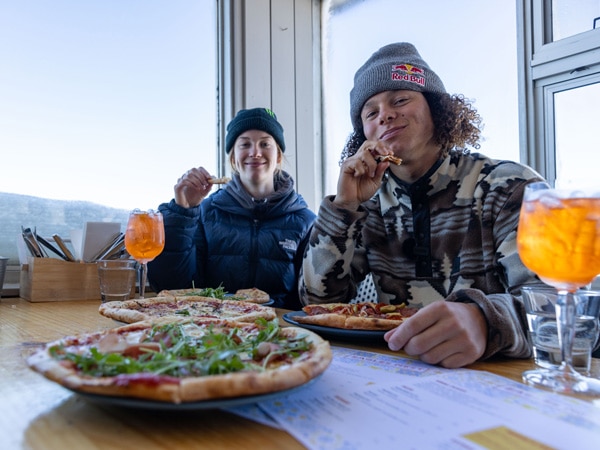
friends enjoying their lunch at Eagles Nest
Enjoy lunch with a view at Eagles Nest.

Day walks include a trail to the summit of Mount Kosciuszko, the highest peak in the country. Breathing fresh alpine air, you’ll pass granite outcrops and alpine meadows coloured with wildflowers come summer, until you’re 2228 metres above sea level with 360-degree views of the Snowy Mountains – and a true sense of wonder at being at the top of Australia.
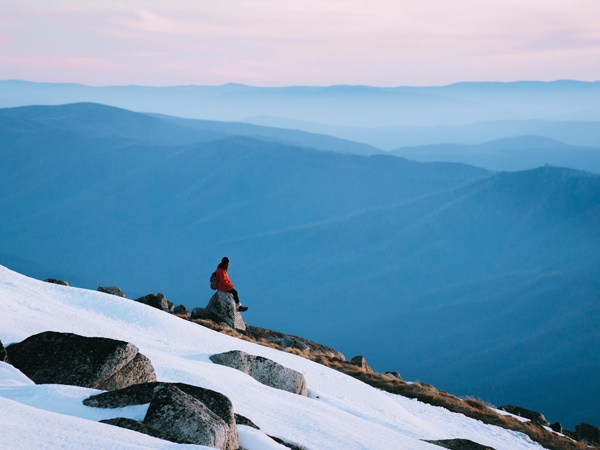
a woman enjoying the scenic views across Kosciuszko National Park
Bask in the cold mountain air at Kosciuszko National Park. (Image: Destination NSW)

Thredbo to Khancoban

Distance: 77 kilometres
Travel time: 1 hour and 20 minutes

The most stunning stretch of the Alpine Way twists and turns soon after you leave Thredbo. Roll down the window to let in the unique scent of the Aussie Alps – pine trees mingled with eucalypts – as you descend the hairpin mountain road that looks, on a map, like it’s been drawn by a polygraph.
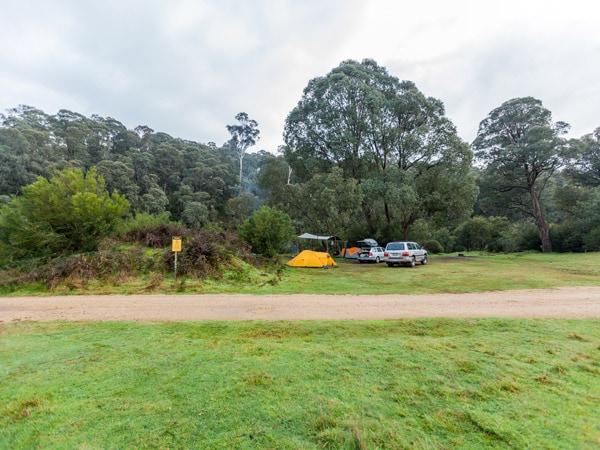
vehicles parked on Tom Groggin campground
Pull up your caravan at Tom Groggin campground. (Image: Murray Vanderveer/DPE)

You’ll practically kiss the Victorian border at Tom Groggin campground  before taking a sharp turn north towards Khancoban and the end of the Alpine Way. Make it last by including a few scenic pit stops and bushwalks along the way.

Halfway along this stretch you’ll find Geehi Flats, a secluded picnic and camping spot located on the sparkling Swampy Plains River.
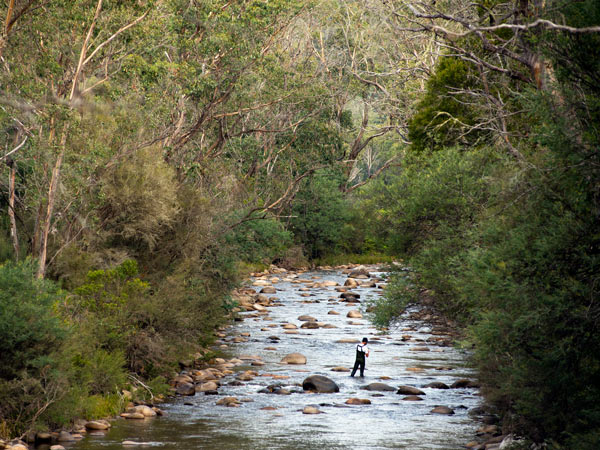
a man enjoying a day of fly fishing in Swampy Plains River, Kosciuszko National Park
Fly fishing is common along the Swampy Plains River. (Image: Don Fuchs; Destination NSW)

Simply stretch your legs and take a peek at the first of three historic alpine huts in the area, or head off on the six-kilometre Geehi huts walking track, which takes in two more plus river crossings and more magnificent Snowy Mountains views.
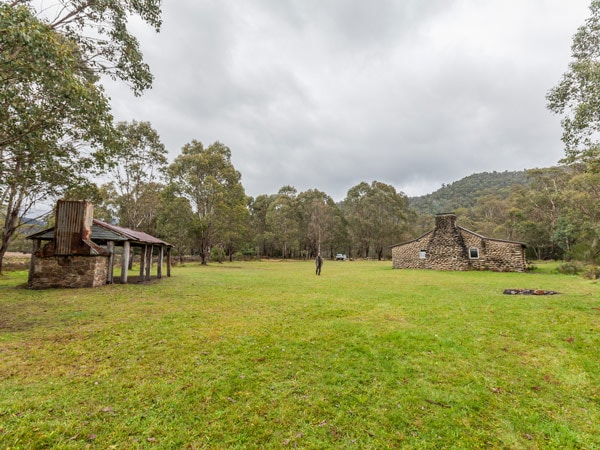
Geehi Hut at Geehi Flats campground
Camp on Geehi Flats for a secluded spot alongside the river. (Image: Murray Vanderveer/DPE)

You can also opt to pitch a tent for the night on the river’s grassy banks for maximum tranquillity (bookings essential via the NPWS website ).
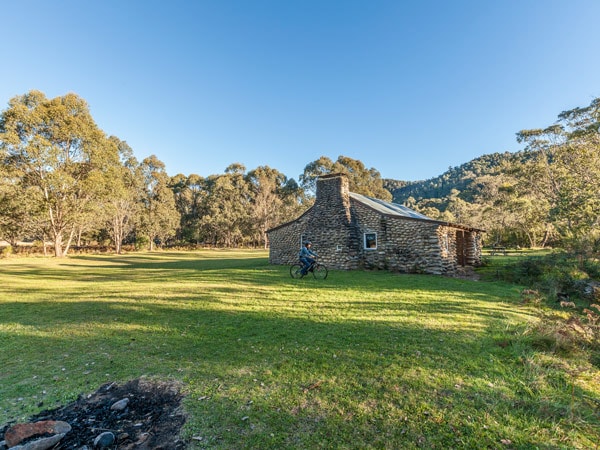
a man biking around the scenic landscape at Geehi Flats
Go biking around the scenic landscape at Geehi Flats. (Image: Murray Vanderveer/DPE)

Fifteen minutes further up the road you’ll find Scammell’s lookout, 1000 metres above sea level and offering spectacular views back the way you’ve come from. From here you can trace the contours of the rugged western fall of the Snowy Mountains’ Main Range.
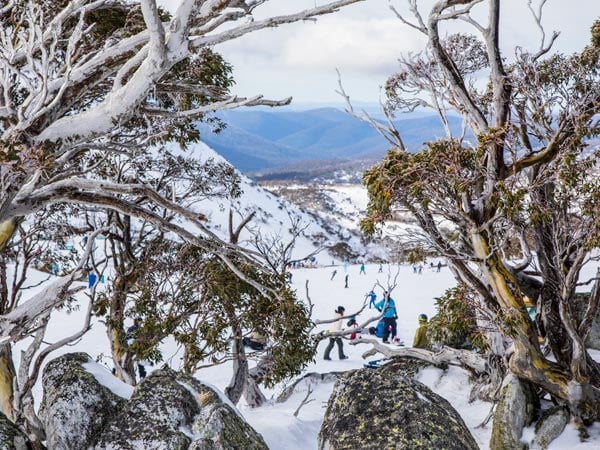
snow covered gum trees at Blue Cow ski resort, Perisher
Perisher has good skiable areas like Thredbo. (Image: Destination NSW)

Enjoy the diversity and rugged beauty that Kosciuszko has to offer near Thredbo and Perisher along the Illawong walk Pallaibo walking track  and Waterfall walking track , which are great for nature-spotting sessions.
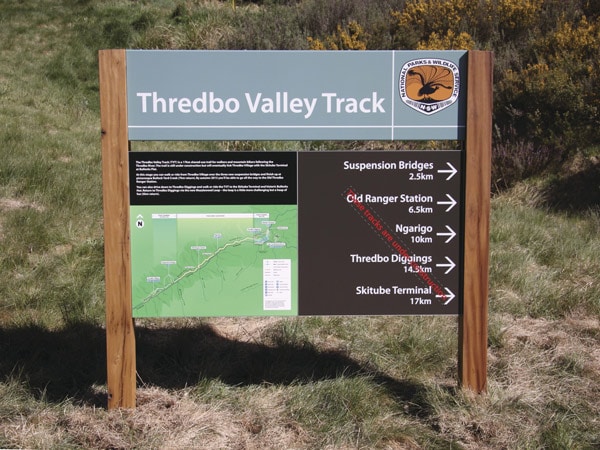
the Thredbo Valley Track signage, Kosciuszko National Park
Take the mountain bike route to Thredbo Valley Track. (Image: Lucy Morrell/DPE)

One of the best ways to have an adventure in the Snowies is to hire a mountain bike or e-bike (or take your own) and hit the Thredbo Valley Track . It’s a 35-kilometre trail back to Jindabyne which winds through stunning alpine terrain with scenic suspension bridges and spectacular sections running alongside the Snowy River. The track offers world-class mountain biking for all abilities, from easy beginner rides to a challenging full-day ride and is typically open from November to May, depending on the weather. Another alternative is hitting the trails at Thredbo Mountain Bike Park, to experience scenic cross-country trails and Australia’s only lift-accessible terrain.
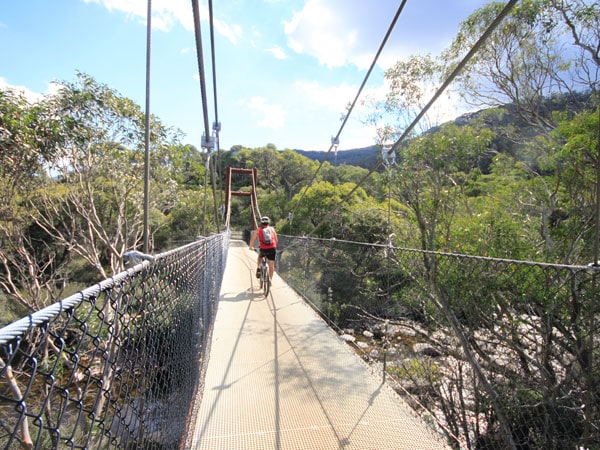
a mountain biker crossing a suspension bridge at Thredbo Valley Track
Traverse through stunning alpine terrain with scenic suspension bridges. (Image: Elinor Sheargold/DPE)

Further along the Alpine Way however, you’ll arrive in Khancoban. Originally built to house workers on the Snowy Mountains Scheme, Khancoban sits on the western edge of Kosciuszko in the foothills of the mountains.
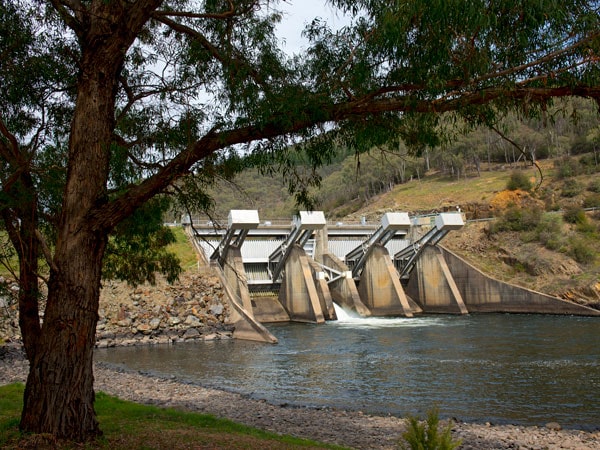
the controlled spillway at Khancoban Dam
Khancoban Dam has a controlled spillway that flows across the Swampy Plain River. (Image: Don Fuchs; Destination NSW)

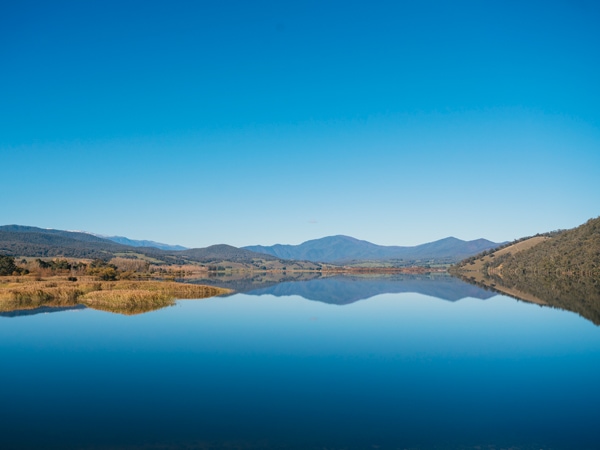
Today the small town’s scenic pondage, which forms part of the scheme, is used recreationally for fishing, kayaking and water sports. And, part of the idyllic Snowy Valleys region, it marks the end – or perhaps just the beginning – of the legendary Alpine Way.
a scenic view of the Khancoban Pondage
The town of Khancoban is nestled in the idyllic Snowy Valleys region. (Image: Snowy Valleys Council; Matt Beaver)

Park the car and go off-piste

Three multi-day adventures to have in the Snowy Mountains:

1. Make like The Man from Snowy River and immerse yourself in the Kosciuszko wilderness on a three-to-five-day horse-riding trek with Reynella Rides . Departing from Adaminaby, about 50 kilometres from Cooma, from November through to the end of April, there’s surely no better way to travel through the Snowy Mountains and its landscape of wildflower carpets, alpine streams and open plains. The team make things easy by arranging pick-up and drop-off transfers from Cooma, too.

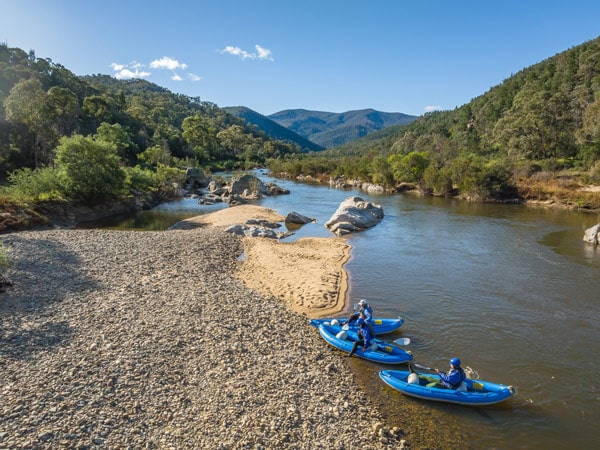
2. Spend five or six days paddling the Snowy River through the ancient landscape of the Byadbo Wilderness in the remote southern reaches of Kosciuszko with Alpine River Adventures . Led by an Aboriginal guide for interpretation of Country and Indigenous perspectives, the unique journeys depart from Numeralla near Cooma and take in beach camping, river gorges and chances to spot quoll, platypuses, kangaroos, emus and sea eagles in the wild. Trips run year-round, with guaranteed water levels from August to November.
an aerial view of kayakers on Snowy River, Alpine River Adventures
Go paddling on the Snowy River with Alpine River Adventures. (Image: Destination NSW)

3. Take on Australia’s 10 highest peaks with boutique tour operator K7 Adventures . Join a hiking tour through the high country from November to May with guide and landscape photographer Mike Edmondson. It’s an unforgettable opportunity for experienced walkers with good fitness levels and offers 360-degree views of some of the most extraordinary sights in the country.
a man skiing in Thredbo, Snowy Mountains
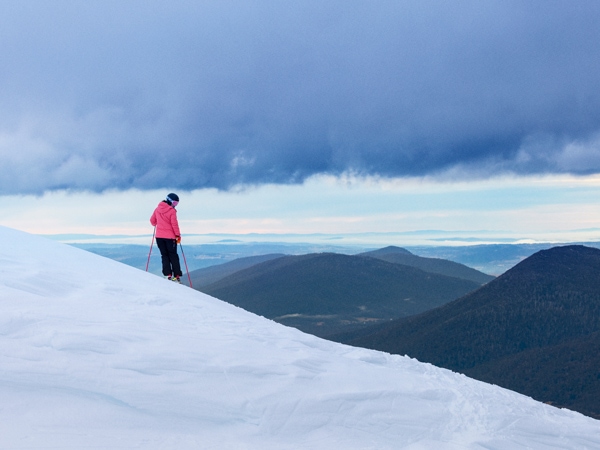
Take in remarkable sights on top of the Snowy Mountains. (Image: Destination NSW)

Written by Imogen Eveson and updated by Kristie Lau-Adams.

Imogen Eveson
Imogen Eveson is Australian Traveller’s Print Editor. She was named Editor of the Year at the 2024 Mumbrella Publish Awards and in 2023, was awarded the Cruise Line Industry Association (CLIA) Australia’s Media Award. Before joining Australian Traveller Media as sub-editor in 2017, Imogen wrote for publications including Broadsheet, Russh and SilverKris. She launched her career in London, where she graduated with a BA Hons degree in fashion communication from world-renowned arts and design college Central Saint Martins. She is the author/designer of The Wapping Project on Paper, published by Black Dog Publishing in 2014. Growing up in Glastonbury, home to the largest music and performing arts festival in the world, instilled in Imogen a passion for cultural cross-pollination that finds perfect expression today in shaping Australia’s leading travel titles. Imogen regularly appears as a guest on radio travel segments, including ABC National Nightlife, and is invited to attend global travel expos such as IMM, ILTM, Further East and We Are Africa.
See all articles
hero media

Why the Central Coast is a foodie mecca

Underpinned by grassroots hospitality and award-winning organic produce, the Central Coast’s gastronomy scene is thriving, with the region quickly becoming one of the best destinations in NSW for epicures.

Revered for its rugged natural splendour and laid-back seaside charm, NSW’s Central Coast has soared in popularity in recent years, becoming a top choice for an affordable slice of weekend escapism for Sydneysiders. Just a short 45-minute drive north of Sydney, it’s the kind of place that, no matter how many times you visit, leaves you with the sense that there’s always more to uncover. But while the ocean pools, bushwalks and beaches have (rightly) taken the spotlight, it’s the Central Coast food offerings which have been quietly simmering in the background.

From fresh-as-it-gets seafood and juicy organic citrus you can pluck yourself, through to regenerative farming and reputable farm-to-fork dining, this coastal gem has become an idyllic foodie mecca. Here are some of the best ways to immerse yourself in grassroots hospitality and gastronomic glory on the NSW Central Coast.

vegetables in a basket at Bells Garden at Bells At Killcare
From picking your own, to farm-to-table, discover the best Central Coast food experiences. (Image: Remy Brand)

Central Coast oyster experiences

From humble grub to opulent delicacy, oysters have ascended into a league of their own. Epicureans are fascinated by them – willing to pay upwards of $35 per dozen (double at some of Sydney’s reputable fine dining restaurants) – and ‘shuck bars’ seem to be popping up at every milestone celebration.

But it’s rare to find places that really draw back the curtain on how they’re farmed and why everyone is mad for these molluscs. The Central Coast , however, is home to several of these venues. With its pristine waters, mild climate and nutrient-rich estuaries, it’s the perfect breeding ground for oysters.

Learn about oyster farming and, importantly, how to shuck them at Sydney Oyster Farm Tours . Nestled on the Hawkesbury River at Mooney Mooney, Sheridan Beaumont and her team offer a hands-on foodie experience where you can feast on dozens of oysters (white tablecloth and all) while wading through the calm waters. You can even bring your own bottle of bubbles to wash them down.

guests in the water for an experience at Sydney Oyster Farm - Central Coast food
Learn tricks of the trade at Sydney Oyster Farm Tours. (Image: Remy Brand)

Elevate your oyster knowledge even further by heading north over the Hawkesbury River Bridge to the Hawkesbury River Oyster Shed . Tour their scenic oyster leases and saltwater paddocks by boat to uncover the distinct characteristics of the Sydney rock oyster and creamy Pacific oyster. They’ve also partnered with Broken Bay Pearl Farm to offer a one-of-a-kind oyster and pearl farming guided tour, showcasing the Central Coast’s very own pearl oyster, the Broken Bay ‘Akoya’. But if you’re simply in the mood to devour a dozen delectable oysters while soaking in the tranquil river views, pull up a chair at the shed. It’s friendly in every sense of the word: pets, families and BYO welcome.

shucking oysters at Broken Bay Pearl Farm
Taste freshly shucked oysters at Broken Bay Pearl Farm. (Image: James Horan)

Central Coast farms to pick your own fruit

While the Central Coast is known for its breathtaking 40 beaches and 80-kilometre coastline, its lush hinterland is equally impressive – abundant with orchards and agriculturally rich farmland. And when it comes to the simple joy of picking your own fruit, the Central Coast is a ripe playground.

Family-owned Meliora Farm at Peats Ridge is an orchard that blends conventional, biodynamic and organic philosophies. Third-generation farmer Tim Kemp and his wife Elise are dedicated to honouring the family legacy by growing a rich variety of oranges, lemons, limes, mandarins and avocados. In late May, roam the sustainable and nutrient-dense property during ‘Pick Your Own’ weekends.

Eastcoast Beverages is another bountiful citrus orchard boasting over 60 hectares of fruit. From June you can learn about the cultivation of high-quality ingredients – like lemons, limes, grapefruit and oranges – by touring both the farm and factory before setting out and picking your own straight from the source. You can also sample an array of citrus-inspired sweet and savoury treats at their on-site cafe, Bambino’s .

If it’s just juicy oranges you’re after, Cedar Farm in Dooralong is a must-visit. Located about 30 minutes north of Peats Ridge, it features 15 flourishing orchards and over 3000 orange trees – with take-home bags during the season (from July) at low prices. Not bad for a fruity weekend haul.

woman picking oranges at Oranges at Dooralong
Pick your own citrus fruits on the Central Coast. (Image: James Vodicka)

Organic dining

What makes the Central Coast hinterland so special is the unwavering respect the communities have for their cherished backyard. Locally owned and operated farms are all striving for more sustainable practices and methods to both enhance biodiversity and reduce environmental impact, each with a heartwarming food philosophy.

The Food Farm in Wyong Creek believes good food is worth both the work and the wait. Devoted to regenerative farming, first-generation ‘farmily’ Tim Eyes and Hannah Greenshields are recognised for their grass-fed, grass-finished beef and pasture-raised, gold medal-winning chickens. With an open gate policy, The Food Farm encourages visitors to swing by and try some of their slow-grown produce at their small ‘honesty’ farm shop. With no staff, you can pick up a few quality cuts of meat and pasteurised eggs, leaving the owing amount in cash or via eftpos.

Keeping the spirit of generational organic farming alive is Fanelli Organics . Nestled in the Central Coast’s scenic and sleepy Mangrove Mountain, founders Eden and Louise Fanelli own over 45 hectares of plentiful farmland and orchards that produce a huge range of organic fruit and vegetables, like purple Dutch carrots, blood oranges, broccoli and Tuscan kale. A true home-grown operation, Fanelli Organics shares its fresh produce with local restaurants and community markets, including the beloved markets at Like Minds Cafe at Avoca Beach every Wednesday afternoon.

farmers holding fresh produce picked at Fanelli Organics
See where your food comes from at Fanelli Organics.

Paddock-to-plate dining

High-quality ingredients go hand in hand with premium dining, and the Central Coast is home to several paddock-to-plate restaurants that showcase its diverse and rich agriculture. Paired with warm, grassroots hospitality, there are culinary triumphs, new menus and revered chefs constantly popping up, putting the local dining scene firmly on the map.

Award-winning Mount White restaurant Saddles is a quintessential Australian dining destination, dedicated to country-style cooking and seasonal produce. Nestled in thick bushland with wraparound verandahs, floral gardens and an idyllic dam, the gourmet homestead and bakehouse is unlike any restaurant on the Central Coast. Here, head chef Reece Collins and his team serve up an impressive breakfast and lunch menu that oozes rustic charm. Pull up a comfy armchair on the expansive deck, listen to birdsong, and tuck into flavoursome dishes like the farmhouse Benedict with honey-cured ham, lemon myrtle hollandaise and Warrigal gremolata, or the hearty beef brisket pie with confit garlic potato purée and rainbow chard.

woman writing in notebook next to a table of food at Saddles, Central Coast food
Taste country-style cooking at Saddles. (Image: Destination NSW)

Delivering a slice of sophistication and luxury to the shores and bushland of Bouddi Peninsula is Bells at Killcare . One of the few boutique resorts on the Central Coast, it’s known for its premium service and five-star suites, as well as its bountiful kitchen gardens that boast an orchard, olive trees, avocado trees, free-range hens and a honey bee hive.

Cameron Cansdell has returned to Bells at Killcare as head chef, bringing his expertise to the casual yet refined menus that feature a raw bar with Oscietra caviar, freshly shucked Sydney rock oysters and Moreton Bay bugs, all served alongside optional matched wines. Sample some of Australia’s best regional wines and standout dishes, like roasted Wollemi duck with grilled leeks, rocket, grilled grapes and 10-year-aged balsamic, or the shareworthy salt-crusted snapper with herb salad and salsa, before roaming the picturesque gardens, wine in hand.

cocktail at Bells At Killcare
Sample incredible wine, cocktails and dishes at Bells At Killcare. (Image: Nikki To)

Plan your next visit to the delicious Central Coast.