As this action-packed three-day itinerary around Mount Gambier shows, there are unlimited experiences to be had in this one location.
Mount Gambier is the sort of place where young adventurers, craggy outdoorsmen, family road trippers and intrepid explorers all have an equally great old time. Residents of the Mount Gambier region have the place wired, which is why our three-day itinerary allows visitors to experience the region as locals do.
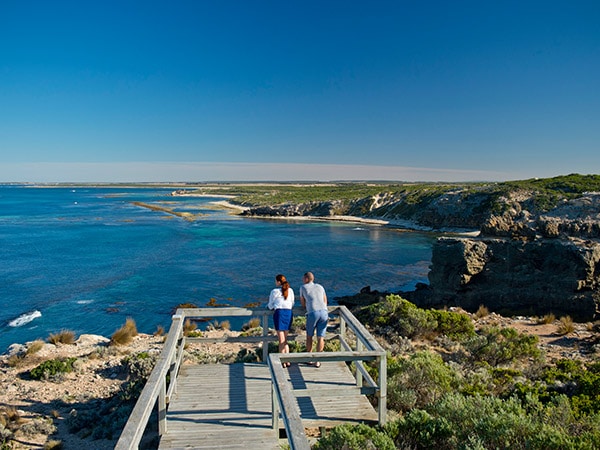
Located almost smack-bang between Adelaide and Melbourne on South Australia’s Limestone Coast, Mount Gambier has got it all: caves, volcanoes, lakes, ocean, wildlife, quirky accommodation, fantastic food and world-class wineries. We suggest you pick and choose and wander at your own pace.
Day one
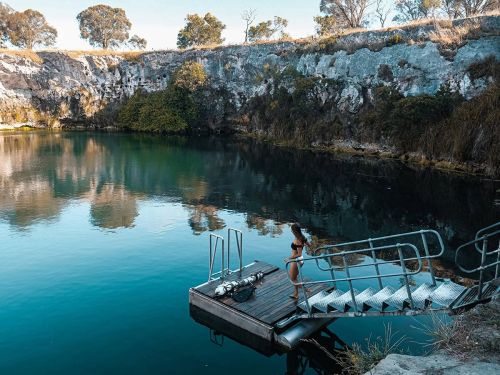
Kickstart your day exploring Mount Gambier’s famous Blue Lake, before submerging yourself in the crystal-clear waters of the Kilsby Sinkhole or Little Blue Lake. The Riddoch Arts Centre will appeal to all culture lovers, and shoppers will adore Charlicks Bazaar and all its hidden treasures. And don’t fret, we’ve got all your Mount Gambier cafe and pub recommendations covered below.
7am: Brekkie at Bay Blue Espresso Bar
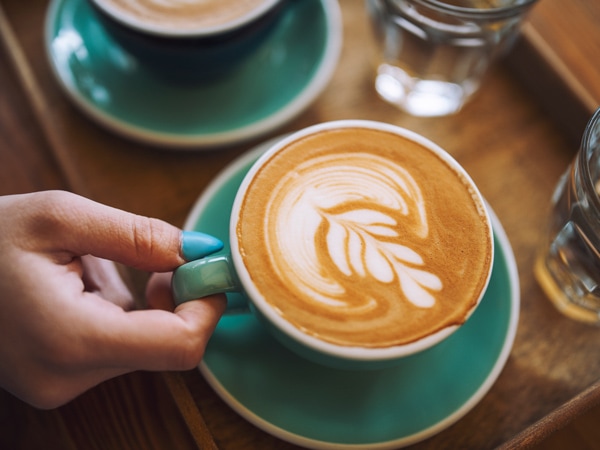
The Bay Blue Espresso Bar is a specialty espresso bar located on the main drag to the Blue Lake. The Scandi-styled space is the perfect place to fuel up on coffee and a toastie dubbed ‘The Mostie’ stuffed with house-crumbed chicken, crispy bacon, tomato, cheese and lettuce.
8.30am: Walk around the Blue Lake
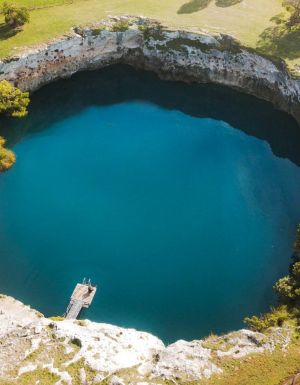
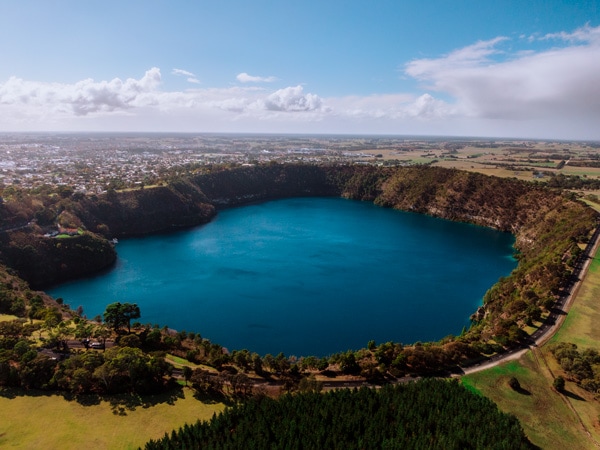
Ask one of the friendly lycra-clad locals for the lowdown on the Blue Lake Circuit and they’ll tell you to start the 40-minute 3.6-kilometre hike at Pioneer Memorial and to stop at Rotary Lookout. The wide crater lake turns a brilliant sapphire blue over the warmer months, resembling a precious gem set into the landscape.
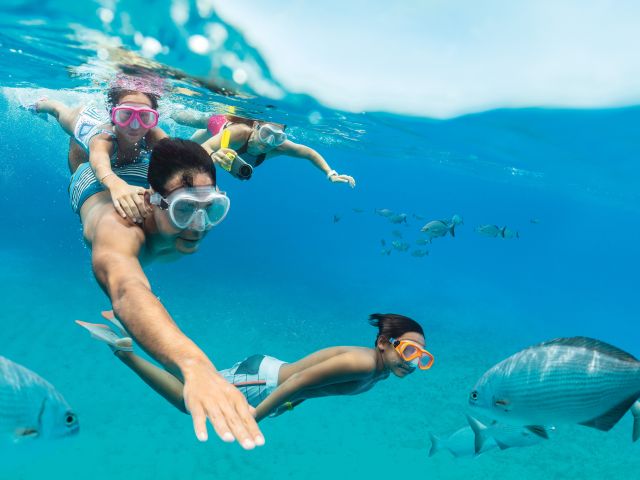
10am: Snorkel at The Kilsby Sinkhole
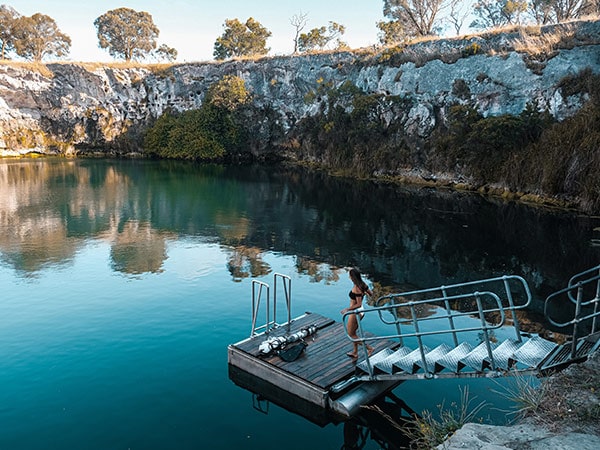
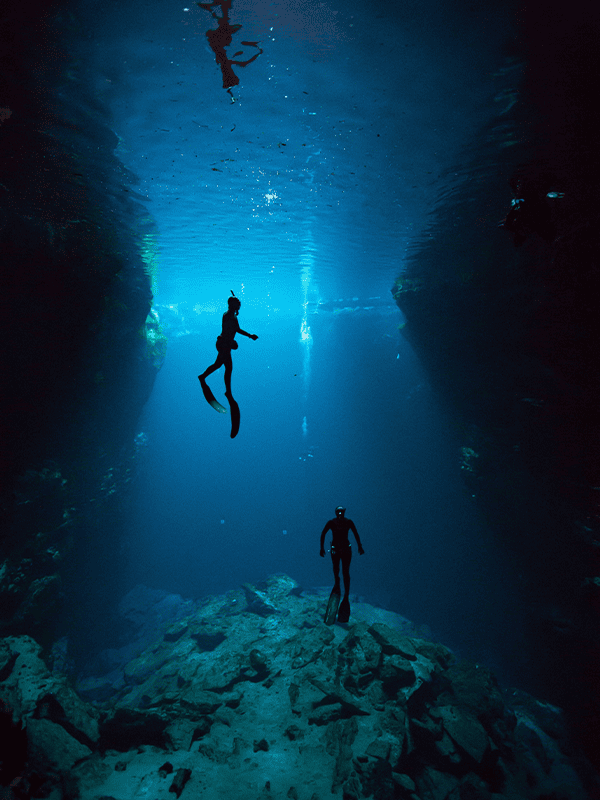
Continue your exploration of Mount Gambier’s natural attractions at Kilsby Sinkhole . Rated as one of the best sinkhole dive sites in the world, this spectacular hole in the ground welcomes free divers, snorkellers and scuba divers. The crystal-clear waters inspired the creation of Sinkhole Gin, which you can sample in situ, after deep-diving in the limestone-clad chamber.
Noon: Explore The Riddoch Arts & Cultural Centre
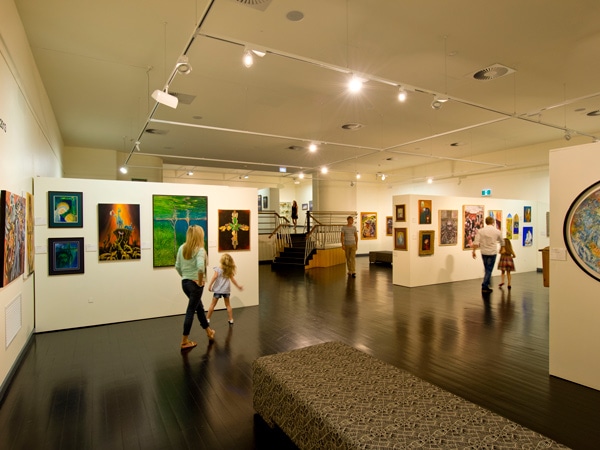
Loved by arty locals, the architecturally inspired The Riddoch Arts & Cultural Centre includes a large collection of 20th-century Australian art. Don’t miss the daily screenings of Volcano, The story of Earth, Fire and Water, about how the elements helped shape the Kanawinka region. The art gallery’s shop is also worth a squiz.
1pm: Lunch at Presto Eatery
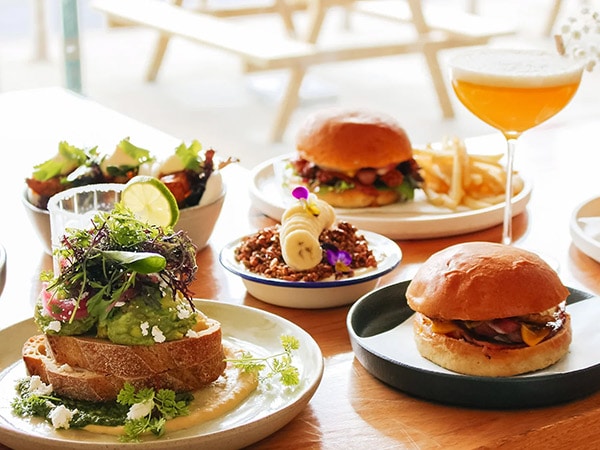
Taste some of the best ingredients the Mount Gambier region has to offer (from the likes of Robe Dairy Labneh; Rise of Robe Sourdough; The Splendid Egg ) at Presto Eatery , housed in a refreshed heritage shopfront in the centre of the city. If you’re here for one of the cult favourites, you will be forced to choose between bacon benedict or avocado smash.
3pm: Drop into Mount Gambier Visitor Centre
One of the star attractions at the family-friendly Mount Gambier Visitor Centre is the life-size replica of the 60-tonne sailing vessel, the Lady Nelson, which was commissioned in 1799 to sail along the coastline of South Australia. In addition to discovering the fate of the tall ship, visitors to the centre learn about local geology and Indigenous history.
4pm: Enjoy a shopping spree
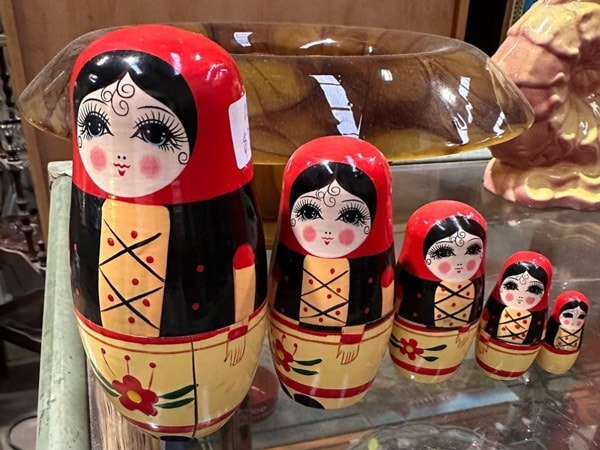
Charlicks Bazaar on Margaret Street is a great place to forage for treasures. The antique store housed in a rustic shed sells everything old, new, and unusual: think vintage platters, ’70s lampshades, kitsch coffee pots and creepy ceramic clowns. On a weekender with the girls? Bounce between the boutiques along Commercial Street East.
5pm: Check into Old Mount Gambier Gaol
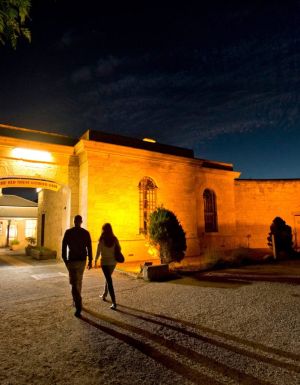
It’s time to check in: go directly to the Gaol. Pass through the forbidding gates of the Old Mount Gambier Gaol and you will be relieved to find a friendly atmosphere at this former prison. If you don’t want to be confined to a double cell, posh it up at The Cottage where the prison warden once lived. And forget about eating prison slop; the former gaol has its own BBQ facilities and is a short walk from Commercial Street.
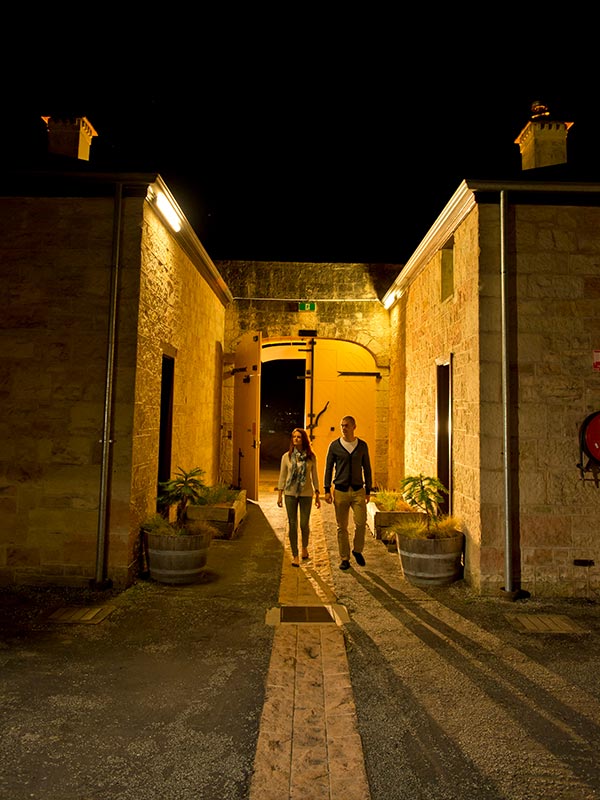
6pm: Pub grub at Mount Gambier Hotel
Spot the giant G emblazoned on the side of Mount Gambier Hotel and then follow the lines of locals to the pub that has been a perennial favourite since it was established in 1862. With its warm wooden floors and off-white interiors, the revitalised pub (known as ‘the G’) is an excellent place to sequester yourself for a few hours. Order the wagyu beef schnitzel served with a baked spud and salad.
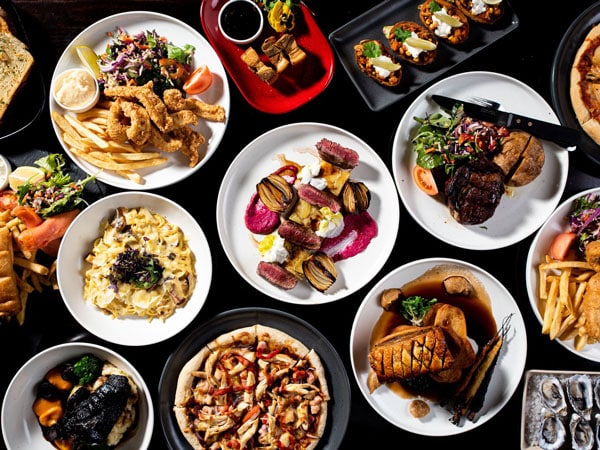
8pm: View the light show at Cave Garden
The air is cooler near the Cave Garden , which is an altogether surreal place that is equally as striking as the Big and Little Blue Lakes, but with a tonal shift toward crayon green on the colour scale. At night, coloured lights make the eerily haunting cave formations shimmer and shift and the cave becomes a flowing narrative about the Indigenous Dreamtime.
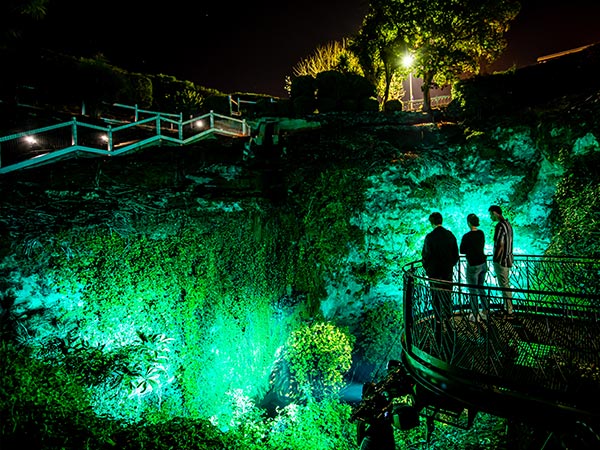
Day two
Start the morning with an exercise endorphin boost, before indulging in Mount Gambier’s most famous cinnamon scrolls. Thrill-seekers will love donning a wetsuit to dive in Engelbrecht Cave, while those looking for more subdued activities can hike or bike along the Crater Lakes trail, or enjoy a hit of golf at Mount Gambier Golf Club.
6am: Walk along the Mount Gambier Rail Trail
Join locals jogging and cycling along the Mount Gambier Rail Trail that runs like a parallelogram to the former railway line that slices through the centre of the City of Mount Gambier. Chug along the family-friendly 7.42-kilometre path to the nature play area, wetlands and picnic area.
8am: Roll into ScRoll Queen
After burning off a few calories along the Rail Trail, roll into ScRoll Queen for a Tim Tam Scroll or cream-filled Lamington Scroll. Wash these sticky temptations down with a cup of coffee from Badenochs Deli next door. Those who prefer savoury will lean toward the BBQ salami scroll from ScRoll Queen or the bacon and egg roll from Badenochs.

10am: Follow the Sinkhole Trail
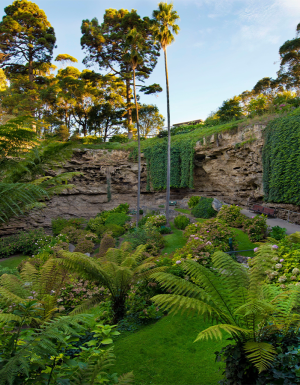
Whether you’re donning a wetsuit for a dive in Engelbrecht Cave, leaping in for a swim at the Little Blue Lake, or admiring nature’s vertical gardens clinging to the walls of Umpherston/Balumbul Sinkhole, the subterranean network of lava caves, an array of sinkholes and lakes are a must-see in Mount Gambier. You can also personalise your own tour of these geological wonders.
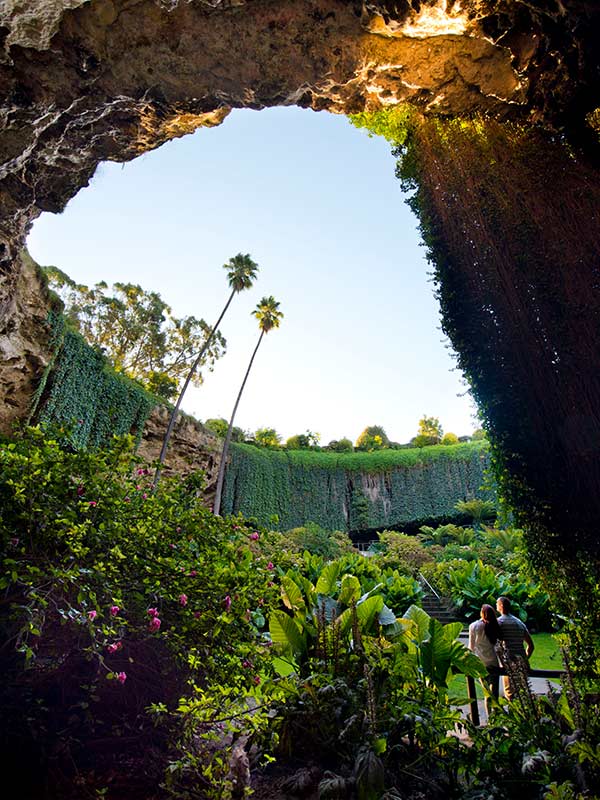
Noon: Lunch at Nalou Kitchen
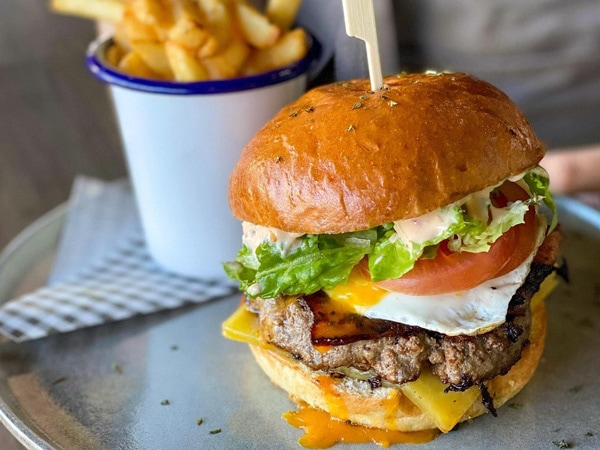
Garlic prawns, pumpkin, BBQ chicken and bacon are among the creative pizza toppings at Nalou Kitchen . The lunch menu is also dominated by burgers, sandwiches and wraps. Our pick: the pulled pork yiros with slow-roasted BBQ pork, slaw, BBQ sauce, and a serving of beer battered chips.
1pm: Bike around Crater Lakes Trail
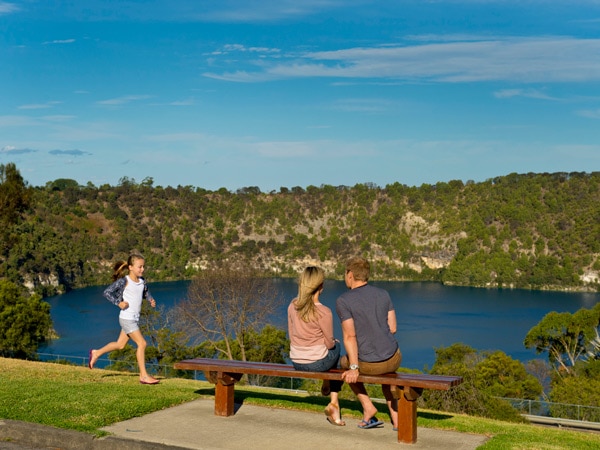
Hike or bike through spectacular scenery along the rim of the high plateau that peers into the gaping mouths of craters that have been carved out in slow motion by the elements. Trace the curves of the crater in an anti-clockwise direction from Mark’s Lookout, Lions Lookout or Rotary Clubs Lookout along the Crater Lakes Trail . Note: the 4.2-kilometre track is not a defined path and includes steep inclines and stairs. It can take about 1.5 hours to complete.
3pm: Fish at Port MacDonnell
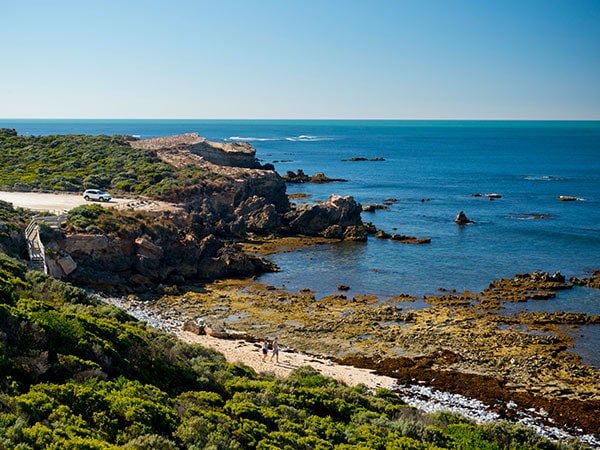
One of the favourite local meditative pastimes in the Mount Gambier region is fishing at Port MacDonnell at the jetty, breakwater or boat ramp. Expect to haul in everything from King George whiting and squid to tommy ruff and silver trevally.
Young adventurers or intrepid explorers can also take a 4WD to Browns Beach, which is another hotspot for fishing right from the beach. Get the heads-up about where to cast a line from the plaid-clad lads at Spot On Fishing in Mount Gambier.
6pm: Hit a round of twilight golf
Energetic types might just be able to squeeze in a cheeky round of nine holes before twilight at the Mount Gambier Golf Club or Blue Lakes Public Golf Links , where the only downside is that the scenic surrounds might put you off your putting. The golf courses around Mount Gambier take advantage of the undulating landscape and are challenging for both novices and practised golfers.
8pm: Check into the Commodore on the Park
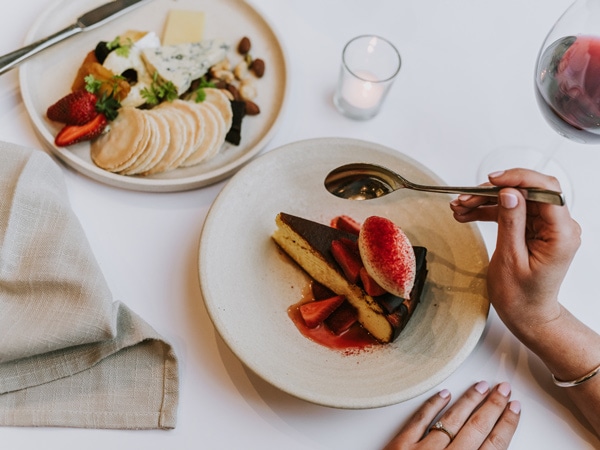
After checking into your executive spa suite at the Commodore on the Park , you can sashay down to the hotel restaurant that keeps its food miles to a minimum, sourcing most of its produce from the Limestone Coast and wines from the Coonawarra. Before retiring to your room, check out what’s on offer at the hotel’s whisky bar.
Day three
Start your day right with a big breakfast feast at Metro Bakery, before really treating yourself with a cellar door crawl. The afternoon sun calls for a snorkel at the Piccaninnie Ponds Conservation Park, before unwinding and celebrating your Mount Gambier long weekend with cocktails at Macs Hotel.
8am: Brekkie at Metro Bakery and Cafe
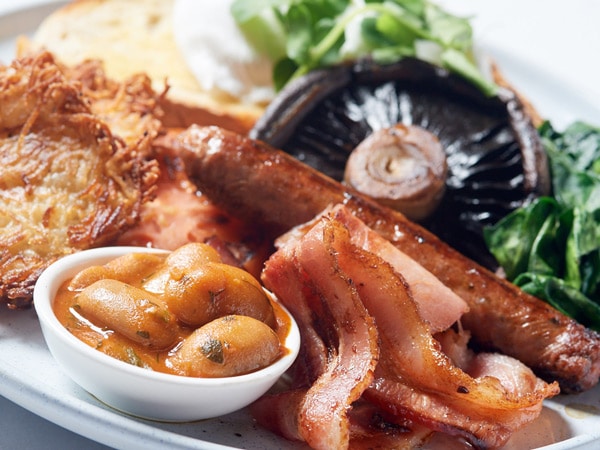
A big day calls for a big breakfast and by big, we mean whopping. The Metro Big Breakfast comes with free-range eggs, bacon, beef sausages, baked lima beans, garlic buttered mushrooms, rosti and sourdough toast. Finish up with great coffee roasted by Melbourne’s Lygon St legend, Giancarlo Giusti at this sleek meeting place.
9am: Go on a cellar door crawl
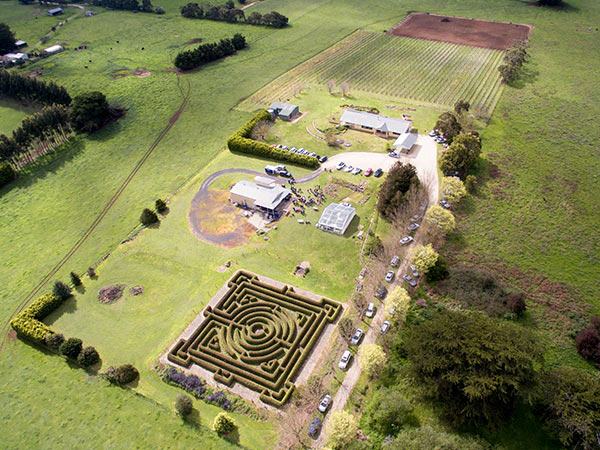
There are more than 40 cellar doors to choose from across the broader wine region of the Limestone Coast. Keep it simple and check off Caroline Hills Winery and the appointment-only Herbert Vineyard .
Noon: Lunch at Foodie Bar
With an array of delicious options, Foodie Bar is one of Mount Gambier’s eating gems. While you can devour a burger, schnitty, or a sandwich, we’d recommend giving their Sri Lankan-style menu a try to really treat the tastebuds. Whether it’s the Sri Lankan hot butter cuttlefish or their signature kottu roti, the only hard part will be making a decision!
3pm: Snorkel at Piccaninnie Ponds Conservation Park
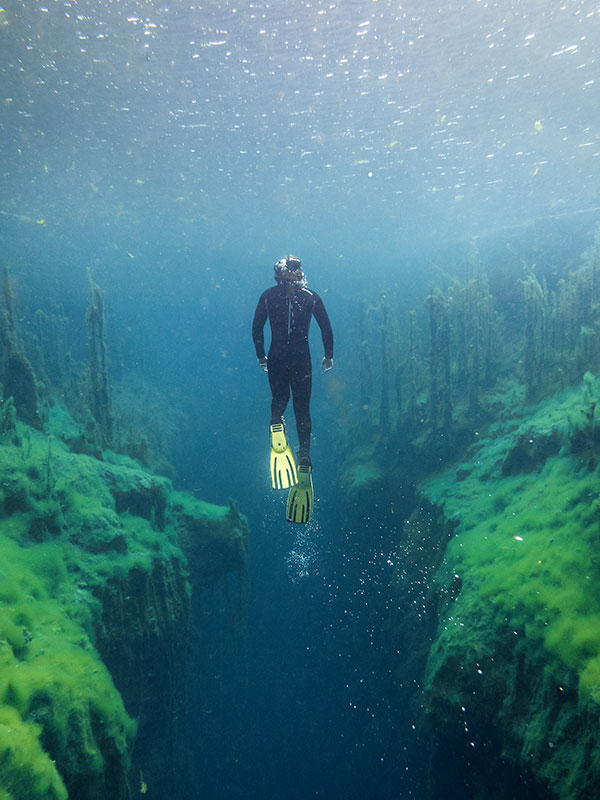
The locals in Mount Gambier are in tune with the moods of the city’s many sinkholes and lakes and often inaugurate a quick snorkel or swim into their weekend activities. Walk through the coastal wattle and beard heath to get to the Piccaninnie Ponds where you can dive down into the eerie 100m depths of The Chasm and enclosed Cathedral, which has a depth of 35 metres.
6pm: Barbecue dinner at the Valley Lakes
Pop into Five Star Seafood in Port MacDowell to pick up some seafood and a few beers and head to Valley Lakes, which has free gas barbecues and covered shelters. After an easy 1.6-kilometre pre-prandial amble around Leg of Mutton Lake, visit the picturesque conservation park, which features native flora and fauna, before finding a patch of grass for your picnic.
8pm: Cocktails at Macs Hotel
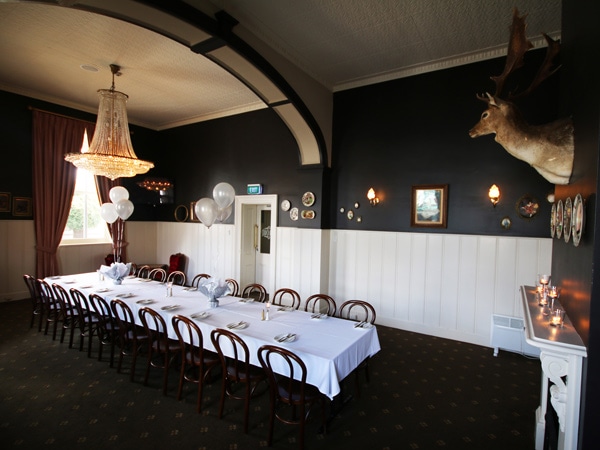
Macs Hotel , which was first licensed in 1864, is the place to go on a Sunday evening for happy chatter underscored by songs from the great Australian songbook. Expect a bit of Cold Chisel and some theatrical percussion from the cocktail shaker when you pull up at the bar and ask for something chilled. Stay overnight so you are right in position for posh pub grub and a cold pint for lunch the next day.
This article was originally written by Carla Grossetti and updated by Tahlia Pritchard.