Beyond the Victorian Goldfields’ best-known destinations, a collection of small towns is carving out their own identity through food, wine, nature, books and beautifully preserved heritage.
I’ve called the Victorian Goldfields home for the past 17 years, but some of my favourite places in the region lie just beyond the towns that typically steal the spotlight. Whether you’re seeking exceptional food, fascinating history, forest adventures, great wine or a literary weekend, these are six of the best lesser-known towns that deserve a visit on your next country escape.
1. Trentham: The food-led getaway
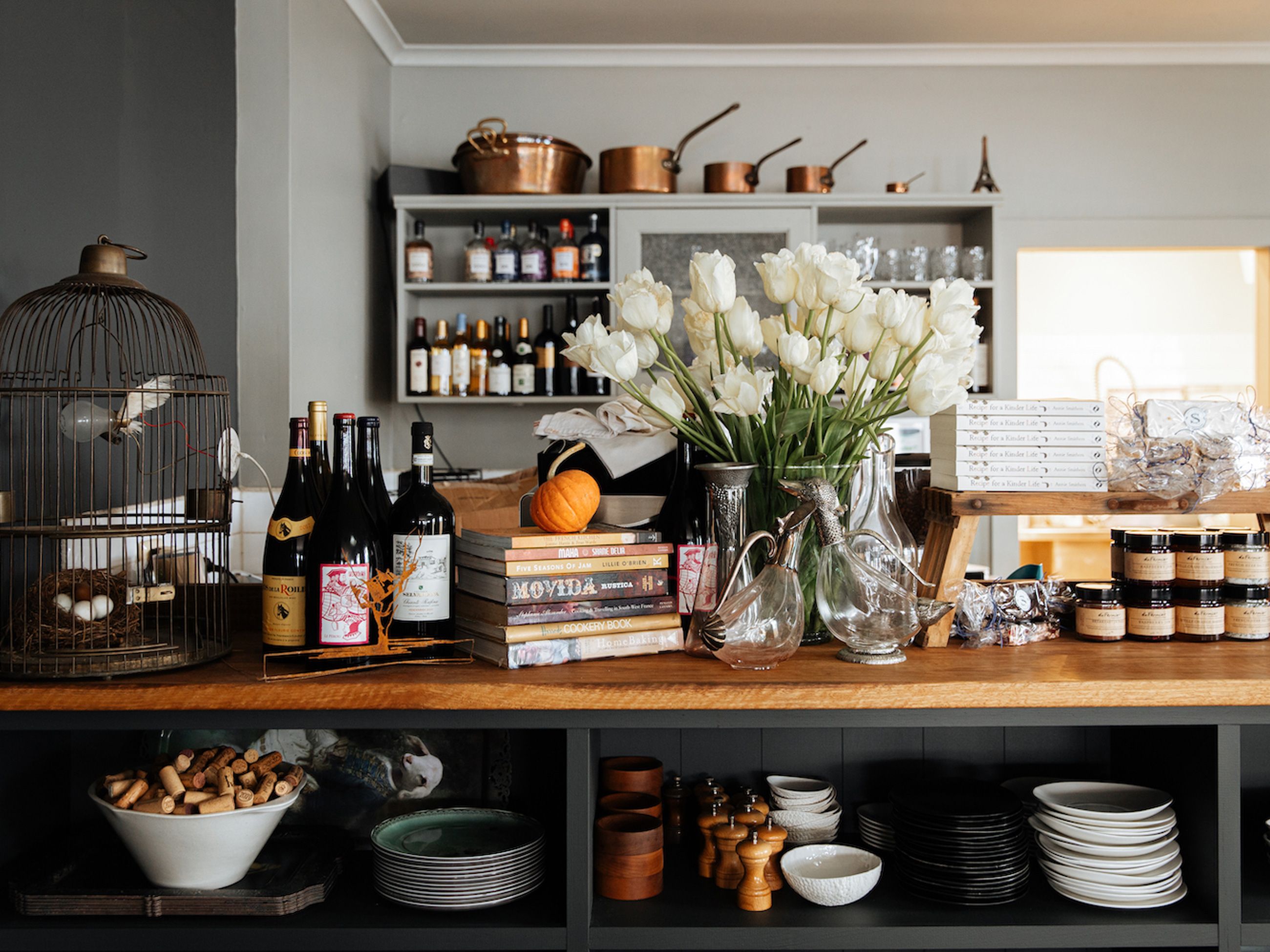
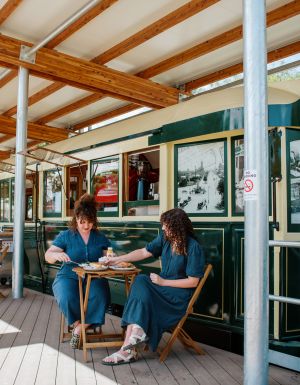
Tuck into an intimate, French farmhouse-style dinner at Du Fermier.
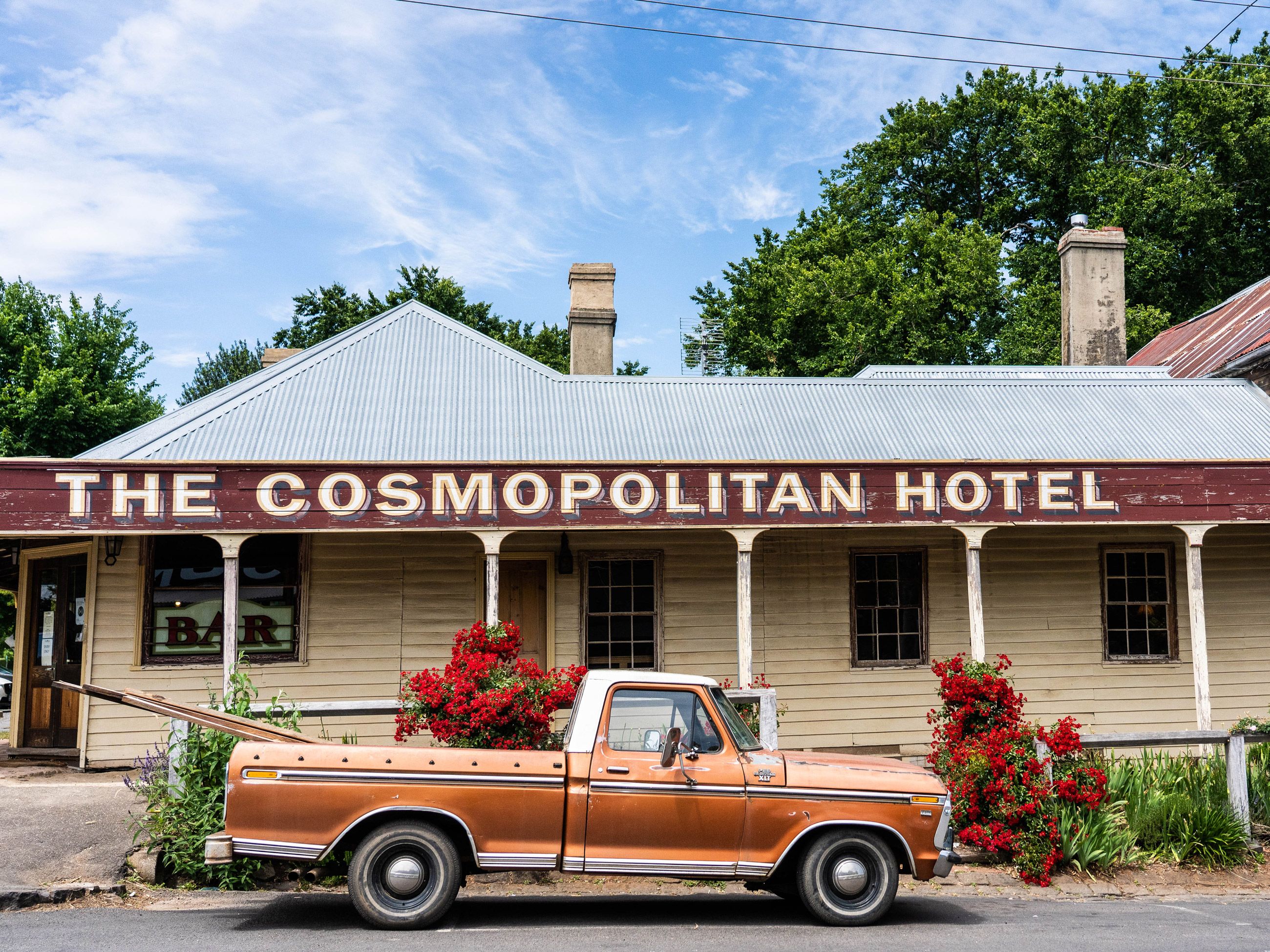
The historic Cosmo pub serves as a central community hub for generations.
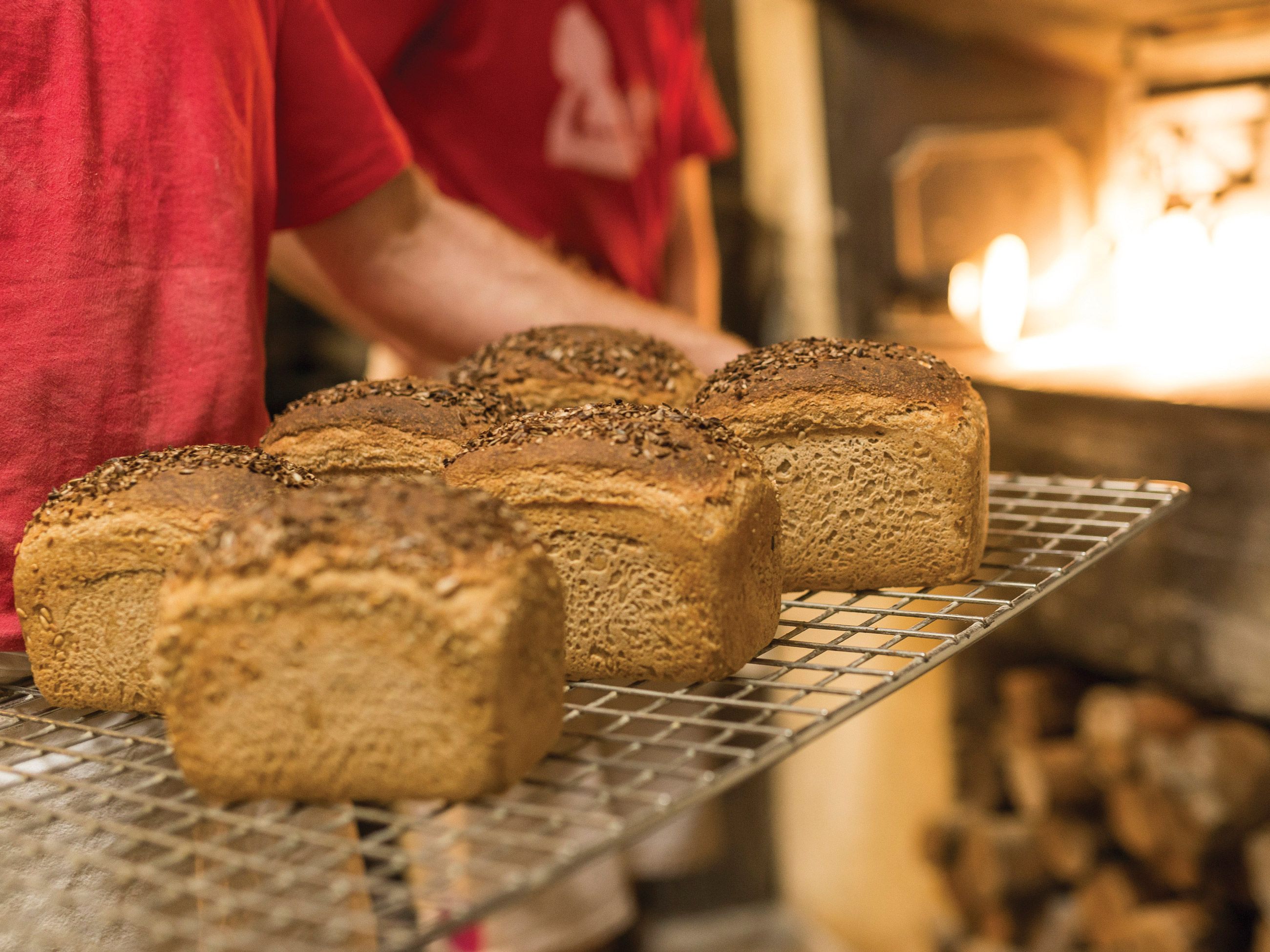
Stop for some sourdough at Red Beard Bakery.
If Trentham were a person, I’d say it was always thinking about its next meal. Lucky then that dotted throughout the tiny town are enough cafes, restaurants and pubs to sate even the hungriest traveller. Set on the edge of Wombat State Forest, 20 minutes from Daylesford, the small hamlet traditionally known for growing potatoes has become a foodie destination well beyond the humble spud.
Start your day at Red Beard Bakery, where wild-ferment sourdough bread is baked in a rare 19th-century Scotch oven. Then move on to Trentham General for brunch (try the spicy chilli scrambled eggs) in the old Bank of Australasia building. Make sure you leave room for a long, languid lunch at Du Fermier, Annie Smithers’ much-loved restaurant, where fresh, seasonal produce shapes the ever-changing French-inspired menu.Finish the day with a local pinot noir or craft beer at the restored Cosmopolitan Hotel, safe in the knowledge that you’ve found one of regional Victoria’s best-kept dining secrets.
2. Maldon: The heritage escape
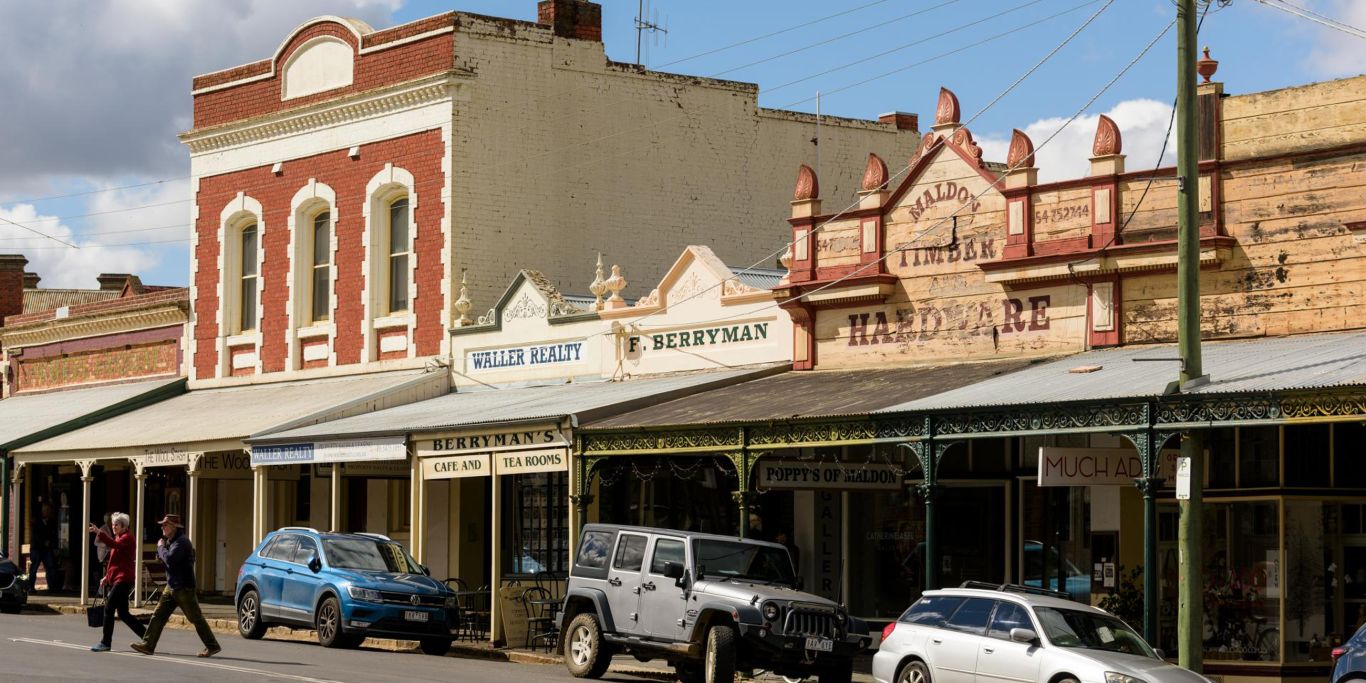
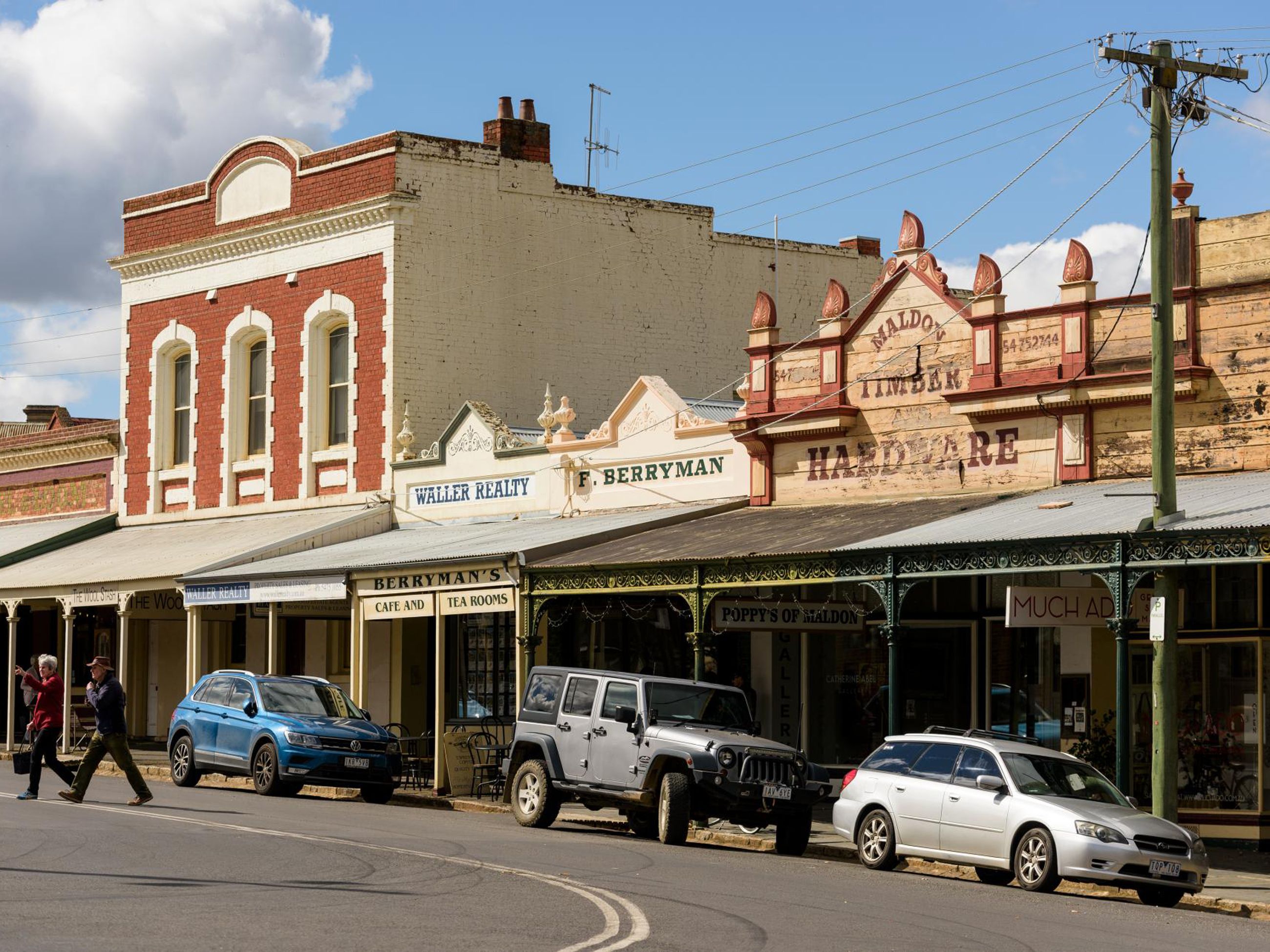
Maldon retains its 19th-century gold mining streetscape aesthetic.
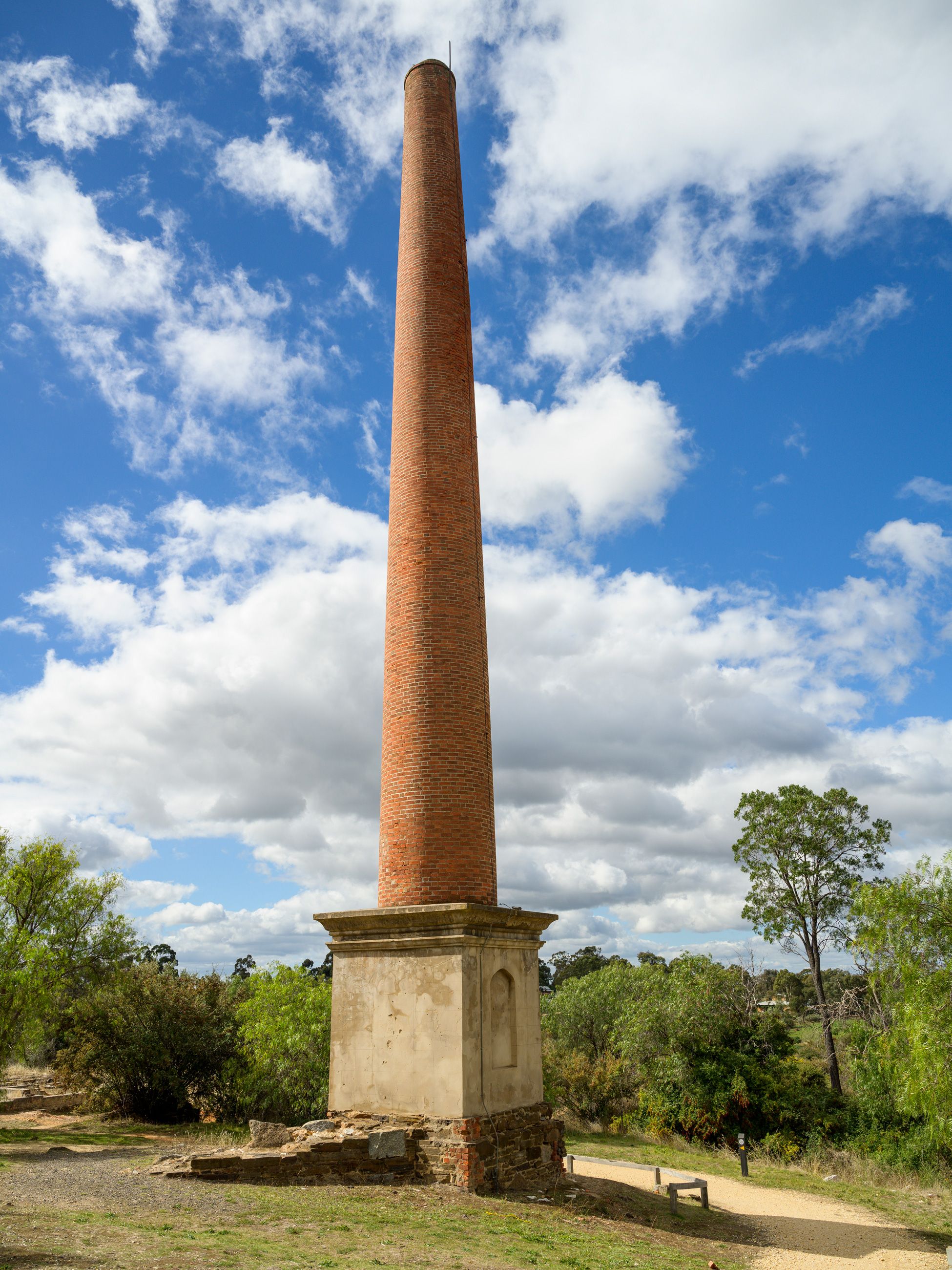
The Beehive Mine chimney once formed part of a lucrative quartz mine in the 1860s.
With its broad main street, ornate shopfronts and beautifully maintained Victorian buildings, Australia’s first official “notable town", just 15 minutes from Castlemaine, feels like stepping back in time to its gold-rush heyday. Begin your visit at the Beehive Mine chimney, a towering structure that once formed part of a lucrative quartz mine in the 1860s. From there, wander Maldon’s historic streets before climbing Mount Tarrengower (less of a mountain and more of a gradual incline) for sweeping views across Maldon and the surrounding box-ironbark forest.
Back in town, antique stores, galleries and old-fashioned lolly shops invite leisurely browsing, while the Maldon Bakery – established in 1854 and believed to be Australia’s oldest continuously operating bakery – draws a steady stream of locals and visitors for pies and vanilla slices. For a final dose of nostalgia, board the Victorian Goldfields Railway for a languid steam-train journey along the restored 1880s line between Maldon and Castlemaine, or head beyond the township to the Maldon Historic Reserve, where walking trails weave past old stone ruins and abandoned mine workings.
Need tips, more detail or itinerary ideas tailored to you? Ask AT.
AI Prompt
3. Clunes: The literary weekend
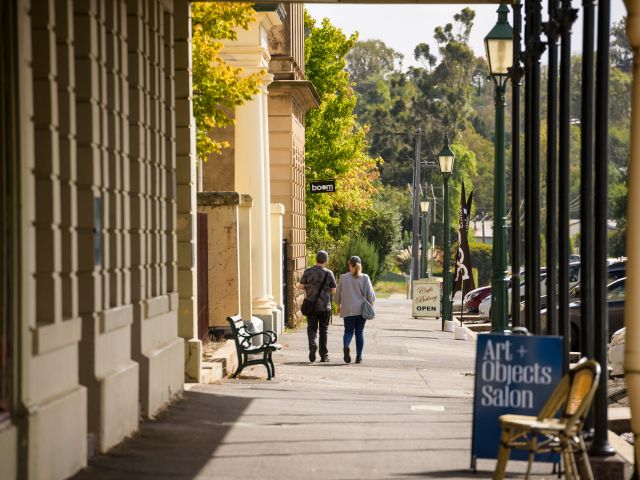
Wander the charming streets of Clunes.
This handsome town, about 35 minutes north of Ballarat, became internationally recognised in 2012 when it was named Australia’s first International Booktown. Today, second-hand and antiquarian bookstores occupy many of the beautifully preserved 19th-century buildings lining the wide main street, making Clunes perfect for slow weekends spent browsing shelves and lingering over coffee.
Begin at one of the town’s many bookstores, where you’ll find everything from vintage Australiana and gardening tomes to contemporary fiction and rare collectables. It’s worth planning ahead to coincide with the village’s much-loved Booktown Festival in March, when the streets fill with authors, readers and more than 100 booksellers.
The town is home to the world-class Djuwang Baring (Creswick Trails) mountain bike network, where riders can explore kilometres of flowing singletrack through eucalypt forest. If you prefer a slower pace, St George’s Lake is a picturesque spot where you can explore the surrounding bushland on foot (a loop of the lake takes about 30 minutes). Set within Creswick Regional Park, it’s also worth keeping an eye out for koalas, wallabies and native birdlife among the trees. The town’s close proximity to sections of the Goldfields Track makes it the ideal spot for an active weekend escape immersed in nature.
Weekly travel news, experiences insider tips, offers, and more.
5. Heathcote: The wine country detour
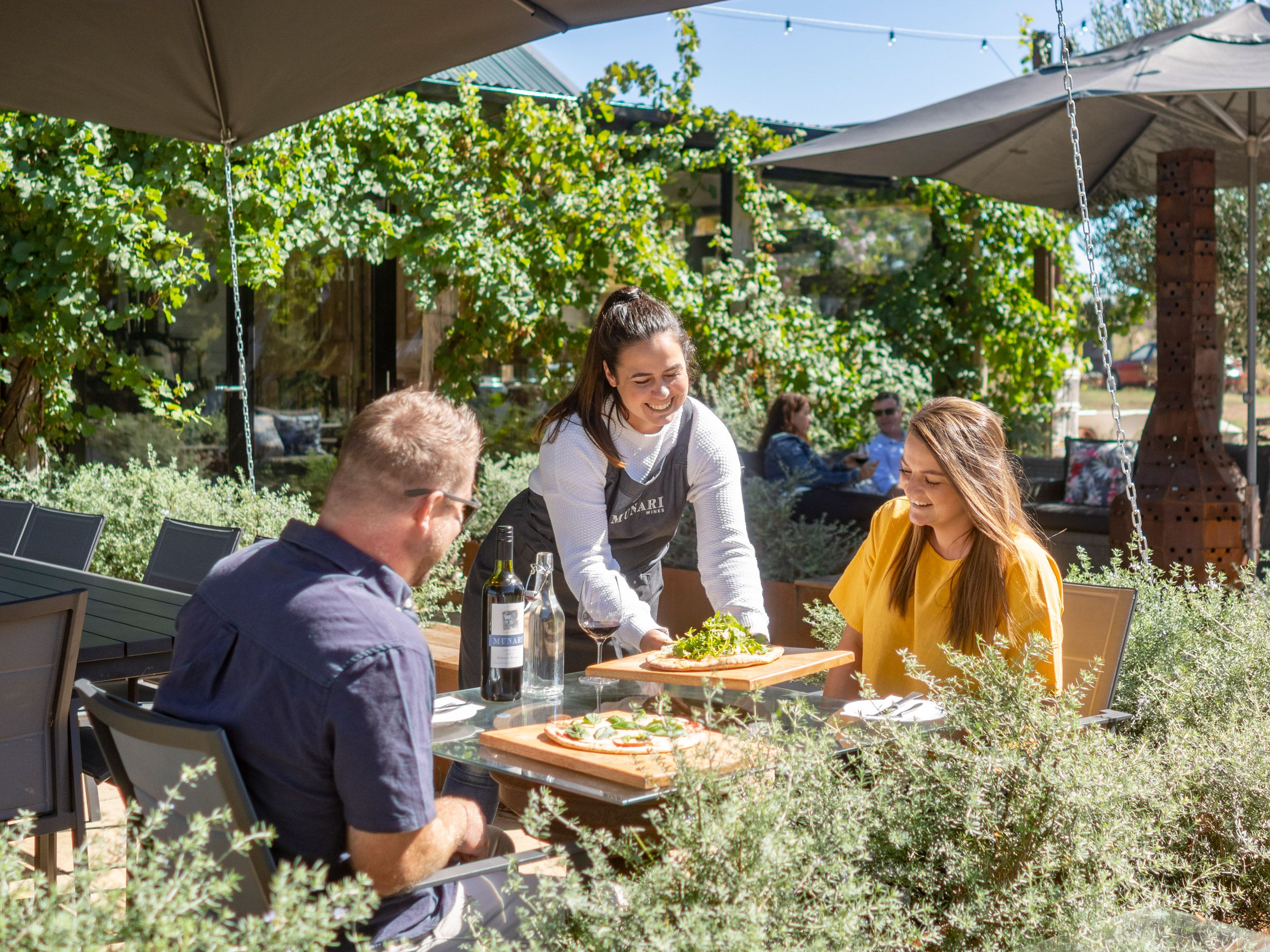
Sample Munari Wines in a spacious courtyard.
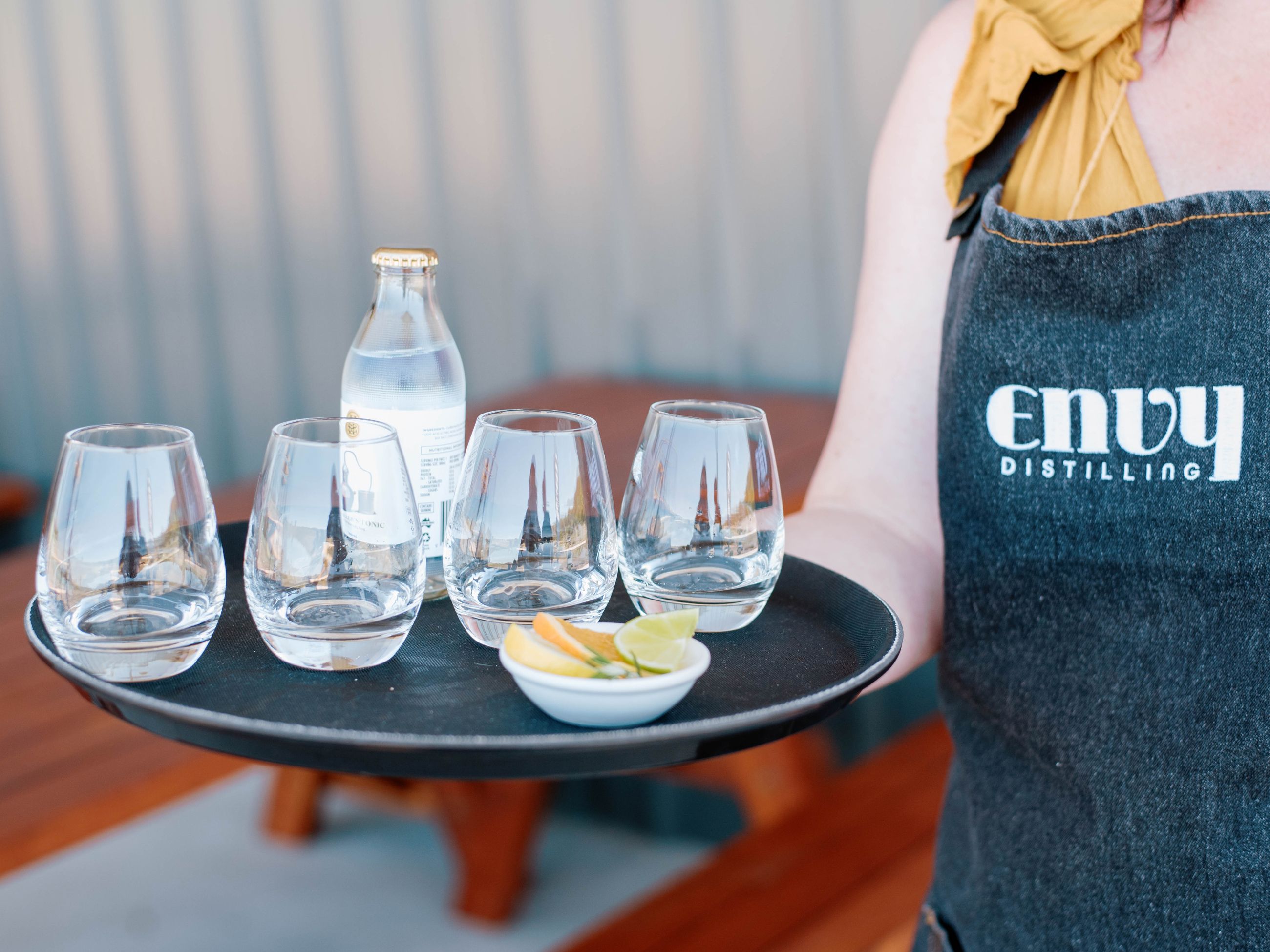
Sip on small-batch spirits at Envy Distilling.
While wine lovers flock to Victoria’s Yarra Valley and Mornington Peninsula, Heathcote produces some of Australia’s most celebrated (and delicious) drops. Located around 40 minutes south-east of Bendigo, Heathcote is best known for its rich red soils and exceptional shiraz.
It’s easy to spend a weekend sampling and dining at places such as the family-run Munari Wines (where the tastings and home-made pizza feel more like visiting a friend’s home) or enjoying vineyard views at the off-grid Silver Spoon Estate, before branching out to Envy Distilling, where Nathan Wheat and Vanessa Curtis craft small-batch spirits at their off-grid distillery. For a hands-on experience, Shiraz Republic’s popular rent-a-row program allows visitors to follow the winemaking process from harvest to bottle. A little gem in central Victoria, Heathcote offers all the ingredients for a sparkling wine-country weekend without the crowds of the state’s better-known wine regions.
6. Talbot: The market town
Tiny Talbot, between Clunes and Maryborough, comes alive on the third Sunday of every month when its acclaimed farmers’ market transforms the historic streetscape into a bustling hub of regional produce, artisan food and local makers.
Held among the beautifully preserved buildings of Scandinavian Crescent and Camp Street, the market draws thousands of visitors and more than 80 stallholders gather, offering everything from organic cheeses, small-batch wines and locally grown saffron to artisan sourdough, handmade fudge and freshly picked seasonal produce.
Arrive hungry and munch your way through Turkish gozleme, hot jam doughnuts, bagels, Indian curries and gourmet pies before filling your basket with olive oil, honey, preserves and baked treats to take home. Beyond market day, Talbot has beautifully preserved heritage buildings and a slower pace, but it’s the market’s celebration of regional food and makers that’s worth the drive.
Want to see more stories from Australian Traveller in your Google search results?
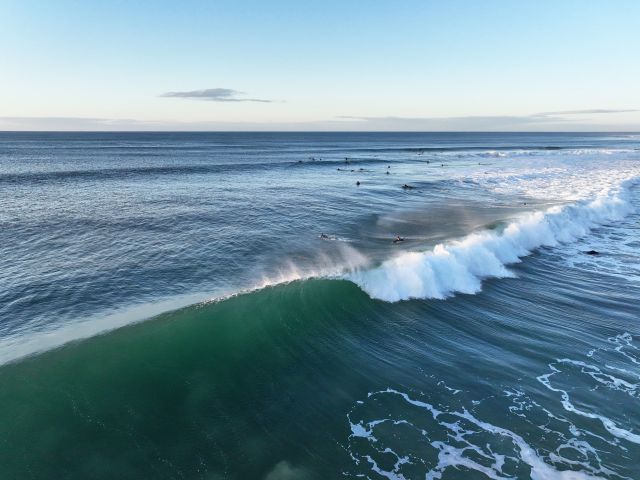
Torquay’s Bells Beach is considered one of the best surf beaches in the world.
It’d be easy to think Australian surf culture was born around the right-hand point breaks of the Gold Coast and Byron Bay. These regions seem the epitome of how the world views Aussie surfers – bronzed (or burnt), languishing in warm water and sunshine. The reality is a lot different.
The rise of surf culture along Victoria’s coastline
Surfers stand on the shore at Bells Beach, where the country’s biggest surfing competition is held each year. (Image: Getty/Filed Image)
True Aussie surf culture was born on the chilly waves of Victoria’s winters, when huge swells from the Great Southern Ocean hit cliff-lined beaches along the Great Ocean Road. These beaches were the ultimate proving ground – surfers from all over Australia arrived in panel vans and VWs to do battle with the biggest waves they could find.
Surfers take advantage of the huge swells from the Great Southern Ocean at Bells Beach. (Image: Tourism Australia/Cameron Murray)
There are surf breaks all along this very picturesque coast – but those around Torquay were most revered. The ultimate test of a surfer’s ability – and durability – however, was Bells Beach: Australia’s answer to Hawai‘i’s Pipeline. Just beyond, the breaks at Jan Juc and Winkipop beckoned.
Hit the waves along the picturesque coast. (Image: Tourism Australia)
Torquay became surfing’s Silicon Valley: HQ for the entire Australian surf culture revolution. Four young locals worked out of their backyards in Torquay to create two of the world’s biggest surf labels – Rip Curl and Quiksilver, which soon became the region’s biggest employers.
Surfers out at Bells Beach, Victoria’s most famous beach. (Image: Tourism Australia/Cameron Murray)
Rip Curl started sponsoring the Bells Beach Pro in 1973 – and have done ever since. It’s been going since 1962 – making it the world’s longest continually run surfing contest. Held every Easter, it’s part of the world surfing tour. Spectators line its 30-metre-high cliffs to watch the world’s best take on enormous waves – it’s the ultimate coliseum for the sport and has inspired generations of Aussie surfers to join the list of heroes whose names are on its iconic bell.
Follow the waves through Victoria’s surfing heartland
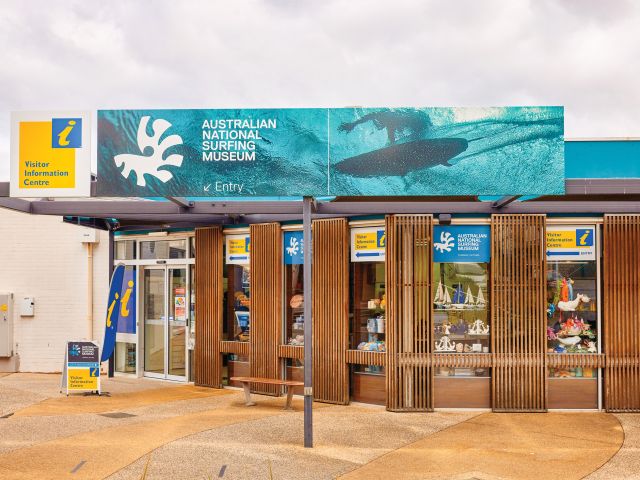
The Australian National Surfing Museum in Torquay. (Image: Tourism Australia)
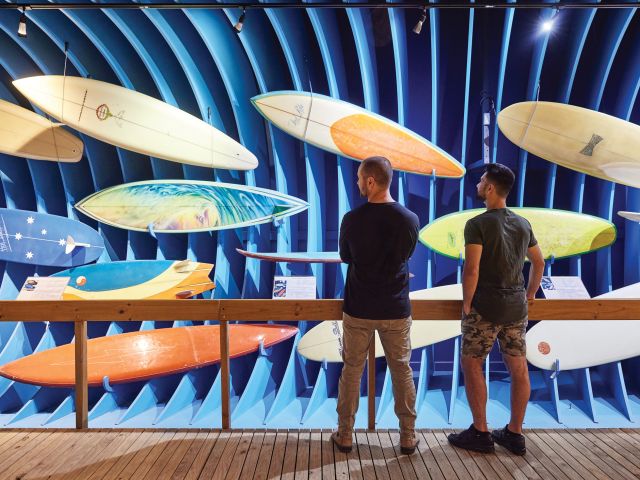
Just behind Torquay’s main drag, you can see all that history on display at the world’s best surf museum – the Australian National Surfing Museum. Here you can take your time absorbing the 100-year-or-so history of Australian surfing and check out the 150-strong surfboard collection.
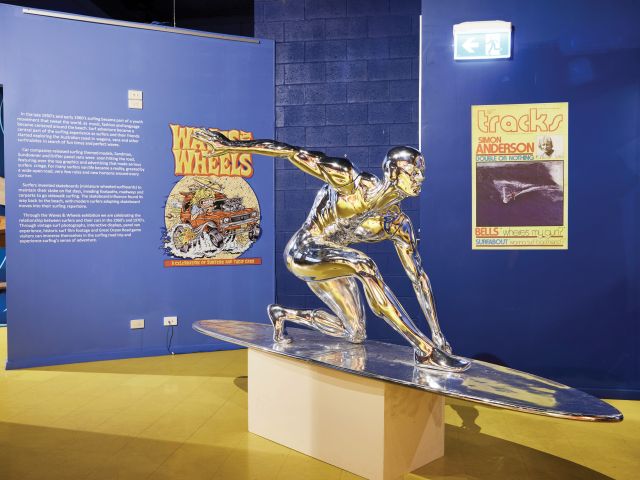
The museum holds surfing memorabilia, including a room dedicated to the history of boards. (Image: Tourism Australia)
But classic Aussie surf culture can be observed in everyday life all over the Great Ocean Road and Torquay. Surfing dictates life here; no work is done until the big swells have come and gone. Just being here provides a window into 60-odd years of rebellion against convention; for no-one likes nine-to-five living on the Great Ocean Road.
The varied displays celebrate the Bells Beach competition, surfing legends and Aussie surf culture. (Image: Tourism Australia)
There’s less panel vans and VW Beetles these days, but surf culture still rules life. Surfers run this coast; you’re better off keeping out of their way when they’re running down past you to face the biggest swells – then hear them swap stories at cafes, restaurants and bars all around you.
The beach near Torquay is Australia’s answer to Hawai‘i’s Pipeline. (Image: Visit Victoria/William Watt)