A cycling pilgrimage to Victoria’s High Country is a new way to consider Australia’s first ‘Gourmet Region’.
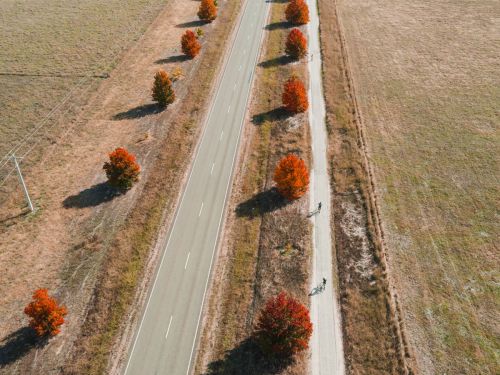
There’s a place along one of the bike paths between Beechworth and Milawa where we lose ourselves among a grove of river red gums, where the branches above interlace like the fingers of giants.
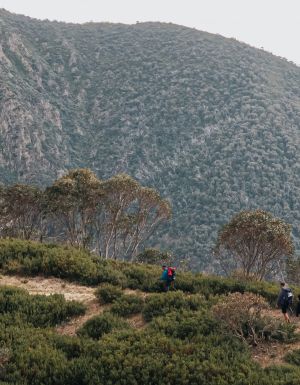
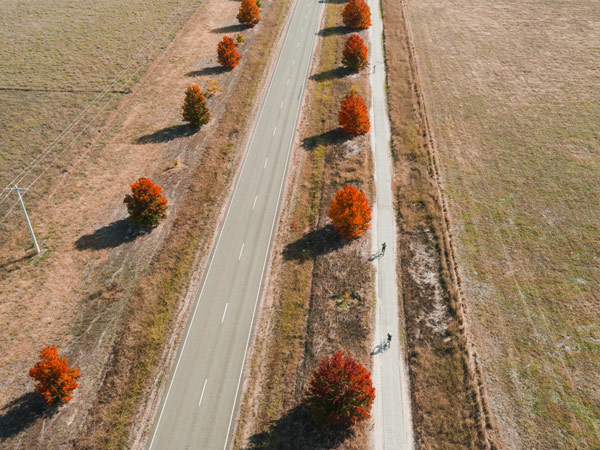
It’s autumn in Victoria’s High Country and we pause on our e-bikes to admire the picturesque path carpeted with copper-toned leaves, dancing in the breeze.
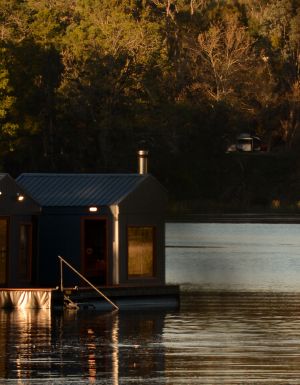
We were up at the first finger of light to launch into the unfolding day from our tiny home at Church Lane to explore the rolling hills and valleys of the state’s north-east.
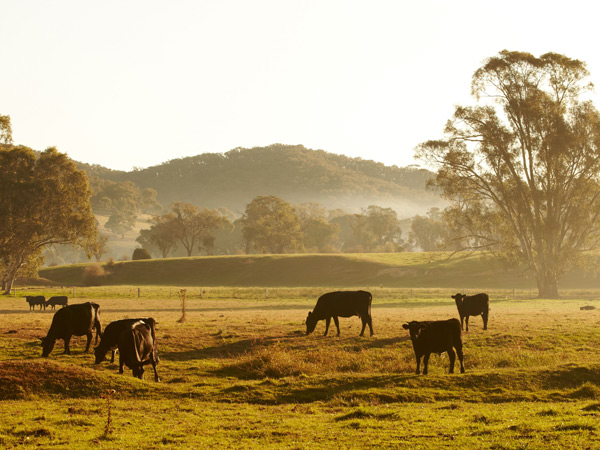
We continue, e-bikes whirring, past cows and kangaroos grazing on apple-green pastures until we reconnect with the Pedal to Produce trail , which noodles past some of the state’s finest artisan makers and growers.
Milawa Mustards
Milawa Mustards is an artisan producer that’s one of a handful of businesses that came together to form Milawa Gourmet Region, the first of its kind in Australia, in 1994.
It’s inside the factory housed in an old butcher’s shop where we meet current owner Jim Mellor, who advances towards us wearing a hand-knitted beanie, grey tee, jeans and work boots. The uniform of country Victoria.
“Welcome to Milawa Mustards," says Jim, flashing an ear-to-ear grin, his lilting accent a remnant of his early years in West Yorkshire.
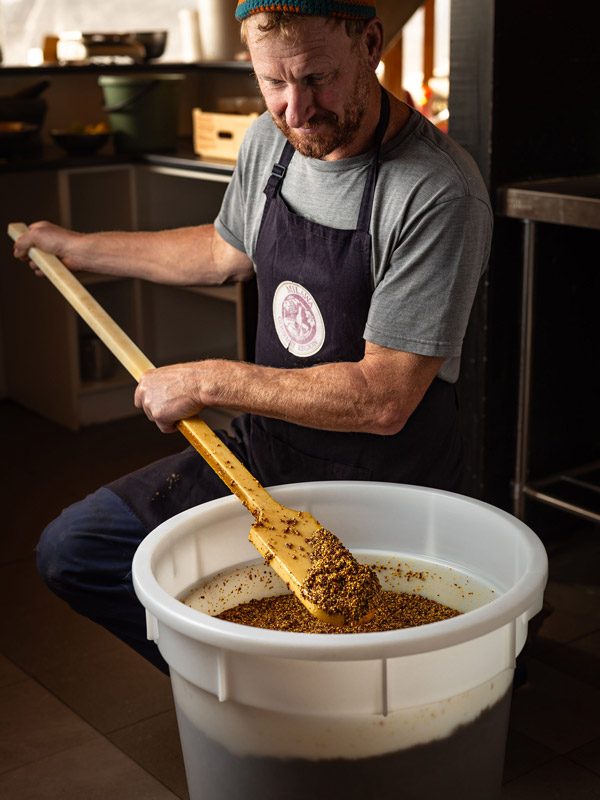
Jim grew up in a pub in the Humber region of England before serving in the British Army, opening a brewery in Faversham, Kent, and migrating to Australia with his wife Kirsty. The couple bought Milawa Mustards in 2010.
“Milawa Mustards is all about keeping the heritage of a cottage industry alive. The recipes we follow have been passed down for generations. I’m an artisan, so although I put my heart and soul into everything, I also make the kind of mustards that suit my own taste," says Jim, who describes his mustards as more “French than English in style".
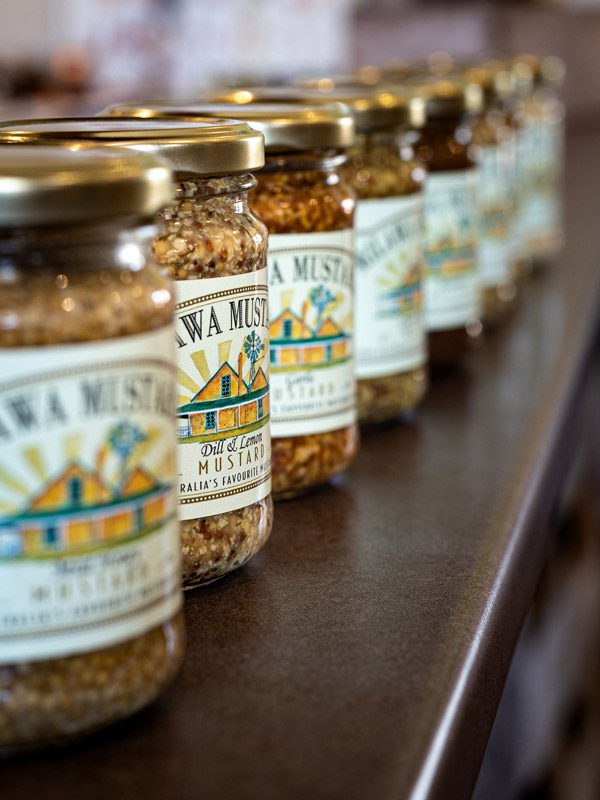
Jim is justifiably proud of being an award-winning mustard maker and invites us to sample some of his wares, which include a best-selling balsamic mustard and a hot chilli mustard.
“All the products are handmade on the premises. We grow our own mustard seeds to ensure a consistent supply and source local ingredients such as artisanal vinegar and spices to help make the flavours sing," he says.
While Milawa, in the heart of Ned Kelly Country, was originally established as a place for gold miners to rest, the founding of the Brown Brothers winery in 1889 put the village on the map for gourmands.
These days, Milawa has further evolved to become a place known as much for its bounty of local produce as its sophisticated wining and dining scene.
Dining at Ava
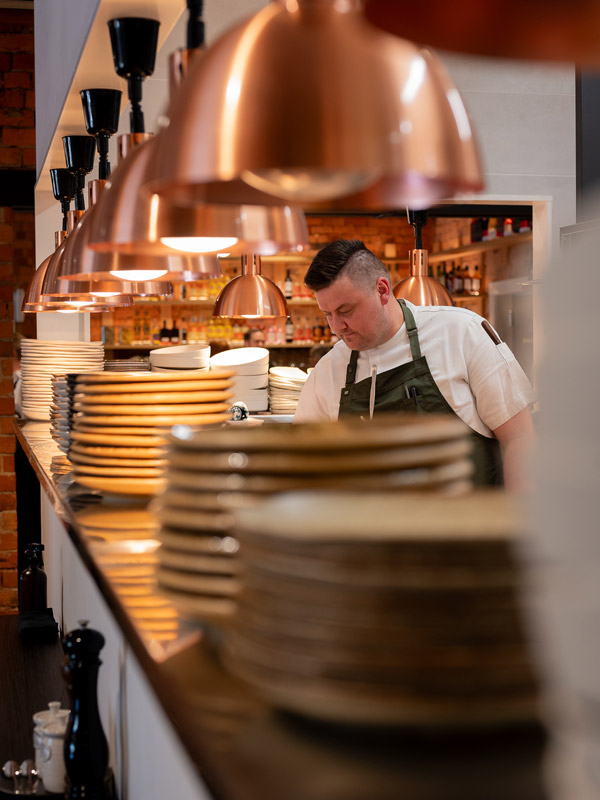
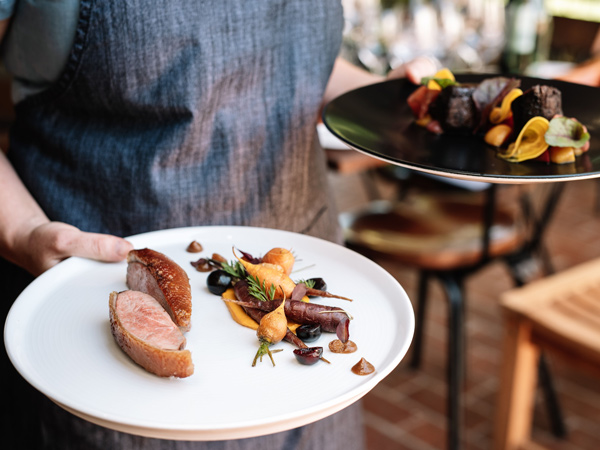
Our self-guided Pedal to Produce itinerary also strings together some of the region’s most lauded restaurants. An eve at the atmospheric Ava is the perfect start to our culinary adventure. Although the main street of Milawa is very sleepy for a Friday night, the restaurant is packed with a mix of locals and food tourists.
Ava is run by chef Paul Szeligiewicz and his sister Monique, who share a passion for provenance and using the very best hyperlocal and seasonal ingredients.
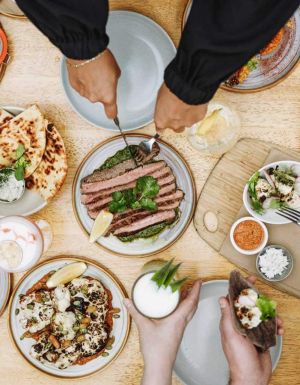
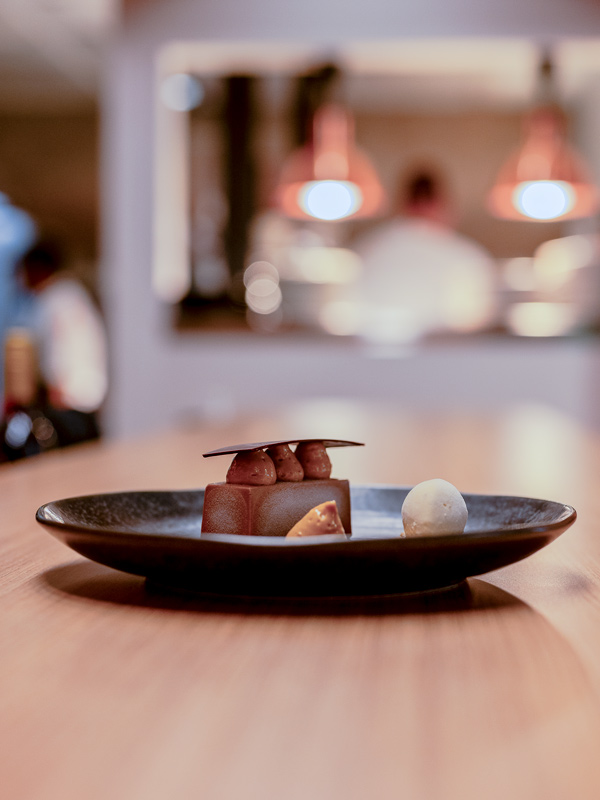
We get a taste of their farm-to-table approach with the locally sourced Rivalea pork belly with fennel, savoy cabbage and Milawa Miso Mustard washed down with a glass of Scion viognier.
“Hi. I’m Monique. Otherwise known as Mon from Wang [Wangaratta]," smiles Monique, endearing herself to us immediately. “What we want you to feel when dining at Ava is comfortable and relaxed. Although the cuisine is quite elevated, dining here still feels casual."
Henley’s Wine Bar & Kitchen
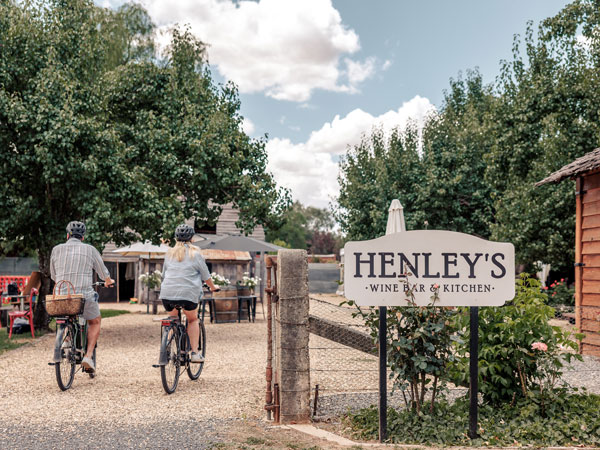
The Pedal to Produce pilgrimage also includes Henley’s Wine Bar & Kitchen , on the crossroads of Milawa in a historic building constructed from hand-hewn bricks in 1861.
The landmark building has at different times been a travel depot, hotel, courthouse and public hall. Instead of tying up our horses, we tether our e-bikes to a weathered post outside Henley’s, which also serves as a cellar door for Redbank Wines.
Milawa Cheese Company
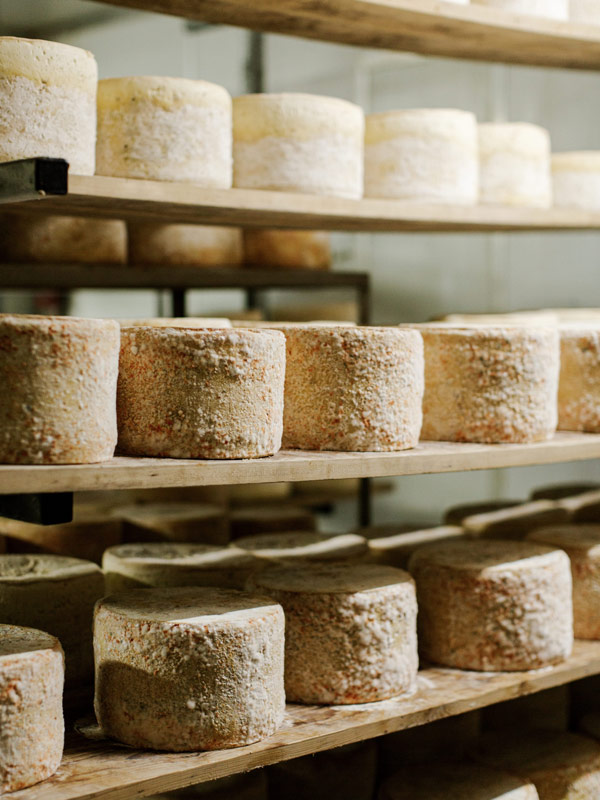
The jam-packed itinerary also loops in Milawa Cheese Company , conceptualised in 1988 by David Brown and his late wife Annie, who tasted a soft blue cheese in Northern Italy they described as “life-changing".
The company is now run by their daughter Ceridwen, aka ‘Mama Cheese’, who moved to Milawa with her parents at the age of eight. “I had no pressure from my parents to go into the business. I put that pressure on myself," says Ceridwen, whose official title is CEO.
Ceridwen says her family used to stop in Milawa on their way to the snow and she remembers the moment her dad saw the derelict butter factory for the first time.
“Dad was looking for places to put a cheese factory and it was like there was a neon light in his brain saying ‘That one, that one, that one’," she says.
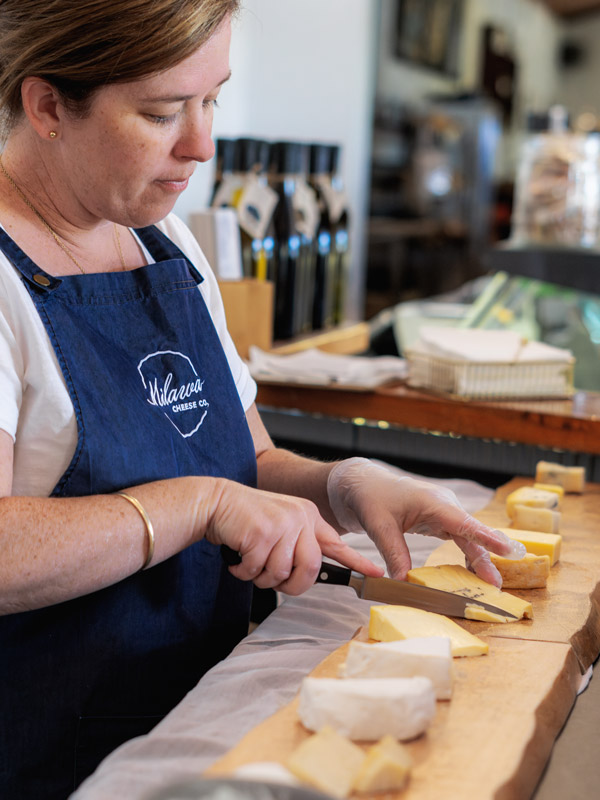
The aroma of ripe cheddar is heavy in the air as we sample eight different cheeses before filling our basket with a creamy brie, deliciously stinky washed-rind cheese and gooey Milawa Blue.
We also duck into the adjacent produce store in the old butter factory where we stock up on fresh-baked Milawa Bread pastries, smoked trout and Wood Park Wines.
Brown Brothers
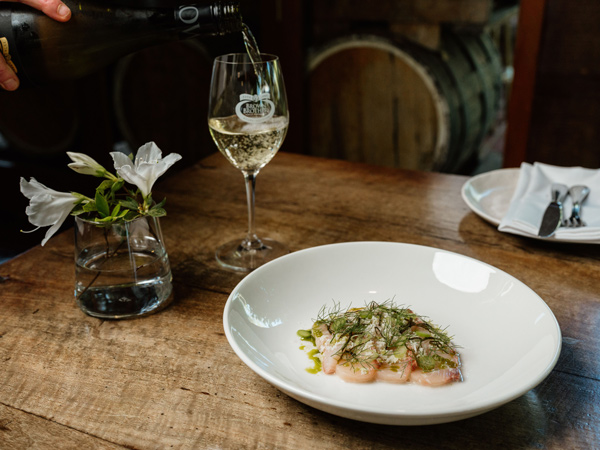
The Pedal to Produce trail also unfurls like a spool of thread towards Brown Brothers , which is backdropped by Mt Hotham, smudged blue on the distant horizon.
“I’m the third generation from my family working at the vineyard," says Jacob Trethowan, cellar door manager at the Brown Family Wine Group.
“Brown Brothers is known for innovation and for staying ahead of the curve in the rapidly evolving wine industry. But it’s also one of the major employers in the region," he says.
Jacob tells us an engaging story about the birth of Brown Brothers and offers samples of King Valley standouts such as prosecco and shiraz. But wine tastings are not the only draw here.
We discover this while seated at a table adjacent to the winery restaurant to enjoy a light lunch of warm olives, garden greens and grilled flatbread with hummus while listening to live music. Seeing one of the chefs stroll down to the garden to snip a selection of fresh herbs and tuck them into his jacket only adds to the charm.
Sam Miranda King Valley
These days, there are six unique wine regions in Victoria’s High Country, which is now known for everything from the production of prosecco in the King Valley to the so-called Muscat Mile.
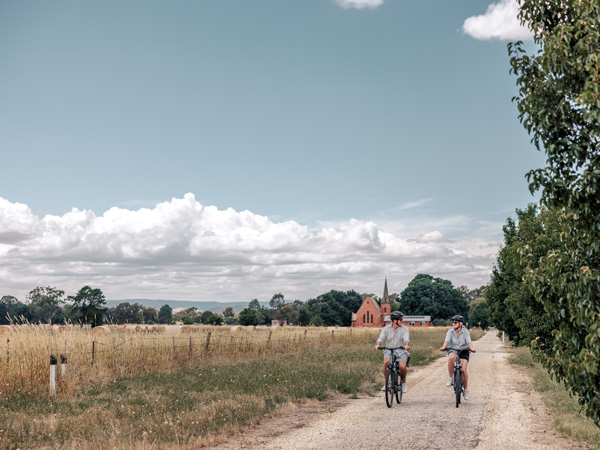
Sam Miranda King Valley is one of the vineyards knitted together to form a patchwork along the Milawa Gourmet Ride, one of seven Pedal to Produce trails that crisscross the region.
Here, we are ushered to a sun-dappled spot in the courtyard, which is bordered by a grove of Manchurian pear trees ablaze in the afternoon light.
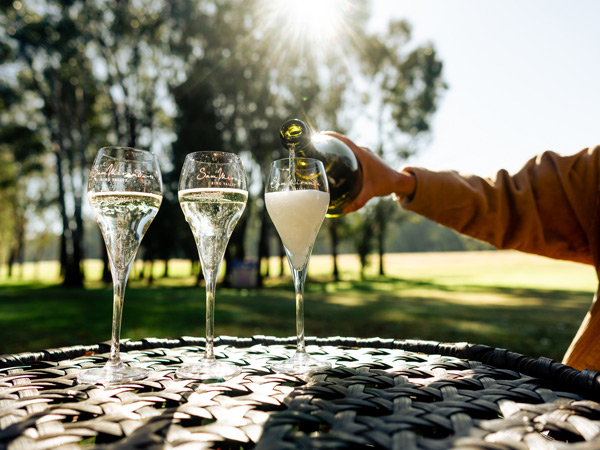
Today, Sam’s wife Rachel is working the cellar door and joins us at our table with a couple of glasses and bottles of wine for tasting. To give emphasis to what she’s about to say, Rachel pours a glass of Sam Miranda NV Prosecco and holds it up to the light.
“Our proseccos are dry, fruit-driven and a much lighter style than Champagne. You’ll notice the bead of bubbles are a pale straw colour and the aroma one of crisp green apples," says Rachel, who looks like she’s stepped off a Country Style shoot.
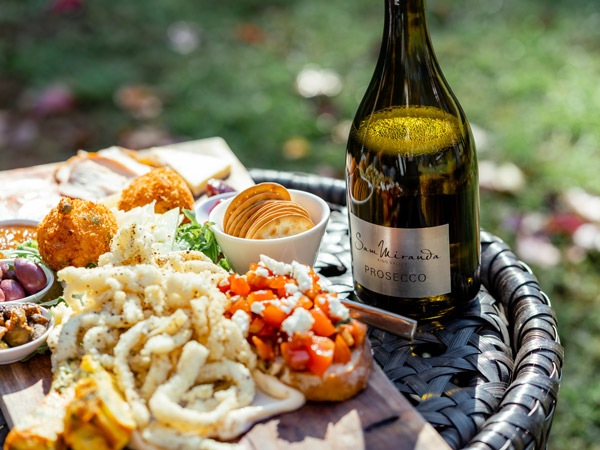
After talking us through the wines, which include a sparkling chardonnay pinot noir and pinot noir, we enjoy a charcuterie plate featuring a selection of Beechworth cured meats and vegetables grown just metres away in the kitchen garden.
Lancemore Milawa
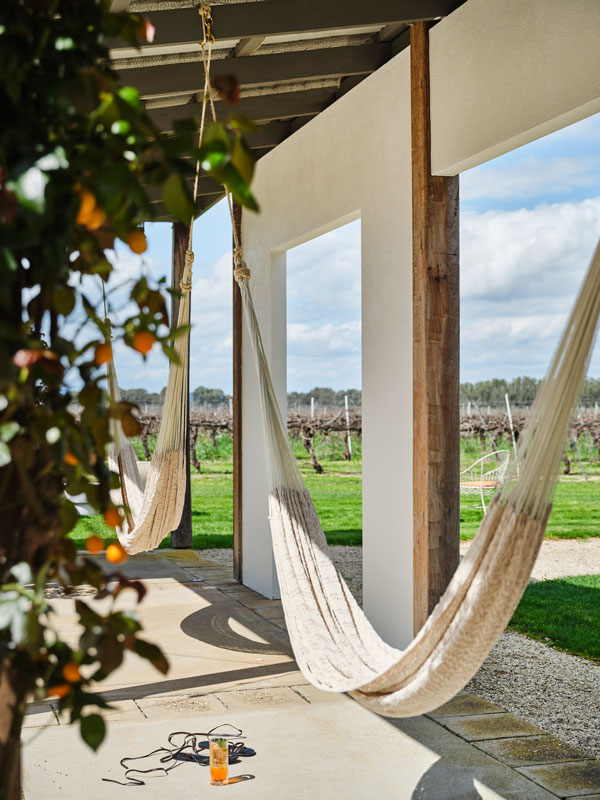
Lancemore Milawa has also had a hand in the making of Milawa. It’s the luxury boutique hotel every regional Australian town needs: offering exceptional food, wine and great service. Indeed, dining at Merlot at Lancemore while sipping on wines produced from Lindenderry Estate – the vineyard the eatery overlooks – is an experience worth savouring.
The Milawa Makers loop starts and finishes with great local food and wine. But there are many other treasures to discover along the 30-kilometre route. Such as stopping to admire the historic Oxley Flour Mill, its timbers protruding like broken ribs. Pausing to eat a new-season apple under the dappled shade of a grey-box gum by a roadside stall. And tracing the rough-hewn seam of Hurdle Creek all the way to the small-batch gin distillery named in its honour.
While we take the opportunity to pick up a lot of gourmet souvenirs along the way, the real riches are discovered when we allow time to soften and connect with our surrounds.