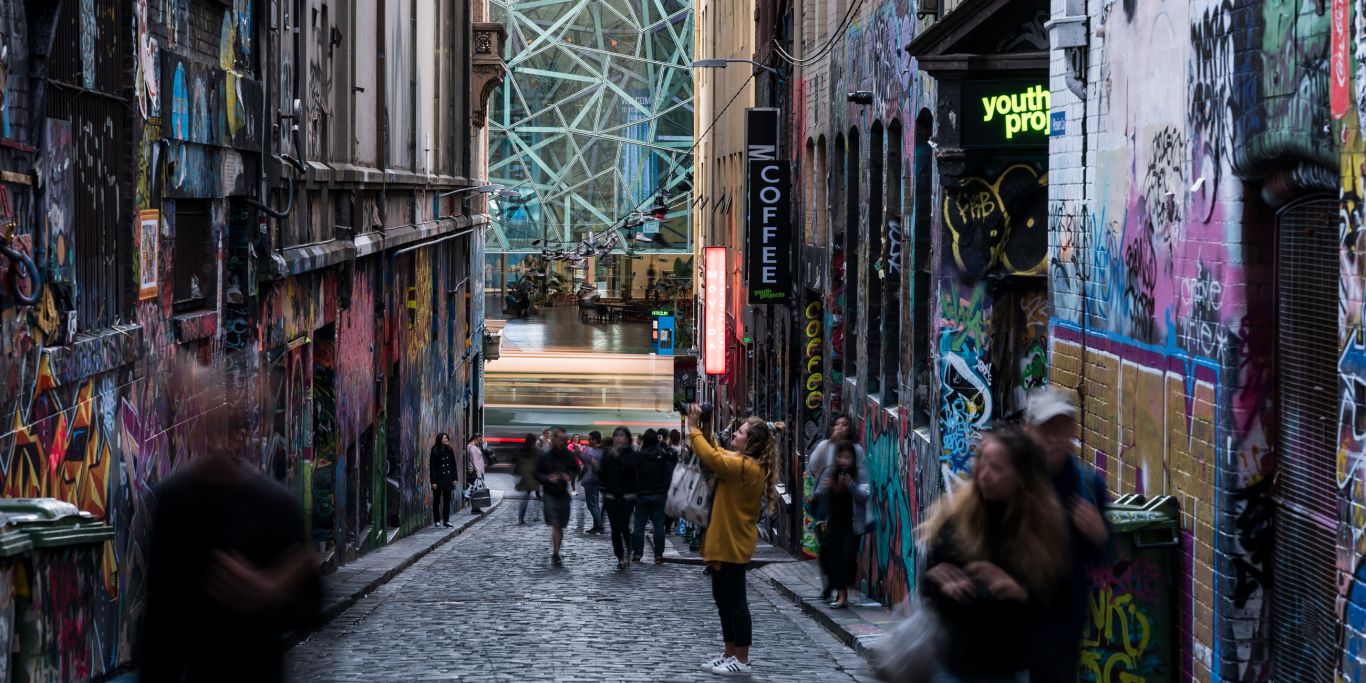
hero media

The new hotels, restaurants and arts precinct reshaping Melbourne

Melbourne has long held the crown of Australia’s cultural capital but refuses to rest on its laurels, with a slew of new openings demanding attention.

I weave in and out of the giant yellow tentacles, craning my neck to see the spotted pumpkin they’re supporting metres above my head. Titled Dancing Pumpkin, the iconic work of Yayoi Kusama was originally part of the National Gallery of Victoria’s (NGV) 2025 retrospective featuring nearly 200 of the artist’s most celebrated works in one landmark exhibition; it’s now part of the gallery’s permanent collection. Early impressions of Laak Boorndap, an expansive 18,000 square-metre biodiverse public urban garden, indicate the sculpture will feature as the centrepiece of the new outdoor space, one of three major developments to be realised in the Melbourne Arts Precinct transformation that will unfold over the next three years.
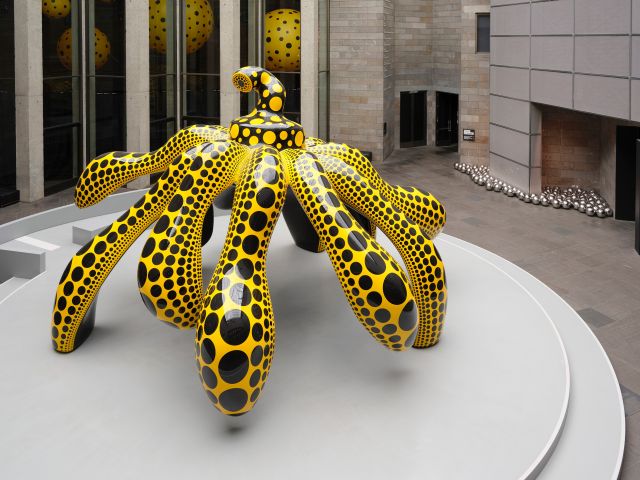
the dancing pumpkin by Yayoi Kusama
Yayoi Kusama’s Dancing Pumpkin. (Image: Sean Fennessy)

It’s Australia’s largest ever cultural infrastructure project, encompassing The Fox: NGV Contemporary, a landmark new gallery currently under construction; the major refurbishment of Arts Centre Melbourne’s Theatres Building; and creation of Laak Boorndap. Creating a single continuous art, civic and cultural precinct stretching from Federation Square through to Southbank, it’s an ambitious project to say the least. But Melbourne never does anything by halves.
the NGV exterior
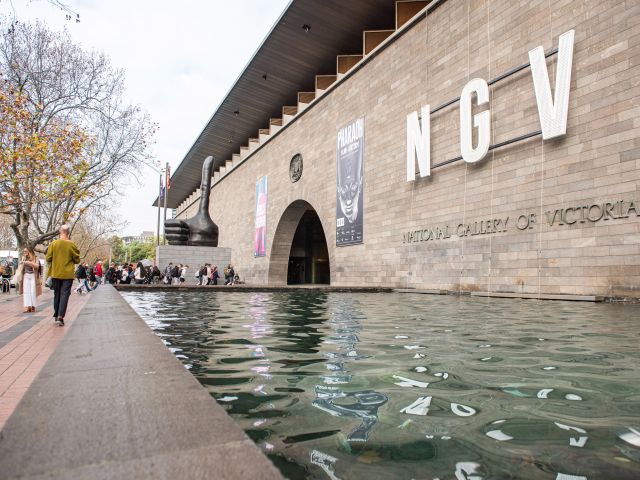
The NGV is Australia’s oldest gallery. (Image: Visit Victoria)

How Melbourne continues to draw tourists back
Hosier Lane covered in graffiti, Melbourne
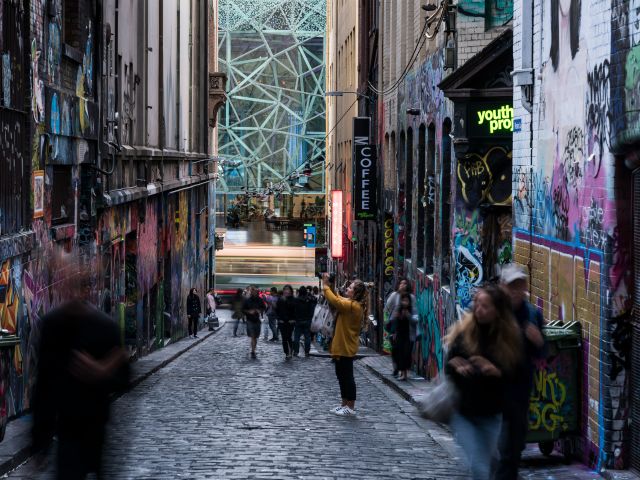
Iconic graffiti-covered Hosier Lane in Melbourne’s CBD. (Image: Robert Blackburn)

It was the arts that first caused me to travel to Melbourne as a culture-starved 21-year-old. Growing up in a sleepy coastal region of NSW meant my access to galleries, museums and theatre was extremely limited. I travelled to the Victorian capital with my mum and sister to see the stage production of Wicked make its Australian debut; the weekend was a revelation. Not only the exposure to the arts, but the food, the architecture, the hum of the city; it was intoxicating. Six years later I was back, dining on dumplings and drinking at hidden bars in Melbourne’s laneways before embarking on a week-long road trip of the Great Ocean Road with my best friend, and just this year I returned for my first Australian Open with my husband and his family – vowing not to allow so many years to pass between visits. A vow I kept six months later, this time combining a short stay in the Mornington Peninsula with a long weekend in the city.
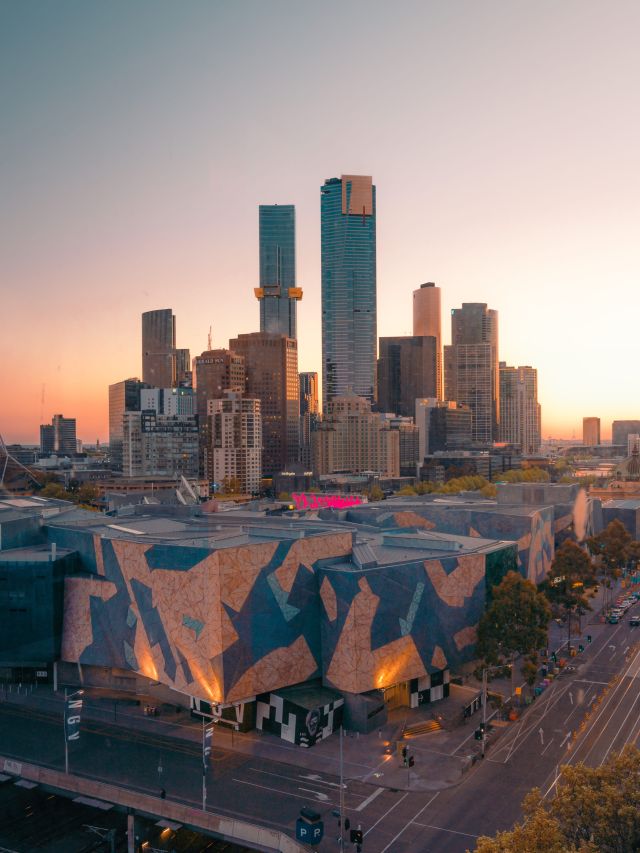
the Federation Square, Melbourne CBD
The city skyline in Melbourne CBD. (Image: Santiago Gonzalez Redondo)

The evolution of Melbourne’s hotel offerings

Dipping in and out of a place over decades makes its changes more acute, and there’s something wonderful about watching a city build on its potential. In a literal sense, Melbourne’s hotel scene has been quietly scaling new heights for the past 15 months with notable openings such as The StandardX , Lanson Place Parliament Gardens , Hyde Melbourne Place , and most recently, 1 Hotel Melbourne . The latter, a joint luxury development between the 1 Hotel brand and Melbourne-based Riverlee, has been a decade in the making. Set in the revitalised North Wharf precinct of Docklands along 220 metres of uninterrupted Yarra River frontage within Melbourne’s last remaining heritage goods shed, 1 Hotel Melbourne is an architectural marvel with a foundation firmly rooted in sustainability.
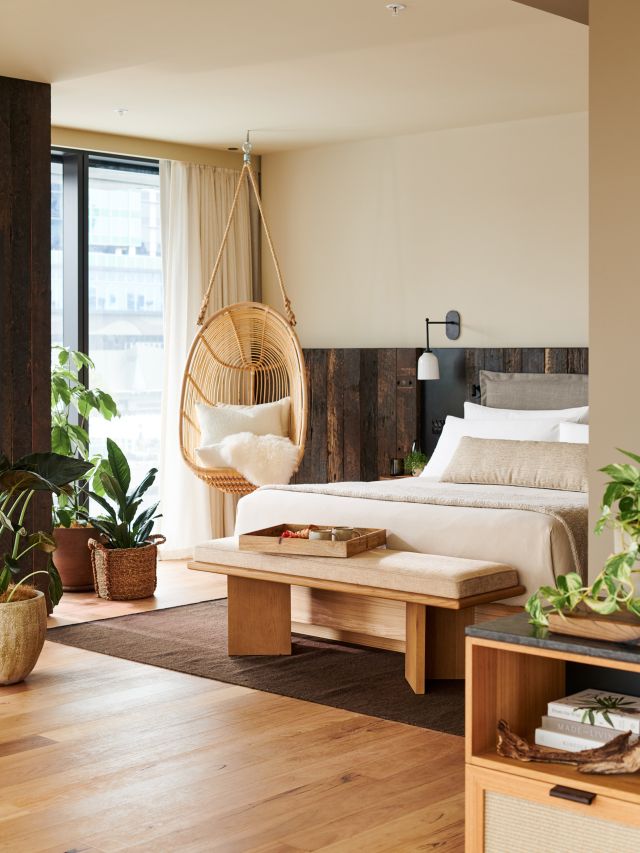
inside the river king room at 1 Hotel Melbourne
Inside a luxe suite at 1 Hotel Melbourne. (Image: Mikkel Vang)

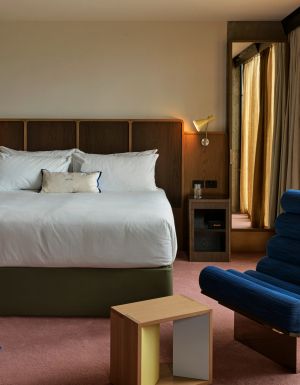
The hotel features 277 tranquil guestrooms, including 36 suites. I’m staying in the spacious River Suite; it’s 51 square metres in size with floor-to-ceiling windows (85 per cent are openable) and a homely collection of plants (there are 7000-plus living plants featured throughout the hotel). Natural light floods the space, with commanding views of the Yarra River and Melbourne skyline. Wooden accents, beige-coloured furnishings and warm lighting create an atmosphere of elevated comfort. It’s like stepping into the pages of Architectural Digest. The commitment to biophilic design is palpable, with nature seamlessly blended into every space. Rather than your cookie-cutter hotel lobby and bar, the height and scale of the greenery immediately transport you to an indoor parkland. Reclaimed steel, bluestone and timbers from the state’s decommissioned rail bridges or salvaged wharf timber are repurposed into the lobby staircase and bedheads, room numbers and feature walls in the guestrooms.
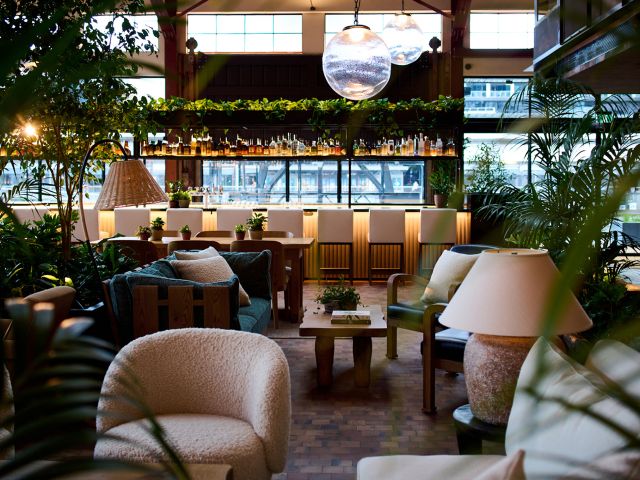
Crane Bar at 1 Hotel Melbourne
Crane Bar at 1 Hotel Melbourne.

Guests are invited to participate in the brand’s purpose-driven ethos with small opportunities to give back to people and the planet thoughtfully designed into the room. There’s the ‘1 Less Thing’ wooden block on the bench prompting me to donate any clothes I’ve overpacked to the hotel’s local charity partner; the inbuilt shower timer encouraging me to save water; and the repurposed wine bottles, now a carafe and cup sitting on a cork mat letting me know that every drop of water at 1 Hotels is filtered (there’s a filtered water tap above the minibar for instant refills). Even the clothes hanger has a printed message: “Hang on to this thought. It takes about 700 gallons of water to produce one cotton shirt. That’s enough water for one person to drink three cups of water per day for three-and-a-half years." It could feel performative or like a soft rebuke, but it doesn’t. Instead, it feels achievable; a reminder that small changes made collectively can have a big impact.

The new restaurants keep coming
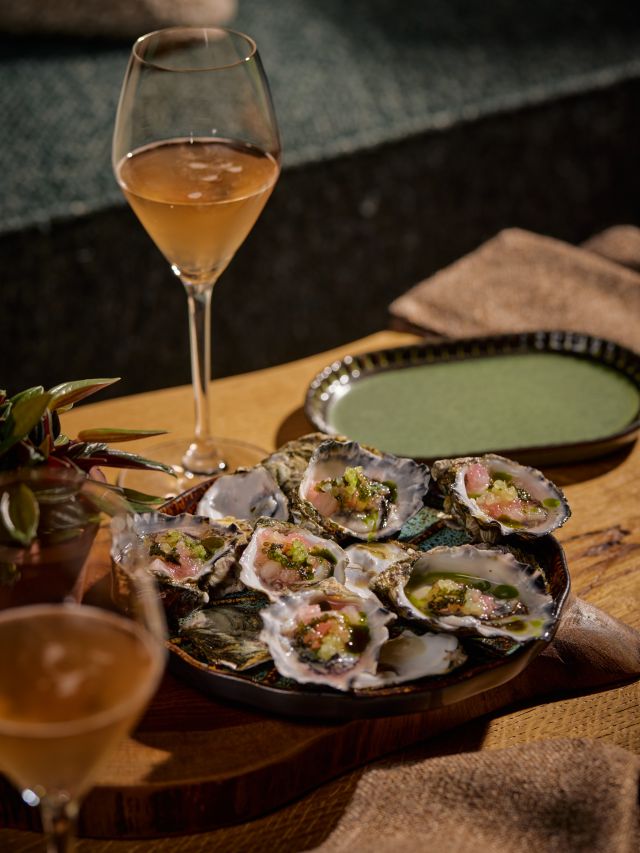
oysters at From Here by Mike, Melbourne
Dine on hyper-seasonal food at From Here by Mike. (Image: Jamie Alexander)

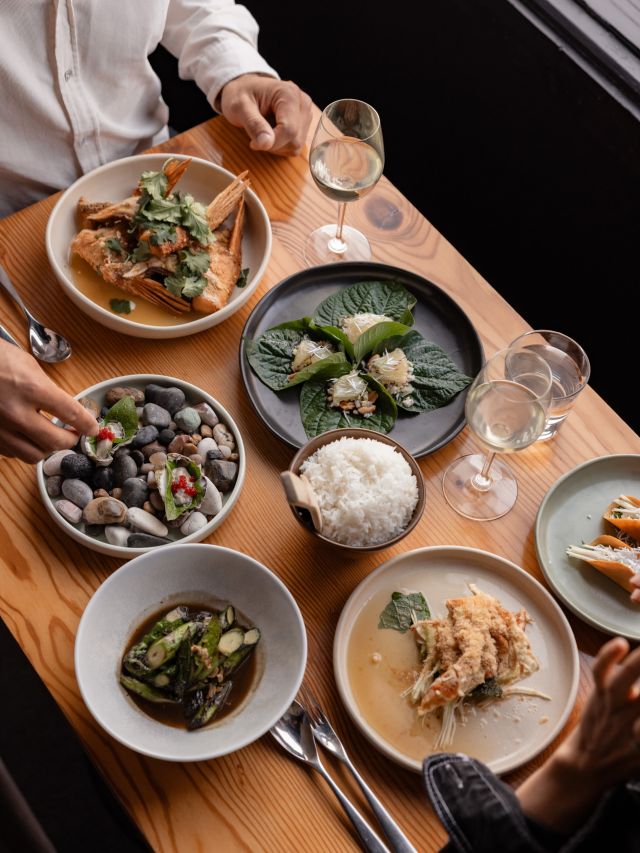
The sustainable ethos continues downstairs with lunch at From Here by Mike. Helmed by renowned Australian chef Mike McEnearney, the signature hotel restaurant spotlights hyper-seasonal ingredients sourced from Victoria’s leading producers, farmers and fishers who share his values of authenticity, sustainability and ethical farming practices. The set lunch menu includes a choice of one main and two sides for $59 with optional additions. The poached Port Phillip Bay snapper arrives floating in a delicious fennel beurre blanc alongside grilled broccolini drizzled in macadamia cream and fried brussels sprouts with ricotta salata. I know I’ll be back as soon as I take the first mouthful.

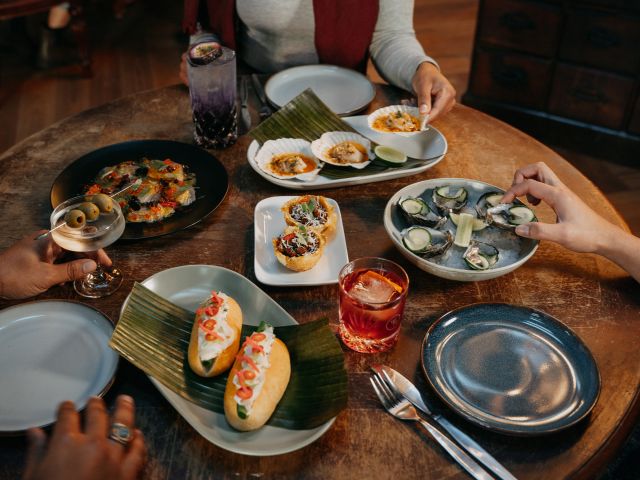
But From Here by Mike is in good company. The sheer number of incredible dining experiences and cuisines available across the city continues to grow with other notable openings including Maison Bâtard from restaurateur Chris Lucas (Chin Chin, Society and Grill Americano), a sprawling four-level French dining destination with a two-level dining room, basement jazz club and rooftop bar. The tableside chocolate mousse trolley is unmissable.
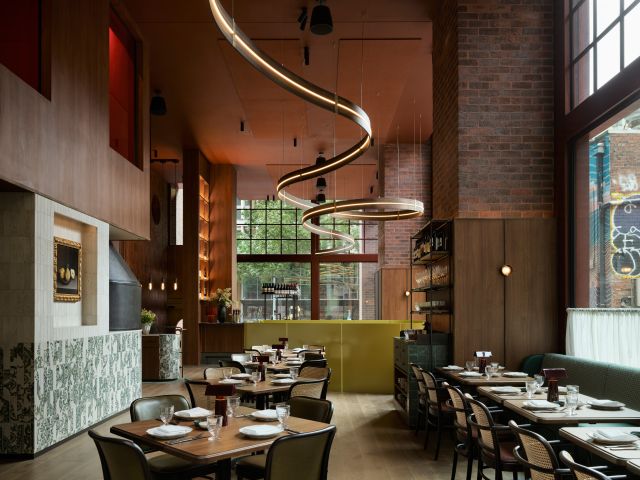
Marmelo at Hyde Melbourne Place
Marmelo at Hyde Melbourne Place.

For a taste of the coastal cuisine of Portugal and Spain cooked over a custom-built charcoal grill and wood oven, find Marmelo underneath Hyde Melbourne Place. I recommend starting with the celeriac nata with picked and shelled spanner crab. Then there’s Askal, a modern Filipino restaurant inside a heritage building in Melbourne’s CBD. Expect an inventive take on traditional Filipino flavours and dishes.

Melbourne’s best day-trip destinations
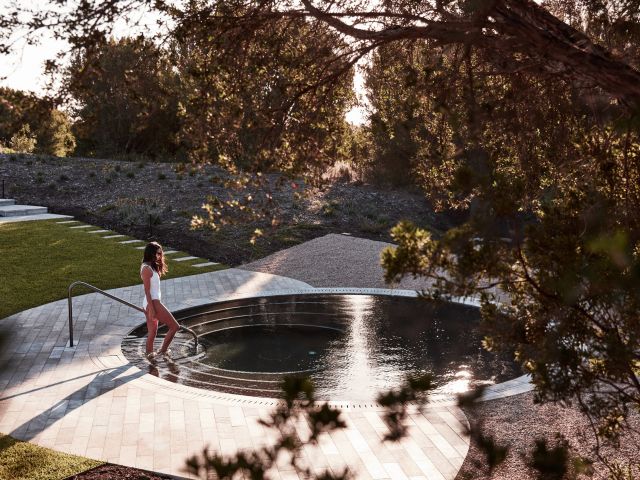
the Alba Thermal Springs & Spa on the Mornington Peninsula
Alba Thermal Springs & Spa on the Mornington Peninsula. (Image: Supplied)

Melbourne isn’t just a destination; it’s also a jumping-off point to some of Victoria’s best regions. Think a road trip along the Great Ocean Road – it’s consistently voted Australia’s best road trip for a reason and it’s only 80 minutes away. But I’m headed in the opposite direction, out of the city to spa country on the Mornington Peninsula. Ninety minutes later, I’m soaking in a moon-shaped geothermal pool before checking into one of the five luxurious stand-alone villas that just opened at Alba Thermal Springs & Spa. The Sanctuary accommodation is the newest addition to the 15-hectare bathhouse and wellness destination.
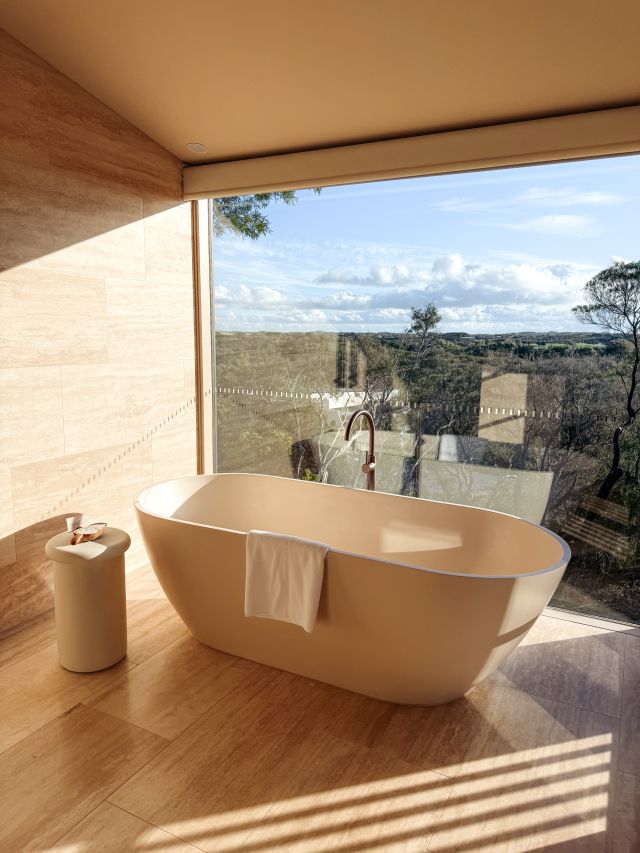
bathtub view at The Sanctuary
Stay onsite at The Sanctuary. (Image: Katie Carlin)

I’m staying in one of three villas that feature an en suite with an oversized stone bathtub set in front of a floor-to-ceiling glass window. It means I’m treated to expansive views of the bay and native bushland while soaking in Alba’s signature bath salts – a blend of native Australian botanicals, moisturising oils and mineral-rich salts. My second-favourite feature (after the bath) is the indoor log fireplace that is set every evening by the concierge. Listening to the crackle of fire from the comfort of the king bed makes drifting off to sleep a breeze.

The seaside town of Sorrento, as well as world-class restaurants, wineries and pristine beaches, is all minutes away. It’s a complete wellness weekend getaway (if you count the wine as fruit). As for my next visit to Melbourne, I look forward to seeing the next phase of this vibrant city’s evolution. Hopefully sooner than expected.

A traveller’s checklist

Staying there

1Hotel Melbourne at Docklands features rooms and suites, including connecting rooms and two-bedroom accommodation. It’s also pet-friendly. The luxe sustainable hotel has a restaurant, cafe and two bars, a spa and gym.

Alba Thermal Springs & Spa features standalone villas and two rooms nestled in the dunes above the springs for overnight stays. Entry to the hot springs, spa lounge, breakfast and transfers to the main building are included.

Playing there
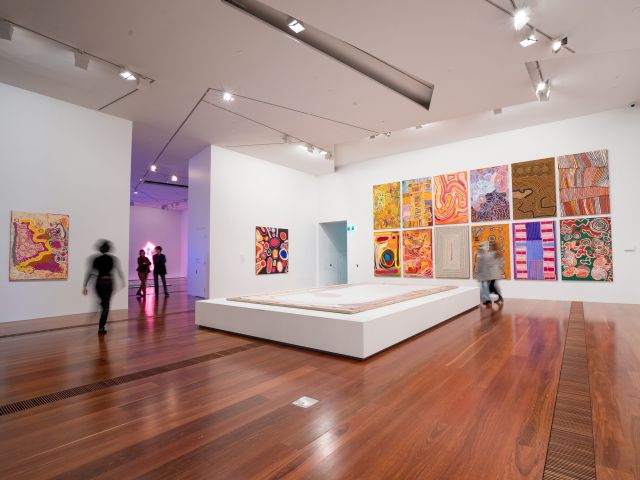
inside the National Gallery of Victoria (NGV)
The renowned National Gallery of Victoria (NGV). (Image: Tourism Australia)

The Melbourne Arts Precinct around Birrarung/Yarra River is home to the Arts Centre, NGV International, Southbank Theatre, Australian Centre for Contemporary Art and more. Upgrades will be complete in 2028.

Katie Carlin
Katie Carlin is Australian Traveller's Head of Content and when she’s not travelling or behind her computer, she’s hosting a dinner party (likely cooking an Alison Roman recipe), at brunch, working on extending her running k’s, or has her nose buried in a book. She joined Australian Traveller in 2018 and is responsible for leading the editorial team across print, digital, social, email and native content. Her job is to make sure we create content that connects readers to incredible experiences in Australia and beyond. In addition to sharing her expertise on travel through industry speaking engagements, Katie appears onToday, A Current Affair and various radio segments. With a BA in Communications majoring in Journalism and a career that has spanned roles at Fairfax Media and Are Media writing for titles such as The Sydney Morning Herald, The Age, and various lifestyle brands, she brings a wealth of experience to her role. Her most impactful trip to date has been swimming with whale sharks on Ningaloo Reef. For her next trip she is longing to experience the romance of train travel – hopefully on The Ghan or Indian Pacific.
See all articles
hero media

The Macedon Ranges is Victoria’s best-kept food and wine secret

Located just an hour north-west of Melbourne, the largely undiscovered Macedon Ranges quietly pours some of Australia’s finest cool-climate wines and serves up some of Victoria’s best food.

Mention the Macedon Ranges and most people will think of day spas and mineral springs around Daylesford, cosy weekends away in the countryside or the famous Hanging Rock (of enigmatic picnic fame). Or they won’t have heard of the Macedon Ranges at all.

But this cool-climate destination has been inconspicuously building a profile as a high-quality food and wine region and is beginning to draw serious attention from oenophiles and epicureans alike.

The rise of Macedon Ranges wine

liquid gold barrels at Kyneton Ridge Estate Winery
Barrels of liquid gold at Kyneton Ridge Estate Winery. (Image: Chloe Smith Photography)

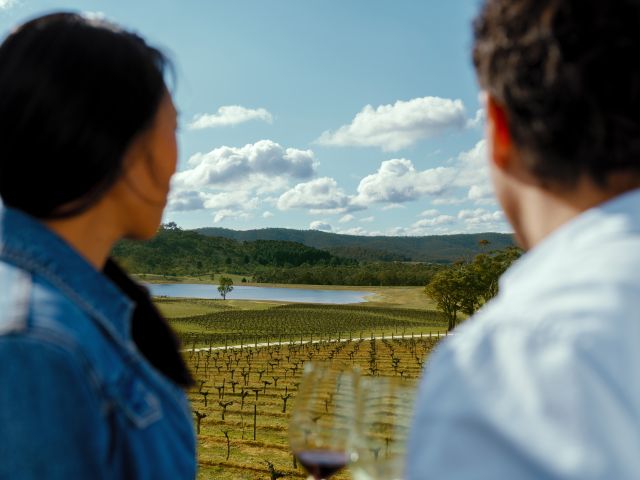
With elevations ranging from 300 to 800 metres, Macedon Ranges vineyards are among the highest in the country. This altitude, combined with significant day/night temperature swings, makes for a slow ripening season, in turn nurturing wines that embody elegance and structure. Think crisp chardonnays, subtle yet complex pinot noirs and delicate sparkling wines, along with niche varietals, such as gamay and nebbiolo.

Despite the region’s natural advantages – which vary from estate to estate, as each site embodies unique terroir depending on its position in relation to the Great Dividing Range, soil make-up and altitude – the Macedon Ranges has remained something of an insider’s secret. Unlike Victoria’s Yarra Valley or Mornington Peninsula, you won’t find large tour buses here and there’s no mass marketing drawing crowds.

Many of the 40-odd wineries are family-run operations with modest yields, meaning the wineries maintain a personal touch (if you visit a cellar door, you’ll likely chat to the owner or winemaker themselves) and a tight sales circle that often doesn’t go far beyond said cellar door. And that’s part of the charm.

Though wines from the Macedon Ranges are just starting to gain more widespread recognition in Australia, the first vines were planted in the 1860s, with a handful of operators then setting up business in the 1970s and ’80s. The industry surged again in the 1990s and early 2000s with the entry of wineries, such as Mount Towrong, which has an Italian slant in both its wine and food offering, and Curly Flat , now one of the largest estates.

Meet the new generation of local winemakers

the Clydesdale barn at Paramoor.
The Clydesdale barn at Paramoor. (Image: Chloe Smith Photography)

Then, within the last 15 years, a new crop of vignerons like Andrew Wood at Kyneton Ridge Estate , whose vineyard in 2024 was the first in the Macedon Ranges to be certified by Sustainable Winegrowing Australia; Geoff Plahn and Samantha Reid at Paramoor , who have an impressive cellar door with a roaring fire and studded leather couches in an old Clydesdale barn; and Ollie Rapson and Renata Morello at Lyons Will , who rapidly expanded a small vineyard to focus on top-shelf riesling, gamay, pinot noir and chardonnay, have taken ownership of local estates.

Going back to the early days, Llew Knight’s family was one of the pioneers of the 1970s, replacing sheep with vines at Granite Hills when the wool industry dwindled. Knight is proud of the fact that all their wines are made with grapes from their estate, including a light, peppery shiraz (some Macedon wineries purchase fruit from nearby warmer areas, such as Heathcote, particularly to make shiraz) and a European-style grüner veltliner. And, as many other wineries in the region do, he relies on natural acid for balance, rather than an additive, which is often required in warmer regions. “It’s all about understanding and respecting your climate to get the best out of your wines,” he says.

farm animals atKyneton Ridge Estate
Curious residents at Kyneton Ridge Estate. (Image: Chloe Smith Photography)

Throughout the Macedon Ranges, there’s a growing focus on sustainability and natural and low-intervention wines, with producers, such as Brian Martin at Hunter Gatherer making waves in regenerative viticulture. Martin previously worked in senior roles at Australia’s largest sparkling winemaking facility, and now applies that expertise and his own nous to natural, hands‑off, wild-fermented wines, including pét‑nat, riesling and pinot noir. “Wild fermentation brings more complexity,” he says. “Instead of introducing one species of yeast, you can have thousands and they add different characteristics to the wine.”

the vineyard at Kyneton Ridge Estate Winery
The estate’s vineyard, where cool-climate grapes are grown. (Image: Chloe Smith Photography)

Most producers also focus on nurturing their grapes in-field and prune and pick by hand, thus avoiding the introduction of impurities and the need to meddle too much in the winery. “The better the quality of the fruit, the less you have to interfere with the natural winemaking process,” says Wood.

Given the small yields, there’s also little room for error, meaning producers place immense focus on quality. “You’re never going to compete in the middle [in a small region] – you’ve got to aim for the top,” says Curly Flat owner Jeni Kolkka. “Big wineries try to do things as fast as possible, but we’re in no rush,” adds Troy Walsh, owner and winemaker at Attwoods . “We don’t use commercial yeasts; everything is hand-harvested and everything is bottled here, so we bottle only when we’re ready, not when a big truck arrives.” That’s why, when you do see a Macedon Ranges product on a restaurant wine list, it’s usually towards the pointy end.

Come for the wine, stay for the food

pouring sauce onto a dish at Lake HouseDaylesford
Dining at Lake House Daylesford is a treat. (Image: Chloe Smith Photography)

If wine is the quiet achiever of the Macedon Ranges, then food is its not-so-secret weapon. In fact, the area has more hatted restaurants than any other region in Victoria. A pioneer of the area’s gourmet food movement is region cheerleader Alla Wolf-Tasker, culinary icon and founder of Daylesford’s Lake House.

For more than three decades, Wolf-Tasker has championed local producers and helped define what regional fine dining can look like in Australia. Her influence is palpable, not just in the two-hatted Lake House kitchen, but in the broader ethos of the region’s dining scene, as a wave of high-quality restaurants have followed her lead to become true destination diners.

the Midnight Starling restaurant in Kyneton Ridge Estate Winery
The hatted Midnight Starling restaurant is located in Kyneton. (Image: Chloe Smith Photography)

It’s easy to eat well, whether at other hatted restaurants, such as Midnight Starling in the quaint town of Kyneton, or at the wineries themselves, like Le Bouchon at Attwoods, where Walsh is inspired by his time working in France in both his food offering and winemaking.

The beauty of dining and wine touring in the Macedon Ranges is that it feels intimate and unhurried. You’re likely to meet the winemaker, hear about the trials of the latest vintage firsthand, and taste wines that never make it to city shelves. And that’s worth getting out of the city for – even if it is just an hour down the road.

dishes on the menu at Midnight Starling
Delicate dishes on the menu at Midnight Starling. (Image: Chloe Smith Photography)

A traveller’s checklist

Staying there

the accommodation at Cleveland Estate, Macedon Ranges
Stay at the Cleveland Estate. (Image: Chloe Smith Photography)

Soak up vineyard views from Cleveland Estate near Lancefield , embrace retro charm at Kyneton Springs Motel or indulge in lakeside luxury at the Lake House .

Eating there

Enjoy a four-course menu at the one-hatted Surly Goat in Hepburn Springs, Japanese-inspired fare at Kuzu in Woodend or unpretentious fine dining at Mount Monument , which also has a sculpture park.

Drinking there

wine tasting at PassingClouds Winery, Macedon Ranges
A tasting at Passing Clouds Winery. (Image: Chloe Smith Photography)

Settle in for a tasting at Boomtown in Castlemaine, sample local drops at the cosy Woodend Cellar & Bar or wine-hop around the many cellar doors, such as Passing Clouds .

the Boomtown Winery and Cellar Bar signage
Boomtown Winery and Cellar Bar. (Image: Chloe Smith Photography)

Playing there

a scenic river in Castlemaine
Idyllic scenes at Castlemaine. (Image: Chloe Smith Photography)

Wander through the seasonal splendour of Forest Glade Gardens , hike to the summit of Hanging Rock, or stroll around the tranquil Sanatorium Lake.

purple flowers hanging from a tree
Purple flowers hanging from a tree. (Image: Chloe Smith Photography)