Begin on a working station in red-dirt country, then cut west to the coast and wind south past river gorges, a pink lake and the Pinnacles on this 7-day road trip from Perth.
Most people treat WA’s outback and its coast as two separate holidays. You can do both in one. My husband and I spent seven days linking them, starting on the Golden Outback’s working stations and ending on the Coral Coast at the Pinnacles. Here’s how to do the same loop from Perth with this seven-day Western Australia road trip itinerary.
Tips before you go
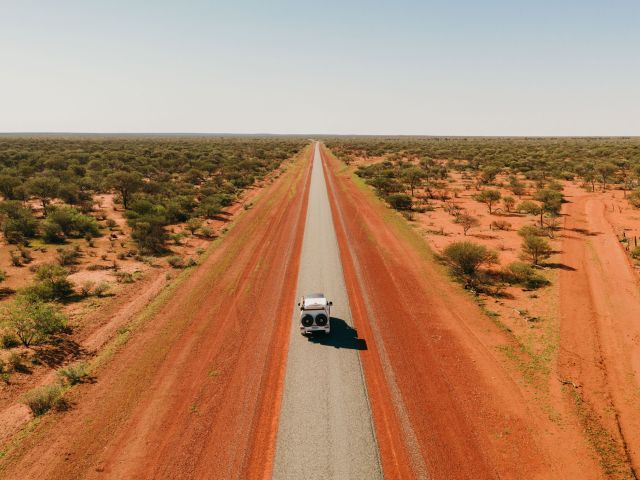
En route towards Murchison Settlement. (Credit: Tourism Western Australia)
August to mid-October is wildflower season, though early blooms appear from late July.
Once you’re in the outback, fuel up whenever you pass a petrol station, even if you don’t need it (trust me).
Phone reception is patchy, so download your directions before you leave Perth and ask your station hosts for detailed directions too. You’ll also need a 4WD for the unsealed roads and station tracks.
Day 1: Perth to Yalgoo (Mellenbyne Station)
Distance: roughly 400km (4 hours)
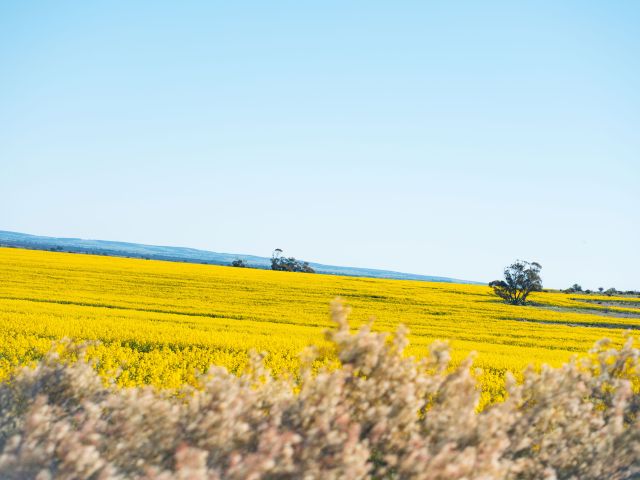
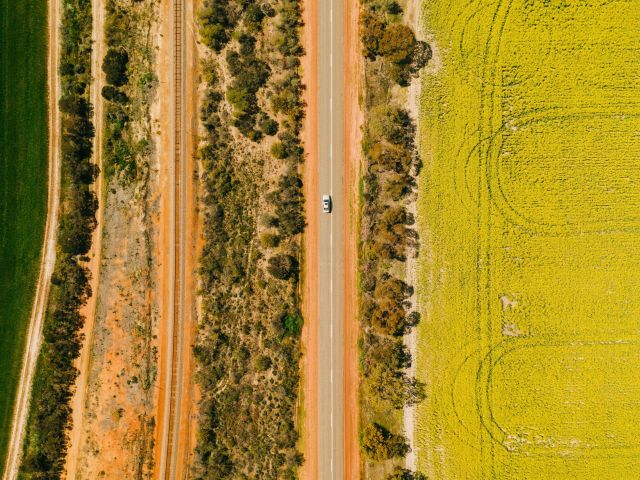
Vibrant bursts of canola butter the landscape along the Great Northern Highway. (Credit: Natasha Bazika)
First rule of the outback: stock up before you leave Perth. Shops and petrol stations are few and far between, and Mellenbyne Station is self-catered, so fill the boot with food, bottled water and all the supplies you’ll need for your stay.
We left by 8.30am, heading north via Moora, then took the Midlands Road through Carnamah to Perenjori and Morawa. It dodges the highway for cute country towns and roadside stalls piled with mandarins, lemons and oranges. Bring cash for the honesty box.
Bindoon Bakehaus is a good first stop for a spinach and feta roll or classic pie. In Carnamah, One L of a Good Feed serves lunch in a converted church, with a menu of loaded lamb burgers, thick-cut chips and milkshakes in mason jars. Before leaving town, swing past the Carnamah Big Tractor, which claims to be the world’s largest tractor sculpture. It’s a classic Aussie big thing.
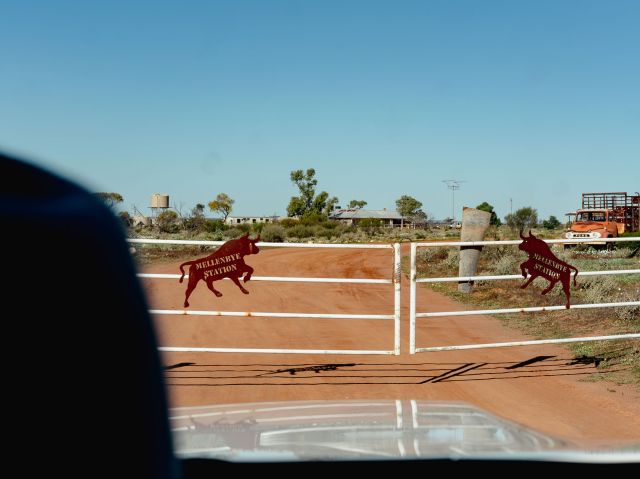
Pulling up to Mellenbyne Station. (Credit: Natasha Bazika)
Golden canola carpets the region right up until you hit the outback. If you see reddish dirt and bushy trees, you know you’ve made it. From the Outback Starts Here sign, it’s a short drive to Mellenbye Station, a 250,000-acre working cattle station run by the Clark family. You can bunk down anywhere from an unpowered campsite or shearers’ quarters to a luxury cabin. Out here, ignore Google Maps and do what we did: look for the pink sign, turn right, then look for the metal bull. You have arrived.
Day 2: Mellenbyne to Melangata Station
Distance: 150km (1 hour 50 mins)
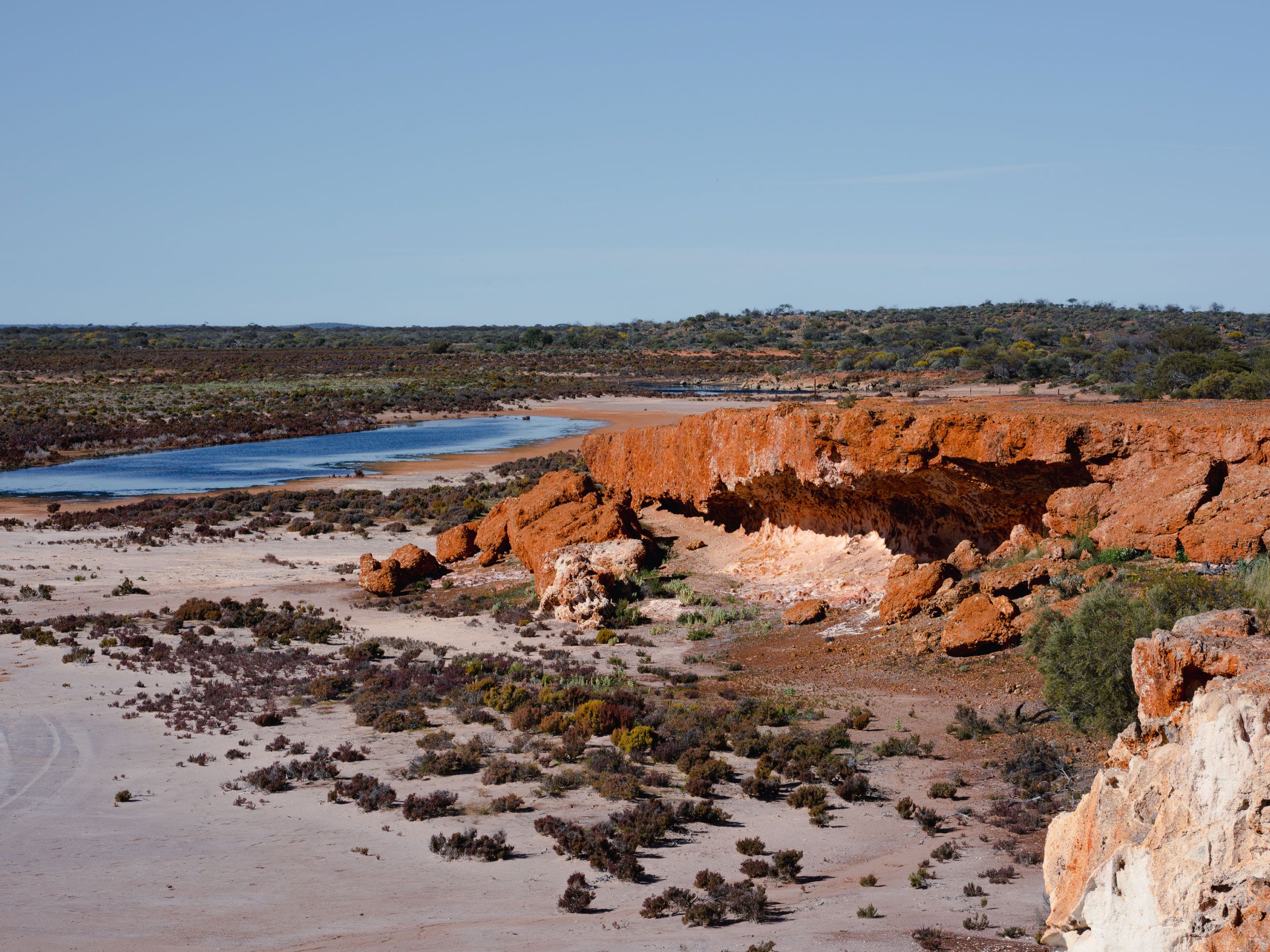
Millenia of erosian at Mellenbye Station's The Breakway have exposed vivid swathes of red, orange and white topsoil. (Credit: Natasha Bazika)
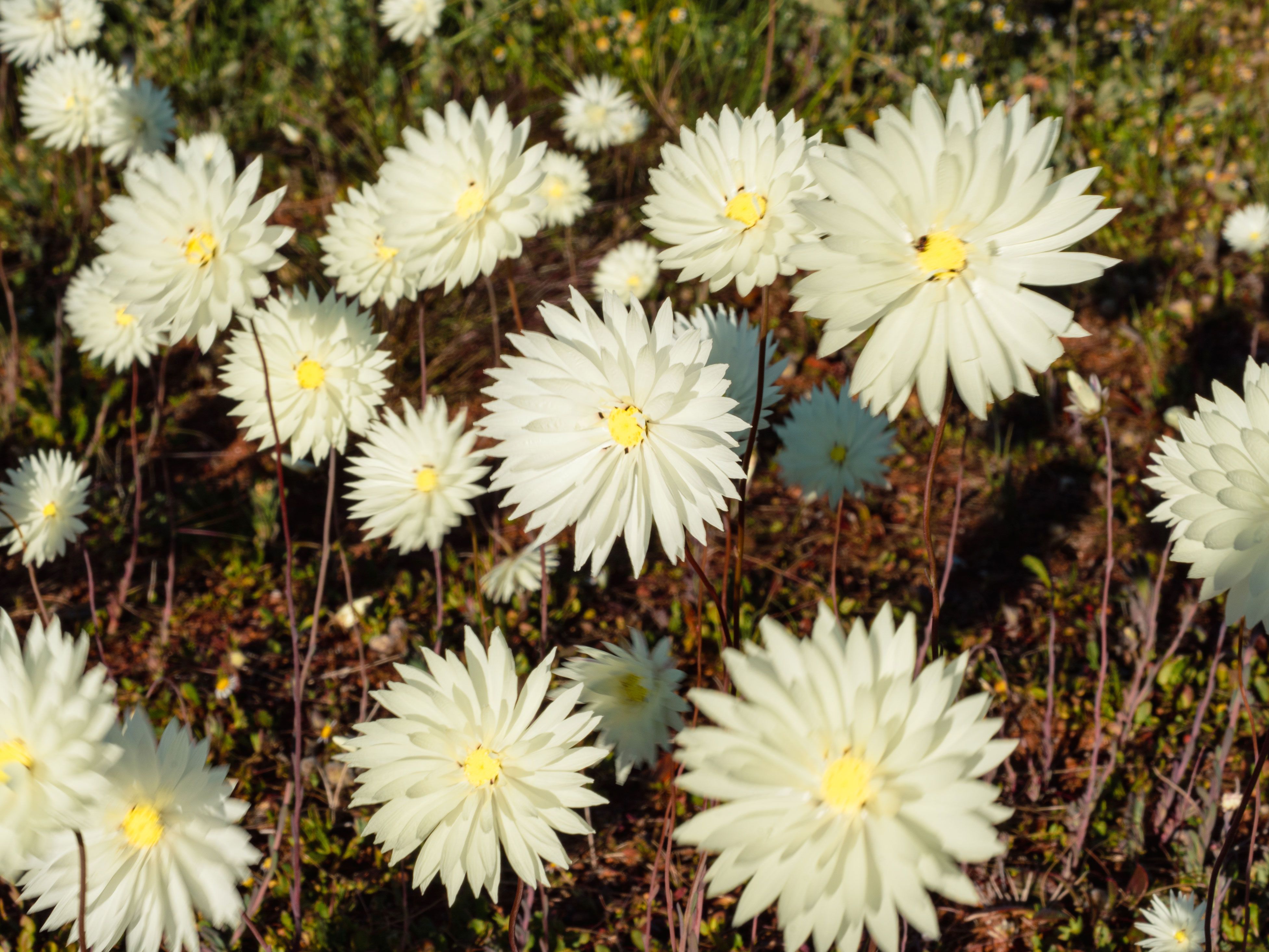
Everlastings bloom in spring. (Credit: Natasha Bazika)
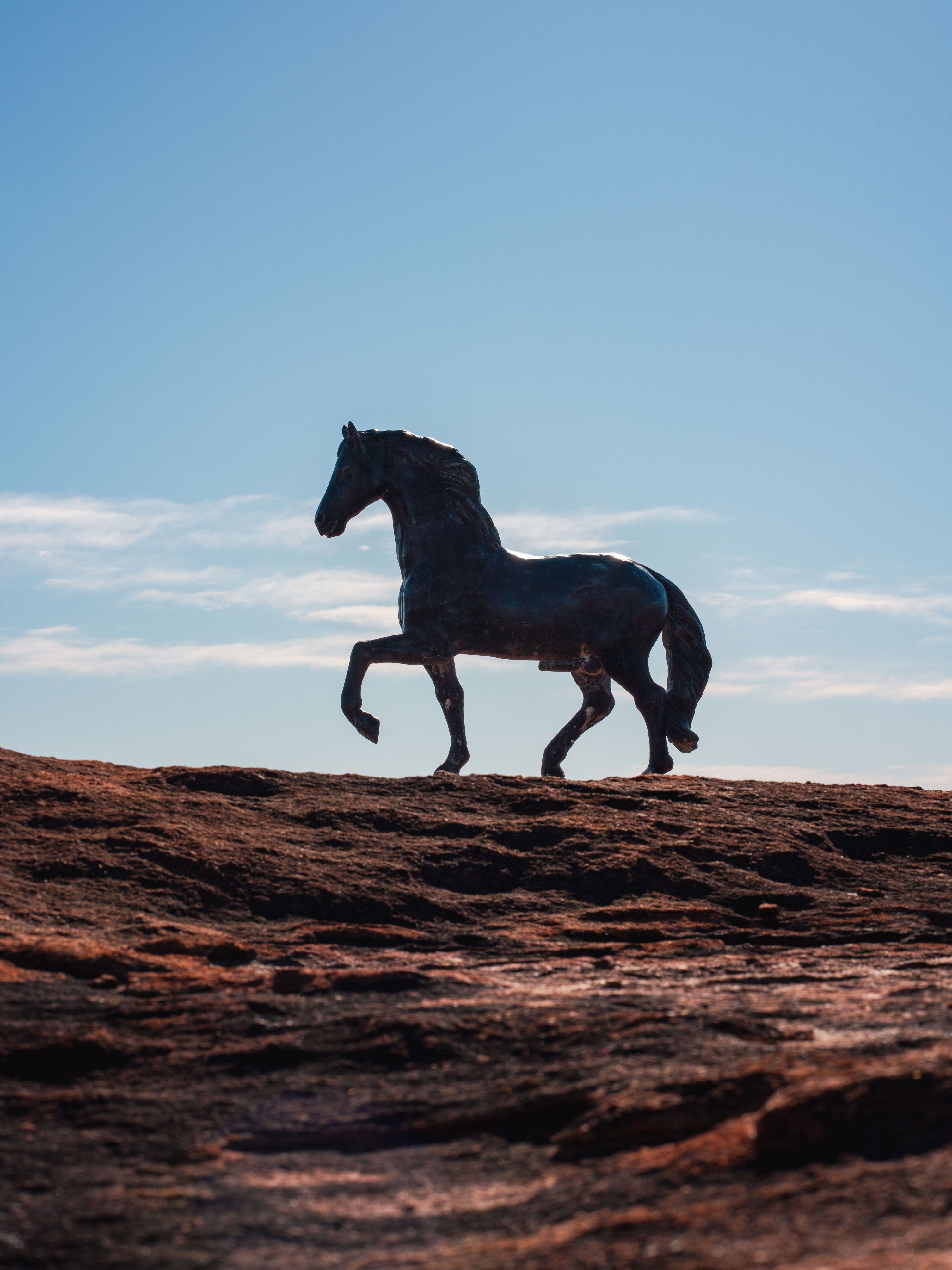
Visit the Go John statue. (Credit: Natasha Bazika)
Spend the morning bouncing around the station’s 4WD tracks and say hello to Go John, a black metal sculpture of a racehorse the previous owners adored. On the way back, stop at the Breakaway, where centuries of erosion have peeled back the topsoil to reveal stripes of red, pink, orange and white earth. Self-contained campervans can stay here, but there’s no infrastructure, so come self-sufficient.
Wildflower season kicks off in late July. One to look for on the station is the wreath flower, a circle of pink and white petals on a green wreath that looks almost too neat to have grown wild among the red gravel.
Monsignor John Hawes, the priest-architect, designed Melangata Station’s century-old homestead, and its thick turret looks like a mini castle in the bush. It only takes guests from mid-April to mid-November, so plan your trip around that.
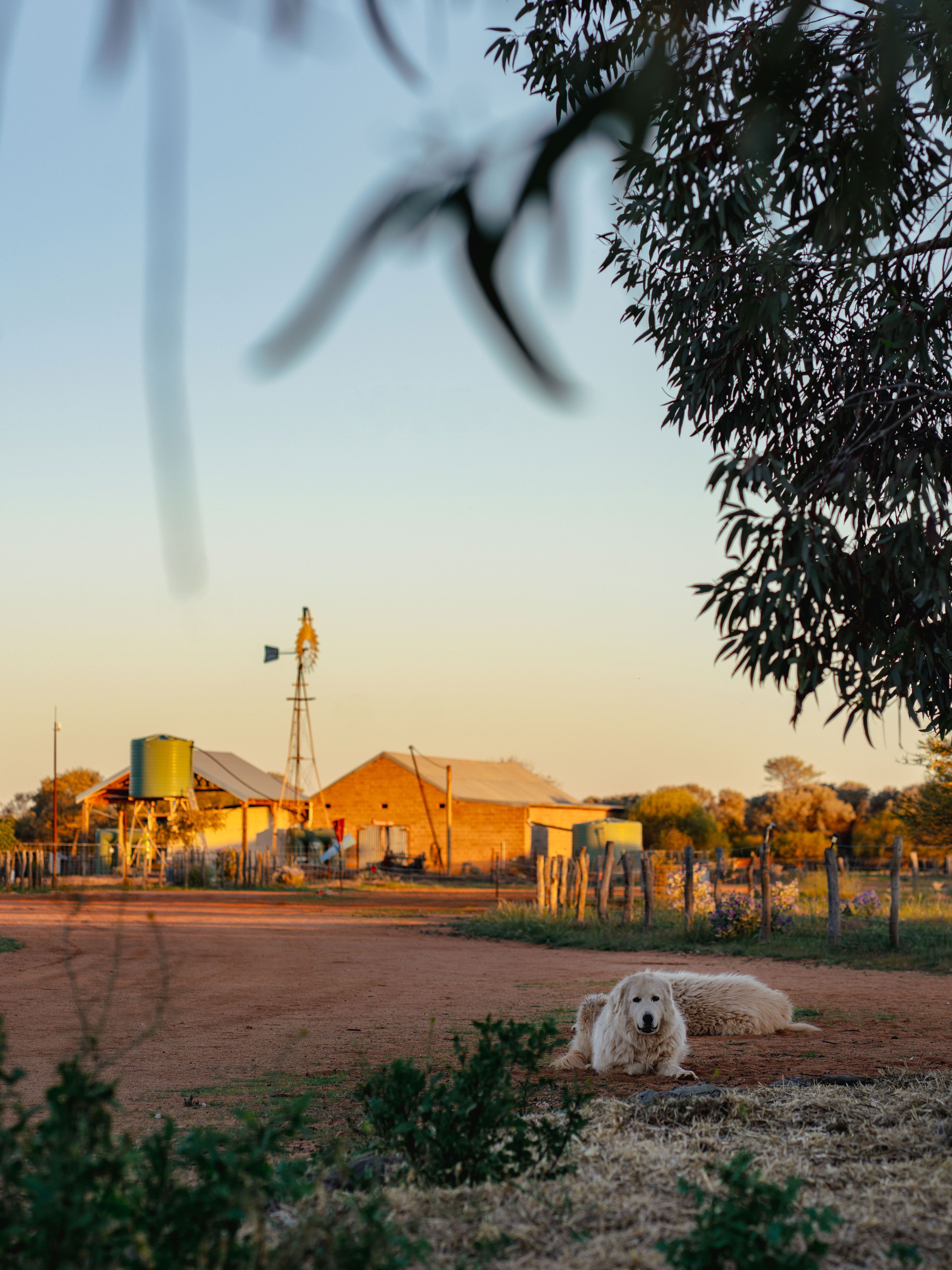
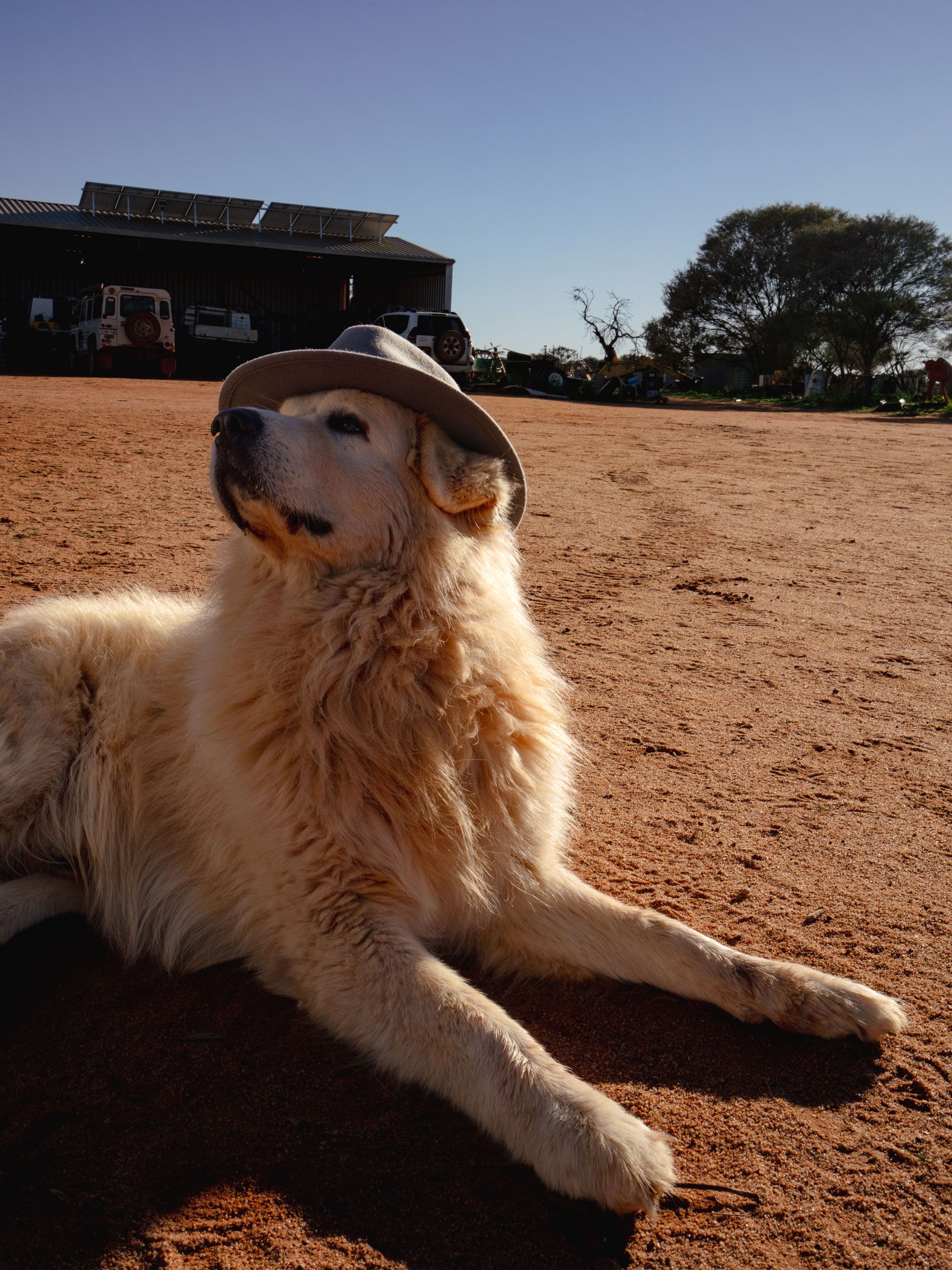
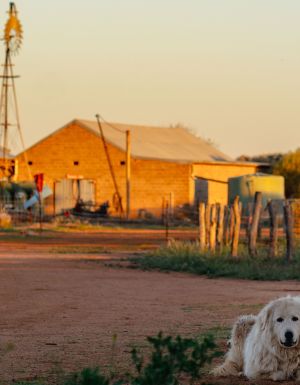
Owner Jo, a camp-oven cook with cookbooks to her name, serves a three-course dinner, starting with soup, meat and vegetables, and dessert. Seven enormous Maremma sheepdogs patrol the grounds, and they love a pet.
Need tips, more detail or itinerary ideas tailored to you? Ask AT.
AI Prompt
Day 3: Melangata Station
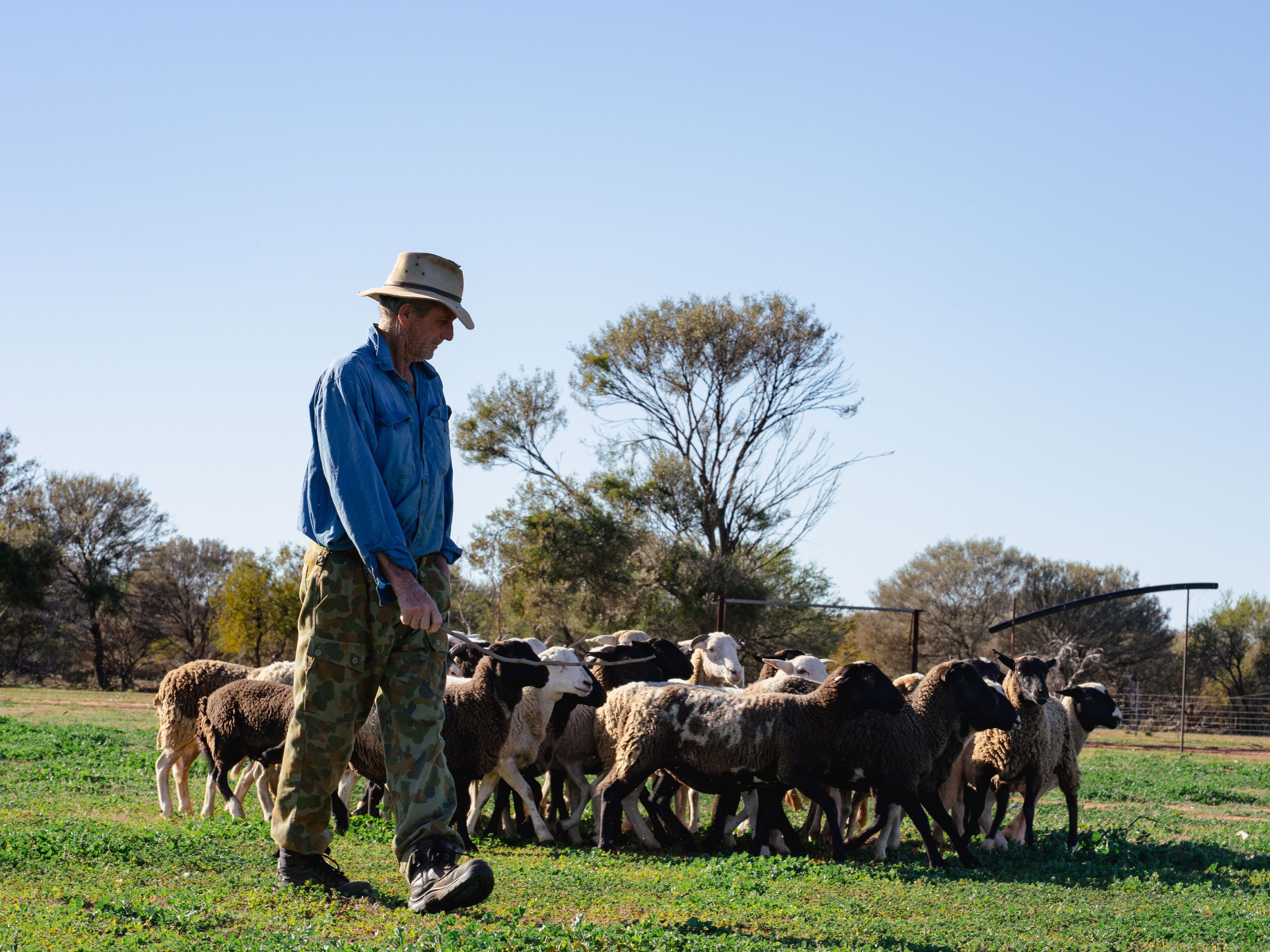
Sheep farmer Ken Darnell tending to his flock. (Credit: Natasha Bazika)
Meet the resident sheepdogs. (Credit: Natasha Bazika)
Such as Samson. (Credit: Natasha Bazika)
The station’s tagalong 4WD tour kicks off in the late morning, so bring lunch, snacks, plenty of water, and a hat.
Jo and Ken run around 600 to 700 sheep on part of the property, leaving the rest to regenerate. They took us to a 16-hectare patch they’ve fenced off from kangaroos and livestock, giving native plants a chance to flower and set seed. I’d always thought red dirt was simply what the outback looked like, but Jo and Ken explained that it can also be a sign of generations of overgrazing.
Back at the homestead, there are scenic walking trails starting about 100 metres away. If the sky’s clear, I recommend stargazing.
Day 4: Melangata to Kalbarri
Distance: 400km (4 to 4.5 hours)
Watch out for wildflowers and vibrant fields on the drive to Murchison settlement. (Credit: Tourism Western Australia)
It’s a big day behind the wheel, so we left Melangata early, allowing plenty of time to pull over for the roadside wildflowers on the way to the Murchison settlement, off the Carnarvon–Mullewa Road. If the dates work in your favour, time your visit with the Murchison Camp Oven Muster, a weekend of camp-oven cooking, sheep-dog demonstrations and local experiences, such as wood branding, run by the Shire.
If your dates don’t match, ask Jo for the best route to the coast. The sandy track winds through thick bushland, with long stretches where you’ll barely see another car. It’s a beautiful, properly out-there drive.
Kalbarri sits at the mouth of the Murchison River, about 590 km north of Perth. Humpback whales cruise past from June to November, and wildflowers bloom from July to October. Check into Kalbarri Edge Resort or one of the many resorts in town.
Day 5: Kalbarri National Park
Nature's Window is an iconic photo stop in Kalbarri National Park. (Credit: Natasha Bazika)
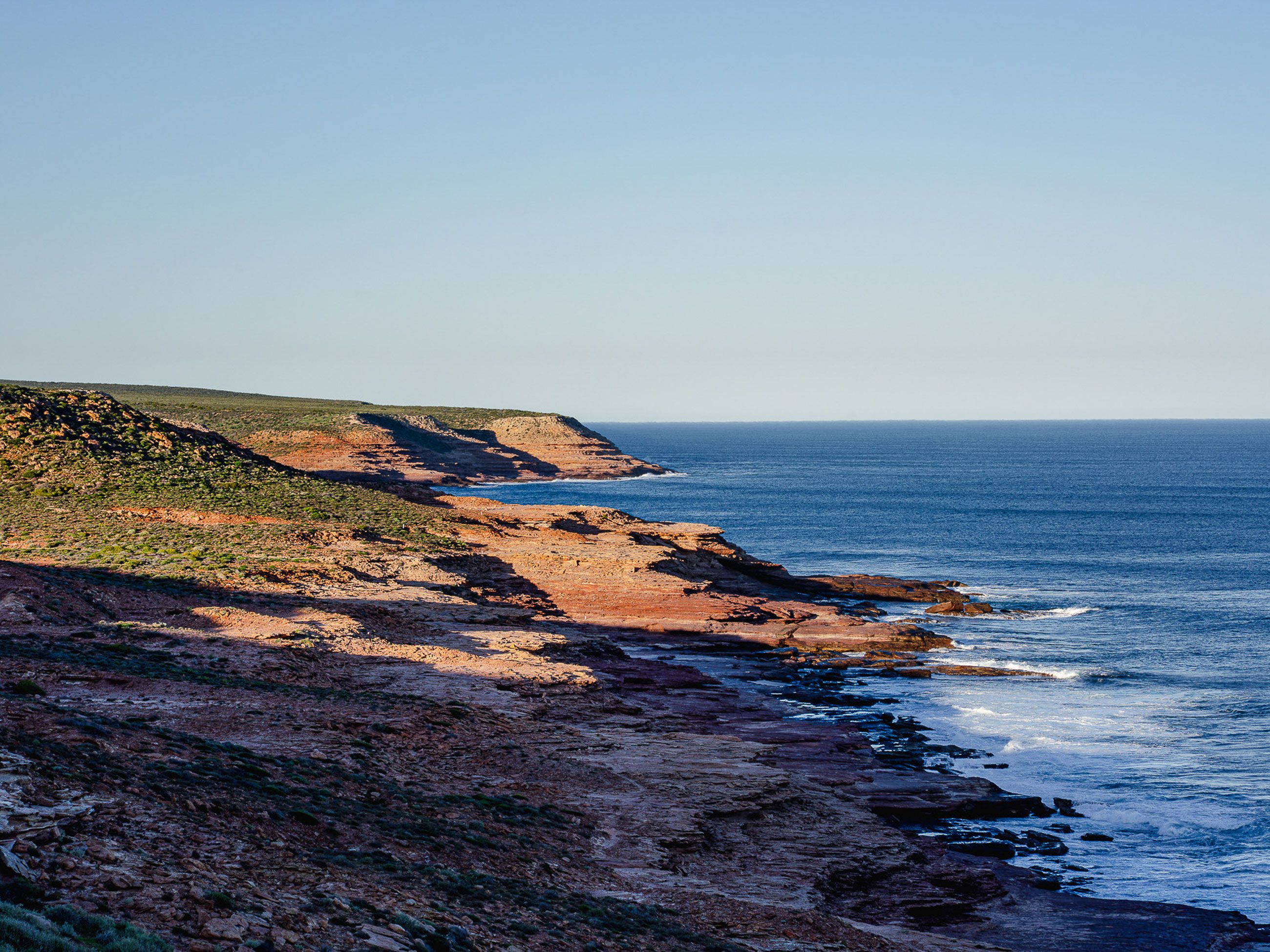
Swap outback roads for coastal cliffs in Kalbarri. (Credit: Natasha Bazika)
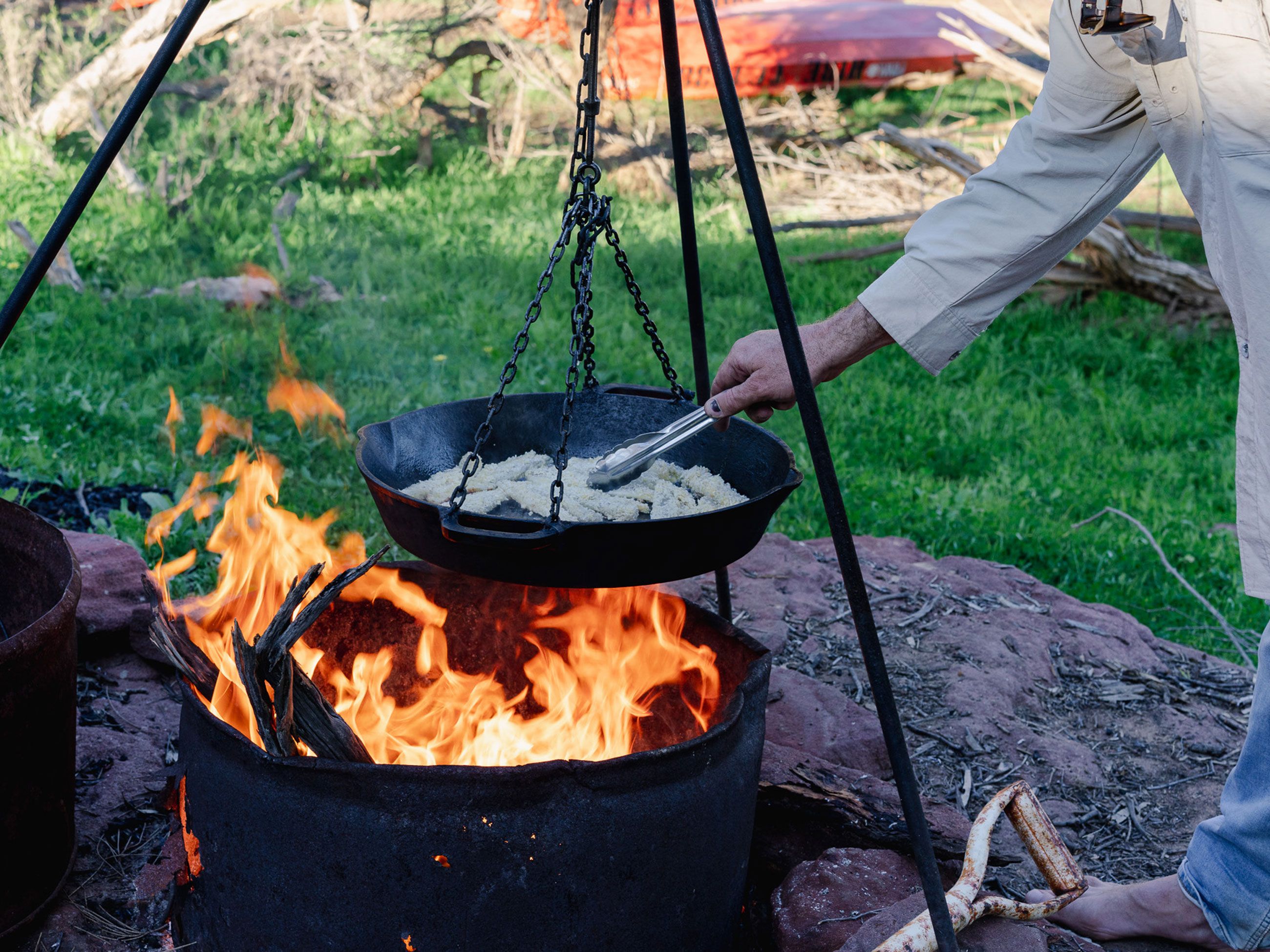
Don't miss The Murchison Experience for convivial campfire spirit. (Credit: Natasha Bazika)
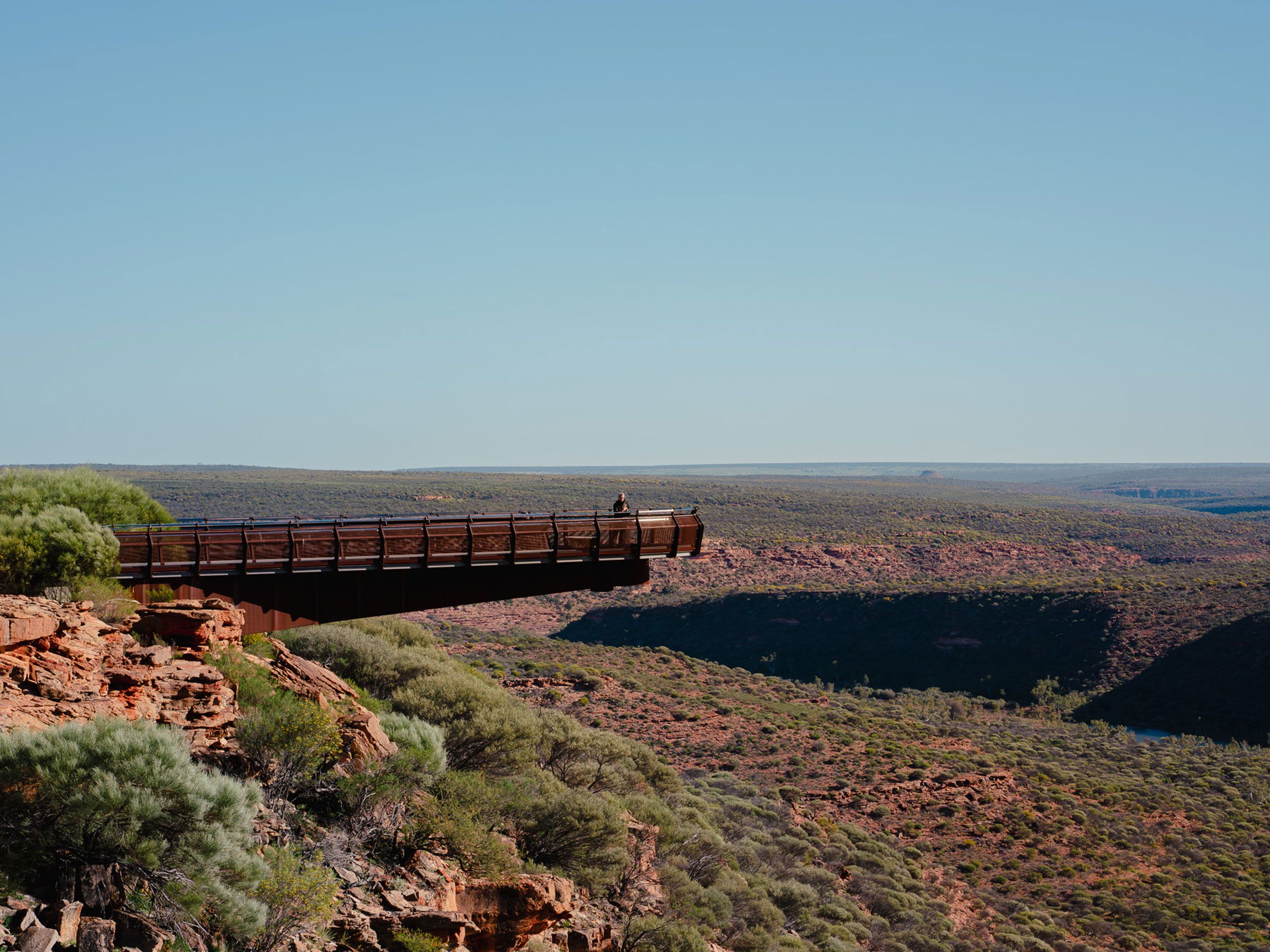
Check out the Kalbarri Skywalk. (Credit: Natasha Bazika)
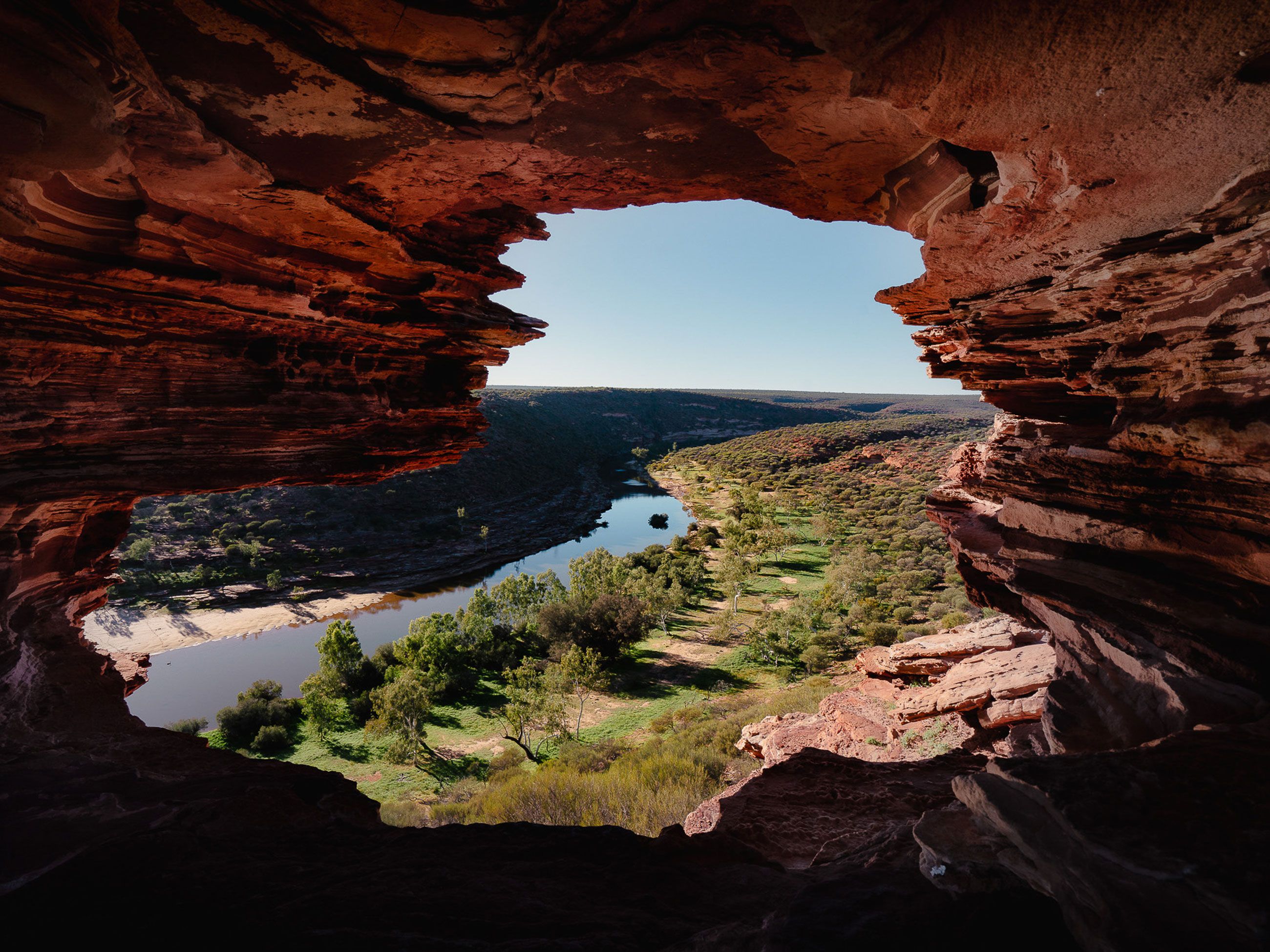
A morning tour with D’Guy Journeys ticks off the big sights, with commentary: the Skywalk, Z Bend and Nature’s Window, with the latter only an 800-metre return walk. There is an eight to nine-kilometre Loop Walk which is categorised as difficult and only to be done in cool weather. Either way, bring water, because the park has none and summer heat here can be deadly.
Save your best afternoon for The Murchison Experience. You’ll canoe the river, tour the historic Murchison House Station homestead, and devour a campfire banquet in the spirit of an Italian Sunday lunch. Pack bathers, a towel, a change of clothes and something warm for the ride back, when temperatures can drop. A 4WD bus picks you up and drops you back at your accommodation.
Weekly travel news, experiences insider tips, offers, and more.
Day 6: Kalbarri to Cervantes
Distance: 375km (4 hours)
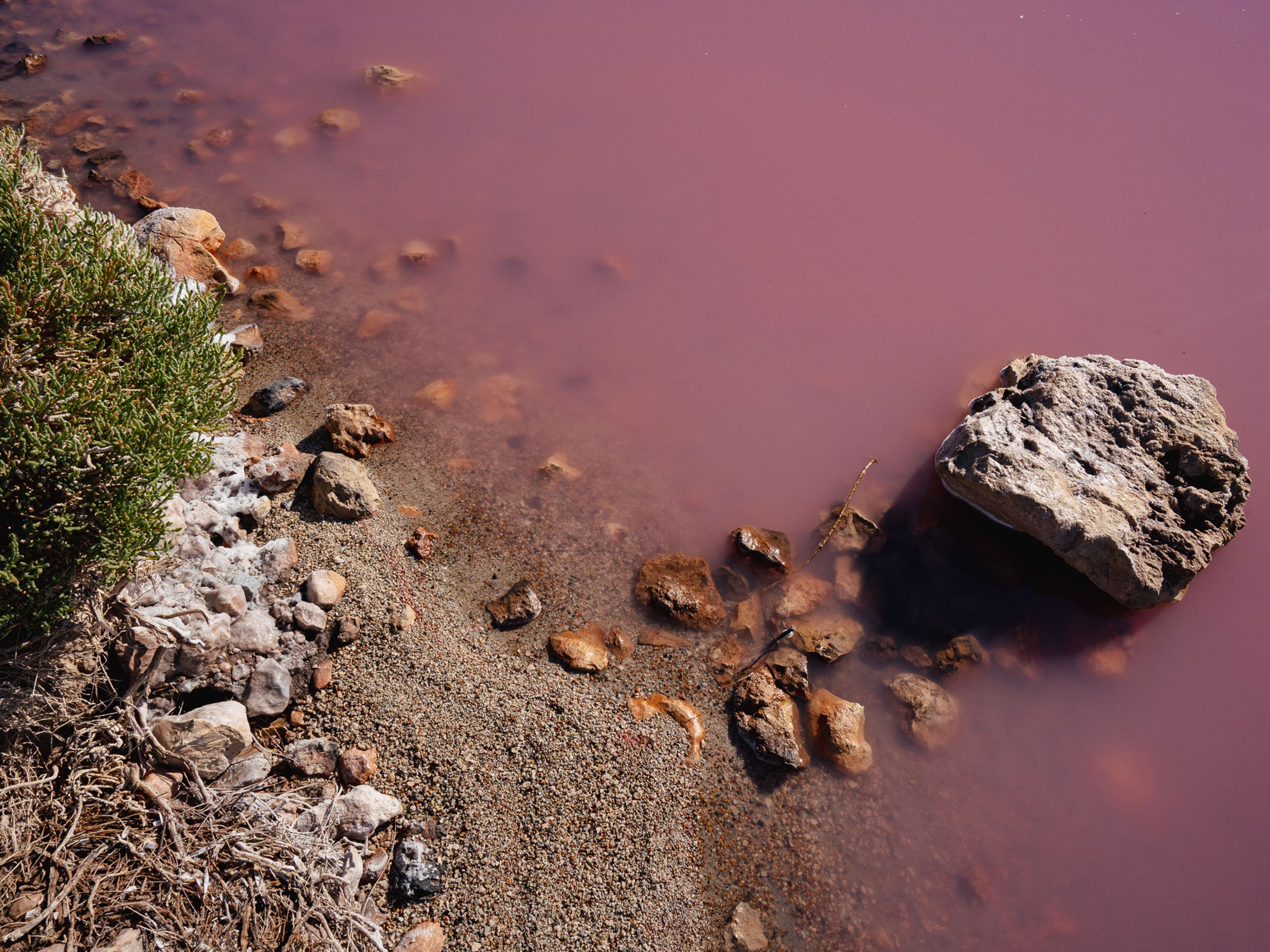
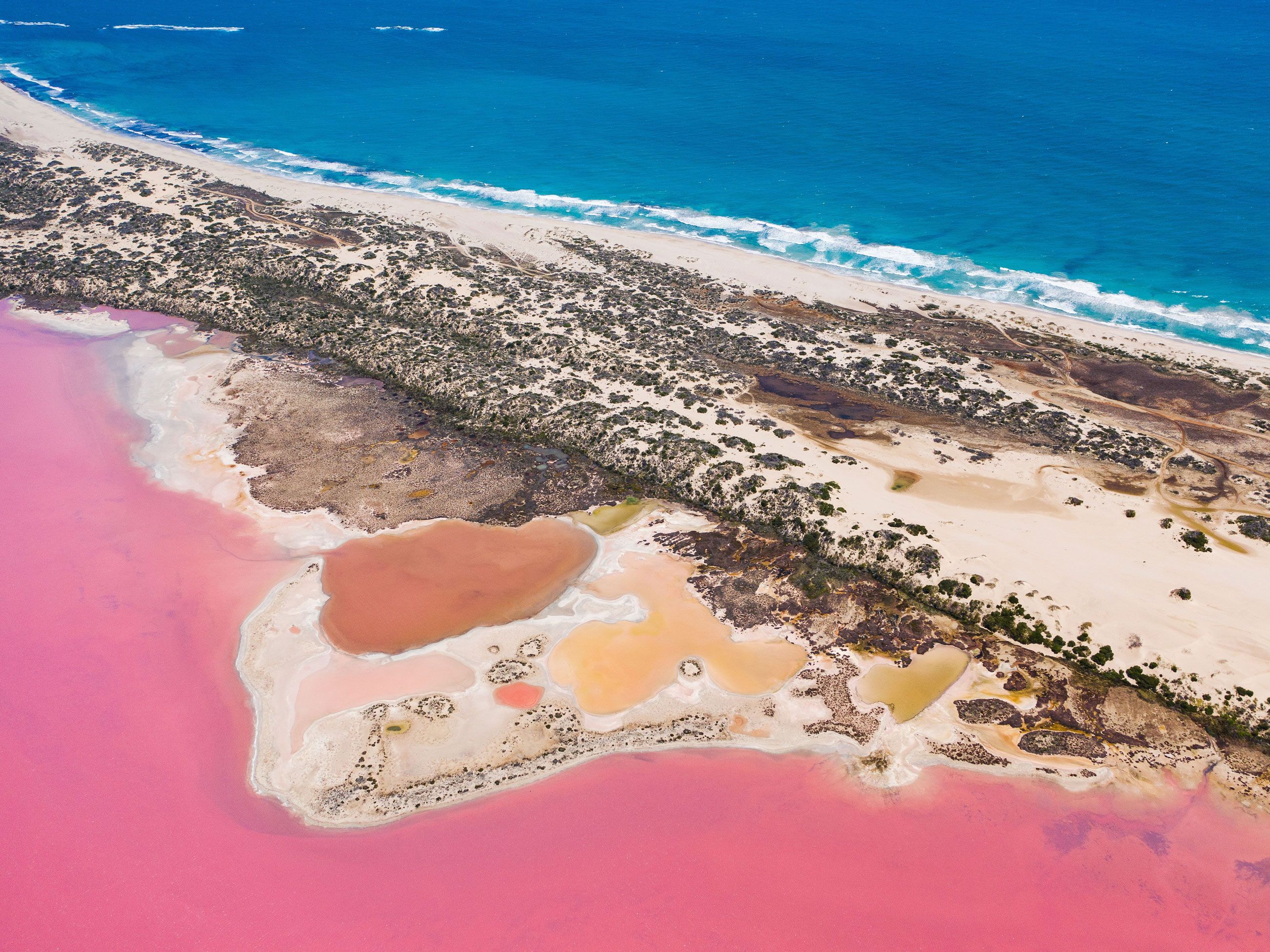
Walk to the water's edge of Hutt Lagoon. (Credit: Natasha Bazika)
The saltwater lake is best known for its bright pink hue. (Credit: Tourism Western Australia)
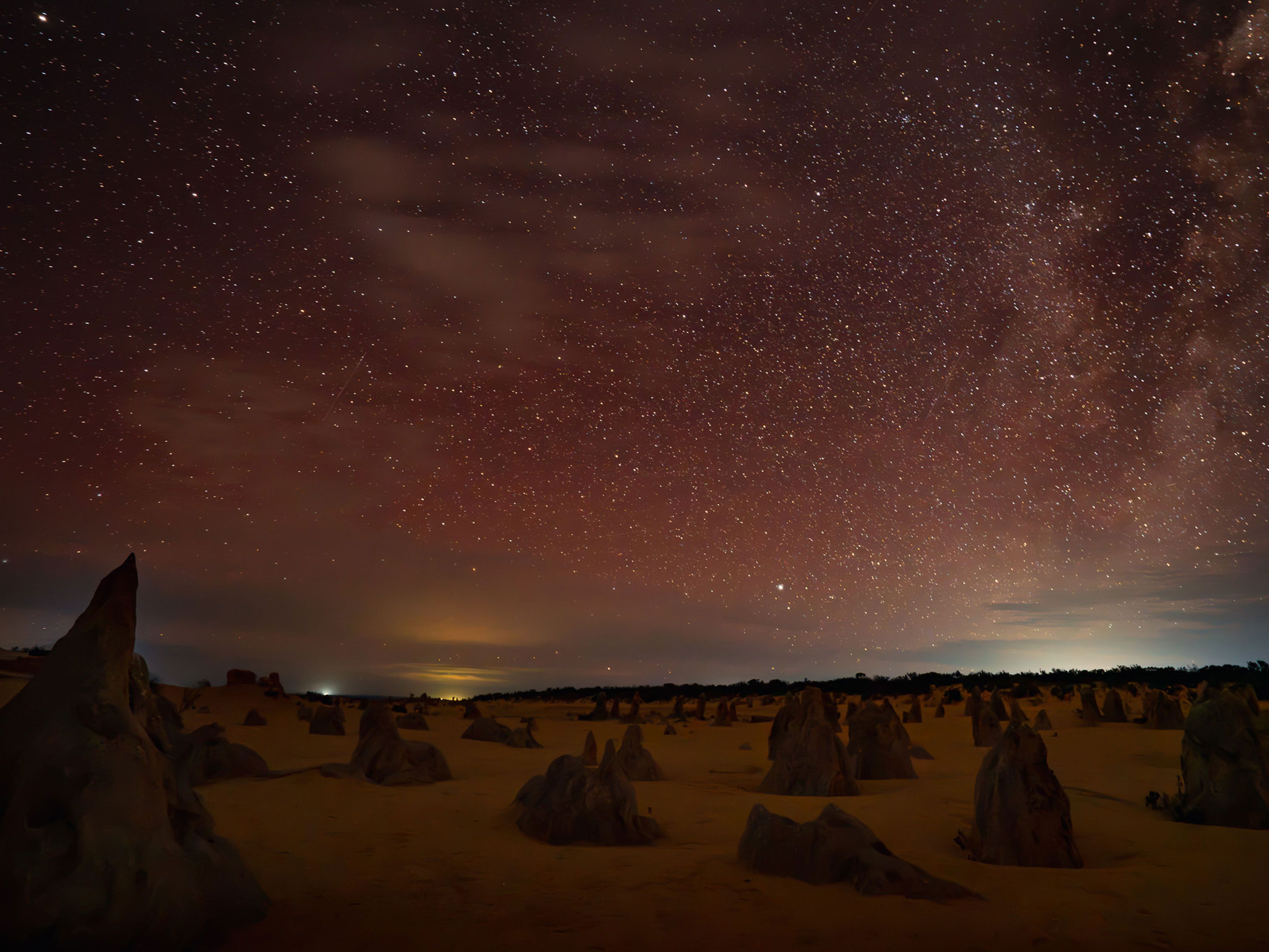
Stargaze at the Pinnacles desert. (Credit: Natasha Bazika)
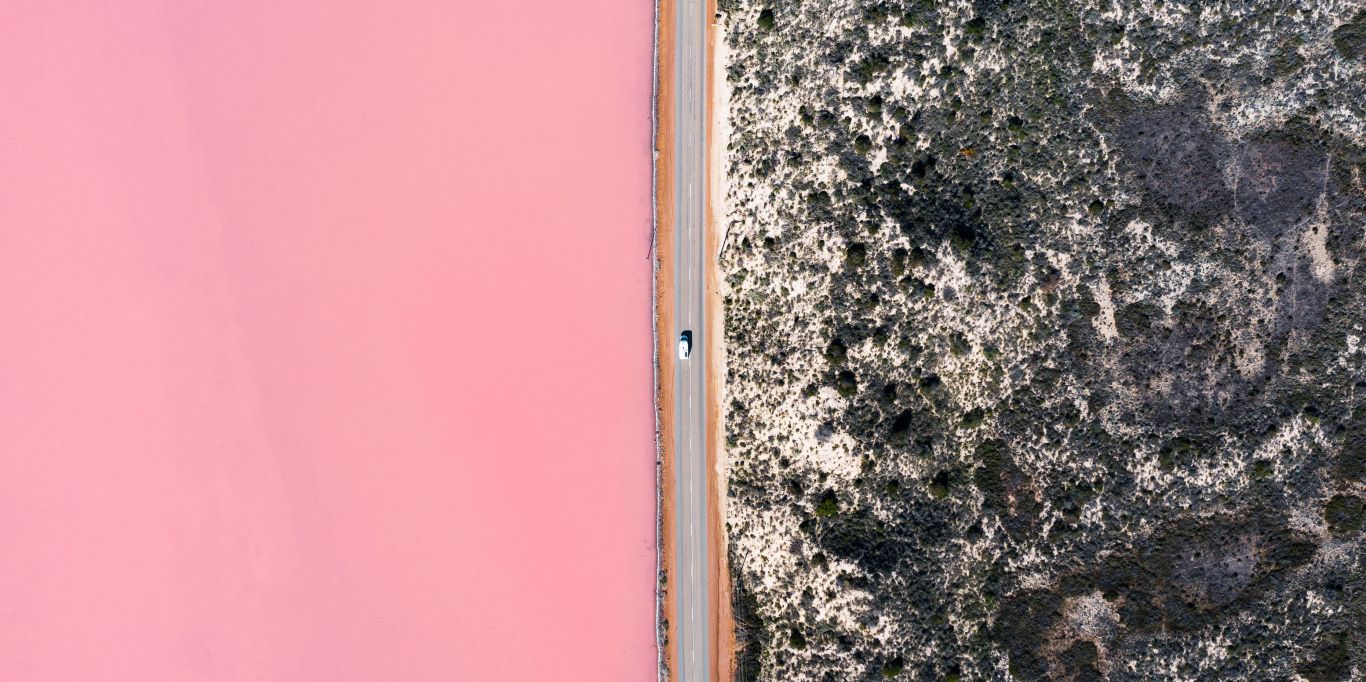
Hutt Lagoon is about 45 minutes south of Kalbarri, and yes, it really is pink. Blame a salt-loving algae called Dunaliella salina. It looks best on a clear day around midday, when the sun’s high and the lake’s fuller. Pull up at the unsealed lookout on Port Gregory Road, then walk down to the water’s edge or follow the sandy path for a view from above.
We stopped for lunch in Geraldton, where we had jaffles at The Jaffle Shack on the foreshore, then drove on to RAC Cervantes Holiday Park, our base for the night. You could pop into the Pinnacles on the way, since it’s technically en route, but we’d booked a self-drive sunset tour with Lumineer Adventure Tours, which starts at the Pinnacles Desert Discovery Centre at 4.30pm. You get a barbecue dinner and a glass of WA wine as the sun sets over the Indian Ocean, then stargazing with talks on Aboriginal astronomy and Dreamtime stories. You’ll pay the national park fee at the entrance, but you can stay as late as you like.
Day 7: Cervantes to Perth
Distance: 200km (2 hours 20 minutes)
The last day is refreshingly light on plans. It’s roughly 2 hours 20 minutes to Perth. If you’ve got time to burn, sandboard the Lancelin dunes on the way or stop in random coastal towns for the fun of it.
If you have extra time: Exmouth and Shark Bay
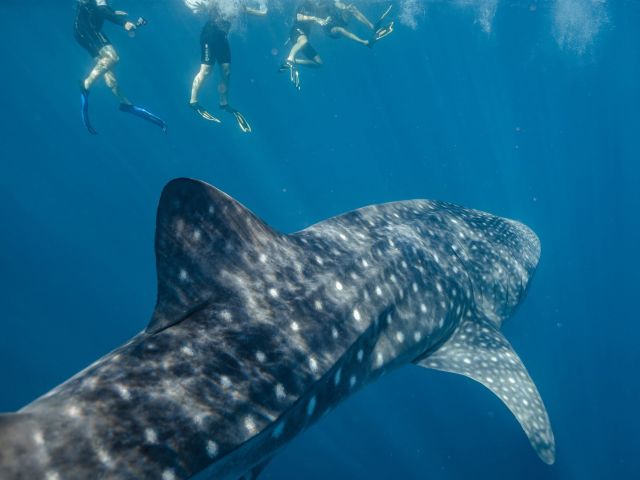
See the annual migration of whale sharks in Exmouth. (Credit: Tourism Western Australia)
Shark Bay World Heritage Area is the obvious extension, and I’d allow at least two or three extra nights. Highlights include the stromatolites at Hamelin Pool, Shell Beach, a shoreline made entirely of tiny cockle shells, 44 km south of Denham and the dolphins at Monkey Mia. From April to July, push further north to Exmouth to swim with whale sharks, manta rays, and turtles. Base yourself at the luxury Sal Sails Ningaloo Reef.
Planning a trip to Western Australia? Read more of our recommendations:
Tick the box next to "Australian Traveller". That's it.
Natasha Bazika has spent over a decade collecting a global perspective, from living through the relentless energy of New York to slowing way down on the salty shores of Puglia. With a culinary track record spanning over 150 Michelin-starred restaurants, she operates on the belief that a life well-travelled requires a lot of grit, a bit of glamour, and a permanent appetite for the unexpected. She is happiest capturing the world through her camera and chasing the sweet spot where raw adventure meets incredible flavour, ideally at the end of a long, remote hike.
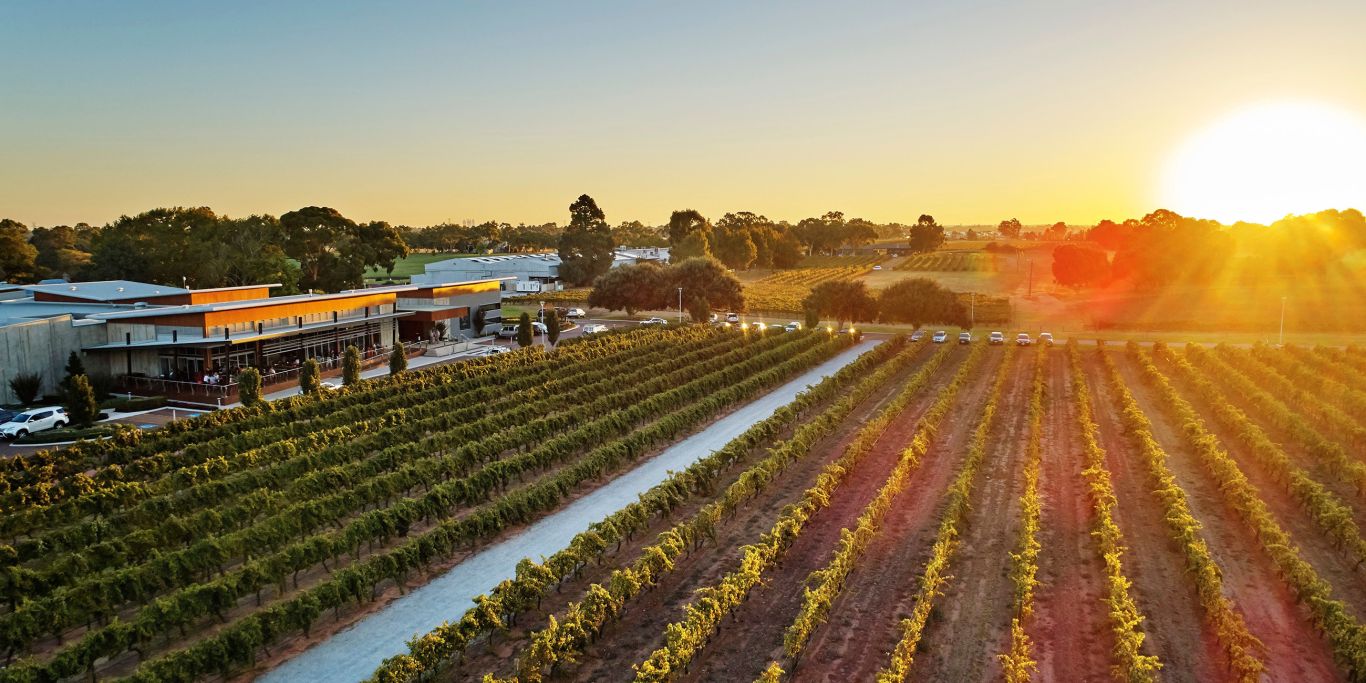
A 25-minute drive from Perth is all you need to be amongst generations of grape growers.
You might not know Swan Valley, but the vines here twist through almost 200 years of history. Today, plump grapes are still plucked, pressed by juice-stained hands and fermented into wine – a journey led by the same families who will pour it into your glass. And with that first taste, you’ve unknowingly become part of a generations-old tradition.
So, sit back and take a sip of a crisp white under that sun-speckled pergola and listen to the warbling of magpies – here’s what makes the Swan Valley so special.
Western Australia’s oldest wine region
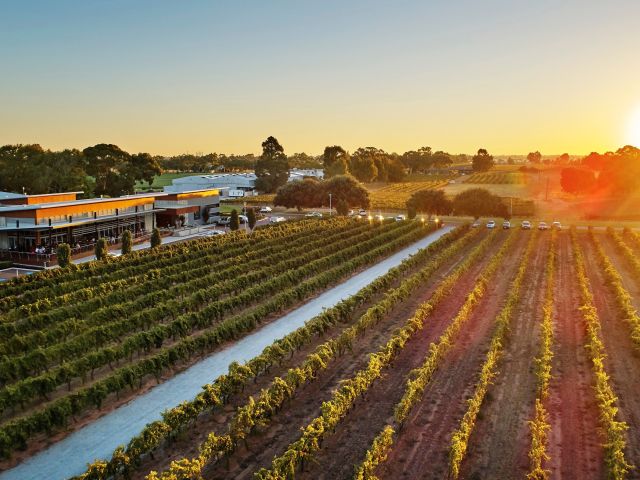
Sip your way through Swan Valley’s rich wine heritage. (Image: Tourism WA)
In 1829, the very year Europeans settled in Perth, the first vines were planted in the Swan Valley. Later, Croatian and Italian migrants blended their southern European winemaking traditions into the local viticulture, a combination that works so well in the Mediterranean climate here.
The result today is crisp, tropical Verdelho, dark, fruity Shiraz and plenty of Chenin Blanc – a third of the country’s Chenin Blanc is crushed here.
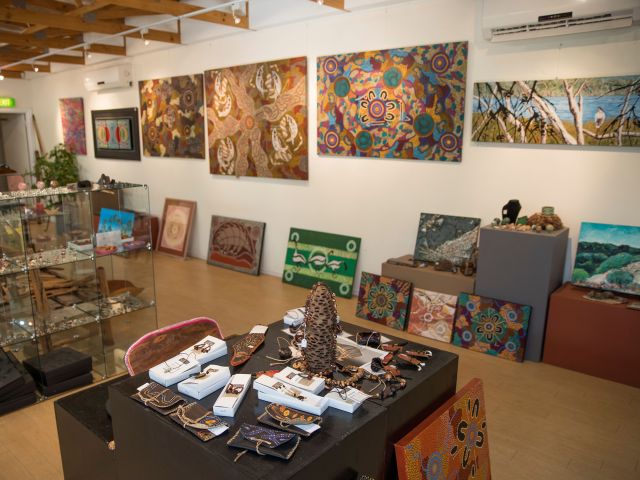
So where to start uncorking? Mandoon Estate has an Aboriginal art gallery and a sculpture trail, where you can taste an Indigenous food platter of smoked crocodile and emu sausages.
For a taste of the valley’s Italian heritage, head to Pinelli Estate Winery. Or, for something indulgent – and a little unusual, considering the inland location – RiverBank Estate Winery serves lobster straight from tanks, paired with that Chenin Blanc.
If you prefer something stronger in your glass, Talijancich Wines knows a thing or two about fortified drops: try its aged tawny, Muscat and liqueur Verdelho.
Sensational dining
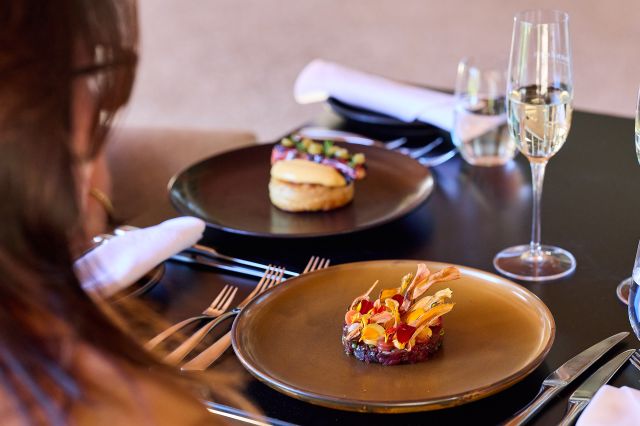
Pair great food with a scenic winery setting. (Image: Tourism Caversham)
The Swan Valley follows that great Australian wine-country tradition, with everything from unfussily fantastic pub meals and beer gardens to unexpected fine dining at cellar doors.
Start at Edgecombe Winery, which does brunch as well as drops. Their brioche French toast with raspberry and rhubarb coulis, poached pear and roasted pistachios will taste best when you’re perched at a table outside. Don’t forget to explore their orchard and wetland afterwards.
Pick up a box of freshly baked macarons from Maison Saint-Honoré (bien sûr) before heading to Valley Social for a North American barbecue-inspired feed. Chow down on beef brisket burnt ends and wash them down with a hemp-infused craft beer.
Baskerville Tavern is brewing beer again in the former Feral Brewpub. Order their Monday special – a classic chicken parmi – and try Slumdog Brewing’s regular range, including a tart blueberry sour made with fresh and freeze-dried berries. In winter, it’s time for their seasonal seven-malt stout, with notes of dark chocolate, coffee and caramel.
An unbeatable visitor’s centre
In Guildford is the Swan Valley Visitor Centre in a restored 1866 courthouse. Its award-winning staff know everything about anything happening in the Swan Valley. Pick their brains (and pick up a free map) before setting off. But, check out the centre’s Welcome to Country mural by local Whadjuk artist Chloe Caylon first.
Scenic drives
Use that handy Visitor Centre map to get a bit of everything on the Swan Valley’s 32-kilometre scenic loop, which connects over 150 attractions. Think roadside produce stalls, art galleries and historic buildings. Just remember to organise that designated driver if you’re extra keen on the vineyard stops.
Other drops
If the thought of wine makes your temples pulse, there are plenty of other tipples to tickle your fancy. Txoko Brewing in Baskerville takes its name from a Basque gathering place for cooking, drinking and socialising. Work through its rotating beers and plates of Spanish croquettes and sardines, then settle on the grass while the kids let off steam in the playground.
AmberChes Spirits Distillery uses locally sourced botanicals and fruit to make saltbush gin, lemon myrtle gin and Gincello, a twist on limoncello. Try its award-winning sloe gin, which was named Australia’s best at the 2025 Gin Guide Awards. Better yet, have a go at making your own in a hands-on gin-blending and distilling class among the vines.
Historic architecture and an arts scene
Explore the stories behind the Swan Valley. (Image: Tourism WA)
Next: Guildford. It is one of WA’s earliest colonial settlements – but the history here goes back much further. The Whadjuk Noongar people are the land’s Traditional Custodians, whose Dreaming tells of the Wagyl serpent creating the gum tree-lined Swan River. Today, Guildford’s original town layout remains largely unchanged. Follow one of four heritage walks past 19th-century buildings, galleries and James Street’s antique shops.
Take home pantry staples
Treat yourself to a chocolate-filled detour. (Image: Tourism WA)
Sometimes the little stops are just as good as the big hitters. Pull over at Margaret River Chocolate Company for free tastings of white, milk and dark chocolate. Then stop by Harvey Cheese Swan Valley for Lemon Myrtle Ash Brie or St Duke’s Red. End at The House of Honey, where you can sample local honey and get buzzy on honey ice cream pancakes.
Nature and wildlife
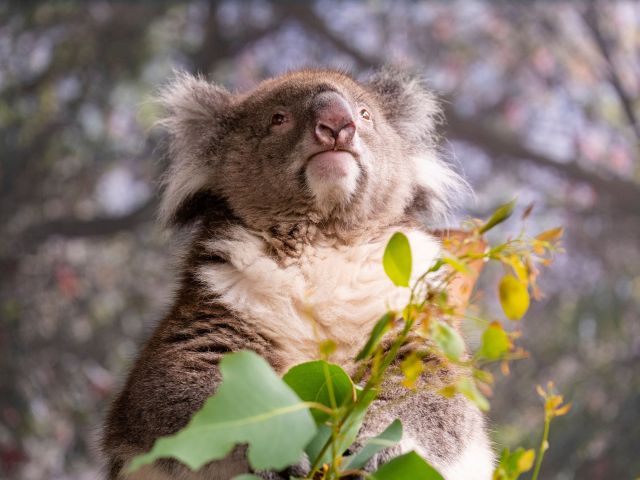
Add a little wildlife adventure. (Image: Tourism WA)
If the kids have had enough of winery lawns, save the bottles for later and head to Caversham Wildlife Park. Here, you can hand-feed kangaroos and meet koalas and wombats. Catch working sheepdogs and sheep-shearing demonstrations at the Farm Show. Elsewhere in Whiteman Park, hop aboard a vintage train or tram, or cool off in the splash pool.
Finish at Bells Rapids, where fuchsia grevillea, crimson bottlebrush and yellow wattles bloom each spring.