
Think private islands are only reserved for billionaires? Think again.
There’s nothing better than gathering your best mates and heading off on the ultimate unforgettable holiday. But battling it out for the best campsites, spreading across hotel rooms or lining up for hostel bathrooms can quickly become a buzzkill.
Thankfully, there’s a group-friendly alternative that ticks every box. Dotted around Australia, there are an array of dreamy island escapes designed to keep everyone together without compromising on space. Don’t let the pricetag scare you either – when split between friends, these exclusive retreats are far more attainable than you might expect.
1. Haggerstone Island, Qld
Total cost: From $6800 per night
Individual cost: $566 per person
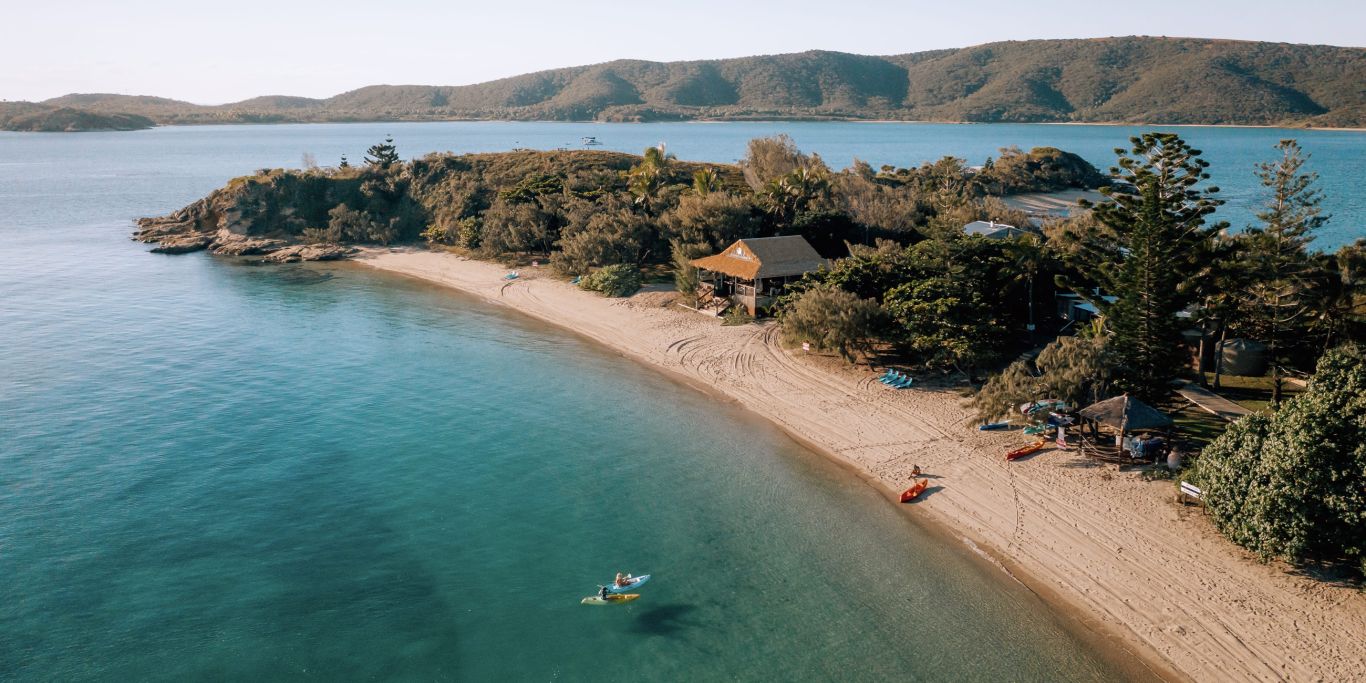
Around 600 kilometres north of Cairns, Haggerstone Island is a privately owned escape tucked into the Great Barrier Reef Marine Park. Featuring five beachfront villas, the resort offers group bookings for up to 12 guests, providing total privacy and exclusive access to the entire island.
Spend your days snorkelling the reef’s colourful folds, taking helicopter flights to secret waterfalls or lazing in the sun on your private deck before settling into your luxurious villa come nightfall. All meals are catered for, with a rotating menu that features locally caught seafood and produce grown on the island.
2. Picnic Island, Tas
Total cost: $16,000 per night with a three-night minimum
Individual cost: $2000 per night or $6000 for three nights
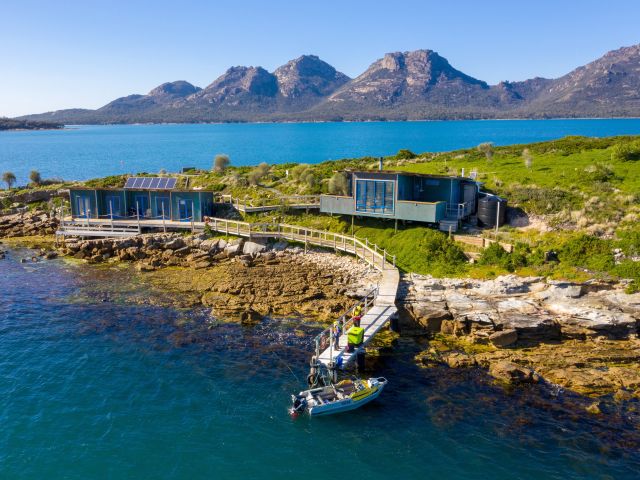
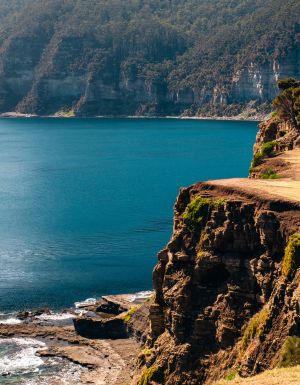
Just off Tasmania’s stunning Freycinet Peninsula, Picnic Island is quietly lapped by the deep-blue waters of Coles Bay. The island’s cosy retreat sleeps up to eight guests across four spaces, plus a suspended fireplace and private chef for cosy nights in.
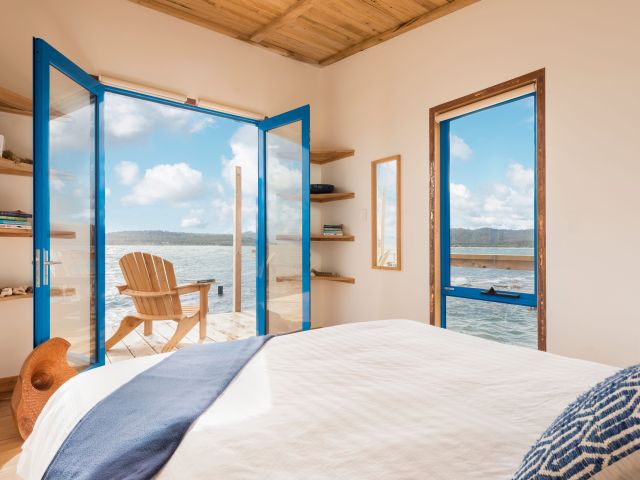
Picnic Island delivers a truly authentic taste of Tassie, including wildlife encounters with the island’s resident shearwaters, seals and penguins. With boardwalks, elevated walking trails, an expansive outdoor deck and views across The Hazards, it’s all about showcasing the state’s natural beauty.
3. Louth Island, SA
Total cost: From $2500 per night (private retreat)
Individual cost: $250 per person
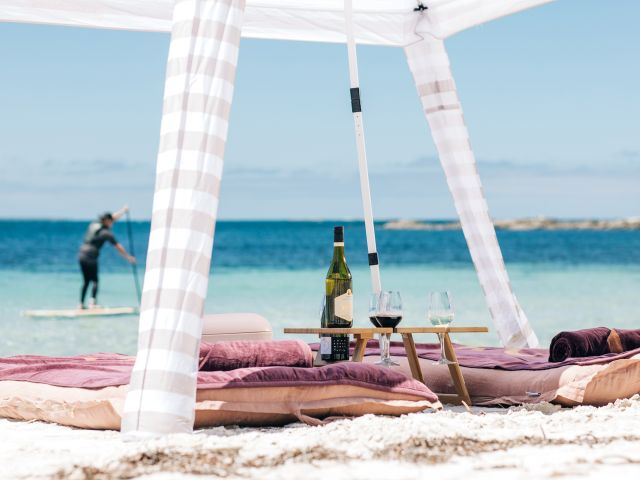
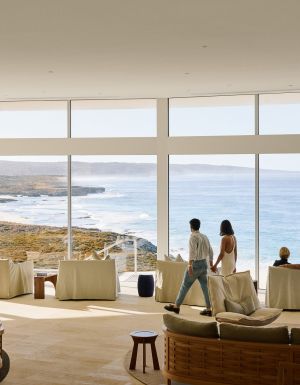
Only accessible by boat, Louth Island just a few kilometres off the coast of Port Lincoln in SA’s Eyre Peninsula. Once a humble sheep property, it became home to Rumi on Louth in 2023, a luxurious eco-resort offering pristined beaches, walking tracks, catamaran cruises, cooking masterclasses, a day spa and hatted restaurant.
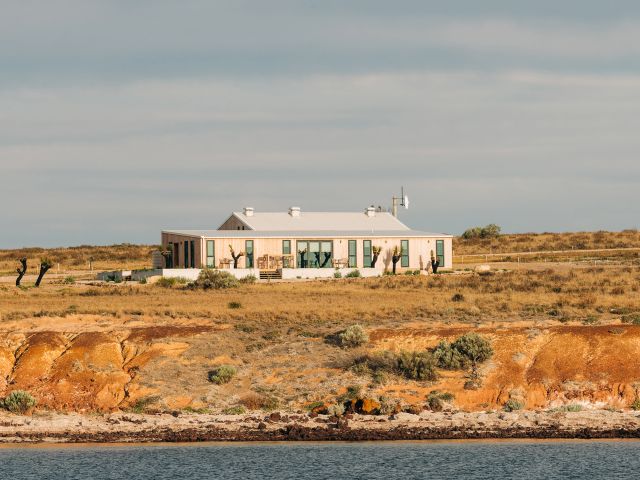
While it can’t be booked exclusively, guests needn’t worry about disruptions. The 10-guest private retreat is perfect for larger groups seeking seclusion. Separated from all other lodgings, it features one queen-size and eight king-single rooms, as well as two bathrooms, a fully equipped kitchen, spacious living area and private deck.
4. Wilson Island, Qld
Total cost: From $11,000 per night
Individual cost: $611 per person
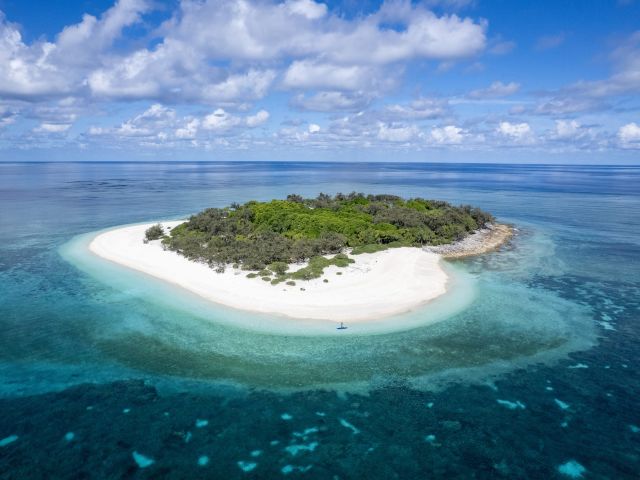
Tucked into a secluded coral cay in the Great Barrier Reef, adults-only Wilson Island comprises nine safari-style tents that can be exclusively booked for up to 18 guests. Approximately 80 kilometres off the coast of Gladstone, there is no such thing as mobile reception or wi-fi here, allowing guests to go fully off-grid.
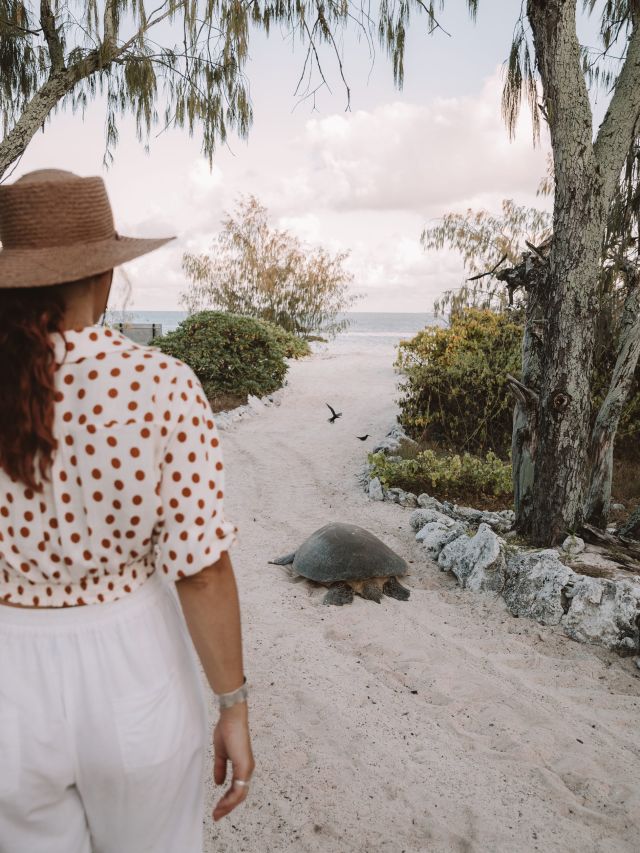
Days on Wilson Island are filled with ocean-based activities like snorkelling, kayaking, stand-up paddleboarding and swimming. Time your visit right and you could share the island with green and loggerhead turtles, who use its sheltered shores for nesting and hatching from November to March.
5. Lord Howe Island, NSW
Total cost: From $8660 per night (Signature Experience)
Individual cost: $1082.50 per person
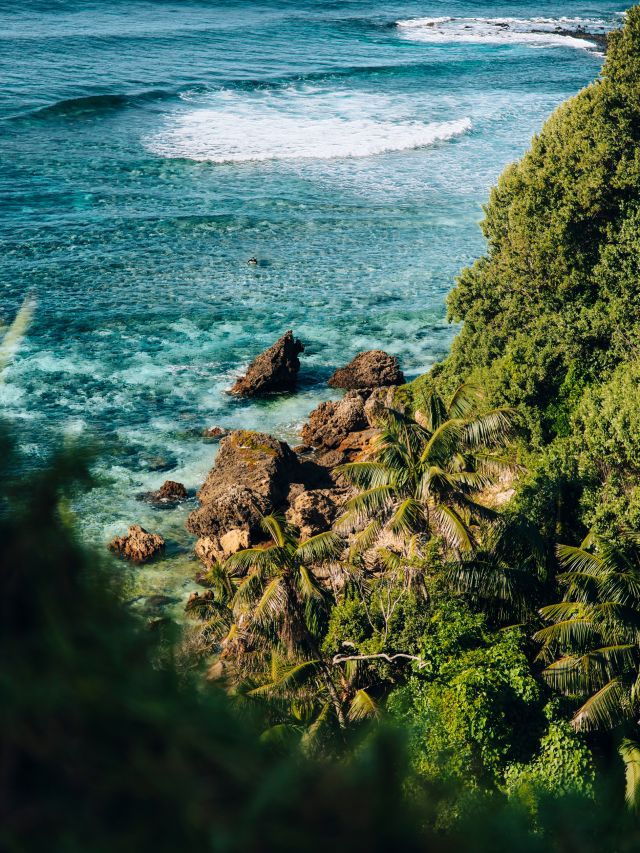
Lord Howe Island is another one of those places that can’t be booked out exclusively but is well worth the trip anyway. Often called the Hawaiʻi of Australia and described as “so extraordinary, it’s almost unbelievable" by Sir David Attenborough himself, only 400 people can visit at any one time.
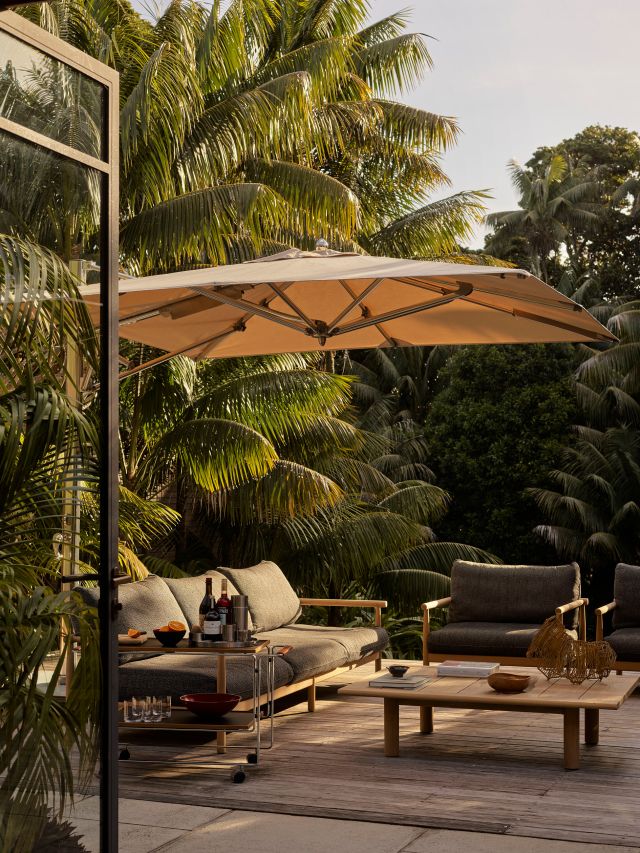
For complete privacy and total immersion, Island House offers two retreats for just eight guests, surrounded on all sides by Kentia palms and Banyan trees. The design-led property is luxury at its finest, with fireplaces, outdoor baths, sprawling gardens, chef-prepared meals and daily cleaning services included in its Signature Experience.
6. Satellite Island, Tas
Total cost: From $2950 per night (for two guests)
Individual cost: $1475 per person ($550 per extra)
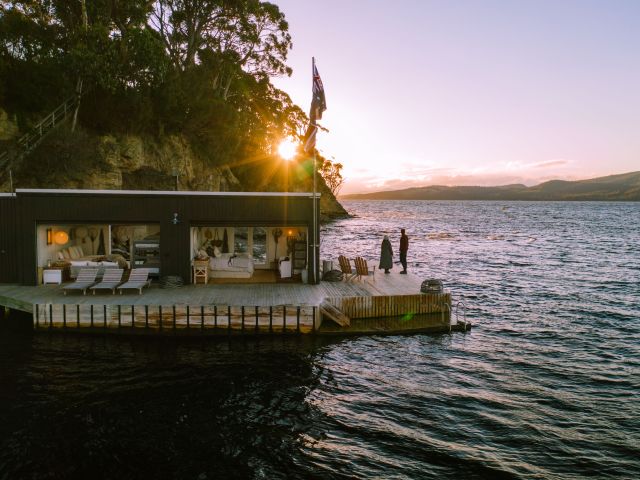
Swap reef tides for cosy vibes on Satellite Island , a little slice of paradise off Tasmania’s south-east coast. Arriving via vehicular ferry or chartered helicopter, up to eight guests are welcome at the island’s exclusive lodgings, which includes the Summerhouse, Boathouse and luxury bell tent.
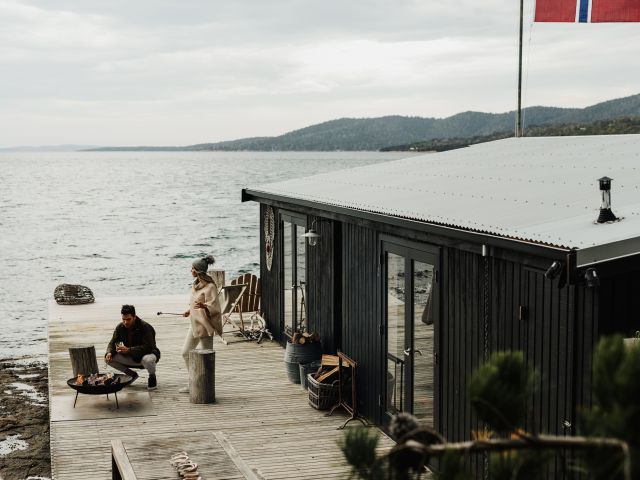
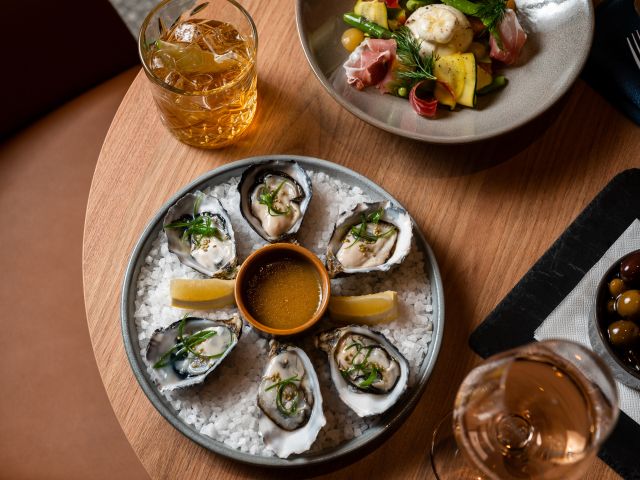
For the duration of your stay, you’ll have the entire place – and its exclusive experiences – to yourself. This includes an endless supply of wild oysters and gourmet breakfast provisions, plus access to the kitchen garden and orchard. Guests also have free use of all fishing equipment, kayaks, paddleboards, yoga mats and board games.
7. Makepeace Island, Qld
Total cost: $19,950 (first eight guests)
Individual cost: $2493 per person
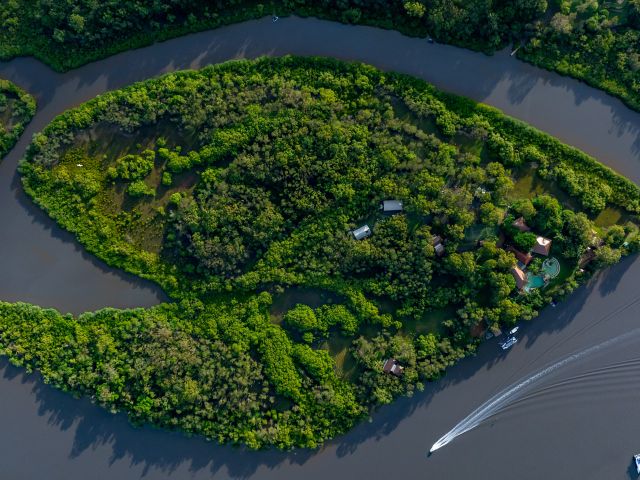
It’s all in the name at Makepeace Island . The heart-shaped haven near Noosa is as peaceful as it gets, where wild beauty meets true luxury. Hands-on types can enjoy cooking classes, tennis, kayaking and cocktail making, while others may opt for beach picnics, nature walks and relaxed afternoons at the pool or onsite library.
And for the cherry on top? A quick boat ride and you’ll be in the heart of Australia’s most-loved town of 2025. Explore its burgeoning dining scene, breathtaking beaches and UNESCO-listed sites before heading back to your own slice of paradise on a bend in the Noosa River.
8. The Lilypad, NSW
Total cost: From $2250 (four-night package)
Individual cost: $1125 per person
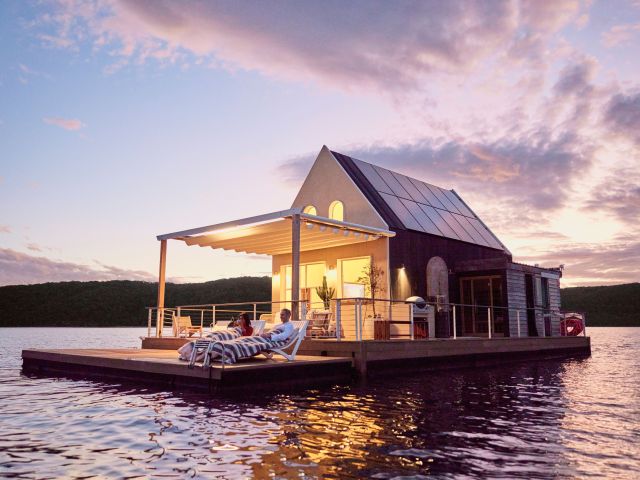
Bobbing on the bay between Palm Beach and Ku-ring-gai Chase National Park, The Lilypad is an all-inclusive, fully serviced floating villa for more intimate stays, accommodating up to 10 people for events but sleeping just two. While technically not an island, it offers the same privacy, seclusion and total exclusivity.
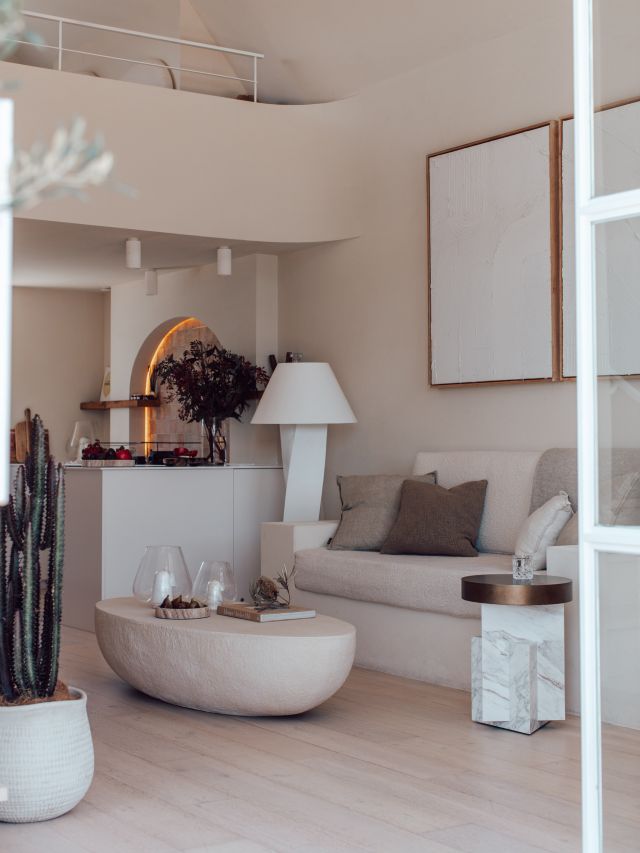
Coastal-inspired interiors combine with five-star luxury, complete with a fireplace, infrared sauna, catered meals and onboard massages. The outdoor deck is designed for long days in the summer sun – whether you laze on a lounger or make use of the paddleboards, there’s little more to do but sit back and enjoy the view.
9. Pumpkin Island, Qld
Total cost: From $4250 per night
Individual cost: $125 per person
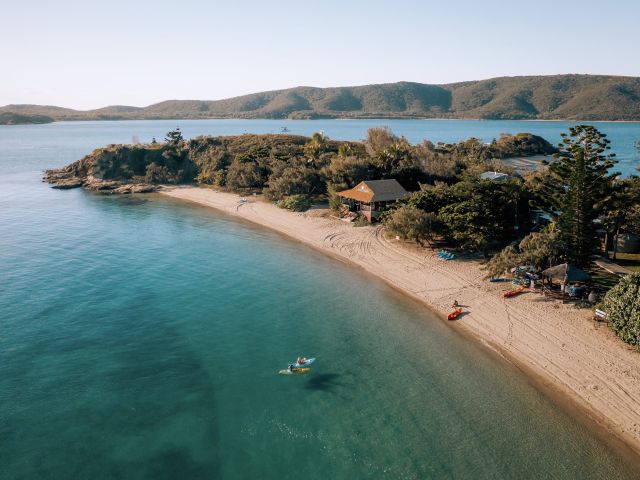
Just 14 kilometres off the coast of Yeppoon, Pumpkin Island looks just as cute as it sounds. Five self-catering cottages and two beach bungalows sleep up to 34 guests, plus shared bathrooms, a communal kitchen and optional catering packages.
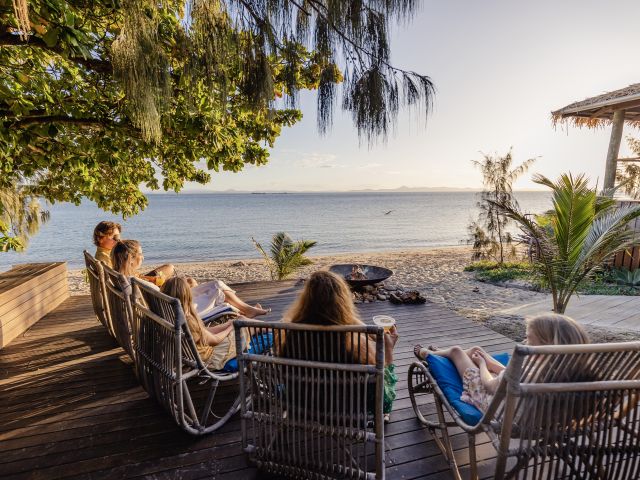
Complete beach access means activities like snorkelling, fishing, paddleboarding and kayaking are available around the clock. The private island also acts as a gateway to the Great Barrier Reef, so you can experience one of Australia’s natural wonders right on your doorstep.
10. Fraser Island Retreat, Vic
Total cost: Price upon booking
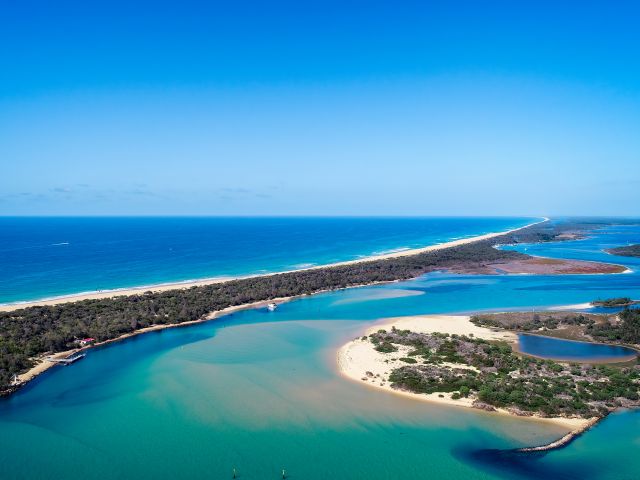
You’ll find Fraser Island Retreat in Victoria’s gorgeous Gippsland Lakes region, just a 10-minute drive from Lakes Entrance. The exclusive escape is perfect for big family trips, with an 11-bedroom homestead and an additional bunkhouse that sleeps up to 34 guests in total.
Inside, guests have complete reign of the grand dining hall, refrigerator room, wine cellar, lounge area and fully equipped kitchen. Outside, enjoy a wraparound verandah, nine-hole golf course, pool with gazebo and two tennis courts. The best part? You’ll have it all to yourself.