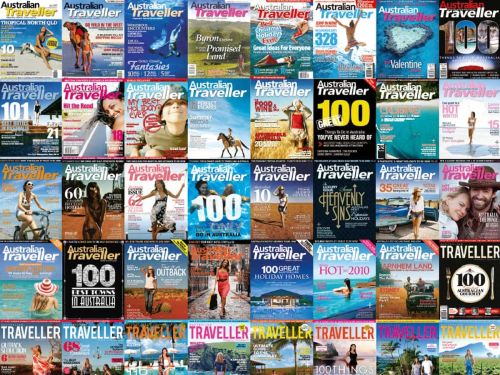
Australian Traveller has been shaped over the years by a roll call of passionate editors. Here, our stellar alumni share their thoughts, memories and favourite covers during their tenures.
Greg Barton
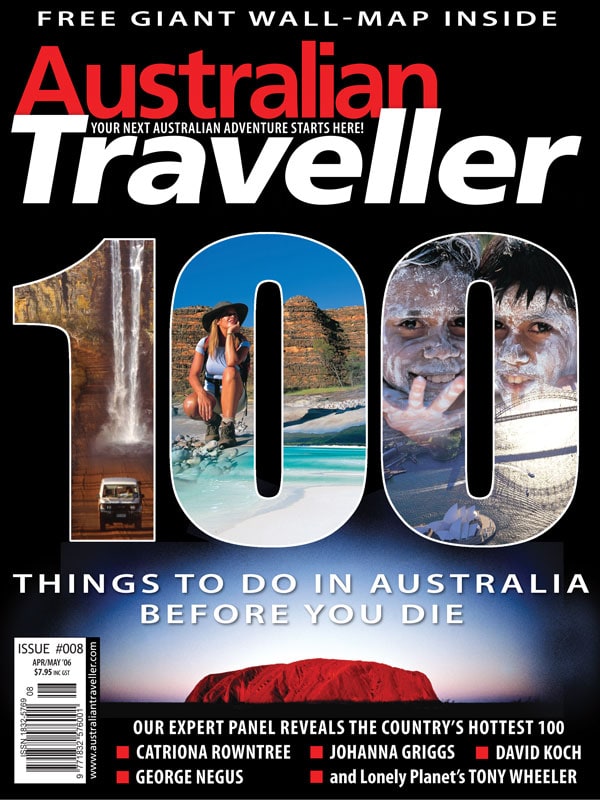
Too many moments stand out for me during my time as editor at Australian Traveller magazine. It was such a joyous, chaotic, exhausting and rewarding period of my life. I learned to write, learned to shoot, got married, had kids and felt as though I gained enough experience to fill five careers. In terms of covers, I was there for exactly a third of them, with stand-outs including the epic, inaugural ‘100 Things’ (Issue 08); the time when I was talked into wearing boardies and a Santa hat and chucking a ‘bombie’ into an ocean pool (Issue 05); and the time at Uluru (Issue 27) when the Hamish Blake asked me for a few handy hints on using his DSLR camera (he owned a Nikon, so no), while our cover model asked me for a few handy hints on picking up Hamish Blake (also no).
Most memorable experience
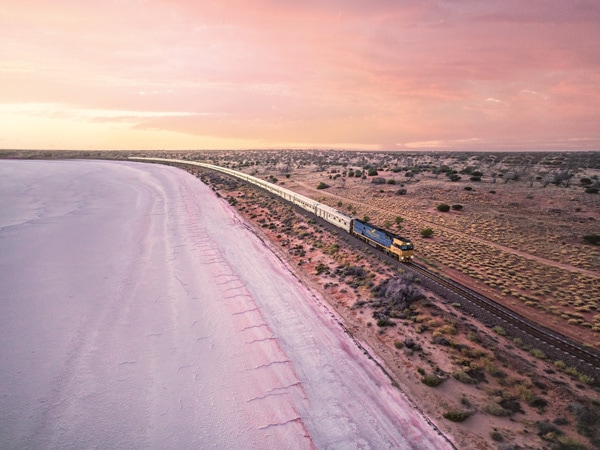
I owe so much to [co-founders] Quentin Long and Nigel Herbert for trusting me to help launch and, for a brief time, lead such a special magazine. But I have to say perhaps the single most memorable moment, and it was such a random one, was capturing a fleeting photo of an honest-to-God cowboy during a thunderstorm midway across the Nullarbor. Award-winning Getty shooter Ezra Shaw had been showing me how to use the company Canon while on a cross-country journey aboard the Indian Pacific.
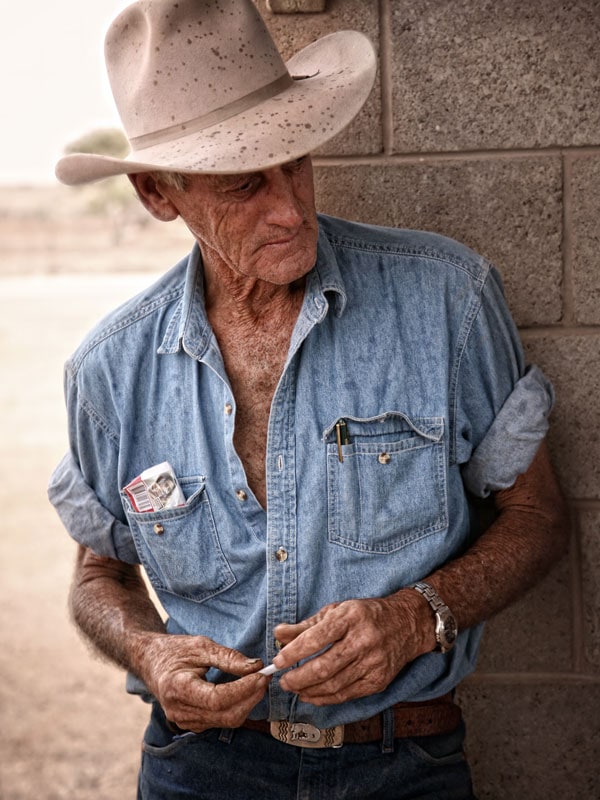
One of the scheduled stops was at a desolate railway siding and there, under the awning of a plain brick outhouse, one of the most fascinating characters I’ve ever met took shelter as the pelting rain began to pepper his wide-brimmed hat. That image has remained with me. There was something about finding such a colourful and interesting figure against such a nondescript backdrop that summed up, for me, everything that Australian Traveller stood for. It’s a moment I’ll never forget, owed entirely to a magazine I will always treasure.
Elisabeth Knowles
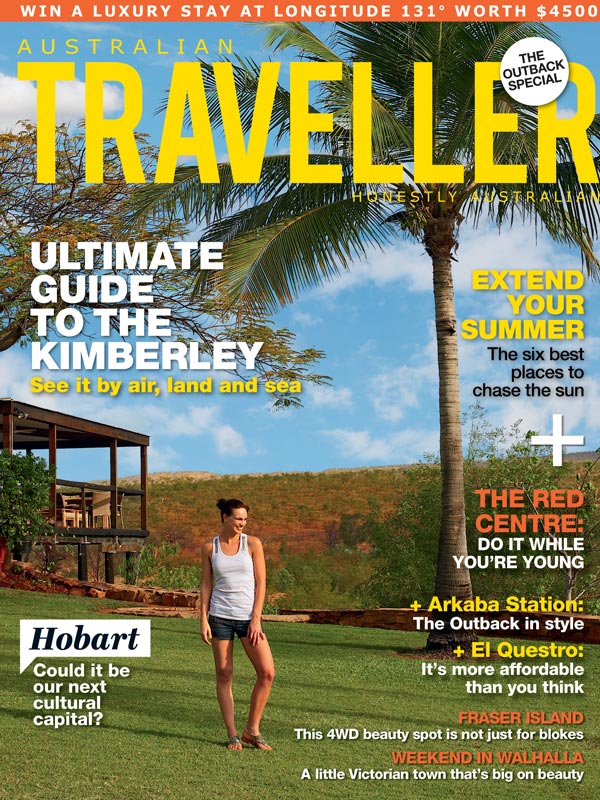
My most memorable issue was the first one we released after changing the editorial direction of Australian Traveller from a bloke-focused camping and 4WD mag to a women’s lifestyle magazine (with more comfortable stays). It was a big risk to readership that has paid off in the long run! The cover story was the Kimberley, and we featured luxury lodge El Questro (Issue 37). It was my first glimpse into just how world-class domestic travel can be. (Not that there is anything wrong with camping.)
Most memorable experience
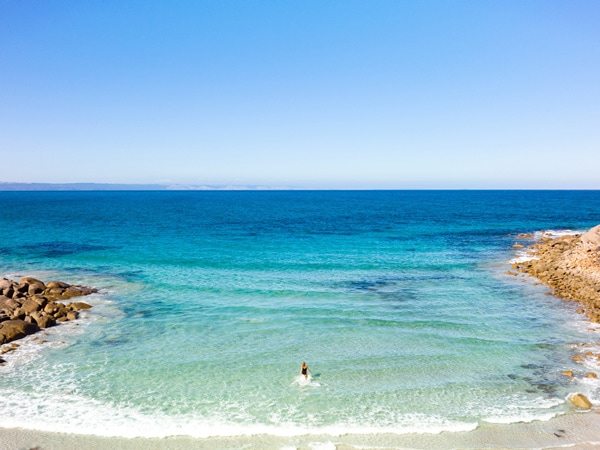
The variety of experiences was simply incredible and so it’s hard to pick just one stand-out. From jumping into swimming holes in the NT to hiking the Great Ocean Walk, scenic flights on K’gari, in Hobart and Sydney Harbour, eating my way around Bruny Island and going on a hard-hat tour of Mona before it opened… I felt pretty lucky to have any of those experiences. But if I was going to swap my life now for one of my past Australian Traveller adventures, I’d buy a property on Kangaroo Island.
Georgia Rickard
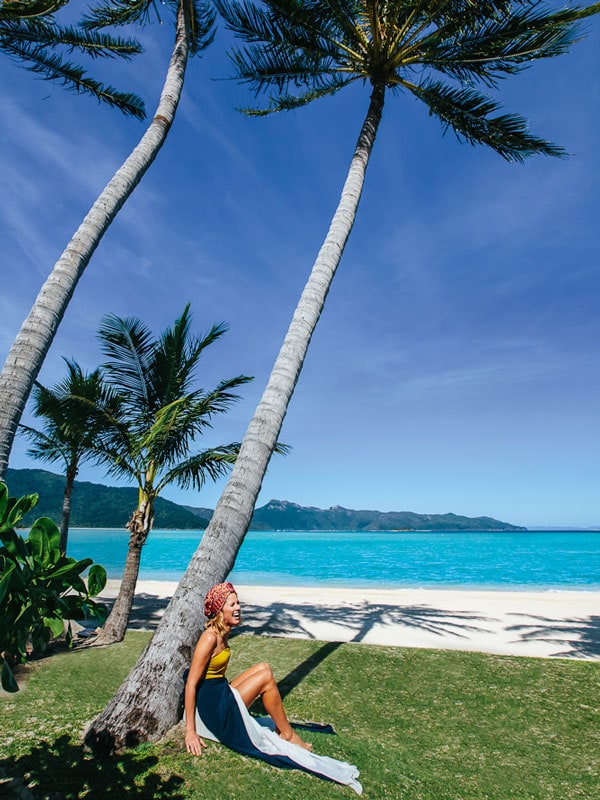
I have many cherished moments from my time as editor at Australian Traveller, but my favourite cover memory just might have to be shooting sass & bide co-founder Sarah-Jane Clarke on the eve of the relaunch of Hayman Island (Issue 58). The layering of one Australian icon over another was enough – and the results were beautiful (I think SJ was born to be photographed on an island). But there was an added layer of context that made everything more significant, as both location and talent were on the cusp of life-altering announcements.
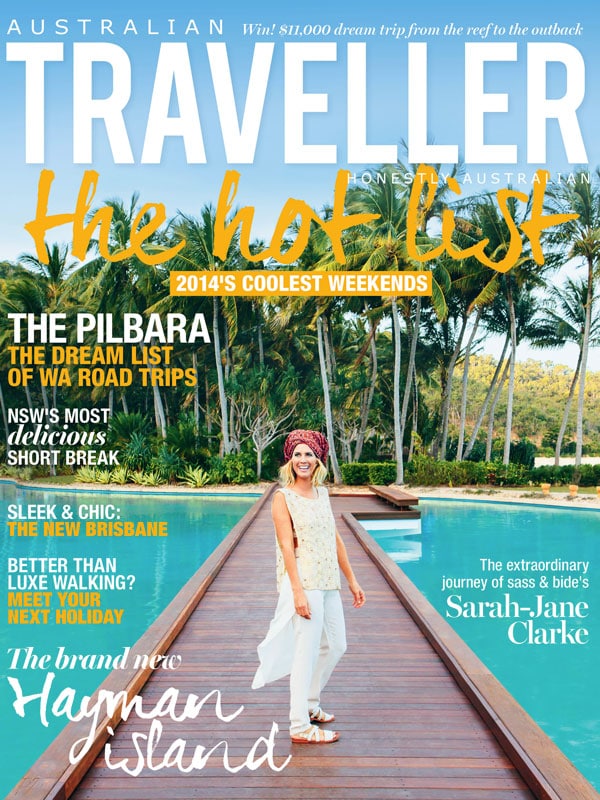
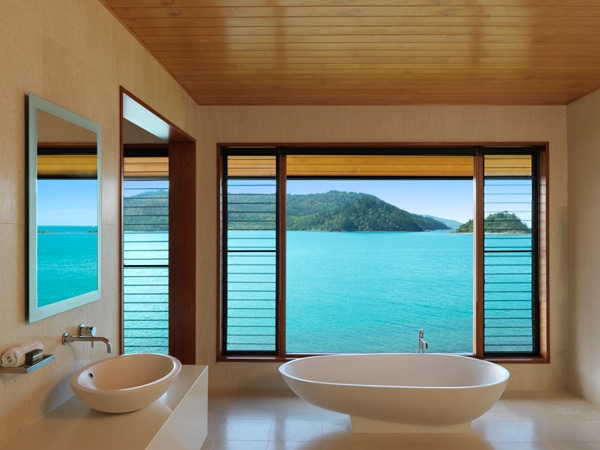
Our shoot took place just prior to Hayman’s global unveiling as Australia’s first property in the six-star One&Only portfolio – literally, we were there, shooting the day before the launch party. This meant the Australian Traveller team were the first media in the world to preview the island in its new incarnation, which was a huge privilege… but also meant that the island was a hive of last-minute landscaping, room furnishing, construction crews and more.
Meanwhile, SJ was on the cusp of a public announcement that she and business partner Heidi Middleton had sold final stakes in their flagship company to fashion conglomerate Myer – a major moment for the Australian fashion scene and a spectacular ending to a legacy that had a sizeable impact on Australia’s creative identity. None of that made any difference to the amazing Australian Traveller team, who were committed to getting the results no matter what, and SJ herself was a champ. You’d never have known, from the images, how many duck legs were paddling frantically underwater to make that happen.
Most memorable experience
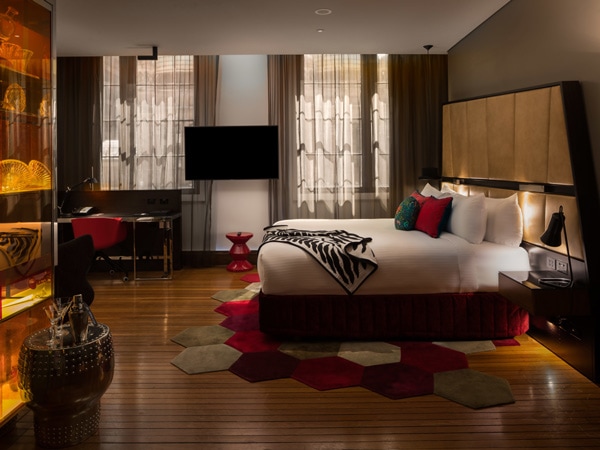
For me, the year 2012 marked an incredibly special time to be at the helm of Australian Traveller. That was the year qualia was awarded Best Resort in the World and QT Hotels had just made waves with the opening of its first property (the avant-garde, design-led QT Sydney). And while Australians had typically looked overseas for aspirational holiday experiences, collectively, it seemed, in 2012 we looked around, realised that we were worthy of celebrating… and all started standing a little taller. Together.
It was also the year that Instagram exploded, bringing with it a whole new means of telling travel stories, and the year that low-cost carriers – which were democratising travel in a way we hadn’t really seen before – filled the skies. All of these factors converged to create an industry that was exhilarated, inspired and excited about the possibilities that lay ahead of us. I’d say 2012 was a year that we were all that little bit prouder to be Australian; a trend that has only grown every year since.
Lara Picone
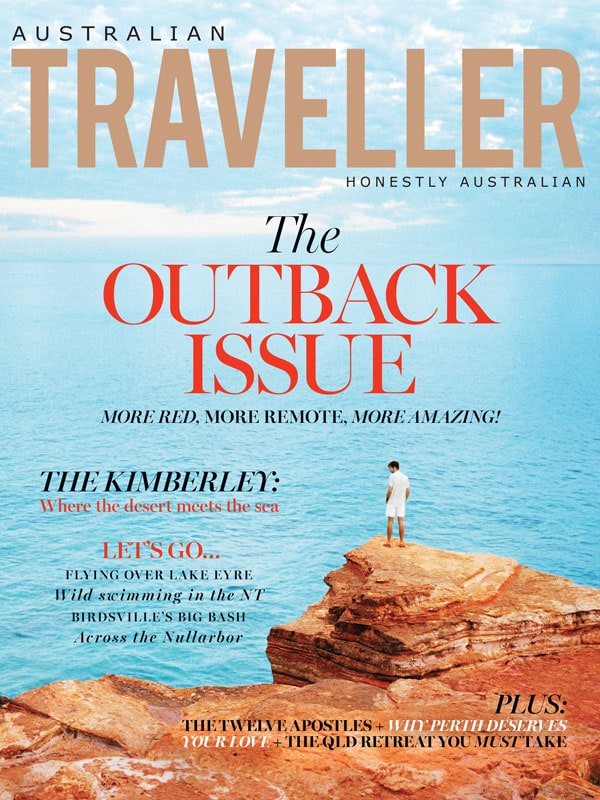
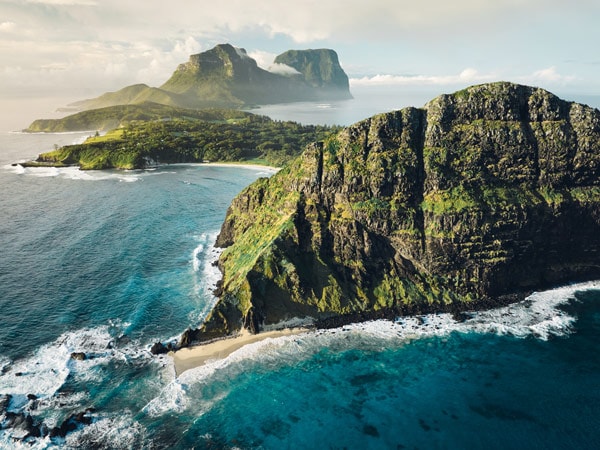
Unbeknownst to me, when I first stepped into the editorship at Australian Traveller, I was thoroughly under-prepared for the task. Not for the role itself, but rather for the breadth and bracingly wild beauty of this country. Initially, I was rather casual about it all (except for the woefully ignorant panic that I wouldn’t be able to fill a whole issue with Australian content alone). Australia? I’ve got this. I know places. I know Australia. But, no. I did not know Australia. For one cannot know Australia until they’ve trudged through a forest-festooned wilderness under persistent Tasmanian precipitation. Eyeballed a latent croc in a waterlily-strewn billabong in the Northern Territory. Or stood on a rust-red cliff and gazed out to the cerulean waters of the Kimberley Coast from Gantheaume Point, WA (as featured on the cover of Issue 67). This cover has a special corner in my heart, because it captures the essence of the country as wild, bold and offering limitless revelations. Cover by cover, issue by issue, I fell deeper in love with this magnanimous land, her people and her endlessly shifting spectrum of colours. I could edit a lifetime’s worth of the magazine and never reach the terminus of inspiration.
Most memorable experience
I felt quite unhinged as I ‘whooped’ at the darkening sky. Glowering Mt Gower was backlit with a deep pink hue and swirling with winged silhouettes, while the company I was keeping enthusiastically bellowed into the sunset like lunatics shouting at the moon. When on Lord Howe Island, you do as the locals do and you ‘whoop’ at dusk to lure down a preternaturally curious providence petrel. I don’t know if it was the balm-like effect of the island itself or the actual whooping, but this incredible moment penetrated my soul and has remained wedged there since. Graceful in flight, but ludicrously ungainly on land, these fat-bodied birds flopped to the ground to see what all the noise was about. Bewildered, they’d lurch into the grasses or just loll where they landed, distractedly pecking a nearby boot. The whole scene was extraordinary: the hulking mountain ebbing into the dusk, the diminishing glimmer of the waves and these insane sea birds dropping from the sky. It was like Angry Birds – just no pigs or catapults. I will never forget it.
Leigh-Ann Pow
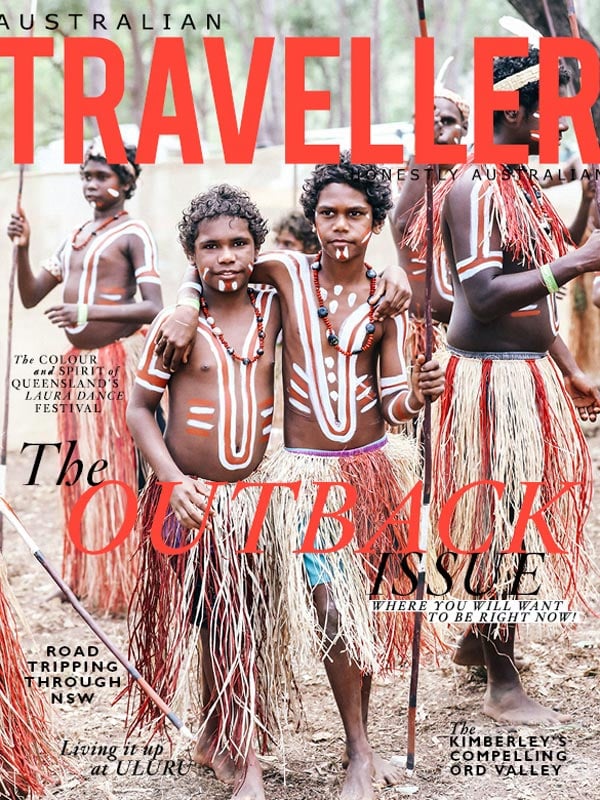
‘The Outback Issue’ in 2018 (Issue 78) is the cover that stands out the most for me. Photographer Elise Hassey’s images of the singular event that is the Laura Quinkan Indigenous Dance Festival (accompanied by a wonderful story by writer Steve Madgwick) were filled with so much joy and beauty they couldn’t be contained within a single story inside the magazine.
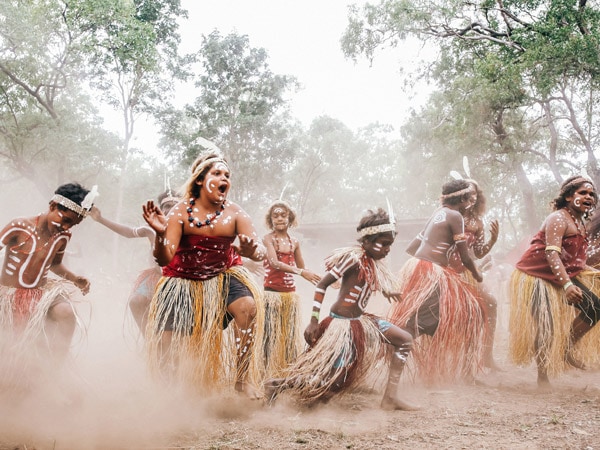
This exuberant celebration of culture by dance troupes from across Cape York and the Torres Strait produced so many breathtaking shots that it was hard to decide which ones were going to make it onto the pages of the story; we really were spoilt for choice. But when it came time to decide which one best encapsulated the pride and spirit of the event – and of the issue as a whole – this one stood out.
Most memorable experience
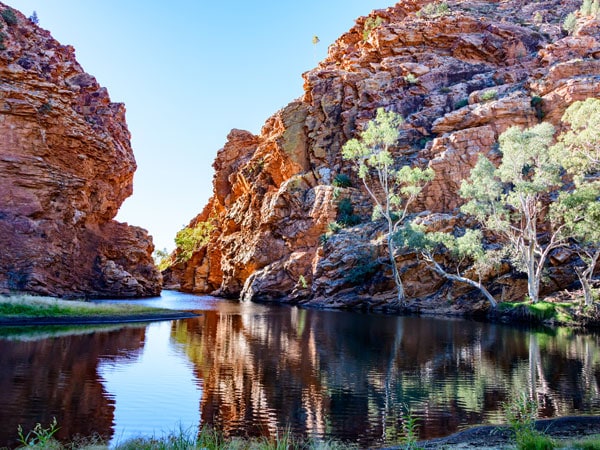
While so many of us make our home at the absolute edges of the country, close to the seemingly infinite waters that surround us on all sides, I never felt more inspired and privileged to be Australian – and the editor of Australian Traveller – than when I was lucky enough to be at its heart. Standing at the base of Uluru humbled by its behemoth form; flying over a vast interior to reach Watarrka/Kings Canyon, which feels like it hovers at the edge of infinity; driving out of Mparntwe/Alice Springs alongside the soaring, undulating heights of Tjoritja/West MacDonnell Ranges for what feels like forever, and, most importantly, hearing firsthand the stories of the First Nations people who have lived and thrived here for millennia. These are the journeys that strengthened my perception of what an honour it is to call Australia home.
A timeline of 100 Australian Traveller covers…
What makes a great Australian Traveller cover? For our 100th edition, we’ve looked through the archives to find all the wild and wonderful ways we like to explore the nation. The magazine’s former editors pick their favourites below. What’s yours?