Travel on a train that does triple duty as a classroom, a fine-dining restaurant and a window into Australia’s soul on an epic journey between the east and west coasts.
The fierce sun beats down mercilessly as a dry wind blows across a near-featureless plain, the heat building until I feel like I’m trapped inside a giant hair dryer. A sheet of loose metal bangs against the verandah of an abandoned school where a thick layer of dust is broken only by the scrawled names of previous visitors.
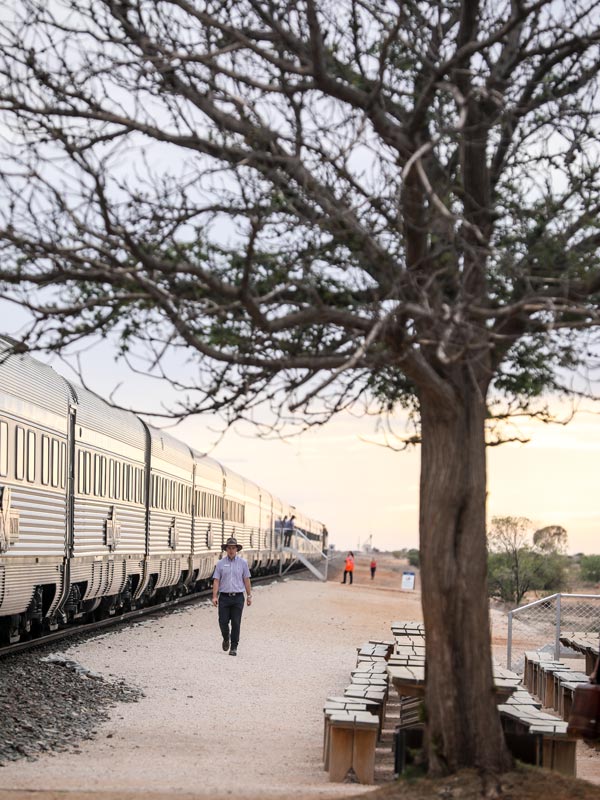
There’s also a metre-wide cube nearby, which is painted with slogans that are drier than the surrounding outback. “Our hospital needs your help – get sick," reads one side. Suddenly, a siren rings out. I look up to see several hundred figures shuffling in the same direction… but this is no zombie apocalypse. Instead, my fellow passengers are being called back to the Indian Pacific and, in a few minutes, I’ll have swapped the oppressive heat for an ice-cold gin and tonic.
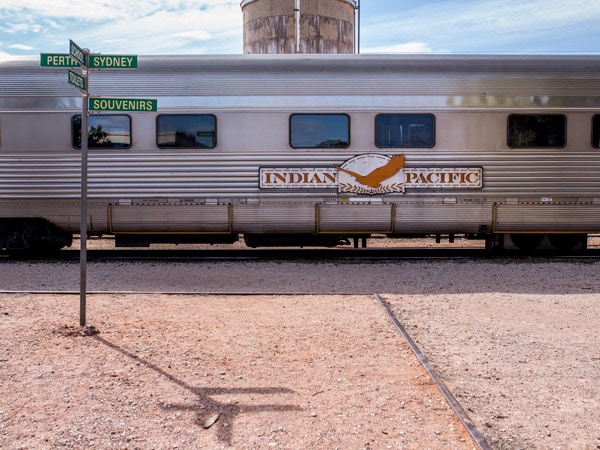
Venturing across the country by train
The abandoned railway town of Cook is one of several stops on a journey that will take us 4352 kilometres across the entire continent of Australia. I’m not sure there’s a single spot along the way that’s flatter or drier, so it seems a fitting memorial for Joseph Cook, our sixth (and ‘most humourless’) prime minister.
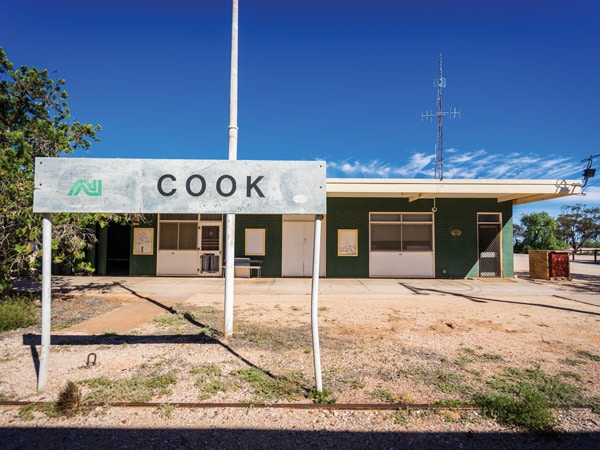
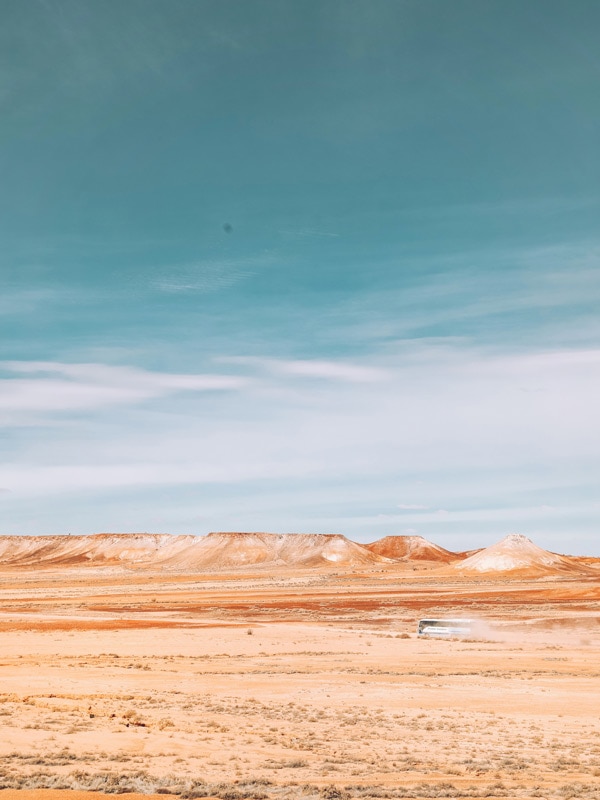
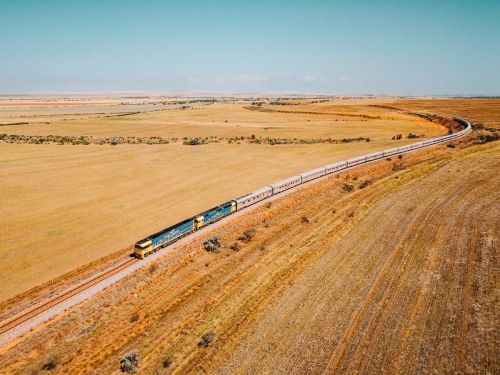
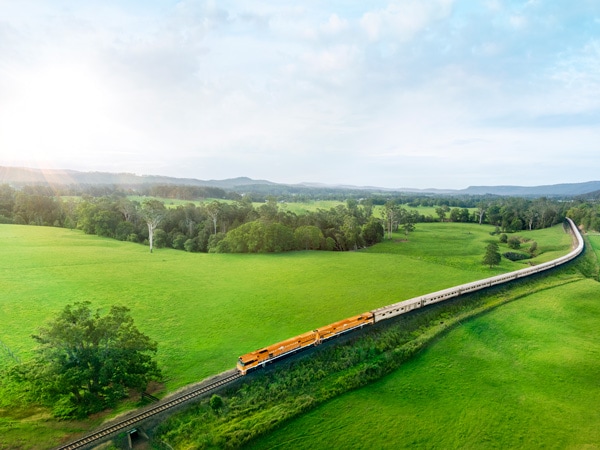
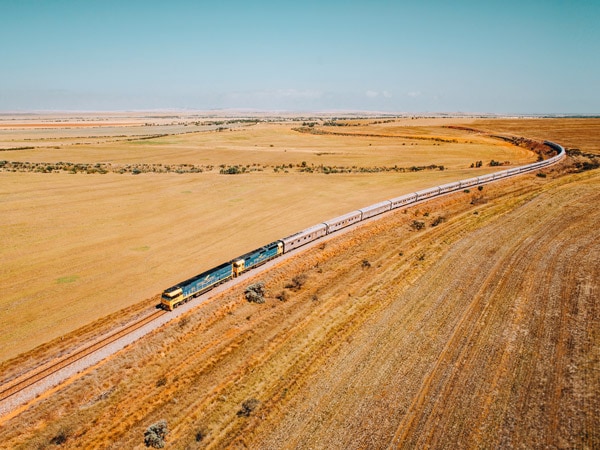
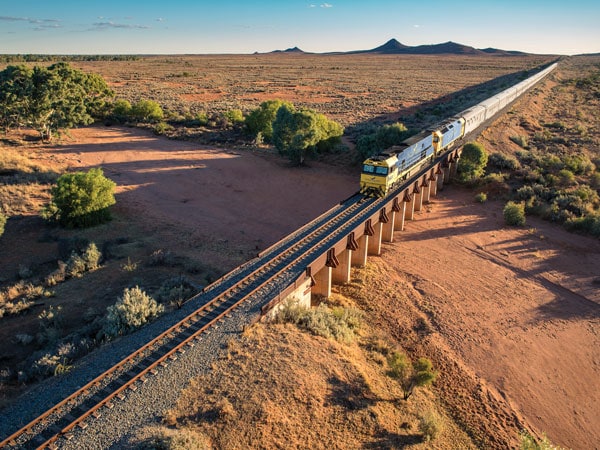
The 808-metre-long train extends past the desiccated buildings in either direction, but the endless plain beyond stretches out to the horizon like a vast ocean of sun-baked orange dirt. Astronaut Andy Thomas could see the gun-barrel-straight train tracks cutting across the Nullarbor like a fine pencil line when he gazed down from Mir space station, and that tenuous link connecting the coasts was one of the key factors that encouraged Western Australia to join the Commonwealth of Australia.
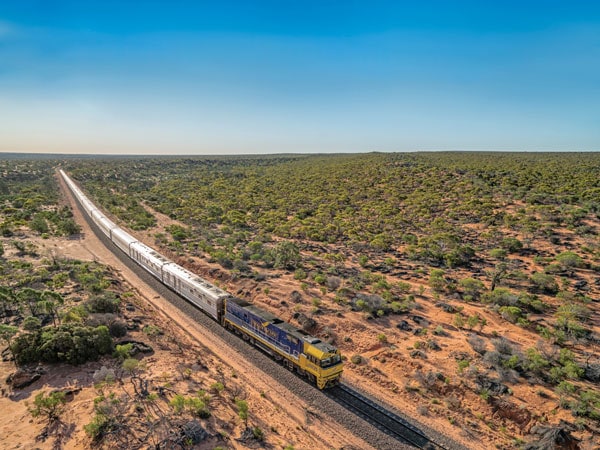
Now, in a world where travel times have contracted and overseas travel feels routine, venturing across the country by train feels like a trip back in time. “My goodness," Frank exclaims, “will you look at that! What a classic Aussie landscape." The garrulous Englishman with a heavy tan and blindingly white teeth is staring out the window, and when I follow his gaze, I have to agree.
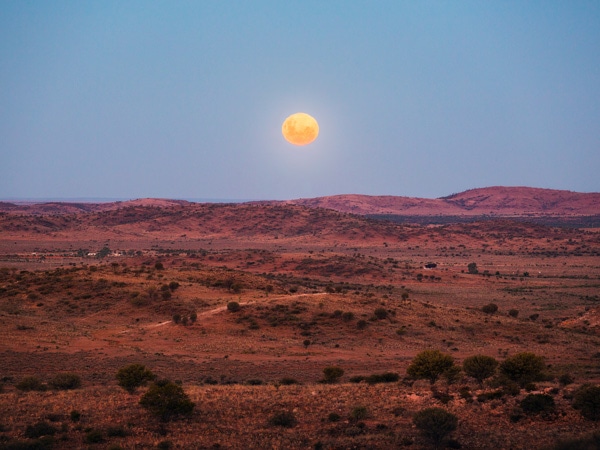
The hard-packed red dirt studded with ankle-high saltbush is as iconically Australian as it is forbidding. But what makes this trip remarkable is that he could have made that comment at just about any moment of our four-day journey.
Day one
With so many things that unite us, it’s easy to forget the sheer variety that exists across this country. But aboard the Indian Pacific, I’m constantly reminded of that rich diversity as we travel from Eora to Whadjuk Country, across the lands of the Wiradjuri, Kaurna, Barngarla, Wirangu and Nyanganyatjara peoples, among many others.
What could be more Australian than pincushions of spinifex stretching out as far as the eye can see and transforming the landscape into a canvas for a giant dot painting flecked with crimson Sturt’s desert peas? Or a vast salt pan holding a pool of water that mirrors the pale blue sky above and makes the horizon disappear entirely?
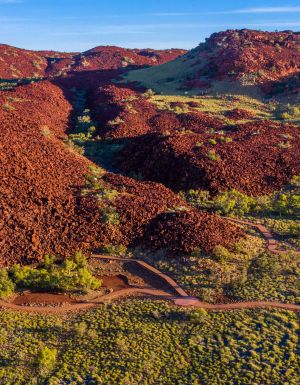
Endless oceans of golden stubble stretch out in every direction across Western Australia’s Wheatbelt, broken only by tired-looking gums that create tiny islands of shade. Further west, a glittering creek cascades over boulders as it winds between the rocky banks of a gum-lined gorge.
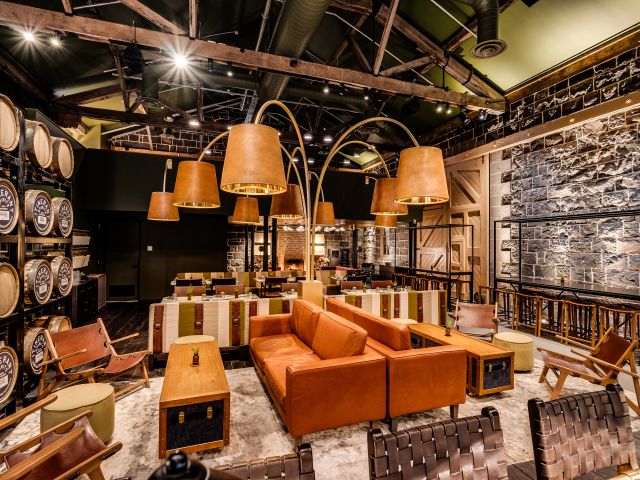
Each scene is unmistakably Australian, and these glimpses of the vast country are enhanced by the fact that I can dip in and out at will. When the surrounding scenery is too quiet for tumbleweed, the Outback Explorer Lounge is a prime spot to crack open a book or get to know my fellow guests.
Day two
By day two, multiple games of Scrabble and cards have broken out and Frank is joined by Paul, a widower whose son has joined him for the ride, and Leon, who is celebrating his Masters degree with a cross-country trip before returning to China.
In the adjoining Queen Adelaide Restaurant car, it’s easy to let a hundred kilometres zip past while lingering over a three-course meal and several glasses of wine. It’s a far cry from the stultifying boredom I felt behind the wheel on a road trip across the Nullarbor.
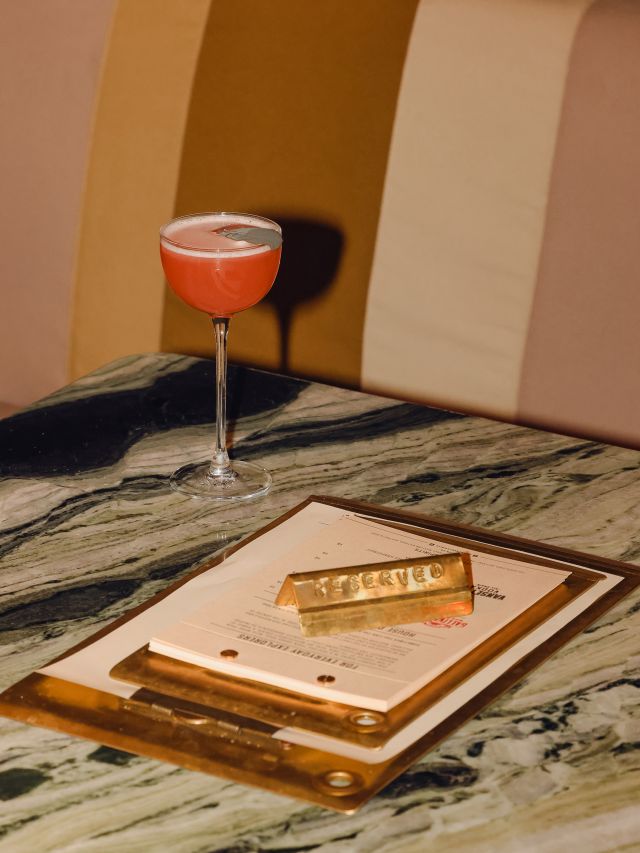
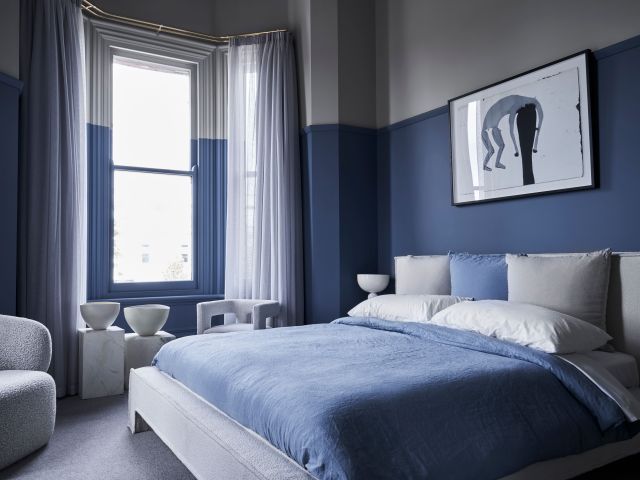
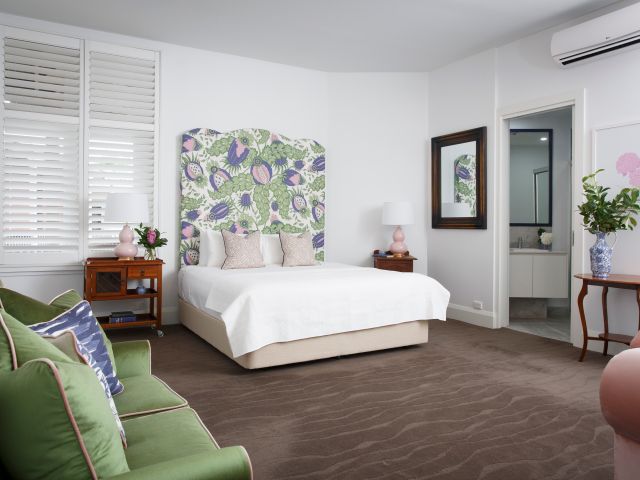
Instead of optimistically checking the radio and deciding how long to keep driving before setting up camp, here my toughest choice is which cabernet sauvignon to go for – Vasse Felix or Black Duck? And when even that decision is too much, I retire to a compact cabin with a bed that disappears each morning during breakfast to reveal a comfortable seat and fold-out desk by the window.
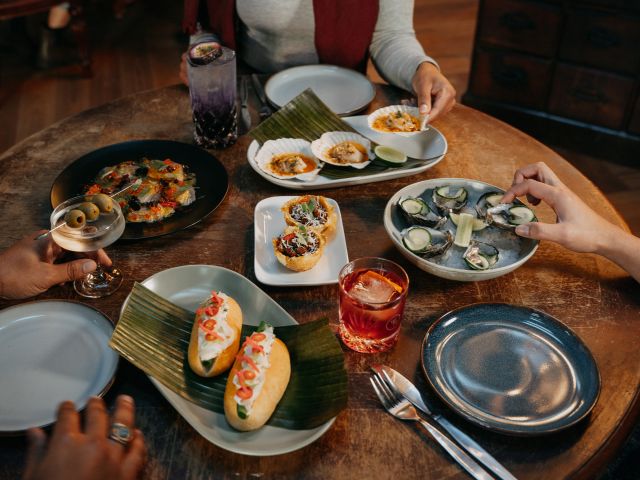
As we head west, the menu slowly evolves to reflect the environments we’re passing through. Grilled Pacific Ocean swordfish steak doused in lemon myrtle sauce gives way to slow-cooked camel curry and Caesar salad with Freo sardines and truffle-spiked aioli. And when the train stops, the bar is raised even further.
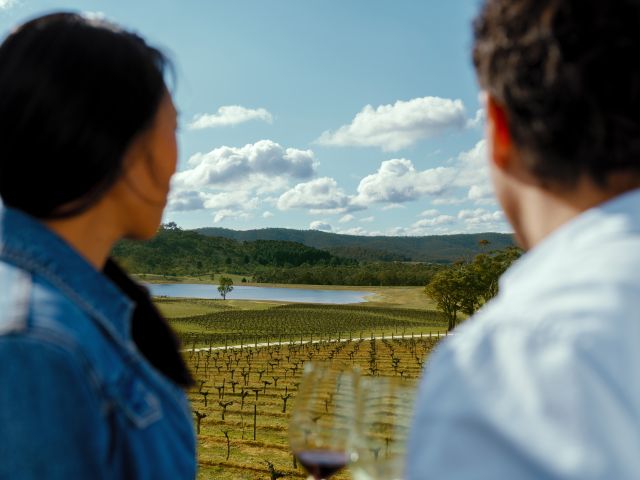
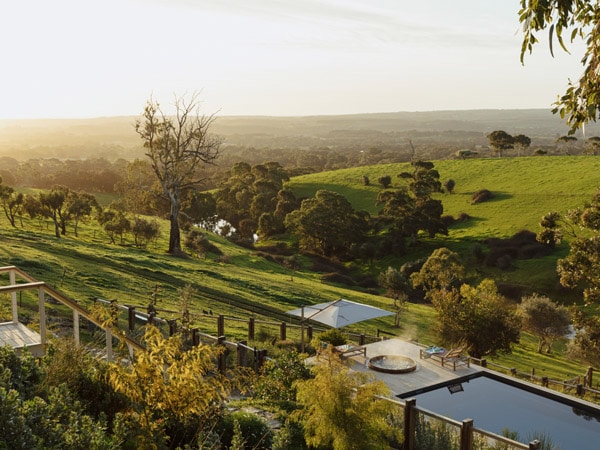
We feast on roast lamb beneath a star-filled sky on the Nullarbor, while the Adelaide stop includes a McLaren Vale excursion where the wine list expands to include juicy negroamaro and montepulciano. Lush vines and olive trees flutter in a gentle sea breeze beside us, and after seeing the landscape flash past at 80 kilometres an hour, it feels as if I’ve stepped into a romantic painting. Even better is to follow, as we take a coach down to Port Willunga for dinner.
Day three
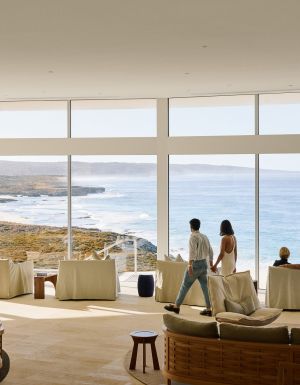
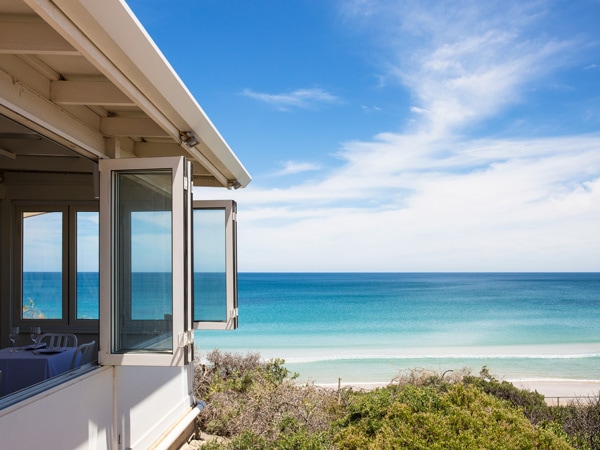
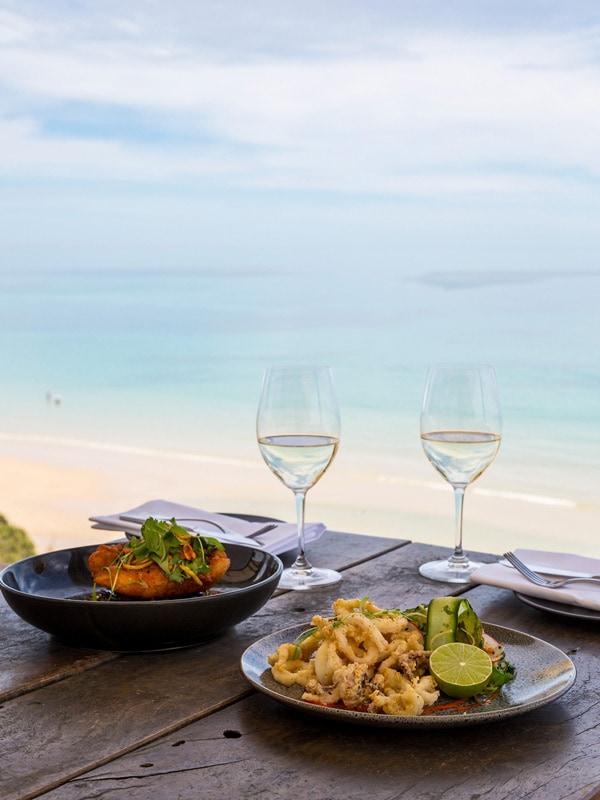
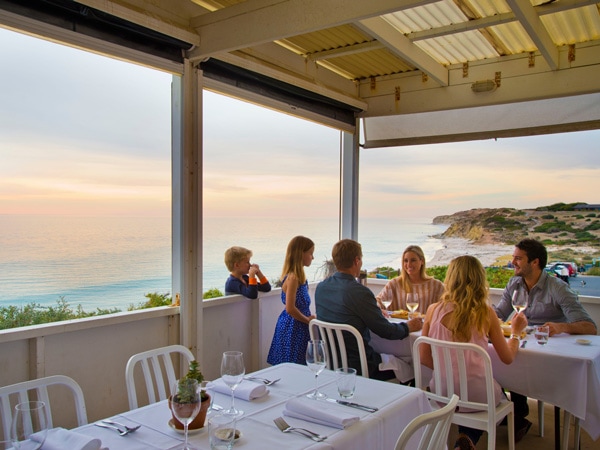
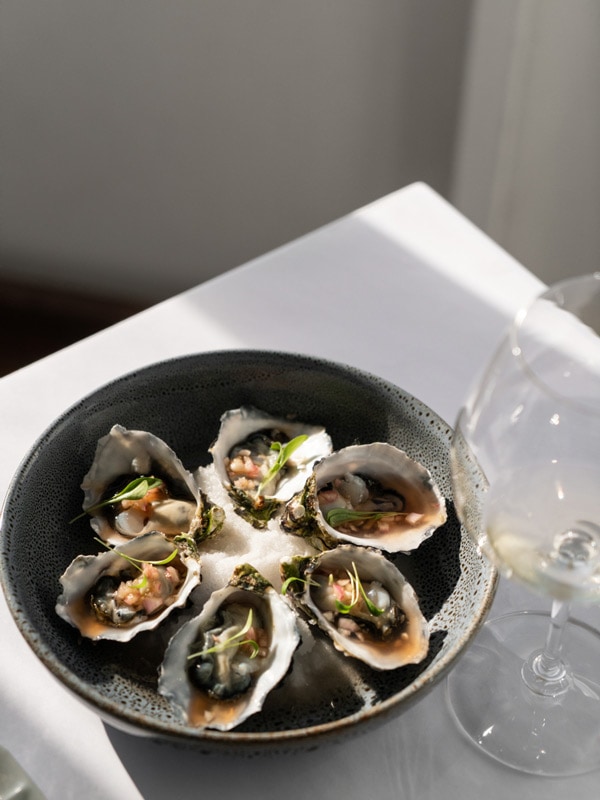
Rocky fingers of limestone glow in the evening sun and turquoise waters lap at the skeleton of a ruined jetty below the clifftop Star of Greece restaurant . A zephyr of breeze wafts in through the open windows while the sun slowly dips towards the horizon, leaving a blazing apricot trail as we tuck into crispy salt and Szechuan pepper squid and sweet sugar and gin-cured ocean trout with shiso leaf.
And every time we hop back onboard, there’s a buzzing school camp atmosphere – with the added excitement of an open bar. Some passengers stick dutifully to their shiraz while others work their way methodically through the wine list as a small party breaks out in the bar carriage each evening. During a particularly rowdy session, our bartender Daniel introduces one octogenarian to espresso martinis.
While we eat, sleep and play, the gleaming silver snake carries us inexorably west over days that are as spread out as the landscapes it’s passing through. And in fact, they are longer than usual; chasing the sun for four days means that by the time we reach Perth, we’ve gained three hours on our east coast counterparts.
Day four
After such a leisurely trip, it’s a mild shock to return to an environment shaped by the straight lines of fences on day four. First hills, then paved roads and finally houses begin appearing with regularity, and the knowledge that the trip is ending soon begins to sink in.
Reflecting on the past four days, it quickly becomes apparent that everyone onboard has had their expectation of Australia confounded in some way. “I was expecting more sand," says Gab, a young nanny from western Queensland, while Peter from Bournemouth didn’t realise it was so flat. “And I had no idea that Adelaide faced west until our sunset dinner," adds Suzie.
For me, it’s been a timely reminder of just how varied this wide, brown land is. But as we disembark and say our goodbyes within spitting distance of the Swan River, I can’t help feeling like my cross-country journey won’t be complete until I see the Indian Ocean.
The suburban train I board next has a markedly different feel – the espresso martinis have disappeared and the passengers have swapped Scrabble boards for smartphones. It means I’m the only one looking out at a line of Norfolk pines silhouetted against the slowly setting sun, and I can’t help but wonder how many views like this I’ve missed on my own commute home.
Minutes later, I’m breathing in salt-laden air and watching the sun dip below the horizon at Bathers Beach in Fremantle. Saffron and crimson threads streak across the sky as several young women jump about in the water and seagulls eye a nearby family’s feast of fish and chips. What a classic Aussie scene, I think to myself. And it’s just one of dozens I’ve glimpsed on my journey across a truly lucky country.
More Journey Beyond train trips
The Indian Pacific has been travelling between Sydney and Perth since 1970, while The Ghan was extended to Darwin in 2004 and crosses Australia from north to south during the dry season.
In 2019, Australia’s newest iconic train journey launched and the Great Southern now travels 2885 kilometres between Adelaide and Brisbane via The Grampians, Canberra and Coffs Harbour.
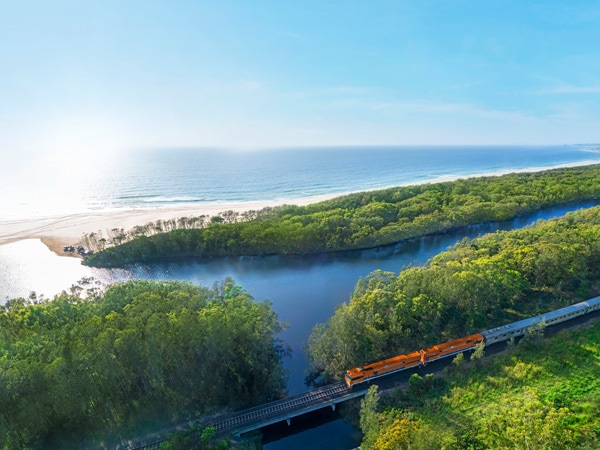
Upping the ante on its rail roster, Journey Beyond offers holiday packages, too. Bookings for its 2024 season are open now for sojourns such as Scenic Sip & Sail , which sees passengers alight the Indian Pacific to spend a day on Rottnest Island and take a seaplane to the Margaret River region for wine tastings and exploration.
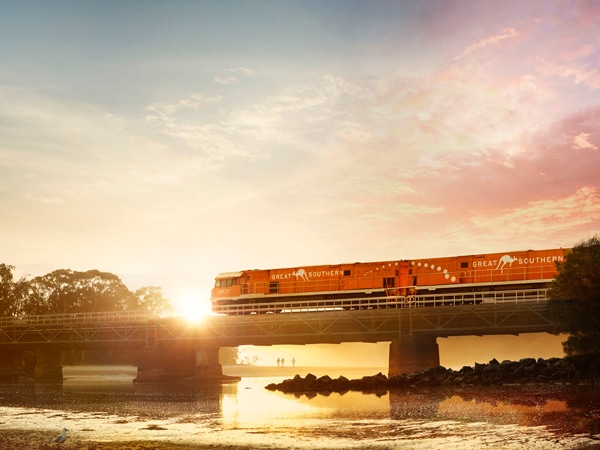
Its 15-day Ultimate Territory Tour includes a trip aboard The Ghan with extended touring to Uluru-Kata Tjuta, Kakadu and Litchfield national parks. The Adelaide Delight tour is another highlight, pairing the Great Southern with extra gastronomy excursions.