The 12 best winter escapes in Australia: from beaches to mountains

hero media
Hike through a forest doused in fresh powdery snow, visit a towering waterfall only accessible on foot in the dry, and idle on a 22-kilometre-long beach in temperatures close to 30°C with these winter escapes.

To many, both at home and abroad, Australia conjures images of infinite summer; of a sun-scorched interior and a balmy, pristine coastline fringed by primeval rainforest. While both are deservedly hallmarks, there is, of course, plenty more to this continent than the heat (or beaches) with which it’s become synonymous. From snowy mountainscapes to deserted island beaches, and arid bushland freckled with swimming holes only accessible in the dry, these winter escapes will have you second-guessing which is the best season to head off on a jaunt.

Discover the beaches

In spite of winter’s cool breath, Australia’s beaches still beckon – if you know where to look. And with next to no jellies, fewer crowds, and some comfortably warm weather up north, dare we say that winter may actually be the better season to throw on your swimmers and make for the coast?

1. Hyams Beach, NSW

This lengthy, bone-white stretch of sand needs little introduction. Come summer, it can be tough to carve out a small parcel of beach to call your own, let alone snare a car park. But in winter, this beach is almost unrecognisable thanks to the dearth of holidaymakers. We propose rocking up early with a coffee in hand and a breakfast picnic, to idle in the serenity and listen to the sound of the sleepy waves lapping inches from your toes.
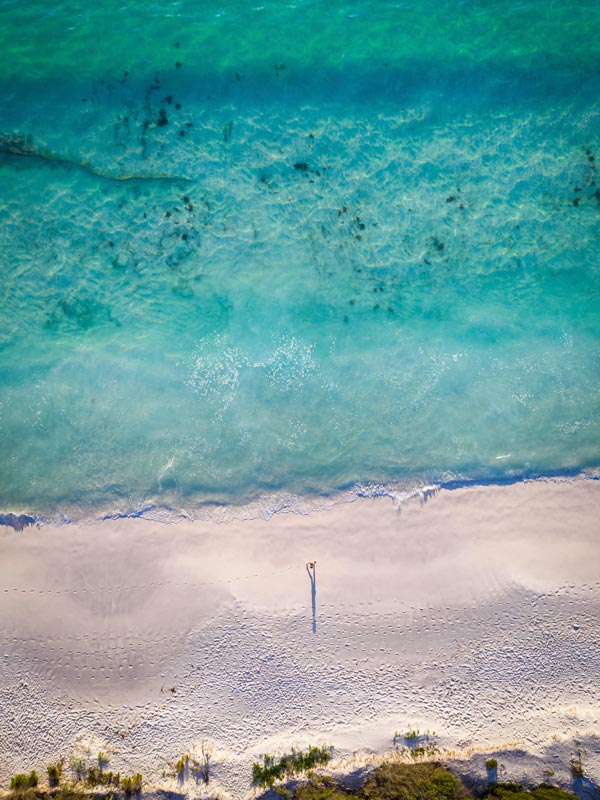
Aerial shot of someone walking on Hyams Beach in NSW
In winter you’ll have Hyams Beach (almost) to yourself. (Image: Filippo Rivetti)

2. Whitehaven Beach, QLD

The Whitsundays is not an area shy of impressive littoral landscapes, but Whitehaven Beach is arguably the jewel in the region’s crown. A dreamy seven-kilometre long slice of coastline, marbled with chalky sandbars and neon turquoise waters, it’s understandably busy year-round. Visit between June and November, however, and you can avoid peak stinger season as well as the sticky heat and frequent showers that occur in summer in Tropical North Queensland. Not only that, but the average water temperature in winter is still a highly agreeable 22.4°C.
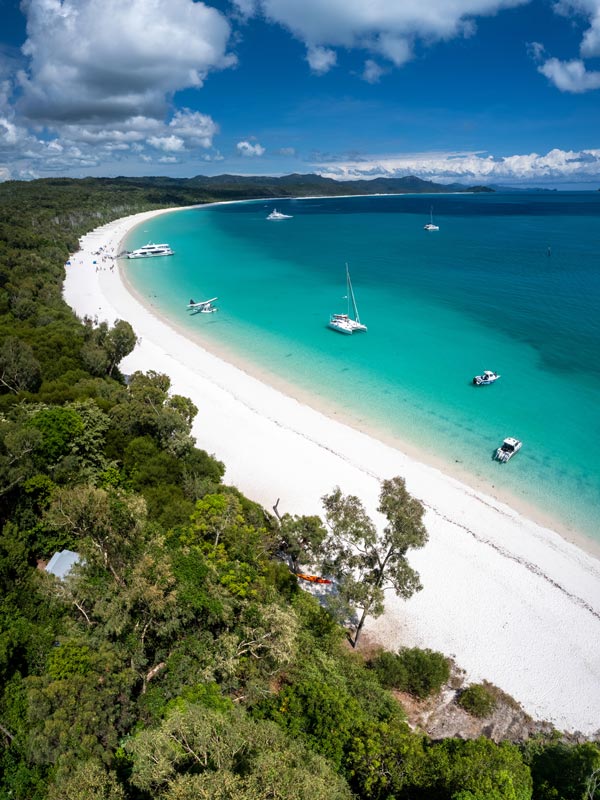
Drone shot of Whitehaven Beach in th Whitsundays in Queensland
Whitehaven Beach in the winter means you’ll avoid peak stinger season. (Image: Tourism and Events Queensland and Mark Fitz)

3. Cable Beach, Broome, WA

Winter, but not as Southern Australians know it: Broome averages highs of around 29°C in June, July and August, making it the perfect spot for a winter sun getaway. And visiting between May and October also means you’ll avoid the jellies and the tropical downpours.

Time your visit right, and you can even witness the natural phenomenon ‘Staircase to the Moon ’, which occurs between March and October when a full moon rises over the exposed tidal flats of Roebuck Bay.
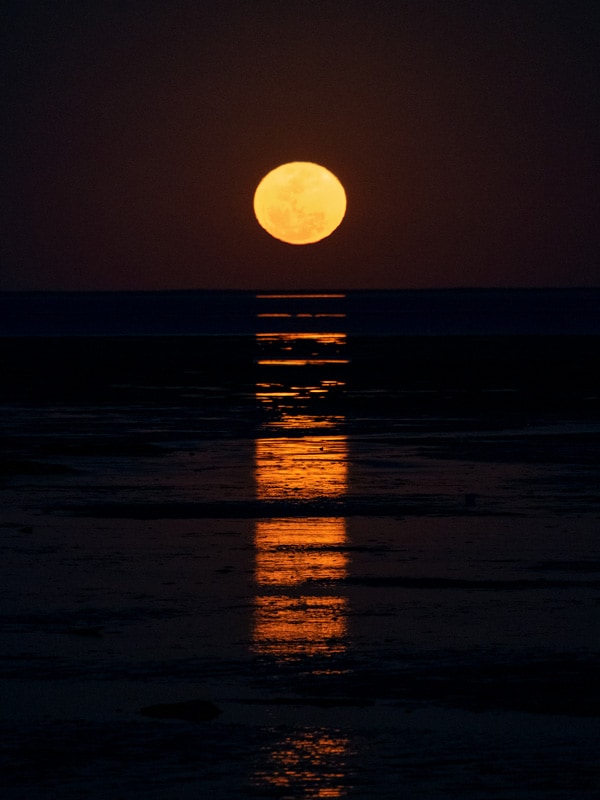
Staircase to the Moon in Broome, Western Australia
Time your visit to see the Staircase to the Moon. (Image: Charlotte and James Maddock)

4. Almonta Beach, SA

South Australia’s Almonta Beach, located within the Coffin Bay National Park, is as pristine as they come. Despite being accessible by 2WD, and just a short walk through sand dunes, you’ll often find this coastal paradise nigh on deserted; that is, save for the pods of dolphins that routinely patrol the waters and the mobs of kangaroos that bound along the beach’s perimeter.

Moreover, you’re only a short drive from another of the state’s most famed crescents of sand: Coffin Bay. The trump card here, however, is not the sea’s hue, or the softness of the sand, but rather the world-class oyster farms. And come winter, you can enjoy Pacific and Angasi oysters plucked and shucked fresh from the water you’re standing in when they’re at their absolute prime (anywhere from April to early December).
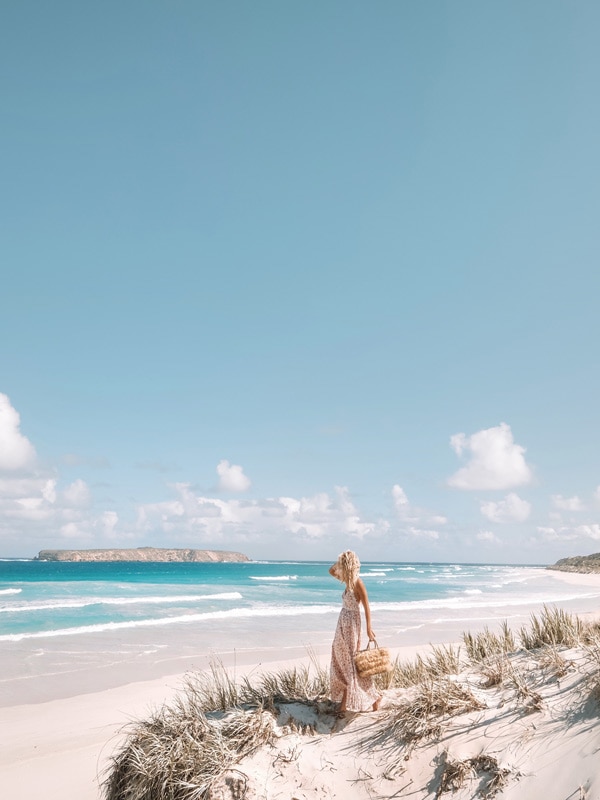
Woman standing on Almonta Beach in South Australia
Almonta Beach is as pristine as they come. (Image: South Australian Tourism Commission and Elise Cook)

Visit the snow-capped mountains

Australia’s snow-capped mountains mightn’t be as well-known as those that grace neighbouring NZ , but that’s not to say there isn’t plenty of dramatic winter beauty to be found right here under our noses. There’s a surprising amount of choice too: pick from 16 ski resorts across New South Wales, Victoria, and Tassie, each with its own unique features.

5. Thredbo, NSW

Home to Australia’s longest ski runs, highest restaurant and highest ‘lifted’ point (where you can even ring a community bell to mark your arrival) Thredbo has some superlative features. The NSW town is also among the country’s most bustling and picturesque, taking its cues from Europe’s mountain resorts, with plenty of apres options on offer.

Yet families will find Thredbo equally accommodating: watch on as your little ones learn to snowplough at the local ski school, demolish a deluxe house hot chocolate on the sun-licked deck at Merritts Mountain House, splash around in the resort’s leisure centre pool, and watch on as fireworks dance across the sky during the weekly winter display.
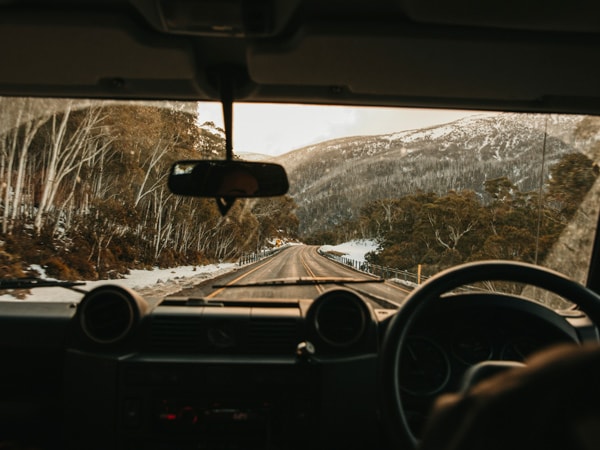
Driving in Thredbo with the snow covered mountains around.
Thredbo takes its cues from Europe’s mountain resorts. (Image: Destination NSW)

6. Perisher, NSW

A behemoth, Perisher is not just the largest ski resort in Australia, but the biggest in the entire Southern Hemisphere. There are more than 1,245 skiable hectares to tackle here, (which, by the way, is more than double the area offered by its closest competitor, Thredbo) with a web of 110 trails spinning down from the top of the eponymous mountain. And if, miraculously, it feels as though you’ve exhausted every last run then take to the toboggan park, or go snow tubing instead.
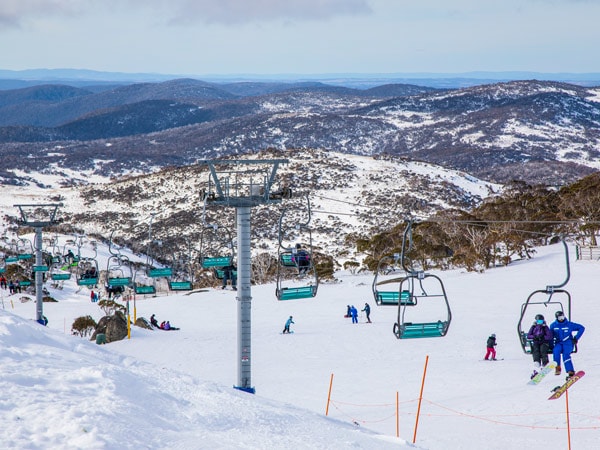
Chair lift at Blue Cow Perisher in New South Wales
Perisher is the largest ski resort in the entire Southern Hemisphere. (Image: Destination NSW)

7. Falls Creek, Vic

Two aspects set Falls Creek apart from the rest of the competition: its sizable cross-country terrain (more than 64 kilometres of groomed cross-country trails) and its ski village, which is pedestrian-only, meaning that all the accommodation, dining, day spas and on-piste activities are ski-in/ski-out. As dusk falls and lights flicker on, wander around the snowy streets, and duck into one of the cosy bars for a cocktail; come sunrise, be the first to hit the untouched off-piste cross-country trails in the Alpine National Park, and lap up the tranquillity as the first golden light peeps over the mountaintop.
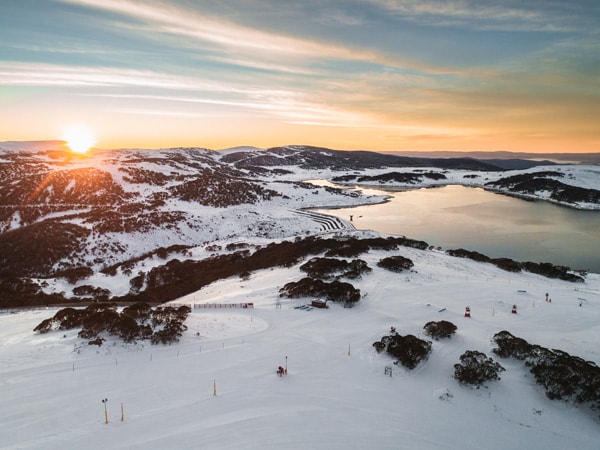
Drone shot of Falls Creek at sunrise
All the Falls Creek accommodation, dining, day spas and on-piste activities are ski-in/ski-out. (Image: Jezzalanko Creative)

8. Mount Hotham, Vic

Laughing in the face of tradition, Mount Hotham village lies at the top of the mountain, promising visitors panoramic views of a landscape blanketed in snow. And many of the local accommodation offerings have capitalised on this feature, offering their guests bedrooms and living spaces with floor-to-ceiling windows: perfect for watching the sun sink over the crumpled mountains before you, a glass or red in hand, and a log fire crackling in the background.
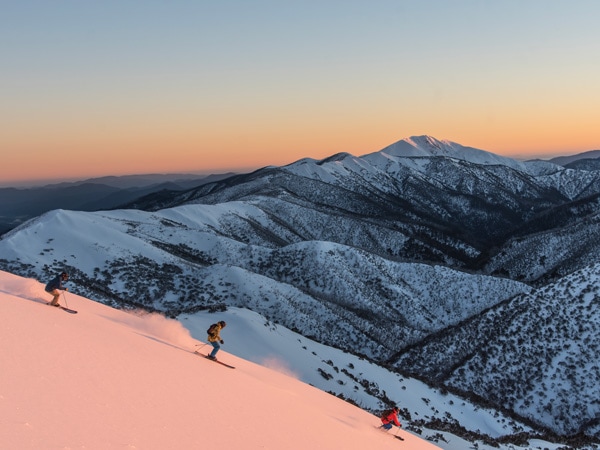
Skiers heading down slopes at Mount Hotham in Victoria
Mount Hotham promises visitors incredible panoramic views.

Explore the National Parks

Encompassing some of the country’s most iconic sights, and showcasing the diversity that this continent has to offer, Australia’s national parks are a failsafe for rewarding holidays in nature. And while many are year-round destinations, a select few come into their prime when cooler climes fall.

9. Uluru-Kata Tjuta National Park, NT

Uluṟu-Kata Tjuṯa National Park is a wonder to behold at any time of year. But winter and spring promise tolerable heat (between 20°C and 30°C) and minimal flies, making it easily the best time to visit. Journey here in the early morning and enter an otherworldly landscape, where mists (kulyar-kulyarpa) may have descended, and morning frosts (nyinnga) have taken hold of the hardy local flora. The Anangu people know the season from late May to July as ‘Wari’.
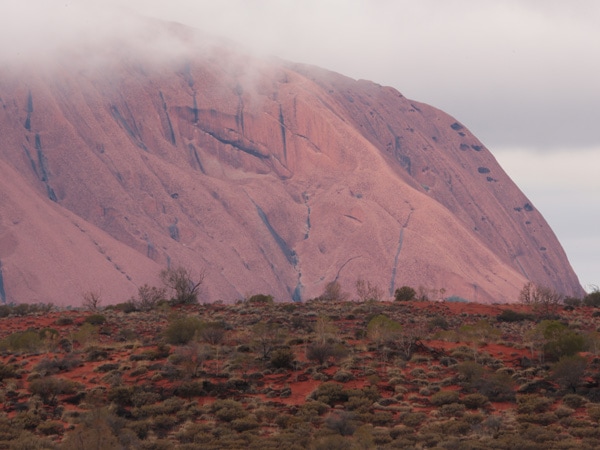
Rain clouds over Uluru
An Uluru winter will bring mists (kulyar-kulyarpa) and morning frosts (nyinnga). (Image: Tourism NT and Tourism Central Australia)

10. Kakadu National Park, NT

The largest national park in Australia, Kakadu covers almost 20,000 square kilometres, making it larger in size than Fiji. It’s said to house the greatest variety of ecosystems on the continent, featuring savanna woodlands, open forest, floodplains, mangroves, tidal mudflats and coastal areas. But many of the park’s most enticing attractions, such as hikes to billabongs and towering waterfalls, guided walks through Kakadu’s Aboriginal rock art galleries, and cooling dips in the park’s croc-free swimming holes, are only accessible in the dry (between May and October).
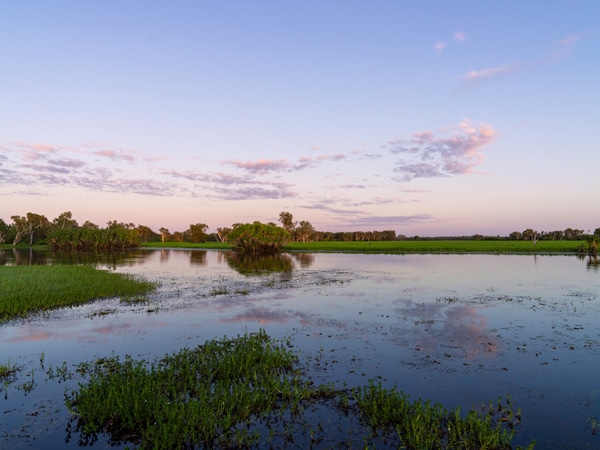
Yellow Water Cruise Kakadu
Kakadu is more accessible in the dry season. (Image: Tourism NT and Tourism Australia)

11. Dirk Hartog Island National Park, WA

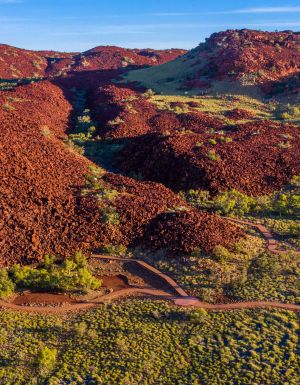
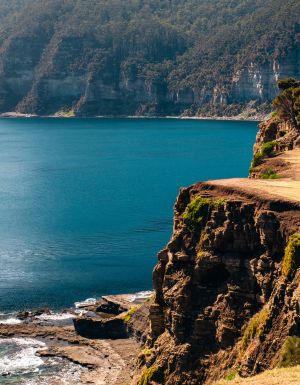
Accessible via a barge that operates solely between March and November, Dirk Hartog is a remote destination awash with dramatic natural beauty that’s an adventurer’s paradise. Think lofty limestone cliffs smashed by untamed ocean swells; crystalline waters teeming with bottlenose dolphins, humpback whales, manta rays, dugongs and turtles; and an arid scrub interior scattered with sand dunes and vivid pink salt lakes.
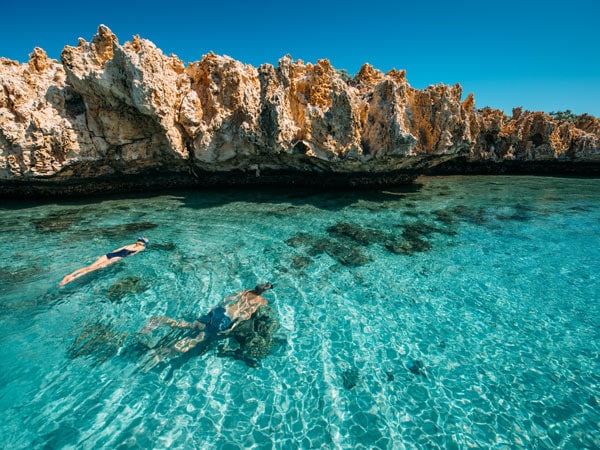
People snorkelling in Dirk Hartog Island National Park
You can only access Dirk Hartog between March and November. (Image: Tourism Western Australia)

12. Cradle Mountain-Lake St Clair National Park, Tas

Winter in Tassie? The prospect may alarm some, but the Apple Isle possesses a surprisingly hearty share of wintry attractions. Beyond the obvious (Dark Mofo , Willie Smith’s Mid-Winter Fest , Tasmanian Whisky Week ) the island state also offers the chance to spy Aurora Australis (the Southern Lights) fleeting through the steely night skies, and to wander through snow-dusted scenery. And Cradle Mountain-Lake St Clair National Park offers an opportunity to do both, as well as dabble in snowshoeing or even tackle the Overland Track. You’ll encounter quiet trails, frozen lakes and mossy forests anointed with frost.
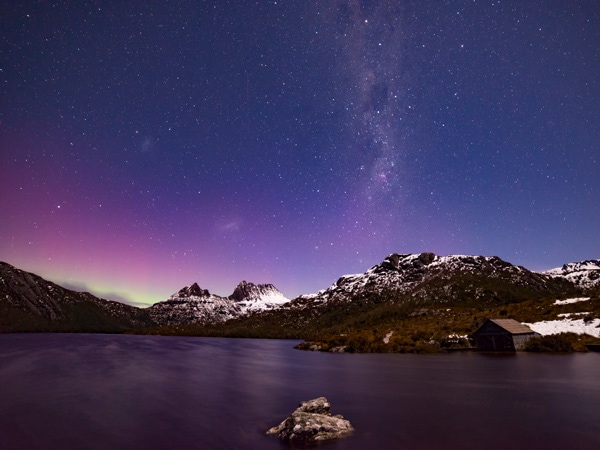
Southern Lights at Cradle Mountain-Lake St Clair National Park in Tasmania
Spot the Southern Lights at Cradle Mountain-Lake St Clair National Park. (Image: Pierre Destribats)
Chloe Cann
Chloe Cann is an award-winning freelance travel and food writer, born in England, based in Melbourne and Roman by adoption. Since honing her skills at City St George's, University of London with a master's degree in journalism, she's been writing almost exclusively about travel for more than a decade, and has worked in-house at newspapers and travel magazines in London, Phnom Penh, Sydney and Melbourne. Through a mixture of work and pleasure, she's been fortunate enough to visit 80 countries to date, though there are many more that she is itching to reach. While the strength of a region's food scene tends to dictate the location of her next trip, she can be equally swayed by the promise of interesting landscapes and offbeat experiences. And with a small person now in tow, travel looks a little different these days, but it remains at the front of her mind.
See all articles
hero media

Where to eat, sleep and visit on Grand Pacific Drive, and beyond

The ultimate road trip begins and ends on NSW’s stunning Grand Pacific Drive.

Whales, charming villages, fine wine and stunning natural vistas: there’s a lot to love about a road trip along the Grand Pacific Drive in New South Wales. Winding from the Royal National Park through Wollongong, Shellharbour, Kiama and Shoalhaven before heading inland to the Southern Highlands, this scenic drive makes for an unforgettable road trip.

But like all great road trips, it’s not just about the drive but the stops made along the way. From incredible farm-to-plate (and grape-to-glass) dining options to unbeatable natural vistas and quaint towns with beautiful accommodation, there’s plenty to explore en route.

Shellharbour Marina
Spend time in Shellharbour Marina.

Where to eat

What is a road trip without incredible food? Whether you’re after fresh seafood, slow-cooked paddock-to-plate feasts or delicious wines, you’ll find something around every bend along Grand Pacific Drive.

Restaurant Santino is a local Wollongong secret we can’t keep quiet any longer. With a fresh take on Italian cuisine, servings are hearty and flavours are comforting. The chitarra with blue swimmer crab, garlic, chilli, parsley and crustacean oil is a crowd favourite.

Keep it local in Shellharbour with a menu all about fresh local produce at Relish on Addison . From South Coast oysters and blue swimmer crab linguine to crispy pork belly, surf and turf takes on an elevated meaning here.

Kiama’s neighbourhood wine and cocktail bar, Little Betty’s , is just as good for a tasty share plate as it is for creative cocktails. The signature Grilled Octopus with burnt honey, garlic confit and sautéed Asian greens is worth a trip on its own.

Only the best will do in Shoalhaven, where multi-award-winning Bangalay Dining uses native Australian ingredients to bring its dishes to life. Start with the Smoked trout croquette before moving on to the sautéed potato gnocchi. Don’t forget the white chocolate mousse for dessert.

Meanwhile, the Southern Highlands are full of culinary highlights. From dining on incredibly fresh, local fare (we’re talking ingredients plucked from the team’s on-site kitchen garden or sourced through local producers) at Eschalot Restaurant in Berrima to creating gin blends at Millsheds Distillery .

bangalay dining shoalhaven
Taste native flavours at Bangalay Dining.

Exploring nature

Scenery is everything when hitting the road, and Grand Pacific Drive serves it up in spades. Drivers don’t even have to leave the car to enjoy the iconic ocean views from Seacliff Bridge (but several lookouts make it easy to stop).

Seaside Kiama boasts stunning beaches and famous blowholes. But travellers can also swap ocean for rainforest when taking the Minnamurra Rainforest walk, culminating in a picturesque waterfall. Or soar overhead at Illawarra Fly Treetop Adventures .

The scenic coastal drive along Sea Cliff Bridge, Clifton.
Cruise along the stunning Grand Pacific Drive.

Between May and November, 30,000 whales make their way passed the South Coast between May and November. Spot them from the coastal shores or join a whale-watching cruise from Shellharbour Marina or Jervis Bay. Dive in with Woebegone Freedive .

Shellharbour’s Killalea Regional Park is home to a traditional bush tucker and medicine walk with Aboriginal tour group, Gumaraa . Learn Indigenous healing practices and gain a deeper appreciation for the rich heritage and wisdom of the land’s Traditional Owners.

Wollongong is the perfect place for hikers, with the 6.5-kilometre Wodi Wodi track serving up views, settler history and a variety of landscapes in one loop. If you prefer, skip the walk and pull up at Bald Hill Lookout for expansive views south towards Wollongong (and a hang-glider or two).

For something truly unique, join the Highland Cow experience at The Swallow’s Nest in the Southern Highlands. In a brand-new offering, get a taste of farm life and help groom and feed these gorgeous creatures.

kiama coast walk people with dog
Wander the Kiama Coast Walk.

Unique experiences

No need to choose between an adrenaline rush or a culture fix, Grand Pacific Drive serves up both.

Soar into aviation history at Shellharbour’s HARS Aviation Museum .  Tour the museum, then join a guided walk onto the wing of the record-breaking Qantas Boeing 747 and see the significant historic aircraft up close.

If ever there was a place to skydive, it’s in Wollongong. Dive from 15,000 feet (tandem, of course) with Sky Dive Wollongong and see the coastal beauty of this region from above.

Shoalhaven’s Bundanon Art Museum has to be one of the most unique offerings in the country. The legacy of artist Arthur Boyd and more than just a gallery, find eco-accommodation, fine dining, award-winning architecture and community here.

Kiama’s Crooked River Estate is about more than just delicious wine.  Grab a picnic blanket and enjoy casual food and drinks with live music at Kick Back Fridays , every week.

Between June and August, the Southern Highlands’ Robertson attracts novice truffle hunters. Join the hunt at family-owned and operated Robertson Truffles (alternatively, you can order truffle treats online, if your sense of adventure isn’t up for it).

Freshly dug truffles at Terra Preta Truffles, Braidwood.
Discover hidden gems beneath the soil in the Southern Highlands. (Image: Destination NSW)

Where to stay

Road trips are the ultimate promotion for slow travel, encouraging visitors to take their time, enjoy the journey and stop along the way to really immerse themselves in local towns.

Find history and elegance at Berida Hotel in the Southern Highlands. Intimately set amongst gardens, but still close to the main street of Bowral, this 1920s private residence turned boutique hotel is the perfect stay.

Stay in one of Barranca’s private villas with views of rolling farmland overlooking the dramatic escarpment at Kangaroo Valley or be surrounded by native bushland (a short walk from the beach) in Jervis Bay.

Speaking of beachside escapes, Headlands Hotel Austinmer Beach delivers unrivalled access to Wollongong’s beaches. These serviced apartments enjoy coastal views from spacious balconies.

For something completely different again, check in at Cicada Luxury Camping . Stay in safari-style or large bell tents, each with a private fire pit and top-notch kitchen facilities. Outside, enjoy spectacular countryside views.

Cicada Luxury Camping
Unwind at Cicada Luxury Camping. (Image: DNSW)

Discover more and plan your ultimate road trip along the Grand Pacific Drive and beyond at grandpacificdrive.com.au/grand.