The only Alice to Uluṟu itinerary you’ll ever need

hero media
From the heart of the Red Centre to an Australian icon, Alice Springs to Uluṟu makes an epic road trip. Here’s everything you’ll ever need to know about doing it.

Alice Springs

Red earth, sunshine and quirky characters make Alice Springs a great place to launch an outback road trip.

Sitting at the epicentre of the Explorers Way (a 3000-kilometre route from Adelaide to Darwin), Alice Springs – simply ‘Alice’ to locals – is a popular base for visitors looking to explore the Northern Territory’s outback.
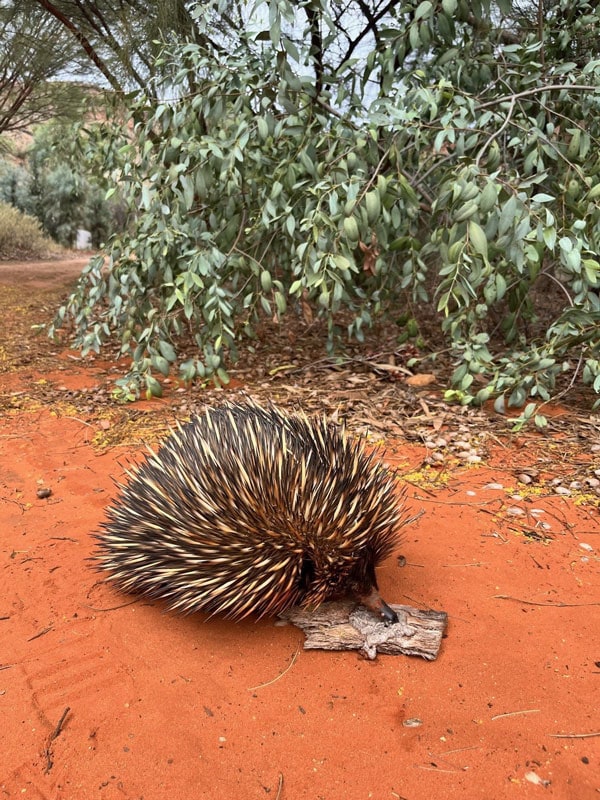
an echidna at Alice Springs Desert Park
See wildlife at Alice Springs Desert Park. (Image: Tourism NT)

There’s plenty to do in the outback town. Bird shows at Alice Springs Desert Park and venomous snakes at Alice Springs Reptile Centre wow animal lovers. History buffs can whittle away hours checking out historic sites such as the National Pioneer Women’s Hall of Fame or the Alice Springs Telegraph Station, where Europeans first settled in town. Throw in sunset atop ANZAC Hill, and you’ll be itching to see more of the Red Centre. Here’s where to head to soak in the very best of the region.

MacDonnell Ranges

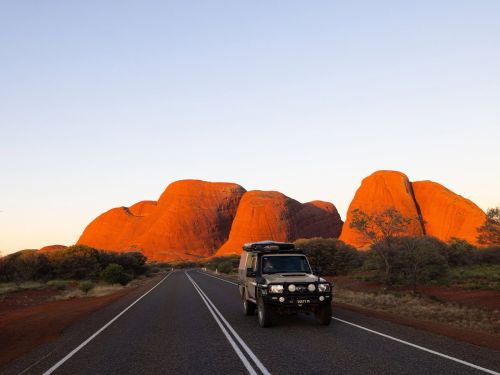
You can easily get from Alice to Uluru in 5.5 hours along the sealed Stuart and Lasseter highways, but where’s the fun in that? Instead, head into the MacDonnell Ranges for an outback adventure bound to leave a lasting impression. The ranges are split in two – Tjoritja/West MacDonnell ranges and the East Macs – and both are impressive.
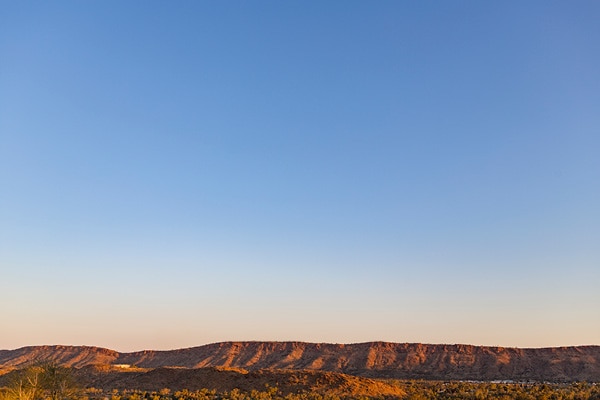
MacDonnell Ranges
The MacDonnell Ranges are an outback adventure bound to leave a lasting impression.

Tjoritja/The West MacDonnell Ranges

The better known of the two, The West MacDonnell Ranges stretch 200 kilometres and are etched with gorges, chasms and dry creek beds. They can be reached by following the Red Centre Way (an 1135-kilometre loop from Alice).
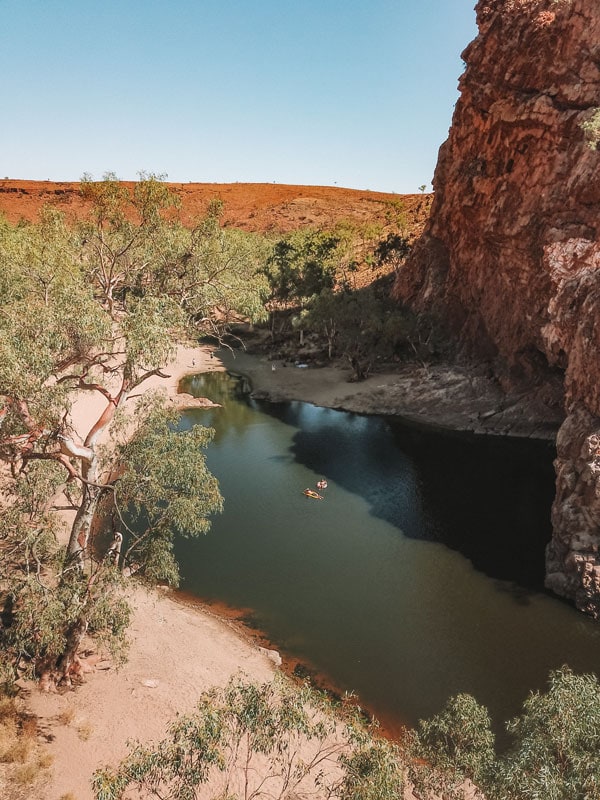
an aerial view of the Ormiston Gorge
You don’t want to miss the spectacular views in Ormiston Gorge. (Image: Tourism NT/Salty Aura)

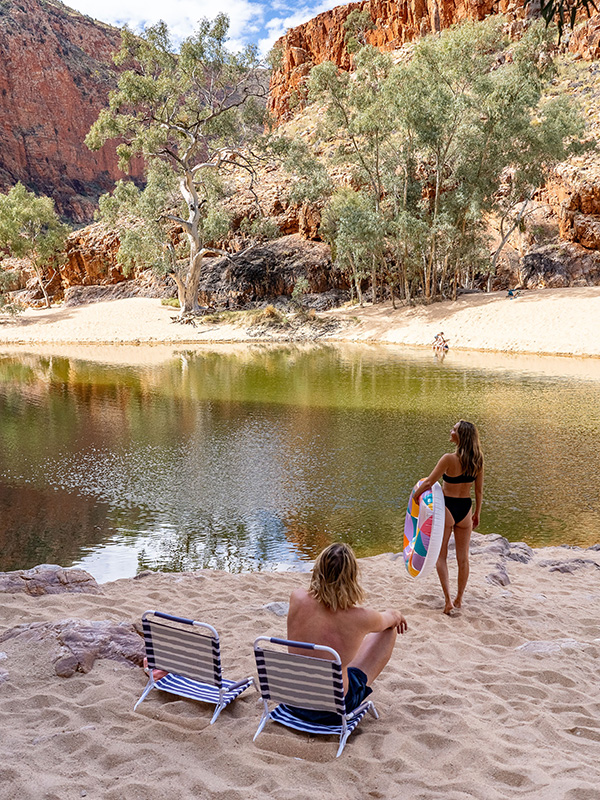
Places not to miss include the Standley Chasm, a dramatic, 80-metre-high rock face; the refreshing pools at Ellery Creek Big Hole and Ormiston Gorge; and Simpsons Gap, an important spiritual site with several Indigenous dreaming trails.
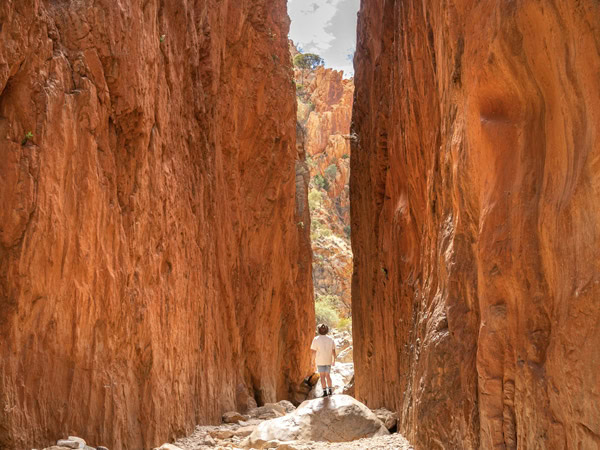
a man standing between the towering red cliffs at Standley Chasm
Make your way through the towering red cliffs at Standley Chasm. (Image: Tourism NT/Mark Fitzpatrick)

If you’re camping, unfurl a swag and enjoy a campfire at Redbank Gorge. Alternatively, Glen Helen Lodge offers basic accommodation close to Glen Helen Gorge and thr 1380-metre-high Mt Sonder.
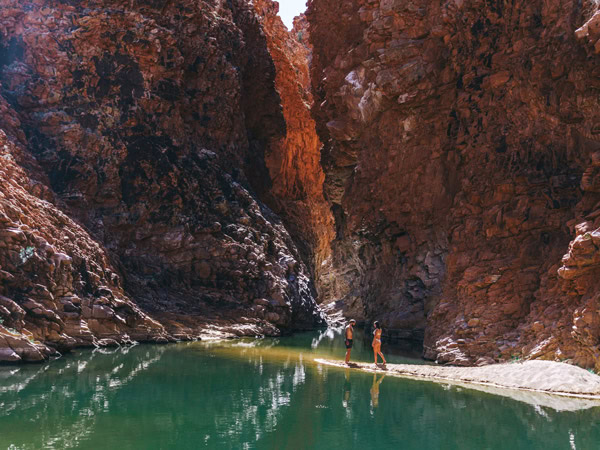
a couple walking along Redbank Gorge
Camp at Redbank Gorge, a stone’s throw from a secluded waterhole you can swim at. (Tourism NT/Jess Caldwell & Luke Riddle)

Don’t miss

Alice Springs Helicopters offer scenic flights over the MacDonnell Ranges and thrilling mountain bike tours that drop you at sections along the mountain biking trails in the West Macs area.
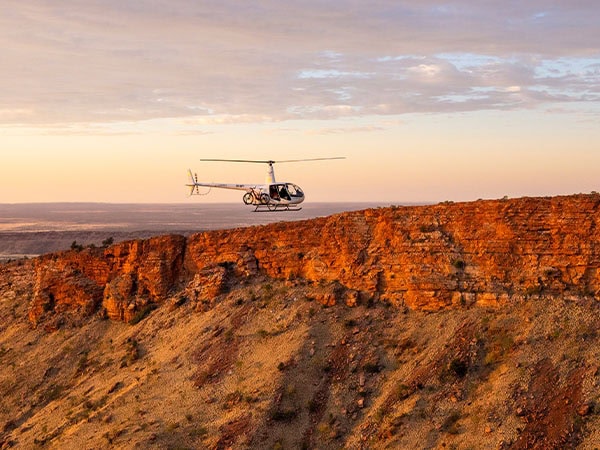
Alice Springs Helicopters
Get a new perspective on the landscape with Alice Springs Helicopters. (Tourism NT/Tourism Australia)

The East MacDonnell

Less touristed, but arguably as stunning, the East Macs offer travellers insight into the Indigenous and gold rush history of the area.

Located 150 kilometres east of Alice Springs, bushwalking, camping and four-wheel driving is to be expected here.

A main attraction is Trephina Gorge Nature Park, where you’ll be surrounded by rising walls of red and purple quartzite. The gorge is also home to what’s said to be the largest ghost gum in Australia (at 33 metres high and about 300 years old) and forms part of the Wallaby Dreaming Trail, significant to the Eastern Arrernte Aboriginal people.
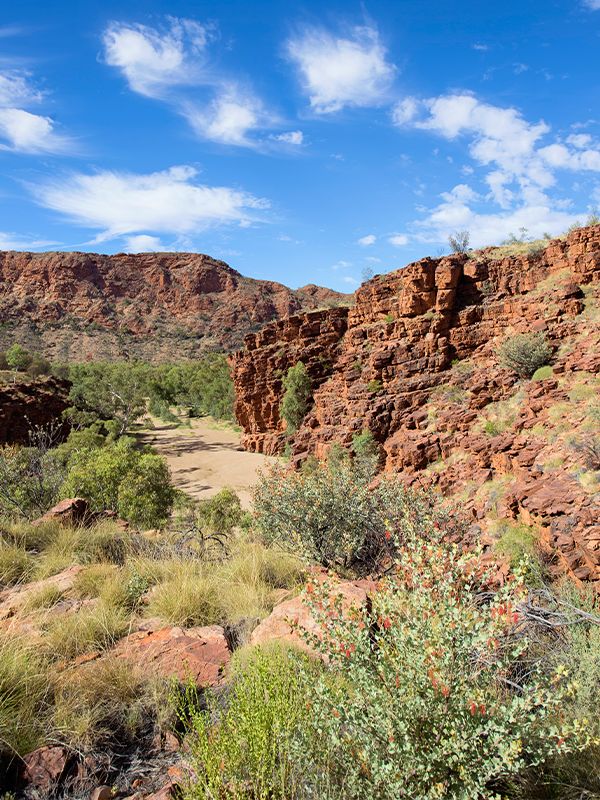
Trephina Gorge Nature Park
Trephina Gorge Nature Park is a geological marvel. (Image: Tourism NT/Shaana McNaught)

While you’re here, visit N’Dhala Gorge Nature Park, home to 6000 rock carvings, as well as the old gold rush town of Arltunga, which dates back to the late 1800s. You can stay at Hale River Homestead at Old Ambalindum , which offers a true outback experience.
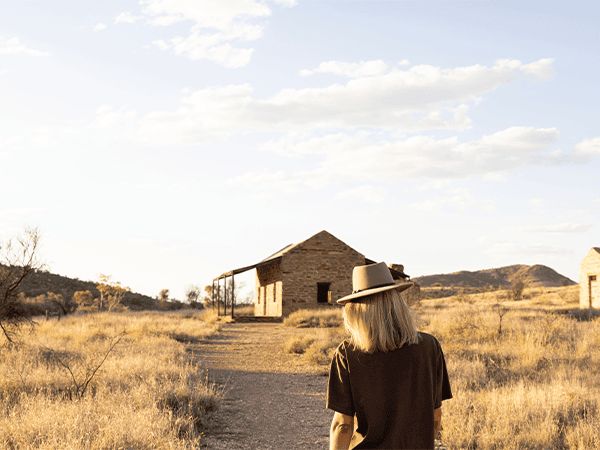
Arltunga Historical Reserve Trephina Gorge Nature Park Northern Territory
Arltunga Historical Reserve (Image: ourism NT/Sean Scott)


Hermannsburg and Finke Gorge

Thought to be 350 million years old, The Finke River winds through Finke Gorge National Park, an important wilderness reserve between Alice Springs and Kings Canyon. Within the park’s confines is the ancient Palm Valley, where rare red cabbage palms, also dating back millennia, grow.
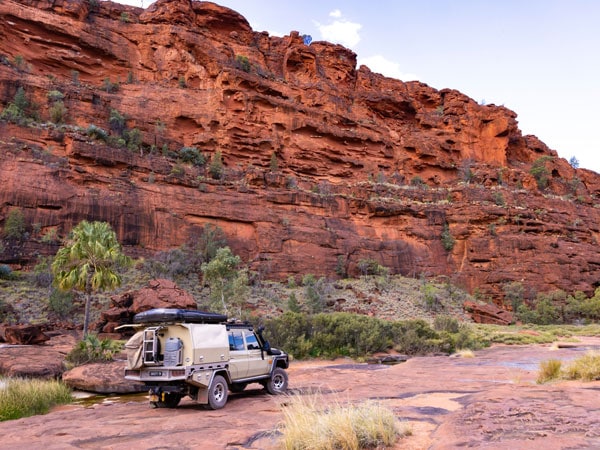
a 4WD driving across Finke Gorge
Finke Gorge National Park is an ancient, spectacular landscape. (Image: Tourism NT/Sean Scott)

To get into the park, you’ll need a high-clearance 4WD and be comfortable conquering rocky tracks. You will also want sturdy hiking boots as there are a tonne of trails.

Call into Hermannsburg prior to entering the park: it’s a historic precinct where a Lutheran Mission was active in the late 1880s and where renowned Aboriginal artist Albert Namatjira resided.
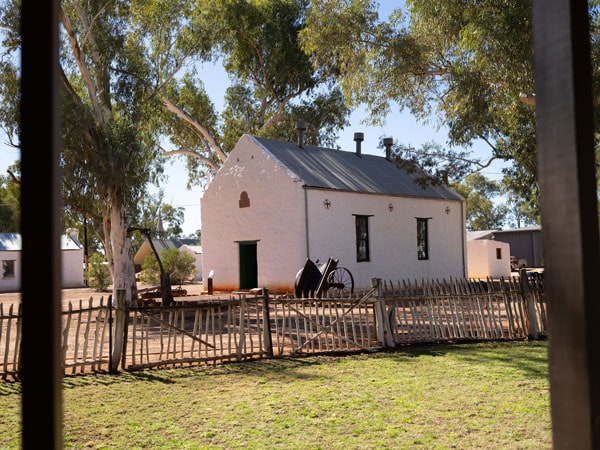
the historical precinct in Hermannsburg
Check out the historical precinct in Hermannsburg. (Image: Tourism NT/Charlie Bliss)


Kings Canyon and Watarrka National Park

After exploring the West Macdonnell Ranges head off-road along the Mereenie Loop as you make your way to Kings Canyon (you’ll need a 4WD and a permit). The canyon, plunging 270 metres, is the highlight of the park and an oasis of palms and ferns.
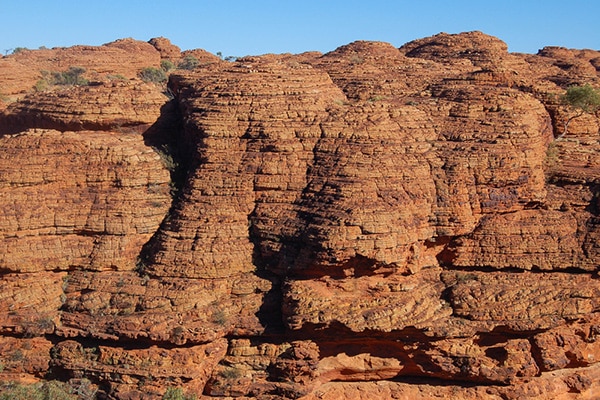
Kings Canyon, Watarrka National Park
The canyon, plunging 270 metres, is the highlight of the park.

Rise early and set off on the six-kilometre Canyon Rim Walk, which will lead you to the sandstone domes of the Lost City and a sacred watering hole aptly named the Garden of Eden. There is also the much gentler 2.6-kilometre Kings Creek Hike to a lookout.
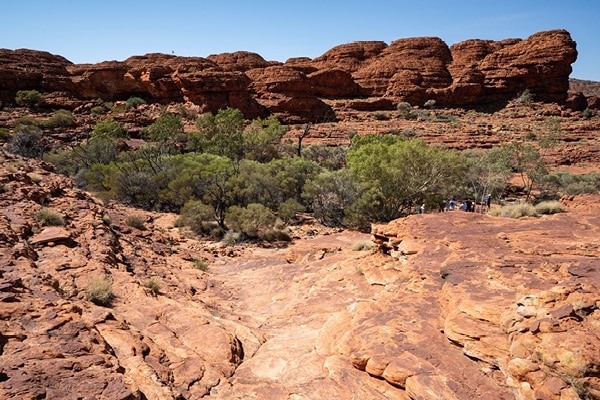
Kings Canyon Walk
Take the Canyon Rim Walk to the sandstone domes of the Lost City.

You can Base yourself at Kings Creek Station , not far from Watarrka National Park . The 1800-square-kilometre property is open year-round and is a top spot to experience life on the land with both campsites and basic cabins available. Make time to enjoy traditional damper with a cup of billy tea.

Uluru

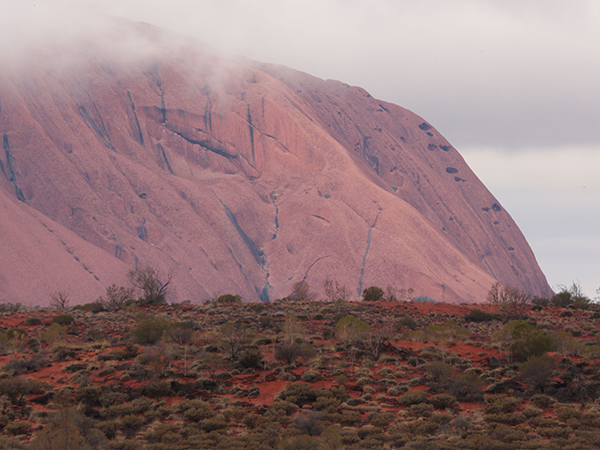
Uluru is a 3 hour drive from Kings Creek. Nothing says ‘outback’ more than the big red rock in the middle of the country, and you will certainly appreciate its isolation as you drive the road to reach it.

In spite of its remoteness, there is plenty to do at UNESCO World Heritage-listed Uluṟu. First up, you’ll want to explore on foot, so rise early and walk Uluru’s 10-kilometre base. You can also join a guided Mala Walk (two kilometres), which is a great option if you want to learn about Uluru’s cultural significance and Indigenous rock art.
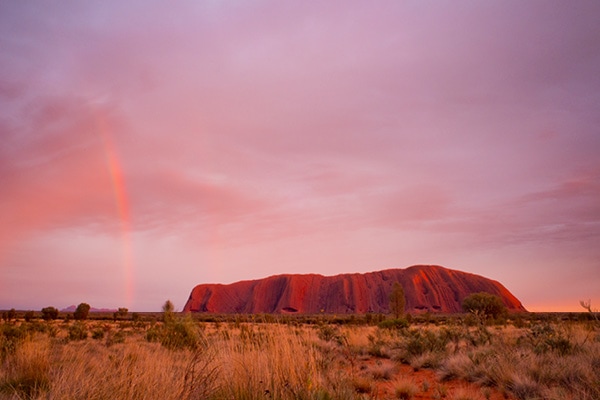
Ayers Rock
A outback road trip wouldn’t be the same without visiting Uluru.

While you’re there, sign up for a plod atop a camel, hop aboard a Segway, enjoy a Harley Davidson ride or plummet toward Uluru on a thrilling sky dive.

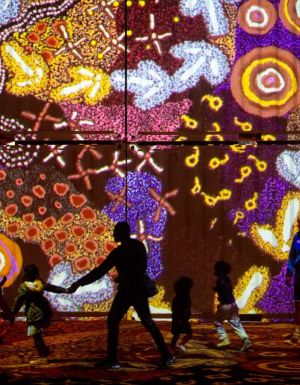
Set your alarm so you can drive to one of the viewing platforms and watch Uluru change color at sunrise. Come nightfall, head to Field of Light where a carpet of 50,000 lights will shine.
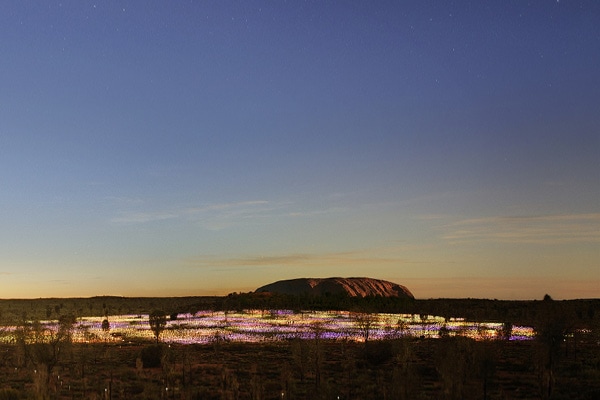
Uluru Field of Light
Field of Light; one of the largest art installations in Australia’s history.

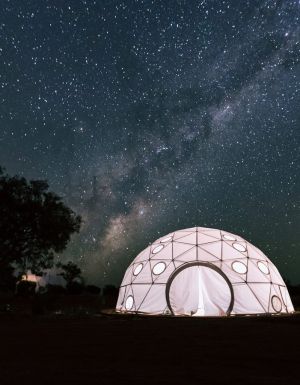
For a special outback dining experience, you can’t go past Sounds of Silence. Savour native Australian ingredients, such as kangaroo, finger lime and lemon myrtle, while the Milky Way dazzles from above.

Kata Tjuta

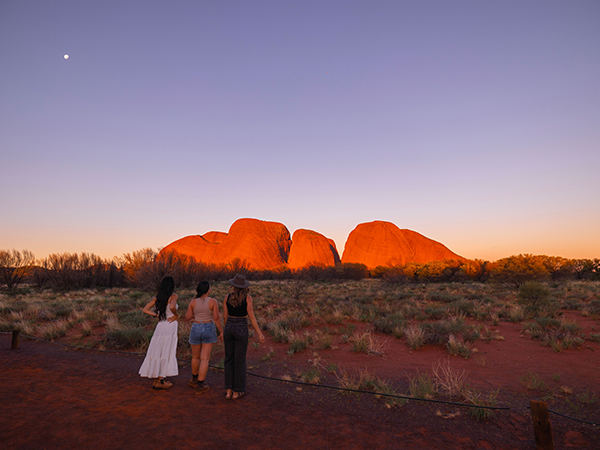
If you can squeeze it in, don’t miss the 36 large rock domes of Kata Tjuta. Located about half an hour’s drive from Uluru, they’re easy to reach on a day trip.
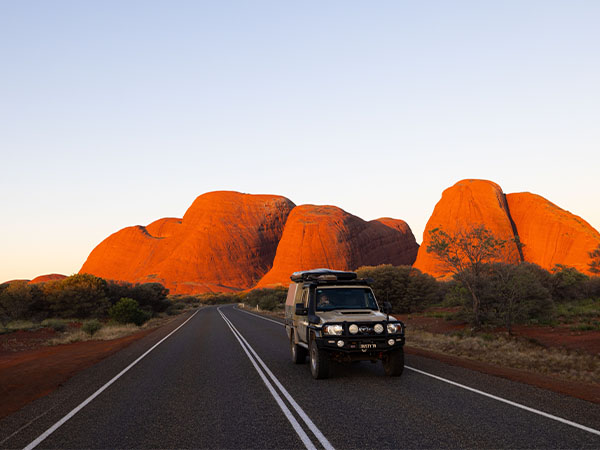
 

Kata Tjuta
The mesmerising peaks of Kata Tjuta. (Image: Tourism NT/Sean Scott)

The domes are dramatic, with the tallest one, Mt Olga, soaring 546 metres high. Explore them on foot by following the challenging Valley of the Winds trail (7.4 kilometres). It will take you about three hours, so set off early to avoid the midday heat. There is also the easier Walpa Gorge (2.6-kilometre) walk.

Where to stay

Accommodation in Uluṟu comes in all shapes and sizes, from luxury suites, to tent-style pavilions and campsites. It also runs numerous tours and workshops, some of which are free. Squeeze it all in by jumping on the resort’s complimentary shuttle, especially if you’re travelling with children or the elderly.

Need to know

Although Uluru is open to visitors year-round, in summer temperatures frequently sit at 45°C and flies are at their most persistent. Instead, visit between May and October, when daytime temperatures are comfortable.

If a one-way road trip from Alice to Uluru is enough for you, fly out of Ayers Rock Airport to many of Australia’s major cities.

Want more Red Centre travel inspo? Check out our guide on eating, playing and staying in Australia’s heart.



Jennifer Ennion
Jennifer Ennion is a freelance travel and ski journalist who loves encouraging people to spend more time outdoors. From snorkelling with belugas in sub-Arctic Canada to hiking the Himalayas, Jennifer is constantly searching for stories that inspire readers to push their boundaries.
See all articles
hero media

8 Red Centre locations to explore after seeing the new movie, Kangaroo

Spend a few days visiting the real-life Central Australian locations that inspired the new film everyone is talking about, and discover why Alice Springs is such an important part of Australian culture.

In the credits of the new Australian film Kangaroo , the first name under ‘cast’ should read ‘The Northern Territory ’. Not only is Alice Springs (and the surrounding landscape) integral to the movie itself, but the spiritual heart of Australia and its local Indigenous owners also inform the look and feel of every frame, explains Producer Trisha Morton-Thomas of Brindle Films, who also plays Charlie’s grandmother Gwennie.

“By setting Kangaroo in Alice Springs (Mparntwe), the film embraces how visible Aboriginal people are here, and the living Aboriginal culture that is woven through this community,” she explains.

still from kangarro film
See Kangaroo, then visit the real-life filming locations.

And while shooting in such a sacred part of the Northern Territory required extra planning, it was something the cast and crew were highly invested in.

“There are incredibly significant sacred sites and places of deep cultural stories in the area, that at times are very gender-specific, which we’ve kept out of the production,” she explains. “Even if overhead drone footage captures a sacred site that isn’t meant to be seen by other people outside of that clan, we’ve made sure to omit it from the film.”

If Kangaroo piqued your interest in a Central Australian holiday, we don’t blame you. Read on to discover eight places featured in the movie that you can visit in real life – and get planning. Don’t forget to pack sunscreen and a hat.

1. Alice Springs/ Mparntwe

artist at Many Hands Art Centre
Visit the galleries of Alice Springs, like Many Hands Art Centre. (Image: Tourism NT/ Helen Orr/ Many Hands Art Centre)

The red and dusty streets of the film’s fictional town of Silvergum were filmed on the outskirts of Alice Springs. And, while the art gallery featured in the film is fictional, Alice Springs is a hub of creativity. See the work of local artists at the Araluen Art Centre , Yubu Napa Art Gallery , Iltja Ntjarra (Many Hands) Art Centre and the famous Tjanpi Desert Weavers .

2. The Kangaroo Sanctuary & Kangaroo Rescue Centre

The Kangaroo Sanctuary Alice Springs, the inspiration for the Kangaroo move
Visit the movie’s inspiration at Kangaroo Sanctuary. (Image: Tourism NT/ Kangaroo Sanctuary)

Kangaroo was inspired by the journey of Chris ‘Brolga’ Barns, who founded the now world-renowned Kangaroo Sanctuary based in Alice Springs. For lead actor, Aussie Ryan Corr, the animals were central to the movie, alongside the landscapes.

“The animals in this story were a real calling point for me,” he explains. “What this story tries to tell us about the connection between humans and animals is beautiful.”

To gain a real insight into the fauna and flora of the Red Centre, you can visit the Kangaroo Sanctuary on a sunset tour, where you might even get the chance to hold a baby kangaroo.

3. Ormiston Gorge

woman walking along the edge of Ormiston Gorge near alice springs
Take a dip in Ormiston Gorge. (Image: Tourism NT/ @domandjesso)

The film captures the raw beauty of the West MacDonnell Ranges, known in the Arrernte language as Tjoritja. This national park is rich in Indigenous culture and stark geological wonders.

Only a 15-minute drive from Alice Springs, Tjoritja offers visitors the chance to camp, hike and swim among ancient landscapes (most attractions are less than a three-hour drive away).

Ormiston Gorge , a cooling oasis in among the red desert sands, is one of the most popular destinations, no doubt because of the permanent swimming hole and towering red cliffs. From here, visitors can also embark on the beautiful Ormiston Pound Walk and the shorter – more accessible – Ghost Gum Walk. Bring your bathers – it’s safe for swimming.

4. Standley Chasm

woman walking through Standley Chasm near alice springs
Wander through Standley Chasm. (Image: Tourism NT)

The 1.2-kilometre walk to nearby Standley Chasm will be a highlight for any visitor as the imposing 40 metre-high chasm walls project strength and ancient wisdom.

Visit at midday to experience the path illumined by the midday sun. Not only will you fill your camera roll with vibrant red images of the gorge and its intoxicating shadows, but you can also camp nearby in a powered or unpowered site so you can watch the brilliance of the desert stars fill the night sky after dusk.

5. Simpsons Gap

three people walking on path through simpsons gap near alice springs
Walk the trails of Simpson’s Gap. (Image: Tourism NT/ Helen Orr)

Closer to Alice Springs, the photogenic Simpsons Gap is the perfect place to spot the endangered Black-footed Rock wallaby near the permanent watering hole. While swimming isn’t permitted, soaking up the sun and views certainly is.

Explore the area’s numerous walking trails, appreciate the soaring cliffs on either side of the ‘gap’ and pick out the shooting locations of Kangaroo in the area.

6. Ellery Creek Big Hole

aerial of Ellery Creek Big Hole near alice springs
Dive into Ellery Creek Big Hole. (Image: Tourism NT/ Tourism Australia)

When it comes to classic Northern Territory landscapes, you can’t go past Ellery Creek Big Hole/ Udepata : tall gum trees sidling up to a refreshing watering hole (fed by the West MacDonnell Ranges and surrounded by rugged red cliffs.

Swim in the cooling waters, hike the cliff tops, watch for birds and even stargaze as you camp here overnight. It’s locations like this that attracted the film’s director Kate Woods to the project.

“It humbles you to be in this environment: it’s so beautiful, so old and so vast,” she explains. “I was thrilled to get a chance to … shoot such a beautiful story in the incredible landscape of the Northern Territory.”

7. Larapinta Drive

aerial of Larapinta Drive into alice springs
Drive along Larapinta Drive. (Image: Tourism NT)

There is no better way to get a feel for how the characters arrived at the fictional Central Australian town of Silvergum than to travel along the iconic state road, Larapinta Drive.

Connecting Alice Springs to the mighty King’s Canyon in the west, via the historic community of Hermannsburg, this road takes in the West MacDonnell National Park, Alice Springs Desert Park and artist Albert Namatjira’s house, among other attractions. Take your time, bring a camera and prepare for numerous stops along the way.

8. Todd River

competitors in Henley on Todd Regatta, alice springs
Join in the fun of the quirky Henley on Todd Regatta. (Image: Tourism NT/ TImparja Creative)

Meandering through Alice Springs like a lazy Western Brown snake, the Todd River is a central part of Alice Springs culture. Known as an ‘intermittent river’, the Todd can go from a dry dusty riverbed to a flowing waterscape in less than 15 minutes after heavy rainfall.

When it’s dry, the famous Henley on Todd Regatta fills the sandy riverbed with handmade ‘boats’ carried by sailors. This is the world’s only dry river boating event, and it’s referenced in the ‘Silvergum Boat Race’ in the movie. Inspired by the real-life event, the characters built quirky “Flintstones-style boats” and competed in teams.

See Kangaroo in cinemas now, and start planning your NT getaway at northernterritory.com.