Kati Thanda-Lake Eyre is rising – and so is demand to see it.
It’s the kind of natural phenomenon that has Australians dropping everything and booking a seat on the next flight to the outback. After years of shimmering silence, Kati Thanda-Lake Eyre is coming back to life – in a spectacular, once-in-a-decade kind of way. Fed by floodwaters caused by heavy rain across outback Queensland last month from Diamantina River and Cooper Creek, the usually bone-dry salt lake in outback South Australia is transforming into a vast inland sea, and travellers are racing to see the magic unfold.
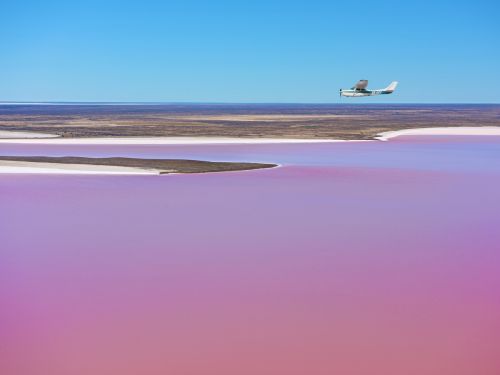
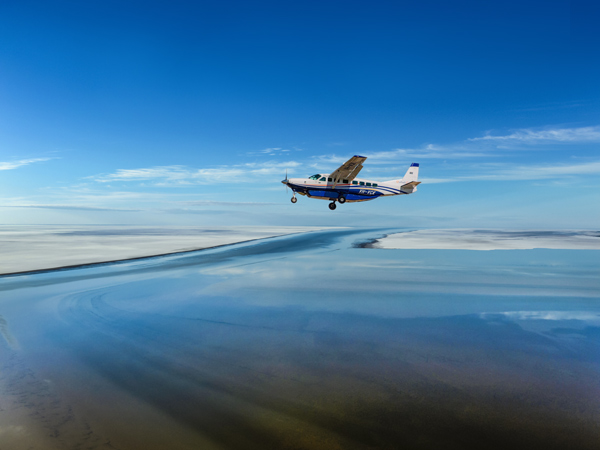
Don’t miss this rare flooding event. (Image: South Australian Tourism Commission)
The rare flooding event is already being called one of the most significant in recent memory. Water is making its slow and steady journey across thousands of kilometres of arid inland, eventually pooling in the basin of Australia’s largest lake – a place so vast and flat you can see the curve of the Earth. But when the rains do come, the desert doesn’t just bloom – it explodes with life.
Birds flock in from thousands of kilometres away, wildflowers erupt in bursts of colour and locals brace for an influx of visitors all eager to see one of Australia’s most remote and remarkable landscapes at its absolute peak.
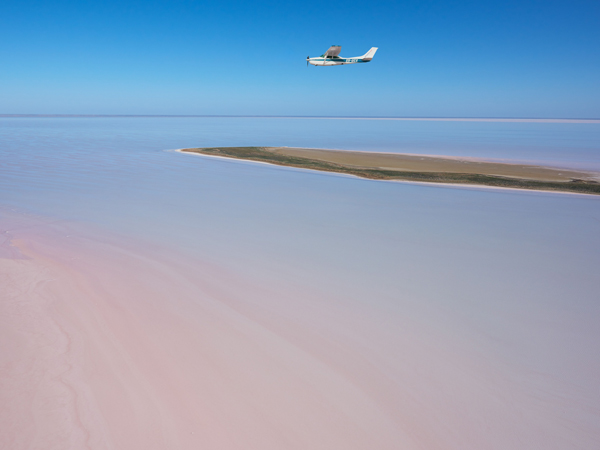
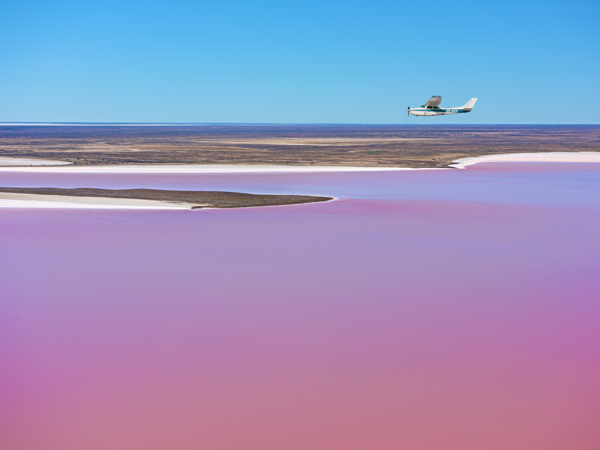
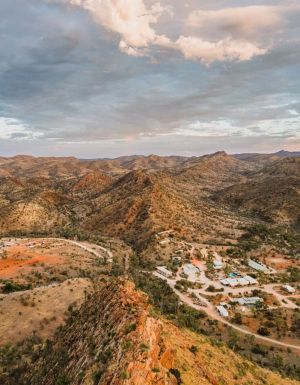
Heavy rain and floods across outback Queensland last month are expected to fill the lake. (Image: Outback Spirit)
“This is nature at its most awe-inspiring," says Cher Lontok, head of product and operations – Australia at APT, which has just expanded its 2025 Kati Thanda-Lake Eyre touring program in response to soaring demand.
“We’ve launched a brand-new tour and added departures to make sure more Australians have the chance to see it before it’s gone."
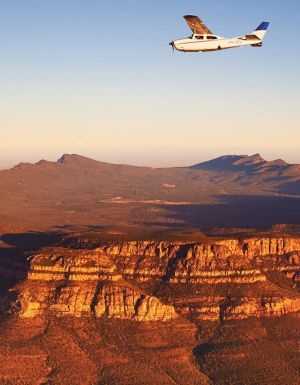
APT’s new eight-day Lake Eyre and Painted Hills tour (from $7395) includes scenic flights over the lake and the surreal outback landscapes of the Painted Desert – a region that’s usually off-limits to the public. Also on offer is the seven-day Lake Eyre and Flinders Ranges tour , which visits ochre-hued escarpments, ancient gorges and outback towns, with expert guides and luxury stays along the way.
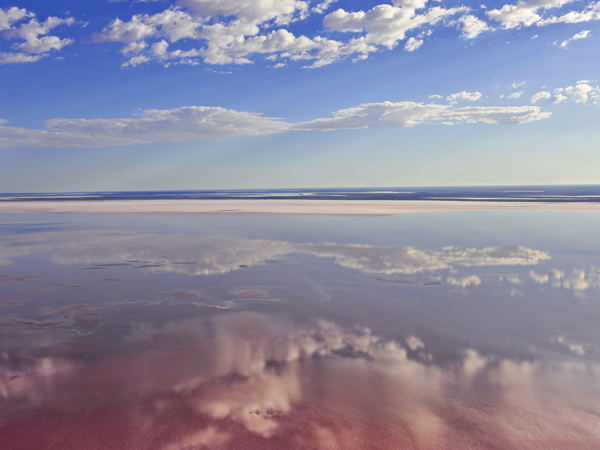
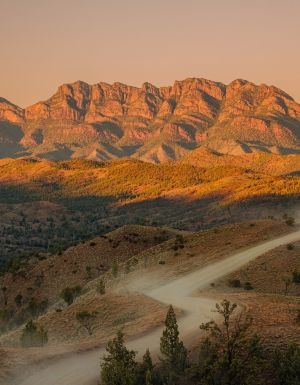
Seeing Kati Thanda-Lake Eyre is a surreal experience. (Image: South Australian Tourism Commission)
The Ghan is in on the action as well , offering a scenic flight that sweeps over Kati Thanda-Lake Eyre, the Painted Hills and Coober Pedy as an optional upgrade on its iconic Darwin to Adelaide rail journey.
For many, it’s a pilgrimage. For others, a chance to witness what scientists call a “hydrological miracle". For everyone lucky enough to see it – it’s an unforgettable glimpse at Australia’s wildest beauty.
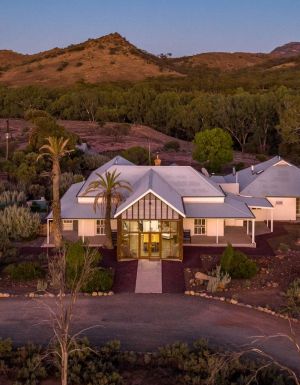
Outback Spirit is taking expressions of interest for tours. (Image: Outback Spirit)
But there’s a ticking clock. Flood events like this don’t last forever. And while Kati Thanda-Lake Eyre hasn’t filled just yet, experts say the incoming waters could make this one of the most impressive inundations in at least six years since the 2019 mark of 8.15 metres. But based on rainfall in south-west Queensland, it’s looking like levels will surpass 2019 and should be similar to 2010 when it almost filled completely.
So, if you’ve ever dreamed of seeing the desert flood, flocks of pelicans soaring over mirrored salt pans and a landscape reborn, this is your sign. Seats are selling fast, and once the lake dries up, it could be years before the show returns.
This is Australia’s ultimate ephemeral experience – and the curtains are just about to rise. As the old saying goes, when it rains, it tours.
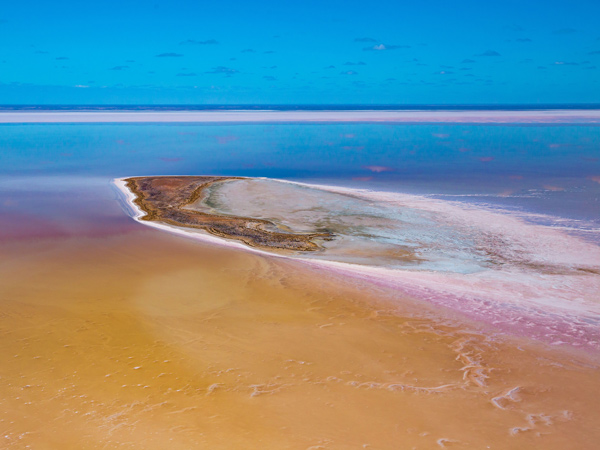
Kati Thanda-Lake Eyre is Australia’s largest lake. (Image: Grant Hunt Photography)
Emily Murphy is Australian Traveller's Email & Social Editor, and in her time at the company she has been instrumental in shaping its social media and email presence, and crafting compelling narratives that inspire others to explore Australia's vast landscapes. Her previous role was a journalist at Prime Creative Media and before that she was freelancing in publishing, content creation and digital marketing. When she's not creating scroll-stopping travel content, Em is a devoted 'bun mum' and enjoys spending her spare time by the sea, reading, binge-watching a good TV show and exploring Sydney's vibrant dining scene. Next on her Aussie travel wish list? Tasmania and The Kimberley.
Explore the best that Sydney and Melbourne offer over summer, when busy event-packed days stretch into fun-filled nights.
As summer unfolds, Sydney and Melbourne are at the forefront of the most exciting events in Australia. Whether your tastes run to culture, sport, shopping or dining, both offer a host of things to do and places to stay. Discover the best Accor hotels to explore from and how to spend your days to make the most of the warmer months in Australia’s vibrant capitals.
Sydney
Where to stay
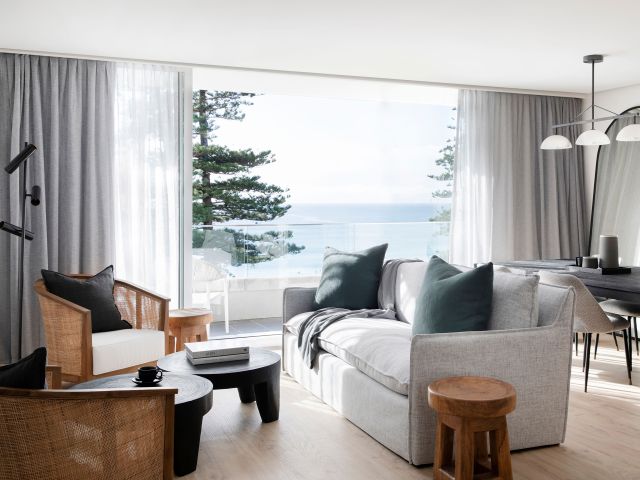
Relax beachside at Manly Pacific. (Image: Manly Pacific)
Sydney has no shortage of fabulous hotels to choose from when attending events in the city, often within reach of either the harbour or the beach.
The glamour and European style of Sofitel Sydney Wentworth is hard to beat, whether for a romantic getaway or a family holiday. It’s within walking distance to the Sydney Opera House, Circular Quay, The Rocks and Royal Botanic Garden Sydney, so everything the city offers is at your feet.
Pullman Sydney Quay Grand is equally central and offers luxury apartment-style accommodation, featuring fully equipped kitchens and laundries. It’s ideal for family stays. Also in the CBD, Swissôtel Sydney gives easy access to some of the city’s top shopping, including the historic Queen Victoria Building.
For beachside vibes, head to Manly or Brighton, where there’s something for everyone. Manly Pacific – MGallery Hotel Collection is all about coastal elegance, ocean views and fresh seafood. Hit the rooftop pool or the beach to cool off, or go snorkelling at nearby Cabbage Tree Bay Aquatic Reserve. Take the Manly ferry for a scenic trip to the city.
Peppers Manly Beach offers stylish accommodation literally across the road from famous Manly Beach. Grab a free e-bike, take a surfing lesson, walk the foreshore or browse the surf shops, boutiques, galleries and cafes.
For a luxury stay that’s closer to both the city and airport, choose The Brighton Hotel Sydney – MGallery Hotel Collection . Hugging the shore of Botany Bay, the hotel is just 20 minutes by train to the CBD, and a 10-minute drive from Sydney airport. Soak up the sea air, or dive into the outdoor pool or the adults-only indoor pool.
Events and sightseeing
Time your Sydney trip to visit the Sydney Festival. (Image: Destination NSW)
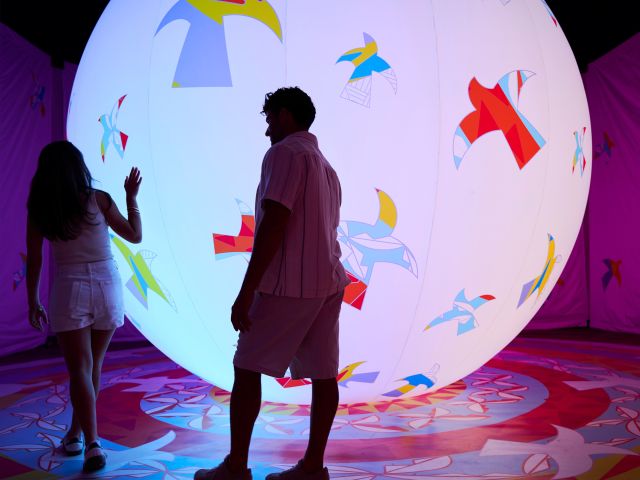
Sydney loves a party and there are few bigger than Sydney Festival , which has been entertaining locals and visitors alike for 50 years. Running from 8–25 January in 2026, it’s a city-wide celebration of culture and creativity encompassing music, dance, comedy, visual art and edgy experimental performances.
Westpac OpenAir Cinema opens for the summer season on 20 January. Set on the waterfront at Mrs Macquaries Point, with a backdrop of the harbour and city skyline, it features classics and new movies. Grandstand seating (BYO cushion) provides perfect viewing.
A cool oasis of green in the heart of the city, Royal Botanic Garden Sydney offers much more than just plants and flowers. Escape the heat with a stroll through themed areas, including the romantic Palace Rose Garden and lush Palm Grove, and stop at the Cadi Jam Ora – First Encounters Garden to learn the story of the Gadigal people of the Eora Nation. Best of all, it’s all free.
Where to eat and drink
Stop for drinks at Arches on Market. (Image: Steven Woodburn)
Fancy a taste of Italy? Flaminia is the new restaurant coming to the Pullman Quay Grand Sydney Harbour in November 2025, and it’ll make you feel as though you could be in Portofino – but with the freshest of Sydney’s produce.
Arches , at Swissotel Sydney, is the perfect spot for a classic martini. Head there for afternoon tea or pre- and post-theatre dining delivered with old-school charm. You can even let the bartenders choose your drink for you, based on your mood.
With a $20 lunch menu and a leafy covered terrace, Wentworth Bar , on level five of Sofitel Sydney Wentworth, delivers a sophisticated escape from the hustle of the city. An extensive champagne list and Vietnamese-inspired bar menu complete the stylish scene.
Melbourne
Where to stay
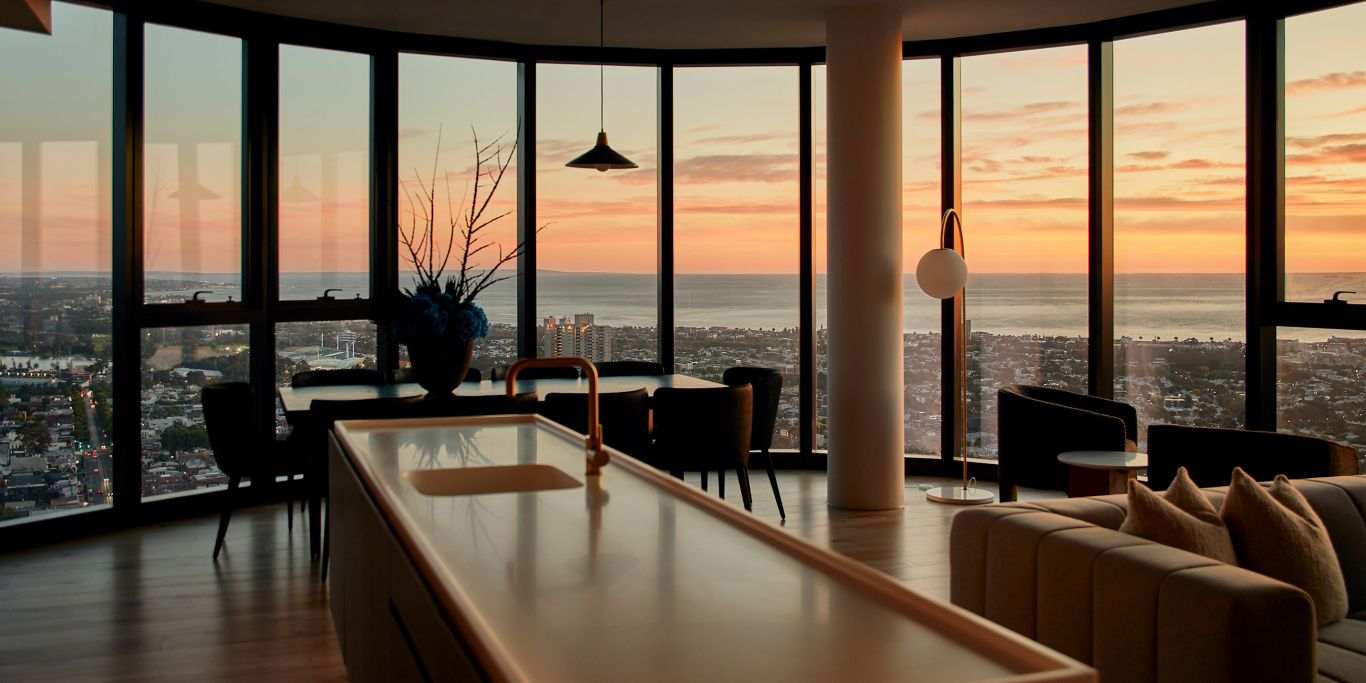
Enjoy a luxurious stay at Shadow Play Melbourne by Peppers.
Sofitel Melbourne on Collins is the epitome of style, elegance and luxury. Appropriately at the ‘Paris end’ of Collins Street in the CBD, the Sofitel combines French flair with Australian hospitality.
Like many of the best discoveries in Melbourne, Pullman Melbourne City Centre is tucked away in a laneway. Five-star luxury is the hallmark here; enjoy stylish rooms, a rooftop bar, and the city’s best food and fashion finds just steps away.
On the historic South Wharf promenade, Novotel Melbourne South Wharf is a contemporary beacon that opens up to everything the precinct has to offer – shopping, dining, entertainment and the arts.
Pullman Melbourne on the Park , on the city’s threshold at East Melbourne, is a ball toss from the Melbourne Cricket Ground, Rod Laver Arena and Melbourne and Olympic Parks. Naturally a favourite with sports fans, it’s only minutes from the CBD by tram and right next door to the cool of Fitzroy Gardens.
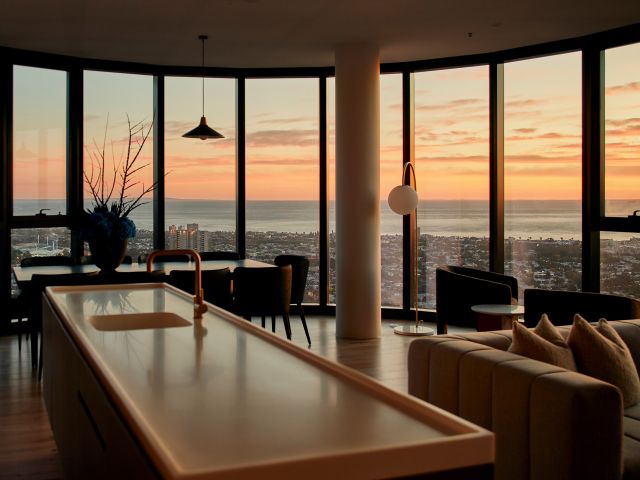
The spacious one- and two-bedroom apartments of Shadow Play Melbourne by Peppers offer stunning views and easy access to the city and Southbank’s dining and shopping district. Head to the rooftop garden or relax in the outdoor heated pool.
Events and sightseeing
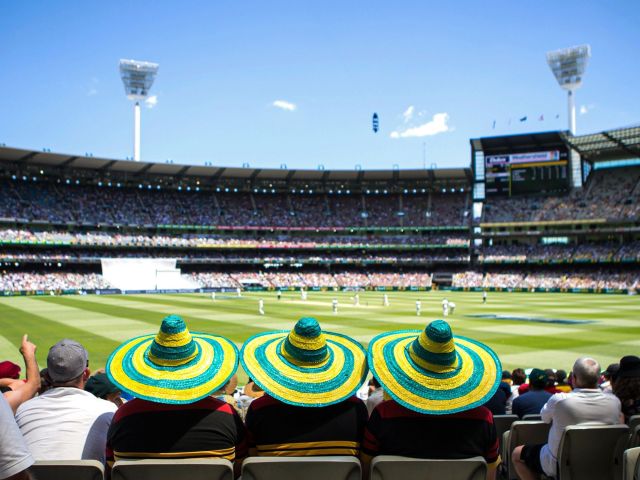
Cheer on your team at the Melbourne Cricket Ground. (Image: Visit Victoria)
As the ‘sporting capital of Australia’, Melbourne is the place to catch the best of your favourite game. Whether it’s the Boxing Day test cricket or all the action of the Australian Open tennis in January, book tickets early to ensure the best vantage points.
Find the Summer Night Market, a feast for both the body and the senses, in the Queen Victoria Market on Wednesday nights in the warmer months. Savour street food from 30 stalls and shop for locally made fashion, jewellery, art and homewares, and pause to watch performances by talented buskers.
The work of two of the most influential fashion designers in history – Vivienne Westwood and Rei Kawakubo – are on show at the National Gallery of Victoria over summer. You can also wander through free exhibitions of First Nations art, colonial paintings and European masters.
Where to eat and drink
Melbourne’s laneway culture and rooftop bar scene set it apart from others. Where better to enjoy extended twilight hours or cheeky cocktails atop one of the city’s tall buildings, or while away long summer evenings in a cosy bar tucked far from the crowds in a hidden alley.
Head to Cleo on the rooftop at Hyde Melbourne from December 2025. Enjoy a cocktail with sweeping views of the skyline, and choose nibbles from a Mediterranean-inspired menu.
Under a 15-floor mirrored canopy at The Atrium on 35 , in the Sofitel Melbourne on Collins, sip cocktails in an intimate but playful setting. This is the place for l’aperitif hour before or after a night out at the theatre.