We’ve found the top Tassie spots for your next adventure.
For an island so small, Tasmania offers an exceptional number of picturesque locales doing amazing things. There are historic hubs bringing the past to life in contemporary ways, stunning seaside perches welcoming new eateries and quaint hamlets embraced by nature. Our well-travelled panel of industry experts and beloved Australian personalities have narrowed them down to find the best towns in Tasmania, which feature in Australian Traveller‘s 100 best Aussie towns to visit. Keep reading to find out why you need to visit these places asap.
1. Bicheno
Overall rank: 1/100
Palawa/Tasmanian Aboriginal Country
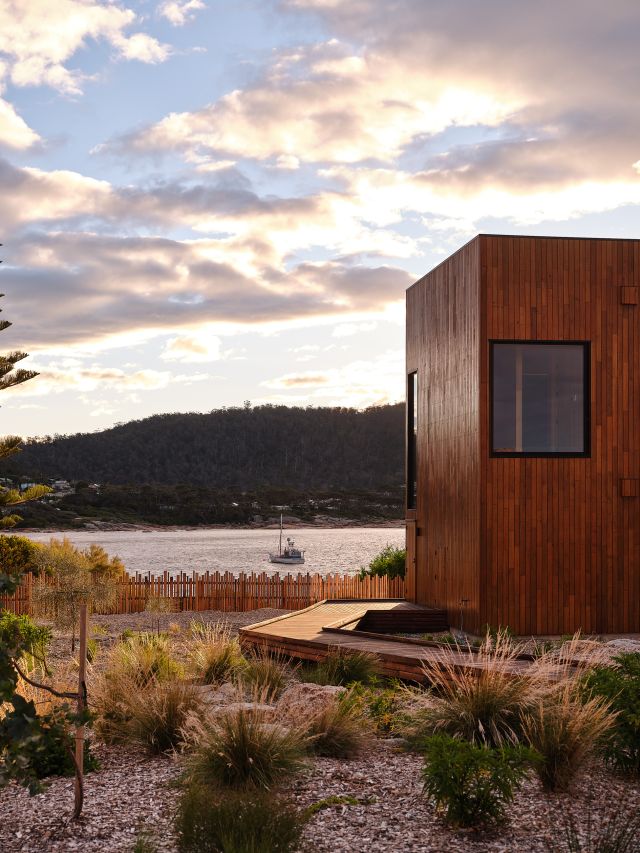
Sea Stacks Bicheno are inspired by the natural surrounds of Tasmania’s east coast. (Credit: Rhiannon Taylor)
Anyone who has ever driven Tasmania’s east coast can attest to the magnetic pull of its natural beauty and relaxed seaside towns found en route. If you’ve stopped off in Bicheno in recent years, you’ll still find the little penguins on their nightly parade, the blowhole spouting, seafood served in abundance and prime whale-spotting – located as it is along the East Coast Whale Trail.
“A Tasmanian hidden gem, very much worth the drive from either Hobart or Launceston," says panellist Brett Godfrey of this old fishing port just north of the Freycinet Peninsula. But you’ll find it has a fresh buzz, too: making it worthy of its No. 1 spot on our list of 100 Best Aussie Towns to visit.
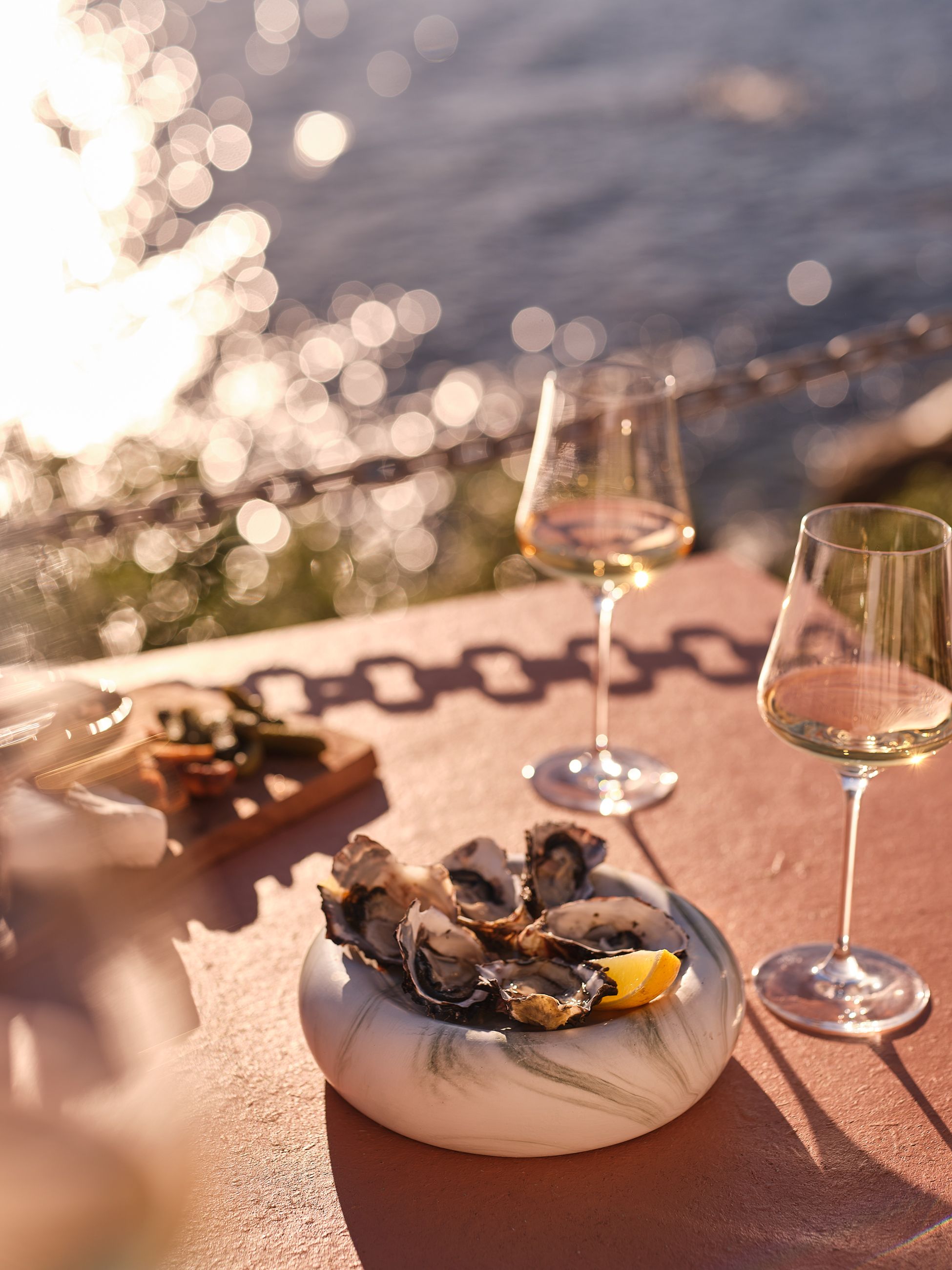
Sample Tasmanian wines at the newly opened wine bar, Le Gulch. (Credit: Rhiannon Taylor)
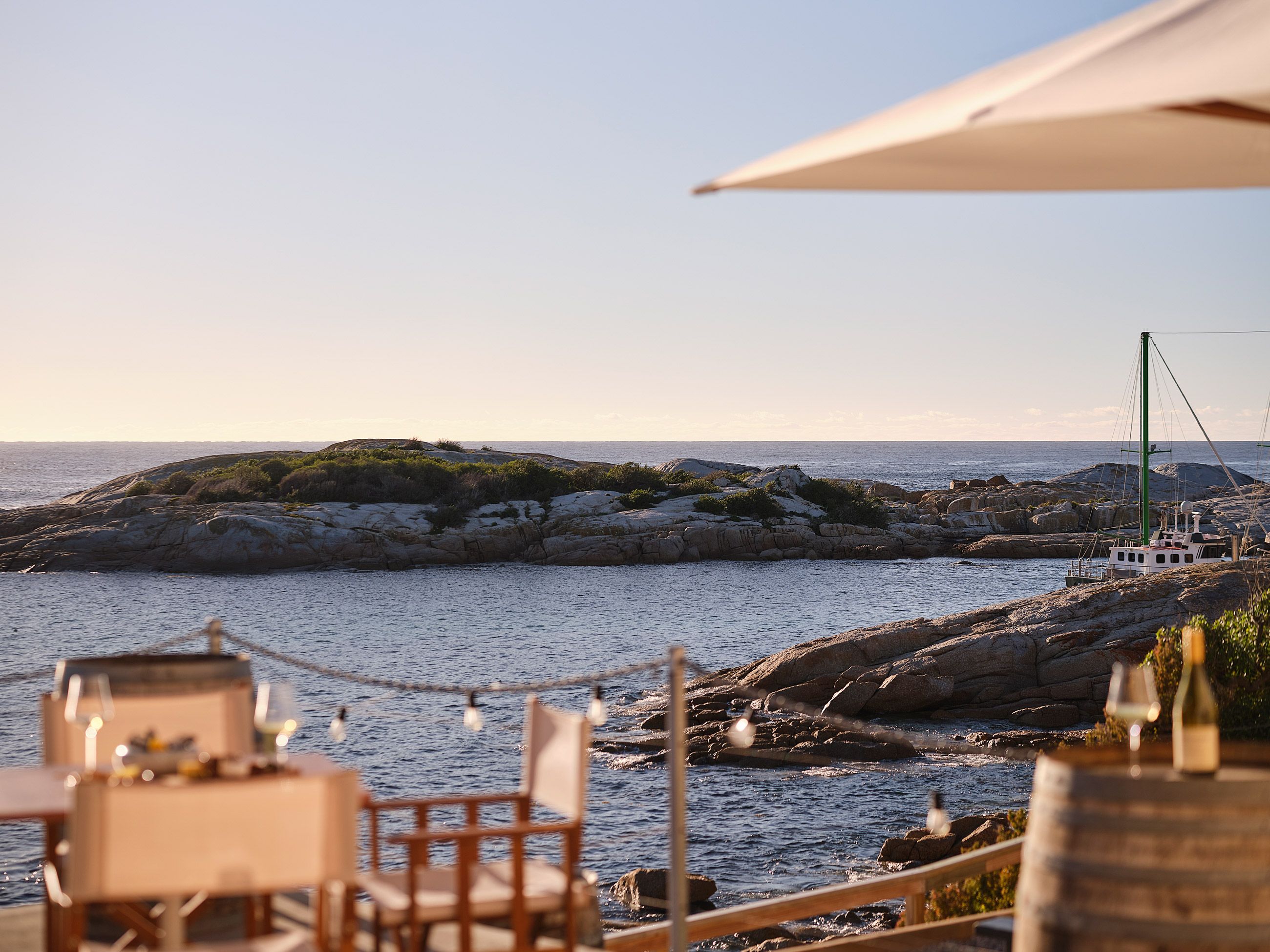
Enjoy a relaxed seaside ambience at Le Gulch. (Credit: Rhiannon Taylor)
From Waubs Harbour Distillery crafting whisky out of an old oyster hatchery to new wine bar Le Gulch, set in an old fishing factory, a fresh batch of businesses is bottling its spirit. And Sea Stacks Bicheno is due to open for bookings in June, bringing design-forward accommodation to town.
Don’t miss:“I get hungry just thinking about this town," says panellist Catriona Rowntree. “Head to Lobster Shack Tasmania and thank me later!"
2. St Helens
Overall rank: 13/100
Palawa/Tasmanian Aboriginal Country
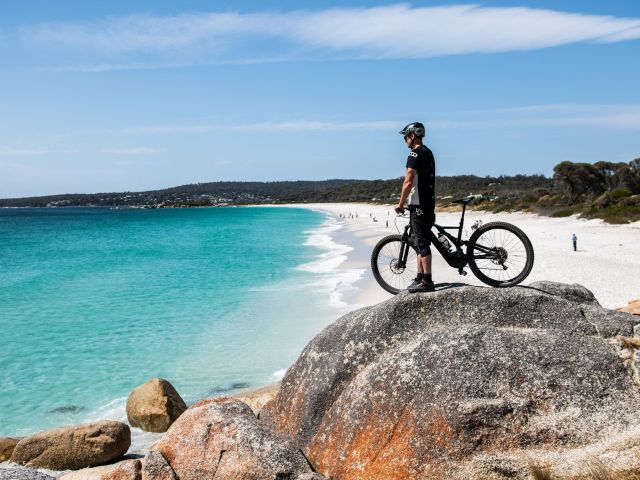
Tackle the Bay of Fires Adventure Trail on a mountain bike. (Credit: Tourism Tasmania / Stu Gibson)
St Helens is the largest town on the north-east coast of Tassie but has a delightful small-town feel. Life here is simple, lived mostly outdoors and on the sea, which is teeming with bream, crayfish, marlin and tuna. St Helens is regularly pinned on the map as a gateway to its dramatic neighbour, Larapuna/Bay of Fires – but it has emerged in recent years as a premier destination itself, for mountain biking. With a 66-kilometre network of world-class trails, panellist Adrian Williams agrees that the cycling within St Helens’ “unspoilt landscape" is worth checking out.
Don’t miss:The 42-kilometre Bay of Fires Trail starts in sub-alpine terrain, among myrtle trees and ash trees, climbing through monolith granite boulders and across ridgelines before descending to the pure white sands of Larapuna/Bay of Fires.
3. Stanley
Overall rank: 17/100
Palawa/Tasmanian Aboriginal Country
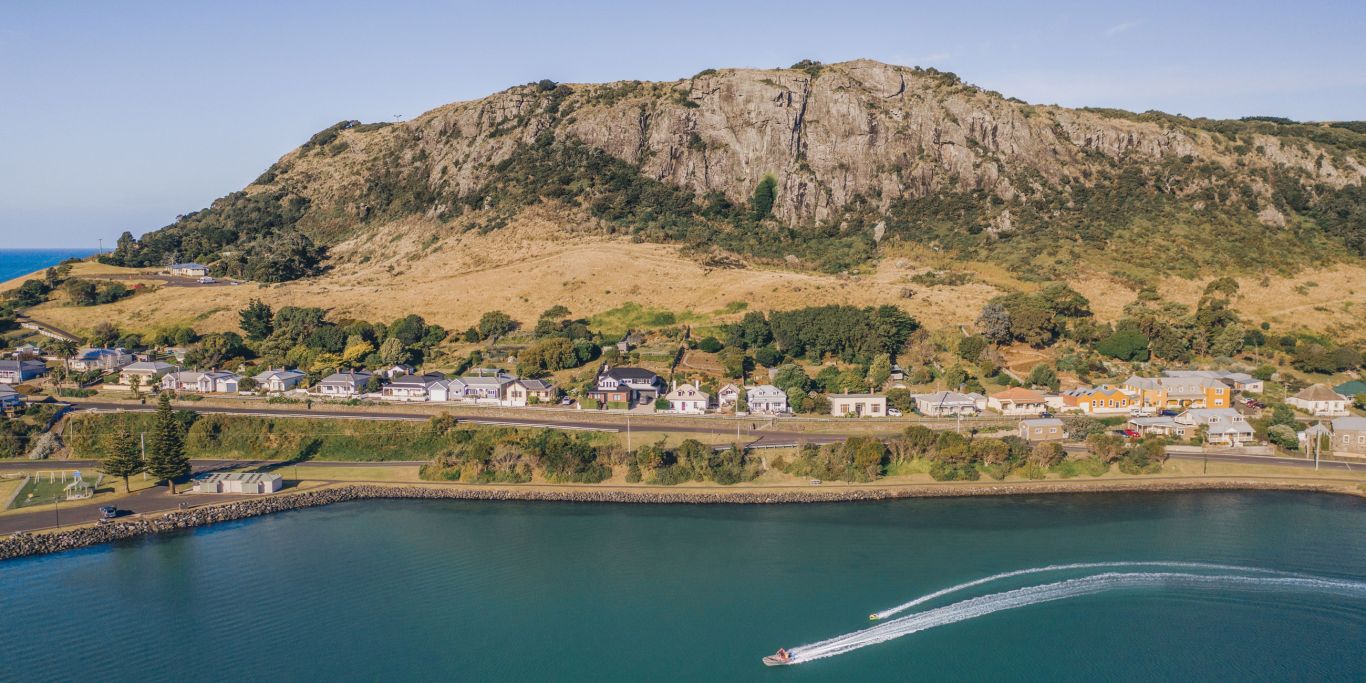
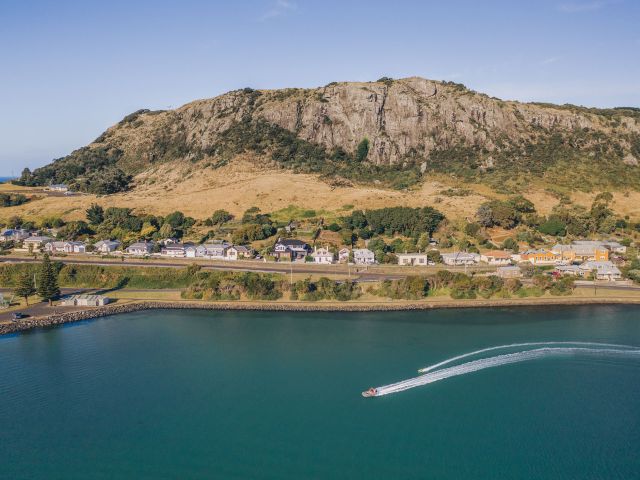
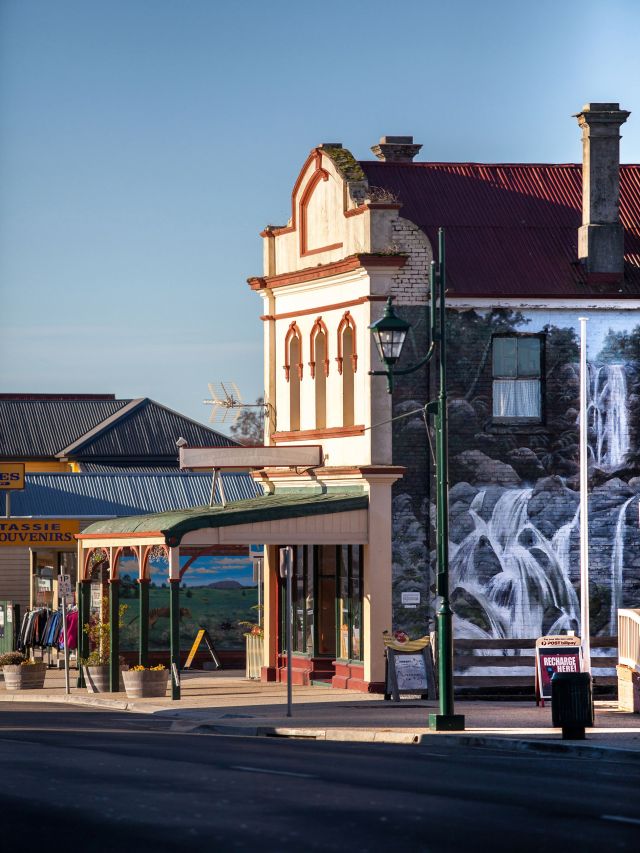
Discovering the rugged coastlines and rich maritime history of Stanley. (Credit: Jess Bonde)
Once a base for the Van Diemen’s Land Company, the quaint fishing town of Stanley on Tasmania’s rugged north-west coast is steeped in maritime and sometimes sobering colonial history. Nowadays, visitors come to trawl its antique stores, tea houses and galleries. Well-preserved 19th-century cottages cluster around the base of The Nut – a flat-topped, ancient volcanic plug stretching 143 metres over the town – where sea air carries equal parts salt and story. “It’s well worth the detour to this corner of Tassie," says panellist Imogen Eveson.
Don’t miss: Some of Australia’s freshest ocean fare can be found at family-run Hursey Seafoods Restaurant.
Need tips, more detail or itinerary ideas tailored to you? Ask AT.
AI Prompt
4. Richmond
Overall rank: 18/100
Palawa/Tasmanian Aboriginal Country
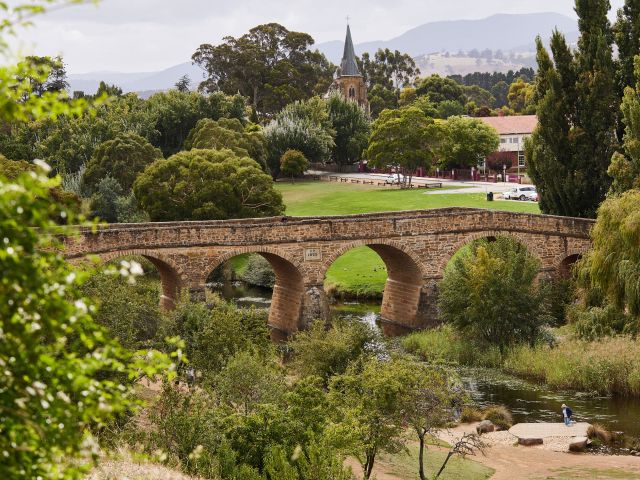
Stop by Australia’s oldest stone arch bridge. (Credit: Tourism Australia)
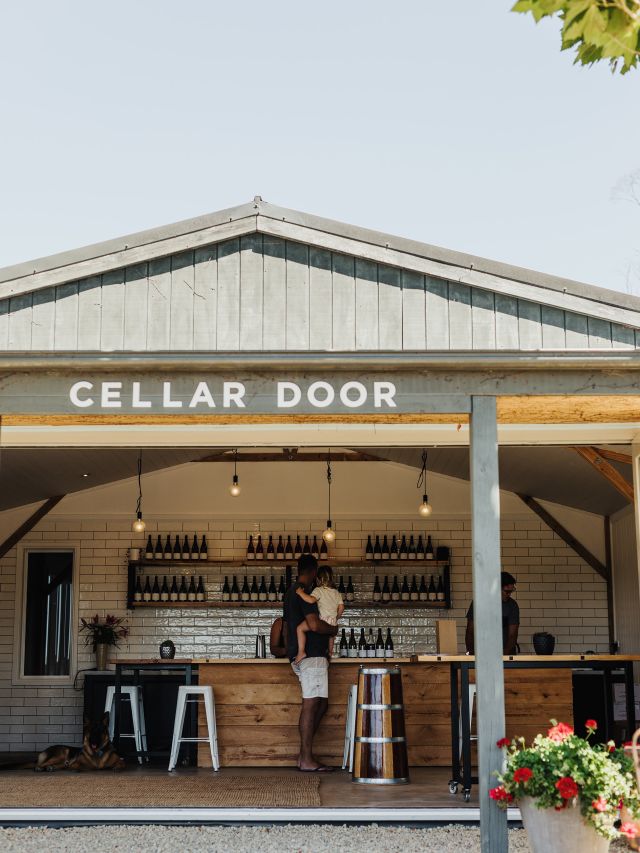
Just 25 minutes north-east of Hobart, Richmond is famed for its honeyed Georgian facades, many now repurposed into cafes and hotels. The picturesque town served as a police district between Port Arthur and Hobart during the early days of settlement; visit the Richmond Gaol for a goosebump-inducing glimpse into its complicated past, then soften the mood by exploring the town’s vibrant cellar doors and eccentric museums (yes, there’s even one for animal droppings). It’s panellist Katie Carlin’s top pick; from its quaint shopfronts to a pie shop to die for, “I just love everything about it," she says. “It’s like a storybook town."
Don’t miss: Have a picnic by Richmond Bridge (1825), Australia’s oldest stone bridge, where you’ll find resident ducks and ducklings. Then enjoy a luxe country stay at Aquilo Eco Retreat.
5. Launceston
Overall rank: 26/100
Palawa/Tasmanian Aboriginal Country
Grape-to-glass magic truly shines at Sinapius Vineyard. (Credit: Adam Gibson)
“Launceston is big enough to have fabulous big-city restaurants and coffee, but small enough to have maintained a sense of community," says panellist Brett Godfrey. That balance underlines Lonnie’s status as Northern Tassie’s City of Gastronomy. The town earned its title through its grape-to-glass and paddock-to-plate philosophies, exemplified by boutique wineries such as Sinapius Vineyard. But there are plenty other things to do in Launceston besides eating and drinking, from visiting art galleries to catching the chairlift across Cataract Gorge.
Don’t miss: Producers, makers, growers and chefs operate in close orbit here and you can visit them along the Tasting Trail Tasmania route through the state’s north-west.
6. New Norfolk
Overall rank: 36/100
Palawa/Tasmanian Aboriginal Country
The award-winning Agrarian Kitchen is a beloved temple to Tasmanian produce. (Credit: Luke Burgess)
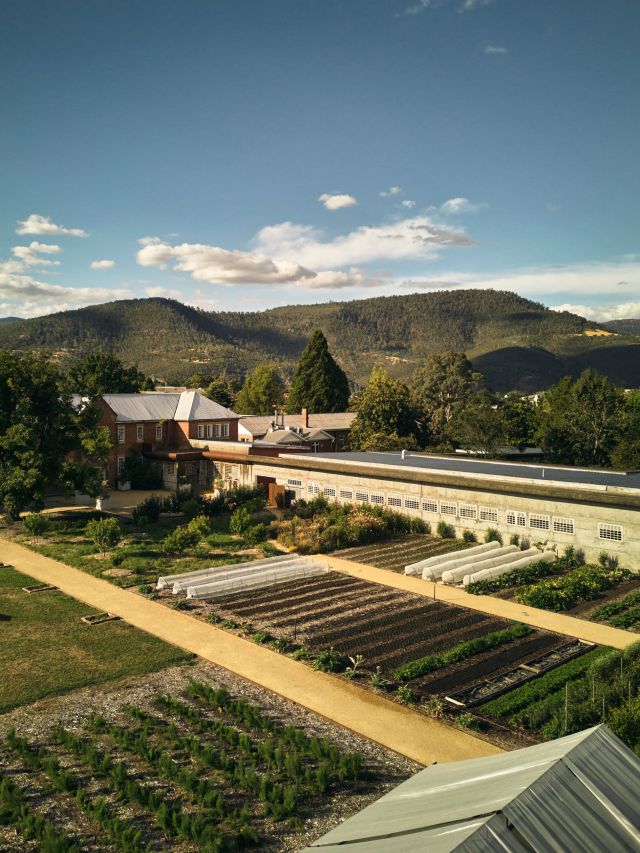
Over the years, this historic riverside town in Tasmania’s Derwent Valley has reinvented itself through its food, drink and antiques scenes. Award-winning dining destination and cooking school The Agrarian Kitchen continues to push New Norfolk’s narrative from its home within the ever-evolving Willow Court precinct, a former asylum that connects past to present.
Don’t miss: Your chance for a spot of vintage shopping. If you love contributing to the circular economy, this is your kind of town, says Catriona Rowntree. “Just keep plenty of space in your luggage, and yes, they do ship!"
7. Bridport
Overall rank: 39/100
Palawa/Tasmanian Aboriginal Country
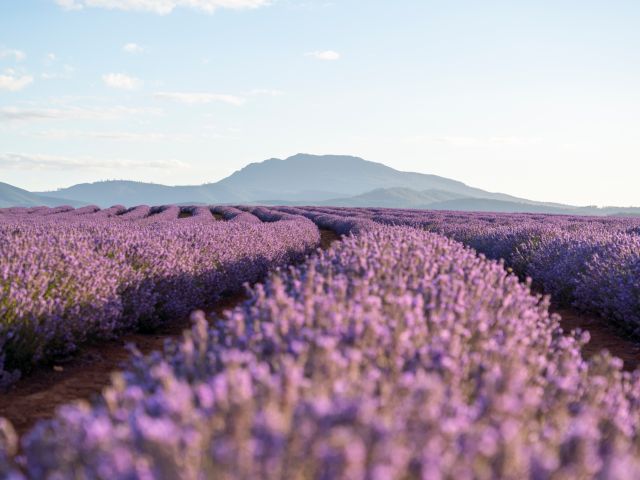
Wander through the fragrant purple fields at Bridestowe Lavender Estate. (Credit: Luke Tscharke)
This tranquil town on Tassie’s north-east coast is known for swimming and sailing as much as its fairways and farmland. But it’s winter we’ve set our sights on when the much-loved Tassie Scallop Fiesta rolls into town. Celebrate the region’s seafood bounty with a couple of curried scallop pies along with local mussels and just-shucked oysters pulled from nearby waters.
Don’t miss: A wander through Bridestowe Lavender Estate when the fields are in bloom in summer, “a perfect spot to roam through rows of vivid purple," says panellist Ben Hall.
Weekly travel news, experiences insider tips, offers, and more.
8. Evandale
Overall rank: 53/100
Palawa/Tasmanian Aboriginal Country
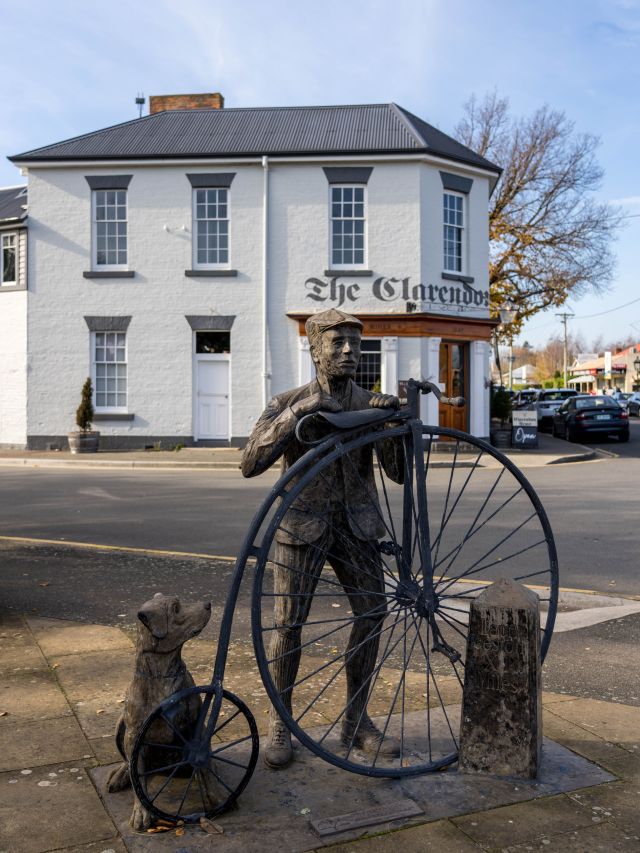
Settle in at The Clarendon Arms for a hearty pub meal. (Credit: Alastair Bett)
Venture just outside Launceston’s city limits and you’ll stumble upon one of the quirkiest corners of the country. Evandale may seem quiet at first, however the close-knit community of this quaint little town is anything but, always warmly welcoming visitors with cheery smiles and friendly chatter. Locals of this Georgian village, classified by the National Trust for its remarkably preserved 19th-century streetscapes, honour its heritage through the upkeep of Evandale’s classic pubs, antique stores, manicured gardens and renowned Clarendon Estate. That same spirit comes to life each year for the National Penny Farthing Championship, where participants race atop teetering 1870s-style bicycles.
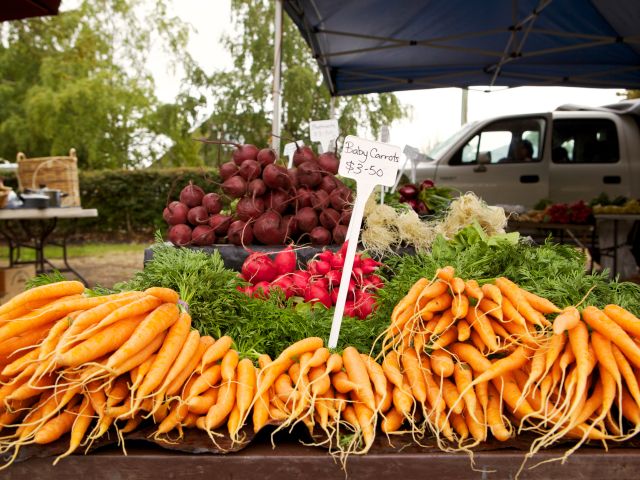
Stock up on fresh produce at Evandale Market. (Credit: Tourism Tasmania/Adrian Cook)
Don’t miss: “The Evandale Sunday markets, with its fresh local produce and homemade sweets, crafts and vintage finds, too. I visited on a rainy Sunday morning and it’s still one of the best memories I have from a week-long road trip around Tassie," says Katie Carlin.
9. Strahan
Overall rank: 85/100
Palawa/Tasmanian Aboriginal Country
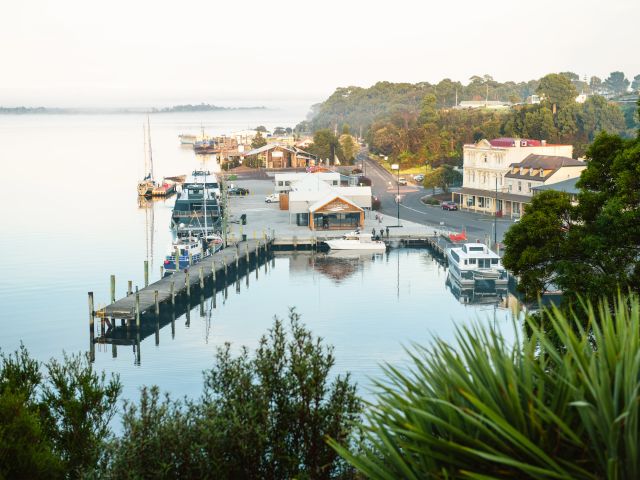
The Strahan waterfront is a quaint harbour on Tassie’s west coast. (Credit: Tourism Tasmania / Stu Gibson)
Western Tasmania is a place of craggy coastlines, ancient rainforests and rugged mountains – so majestic that vast swathes of it have been given World Heritage status. Strahan is your base for exploring this “remote west-coast wilderness," as Irene Jones describes it. The harbourside village has a dark history, which is revealed at Sarah Island, Tasmania’s first and arguably most severe penal settlement. In contrast, its natural beauty shines, with Tassie devils, platypus and little penguins calling the Tasmanian Wilderness World Heritage Area home. “If you don’t think Strahan is Australia’s prettiest town, you have never been," says panellist Quentin Long. “In any other country it would be an icon."
The colourful, curated streetscapes of Tasmania’s iconic Town of Murals. (Credit: Tourism Tasmania/Kelly Slater)
Dubbed the Town of Murals, the once-workaday hydro hub of Sheffield now trades turbines for artistic talent, its streets a curated collision of pastoral nostalgia and contemporary narratives. Set in Tasmania’s west-by-north-west, the town has reinvented itself with street art, galleries that attract blockbuster exhibitions, including the annual Mount Roland Art Prize, and cafes that take their coffee seriously. Nearby mountains, Roland and Cradle, keep a steady watch over it all. “I based myself in Sheffield to explore Cradle Mountain-Lake St Clair National Park and I was so glad I did," says panellist Katie Carlin. “Loop Dove Lake for an easy option – it’s up there as one of the prettiest hikes I’ve ever done."
Don’t miss: The town’s mural trail, then detour to lakes, trails and farm gates that prove Sheffield’s renaissance extends well beyond its walls.
This article is part of Australian Traveller’s 100 best Aussie towns to visit, as chosen by a panel of industry experts, well-known Aussies and travel insiders. See our full list of 100 best Aussie towns here and visit the special 100 best Aussie towns hub here.
Want to see more stories from Australian Traveller in your Google search results?
Overlooking the winding Tamar River, the Tamar Ridge & PIRIE Cellar Door is where two of Tasmania’s most acclaimed wine labels come together. Sip award-winning cool-climate wines and world-class sparkling while soaking up the vineyard views in one spectacular setting.
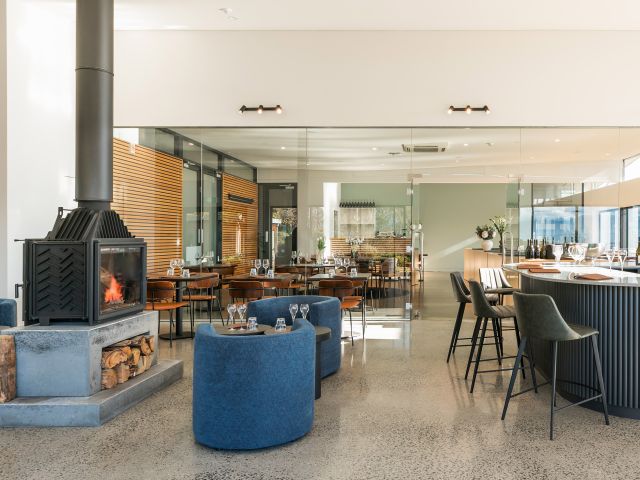
The fire crackles softly as you settle into a comfortable armchair, a glass of Tamar Ridge Reserve Pinot Noir warming your hands. Outside, rows of vines stretch across the Tamar Valley, their gentle contours framed by rolling hills and ever-changing skies. Or perhaps it’s a sunlit afternoon, and you’re on the terrace with a flute of PIRIE Vintage sparkling in hand, watching the valley shimmer beneath you as each crisp sip captures the freshness of Tasmania. At the Tamar Ridge and PIRIE Cellar Door, the setting in one of Australia’s most celebrated cool-climate wine regions is every bit as special as the wines.
The two brands now share a beautifully refurbished cellar door, giving visitors the opportunity to sample both still and sparkling wines from the Brown Family Wine Group’s luxury portfolio in a single stop. Alongside the shared tasting space, they’ve also introduced a range of premium experiences tailored to each brand.
Tamar Ridge’s story began in 1994, when vines were planted at Kayena in Tasmania’s Upper Tamar Valley. Guided by renowned viticulturist Dr Richard Smart – the “Flying Vine Doctor” – the vineyard quickly gained a reputation for quality, with a new winery established in 1998 and the Tamar Ridge label born.
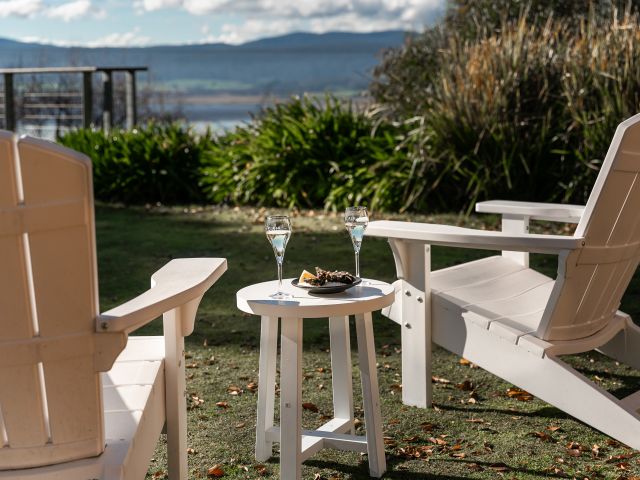
Sit outside to soak in the sun as you enjoy Tamar Valley views. (Credit: Natasha Mulhall)
Today, New Zealand-born head winemaker Tom Wallace leads the cellar, brings his passion for cool-climate winemaking to help shape Tamar Ridge’s reputation for elegant, expressive wines.
Founded by Dr Andrew Pirie in 1995, PIRIE helped prove the island’s potential for world-class cool-climate sparkling.
Crafted in the traditional method from hand-picked Pinot Noir and Chardonnay grown in the Valley, PIRIE Tasmania sparkling wines are celebrated for their fine beads, depth and elegance. With a collection of trophies, gold medals and top honours behind them, these rare vintages showcase the very best of the state’s sparkling wine.
Brown Brothers – now known as the Brown Family Wine Group – acquired Tamar Ridge, PIRIE and Devil’s Corner on the island’s east coast in 2010, extending the legacy of a family wine company founded in 1889 at Milawa in Victoria’s King Valley. The company has continued its pursuit of exceptional cool-climate vineyards, recognising Tasmania’s unique potential in a changing climate.
Location
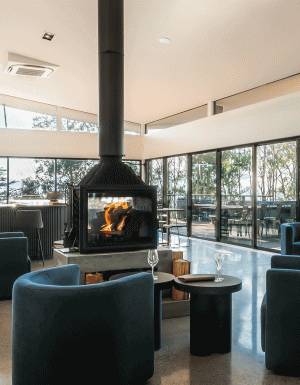
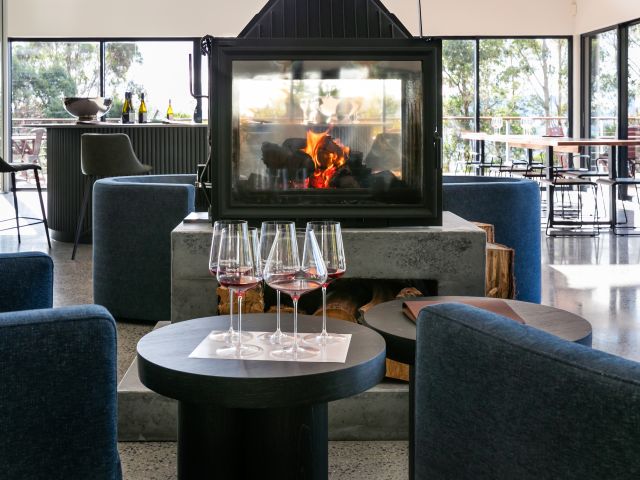
Get cosy by the roaring fireplace. (Credit: Natasha Mulhall)
Tamar Ridge & PIRIE Cellar Door is set on the west bank of the Tamar River, just 20 minutes north of Launceston and around two and a half hours’ drive from Hobart near the riverside village of Rosevears in northern Tasmania. Stretching more than 60 kilometres along the river, from the mouth near Launceston north towards Bass Strait, the Valley is a vast patchwork of vineyards, orchards, farmland and historic townships.
Style & decor
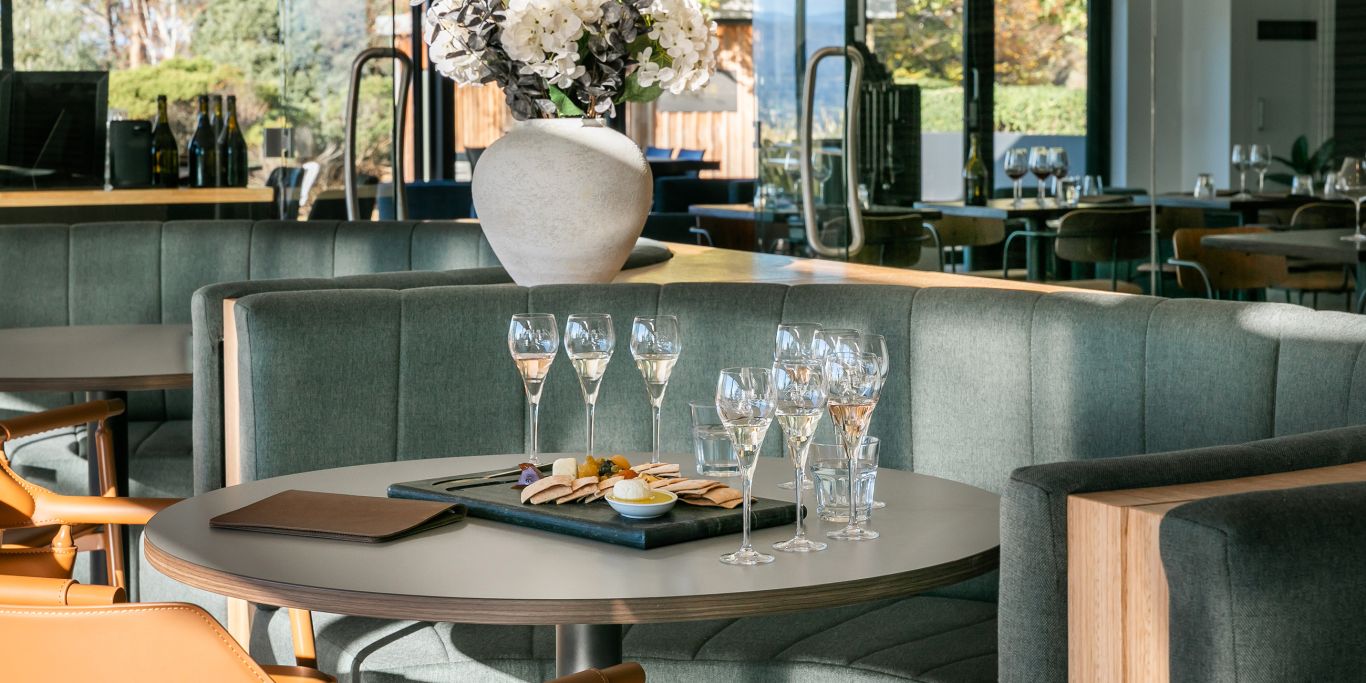
Come for a regular tasting, or book an experience. (Credit: Natasha Mulhall)
Floor-to-ceiling windows showcase panoramic views, while outdoor decks make the most of the surrounding scenery. Inside, the refined contemporary interiors strike a balance between modern luxury and the natural surrounds, with a double-sided fireplace to linger by. A Tamar River view creates a warm focal point. Natural wood accents add a sense of place, including a handcrafted 12-seat Tasmanian oak table that anchors the space with understated elegance.
Wine experiences
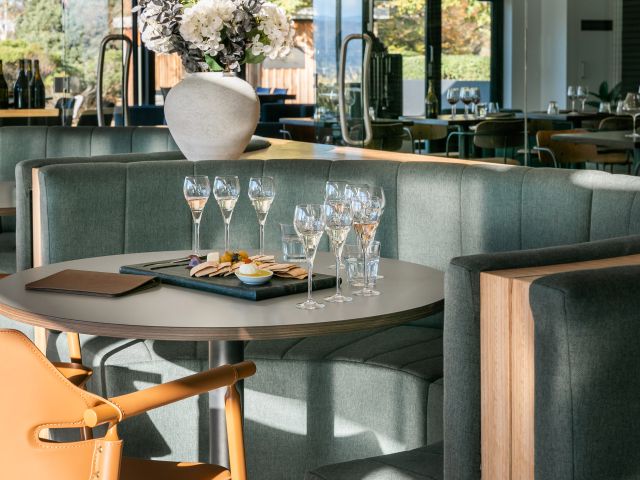
The cellar door’s curated wine experiences pair award-winning wines with local produce and the stories behind them. For those who prefer a leisurely visit without a set itinerary, the cellar door also offers cheese platters and small plates, best enjoyed with a glass in hand while taking in those Tamar River views.
Come for a taste, stay for an experience.
PIRIE & Oyster Experience
Taste the best of PIRIE matched with oysters. (Credit: Natasha Mulhall)
A true taste of Tasmania comes to life in the PIRIE & Oyster Experience, created in partnership with Tasmanian Oyster Co. Exploring the connection between merroir and terroir – the influence of the sea and soil on flavour – this guided tasting pairs three premium oysters from different Tasmanian growing regions with three expressions of PIRIE sparkling wine: the NV, 2021 Vintage and Blanc de Blanc.
As each oyster and wine pairing is revealed, guests discover how Tasmania’s unique landscapes shape flavour, from the mineral freshness of the ocean to the elegance and precision of cool-climate sparkling wine.
Pinot Noir Blending Experience
Try your own hand at mixing. (Credit: Natasha Mulhall)
For those who want to step behind the winemaker’s bench, the Pinot Noir Blending Experience offers a hands-on journey into the art of creating great wine.
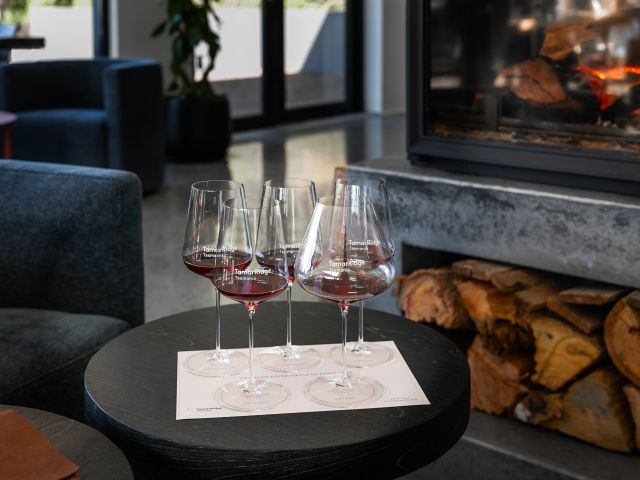
Guests taste through three to four individual Pinot Noir clones from the previous vintage, each revealing its own personality through aroma, structure and character. Guided by the cellar door team, visitors explore how these individual components come together to create balance and complexity – before attempting their own blend.
Will you recreate the house style, or create something entirely original? This immersive experience offers a fascinating insight into the craft, creativity and precision that goes into every bottle.
Supreme Indulgence
Settle in for true indulgene. (Credit: Natasha Mulhall)
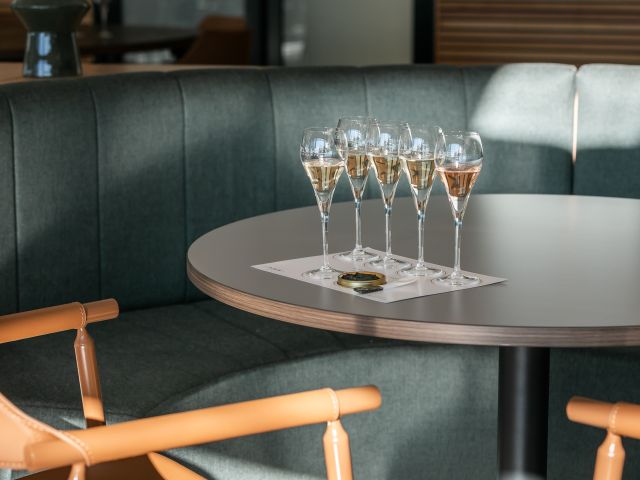
The most elevated experience at the cellar door, the Supreme Indulgence (PIRIE Sparkling with Caviar tasting) is a celebration of luxury, refinement and Tasmania’s exceptional produce.
Priced at $99 per person, the tasting pairs PIRIE Tasmania’s most distinguished sparkling wines with carefully selected sturgeon caviar, chosen to enhance the elegance, texture and finesse of each cuvée. Hosted by an expert member of the team, the experience unfolds as a thoughtful exploration of fine bubbles, delicate flavours and the craftsmanship behind every bottle.