Choosing the road less travelled is fine in theory – but it helps if you’ve got something to choose from. So, to fill your summer with places and pastimes that never even occurred to you, here are ten Christmas destinations you might have left off the wish list.
1. Victoria’s northeast: the perfect summer playground
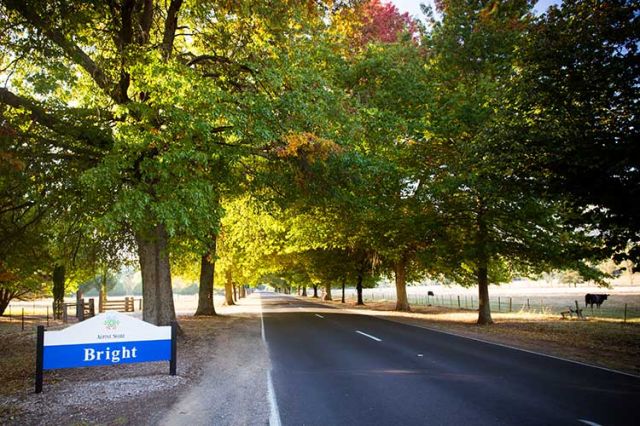
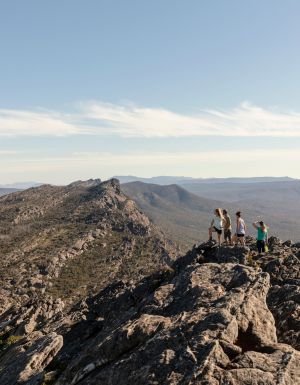
Not just a winter destination, Victoria’s northeast doubles as the perfect summer playground – especially from bases such as Bright or Mount Beauty, just over 300 kms from Melbourne via the Great Alpine Road. Cycle the Bright Rail Trail, comprising more than 94 kms of sealed path along the disused railway line from Bright to Wangaratta; it has a gentle gradient to suit all ages.
Bright also has plenty of cafes and restaurants and is an access point for Mount Buffalo and its many great walks and lookouts. In the Ovens Valley, visit the Snowline Deer and Emu Tourist Farm, where kids can hand feed red deer and emus or take a farm tour in a US Army WWII Scout Car.
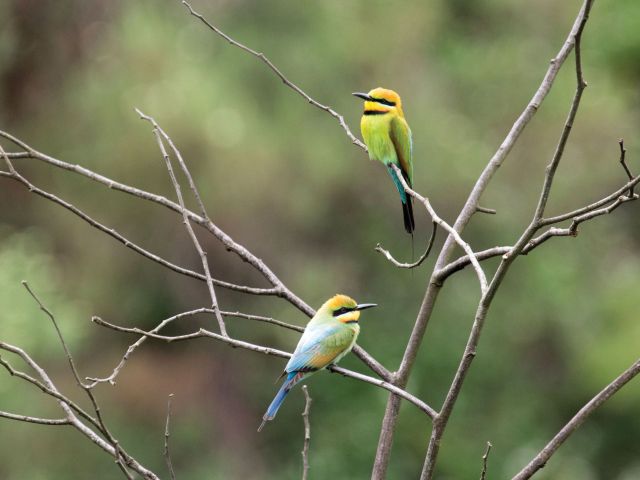
As locals have discovered, Mount Beauty is a great family destination, where even wineries are family-friendly; kids have plenty of space to run around while parents can enjoy a wine tasting. Wineries in the area include Ceccanti and Mount Bogong Estate, specialising in that most fickle of cool climate wines; pinot noir. And if that’s not enough to keep you occupied, try nighttime wildlife spotting or bird watching with Gippsland High Country Tours , or fishing on the Kiewa River .
2. Discover the world’s oldest fossils at Lake Mungo National Park
Some of the oldest fossils in the world have been found at Lake Mungo National Park, part of the Willandra Lakes World Heritage Area in the southwest corner of NSW.
Learn all about this fascinating place, which is home to the longest continuous physical records of Aboriginal life (dating from 40,000 to 60,000 years ago) on day tours through the Visit Mungo site .
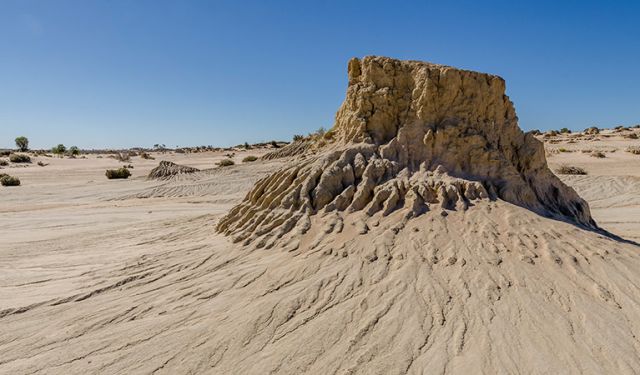
Lake Mungo was once a 135 square kilometre inland freshwater lake, before it dried up around 14,000 years ago; on the various tours available, you’ll learn about bush tucker plants and medicines, visit the Mungo National Parks Visitor Information Centre , see the historic woolshed built by Chinese labourers, then finally the Great Walls of China – an amazing 30km crescent shape of eroded white sand dunes concealing examples of cooking hearths, middens (campfire areas) and burial sites.
You’ll learn more about the ways of the local Barkindji people on the way back to Wentworth.
3. Help save the frogs in the Border Ranges and Watagan Mountains of NSW
Volunteers can join conservationist Dr Michael Mahony on Australia’s Vanishing Frogs, a conservation research project sponsored by Earthwatch to study the rapid decline in the native frog population in the Border Ranges and Watagan Mountains of NSW.
Earthwatch is a not-for-profit organisation sponsoring conservation research projects both in Australia and overseas, where paying volunteers work alongside scientists to collect data research.
Frog populations are dwindling around the world, and on weekend or week-long projects volunteer families can join one of a series of bush camping expeditions which set off from Newcastle to find, catch, weigh, measure, determine the sex of, then release frogs in order to observe their behaviour and record their calls. You’ll also encounter a huge variety of other daytime and nocturnal wildlife, including birds, possums and kangaroos – when you’re not swimming in the river or sitting comfortably around the campfire, that is.
Cooking duties are shared, with all meals prepared over an open fire (no takeaways here), and the bush camp has toilets and hot showers.
4. All the adventure at Lord Howe Island
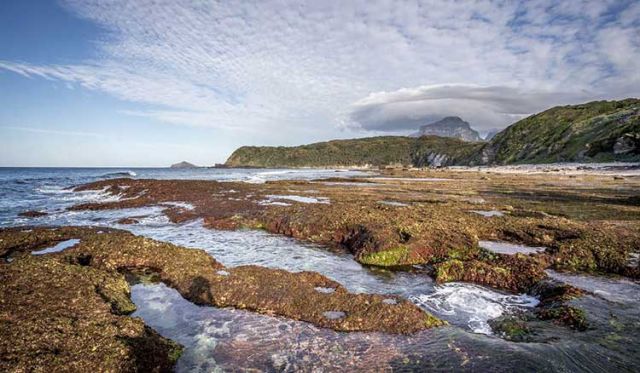
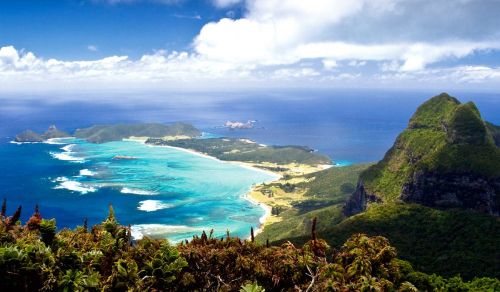
For a laidback family holiday, you can’t beat Lord Howe Island – a veritable paradise for kids, with swimming, fishing, snorkelling, bushwalking and bike riding. Youngsters are happy on the lagoon beaches where the water laps the shell-strewn sand. Cycle and walk with a backpack of barbecue supplies for lunch, stroll through the palm forests, play a round on the nine-hole golf course, or take a cruise around the island to see the other side of spectacular mounts Gower and Lidgbird.
The island has a precious World Heritage Listing, with rare native flora and fauna that can be seen up close on tours with local resident Ian Hutton, or discovered through his guidebooks. From lookout points on Lord Howe, which is surrounded by the most southerly coral reef in the world, you can see the Admiralty Islands, Mutton Bird Island and towering Ball’s Pyramid away in the distance.
You can also look down into the clear waters and see turtles swimming by – just the sort of moment that ensures that Lord Howe creeps into your blood. No wonder entire extended families return here year after year. Places to stay with families or for couples… check out our guide to the best Lord Howe accommodation.
5. Esperance: the world’s best (secret) family destination?
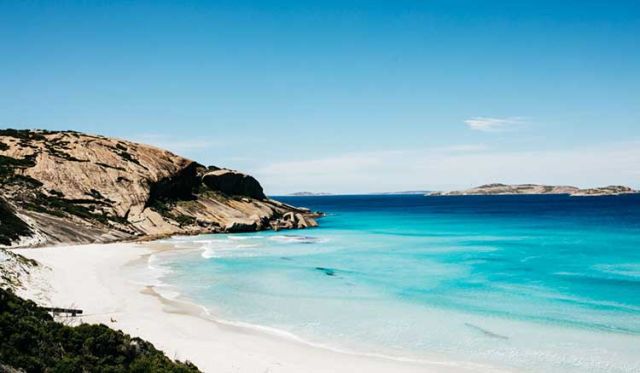
Sorry to blow the whistle, but flying, driving or taking the train down to Esperance, some 720 kms southeast of Perth, you’ll find a family destination that’s really hard to beat. In the area the tourism people call WA’s “secret south", this is the coastline with everything – beautiful beaches, islands, wildlife (kangaroos can sometimes be seen sunbathing on the beach) and many other local attractions.
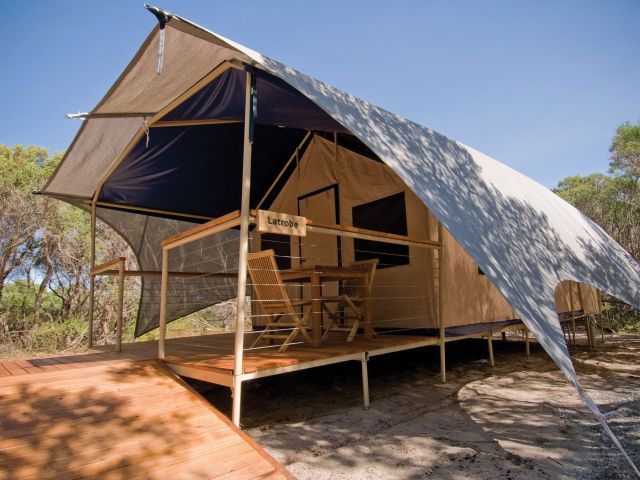
Esperance has holiday units, apartments, plenty of campsites and cabins and, while you’ll spend loads of time at the beach, there’s an Aquarium with a touch pool, an adventure playground on the Esplanade and a Mini Steam Express train, all guaranteed to thrill the kids.
You can hire canoes, go snorkelling and diving (check out the Lapwing and Sanko Harvest wrecks) and walk through the wetlands, which have bird hides for bird watching. Take a wildlife cruise to look for dolphins, seals, Cape Barren geese and sea eagles, too.
Pink Lake is another stellar local attraction, along with the Cape Le Grande and Fitzgerald National Parks, with 4WD tours along the coast. Inland, visit Telegraph Farm west of Esperance for all your camel, deer, llama, emu, kangaroo and buffalo spotting needs.
6. Go wild in Victoria’s Snowy River National Park
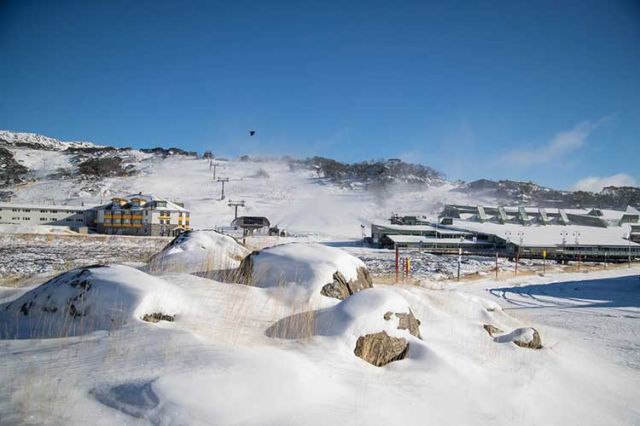
Victoria’s Snowy River National Park is home to Little River Gorge, the state’s deepest, carved through limestone and sandstone by the Snowy River. Cars of any type can enter the park at McKillops Bridge, where sandy beaches, rapids and shallow rock pools create an excellent swimming spot; for hiking and bush walking, the 18km Silver Mine Walking Track and the short Snowy River Trail also start here.
Things to do in this National Park include horse trail riding at Karoonda Park , a lodge and camping retreat that also conducts tours and guided trail rides ranging from one hour to several days. Rafting, caving, abseiling and rock climbing are also available and mountain bikes can be hired for self-guided tours.
Tours of the Snowy River are available with Snowy River National Parks Discovery Tours, along with 4WD tours and guided mountain biking. Kayaking or canoeing along the Snowy River is a brilliant way to see the rugged river gorges, with trips ranging from a couple of hours to several days, with overnight camping on the sandbars.
7. Become water babies in South Australia’s Fleurieu Peninsula
Water and plenty of it is the draw card of South Australia’s Fleurieu Peninsula, with aquatic activities on both coastal and inland waterways. On the coast at Victor Harbor on the it’s the laidback life, with fishing from jetties, beaches and boats.
There’s surfing and body boarding, scuba diving and sailing – with charter boats and cruises available when you want to be on the water rather than in it. Activities for summer holidays also include cycling, rollerblading, skating, kite flying and trips on the SteamRanger Cockle Train.
Granite Island, just off Victor Harbor, is home to more than 2000 Little Penguins and an oceanarium for learning more about local marine life. There are penguin tours at dusk and dolphin cruises by day – walk along the causeway or travel in a heritage tram drawn by Clydesdale horses.
The Greenhills Adventure Park is a great place for kids, with a water slide, moon bikes, a maze, tractor train rides, paddleboats and a 12.5-metre climbing wall.
Inland, the countryside is extremely pretty, with steep, rolling hills criss-crossed by waterways, cool pools for swimming, waterfalls and picnic places.
8. Manly: the ultimate Christmas by the beach
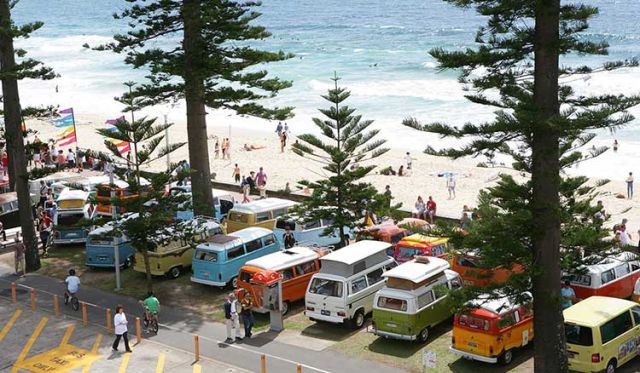
Yes, it’s busy and the beach is crowded – but Sydney‘s Manly has a year-round holiday atmosphere, making it relaxing but fun and upbeat at the same time. Close to the many beaches on this lovely NSW Northern Peninsula, this is a place to take surf lessons at a surf school, go body boarding and sailing.
Not staying in Manly? See it all in a blur with Bonza Bikes’ Sydney and Manly Beach Tour , a full-day guided tour including ferry ride, biking through Manly, North Head and Sydney’s historic business district – adults $119, kids $95. Bonza Bikes also has a Sydney Harbour Bridge Ride (adults $95, kids $75), with a ride over the bridge and around the North Shore.
9. Discover vintage trains in NSW and VIC
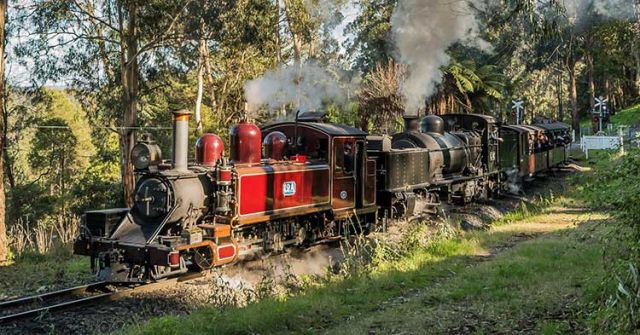
Kids love trains and there are vintage steam and electric train rides to be had in many parts of Australia. In Victoria, Puffing Billy is the remaining survivor of the narrow-gauge steam trains from the 1800s. It runs three or four times daily from its station at Belgrave to Emerald Lakeside Park or Gembrook, stopping at the Menzies Creek steam train museum (open weekends and public holidays). At Emerald Lake, the model railway at Lakeside Park has more than two kilometres of track.
South Australia’s Pichi Richi Railway runs heritage train journeys on the oldest remaining section of the famous old narrow-gauge Ghan railway from Quorn and Port Augusta, while the Great Lithgow Zig Zag Railway in the NSW Blue Mountains has round trips of about 1.5 hours from Clarence Station on this engineering masterpiece of a railway line.
For something completely different, ride a section of one of the world’s great train journeys on the Ghan (Adelaide to Darwin via Alice springs) or the Indian Pacific (Sydney to Perth via Broken Hill and Adelaide). Of course you need to make sure it isn’t dark all the time you’re travelling, but these trains do have kids’ menus so this could be just the ticket.
10. Head to the Snowy Mountains for gold, archery and horses!
A terrific base for skiing in winter, Lake Crackenback Resort in the NSW Snowy Mountains is just as great for holidays during the warmer months, with a range of self-catering luxury apartments and houses and a wide range of activities available.
Here’s just a small sample of the facilities up for grabs: a nine-hole par-three golf course, indoor swimming pool, an archery field, horses and stables, canoes for splashing about on Lake Crackenback, mountain bikes, bushwalking trails, tennis, badminton and volleyball courts, and excellent spots for trout fishing.
There are also Kosciuszko Alpine guided walks that start from here, as well as a series of walks in and around the property.
What else?
Babysitting can be arranged and a kids’ club is available Monday, Wednesday and Saturday evenings from 6.30-9pm that includes dinner, plaster pot painting and a movie ($18 per child, 5-12 yrs).
There are five gas barbecues around the resort, a grocery store, a cafe and a restaurant – so you can combine meals out with self-catering. Quite the perfect arrangement for families.

Alison Plummer Martin
View profile and articles