The next chapter of Australian travel isn’t about more, bigger or better. It’s about choosing experiences with more care.
In an era when algorithms might be able to tell us where to go, but not why it matters, the idea of an anti-bucket list feels timely. For decades, travel has been framed around cramming in as many places as possible – a race around the world before our time runs out. Australian Traveller is upending that logic – not in a bid to abandon ambition, but to question it. To shift the focus from collecting destinations to engaging with them – travelling more slowly, more intentionally, and with a greater regard for place.
The Australian Traveller anti-bucket list isn’t about doing less; it’s about paying closer attention. The destinations that follow are not new; what’s new is how to approach them. From long-distance tracks in Western Australia to a landmark loo in Maryborough, each offers a way of travelling that values context over ticking off a checklist. Here’s where to go deeper and stay longer.
The South West region of WA
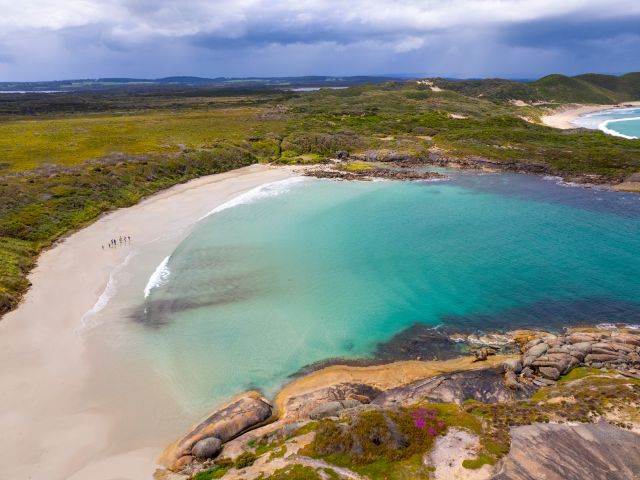
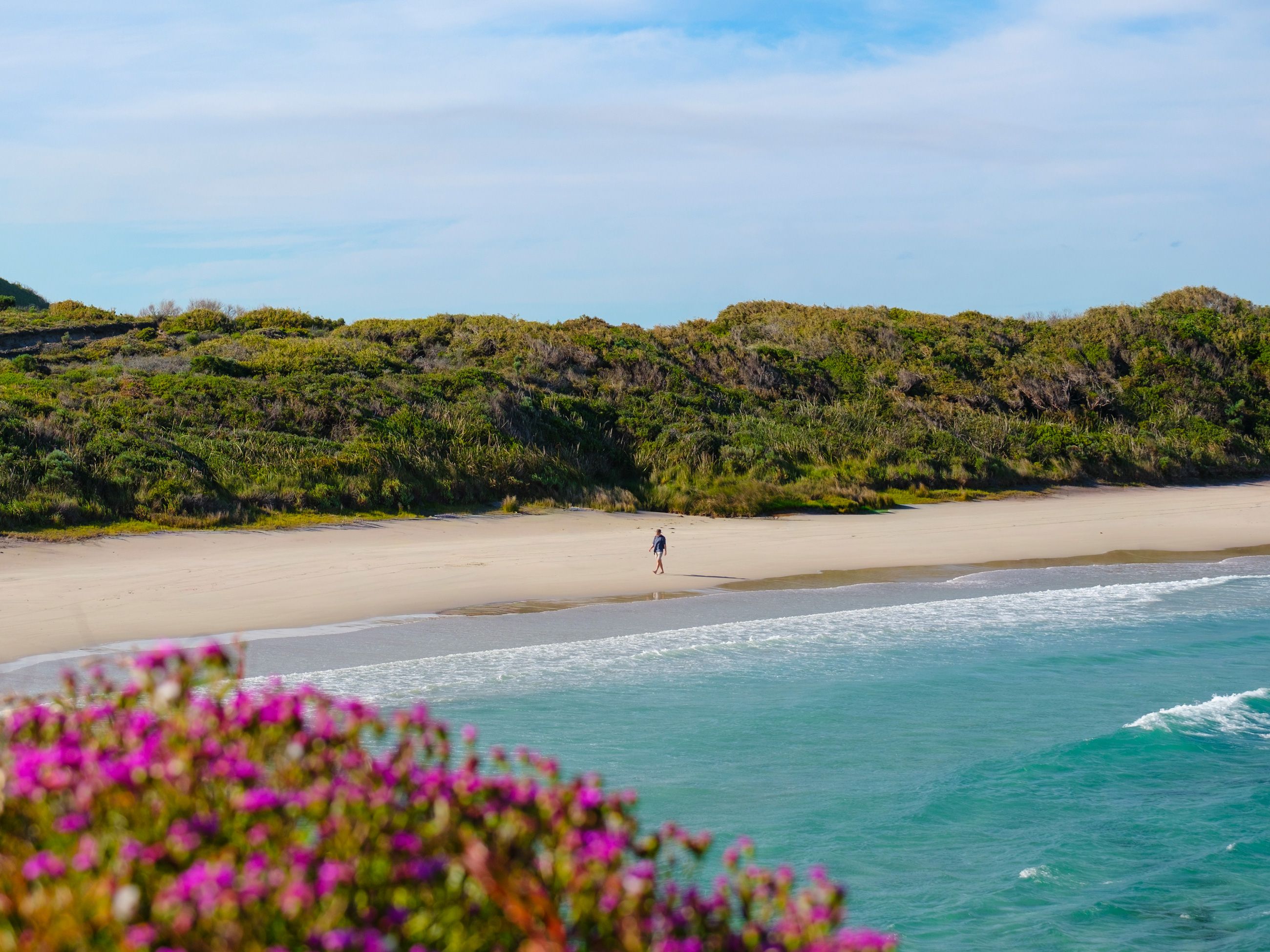
Hikers are dwarfed by the scale of the Great Southern coast. (Image: Rachel Claire & Jessica Wyld)
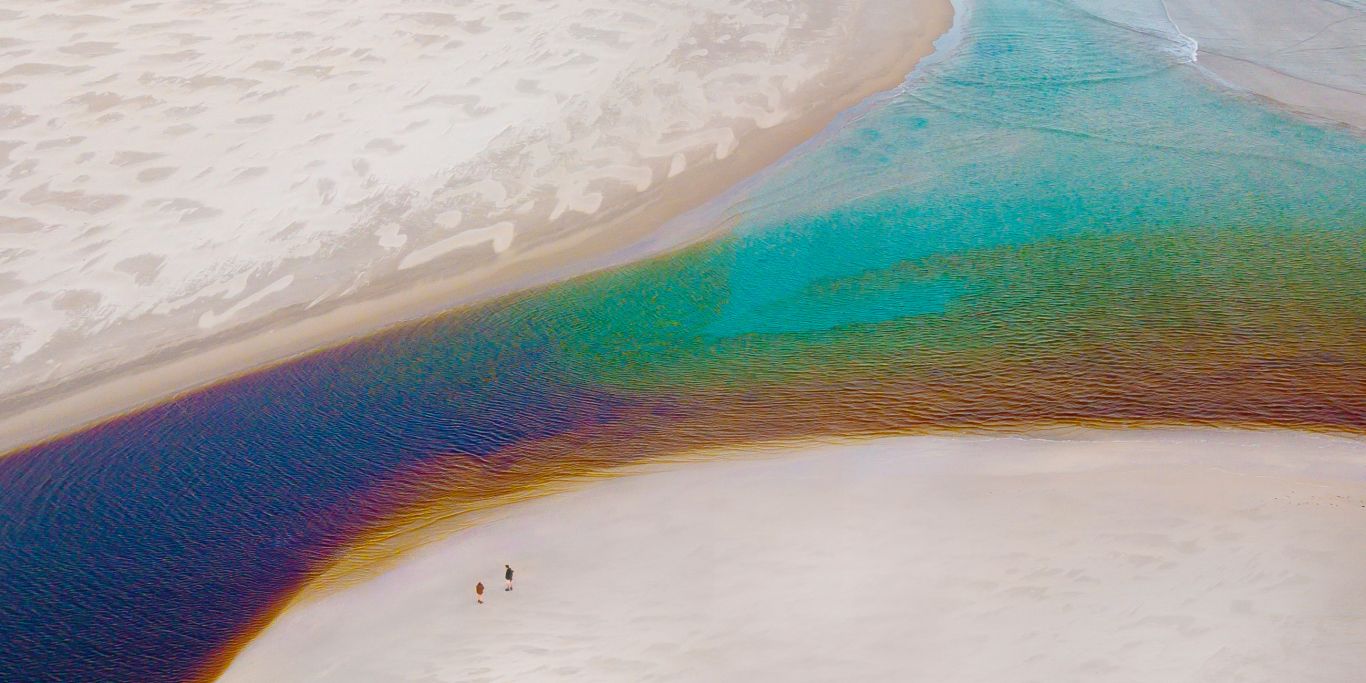
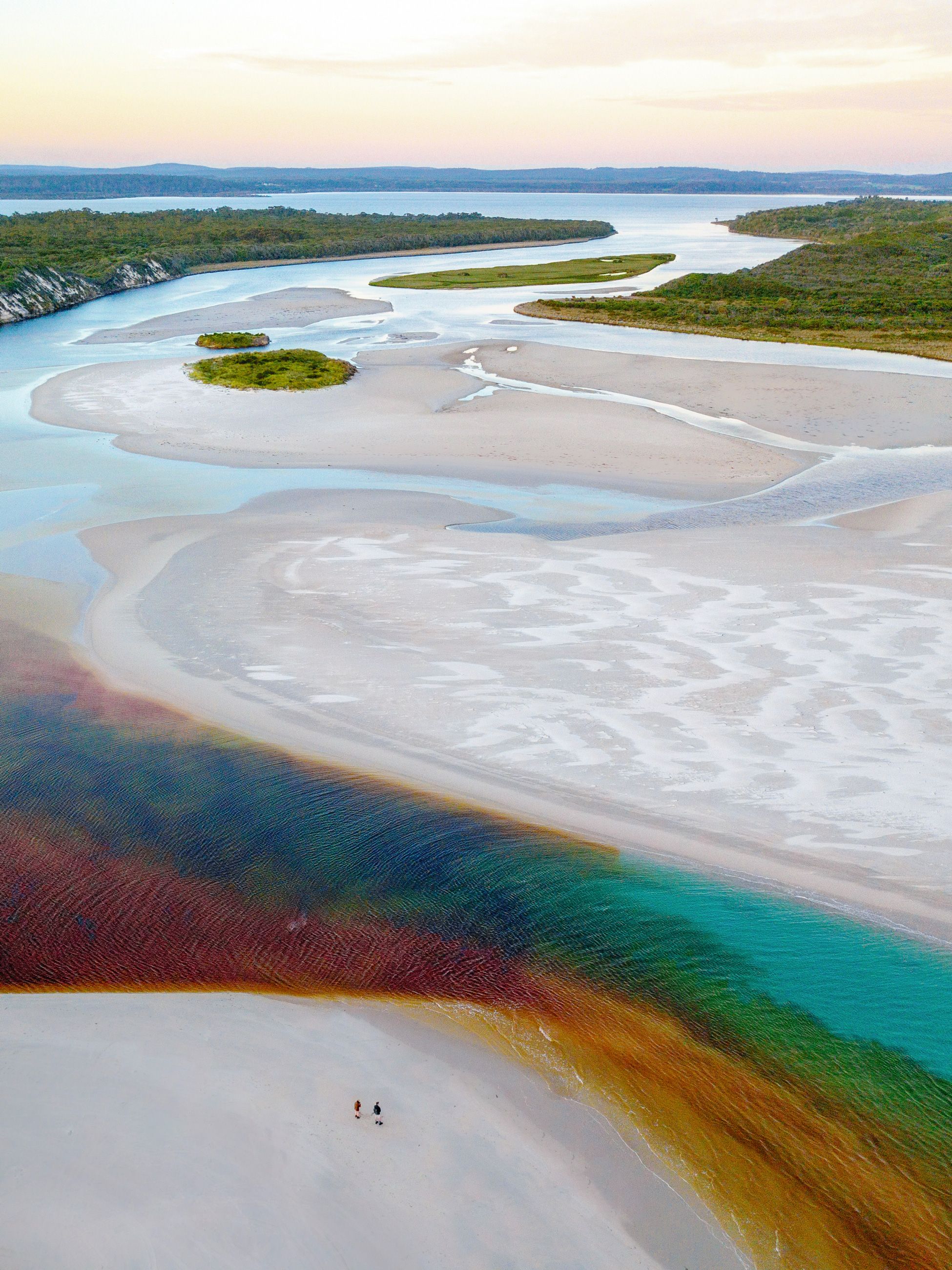
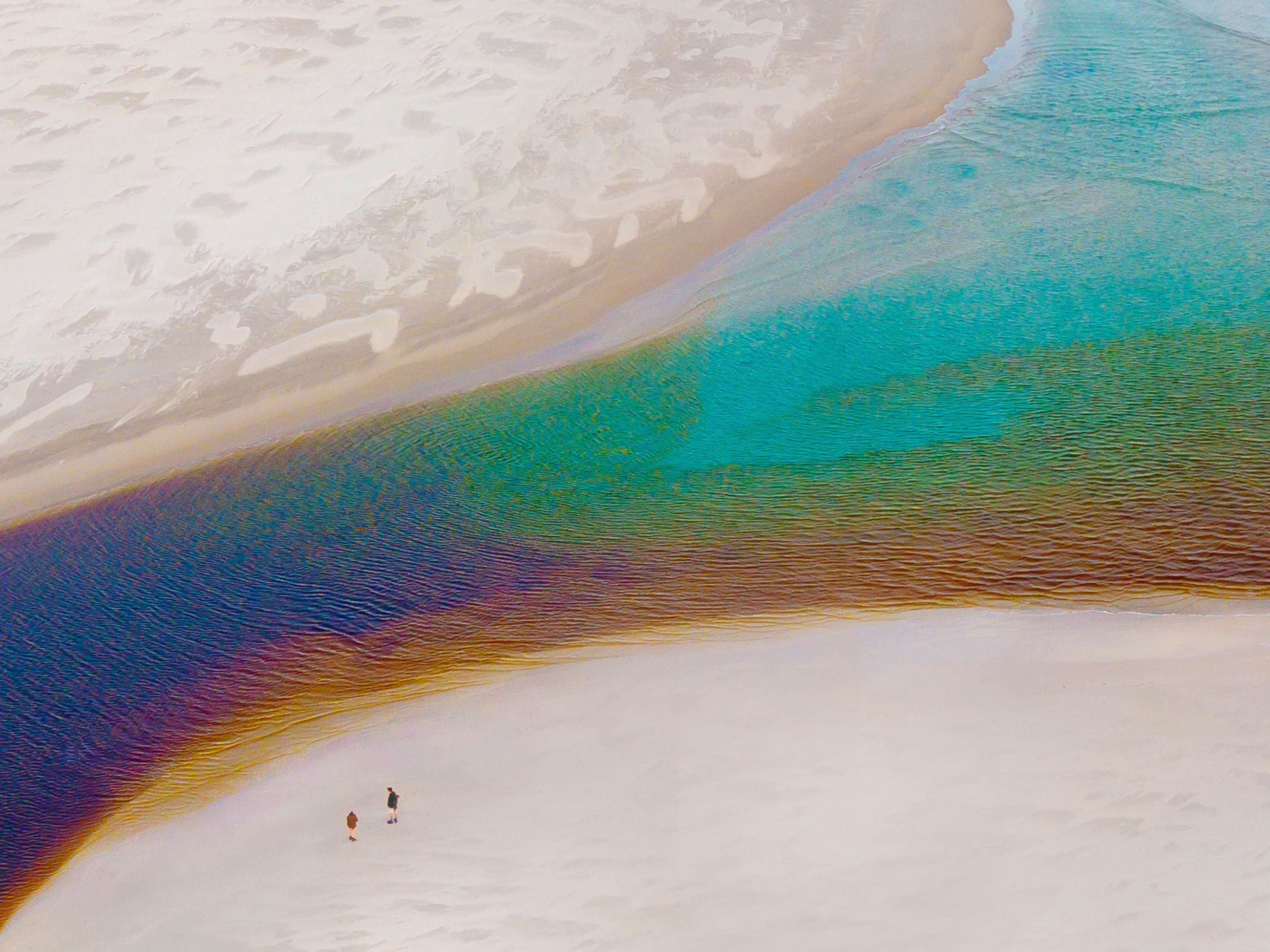
The tea-coloured water contrasts with the clear blue ocean. (Image: Rachel Claire & Jessica Wyld)
How to visit differently: Walk a 60-kilometre section of the Bibbulmun Track with Cape2Camp as an exercise in digital disconnection rather than endurance. With phones switched off, and logistics sorted, tiny details – like the land, the light, the weather and the people moving through the landscape – come into focus.
The Tweed, NSW
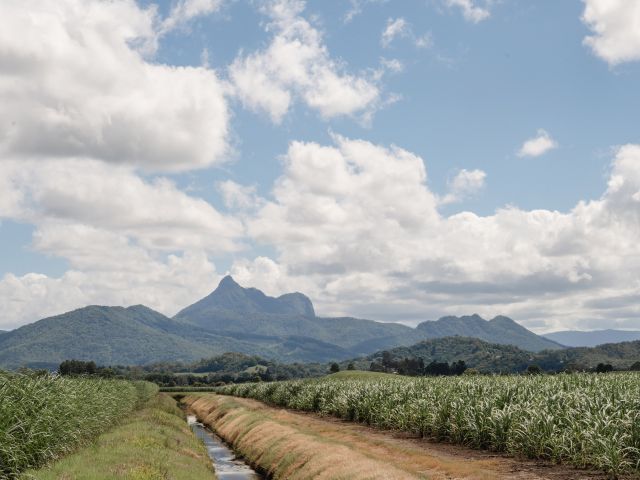
The power of Wollumbin viewed across the cane fields. (Image: Hannah Puechmarin)
Why you should visit: In addition to its coastal towns, quaint villages and green haze of the hinterland, the Tweed has emerged as one of Australia’s most compelling food regions. On Bundjalung Country, the scene is grounded in stewardship: of soil, of stories and of community. Visit the restaurants led by chefs, producers and educators redefining what sustainability looks like in practice.
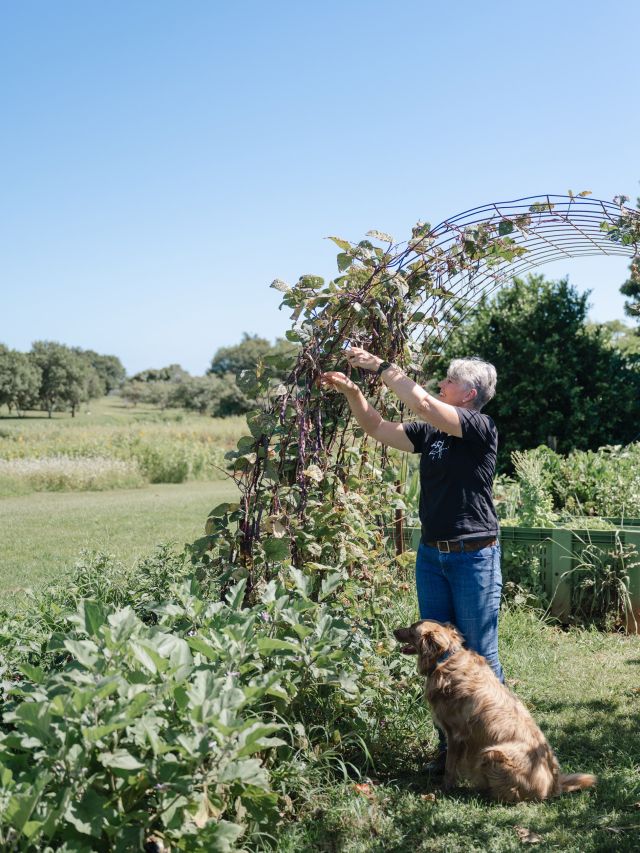
Michele Stephens is the co-owner of Farm & Co. (Image: Hannah Puechmarin)
How to visit differently: The Tweed’s culinary scene is being carefully shaped by local women. Time a visit around the annual Savour the Tweed festival when many of the region’s female farmers, chefs and First Nations voices come together around shared tables. Use the festival as an entry point; in the Tweed, the richest experiences come from who is leading the conversation and why.
Kakadu National Park, NT
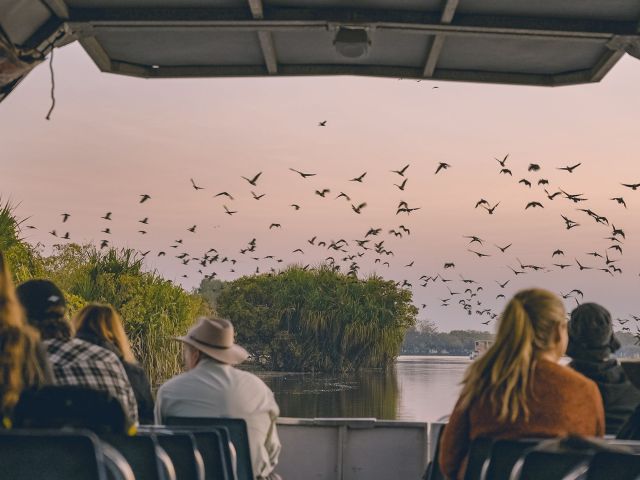
Witness more birdlife on the Yellow Water (Ngurrungurrudjba) billabong. (Image: Tourism & Events NT/@cruising.cat)
Why you should visit: Kakadu is full of big-ticket sights. Wetlands spill into tropical savannahs, rocky escarpments rise from floodplains, caves swirl with ancient rock art and billabongs are alive with crocodiles. It is a place of dramatic seasonal change, where waterfalls thunder after the wet and contract into stone amphitheatres in the dry. Few national parks offer this scale of biodiversity alongside such deep, continuing Indigenous custodianship.
How to visit differently: Look to the skies. Kakadu is home to more than 280 bird species – around a third of Australia’s total – and birdwatching offers a more mindful way to move through the park. Time a visit with Kakadu Bird Week in September when wetlands and woodlands come alive with kingfishers, finches and raptors.
Coonabarabran & Broken Hill, Outback NSW
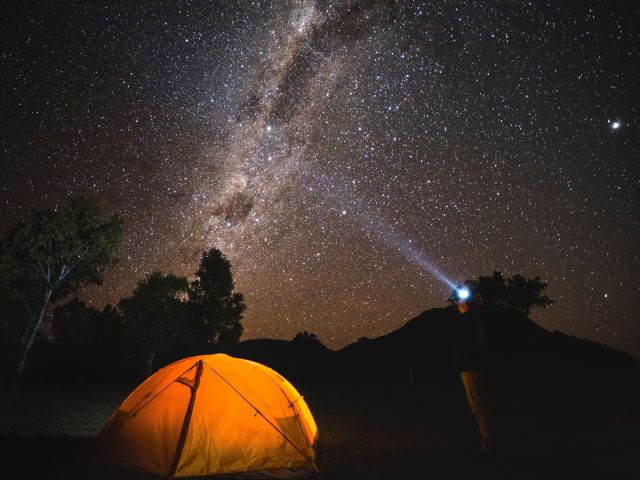
Spot the Milky Way in Broken Hill. (Image: Destination NSW/Damian Bennett)
Why you should visit: The vast arid landscape of Outback NSW is furnished with termite mounds, skeletal trees, car cemeteries and broken-down sheds collapsing into the dust. Broken Hill sits at its centre; a mining town long favoured by artists for cinematic skies captured so memorably in The Adventures of Priscilla, Queen of the Desert. Coonabarabran, gateway to the Warrumbungles, has a very different identity with its volcanic peaks and mountainous landscape the main attraction. Geographically, it’s like slicing a layer cake of Australia’s existence.
How to visit differently: Visit at night. With minimal light pollution, this is one of Australia’s greatest noc-tourism regions. Stargaze in Warrumbungle National Park, the nation’s first Dark Sky Park, or time a visit to Coonabarabran with events like the OzSky Star Safari. In Broken Hill, guided shows under a blue-back sky add context. Plan travel around celestial moments such as meteor showers, equinoxes or lunar eclipses and let darkness, rather than daylight, inform the itinerary.
Need tips, more detail or itinerary ideas tailored to you? Ask AT.
AI Prompt
The WA Coast: Fremantle to Broome
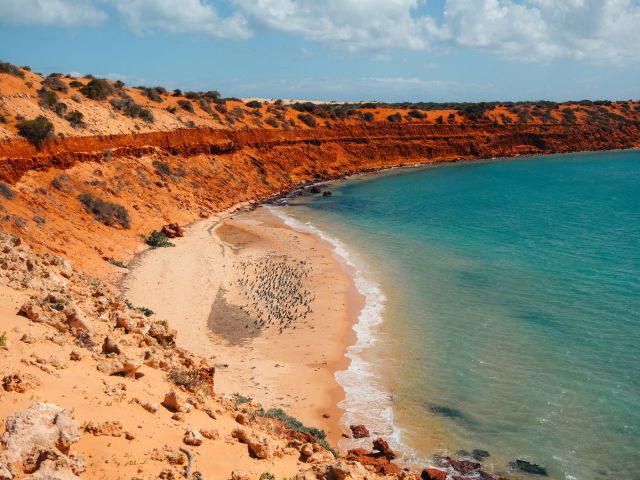
Discover the contrasting elements of Cape Peron. (Image: Imogen Eveson)
Why you should visit: Australia’s west coast is one of the most biodiverse shorelines on the planet. Between Fremantle and Broome lie whale migration routes, coral reefs, remote islands, shipwreck history and living Indigenous culture. What is most thrilling about this vast marine corridor is that it’s where nature, science and stories converge far from the crowds.
Enjoy evening entertainment back onboard Le Soléal. (Image: Imogen Eveson)
How to visit differently: Travel on an expedition cruise with PONANT Explorations, sailing from Fremantle to Broome. Naturalists lead Zodiac excursions to the islands and reefs rarely reached by travellers, while whale encounters, shore landings and lectures replace port hopping.
The Murray River
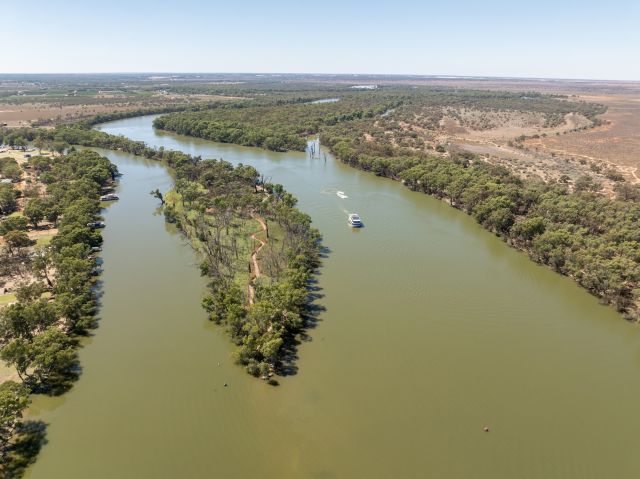
Cruising the Murray is one of the best ways to discover this stunning region. (Image: Krista Eppelstun)
Why you should visit: The towns that have sprung up along the banks of the Murray River offer everything from slow stays to incredible epicurean experiences. While the Murray is the main event, you’ll stay for everything it leads you to, from the otherworldly landscapes of Mungo National Park to candy-pink salt lakes and acclaimed wineries.
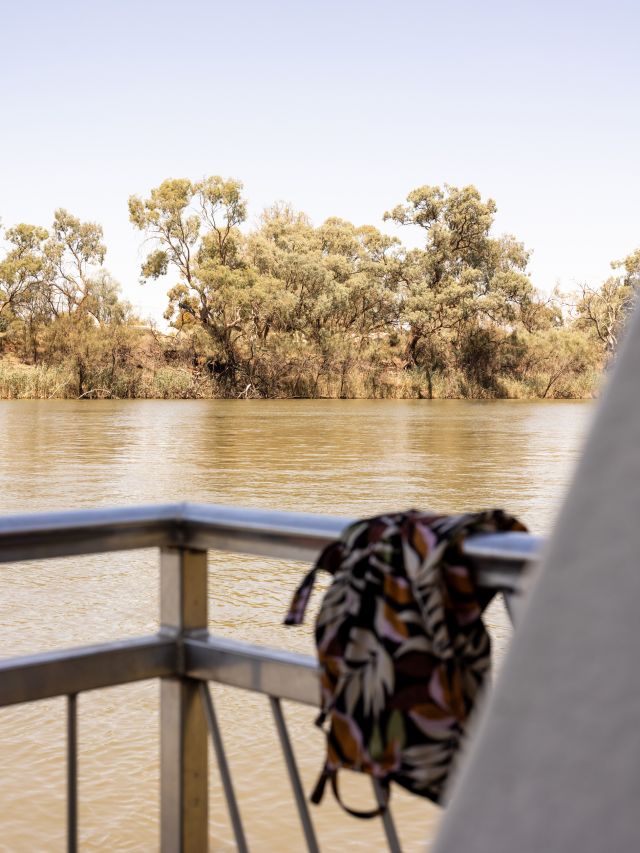
Weave through the scenic river red gum landscape. (Image: Krista Eppelstun)
How to visit differently: The Murray rewards travellers who slow to its pace. Travel with All Seasons Houseboats and let the mighty river set the rhythm. Wake at first light to watch the sun roll across the sky. Go swimming, birdwatching and fishing on the riverbanks. And cut yourself adrift from the binding timetable of the everyday along the river, which stretches across three states.
Enjoy a slice of the good life cruising the Murray River in Mildura! Where sun-kissed days meet tranquil waters, it's the perfect escape.
Maryborough, Queensland
Marvel at Maryborough’s military past. (Image: Joanne Karcz)
Why you should visit:Maryborough is a quietly substantial regional Queensland town, shaped by rail, river trade and civic ambition. It’s known for its heritage streetscapes, military history and as the birthplace of Mary Poppins author P.L. Travers.
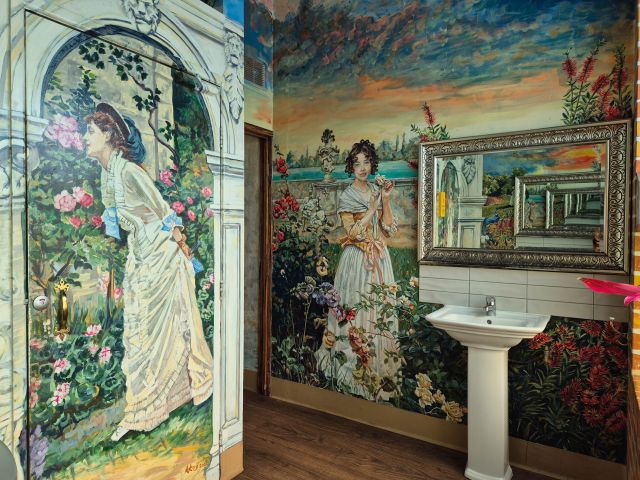
Local artist Akos Juhasz painted the murals in the ladies’ and men’s restrooms. (Image: Joanne Karcz)
How to visit differently: Start with the public toilets. The art-filled Cistern Chapel turns a utilitarian stop into a cultural event, complete with murals, music and volunteer ‘flusher ushers’. It’s a reminder that civic pride can be playful and that sometimes the most revealing landmarks aren’t the ones signposted from the highway. The city centre attraction is part of the local mural trail.
Red Centre, NT
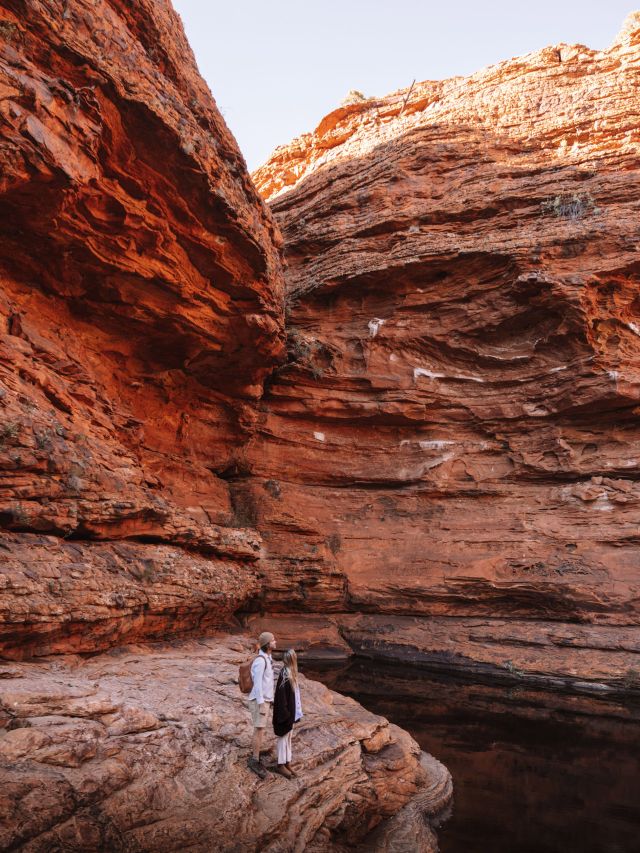
A quiet moment of stillness, looking up in awe at the walls of Kings Canyon. (Image: Tourism NT/@75vibes_)
Why you should visit: Travellers who visit the Red Centre in the low season (November to April) are rewarded with dramatic skies, shifting patterns of light, desert wildflowers and waterfalls that briefly transform iconic landscapes. With crowds thinned by the heat, and the Earth beaten by rain, wind and storms, the season offers up transformative moments in travel that very few experience.
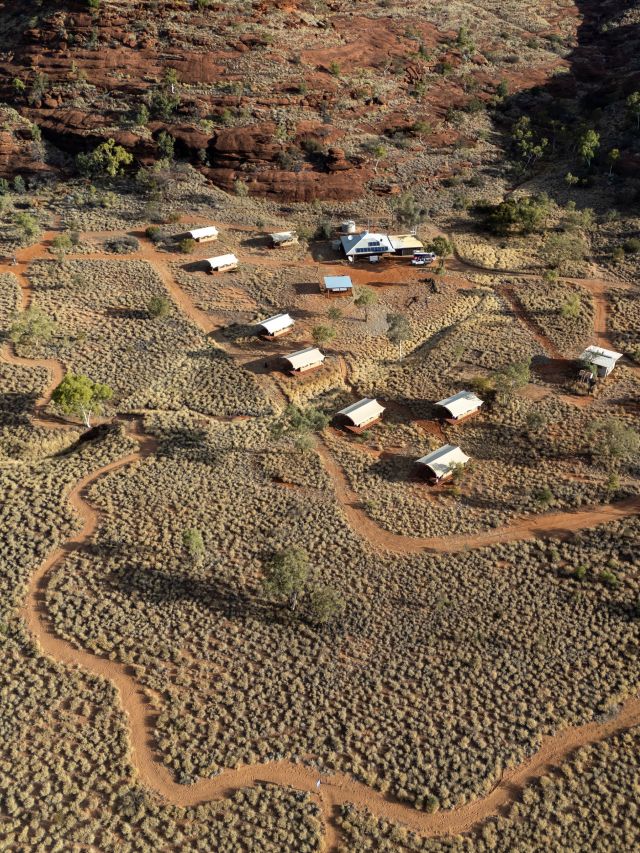
Yalka Ratara Eco Camp sits softly on the earth. (Image: Sarbo Studio)
How to visit differently: Embark on a six-day Red Centre & Uluru Explorer tour with Intrepid Travel to meet Traditional Owners, linger at icons when the tour buses retreat, bed down at the gorgeous Yalka Eco Stays and embrace the beautiful unpredictability of the season. A wake-up call at dawn goes beyond beating the heat. Yes, it’s when the temperatures soften. But it’s also when mobs of kangaroos move through the spinifex and the rock faces shift from inky purple to rust and rose.
Enjoy dinner and a show under a dark desert sky at Earth Sanctuary. (Image: Tourism NT/Plenty of Dust)
Weekly travel news, experiences insider tips, offers, and more.
Clermont, Queensland
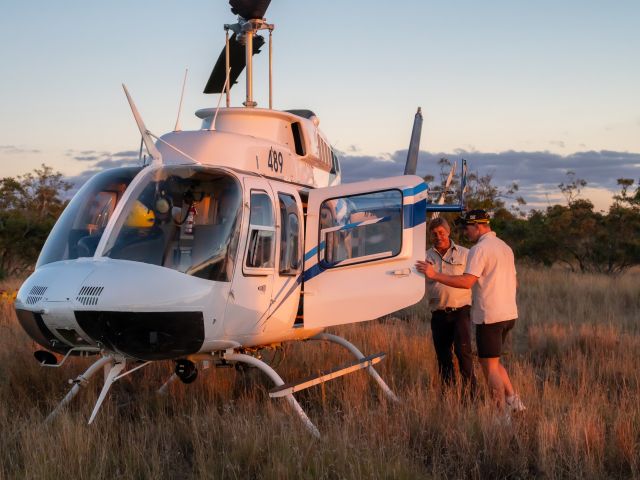
Take to the skies on a scenic flight with Bush Heli-services.
Why you should visit: Clermont is a reminder that the outback isn’t only found at the end of an epic road trip. Clermont is in the heart of Queensland’s historic gold country, just a three-and-a-half-hour drive from Mackay. It sits amid wide plains, quiet creeks and remnants of boom-and-bust ambition. The town is part of the Great Inland Way, a 16-day road trip from Sydney/Warrane to Cooktown/Gungardie.
How to visit differently: Do something hands-on. Fossick for gold with Golden Prospecting Tours, camp under the Milky Way or take a scenic flight with Bush Heli-Services to trace plains and waterways that follow the natural contours of the land. These are the modern-day riches you’ll discover in Clermont if you slow down, instead of passing through.
Bellarine Peninsula, Victoria
Score a taste of the quaint countryside surrounds. (Image: Unsplash/You Le)
Why you should visit: Victoria’s breathtaking Bellarine Peninsula will help you shrug off your big-city stresses. Here, the clang and clatter of crashing waves replaces traffic noise; vineyard roads taper into clifftop paths; and the unhurried way of life means meals always extend longer than planned. Visit the underrated peninsula for the well-preserved Victorian-era charm of Queenscliff to the coastal walks along Barwon Bluff and small producers pouring wine and spirits. The region is a prime place for a reset.
A retreat to reconnect and inspire slow living. (Image: Nikole Ramsay)
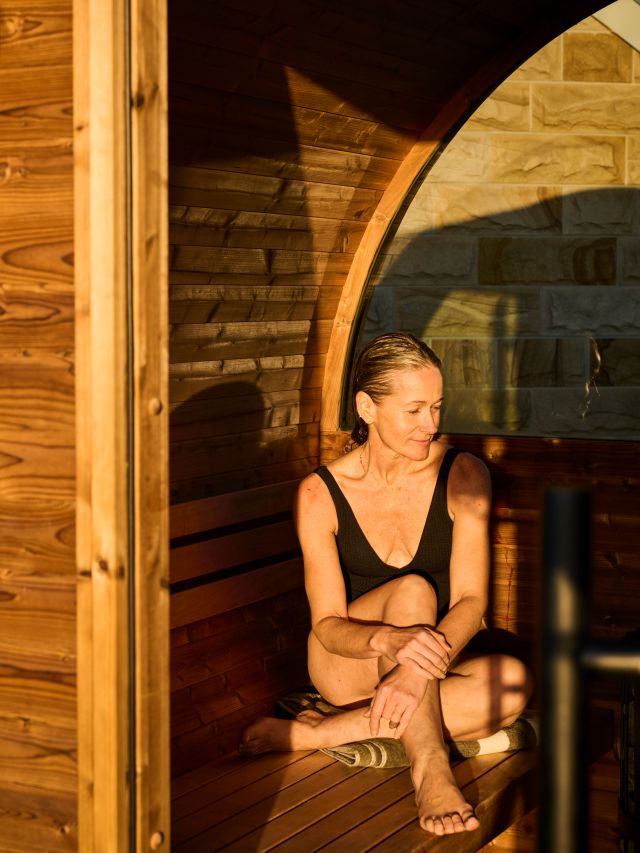
How to visit differently: Stay put. Discerning wellness warriors have long had Lon Retreat & Spa on their radar for its mineral pools and dreamy, adults-only suites. But the luxury hideaway, one of the Small Luxury Hotels of the World, recently tapped into a rising interest in contrast therapy with its new immersive thermal environment. The sanctuary features a Finnish sauna, magnesium-rich pool, Swedish soak bucket and communal fire pit.
Hamilton Island, Queensland
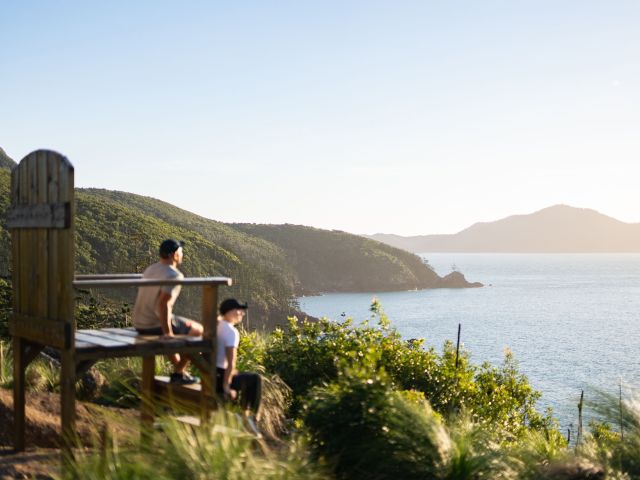
Climb to the top of the popular Passage Peak Hamilton Island hike. (Image: Riley Williams)
Why you should visit: Spectacular Whitsunday blues, tropical island energy and endless activities under the sun – this tried-and-true destination is an Aussie family favourite for a reason. Whether you’re dining on freshly caught coral trout or kayaking at Catseye Beach, Hamilton Island invites travellers to reset for good.
Embark on an exhilarating new adventure on Hamilton Island. (Image: Harry Gruttner)
How to visit differently: Swap the typical flop-and-drop sun bed experience for an adrenaline-pumping adventure along Hamilton Island’s new e-mountain biking trails. You’ll get to connect with nature and challenge yourself while getting to see some of the island’s most stunning corners. It’s an invigorating new way to experience this popular destination anew.
Want to see more stories from Australian Traveller in your Google search results?
Tick the box next to "Australian Traveller". That's it.
Carla Grossetti has written across print and digital for Australian Traveller and International Traveller for more than a decade and has spent more than two decades finding excuses to eat well and travel far. A prestigious News Corp cadetship launched her career at The Cairns Post, before a stint at The Canberra Times and The Sydney Morning Herald gave way to extended wanders through Canada, the US, Mexico, Central America, Asia and Europe. Carla was chief sub editor at delicious and has contributed to Good Food, Travel & Luxury, Explore Travel, Escape. While living in London, Carla was on staff at Condé Nast Traveller and The Sunday Times Travel desk and was part of the pioneering digital team at The Guardian UK.
Tuck your napkin firmly in place and get ready to dive into Bendigo’s history.
It’s an internationally recognised fact that Bendigo food experiences prove this region knows how to wine and dine. After all, its shiraz-laden landscape was named Australia’s first UNESCO Creative City and Region of Gastronomy. But what visitors lured in by this shiny label might not know is how deeply its culinary scene sits within the gold-rush town’s colourful past.
Whether you’re eating in a grand colonial bank or nibbling through a gold miner’s garden, grab a big plate. In Bendigo, every meal is served with a huge helping of heritage.
Take a food tour
Join a Foodie Walking Tour to local highlights like Ms Batterhams.
Start in the capable hands of Bendigo Guided Tours. Named as the 2025 Victorian Best New Tourism Business, they run two 12-person options. A Taste of Bendigo – Foodie Walking Tour will see you tasting seasonal dishes and sipping wine, craft beer and cocktails made with regional spirits over two-and-a-half hours, with stops at Ms Batterhams, Wine Bank on View, The Dispensary and Bendigo Brewing.
You can up the ante a notch or two with the Four Hats of Bendigo – a night of fine-dine hopping with the experts across Terrae, Le Foyer, Alium Dining and The Woodhouse.
Book a table
Dine at Terrae.
Alternatively, see Bendigo’s stars under your own steam. There’s Terrae, where produce from the owners’ own farm kitchen garden and orchard is plated up inside what was once a bank, while cocktails are poured in the underground bar below. For something special, book a private table in old bank vault. Rather less wholesome? The bullet hole in the window – a throwback to Victoria’s wild gold rush era.
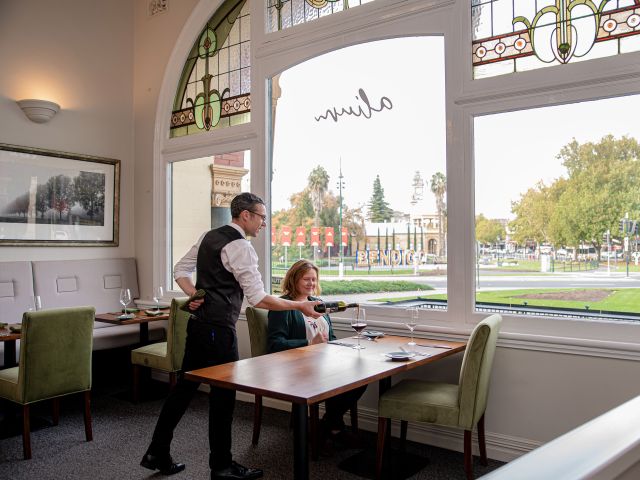
Another former bank-turned-eatery, Alium Dining, goes full art nouveau inside a 1908 building overlooking the Alexandra Fountain in the heart of Bendigo. Here, Alium’s Asian-meets-European flavours run all the way from duck leg croquettes with mandarin marmalade to raw trevally with coconut and nước chấm, to pork milanese with anchovy and stout mustard.
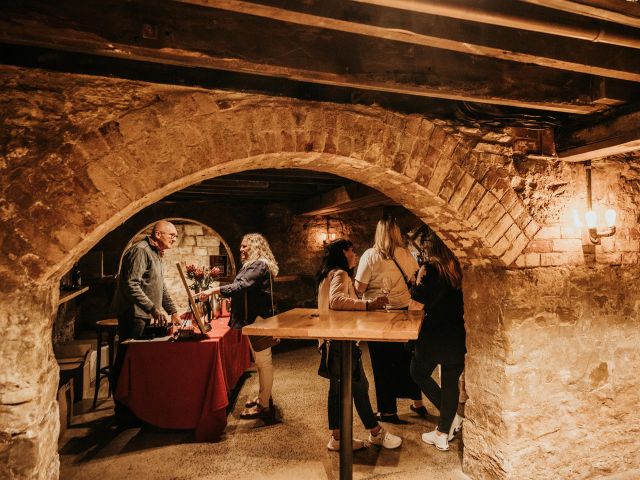
Beneath an old school hall at Mackenzie Quarters, Ms Batterhams serves southern European-inspired dishes inside a 19th-century basement bar and restaurant. Beyond its sourdough crumpets (smeared with taramasalata, paprika and parsley oil, if you must know) is the origin of the restaurant’s name: Winifred Batterham, the owners’ mother’s former kindergarten teacher. Honour her properly with a ‘Winifred’ cocktail.
Alium Dining offers a unique setting inside a 1908 building.
Carnivores, get ready to bang your sharpest knives on the table. Bendigo’s only dedicated steakhouse, The Woodhouse, specialises in Wagyu sourced from surrounding farms. They’ve got beef every which way – from tartare topped with Giaveri Oscietra caviar and wagyu toast to porterhouse dry-aged and grilled over redgum.
Your next bank stop on the food circuit is Bunja Thai. Housed inside the former Colonial Bank, it’s all Victorian-era Australian grandeur, from the enormous arched ceilings to the detailing overhead. Thai Singha and local craft beer jostle for attention – but both are perfect quenchers when you’re sharing barramundi baked in banana leaf beneath all that old-world opulence.
If your trip through Australia isn’t complete without a country pub stop, make it The Bridgewater Hotel on the Loddon River. Renovated since its 1942 beginnings, but the establishment still retains its Art Deco charm. It’s the kind of place where steak burgers come stacked with bacon, egg, cheese and dripping beetroot relish, and are best handled in the riverside beer garden.
Pour a glass
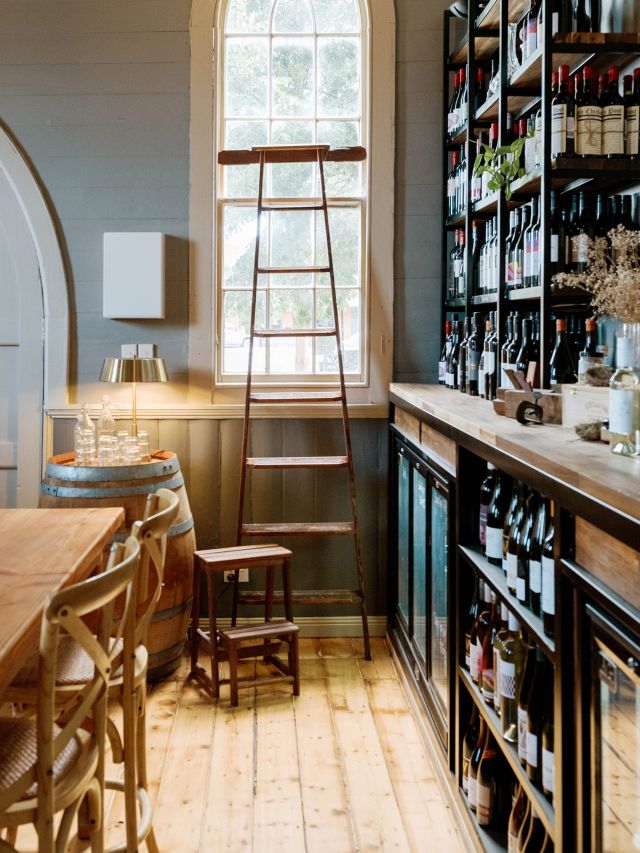
Find over 180 local wines at Heathcote Wine Hub.
Your plate’s been stacked. Now it’s the glass’s turn – ideally with the famously bold shiraz and cab sav grown here. Early settlers in Bendigo and Heathcote were onto something when they first planted vines in the area’s mineral-rich soil, and their legacy still pours strong across more than 60 cellar doors today. Start big at the Heathcote Wine Hub, where more than 180 wines from nearby vineyards sit beneath the rafters of a restored former wooden church, with 16 available to taste by the glass.
Heathcote Winery might have become one of the area’s first commercial wineries in the seventies, but its story started way before its courtyard tastings. Back in 1854, it operated as a miners’ produce store during the gold-rush years. Other cellar doors aren’t immune to reinvention under the wine wave either. At Munari Wines in Heathcote, charcuterie boards are presented in their newly renovated cellar, originally the stables of the former sheep station.
Discover local events
Time your trip for the Heritage and Hidden Spaces Wine Walk
Time your trip right and watch the parks, gardens and buildings fill with food and drink. Fans of the malt: mark 29 August 2026 for Bendigo On The Hop, when craft breweries take over venues throughout the CBD. Brews make way for history at the Heritage and Hidden Spaces Wine Walk (17 October 2026), where bottles are opened inside some of the city’s most interesting buildings – including rarely opened spaces. In November, the Regional Gin Gala raises spirits in Mackenzie Quarters with a boozy celebration of its homegrown distilleries, including Noble Bootleggers, Envy Distilling and In Good Spirits. Explore wine, food and live music at Heathcote on Show (6 – 8 June 2026).
Take it all in
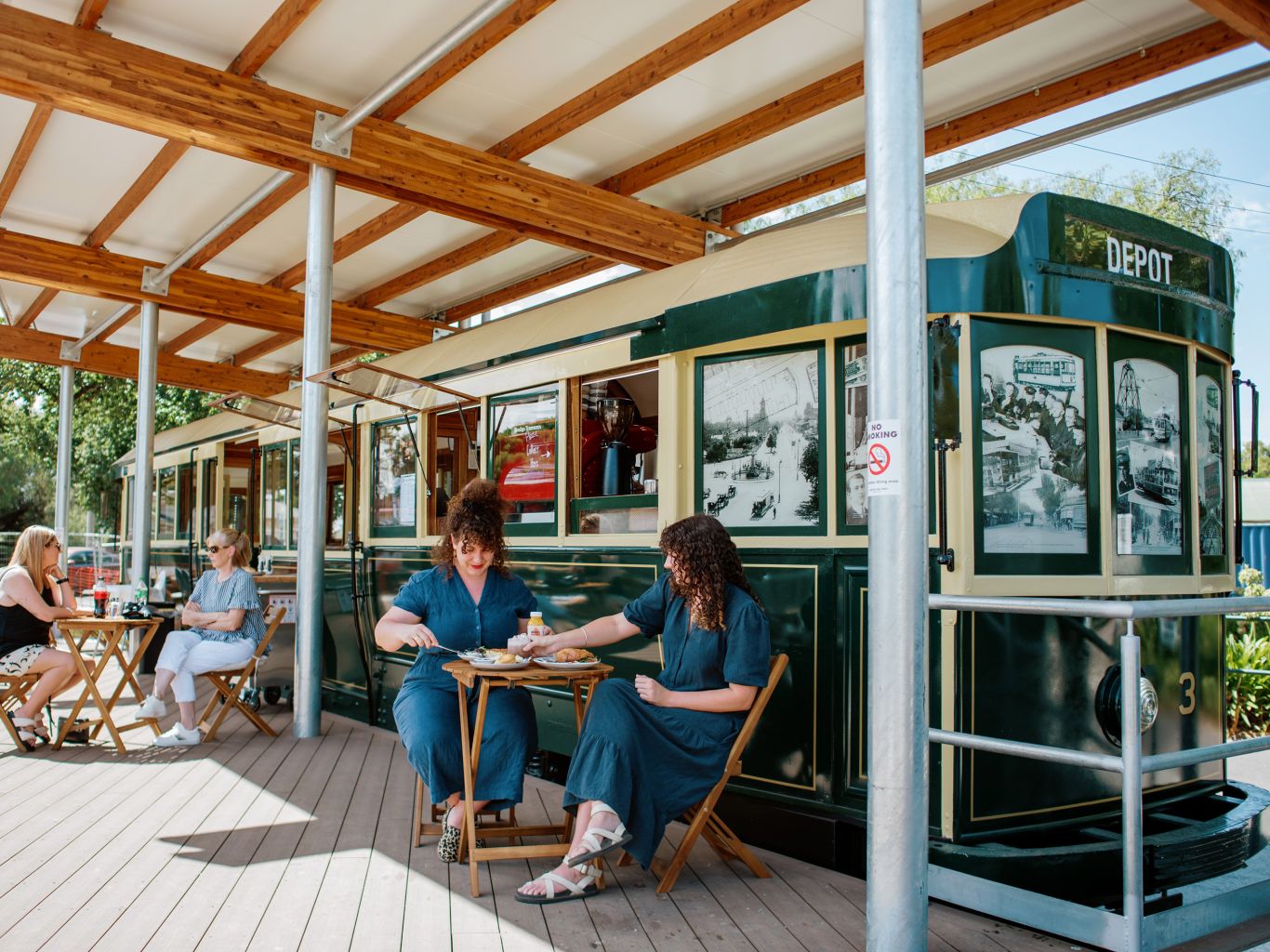
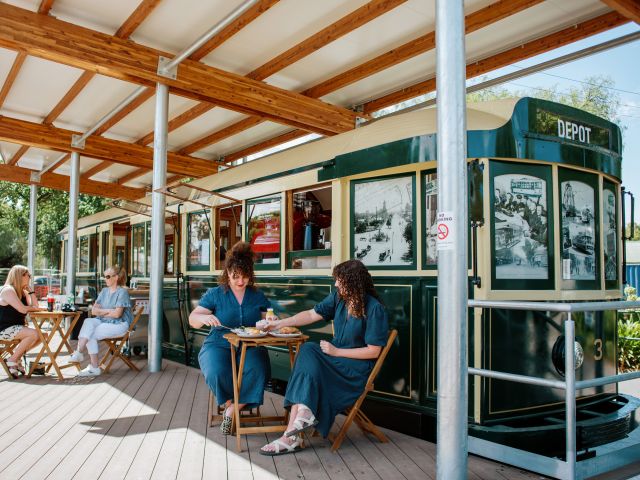
Tram meets tasty at Bendigo Tram Cafe.
Takeaway means something different in Bendigo. At Australia’s oldest operating Tram Depot, the Tram Cafe sits aboard an out-of-service 1916 N-Class Tram that serves tea and scones. Once you’ve polished off the last crumb, you can even pop into the driver’s cab and try the controls yourself.
Peppergreen Farm continues Bendigo’s long connection to Chinese market gardens, first established here by immigrants in the 1850s. Today, the not-for-profit farm invites visitors to pick up organic produce, alongside jars of honey harvested from its own hives.
Indulge in retail therapy
Elevate your at-home dining experience after a trip to Bendigo Pottery.
If there’s still room in your bag among the clanking jars and bottles, stop by Uniquely Bendigo inside the Old Post Office. Sharing space with the Bendigo Visitor Centre, it’s a one-stop shop for favourites like Bendigo Brittle, Bridgeward Grove and Tea Associates.
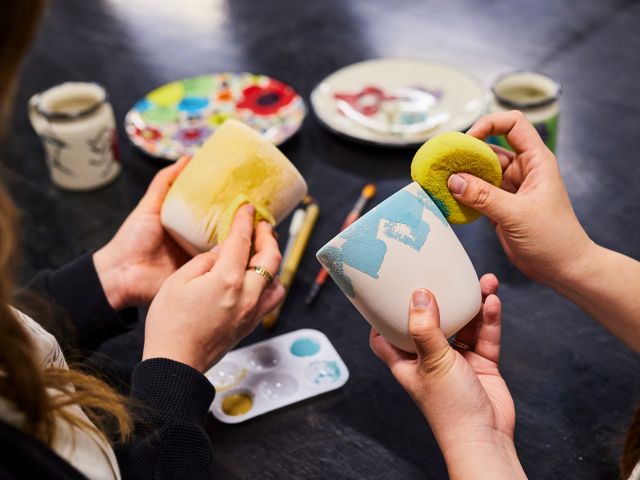
If you’d rather leave your fingerprints on your Bendigo souvenir, there’s a place for that too. At Bendigo Pottery, visitors can try their hand at shaping clay while taking part in another tradition of evolving old spaces – creating works of art within Australia’s oldest working pottery.