This sprawling mountain range is vast and filled with mystery, but the right tours can help unlock the secrets of an ancient and beguiling landscape.
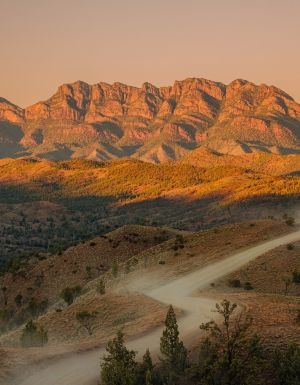
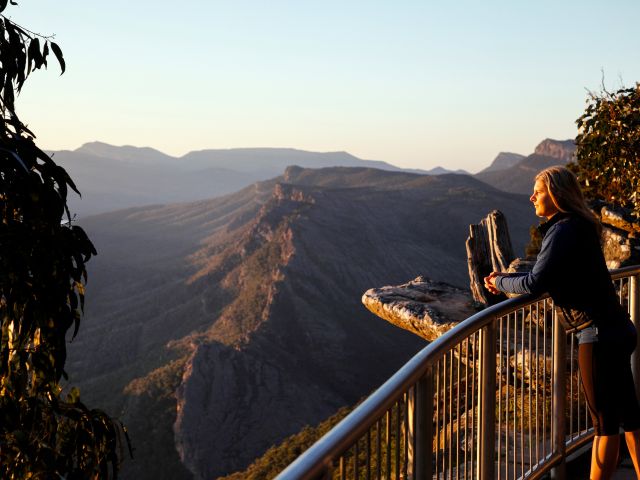
From a distance, the serrated ridges and deep gullies of the Flinders Ranges are as forbidding as they are impressive. But up close this sunburnt range of rust-coloured mountains is brimming with fascinating stories. Adnyamathanha traditional owners talk of the ancient and powerful forces that sculpted this land, while the resident astronomers at Arkaroola give form to the stars that glitter across some of the clearest night skies you’ll ever see.
Immaculately preserved fossil beds and sheer rock walls that expose millions of years of geological history tell a story older than time. There are countless adventures to be had in the region, but connecting with a local on one of these Flinders Ranges tours can help bring this ancient landscape to life, providing an entirely new perspective on one of Australia’s most enchanting regions.
1. Scenic flight over Ikara (Wilpena Pound)
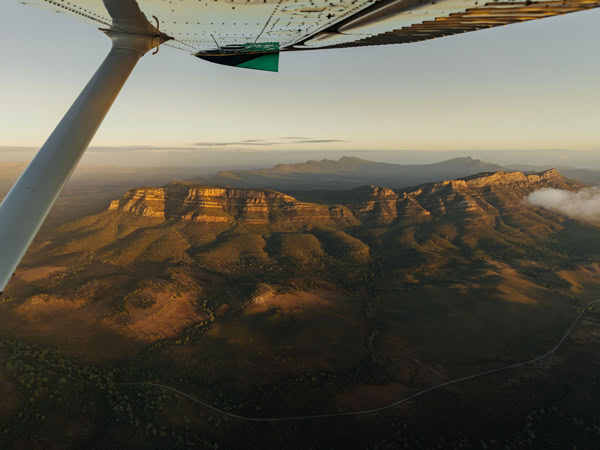
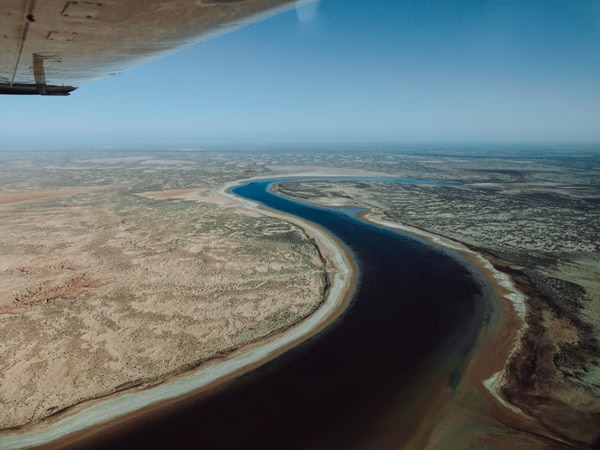
You could easily spend weeks driving through every gorge, creek and canyon that cuts through the majestic Flinders Ranges. Or you can do things the easy way and see them all at once from above.
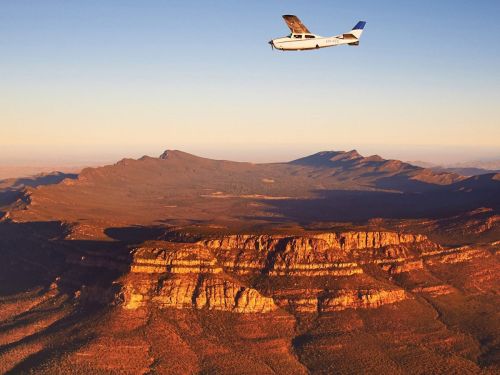
Join an early morning scenic flight over Ikara (Wilpena Pound) and you can watch the shrubs and spinifex tussocks quickly recede into tiny specks as the entire landscape magically transforms into a three-dimensional dot painting.
A 20-minute flight will take you over the Elder and Heysen Ranges as the first rays of the sun bring a golden glow to Ikara’s perfectly curved walls, while longer tours can bring you all the way to the glittering expanse of Kati Thanda-Lake Eyre.
2. See the dawn of life on Earth in Nilpena Ediacara National Park
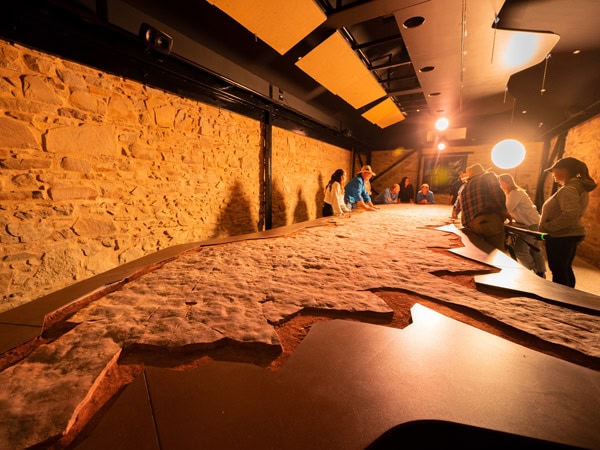
Opened in 2023, Nilpena Ediacara is South Australia’s youngest National Park. But those fortunate enough to visit will discover a breathtaking collection of fossils more than twice as old as the first dinosaurs. 550 million years ago, this entire region lay at the bottom of a shallow tropical sea, and the perfectly preserved fossil beds nearby are so significant that they’ve lent their name to the Ediacaran era when complex life first emerged.
The only way to enter the park is on a two-hour guided tour that takes in the 1870s shearer’s quarters and blacksmith’s shop before bringing visitors in to view a giant bed with more than 200 fossils that look like sand dollars, anchors and giant spirals. An array of six interlinked projectors spotlights individual fossils from different angles and shows how they would have moved over the ocean floor, while young visitors in particular will get a thrill from the opportunity to touch these unbelievably ancient specimens.
3. Walk with the Traditional Owners
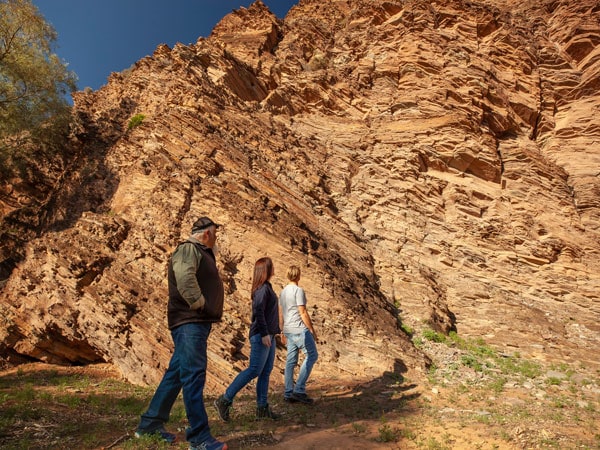
The word ikara means “meeting place" in the language of the Adnyamathanha people, and Ikara (Wilpena Pound) has been an important ceremonial site for tens of thousands of years. Geologists have their version of how this vast natural amphitheatre was formed, but take a walk with the traditional owners and you’ll get a very different perspective and this living, breathing land.
Wilpena Pound Resort holds a daily welcome to country and a range of tours that let you learn the stories of the local flora and fauna, as well as how two fearsome serpents shaped many of the features of the landscape before coiling up to form the impressive rock walls that encircle the pound.
You can also join Adnyamathanha guides as they visit the vibrant paintings at Akurra Adnya (Arkaroo Rock) and the ancient rock carvings of the eerily quiet Sacred Canyon (which is only accessible on an Adnyamathanha-guided tour).
4. Go on a ghost tour with a difference in Blinman
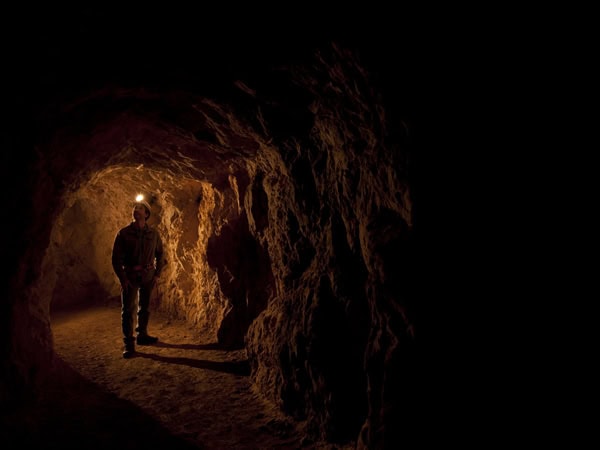
Though it now has a permanent population of just 20, Blinman was once a thriving frontier town with 1500 residents. And it was the bustling copper mine that brought fortune hunters from as far away as Cornwall. Daily mine tours take you back to the 1860s with a sound and light show that illuminates the narrow tunnels and demonstrates what life would have been like for these hardy miners and their families.
If you’re feeling especially brave, stick around on Friday or Saturday night for a lantern-lit ghost tour that tells the stories of the poor souls who perished in the mine and populates the shafts with Cornish spirits, including the diminutive piskies, mischievous knockers and fearsome buccas.
5. Spot some stars at Arkaroola Wilderness Sanctuary
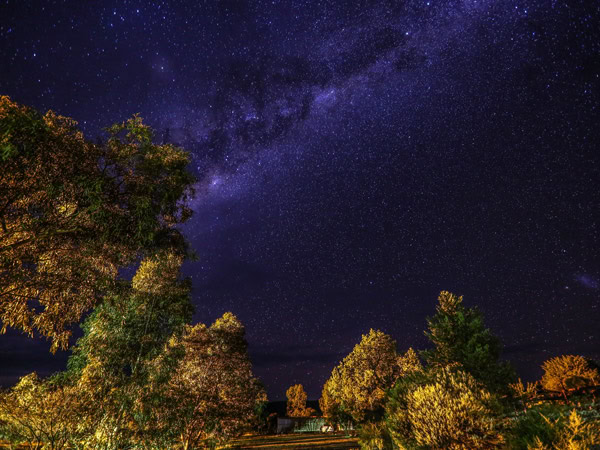
Low humidity and a complete absence of light pollution make Arkaroola Wilderness Sanctuary one of the best places to go stargazing in the country. In fact, conditions are so good that the property was recently named Australia’s second Dark Sky Sanctuary.
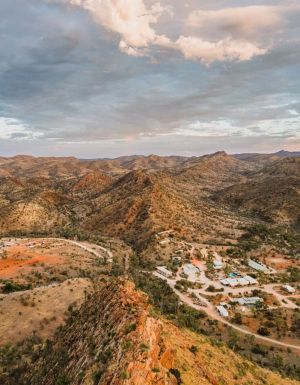
Exploring the fabulously rugged landscape around Arkaroola Village is one of the highlights of any Flinders visit, but once the sun goes down the resident astronomers emerge to guide visitors around the night skies. Guests can choose from several tours that let them gaze up at the heavens from specially designed reclining chairs or venture deep into space at a high-powered observatory that offers a closer view of planets and other celestial bodies.
6. Tackle one of Australia’s Great Walks at Arkaba
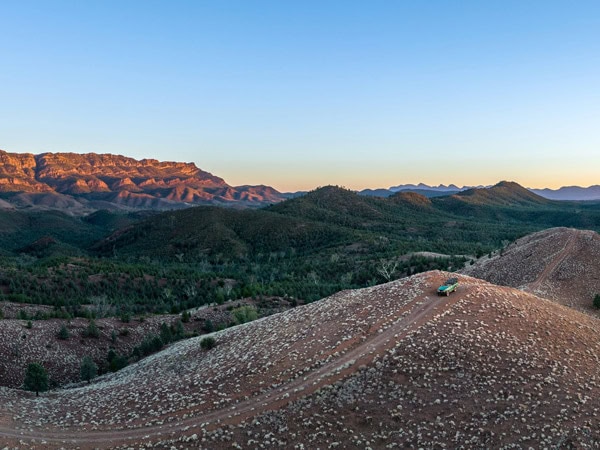
Since the former sheep station at Arkaba was destocked in 2014, the local flora and fauna have rebounded, and the highly successful rewilding project has made it one of the best places to get a sense of just how full of life this arid region can be. Explore the property by foot on the three-day Arkaba Walk and you’ll trek over weathered peaks, into dramatic ravines and through patches of forest filled with animal and birdlife.
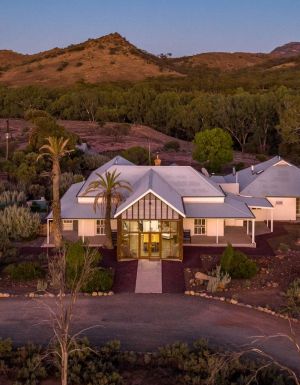
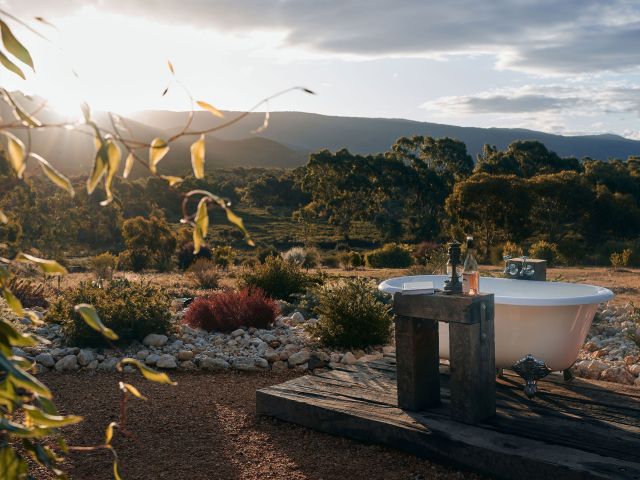
And despite the seeming isolation, each night is spent at a bush camp that epitomises outback luxury with chef-prepared meals enjoyed around a campfire, swags featuring a turndown service and steaming mugs of tea delivered to your private sleeping platform while you admire the sunrise.
7. Relive the golden age of rail on the Pichi Richi Railway
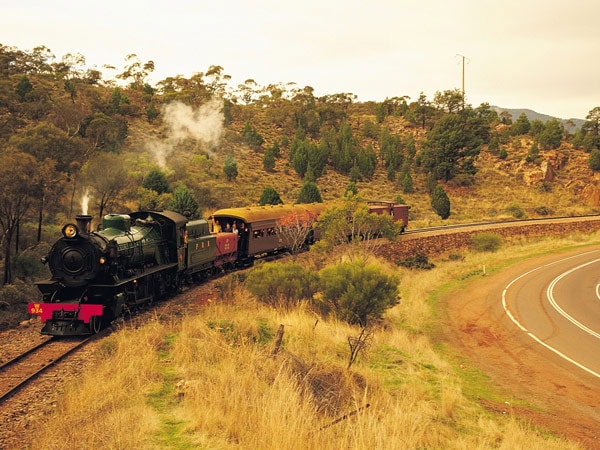
If you think the Flinders Ranges are remote, spare a thought for the pioneers who once faced a weeks-long wagon trip to stock up on supplies in Port Augusta. For them, the arrival of the railway in 1879 was a cause of great celebration, and it was such a success that it was eventually extended all the way to Alice Springs.
Much of the line fell into disuse after the Ghan was rerouted through less flood-prone regions, but you can still relive the golden age of rail on the narrow-gauge Pichi Richi Railway from Port August to Quorn. Lovingly restored Ghan carriages from the 1920s and an elaborately decorated Edwardian railcar known as the Coffee Pot still follow the original route over dry stone walls, heritage iron bridges and steep cuttings as they traverse the Pichi Richi Pass, a picturesque gorge that cuts through the Southern Flinders Ranges.
For more inspiration and itinerary tips, read our travel guide to the Flinders Ranges.