Your ultimate guide to Victoria’s quaint town, Mount Beauty

hero media
Whether you crave an energetic adventure or want to enjoy the Alpine region’s stunning nature spots at a slower pace, Mount Beauty is a perfect holiday base.

If you love skiing, biking and hiking, chances are you know Mount Beauty . In fact, it’s likely you’ve stopped in this country town in Victoria’s Bright and surrounds to grab a coffee on your way up to Falls Creek, or perhaps you’ve overnighted here after a High Country biking adventure.

Whatever it is that’s drawn you to this picturesque region, in whichever season, it’s time you stayed a little longer and really got to know Mount Beauty.
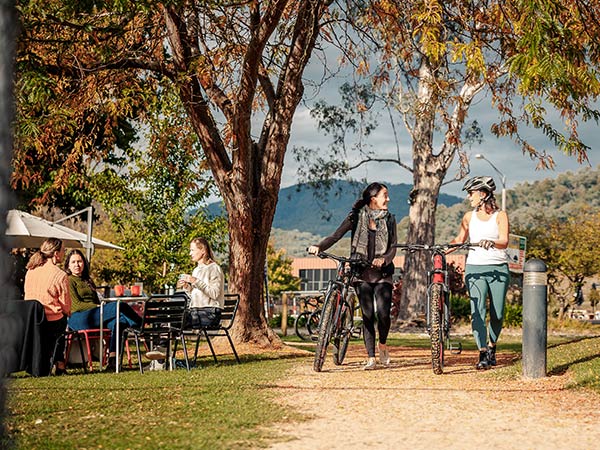
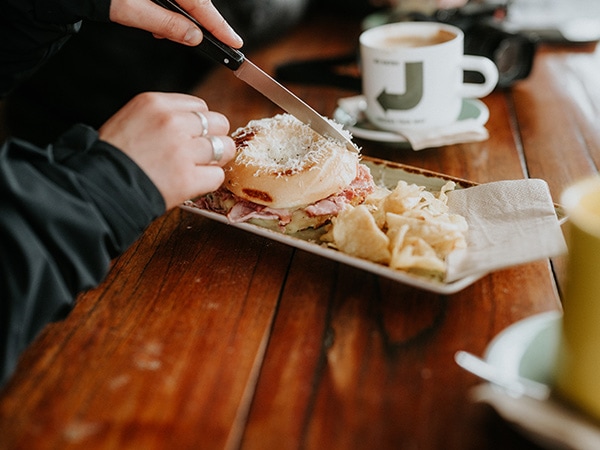
Mount Beauty cafes
Refuel at Mount beauty’s tasty cafes after a day of exploring.

When to visit Mount Beauty

Mount Beauty blooms in all seasons, but it undoubtedly shines the most in winter and summer.

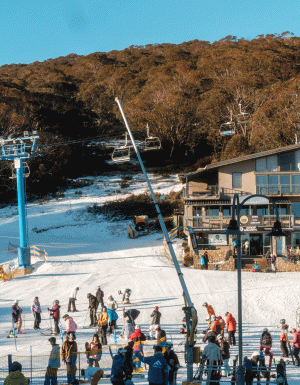
From June to October, a steady stream of skiers and snowboarders descend on the shire, keen for days at nearby Falls Creek and Mt Hotham (30 and 75 kilometres away respectively). Mount Beauty makes a great winter vacation base, especially for families who are eager to experience snow without the high price tag. You’ll find a handful of stores that hire ski gear and tyre chains.
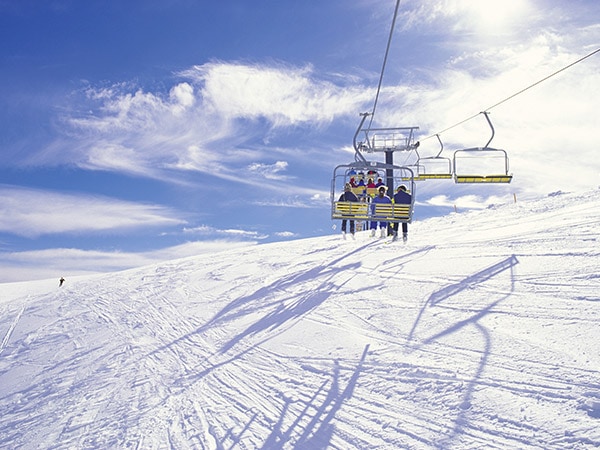
Mt Hotham skiing
Pop over to Mount Hotham for some winter skiing. (Image: Visit Victoria)

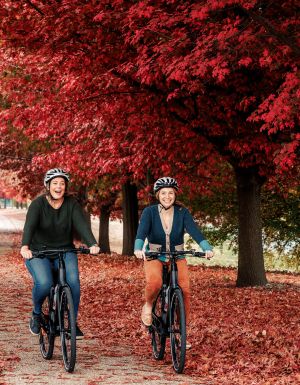
Once the weather warms up, Mount Beauty becomes a mountain biking mecca, drawing people from across Victoria and New South Wales. The trail network was built by passionate locals (read: people who know how to ride), while there are also plenty of gravel roads and fire trails for traditional cyclists.

The MTB de femme is a two-day mountain biking festival that supports women in the sport, and although it’s usually held in Falls Creek, Mount Beauty played host in March 2023. Autumn is also when you’ll experience the Mount Beauty Music Festival (22–23 April) and the Mount Beauty Running Festival (20 May).

Meanwhile, spring is the perfect time to shake off winter with community markets and pilates among the Alpine wildflowers.
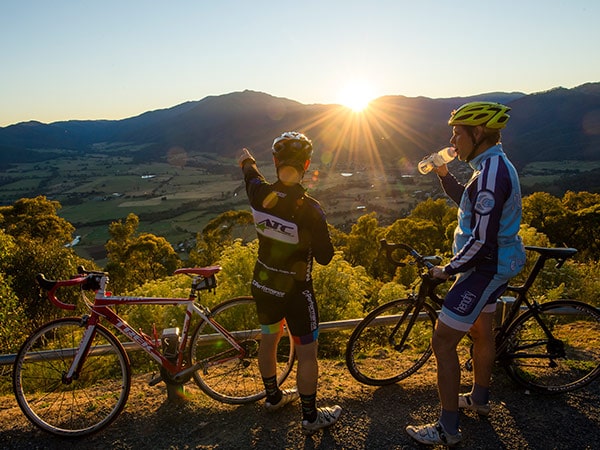
Sullivans Lookout
Ride, walk or drive to the spectacular Sullivans Lookout.

Where to stay in Mount Beauty

There’s a range of accommodation options in Mount Beauty, from luxury eco stays to mid-range hotels and campsites.

For a taste of country living, book a stay at the tranquil Eagles Nest Hideaway Guest Suite , a short drive out of town. With two bedrooms, a kitchenette, outdoor barbecue area and plenty of wildlife to say hello to each morning, it’s a great option for families or groups.
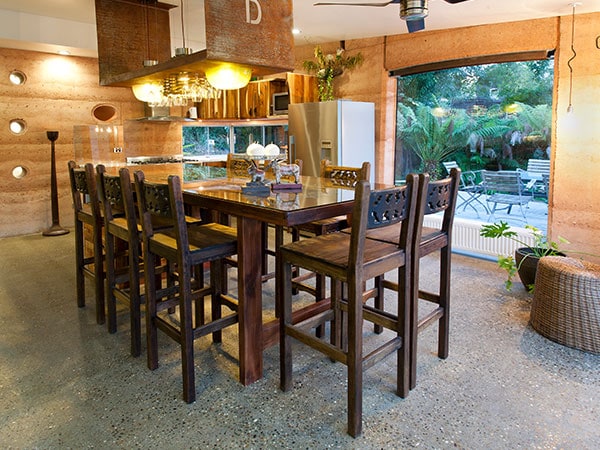
Eco Villa Mount Beauty
Treat yourself toa stay at Eco Villa.

Another peaceful location is Kiewa Country Cottages , where there are six two-bedroom cottages and a one-bedroom deluxe apartment on 1.2 hectares of gardens. Guests will love the heated outdoor swimming pool, playground and fire pit.

If you’d like to treat yourself, Eco Villa Mt Beauty is a gorgeous two-storey luxury home with three bedrooms, a swimming pool, spa, an outdoor entertainment area, and plenty of stylish Alpine furnishings.
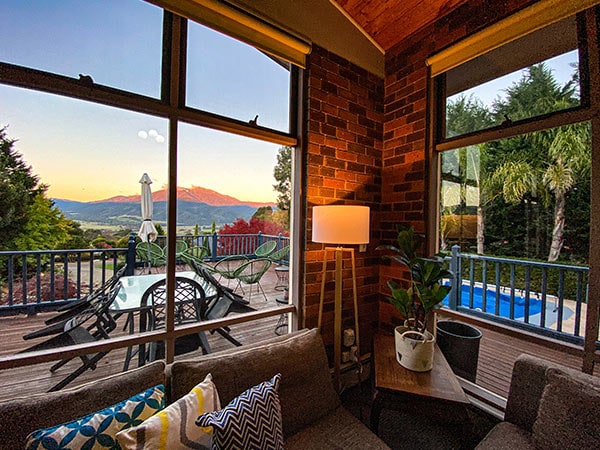
Myee Alpine Retreat, Mount Beauty
Summer or winter, enjoy stunning views at Myee Alpine Retreat. (Image: Carol Binder)

Other options include Myee Alpine Retreat , with a communal kitchen and lounge, ski drying room and secure bike storage, or The Park Mount Beauty , with cabins, yurts, and powered and unpowered sites, as well as Tawonga Tourist Park .

Where to eat in Mount Beauty

There’s a lot more than pubs and bakeries in Mount Beauty, with cafes, restaurants and breweries aplenty.

For an after-bike or apres-ski beverage, head to Crank Handle Brewery , where you’ll find hand-crafted creations such as an Alpine ale, an American pale ale, and a rich chocolate and coffee porter. Sample them while enjoying stuffed jalapeno peppers, cauliflower tacos and a platter of more-ish Milawa cheese.
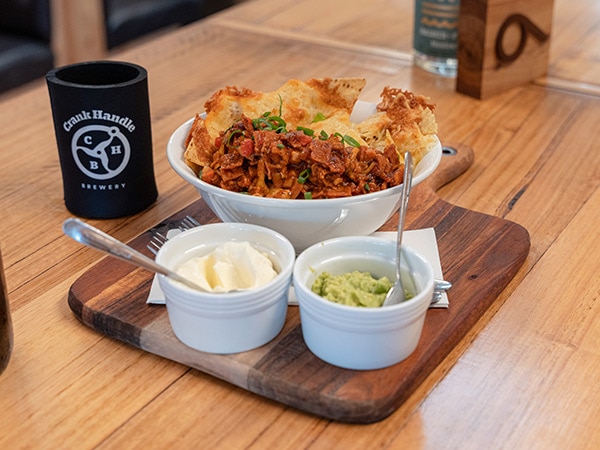
Crank Handle Brewery
Chow down on pub grub and craft beers at Crank Handle Brewery.

It’s also worth booking a table at Grass Valley Refreshments , where the main attraction is the gourmet pizza; think poached chicken and bocconcini, pancetta and pear, and butter bean and asparagus.

Easy bites can be found at the likes of Treats (in Bogong Ski Centre) and Rocky Valley Cafe (your coffee stop), while for pub grub and homemade goodness, check out Settlers Tavern .

Grass Valley Refreshments
Book a table at Grass Valley Refreshments (Image: Andy Hardy)

Things to do in Mount Beauty

A visit to Mount Beauty is all about getting back to nature, whether that means carving down snowy slopes at Victoria’s best ski resorts or slowing down with a sunrise paddleboard.

Aside from the skiing at Falls Creek and Mt Hotham there’s also plenty of hiking, with Mount Beauty at the base of Mt Bogong (Warkwoolowler), Victoria’s highest mountain, 1986 metres above sea level.
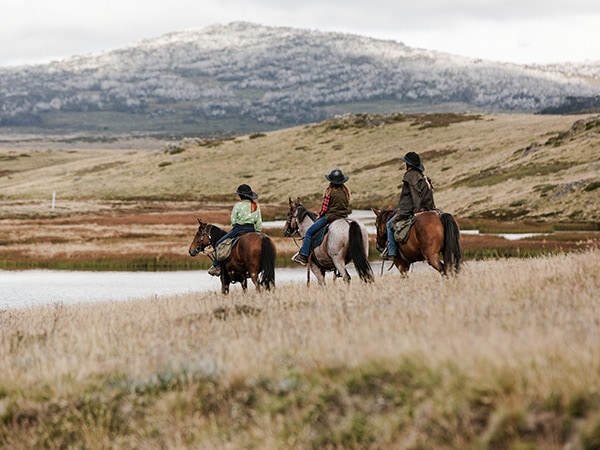
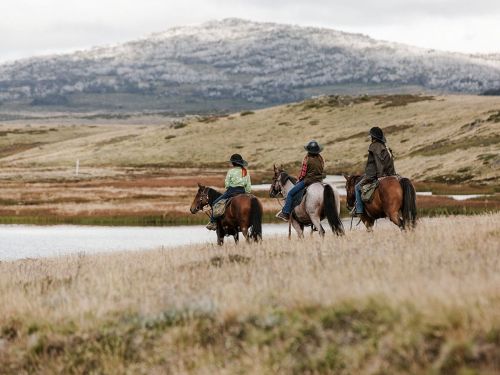
Bogong Horseback Adventures
Hike, bike or horse ride around Mt Bogong. (Image: Tourism Australia)

You can hike Mt Bogong and Bogong High Plains in Alpine National Park during spring, summer and autumn, enjoying meadows of wildflowers and visiting historic huts.

If you love history, set aside a day to head up to Falls Creek to follow Wallace’s Heritage Trail , a six-and-a-half-kilometre walk (approximately two and a half hours) that takes you to Wallace’s Hut, the oldest surviving cattlemen’s hut in the High Country. If you have young children you can still show them the hut, as it’s about 750 metres from a car park. It’s also wheelchair accessible.
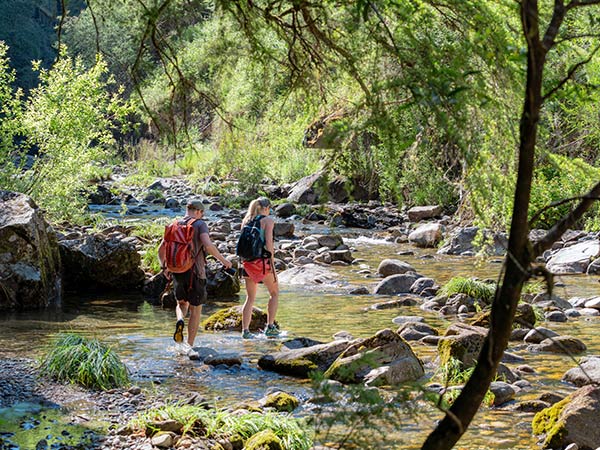
Mount Beauty Gorge Walk
Follow the west branch of the Kiewa River on the Mount Beauty Gorge Walk.

Mount Beauty Gorge Walk is also worth checking out. It’s a stunning trail that starts on the edge of town, takes you across a swing bridge and then along the west branch of the Kiewa River. There’s a lovely swimming hole to discover, and, in summer, you can rock scramble to an impressive canyon (beware: it can get slippery). Call into Mount Beauty Visitor Information Centre to find out more.

You can also walk along the banks of the Kiewa River, which snakes through Mount Beauty. Starting in town, Kiewa River Trail is four kilometres (return) along a sealed path that leads you past farms and campsites.

Fly fishers also love throwing a line in from the river bank, hoping to catch the region’s famous trout . Be sure to purchase a recreational fishing licence (from $10) online from Victorian Fisheries Authority first.
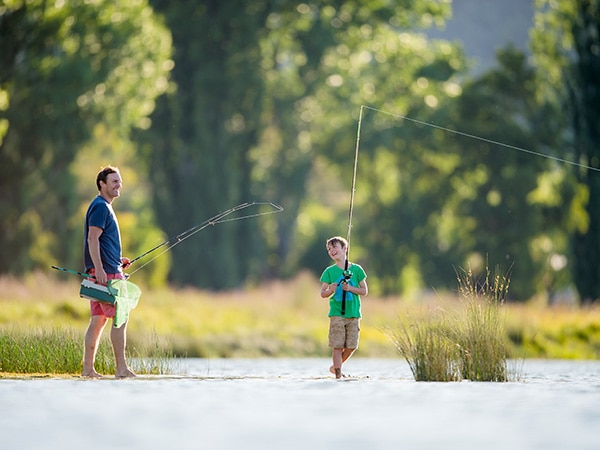
Mount Beauty fishing
Pick up a license to catch the region’s famous trout.

If you’re chasing a shot of adrenaline, schedule a morning at Big Hill Mountain Bike Park , where you’ll have a choice of more than 50 kilometres of cross-country and downhill trails that cater to all levels of riders. Advanced bikers will want to hit up The Yellow Loop, a 10-kilometre cross-country track with challenging climbs, technical features and flowy vibes.

Australia’s High Country is synonymous with horse riding, and there are one-day and multi-day rides available through Alpine National Park.
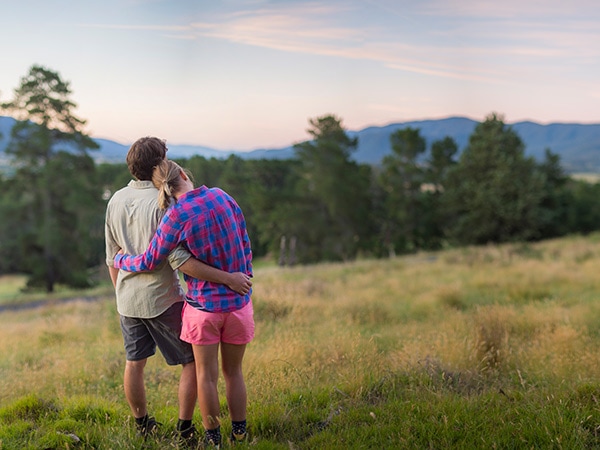
Big Hill Mountain Bike Park
Jump off your bike to enjoy the view at Big Hill Mountain Bike Park.

If you’re travelling with your own horse, they’re allowed in the national park between December and April; reserve a campground with a horse yard via Parks Victoria. For a tour, Bogong Horseback Adventures offers trail rides for all abilities, as well as pack-horse journeys across some of the highest terrain in Australia.

A mindful way to start or end the day is with a BYO kayak or paddleboard on the peaceful Mount Beauty Pondage . Nearby you’ll find Mount Beauty Skate Park, a top spot to take the kids to burn some energy on the rails and ramps.

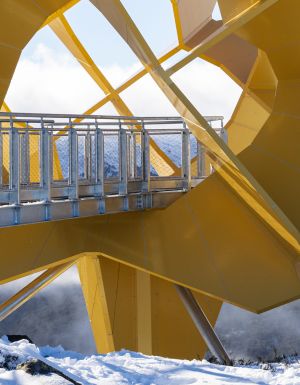
However you plan to spend your days, you’ll want to bookend them with a visit to Mount Beauty’s great lookouts. Snap a sunrise selfie with Mt Bogong in the background from Sullivans Lookout, only 10 kilometres from the town centre along Tawonga Gap Road; at sunset, stop off the Kiewa Valley Highway at Mt Bogong Lookout, with its great views of Bogong, Kiewa Valley and Mountain Creek.
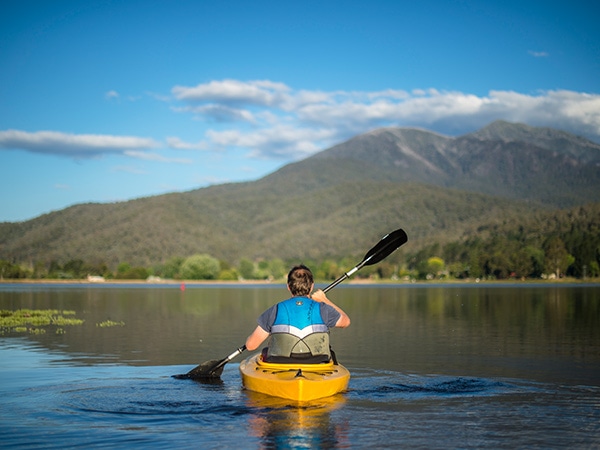
kayak Mount Beauty Pondage
Pack a kayak or paddleboard to get out on Mount Beauty Pondage.

Getting around

Mount Beauty is a hub for nature-based adventure, so it makes sense to have a car (a 4WD is best). However, if you’re visiting in winter and would rather not deal with snowy roads – and, potentially, snow chains – there are shuttle bus options up to the ski resorts, as well as private transfers and pick-ups from Albury Airport.

Jennifer Ennion
Jennifer Ennion is a freelance travel and ski journalist who loves encouraging people to spend more time outdoors. From snorkelling with belugas in sub-Arctic Canada to hiking the Himalayas, Jennifer is constantly searching for stories that inspire readers to push their boundaries.
See all articles

From coast to bush: these are Gippsland’s best hikes

Video credit: Tourism Australia

From coast to mountains, hiking in Gippsland offers a stunning array of landscapes, with trails that take you deep into the region’s heritage.

I step out onto the sand and it cries out underfoot. Kweek! I take another step and there’s another little yelp. Screet! Picking up the pace, the sounds follow me like my shadow, all the way down to the water. It’s obvious how this spot got its name – Squeaky Beach – from the rounded grains of quartz that make the distinctive sounds under pressure.

For many, Wilsons Promontory National Park is the gateway to Gippsland , and the best way to explore it is by walking its network of hiking trails, from coastal gems such as Squeaky Beach through to the bushland, among the wildlife. But it’s still just a taste of what you’ll find on foot in the region.

Venture a bit further into Gippsland and you’ll discover the lakes, the rainforest, and the alpine peaks, each changing with the season and offering summer strolls or winter walks. Just like that squeaky sand, each step along these trails has something to tell you: perhaps a story about an ancient spirit or a pioneering search for fortune.

The best coastal hikes in Gippsland

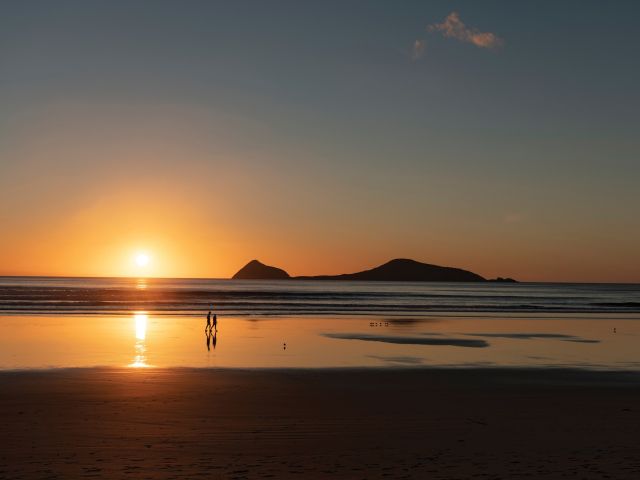
sunset at Wilsons Promontory National Park
Wilsons Promontory National Park is a sprawling wilderness with many coastal bushland trails. (Image: Mark Watson)

Wilsons Promontory National Park (or ‘The Prom’, as you’ll end up calling it) is an easy three-hour drive from Melbourne, but you might ditch the car when you arrive, with much of the park’s 50,000 hectares accessible only by foot. From the inky water of Tidal River (dyed dark purple by abundant tea trees), I like the easy walks along the coast, among lichen-laden granite boulders, to golden beaches and bays.

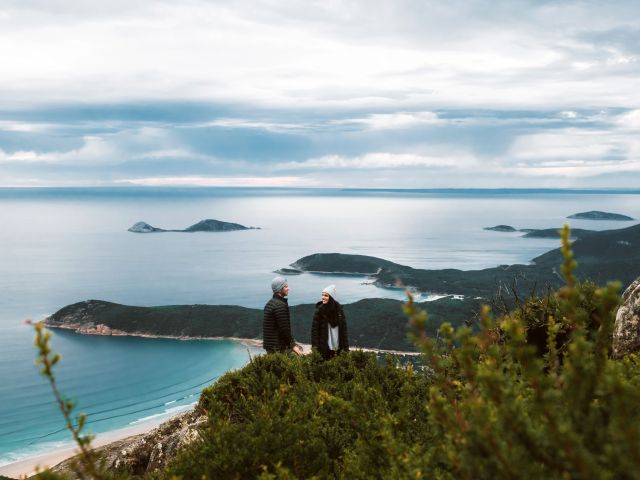
a couple on Mount Oberon
Panoramic views from the summit of Mount Oberon. (Image: Everyday Nicky)

The trail to the panoramic views at the summit of Mount Oberon is a bit harder, up steep timber and granite steps, but it’s a popular 6.8-kilometre return. The more remote hikes are found through the open banksia and stringybark woodland of the park’s north, or along the multi-day Southern Circuit , which ranges from about 35 to 52 kilometres, with sunrises and sunsets, kangaroos and cockatoos, and maybe even whales.

a golden sand beach at Wilsons Promontory National Park
Walk ‘The Prom’s’ golden sand beaches. (Image: Tourism Australia/Time Out Australia)

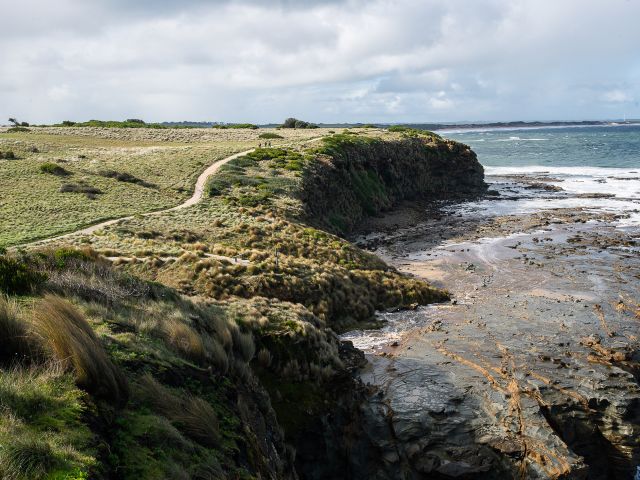
You might also see whales on the George Bass Coastal Walk , even closer to Melbourne on the western edge of Gippsland. This dramatic seven-kilometre trail along the clifftops takes in sweeping views of the wild ocean, occasionally dipping down from grassy green hills to coastal gullies and a secluded beach. It also now links into the Bass Coast Rail Trail for an extra 14 kilometres.

the George Bass Coastal Walk
George Bass Coastal Walk trails for seven kilometres along clifftops. (Image: Visit Victoria/Time Out Australia)

Over at the eastern edge of Gippsland, in Croajingolong National Park, you can wander along the lakeshores beneath koalas and around goannas (I keep my distance since one chased me here!). For those who are even more adventurous, the park is also the starting point for the 100-kilometre Wilderness Coast Walk , usually done over seven days.

the Croajingolong National Park, Gippsland
Wander along the lakeshores in Croajingolong National Park. (Image: Tourism Australia)

The best bush hikes in Gippsland

the Baw Baw National Park
The alpine heath of Baw Baw National Park. (Image: Everyday Nicky)

Deep in the Long Tunnel Extended Gold Mine at Walhalla, mining guide Richard tells me how this small town in the mountains east of Melbourne boomed when prospectors found gold here in 1862. These days, you’ll find most of the town’s treasure – its heritage – above ground, with the Walhalla Tramline Walk a wonderful way to explore it.

Just seven kilometres long, the walk takes you through decades of Gold Rush history, following the original rail trail from lush bushland to the mining sites, and through the charming village of just 20 residents with its wooden cottages and old shopfronts adorned with turn-of-the-century advertising posters. Blazing a trail where trailblazers once opened up the region, this is also the starting point for the 650-kilometre Australian Alps Walking Track.

Nearby, Baw Baw National Park has walks through gnarled snow gums and alpine heaths that show off the colourful wildflowers in summer and the pristine carpet of white in winter. Several trails are perfect for snowshoes, including a 45-minute route from St Gwinear up to vast views across the Latrobe Valley.

Further up into the mountains, the Toorongo and Amphitheatre Falls Loop Walk is an easy 2.2-kilometre path that serenades you with the sound of flowing water as you pass mossy rocks and tree ferns en route to two sets of waterfalls cascading over boulders in the remote wilderness.

The best cultural hikes in Gippsland

the Mitchell River National Park, Gippsland
Hike the Mitchell River National Park. (Image: Parks Victoria/Grace Lewis)

Across a pool in a natural sandstone amphitheatre, deep within a cave behind a waterfall, it’s said the Nargun has its lair. A fierce creature, half human and half stone, that abducts children and can’t be harmed by boomerangs or spears, the story of the Nargun has been told around the campfires of the local Gunaikurnai people for generations.

As a culturally significant place for women, hikers are asked not to go into the Den of Nargun, but a 3.4-kilometre loop walk leads you through a rainforest gully to the entrance where you can feel the powerful atmosphere here in Mitchell River National Park , along Victoria’s largest remaining wild and free-flowing waterway.

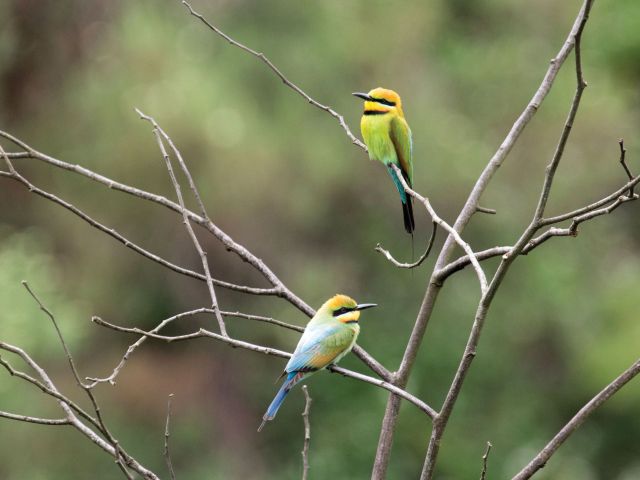
the bee-eaters at Mitchell River National Park
Bee-eaters at Mitchell River National Park. (Image: Parks Victoria/Grace Lewis)

The Den of Nargun is part of the Bataluk Cultural Trail , a series of important traditional Gunaikurnai sites through central Gippsland. Another location is Victoria’s largest cave system, Buchan Caves Reserve, with trails to important archaeological sites of human artefacts up to 18,000 years old. The FJ Wilson Interpreted Walk includes the naturally sculpted white limestone steps of the 400-metre-long Federal Cave, while the Granite Pools Walk goes among tall timber and moss-covered gullies.

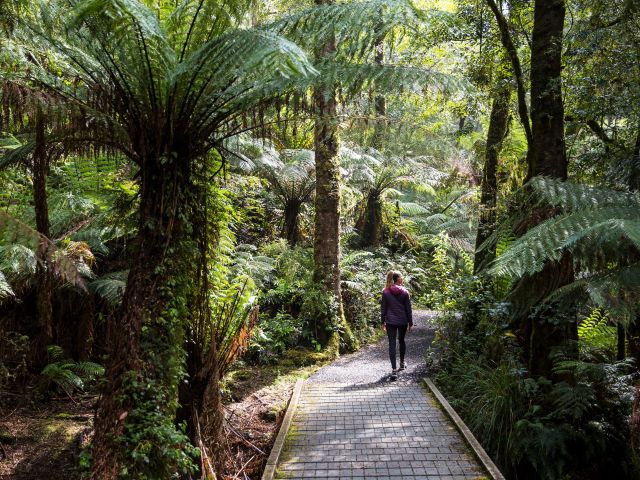
the ancient rainforest of Tarra-Bulga National Park
The ancient rainforest of Tarra-Bulga National Park. (Image: Josie Withers)

Also important to the Gunaikurnai people is Tarra-Bulga National Park , known for its ancient myrtle beeches and enormous mountain ash trees. Just 40 minutes return, the Tarra Valley Rainforest Walk offers a taste of this verdant landscape, while the Grand Strzelecki Track takes you deep into the lost world of forest giants on an epic 100-kilometre trail rich with tradition.

A traveller’s checklist

Staying there

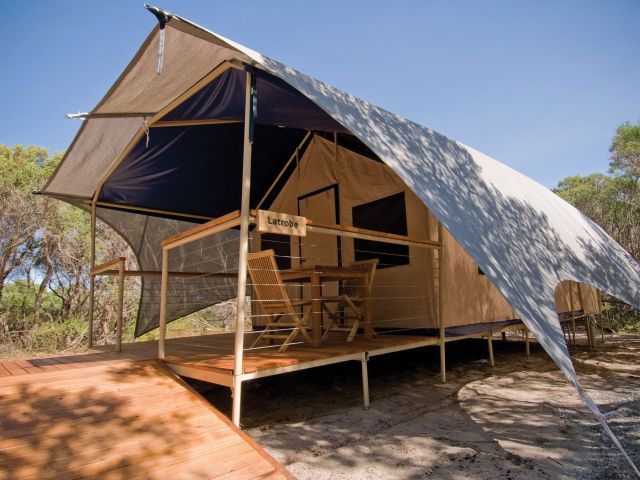
the WildernessRetreats in The Prom
Wilderness Retreats in The Prom. (Image: Christian Pearson)

Wilderness Retreats in Wilsons Promontory offers glamping-style tents with luxurious queen beds. Star Hotel is a reconstruction of a Gold Rush-era hotel from 1863 in the heart of heritage Walhalla. Caves House is a historic three-bedroom house with views over the Buchan River.

Eating there

the Carrajung Estate, Gippsland
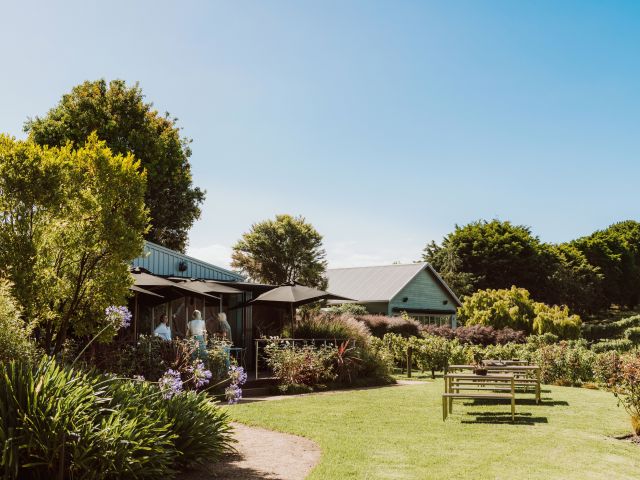
Enjoy a post-hike lunch at Carrajung Estate. (Image: Everyday Nicky)

Kilcunda General Store serves great coffee and meals of local produce at the George Bass Coastal Walk. Alpine Trout Farm is located near Toorongo Falls in Noojee. Fish for your own lunch and barbecue it with the provided cookware.

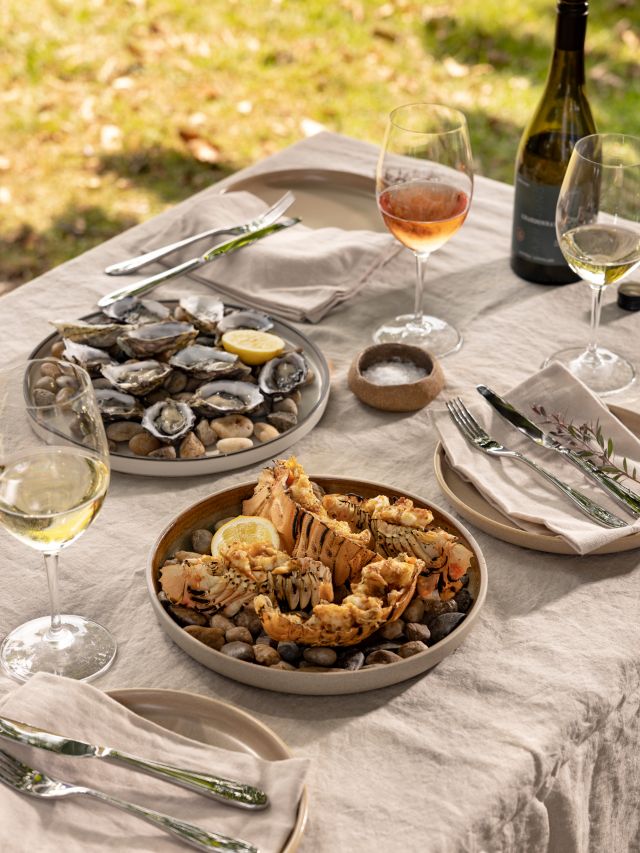
Carrajung Estate is a short drive from Tarra-Bulga National Park. The winery’s restaurant offers a seasonal menu of regional ingredients and you can stay at The Lodge.

a seafood feast at Carrajung Estate, Gippsland
The table is set for a seafood feast at the estate.

Video credit: Tourism Australia