10 hidden-gem road trips in Victoria

hero media
Prepare yourself to take the road less travelled as we introduce you to some of Victoria’s hidden-gem road trips.

The Great Ocean Road, Mornington Peninsula, Grampians National Park – Victoria is full of hot-shot road trips that get plenty of love.

But what about the lesser-known spots that are as equally enticing? Turns out, you can embark on a number of road trips that even plenty of Victorians have never heard of.

So, here are 10 hidden-gem road trips to discover on your next driving holiday.

1. See the Silo Art of Western Victoria

Silo art trails have been popping up around Australia as the hot new way to see the countryside and get a culture fix at the same time. This particular one, located in Victoria’s west, is considered the largest outdoor gallery in Australia – stretching over 200 kilometres and linking six small country towns.

In 2016, Canberra artist Guido van Helten painted an anonymous, multi-generational quartet of female and male farmers across four 1939-built GrainCorp silos. With that action, he transformed the spirit of the Wimmera Mallee region, linking Brim with the neighbouring towns of Lascelles, Patchewollock, Rosebery, Rupanyup and Sheep Hill to create the Silo Art Trail.
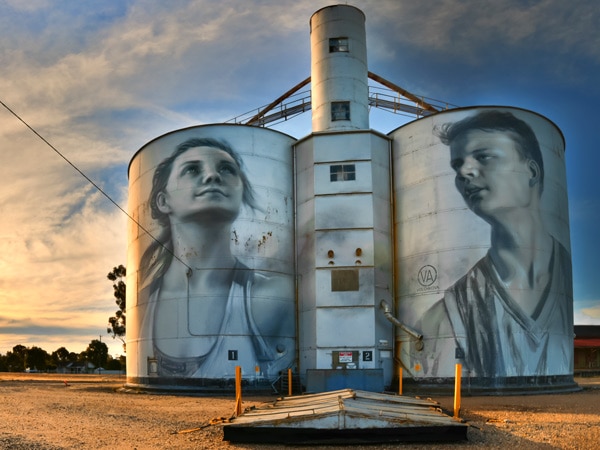
Rupanyup silo art by Julia Volchkova of Ebony Baker and Jordan Weidemann. (Image: Visit Victoria/Anne Morely)
Julia Volchkova depicted Rupanyup locals Ebony Baker and Jordan Weidemann on the silos. (Image: Visit Victoria/Anne Morely)

These days, visitors can tackle the self-guided journey by car. Stop to enjoy the allures of each region, as well as marvelling at the area’s ancient Indigenous roots and its history as one of Australia’s most important grain-growing regions.

Don’t miss: See the silos from above on a scenic flight with Grampians Helicopters . Learn about the faces and places painted by the locally born and raised pilot.
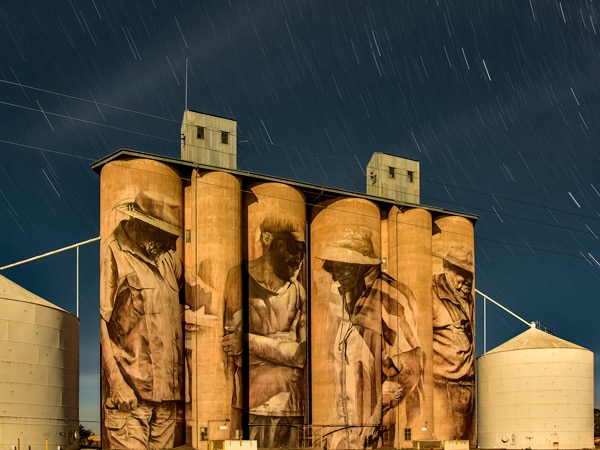
Guido van Helten's silo art in Brim depicts a multi-generational quartet of female and male farmers across four silos. (Image: Visit Victoria/Anne Morely)
Guido van Helten’s Brim mural was the first silo artwork to appear in Victoria. (Image: Visit Victoria/Anne Morely)

2. A detour to Otway

The Great Ocean Road is firmly at the top of most of the best Victorian road trip lists. However, one of the lesser-known towns among the many that populate this route is Otway. Hidden among its delicious produce, waterfalls and hinterland is Cape Otway National Park – a place that’s worth getting in the car for.

Inside you’ll find a rugged coastline, rock formations, beaches, ferny forests and hopefully, Australia’s largest remaining marsupial carnivore, the tiger quoll. The forests, woodlands and coastline of the Otway Ranges are one of the last remaining habitats for this special creature that is on the brink of extinction. Keep your eyes peeled.

Don’t miss: Hopetoun Falls. There’s a platform 20 metres from the car park where you can view the waterfall from the top.
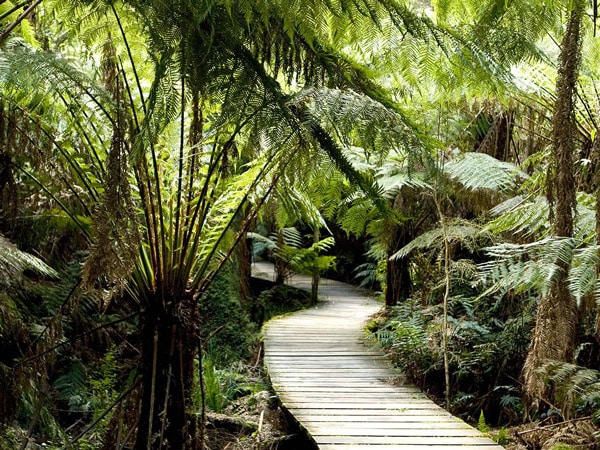
Otway Rainforest
Otway Rainforest has some of the tallest eucalyptus trees in the world

3. Phillip Island to French Island

Find passionate producers, nature-based experiences and those famous surf breaks – could Phillip Island be the ultimate seaside getaway? Yes. Particularly because it comes with access to Victoria’s largest coastal island: French Island.
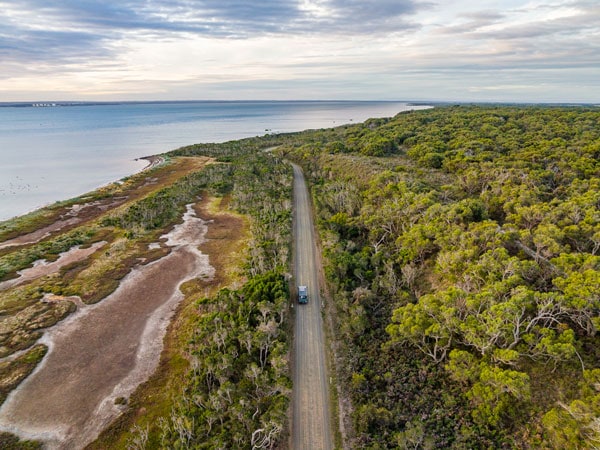
Car driving on road on French Island
Approximately 70 per cent of French Island is national park. (Image: Tourism Australia)

One-hundred-odd people live on this slice of island paradise. Approximately 70 per cent of its 170 square kilometres has been declared a national park and the remainder is privately-owned freehold land, including some of the most exclusive real estate in Victoria. It sits just north of Phillip Island in Western Port and is connected by daily ferries from Stony Point.

Don’t miss: Thanks to its seclusion, French Island has remained relatively untouched over the years. And the flora and fauna have thrived as a result: find almost 300 species of birds, over 100 types of bush orchids, the endangered long-nosed potoroo, and koalas are free from the chlamydia disease that’s ravaged the population on the mainland.
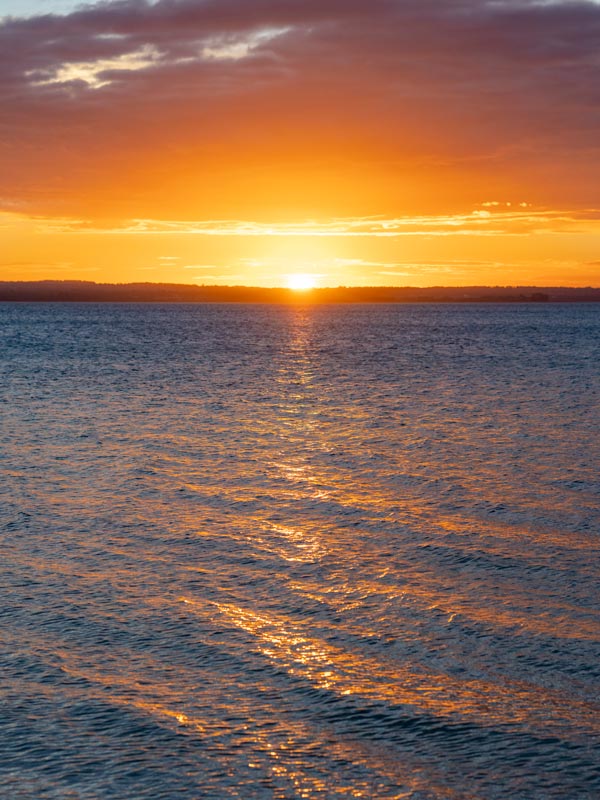
Sunset over the ocean on French Island
French Island has remained relatively untouched over the years. (Image: Tourism Australia)

4. The other Goldfields town

Bendigo’s reputation isn’t as notorious as Ballarat‘s, but the other Goldfields town at the heart of Central Victoria (and one-time richest city in the world) has been drawing people from across the globe ever since the 1850s gold rush.

The city now pays homage to a wealth of a different kind as a cultural and foodie hotspot. Wineries, craft brewers and boutique food producers abound (in 2019 Bendigo was designated as a UNESCO City of Gastronomy) all set among the legacy of grand buildings, historic gardens, avenues and charming homes.
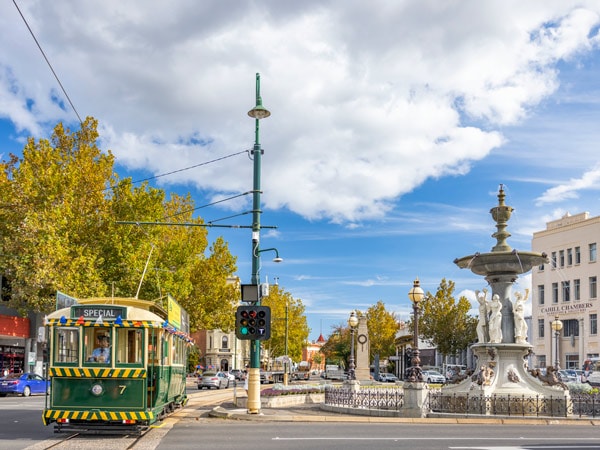
Bendigo Tramways
Bendigo pays homage to a wealth of a different kind as a cultural and foodie hotspot. (Image: Tourism Australia)

Don’t miss: The Bendigo Art Gallery . It’s considered one of the country’s best regional galleries and has carved a niche for itself with blockbuster fashion and design exhibitions including Marilyn Monroe and Marimekko: Design Icon 1951-2018.
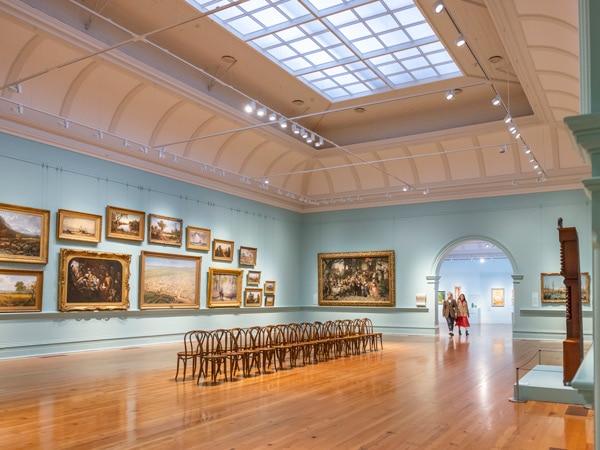
Bendigo art gallery
Bendigo Art Gallery is considered one of the country’s best regional galleries. (Image: Tourism Australia)

5. The Bellarine Taste Trail

The wide, sun-drenched landscape that stretches along the Bellarine Peninsula is one of the country’s most fertile food bowls, with local producers offering up everything from olives to cool-climate wines.

If you’re feeling peckish, chart a course along the Bellarine Taste Trail to discover a secret gem of a road trip ready to be savoured. There are some seriously decadent foodie institutions that embrace the farm-to-fork philosophy within easy reach from the town’s centre.
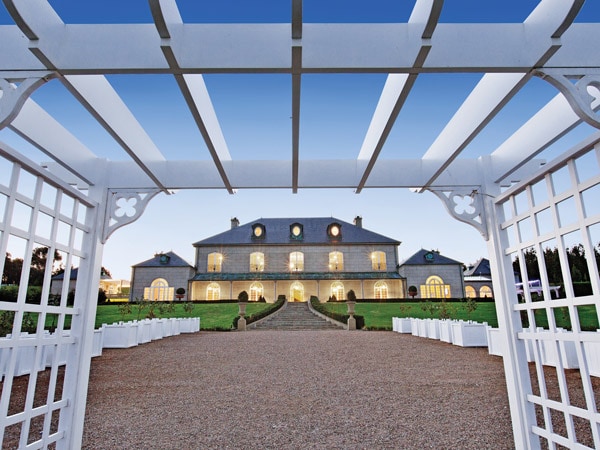
Looking at Campbell Point House
Campbell Point House is breathtaking.

White Fisheries sells Port Phillip Bay fish sold on the same day it’s caught. Find Lonsdale Tomato Farm and their authentic farmgate store down an unassuming country road. Igni was named the 2017 Regional Restaurant of the Year in the Gourmet Traveller’s national restaurant awards and the fire-driven degustation menu is truly jaw-dropping. Wattle Grove Honey produces pure Australian honey and beeswax products from their own beehives.

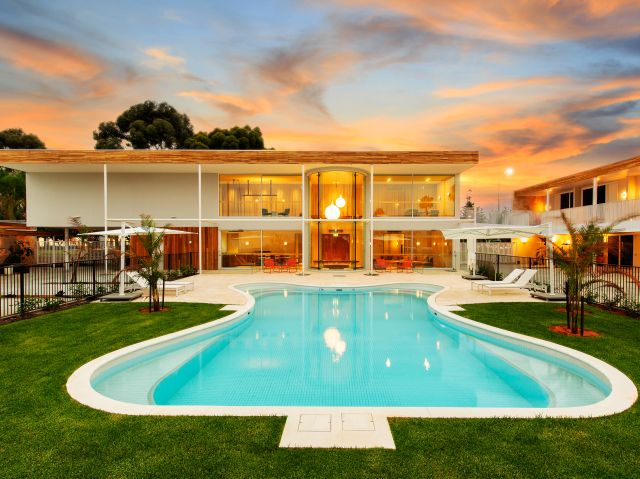
Don’t miss: A stay at Campbell Point House. For those who have long dreamt of staying in an elegant, 20-million dollar luxury accommodation, this is the only way to do it.
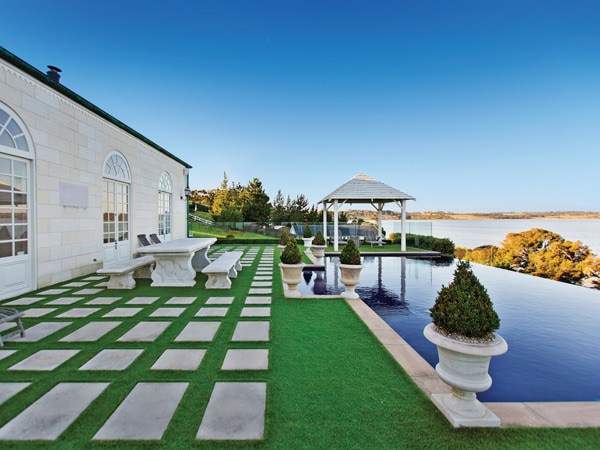
Words don’t do this view justice.

6. Lake Mountain

Lake Mountain  is Melbourne’s closest and most affordable Alpine Resort. It has 30 kilometres of trails and is the third most visited cross-country site in the world. It’s around two hours’ scenic drive from Melbourne.

The spot caters to ‘snow play’ – cross-country skiing, snowshoeing, sledding, etc. There is no downhill skiing or snowboarding. When the snow melts and the crowds swap snow boots for board shorts and bikinis, you’ll find rolling green mountains, itching to be hiked and biked.

Don’t miss: The nearby town of Marysville has been experiencing a marvellous rebirth after the tragic Black Saturday bushfires of 2009. The 20-kilometre drive down from Lake Mountain is one of the most picturesque alpine drives in Australia and full of adventure: the town’s surrounds are a paradise for hikers, foodies and market shoppers.
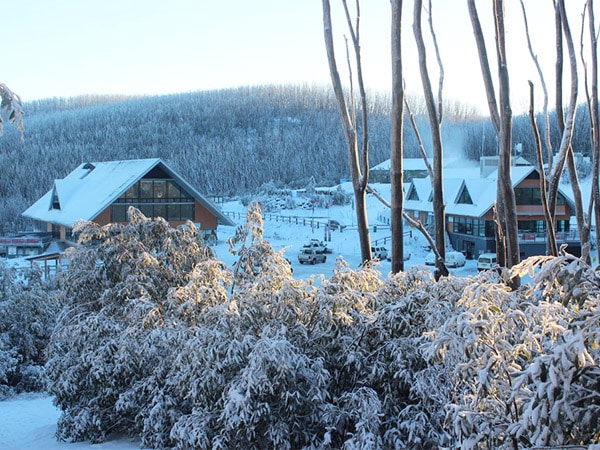
Lake Mountain
Lake Mountain is Melbourne’s closest and most affordable Alpine Resort

7. Budj Bim National Park

Budj Bim National Park isn’t a place known to most Victorians, but it very well should be. A Gunditjmara name for Mount Eccles, Budj Bim is the long-dormant volcano that once spewed lava up to 50 kilometres toward the sea. It dramatically altered the waterways and wetlands which have remained untouched some 30,000 to 39,000 years later.

Lake Surprise – which has formed in the crater of Mount Eccles – offers a scenic location and playground for an ample dose of recreation. There are spots for camping, walking, mountain biking and 4WDing, plus opportunities for fishing and birdwatching.
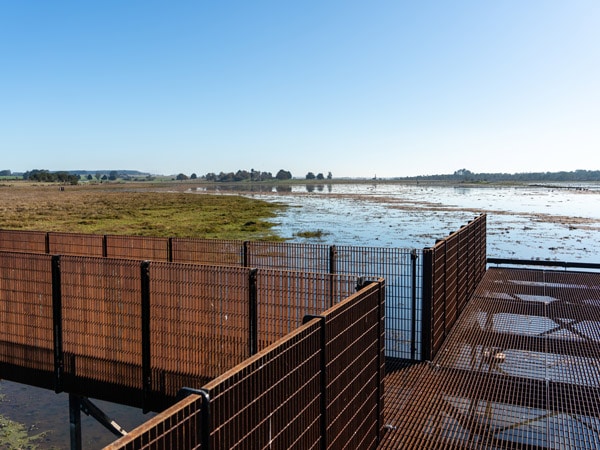
Budj Bim wetlands
Budj Bim dramatically altered the waterways and wetlands which have remained untouched some 30,000 to 39,000 years later.

The Budj Bim Cultural Landscape has been formally recognised on the UNESCO World Heritage List and is the only Australian World Heritage property listed exclusively for its Aboriginal cultural values. It also features the earliest living example of aquaculture in the world, with a history of eel farming dating back over 6,000 years.

Don’t miss: Budj Bim Tours has been showcasing the important history of the Gunditjmara people since 1999. Take a tour and see remnants of a settled lifestyle that features circular stone dwellings and the remains of Australia’s first and largest freshwater stone aquaculture system.

Budj Bim Cultural Landscape’s cultural tours offer visitors an opportunity to form deeper connections to Country and the history and culture of Budj Bim, no matter what time frame they are working with. Whether you’ve only got a couple of hours or a whole weekend, there’s a tour to suit everybody. 
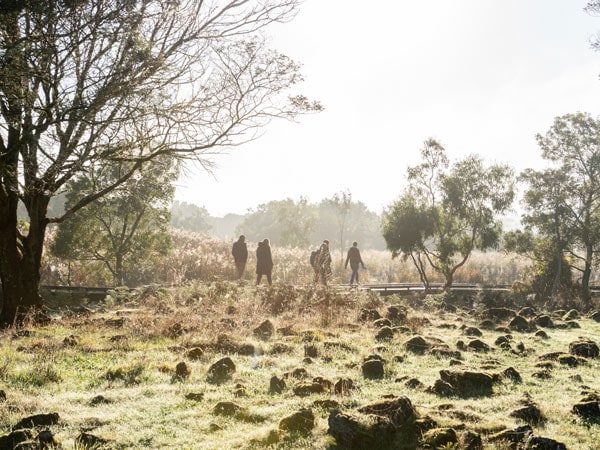
People walking through Budj Bim
The Budj Bim Cultural Landscape has been formally recognised on the UNESCO World Heritage list.

8. Pink Lakes of Murray Sunset National Park

Pink Lakes live on the edge of Murray Sunset National Park – a location that is often referred to as Victoria’s own outback. It is pristine, untouched and in a fast-paced world, it offers a chance to get back to nature.

Thanks to the Pink Lakes’ combination of salt-loving algae and high salinity levels the pink hue of the water changes by the hour, depending on the cloud conditions above. Generally, you’ll find that on cloudy days the pinks are at their most striking, and at other times they are more of a fairy-floss hue.

The flora and fauna are varied and abundant at the Pink Lakes. Look out for the red kangaroos, the Murray Lily flower, and if you’re a bird watcher make sure to pack your guidebook as there are loads of colourful and elusive species to discover. For bushwalkers, the area offers some beautiful walks, particularly in spring when the wildflowers are in bloom. There are easy walks around Lake Hardy and Lake Becking as well as the longer Kline nature trail.

Don’t miss: Murray Sunset National Park is considered a stargazing haven. Make a night of it and book a campsite to enjoy the evening spectacle.
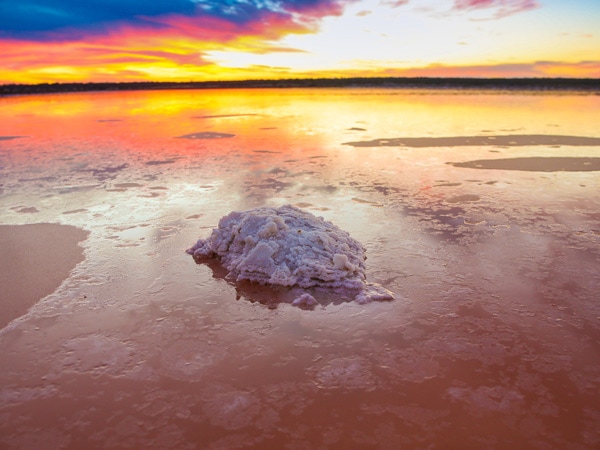
Pink Lakes
On cloudy days the pinks are at their most striking, and at other times they are more of a fairy-floss hue.

9. The Macedon Ranges

While not as unknown as some of the others on this list, the Macedon Ranges do provide one point of bizarre difference not found anywhere else.
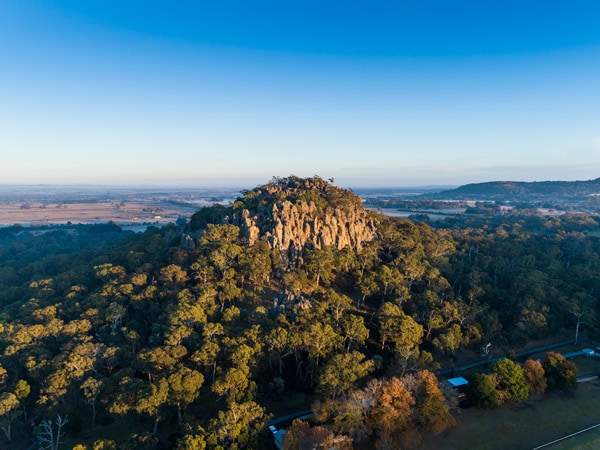
Hanging Rock in Victoria
Macedon Ranges is home to Hanging Rock.

Straws Lane – or Anti-Gravity Hill – is the optical illusion landmark found in few places around the world. The phenomenon is the southernmost Gravity Hill in the world. A place where cars appear to roll upwards, contradicting the laws of gravity. Where the horizon is either obstructed or curved, and the false horizon makes judging the gradient of a slope difficult. As your eyes adjust your perception of the landscape is altered.

Videos online showcase the anti-gravity magic of Straws Lane. To see it for yourself, visit Straws Lane just south of the intersection at Romsey Road.

Don’t miss: Time your journey with a visit to Woodend, famous for its unusual volcanic rock formation (better known as the perpetually spooky Hanging Rock). Pack a picnic to recreate the setting of Joan Lindsay’s novel and Peter Weir’s iconic film.
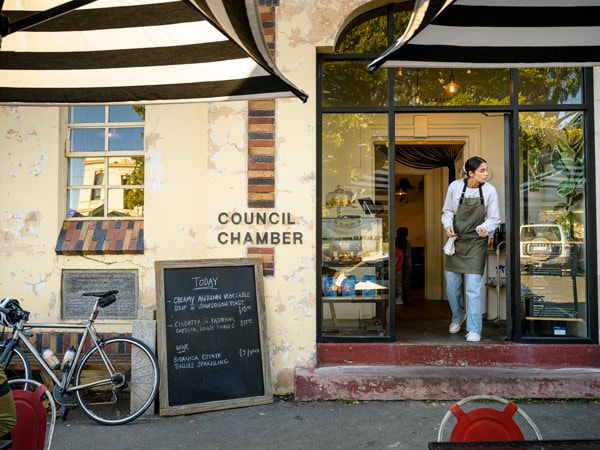
Fox in the Chamber in Woodend
Woodend is a quirky little town.

10. Black Spur Drive

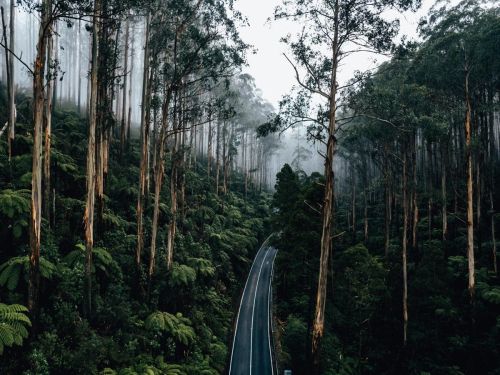
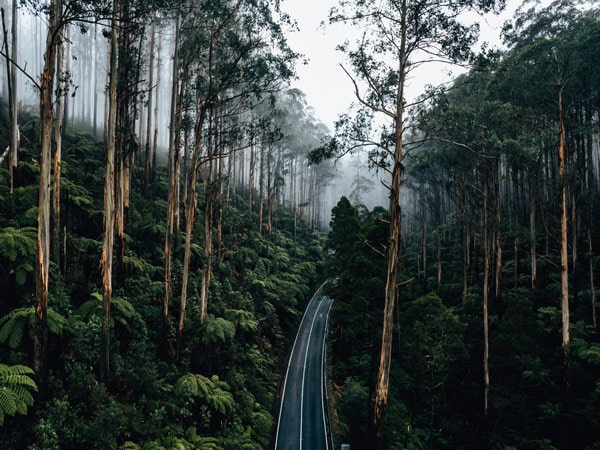
The ghostly, peaceful driving experience through the tall, slender galleries of Mountain Ash along the Black Spur Drive is unforgettable.

Beginning at Healesville in the south and ending at Narbethong in the north, the snaking and steep Black Spur drive cuts through the lush rainforest landscapes of the Yarra Ranges. It links the Yarra Valley with the mountain areas around Marysville and is famous for its 27-kilometre twists of towering trees and spectacular valley views.

At the base of the Black Spur you’ll find Fernshaw picnic area with rest facilities. Dom Dom in Marysville State Forest has a few basic amenities, too.

Don’t miss: Before you begin, make a beeline for the local wildlife at Healesville Sanctuary . Forget everything you know about zoos – this bushland oasis specialises in native Australian animals, with a longstanding history of breeding programs and preservation.
Black spur drive moody
Black Spur Drive is unforgettable.

This scenic Victorian region is the perfect antidote to city life

Video credit: Visit Victoria/Tourism Australia

The Grampians just might be the ultimate antidote for the metropolis, writes one returning Aussie ready to disconnect from the modern world and reconnect to the Great outdoors.

There are no kangaroos back in Chicago: they’re all here in the Grampians/Gariwerd . In the heart of the Grampians National Park’s main gateway town, Halls Gap, pods of eastern greys are eating grass beside my parked rental car beneath the stars. Next morning, when I see the backyard of my rented villa on the edge of town for the first time, there are kangaroos feeding beside a slow-moving creek, lined with river red gums.

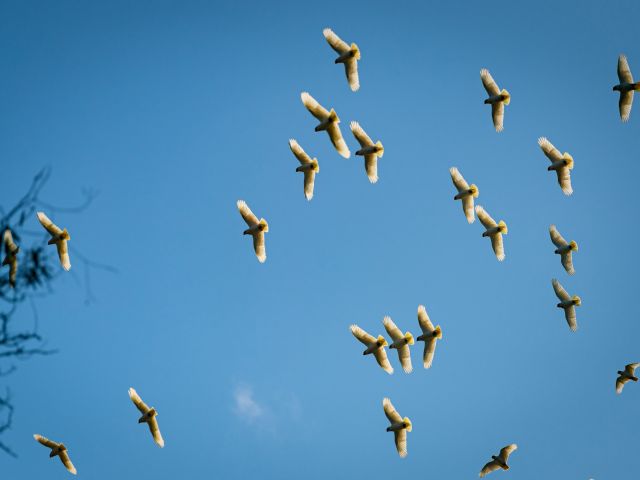
Five hundred metres up the road, 50 or so of them are eating by the side of the road in a paddock. I pull over to watch and spot three emus. Yellow-tailed black cockatoos fly overhead towards the tall green mountains just beyond town.

‘Kee-ow, keee-oww’… their calls fuse with the maniacal cackle of a kookaburra (or 10). Gawd, how I’ve missed the sound of them. Far above, a wedge-tailed eagle watches, and there you go: the ‘great birds of Australia’ trifecta, all half a kay from the town limits.

Exchanging city chaos for country calm

kangaroos near Halls Gap, Grampians National Park
The park is renowned for its significant diversity of native fauna species. (Image: Visit Victoria/Robert Blackburn)

I’ve come to the Grampians to disconnect, but the bush offers a connection of its own. This isn’t just any bush, mind you. The Grampians National Park is iconic for many reasons, mostly for its striking sandstone mountains – five ridges run north to south, with abrupt, orange slopes which tumble right into Halls Gap – and for the fact there’s 20,000 years of traditional rock art. Across these mountains there are more than 200 recorded sites to see, created by the Djab Wurrung, Jardwadjali and Gunditjmara peoples. It’s just like our outback… but three hours from Melbourne.

I’ve come here for a chance at renewal after the chaos of my life in America’s third-largest city, Chicago, where I live for now, at the whim of a relative’s cancer journey. Flying into Melbourne’s airport, it only takes an hour’s drive to feel far away from any concept of suburbia. When I arrive in Halls Gap two hours later, the restaurant I’m eating at clears out entirely by 7:45pm; Chicago already feels a lifetime ago.

The trails and treasures of the Grampians

sunrise at Grampians National Park /Gariwerd
Grampians National Park /Gariwerd covers almost 2000 square kilometres. (Image: Ben Savage)

Though the national park covers almost 2000 square kilometres, its best-known landmarks are remarkably easy to access. From my carpark here, among the cockatoos and kangaroos on the fringe of Halls Gap, it only takes 60 seconds’ driving time before I’m winding my way up a steep road through rainforest, deep into the mountains.

Then it’s five minutes more to a carpark that serves as a trailhead for a hike to one of the park’s best vantage points, The Pinnacles . I walk for an hour or so, reacquainting myself with the smells and the sounds of the Aussie bush, before I reach it: a sheer cliff’s edge lookout 500 metres up above Halls Gap.

walking through a cave, Hollow Mountain
Overlooking the vast Grampians landscape from Hollow Mountain. (Image: Robert Blackburn)

There are hikes and there are lookouts and waterfalls all across this part of the park near town. Some are a short stroll from a carpark; others involve long, arduous hikes through forest. The longest is the Grampians Peaks Trail , Victoria’s newest and longest iconic walk, which runs 160 kilometres – the entire length of Grampians National Park.

Local activities operator Absolute Outdoors shows me glimpses of the trail. The company’s owner, Adrian Manikas, says it’s the best walk he’s done in Australia. He says he’s worked in national parks across the world, but this was the one he wanted to bring his children up in.

“There’s something about the Grampians,” he says, as he leads me up a path to where there’s wooden platforms for tents, beside a hut looking straight out across western Victoria from a kilometre up in the sky (these are part of the guided hiking options for the trail). “There are things out here that you won’t see anywhere else in Australia.” Last summer, 80 per cent of the park was damaged by bushfire, but Manikas shows me its regrowth, and tells me of the manic effort put in by volunteers from town – with firefighters from all over Australia – to help save Halls Gap.

wildflowers in Grampians National Park
Spot wildflowers. (Image: Visit Victoria)

We drive back down to Halls Gap at dusk to abseil down a mountain under the stars, a few minutes’ walk off the main road into town. We have headlamps, but a full moon is enough to light my way down. It takes blind faith to walk backwards down a mountain into a black void, though the upside is I can’t see the extent of my descent.

Grampians National Park at sunset
Grampians National Park at sunset. (Image: Wine Australian)

The stargazing is ruined by the moon, of course, but you should see how its glow lights up the orange of the sandstone, like in a theme park. When I’m done, I stand on a rocky plateau drinking hot chocolate and listening to the Aussie animals who prefer nighttime. I can see the streets of Halls Gap off in the distance on this Friday night. The restaurants may stay open until 8pm tonight.

What else is on offer in The Grampians?

a boat travelling along the Wimmera River inDimboola
Travelling along the Wimmera River in Dimboola. (Image: Chris McConville)

You’ll find all sorts of adventures out here – from rock climbing to canoeing to hiking – but there’s more to the Grampians than a couple of thousand square kilometres of trees and mountains. Halls Gap may be known to most people, but what of Pomonal, and Dimboola, and Horsham? Here in the shadow of those big sandstone mountains there are towns and communities most of us don’t know to visit.

And who knew that the Grampians is home to Victoria’s most underrated wine region ? My disconnection this morning comes not in a forest, but in the tasting rooms and winery restaurants of the district. Like Pomonal Estate, barely 10 minutes’ drive east of Halls Gap, where UK-born chef Dean Sibthorp prepares a locally caught barramundi with lentil, pumpkin and finger lime in a restaurant beside the vines at the base of the Grampians. Husband-and-wife team Pep and Adam Atchison tell me stories as they pour their prize wines (shiraz is the hero in these parts).

dining at Pomonal Estate
Dine in a restaurant beside vines at Pomonal Estate. (Image: Tourism Australia)

Three minutes’ drive back down the road, long-time mates Hadyn Black and Darcy Naunton run an eclectic cellar door out of a corrugated iron shed, near downtown Pomonal. The Christmas before last, half the houses in Pomonal burnt down in a bushfire, but these locals are a resilient lot.

The fires also didn’t stop the construction of the first art centre in Australia dedicated to environmental art in a nature-based precinct a little further down the road (that’s Wama – the National Centre for Environmental Arts), which opened in July. And some of the world’s oldest and rarest grape vines have survived 160 years at Best’s Wines, outside the heritage town of Great Western. There’s plantings here from the year 1868, and there’s wines stored in century-old barrels within 150-year-old tunnels beneath the tasting room. On the other side of town, Seppelt Wines’ roots go back to 1865. They’re both only a 30-minute drive from Halls Gap.

Salingers of Great Western
Great Western is a charming heritage town. (Image: Griffin Simm)

There’s more to explore yet; I drive through tiny historic towns that barely make the map. Still part of the Grampians, they’re as pretty as the mountains behind them: full of late 19th-century/early 20th-century post offices, government offices and bank buildings, converted now to all manner of bric-a-brac stores and cafes.

The Imaginarium is one, in quirky Dimboola, where I sleep in the manager’s residence of an old National Australia Bank after a gourmet dinner at the local golf club, run by noted chef and teacher, Cat Clarke – a pioneer of modern Indigenous Australian cooking. Just south, I spend an entire afternoon at a winery, Norton Estate Wines, set on rolling calico-coloured hills that make me think of Tuscany, chit-chatting with owners Chris and Sam Spence.

Being here takes me back two decades, when I lived here for a time. It had all seemed as foreign as if I’d driven to another planet back then (from Sydney/Warrane), but there seemed something inherently and immediately good about this place, like I’d lived here before.

And it’s the Australian small-town familiarity of the Grampians that offers me connection back to my own country. Even in the better-known Halls Gap, Liz from Kerrie’s Creations knows I like my lattes with soy milk and one sugar. And while I never do get the name of the lady at the local Ampol station, I sure know a lot about her life.

Kookaburras on a tree
Kookaburras are one of some 230 bird species. (Image: Darren Donlen)

You can be a local here in a day; how good is that? In Chicago, I don’t even know who my neighbour is. Though each day at dusk – when the kangaroos gather outside my villa, and the kookaburras and the black cockatoos shout out loud before settling in to sleep – I prefer the quieter connection I get out there in the bush, beneath these orange mountains.

A traveller’s checklist

Staying there

Sleep beside the wildlife on the edge of Halls Gap at Serenity .

Playing there

abseiling down Hollow Mountain
Hollow Mountain is a popular abseiling site.

Go abseiling under the stars or join a guided hike with Absolute Outdoors . Visit Wama , Australia’s first environmental art centre. Check out Dimboola’s eccentric Imaginarium .

Eating there

steak, naan bread and beer at Paper Scissors Rock in Halls Gap
Paper Scissors Rock in Halls Gap serves a great steak on naan bread.

Eat world-class cuisine at Pomonal Estate . Dine and stay at much-revered icon Royal Mail Hotel in Dunkeld. The ‘steak on naan’ at Halls Gap brewhouse Paper Scissors Rock , can’t be beat.

Dunkeld Arboretum in Grampians National Park
The serene Dunkeld Arboretum.

For Halls Gap’s best breakfasts head to Livefast Cafe . Sip local wines at Great Western’s historic wineries, Best’s Wines , Seppelt Wines and Norton Estate Wines .

two glasses of beer at Paper Scissors Rock in Halls Gap
Sink a cold one at Paper Scissors Rock.