It’s a tough call, but if you had to award each of Australia’s states for one easy-to-reach highlight in a weekend this is what it would look like.
NSW | Qld | Vic | SA | NT | Tas | WA
NSW: best for national parks
While Queensland pips NSW at the post for the most national parks by a total of just two (237 to 235), when you compare the size of both states (1,729,742 to 801,150 square kilometres) it becomes clear why NSW can justifiably lay claim to having the most abundant and compelling natural wonders in the country.
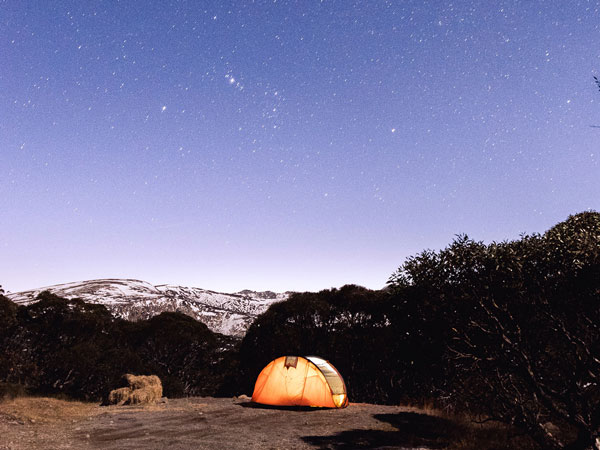
Varying in size and offering, NSW’s national parks form a patchwork across the landscape, offering up dramatic swathes of dense flora, soaring snow-capped mountains and rugged yet ethereal desert environments. Two of the state’s most celebrated parks are also its most accessible.
The Royal National Park
The Royal National Park sits at the edge of the city itself, giving the inhabitants of Australia’s most populace capital an easy escape in which to experience wildlife, waterfalls, coastal walks and beaches the likes of Garie and Wattamolla.
Blue Mountains National Park
West of Sydney, the UNESCO World Heritage-listed Blue Mountains National Park stretches over some 2690 square kilometres and boasts a fascinating Indigenous history (it is the land of the Gundungurra and Darug peoples), as well as stunning landmarks and lookouts.
Capertee National Park
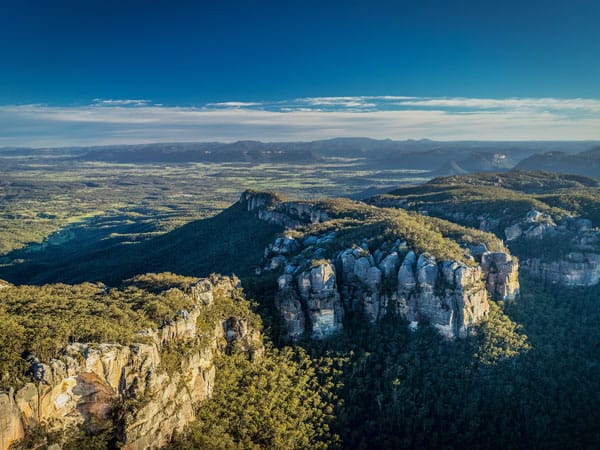
Butting up against Blue Mountains National Park is the ruggedly unspoilt Capertee National Park, which is home not only to bountiful wildlife but also the second largest canyon in the world after the Grand Canyon in the USA.
Kosciuszko National Park
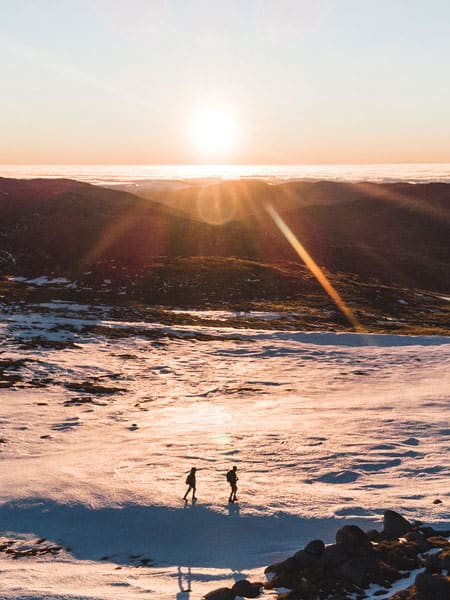
Heading further afield, Kosciuszko National Park presents an alpine location of jutting mountains and snow-powdered expanses that easily rival anything found in Europe, especially considering the French Alps don’t have platypus or wombats. The area is so rare and pristine that some 350,000 hectares, over half of its footprint, have been declared wilderness, a fact that has earned the park UNESCO Biosphere Reserve status.
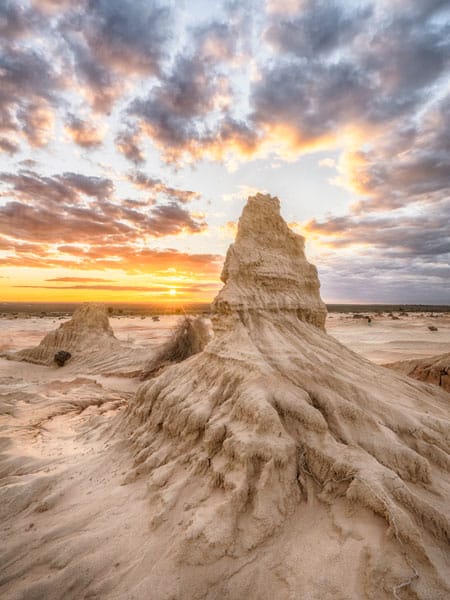
Mungo National Park
Equally dramatic yet in sharp contrast to Kosciuszko’s wintery heights is Mungo National Park in the state’s south-west. Fly into Albury and drive the banks of the Murray River to experience its otherworldly desert beauty and learn about its staggeringly ancient history from an Aboriginal Discovery guide. Even a short trip here will recalibrate your appreciation and understanding of our continent, in all its natural glory.
Queensland: best for islands
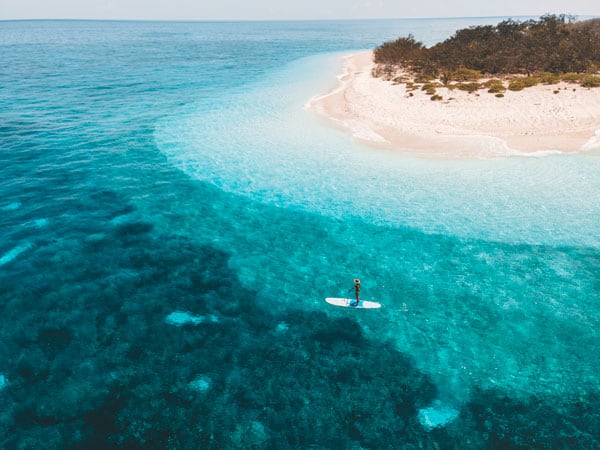
When you daydream about taking a short break on an idyllic tropical island, chances are you will be picturing somewhere in Queensland.
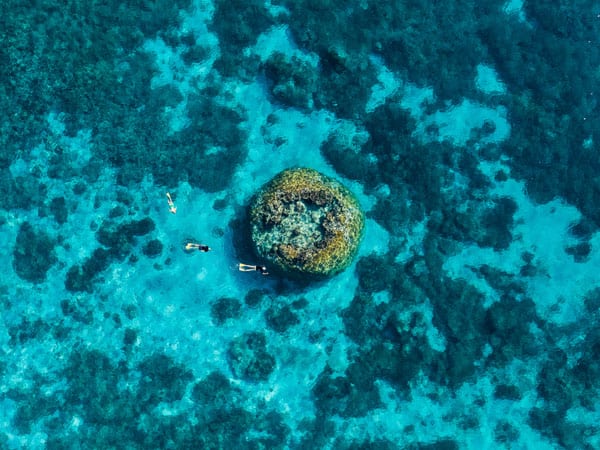
It’s only natural considering that you can take your pick from 900 of the 1955 islands sprinkled like confetti along 7000 kilometres of coastline in the Sunshine State. But with so many islands to choose from, how do you decide on which stretch of silky soft sand to lay your head?
One solution is to close your eyes and put a pin on the map, because anywhere it lands is guaranteed to be idyllic, or maybe you can match an island to your must-have checklist as there definitely is something to suit all tastes in those emerald-blue waters.
Best islands for families
For an island short break en famille, both Hamilton and Daydream Islands in the Whitsundays are a perfect choice, with a family-friendly approach to everything from accommodation to activities.
In the case of Daydream Island, which includes the Living Reef, a free-form lagoon filled with fish, sharks, rays and coral, which wraps around the main building of the island’s resort and can be viewed from an underwater observatory.
Hinchinbrook Island is also great for families: pitch a tent in one of the island’s many camping areas and spend your days walking, fishing, swimming and spotting green turtles.
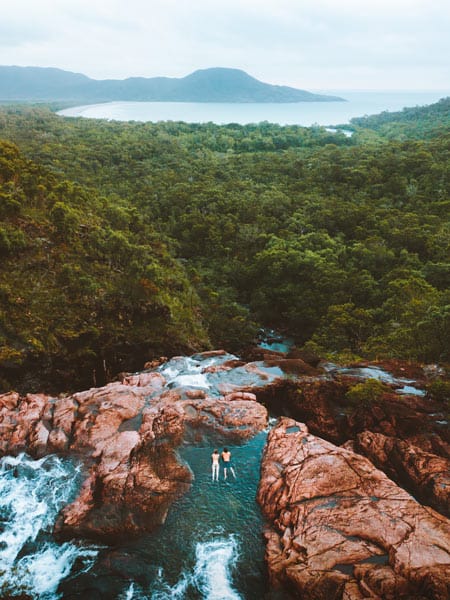
Best islands for luxury
The likes of Lizard Island, with its luxurious five-star resort, and the blissfully removed Orpheus Island provide couples with the opportunity to do as much or as little as they like on the Great Barrier Reef.
Guests on Orpheus Island can take part in a number of citizen science projects, studying and collecting data on everything from the landscape to marine life that will be used to assist the conservation of this slice of paradise.
Lady Musgrave Island also conducts a reef-keeper program, with data collected aiding efforts to maintain and protect the Great Barrier Reef Marine Park and the UNESCO World Heritage area it sits in.
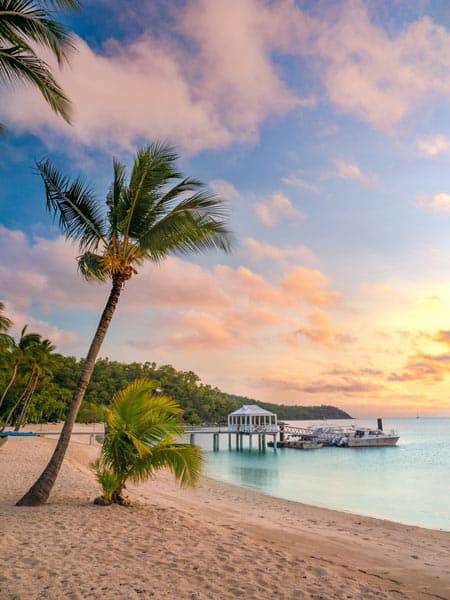
Best islands for seclusion
And if your idea of an island escape is to really get away from it all, both Wilson and Bedarra Islands do castaway chic oh so well; only 18 guests can stay in Wilson Island’s Reef Safari Tents at a time while Bedarra’s Treehouse Villa is the definition of heaven.
Victoria: best for towns
One of the joys of escaping on a short break away from wherever it is that you usually reside is discovering a little gem of a town along the way. Cue the inevitable sea/ tree change dreams of buying something small and settling down there… one day.
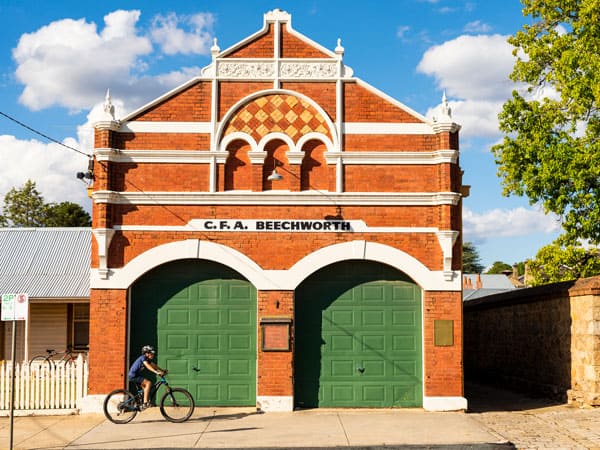
There is possibly no better state in the country to find these kinds of towns (along with the odd village and hamlet) than Victoria, where good coffee and quaint streetscapes almost go hand in hand.
Daylesford
Daylesford is the gold standard of pretty towns, sitting in the middle of spa country 90 minutes’ drive from Melbourne. Here, you can take to the healing waters or luxuriate in the surrounds to soothe your soul, stay in a cottage like The White House (from design dynamo Lynda Gardener), browse the shops on its main street and eat at the likes of Sault, or the Lake House and Wombat Hill House (both overseen by the legendary Alla Wolf-Tasker).
Beechworth & Bright, High Country
The High Country towns of Beechworth and Bright also offer up plenty of quaint along their main thoroughfares, with the added bonus of bracing mountain air and abundant outdoor activities to get your heart racing including walking and bike tracks with stunning top-of-the-world views.
Red Hill, Mornington Peninsula
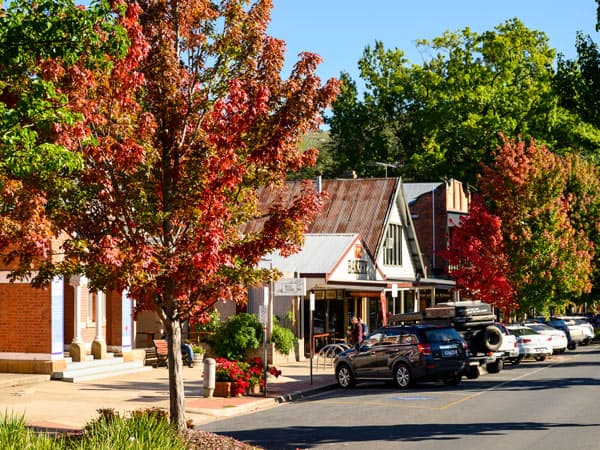
The undisputed go-to weekend escape for Melburnians is the Mornington Peninsula. Here, the small town offering boasts both country and coastal idylls, with a focus on great food and drink.
To tick all the boxes you can’t go past Red Hill: check into Lancemore Lindenderry Red Hill for a gracious stay; eat out at top spots like The Epicurean; and visit award-winning wineries; farmgates offering everything from fresh fruit to olive oil; micro-breweries; and cider makers, all within striking distance of beaches such as Dromana and Rosebud.
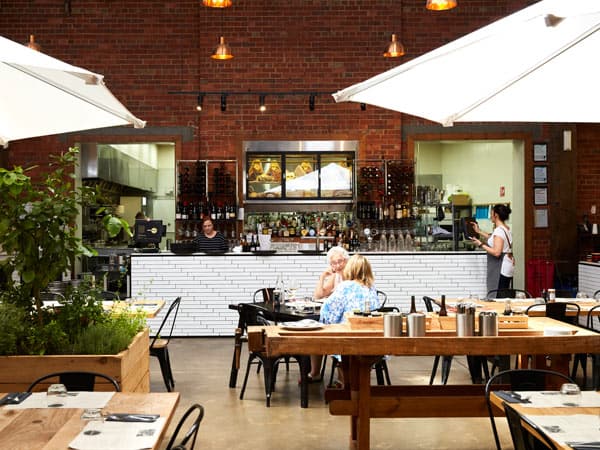
Lorne & Port Fairy, Great Ocean Road
Of course, when it comes to coastal towns, they don’t get much better than the roster scattered along the famed Great Ocean Road. Set off on one of the best drives in the world and take time to stop at Lorne to stroll the shops and grab a coffee on Mountjoy Parade, or stay a while in Port Fairy with its picture-perfect lighthouse and buzzing arts scene. That sea change is looking good, right?
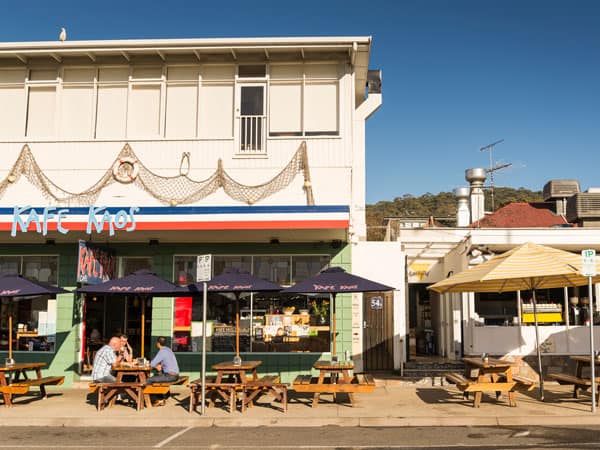
SA: Best for wine regions
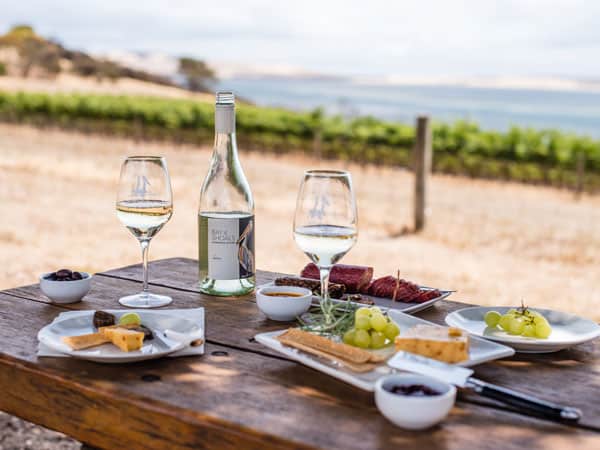
You can hardly move in South Australia without stumbling into a wine region. It’s home to some of the country’s oldest and with 18 to choose from – accounting for almost 50 per cent of the country’s annual wine production – of course it’s the state that gets our vote here.
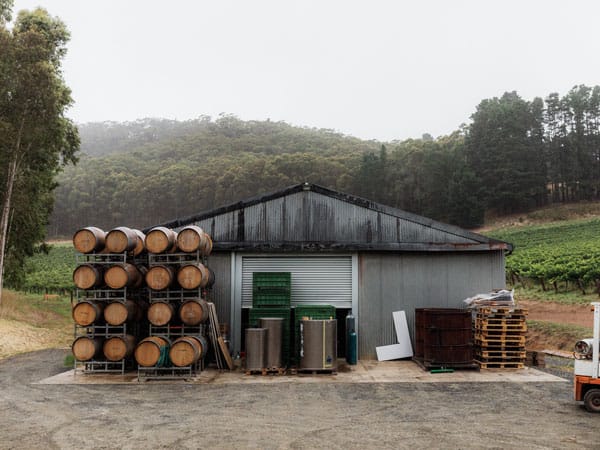
More than 200 cellar doors can be reached within an hour’s drive of the state capital, so it’s no coincidence that Adelaide is considered a Great Wine Capital of the World alongside other desirable destinations such as Bordeaux in France, Porto in Portugal, Bilbao/Rioja in Spain, Napa Valley in the USA and Mendoza in Argentina.
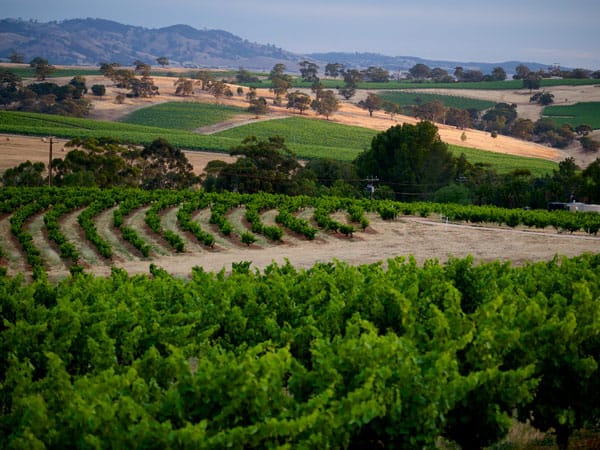
The big-ticket wine regions of SA will all be on your radar:
- Adelaide Hills, close to the city and blending country charm with the contemporary.
- Barossa Valley, known best for its bold and velvety shiraz and all-round sumptuous offering of food, wine and accommodation.
- McLaren Vale, whose hip and sustainable offerings blend the big-hitters with lesser-produced varietals such as Tempranillo and Sangiovese just a stone’s throw from the pristine beaches of the Fleurieu Peninsula.
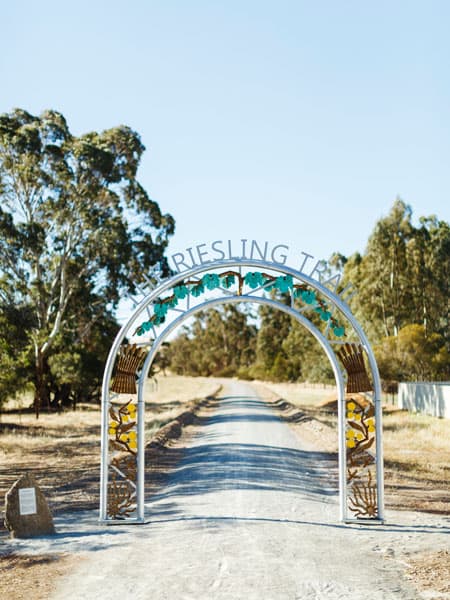
- Clare Valley, combining exceptional whites with cycle trails through the countryside.
- Coonawarra, which harnesses the Limestone Coast’s rich terra rossa soil to make hearty reds that complement stellar local produce like Wagyu beef.
But be sure to scope out some of the more under-the-radar wine regions too:
- Eden Valley, the Barossa’s beautiful cool-climate high country.
- The relatively new wine region of Kangaroo Island.
- Langhorne Creek, one of Australia’s oldest and most significant wine regions but also one of its best-kept secrets.
- Riverland, which runs for 330 kilometres along the Murray River.
- The surprising wine region of the Southern Flinders Ranges, where the fossil-rich expanse produces standout shiraz.
NT: best for wilderness
Between its size (one-sixth of the Australian continent in an area equivalent to France, Spain and Italy combined) and history (a ground-breaking archaeological discovery four years ago at Madjedbebe rock shelter in Arnhem Land, which unearthed ancient artefacts including tools and ochre crayons used to make pigments, placed the length of time Aboriginal people have inhabited the continent to between 65,000 to 80,000 years), it’s easy to feel small in the NT. And you don’t need to travel far to feel it.
Kakadu
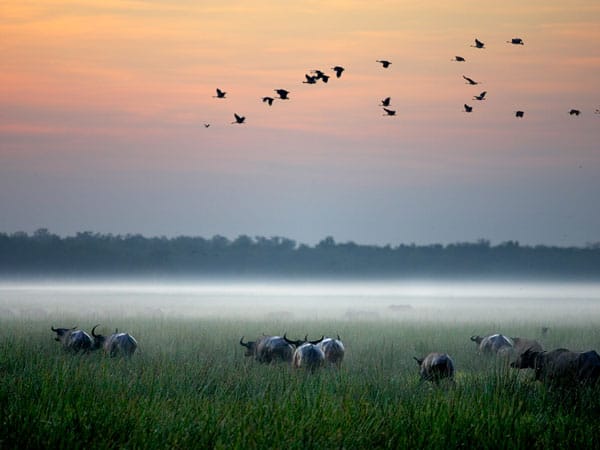
Drive just two hours north of Darwin in the Top End, for example, and you’ll reach Kakadu: the largest national park in Australia that’s home to vast swathes of wetlands, wildlife to take your breath away, ancient rock art and soaring escarpments.
Arnhem Land
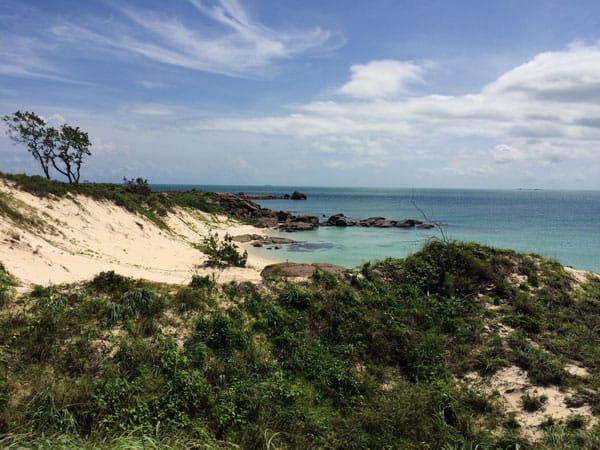
And bordering Kakadu, Arnhem Land and the unspoiled tropical paradise of its east, with a rugged coastline, sandy beaches and vibrant Indigenous culture that you can explore on day trips or overnight adventures with locally owned operators including Lirrwi Tourism.
Litchfield & Nitmiluk National Park
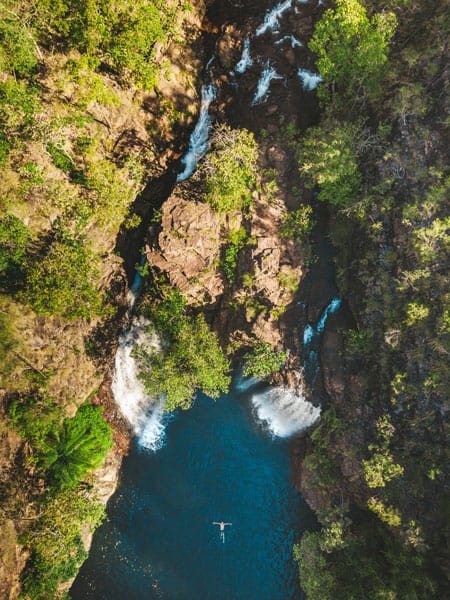
Drive 90 minutes south of Darwin, meanwhile, and you’ll reach the crystal-clear waterholes and tumbling waterfalls of Litchfield National Park and just a little further still, the spectacular sandstone gorge country of Nitmiluk National Park.
Uluru-Kata Tjuta National Park
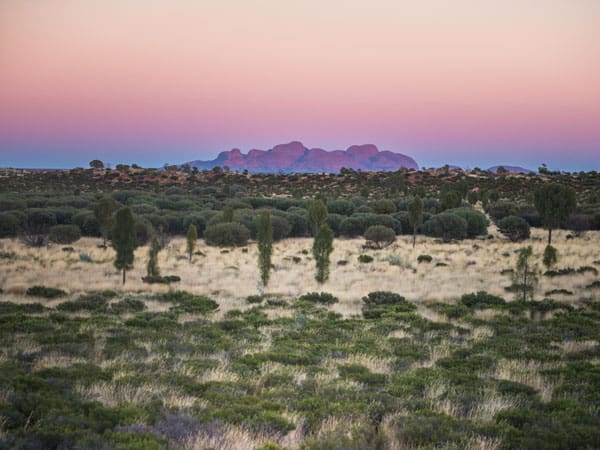
The desert wilderness of the Red Centre presents another proposition altogether and is more accessible than you might think: it’s possible to indulge in the bucket-list item of Uluru-Kata Tjuta National Park over a long weekend with flights from the capitals on the east coast all under four hours.
Alice Springs Desert Park & Tjoritja/West MacDonnell National Park
Or head to Alice Springs to experience the diversity of desert landscapes all in one place at the Alice Springs Desert Park before heading to spots like Ormiston Gorge and Glen Helen Gorge within the Tjoritja/West MacDonnell National Park, which stretches for 161 scenic kilometres west of Alice.
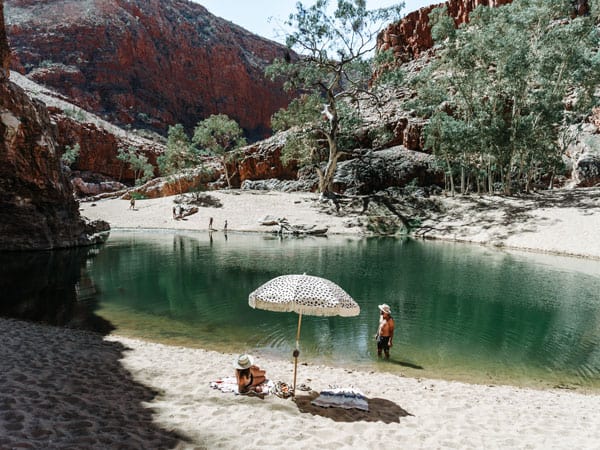
Here you’ll also find the legendary Larapinta Trail, which takes between 12-14 days to complete in full but can be sampled in sections on day, overnight or shorter multi-day hikes.
Tasmania: best for food
Paddock-to-palate experiences don’t get much more elemental than the ones found in Tasmania. Our southernmost state has become one giant, incredibly picturesque food bowl where producers put equal measures of talent and passion into creating everything from oysters to cider, much of which can be savoured at the source, and local produce is the hero of menus at headlining eateries such as The Agrarian Kitchen Eatery in New Norfolk.

Apple & Cider
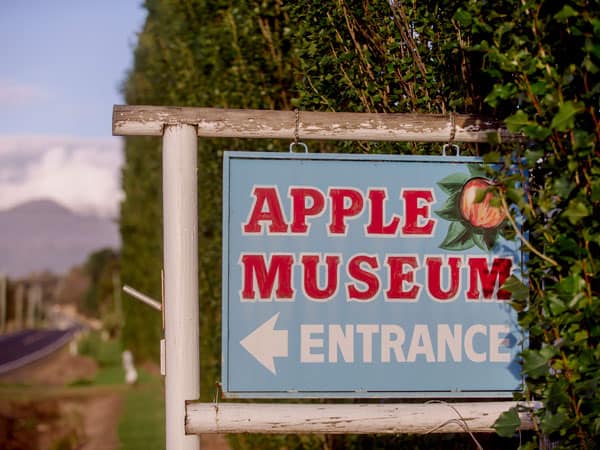
Heading north out of Hobart, it takes just 30 minutes to reach the Huon Valley, which extends to the southern edge of the island. The area is renowned for its apple and fruit orchards (they call it ‘the apple isle’ for a reason), and it is where you will find Willie Smith’s producing crisp cider from the best local produce. Take a tour of the distillery, then explore the museum, try the wares and enjoy lunch at the Apple Shed.
Wine
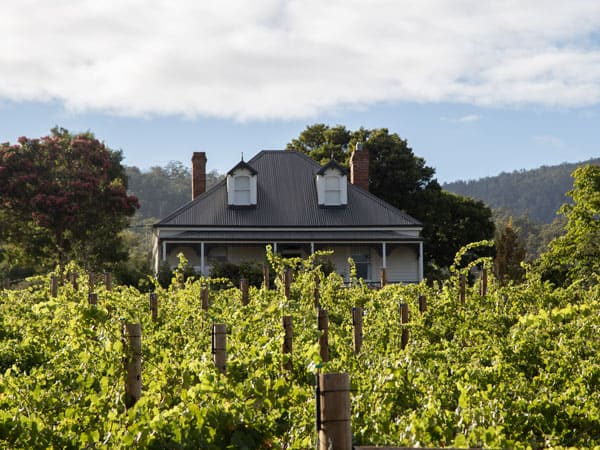
But cider isn’t the only tipple on offer in the valley: Kate Hill Wines is the passion project of winemaker Kate Hill and her husband Charles, who grow chardonnay, pinot noir and shiraz grapes adjacent to their cellar door, with more pinot noir vines at their winery site nearby.
Cheese
Chart a course east from Huonville to Bruny Island, where everything from whisky to oysters is grown or created, and where Bruny Island Cheese Co. produces some of the best artisan cheese in the country.
Whisky & Gin
Tasmania has been forging quite a reputation for whisky and gin-making in the last few decades, with any number of distilleries welcoming visitors. Shene Estate in the Southern Midlands town of Pontville is a grand proposition, housed in historic buildings that once formed part of the estate of one of the state’s early colonialists, and producing single-malt whisky and gin.
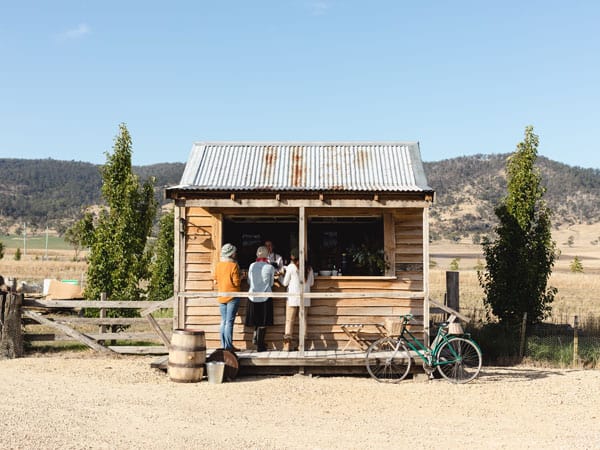
Meanwhile, Southern Wild Distillery produces the internationally recognised and awarded Dasher + Fisher Gin from its base in the north coast city of Devonport.
Seafood
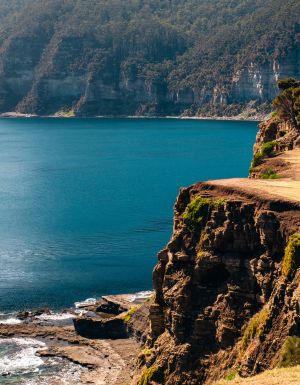
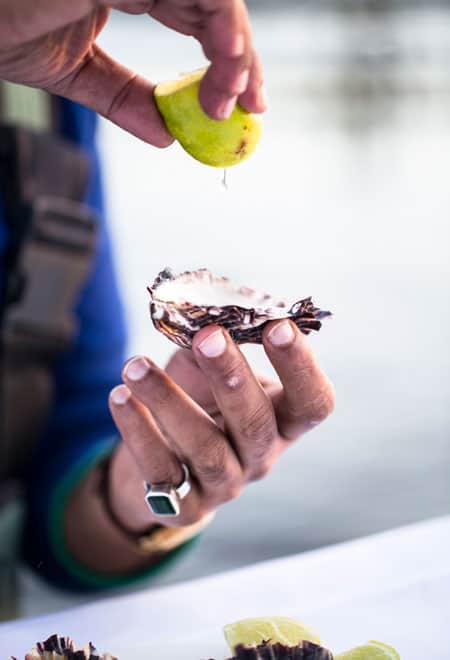
And, being an island off an island, it is only natural that fresh seafood proliferates here, too. Head to Freycinet Marine Farm along the breathtaking Great Eastern Drive to eat oysters plucked straight from the water and shucked as you watch.
WA: best for coast
Western Australia has the longest coastline of any state or territory in Australia, running ribbon-like for more than 20,000 kilometres around a great chunk of the country – so it’s no surprise it wins our vote here.
And what’s even more remarkable is the sheer diversity of landscapes found along these shores, bounded by the Indian Ocean to the north and west, and the Southern Ocean to the south.
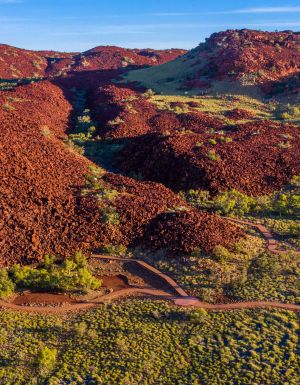
At one extreme is the Kimberley, where you’ll find yourself intoxicated by red pindan dirt offset by sparkling turquoise water, and at the other, Esperance, where that same elemental blue bounces off some of the whitest sand you’ll find on the planet.
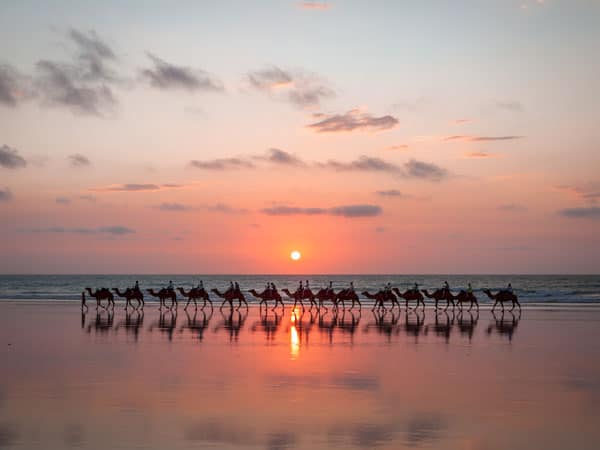
And then there’s everything in between. See the sun set over the ocean on iconic Cable Beach in the coastal outback town of Broome, make Exmouth your base for swimming with whale sharks on Ningaloo Reef or meet the wild Indo-Pacific bottlenose dolphins at Monkey Mia.
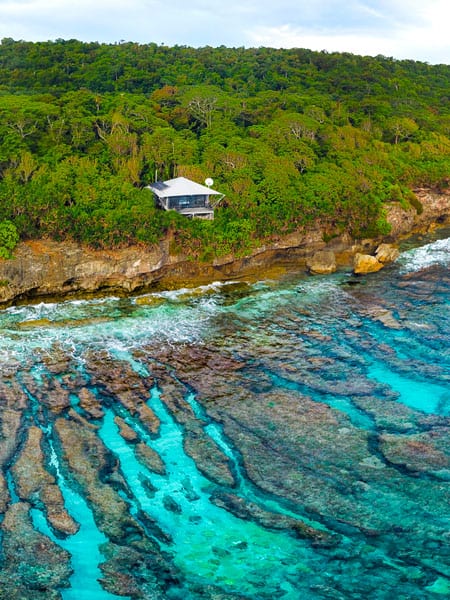
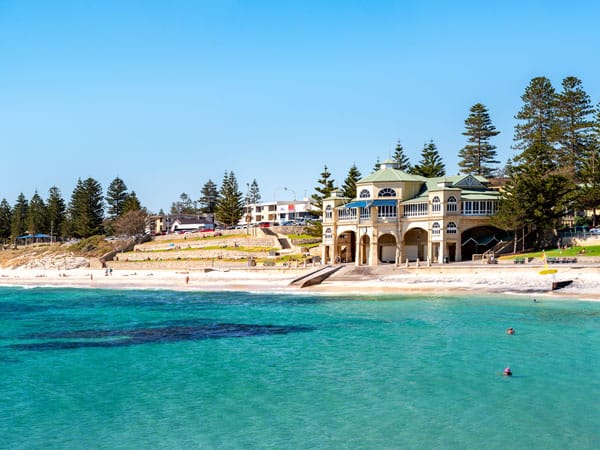
Explore the jungle coastline of Christmas Island, marvel at the towering coastal cliffs of Kalbarri National Park or opt for a dose of city life served with sand in Perth.
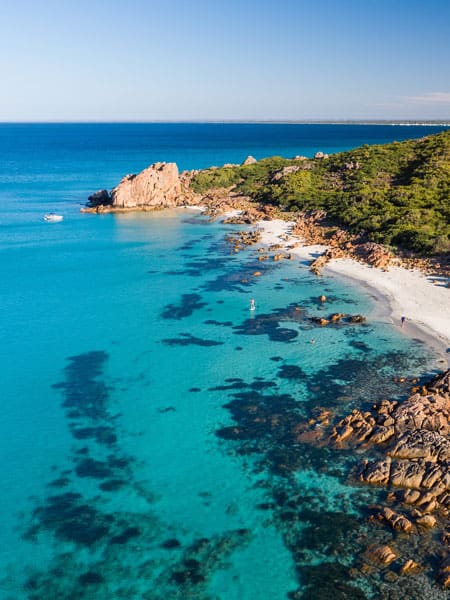
Sip world-class wine a stone’s throw from the ocean in the Margaret River region and wander the streets and soak in the beauty of historic port city, Albany.
And between hopping in the car or on a short-haul flight (remember to offset your travel at the time of booking or via Greenfleet), it’s all there at your fingertips to be explored over the course of a long and leisurely weekend or short break.