
Australians are choosing to slow things down and bring the joy back to holidaying.
There’s a reason your dream holiday suddenly looks like a pastel motel, a vinyl bar or a road trip your parents took in the ’80s. Travel is in the middle of a full-blown retro revival, and nostalgia has become one of the most powerful forces shaping where and how we go on holiday.
Somewhere between the burnout, the endless scrolling and the pressure to see and do everything, Australian travellers have started craving something different. Not newer. Not faster. Just… simpler.
Welcome to retro revival travel, where the goal is not chasing the next big thing but reconnecting with places and experiences that feel familiar, comforting and timeless. From retro motels and old school road trips to heritage hotels, vinyl bars and analogue experiences, Australians are embracing nostalgia as a powerful way to travel.
It is not about novelty or dressing up for the sake of it. This is travel rooted in memory, emotion and a desire to slow down. And it is shaping where Australians are going and how they want to experience it.
Why nostalgia travel is resonating with Australians

Australian travellers are exhausted. Rising costs, packed itineraries, and an always-on digital life have changed how we think about holidays. More than ever, people want trips that feel grounding rather than overwhelming.
Nostalgia delivers that. Psychologists call it rosy retrospection . When life feels uncertain, we look back to moments that felt safe, joyful and uncomplicated. Travel is becoming a way to recreate that feeling, whether it is revisiting childhood holiday towns or choosing stays that feel like they belong to another era.
Millennials are driving much of the trend, fuelled by memories of caravan parks, coastal motels and long summer drives. Gen Z is following close behind, discovering retro aesthetics through film, fashion and social media and then seeking them out in real life. The result is a collective shift away from high-stress travel and toward experiences that feel slower and more personal.
The many ways retro revival travel shows up
Retro revival is not one thing. It is a collection of travel styles that share the same emotional core.
The great Australian road trip comeback
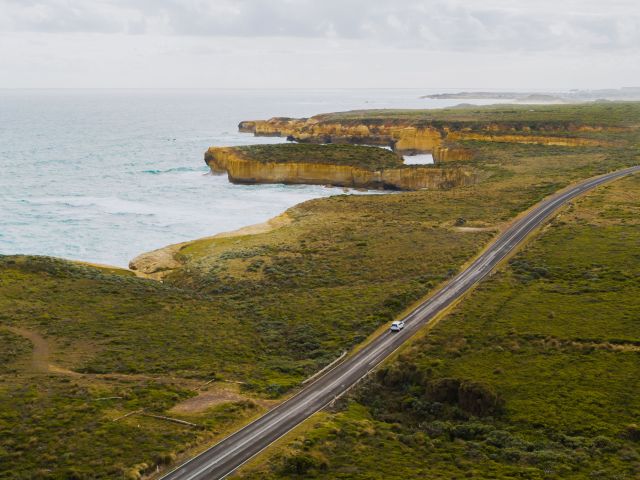
Few experiences tap into nostalgia like an Australian road trip. Long coastal drives, inland highways and regional loops are back in favour, not as fast point-to-point journeys, but as the holiday itself.
Travellers are seeking out classic routes dotted with country bakeries, servo stops, roadside attractions, Big Things and pubs that look much the same as they did decades ago. Think the Great Ocean Road done slowly, the South Coast of NSW with motel stops, or a Queensland coastal drive punctuated by old school holiday towns.
Australia’s retro motel renaissance
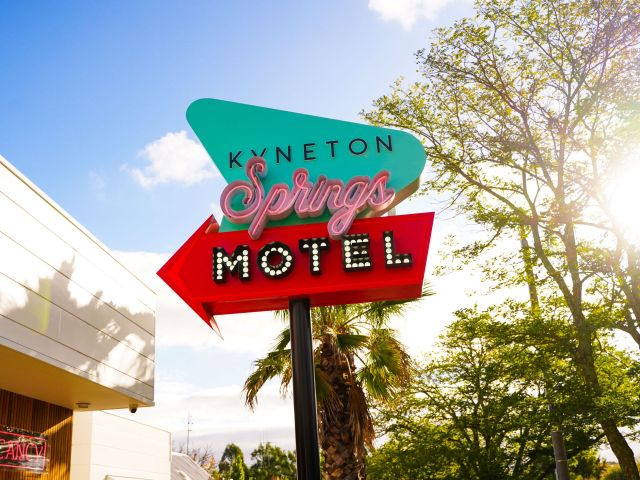
Once dismissed as tired, motels are now one of the most exciting accommodation categories in Australia. Across NSW, Victoria, Queensland and South Australia, mid-century motels are being thoughtfully revived rather than replaced.
These stays celebrate their original bones. Curved brickwork, pastel tiles, neon signage and poolside rooms are paired with modern comforts and local food and drink. They feel nostalgic without being kitsch.
Motels like these are particularly appealing because they feel approachable. They remind Australians of childhood holidays while still offering a stylish, grown-up experience.
Heritage hotels and old school stays
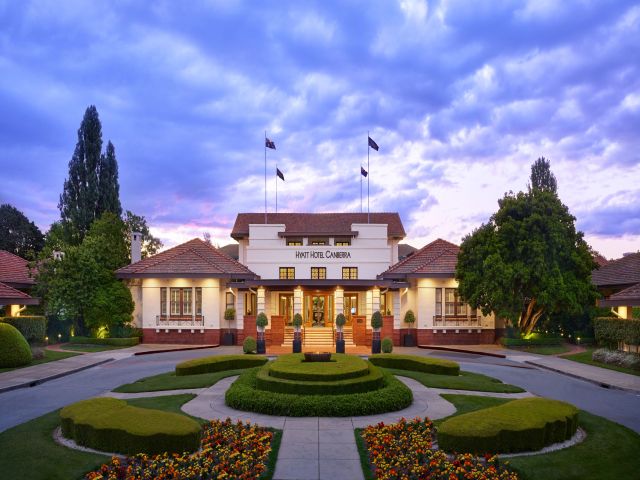
Alongside motels, heritage hotels are seeing renewed interest, especially those that lean into their history. From grand country pubs to art deco city hotels and coastal guesthouses, Australians are choosing accommodation that feels lived in.
These stays offer something many modern hotels do not. A sense of place. Original details. Stories embedded in the walls. For travellers seeking nostalgia, it is not about luxury in the traditional sense. It is about atmosphere.
Vintage food, drink and nightlife
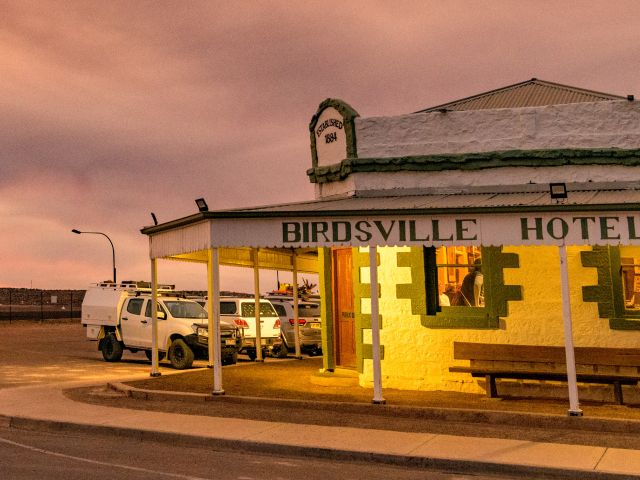
Retro revival extends well beyond where Australians sleep. It shapes where they eat and drink, too.
Old school milk bars, classic pubs, Italian-style cafes, vinyl listening bars and throwback cocktail lounges are becoming destination experiences in their own right. These venues feel familiar, unpretentious and rooted in community.
Analogue experiences and slower travel

One of the strongest signals of nostalgic travel is the return to analogue moments. Travellers are deliberately unplugging and choosing experiences that encourage presence.
Scenic rail journeys, heritage trams, ferry rides and historic walking trails are all seeing renewed interest. So too are hobbies that slow things down. Film photography, journaling, record shopping and sending postcards.
“I left my smartwatch at home," says Brisbane traveller Laura Finch after a recent trip through Tasmania. “I didn’t want to track steps or time. I just wanted to be there."
Why retro revival is not going anywhere
Retro revival travel is more than an aesthetic trend. It reflects a deeper shift in how Australians value holidays.
As travel becomes more accessible and more commercial, meaning has become the new luxury. Travellers want experiences that feel human, personal and emotionally resonant.
Nostalgia travel offers exactly that. A sense of belonging. A reminder of who we were. And a slower, gentler way to explore Australia.
In a world that keeps speeding up, travelling back in time might just be the most modern choice of all.