Historical convict sites, jaw-dropping wilderness, amazing sand formations and cultural sites where earth and memories exist as one, are just the tip of the iceberg when it comes to the UNESCO World Heritage sites in Australia.
There are almost 2,000 UNESCO World Heritage sites across the globe, and here in Australia we are lucky enough to be home to 20 of those. Rich in culture, natural phenomena, and iconic status, you can explore these remarkable landmarks right on your doorstep.
These are Australia’s greatest treasures and they are listed by three different categories:
Cultural
Budj Bim Cultural Landscape
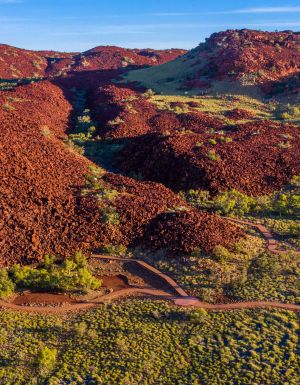
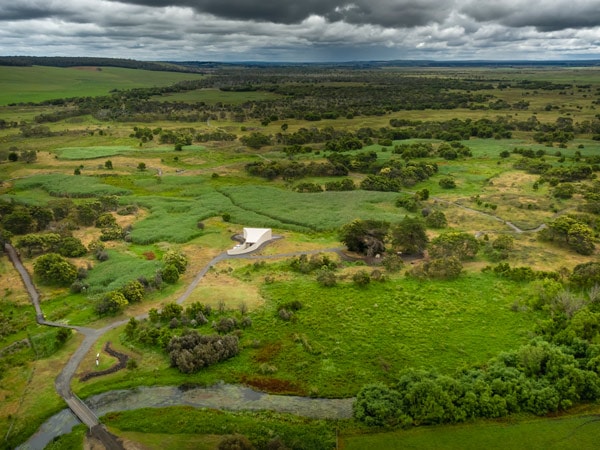
The Budj Bim Cultural Landscape, set amid rugged stone country, woodlands, wetlands and lakes, is located in Victoria on Gunditjmara Traditional Owners’ land and has an abundant history that goes back at least 32,000 years. Which is ironic considering it’s the most recent Australian addition to the World Heritage sites list, with its 2019 inscription.
Following the eruption of the Budj Bim volcano, where the Ancestral Being, Budj Bim (high head) transformed himself into part of the landscape, the Gunditjmara people developed one of the world’s most extensive and oldest aquaculture systems that has provided at least 6,600 years of economic and social base for Gunditjmara society.
See it for yourself
Join a guided tour and experience the Budj Bim Cultural Landscape sites with a Gunditjmara guide . These range from short cultural walks to full-day tours.
Australian Convict Sites
In 2010, a group of eleven historic convict locations scattered across Australia were inscribed on the World Heritage sites list.
By placing Australia’s convict history within the broader story of European expansion, these sites tell a story of exile from one side of the world to the other and how a new nation was formed from hardship, inequality and adversity.
See them for yourself
The 11 convict sites are:
1. Cockatoo Island, NSW
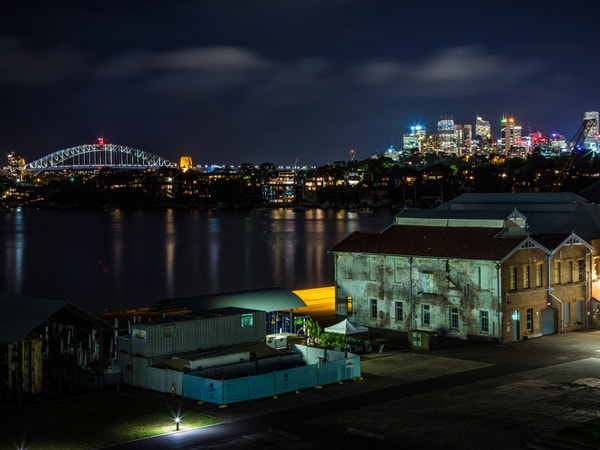
Cockatoo Island is significant as a site that includes the only remaining dry dock in Australia built using convict labour, as well as buildings and fabric related to the administration, incarceration and working conditions of convicts. These days it’s a popular day trip from Sydney on the ferry with plenty to see and do!
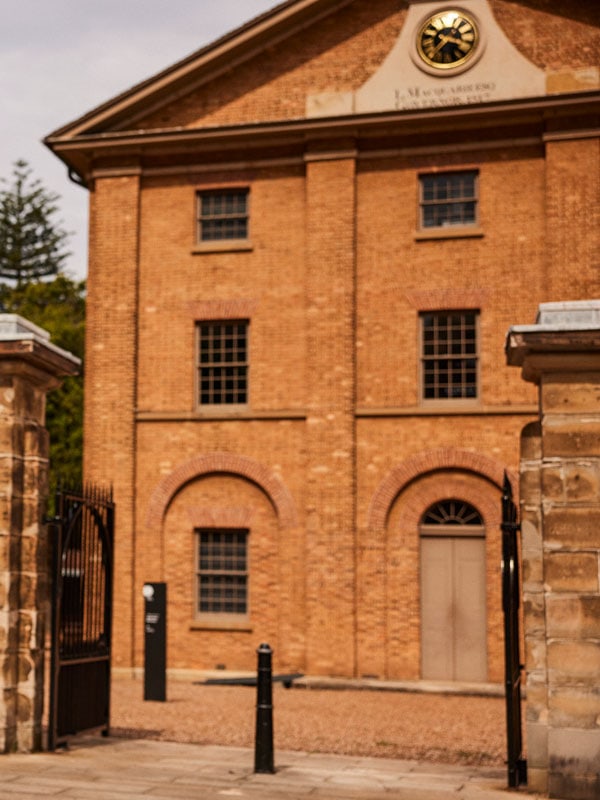
2. Hyde Park Barracks, NSW
Hyde Park Barracks is Australia’s first government-built convict barracks, and the only remaining barracks building and complex from the Macquarie era of convict administration. The barracks is a three-storey building in Sydney CBD, that was designed by convict architect Francis Greenway who received a pardon on completion of the building. Now a museum , take your time and immerse yourself in the experience.
3. The Old Great North Road, NSW
Situated in its unaltered natural bushland setting, the Old Great North Road is the best surviving example of an intact convict-built road with massive structural works, which remains undisturbed by later development. With seven walking tracks now available to see the road, for the full 42km-long experience , you should allow three days. Not easy!
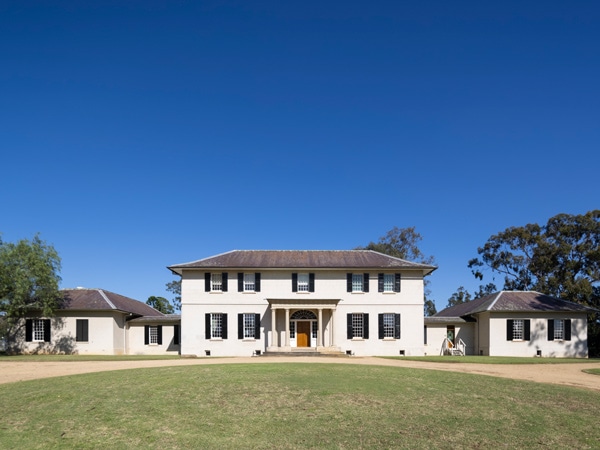
4. Old Government House and the Government Domain, Parramatta, NSW
Successive colonial governors occupied this convict-built ‘country house’ overlooking the town of Parramatta between 1790 and 1856, with its extensive gardens and farming lands managed by a large convict workforce. Discover the story for yourself with a guided tour !
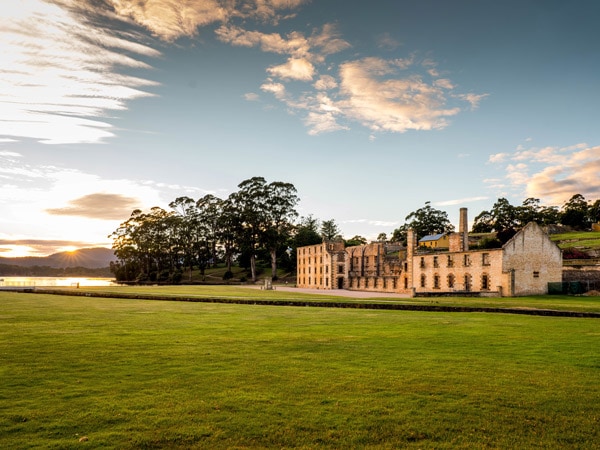
5. Port Arthur Historic Site, Tasmania
Port Arthur was established in the 1830s as a penal settlement. It remains a physical chronicle of a dramatic part of Australia’s history. Its 60 or so buildings and picturesque landscape offer visitors a challenging mix of both beauty and horror and have helped the site to become Tasmania’s most popular tourist destination .
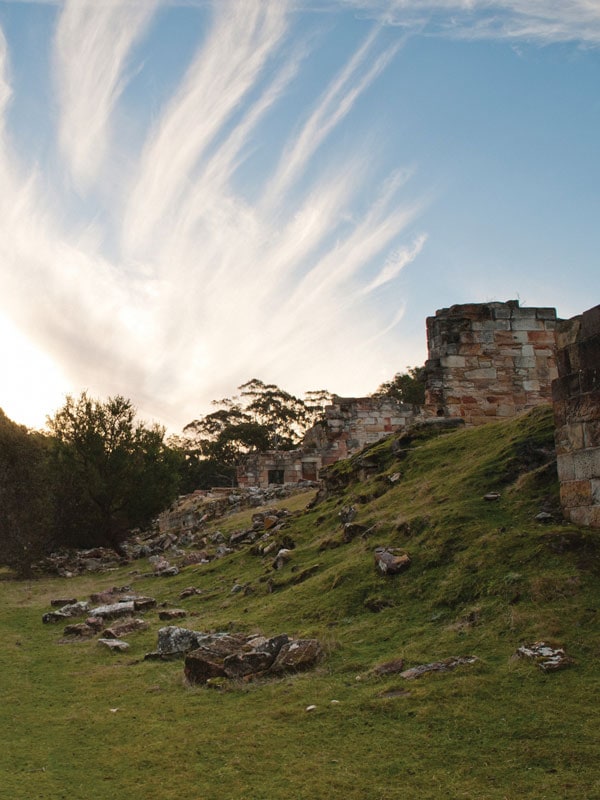
6. The Coal Mines Historic Site, Tas
The Coal Mines Historic Site used convicts as a cheap source of labour for the exploitation of local resources. Today the mine shafts are evident as circular depressions in the landscape, and 18 damp dark solitary cells convey the grim harshness of Australia’s convict history. Now accessible via a short walking trail , parts of the penitentiary, underground cells, and mine shaft remain, while the history of coal mining and confinement are revealed via subtle interpretation signs. The walk is managed by Port Arthur Historic Site.
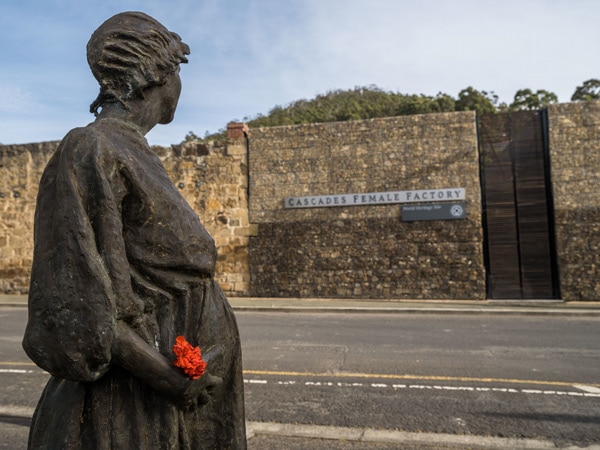
7. Cascades Female Factory, Tas
Female factories were a unique Australian response to the management of convict women, and one that reflects 19th century moral and penal philosophies. The Cascades Female Factory is important as the only remaining female factory with visual fabric and ruins remaining. The site is a testimony to the place of female convicts in empire-building and an example of the establishment of purpose-built female prisons. Go back in time and experience the female factory through one of its engaging tours .
8. Brickendon and Woolmers Estates, Tas
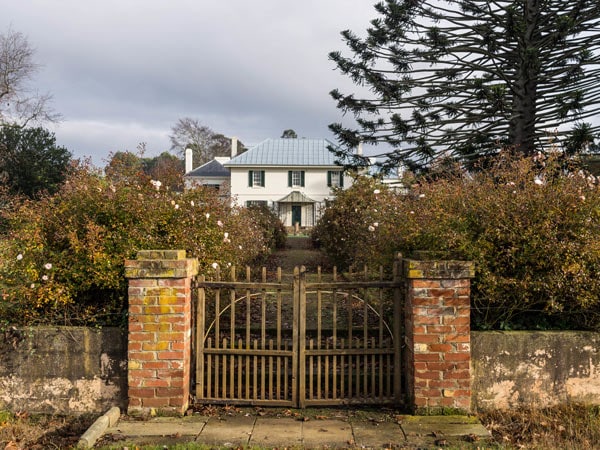
Brickendon-Woolmers Estates are two adjoining rural properties that show the lives of male and female convicts under the assignment system. The two Estates are regarded as the most significant rural estates in Australia having the second largest number of convict workers and still retaining a living history from early European settlement to the present day. With more than 20 heritage buildings to explore , magnificent gardens to wander, farm and river walks, friendly farm animals, river frontage for great fishing and all in all a great place to visit for the day or stay on for the night.
9. Darlington Probation Station, Maria Island, Tas
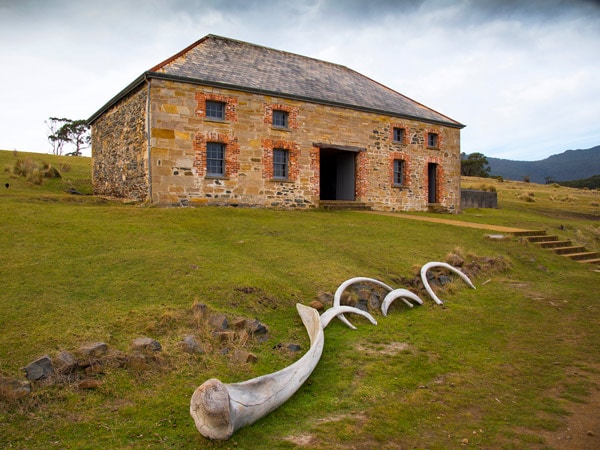
Darlington Precinct, located on Maria Island off the east coast of Tasmania, offers a glimpse into our convict past and the probation system that was unique to Tasmania. The site remains relatively unchanged since the convict era and chronicles an important period of our convict past in a remote marine setting. Head to Maria Island to explore the unique history while surrounded by the breathtaking scenery.
10. Fremantle Prison, Western Australia
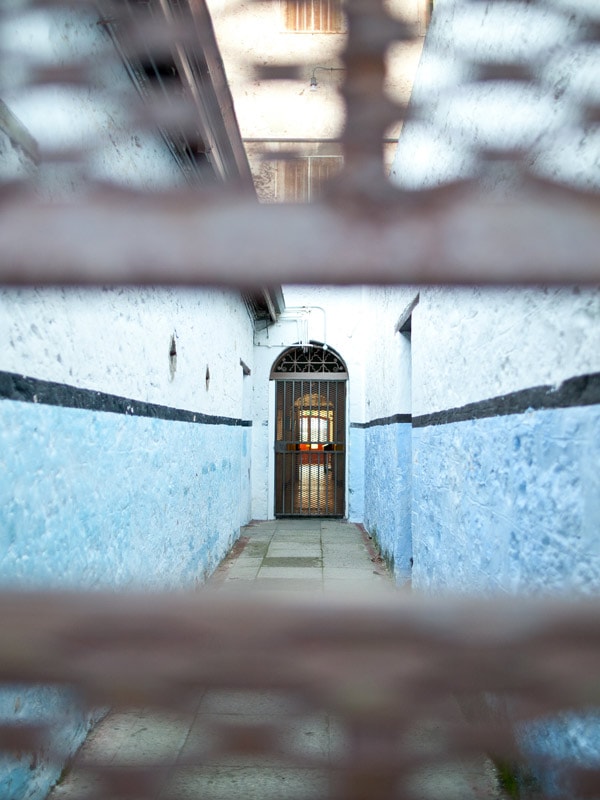
Fremantle Prison is a physical reminder of the contribution made by Australia’s convicts to building the nation. The Prison contains remarkably well-preserved remnants of the earliest phase of European settlement of Western Australia – a time when convict labour was used to develop the fledgling colonies. Fremantle Prison includes 16 intact convict-built structures surrounded by a six-metre-high limestone perimeter wall. The prison is one of the largest surviving convict establishments in the world. Since opening to the public in 1992, Fremantle Prison has developed into a successful tourist attraction and welcomes thousands of visitors through its gates each year.
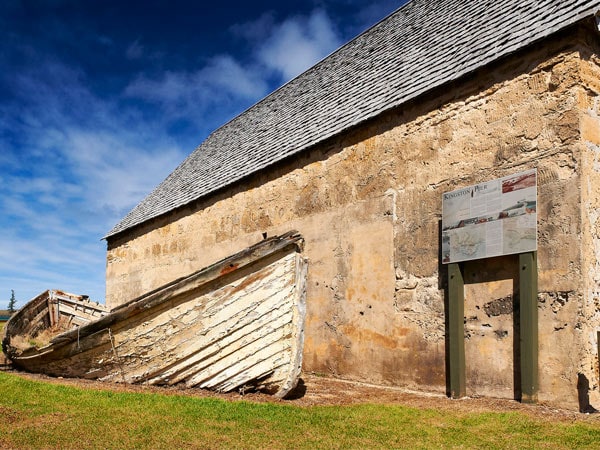
11. Kingston and Arthur’s Vale Convict Stations, Norfolk Island
The Kingston and Arthur’s Vale Historic Area (KAVHA) on Norfolk Island was a convict settlement from 1788 to 1855. There are more than 40 groups of buildings, ruins and archaeological remains within 225 hectares of relatively undisturbed land, all built by convicts from limestone quarried on the island or with local timber. The rich landscape evokes the severe punishment of convicts as well as a short-lived era of reform under Commandant Maconochie. The site is also associated with global developments in the punishment of crime during the 19th century including Maconochie’s ‘mark system’ .
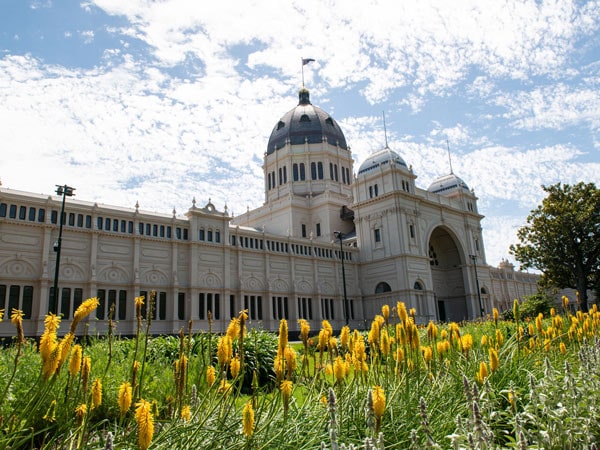
Royal Exhibition Building and Carlton Gardens
The Royal Exhibition Building was built in Melbourne’s Carlton Gardens during 1879 and 1880 for the 1880 Melbourne International Exhibition. It subsequently hosted Melbourne’s second international exhibition, the 1888 Centennial International Exhibition. It is the oldest surviving from the Great Exhibition era that is still operating as an exhibition hall. The Royal Exhibition Building and Carlton Gardens was inscribed on the UNESCO World Heritage sites list in 2007, making it the first building in Australia to make it on the list.
See it for yourself
The building has been home to many tours over the years, which are currently not being held, but there are still plenty of events happening within the seasoned walls.
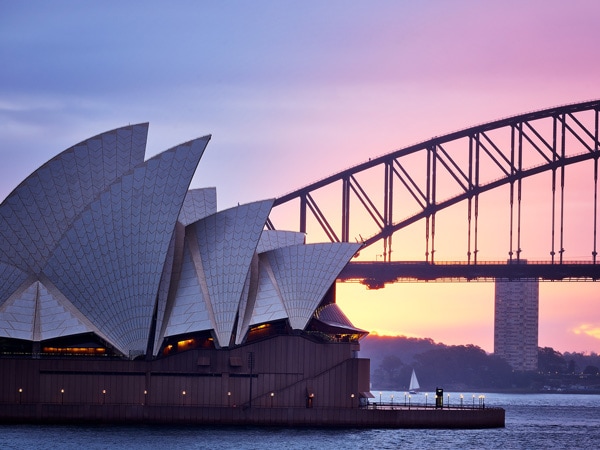
Sydney Opera House
We all know the iconic Sydney Opera House that shapes Sydney Harbour, and this masterpiece of late modern architecture by Jørn Utzon was inscribed as a World Heritage site in 2007.
See it for yourself
Today, the Sydney Opera House is one of the busiest performing arts centres in the world, each year staging up to 2,500 performances and events, drawing around 1.5 million patrons, and attracting an estimated four million visitors.
Natural
Australian Fossil Mammal Sites
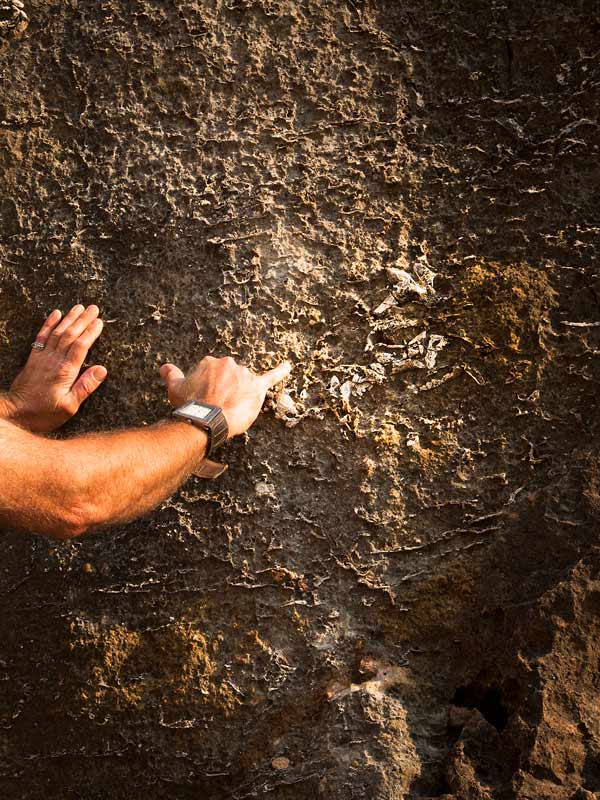
The Australian Fossil Mammal sites at Naracoorte in South Australia and Riversleigh in Queensland were added to the UNESCO World Heritage List in 1994. Among the world’s 10 greatest fossil sites, they are a superb illustration of the key stages in the evolution of the unique fauna of Australia. The Naracoorte fossils document a distinctive fauna, and illustrate faunal change spanning several ice ages, highlighting the impacts of both climatic change and humankind on Australia’s mammals from at least 350,000 years before the present.
Riversleigh on the other hand is one of the world’s richest Oligo-Miocene mammal records, linking that period (15-25 million years ago) to the predominantly modern assemblages of the Pliocene and Pleistocene epochs. The site provides exceptional examples of middle to late tertiary mammal assemblages, in a continent whose mammalian evolutionary history has been the most isolated and most distinctive in the world.
See it for yourself
Naracoorte Caves is a destination that offers self-guided, guided and adventure caving tours year-round.
The Riversleigh Fossil Discovery Centre in Mount Isa showcases the fossils from the Riversleigh World Heritage Area and can be seen through either self-guided or guided tours.
Gondwana Rainforests of Australia
The Gondwana Rainforests of Australia joined the World Heritage List in 1986, with large extensions added in 1994. Rainforest once covered most of the ancient southern supercontinent Gondwana and remains the most ancient type of vegetation in Australia. The Gondwana Rainforests provide an interesting living link with the evolution of Australia. Few places on earth contain so many plants and animals which remain relatively unchanged from their ancestors in the fossil record. The current UNESCO World Heritage listing includes approximately 40 separate reserves located between Newcastle in NSW and Brisbane in Qld.
See it for yourself
Exploring the rainforests in the Gondwana Rainforests World Heritage property is easy. Many of the reserves are readily accessible from major towns.
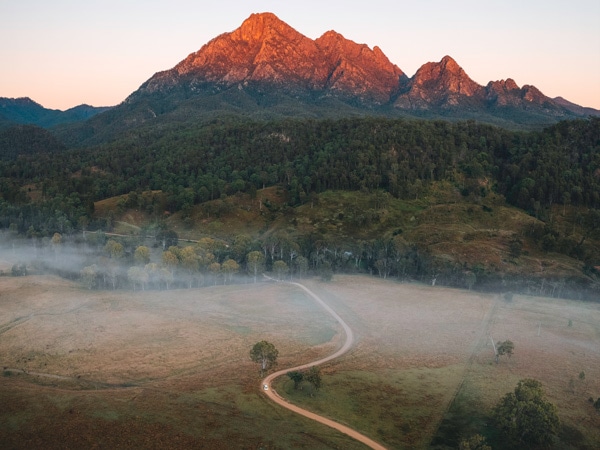
Great Barrier Reef
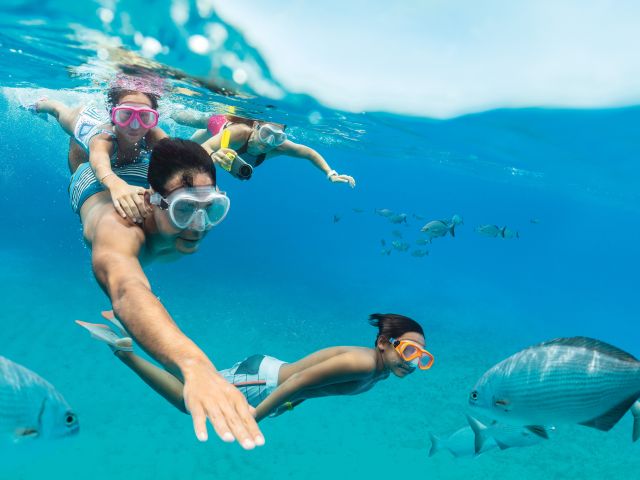
The Great Barrier Reef in Tropical North Queensland is the largest coral reef ecosystem on earth and one of the best managed marine areas in the world. The 348,000-square-kilometre unique natural ecosystem was recognised by UNESCO in 1981 when it was added to the World Heritage sites list.
See it for yourself
The Great Barrier Reef is a popular tourist destination, but if you plan to enjoy the incredible reef, do so in an environmentally- and reef-friendly way to maintain the area’s ecological, cultural and heritage values that gave it World Heritage status in the first place!
See the reef by snorkelling, diving or sailing. It’ll be an experience you never forget!
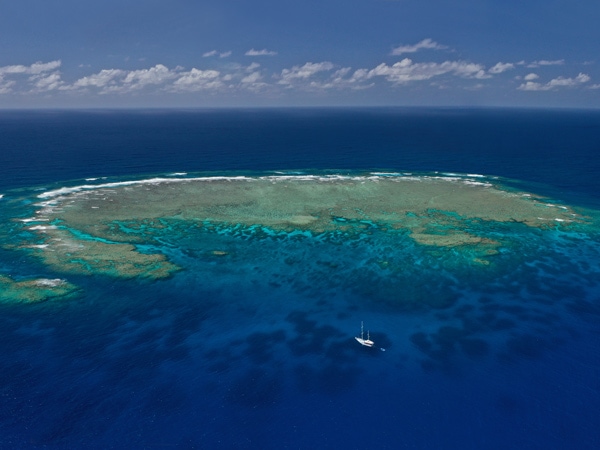
Greater Blue Mountains Area
Just 90 minutes from Sydney, the Greater Blue Mountains Area encompasses over 1 million hectares of eucalypt-dominated landscape that was named a UNESCO World Heritage site in 2000. Comprised of eight protected areas in two blocks separated by a transportation and urban development corridor, these protected areas are the Blue Mountains, Wollemi, Yengo, Nattai, Kanangra-Boyd, Gardens of Stone and Thirlmere Lakes National Parks, and the Jenolan Karst Conservation Reserve. The area is a deeply incised sandstone plateau rising from less than 100 metres above sea level to about 1300 metres at the highest point.
See it for yourself
The Blue Mountains is the perfect weekend escape from Sydney, so find a cute place to stay, and get exploring! It has so many quirks that will make you fall in love with it.
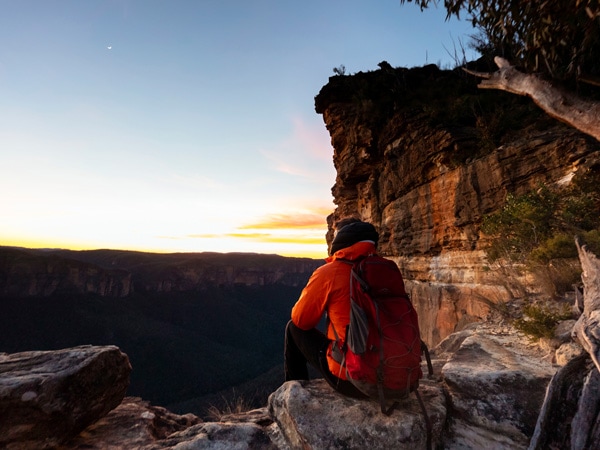
Heard Island and McDonald Islands
The Australian Territory of Heard Island and McDonald Islands is located about two-thirds of the way from Madagascar to Antarctica and has been UNESCO World Heritage-listed since 1997. One of the wildest places on earth, it has a smoking volcano under snow and glacial ice that rises above the world’s stormiest waters.
Heard Island and McDonald Islands is the only sub-Antarctic island group that has an intact ecosystem, to which no known species has been introduced directly by humans, and where the ongoing evolution of plants and animals occurs in a natural state. The vast numbers of penguins and seals that occupy the beaches are considered one of the great wildlife sights of the world.
See it for yourself
While you can technically get to Heard Island and McDonald Islands if you apply to the Australian Antarctic Division for a permit to enter and undertake activities in the territory, it is a long way from anywhere (approximately two weeks sail from Australia) and you have to pass through some of the roughest seas on the planet to get there, and back home again. For this reason, there are currently no commercial tour operations that visit Heard Island and McDonald Islands, so your best bet is looking at pictures and reading up about the territory!
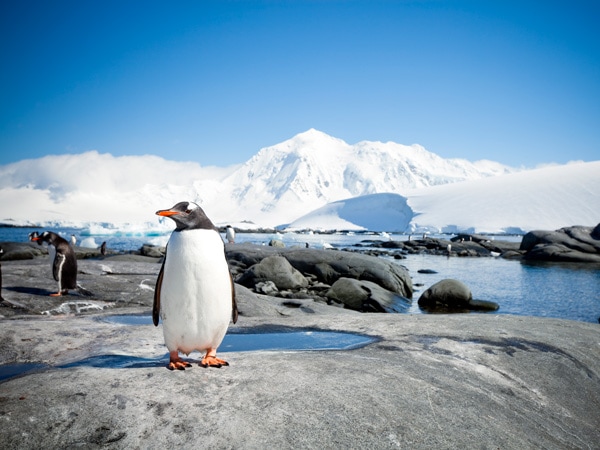
K’gari (Fraser Island)
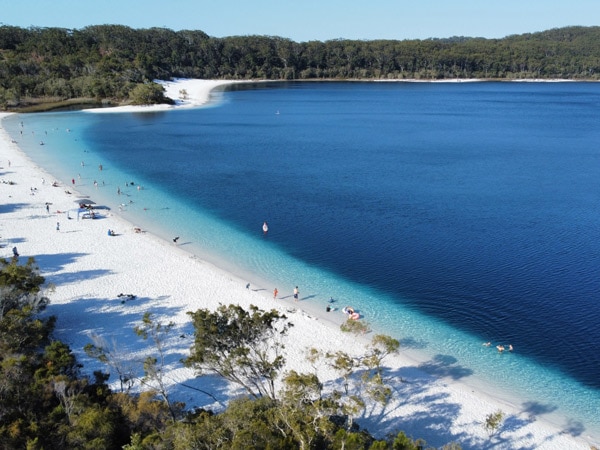
K’gari (Fraser Island) is the largest sand island in the world and was included on the World Heritage List in recognition of its outstanding natural universal values in 1992. It features complex dune systems that are still evolving, and an array of rare and unique features in this sand environment, including dune lakes and tall rainforests.
The name of the property was officially changed from Fraser Island to K’gari (Fraser Island) at the 44th session of the World Heritage Committee in 2021. K’gari means ‘paradise’ in the language of the island’s First Nations people, the Butchulla, and is derived from their creation story.
See it for yourself
There are plenty of things to see and do on K’gari (Fraser Island) including 4WD experiences, beach fishing, observing wild roaming dingoes, swimming in Lake Mackenzie and seeing one of the most photographed and visited sites the Maheno Shipwreck. Do yourself a favour and marvel at this beautiful island.
Lord Howe Island Group
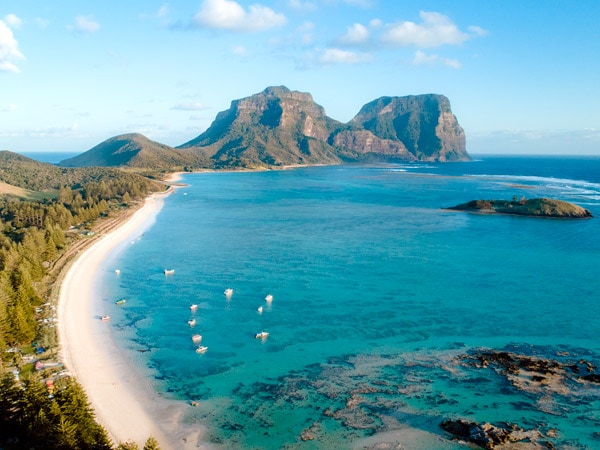
Located 700 kilometres north-east of Sydney in NSW and covering an area of 1,463 square kilometres, the Lord Howe Island Group became World Heritage-listed in 1982 and comprises Lord Howe Island, Admiralty Islands, Mutton Bird Islands, Ball’s Pyramid, and associated coral reefs and marine environments. Lord Howe Island has a spectacular landscape with the volcanic mountains of Mount Gower and Mount Lidgbird towering above the sea. There are 241 different species of native plants, of which 105 are endemic to Lord Howe Island.
See it for yourself
The island is a haven for nature lovers, see the scenic beauty, the biodiversity of plant species and the wildlife for yourself. Spend your days bird watching, snorkelling, diving, doing fun water sports or hiking along sandy beaches and into lush forests.
Macquarie Island
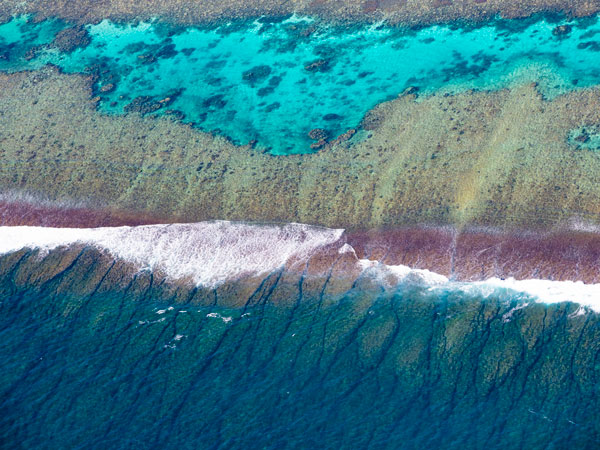
Macquarie Island is situated about 1,500 km southeast of Tasmania, halfway between Tasmania and Antarctica. It is the only island in the world composed entirely of oceanic crust and rocks from the mantle, deep below the earth’s surface, and is an island of unique natural diversity, a site of major geoconservation significance and one of the truly remarkable places on earth. It was inscribed on the World Heritage list in 1997.
Among the most aesthetically appealing sights of the island are the vast congregations of wildlife, particularly penguins during breeding seasons. The breeding population of royal penguins on Macquarie Island is estimated at over 850,000 pairs – one of the greatest concentrations of sea birds in the world.
See it for yourself
Much like Heard Island and McDonald Islands, Macquarie Island is not somewhere you’ll likely get to visit, unless you’re working in the Australian Antarctic Division station that is! The only access to the island is by sea and there are no permanent human inhabitants on Macquarie Island although the Australian Antarctic Division station is occupied year-round.
Ningaloo Coast
The Ningaloo Coast is located on Western Australia’s remote coast along the East Indian Ocean. Added to the UNESCO World Heritage sites list in 2011 due to the outstanding universal value of the area’s diverse and abundant marine life, its amazing cave fauna and the spectacular contrast between the colourful underwater scenery and the arid and rugged land of the Cape Range.
See it for yourself
Ningaloo Reef is awe-inspiring and a trip there wouldn’t be complete without swimming with whale sharks! Somehow drawn to the reef, whale sharks can grow up to 12 metres long and there are plenty of tours to take you out there safely.
Purnululu National Park
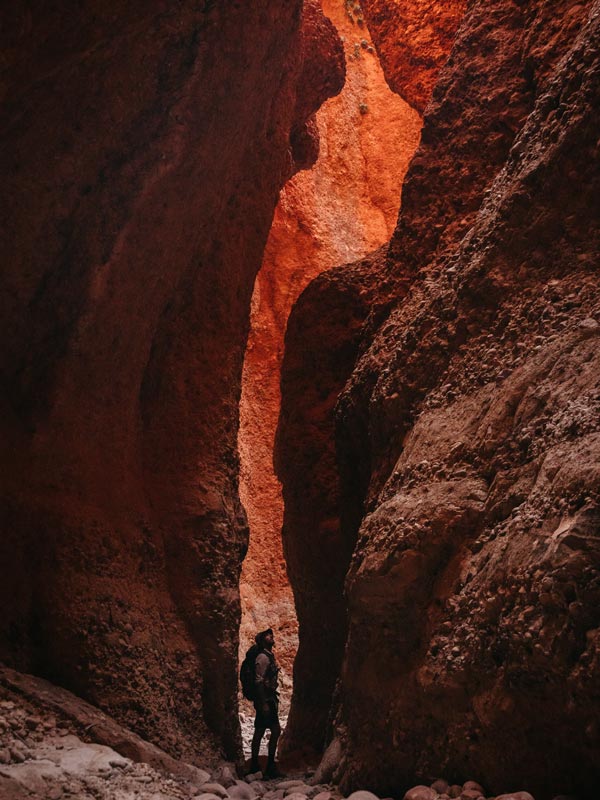
Purnululu National Park, located in the Kimberley region of Western Australia, covers almost 240,000 hectares of remote area managed as wilderness. It includes the Bungle Bungle Range, which is famous for the unusual orange and black-striped rock domes, at times, resembling beehives.
Purnululu National Park was inscribed on the World Heritage List in 2003, for its outstanding universal natural heritage values.
See it for yourself
Just a four-hour drive from Kununurra in the Kimberley, don’t miss the truly awe-inspiring Cathedral Gorge and the legendary acoustics and Echidna Chasm which is most definitely a photographer’s dream.
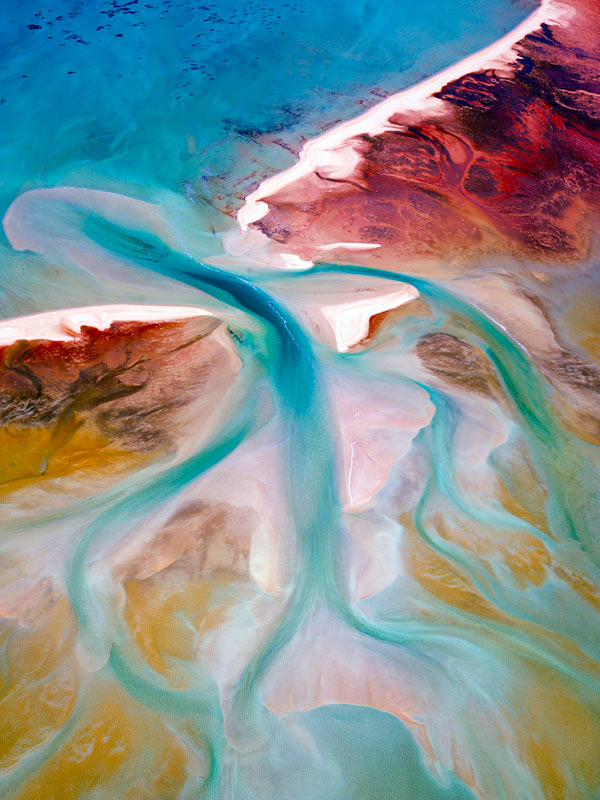
Shark Bay
The Shark Bay region was included on the UNESCO World Heritage list in 1991 as it represents a meeting point of three major climatic regions. It contains plant species that are unique and considered new to science, five of Australia’s 26 species of endangered Australian mammals, as well as 35 per cent of Australian bird species and abundant marine flora and fauna.
See it for yourself
About 800km north of Perth, located on the most western point of the coast of Australia, Shark Bay covers an area of 23,000 square kilometres. Head to the friendly coastal town of Denham which acts as a base from which to explore Shark Bay at your leisure.
Wet Tropics of Queensland
The Wet Tropics of Queensland is a region between Townsville and Cooktown on the northeast coast of Queensland that covers an area of approximately 8,940 square kilometres of spectacular scenery and rugged topography with rivers, gorges, waterfalls, and mountains. Becoming World Heritage-listed in 1988, the Wet Tropics rainforests contain an almost complete record of the major stages in the evolution of plant life on earth.
One of the largest rainforest wilderness areas in Australia is located in the Daintree, and the combination of fringe coral reefs and rainforest coastline in the Cape Tribulation region is rare in the world.
See it for yourself
When you visit this UNESCO World Heritage site, on the land of the Yalanji people, you will be inspired by the diversity of the flora and fauna and marvel at the distinct landscapes you encounter.
Mixed
Kakadu National Park
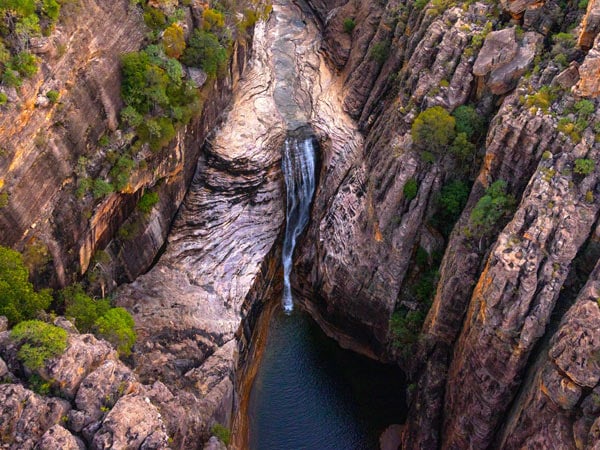
Kakadu National Park in the Northern Territory is one of four Australian sites included on the World Heritage List for both cultural and natural outstanding universal values. The floodplains of Kakadu illustrate the ecological effects of sea-level change in northern Australia. The park features great natural beauty and sweeping landscapes, as well as internationally important wetlands.
The region is extremely important to the Bininj/Mungguy people and the Indigenous art sites of Kakadu are a unique artistic achievement that provides an outstanding record of human interaction with the environment over tens of thousands of years. These and the region’s other Indigenous sites also illustrate a globally significant example of the hunter-gatherer way of life, including its spiritual aspects and sites of great antiquity.
Kakadu National Park was inscribed on the World Heritage List in three stages – 1981 (Stage 1), 1987 (Stages 1 and 2) and 1992 (Stages 1, 2 and 3).
See it for yourself
There are so many amazing things to see and do at Kakadu, and I can bet you’ll tick some bucket list items off after you do! Feel the magic of the rich culture yourself.
Tasmanian Wilderness
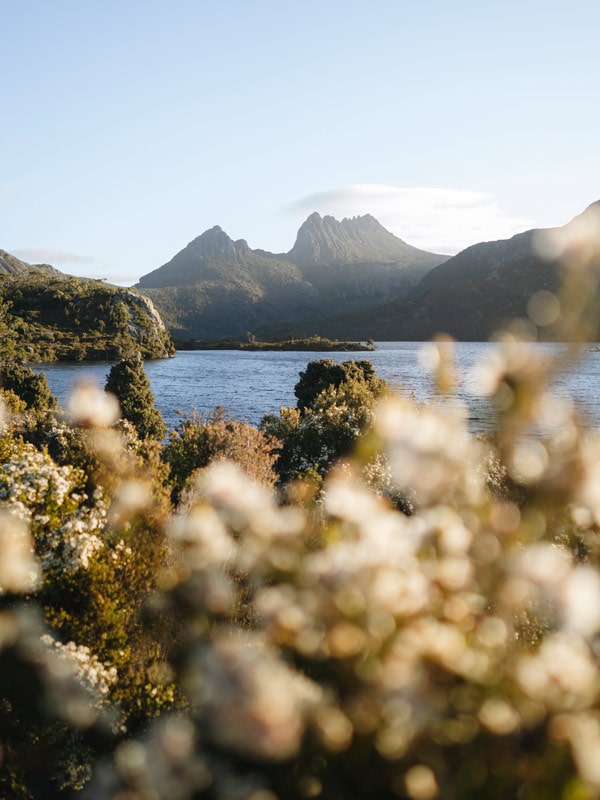
The Tasmanian Wilderness is one of the world’s largest temperate wilderness areas, and a precious cultural landscape for Tasmanian Aboriginal people, who have lived there for at least 35,000 years.
Added to the World Heritage list in 1982 and extended in 1989, 2010, 2012 and again in 2013, the Tasmanian Wilderness encompasses more than 1,580,000 hectares, covering almost a quarter of the state.
See it for yourself
The Tasmanian Wilderness is home to some of the deepest and longest caves in Australia and is renowned for its diversity of flora. Perfect to see by foot, you’ll find some of the longest-lived trees and tallest flowering plants in the world growing in the area, and it’s also a stronghold for several animals that are either extinct or threatened on mainland Australia.
Uluru-Kata Tjuta National Park
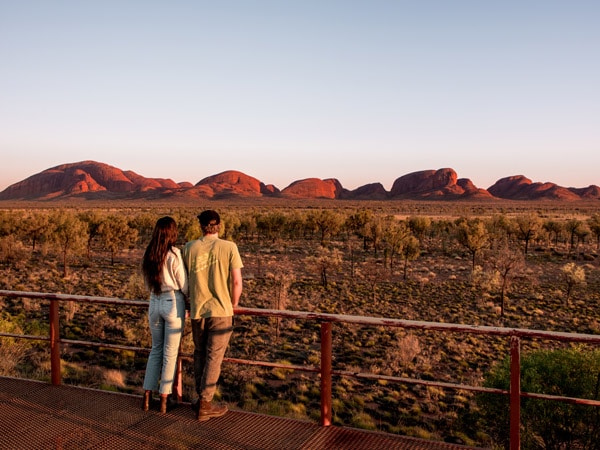
The immense rock formation of Uluru and rock domes of Kata Tjuta in the Northern Territory are remarkable geological and landform features set on a sand plain. They have special significance to the Anangu people as their Tjurkurpa (traditional law). Uluru-Kata Tjuta National Park was inscribed on the World Heritage List in two stages, initially for its outstanding universal natural values in 1987 and then for its outstanding universal cultural values in 1994.
See it for yourself
Your first trip to Uluru should begin at the cultural centre, where a series of exhibits, paintings, videos and interpretation boards explain the relationship that the Anangu have with the land, Uluru and Kata Tjuta. From walking tours to cycling and scenic flights, however you want to explore the Uluru-Kata Tjuta National Park, there is something for you!
Willandra Lakes Region
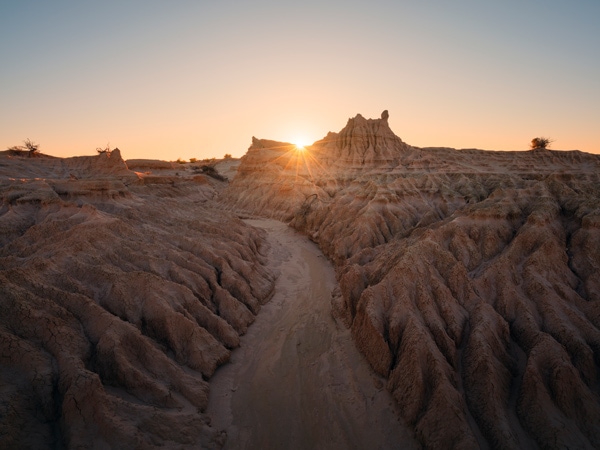
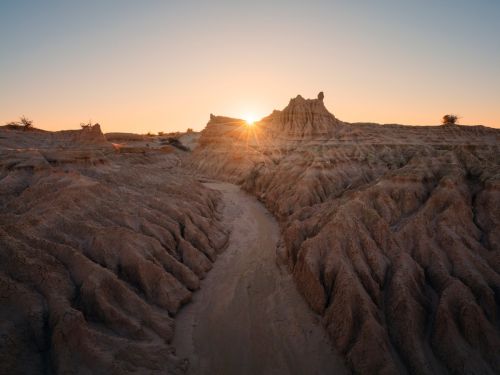
The Willandra Lakes Region is an extensive 2,400 square kilometre area of a semi-arid landscape mosaic in the Murray Basin area of far southwestern NSW. The area contains a system of ancient lakes formed over the last two million years, most of which are fringed by a crescent-shaped dune or lunette. Aboriginal people lived on the shores of the lakes for at least 50,000 years, and the remains of a 40,000-year-old female found in the dunes of Lake Mungo are believed to be the oldest ritual cremation site in the world.
The Willandra Lakes Region was first included on the World Heritage list in 1981, but the original boundary was modified in 1995 to better define the area containing the UNESCO World Heritage values.
See it for yourself
Mungo National Park is located within the Willandra Lakes Region, and the mesmerising area is filled with historical value and jaw-dropping beauty. There are guided walks and other tours available to see the area, or you can do it yourself!