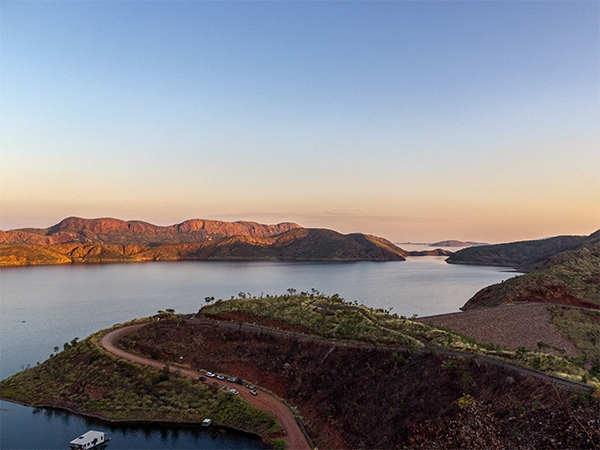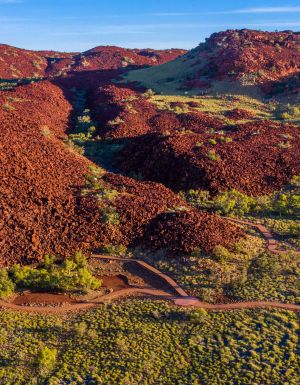
When the sun hits the earth in the Australian outback it’s like looking into the deep folds of an Albert Namatjira painting. But to truly immerse yourself in this vast landscape is far removed from a visual journey and requires careful plotting and planning. We’ve done the hard yards. Now GO.
The outback is much more than a place to most Australians; it is a concept of our country that fascinates and intimidates, sometimes in equal measure. While the landmass of the outback can be plotted on a map, the true significance of the landscape itself, the ancient history that has shaped it, the proud people who have both lived off it and nurtured it through millennia, the stories (old and new) that have mythologised it, and the otherworldly beauty that characterises it, is almost impossible to convey through words. It is something that needs to be experienced, a feeling that needs to seep into your fibre, an image that needs to be imprinted into your mind’s eye.
In spite of all of these reasons why you should visit the outback, there are also a lot of stereotypes that convince people that you shouldn’t – from the distances and size (too big) to the dangers and to the cost of travelling there (too expensive). As a result, exploring the outback, still largely the untamed heart of our Great Southern Land, is something that a lot of Australians relegate to the ‘too hard right now’ basket, telling themselves they will get around to getting there one day.
But, quite literally, there is no time like the present. Outback regions have been hit hard by border closures and travel restrictions during the pandemic – from Indigenous tour operators to accommodation offerings – but this also presents an irresistible opportunity to experience the outback with a level of quiet and calm that is a rare privilege.
Here, we bust some myths, answer some questions, serve up some good advice, and detail easy journeys that will have you lacing up your hiking boots and booking your plane ticket (or loading up the car), like, now.
Frequently asked outback questions answered.
How old is the outback?
This is a ‘tree falling in the forest’ kind of question, and the answer depends on how you look at things: while the landmass of Australia began to form up to 500 million years ago, it is thought that parts of the northern outback were first inhabited up to 65,000 years ago, with movement into other arid regions 35,000 to 45,000 years ago.
Why is it called the outback?
The term outback originated in the 19th century to describe inland areas that were considered far away: they were ‘out the back of’ the furthest place most people knew of.
How big is the outback?
It’s estimated to be somewhere near 5.6 million square kilometres, which would mean that it covers about 70 per cent of the mainland continent of Australia. That makes it bigger than the entire European Union or more than half the size of the United States.
Where exactly is the outback?
While it is an imperfect science to say exactly where the outback starts and finishes, in more general terms it encompasses all of the Northern Territory (with the exception of the greater Darwin region), large swathes of Western Australia, South Australia, and Queensland, and the north-western corner of NSW.
How many things in the outback can do you damage?
Not everything in the outback is out to get you. True, the arid regions of far west and southwest Queensland, far west NSW, the northeast corner of South Australia, and the southeast of the Northern Territory are home to the inland taipan, the most poisonous snake in the world. But the inland taipan is kinda reclusive and won’t come looking for you, and you probably won’t see hide nor hair of a western brown snake even if you visit its outback habitat on multiple occasions. You can swim with freshwater crocodiles, which are found in billabongs and waterholes throughout northern Australia and, while they might occasionally take a nibble, it is almost never fatal; saltwater crocodiles, on the other hand, do attack and kill humans, so it is important to check before swimming in the Northern Territory’s river systems and always obey warning signs.

Bucket list sights in the outback
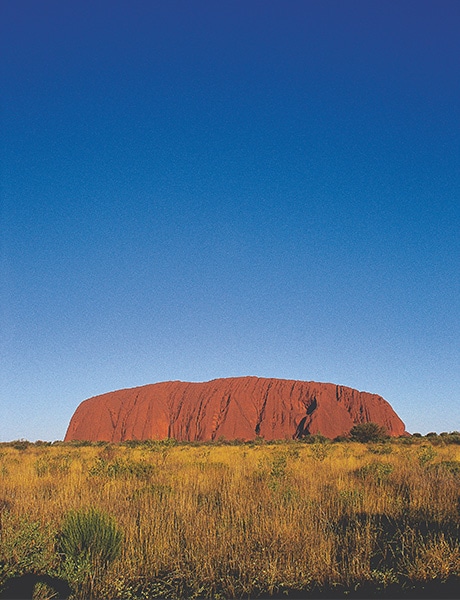
Uluru, NT
Standing at the base of ‘the Rock’ will recalibrate your perception of being Australian. It really is awe-inspiring in its scale and beauty, but it is the feeling it instils in you, informed by its infinite history and cultural significance. And the awesomeness doesn’t end at Ulura; Kata Tjuta (The Olgas) is close by, offering an inspiring location to watch the sun rise in the chill morning air of the desert.
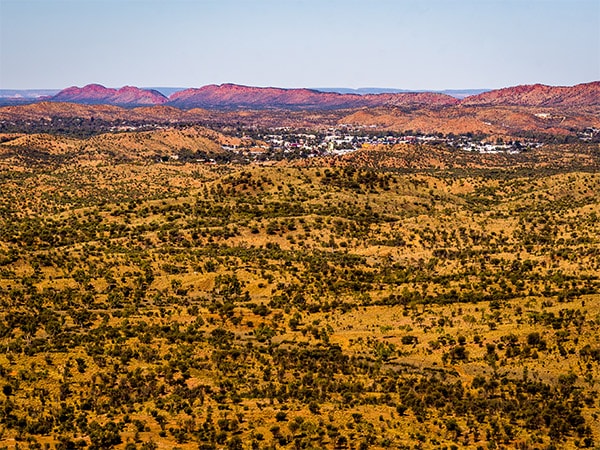
Alice Springs, NT
Australia’s quintessential outback city is as interesting as it is remote: think endless Northern Territory horizons to be explored and seriously good coffee once you are done.
The Ghan, SA – NT
Our most iconic train journey cuts a swathe through the red dirt of Central Australia from Adelaide to Darwin.
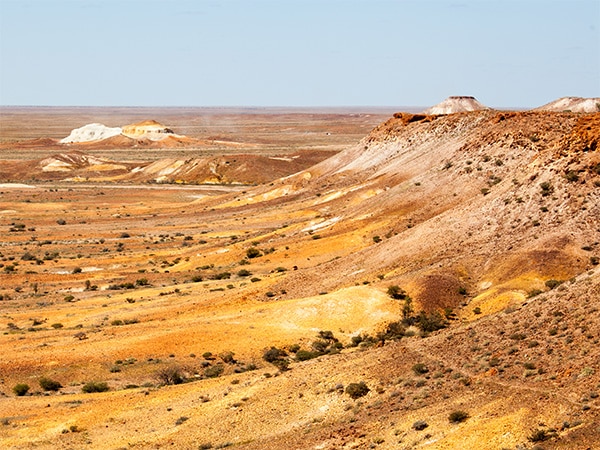
Coober Pedy, SA
This quirky subterranean South Australian city – the opal capital of the world – really is one of those places that has to be seen and experienced to be believed.
Longreach, Qld
Located in Central West Queensland, it is considered by many as the ultimate embodiment of an outback town.
Kati Thanda–Lake Eyre, SA
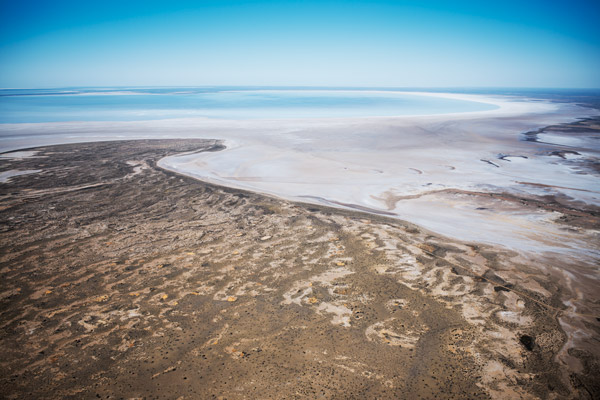
At 64 kilometres long and 24 kilometres wide, this is the country’s largest salt lake, and at 15.2 metres below sea level it is also the lowest point in Australia. Experience the sense of stepping away from the modern world by standing on its vast expanse, engulfed in silence, or flying over it to really come to grips with its size and isolation.
Cape Leveque, WA
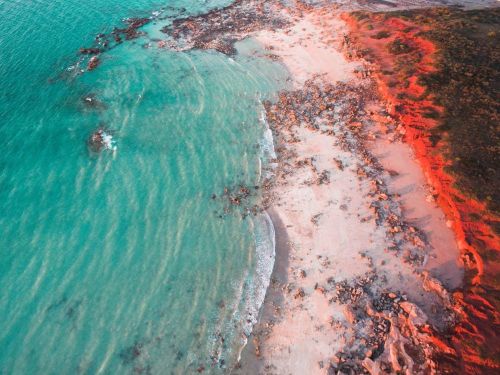
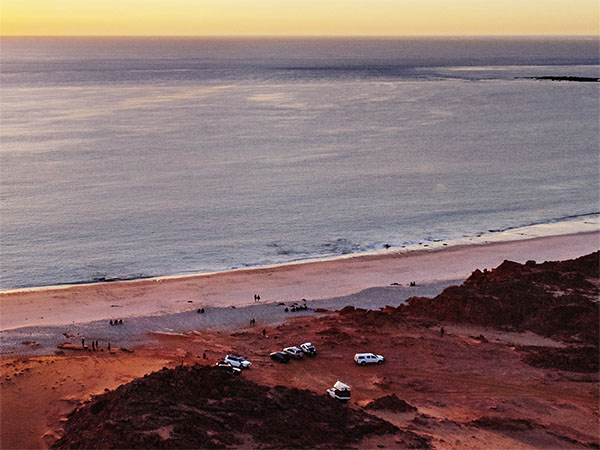
Perhaps no place better captures the contrasts of Australia than this far-flung coastal outpost, where the ochre rocks of the Western Australian outback melt into the roiling blue waters of the Indian Ocean.
Horizontal Falls, WA
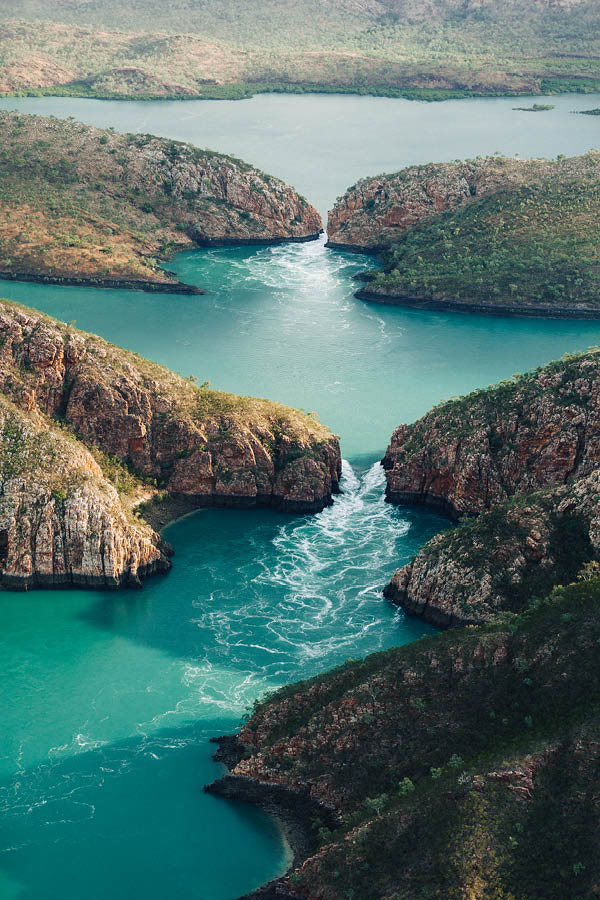
Sitting in the stunning Talbot Bay in the Kimberley (Australians’ ultimate bucket list location), the Horries as they are known are a compelling sight that no less than Sir David Attenborough has described as “one of the greatest natural wonders of the world".
Purnululu, WA
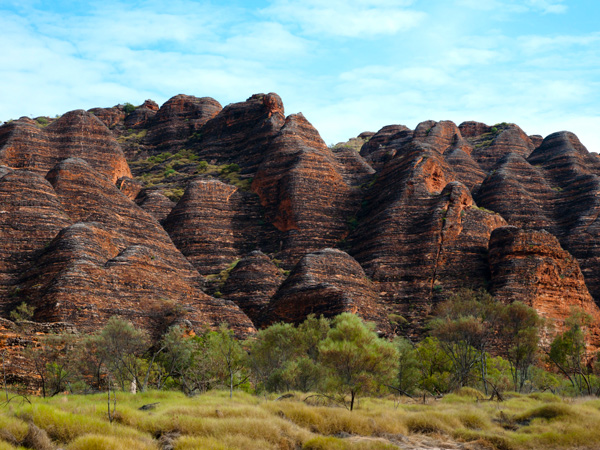
Located within Western Australia’s Purnululu National Park, this fascinating range, also known as the Bungle Bungles, has stood silent and proud over the expansive landscape for 350 million years. So it is completely puzzling to learn that most people only found out about the now World Heritage-listed formation in 1983 after a film crew flew over it while working on a documentary. Do like the documentarians did and fly over the park to get the full effect.
Kings Canyon, NT
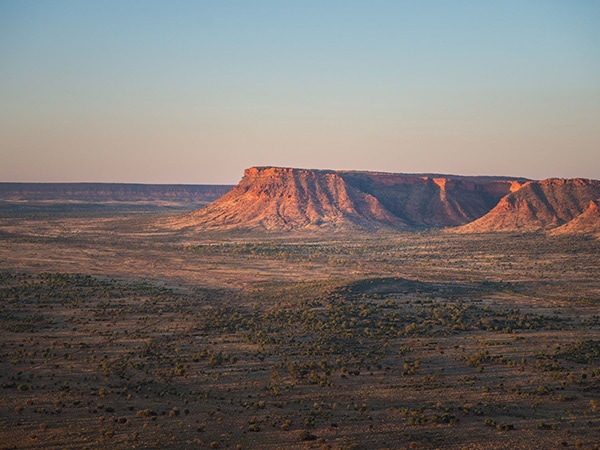
With its towering sandstone walls stretching up to 300 metres high, and lush, green oases of palm trees and waterholes scattered throughout, Kings Canyon, part of Northern Territory’s Watarrka National Park, is big in size and beauty; take the famed Rim Walk to take it all in.
Must-do Indigenous experiences
Hearing stories of the rich ancient history and witnessing the customs and traditions that are singular to the Indigenous peoples of this country are some of the most compelling reasons to visit the outback. Factor these events into your plans.
Laura Quinkan Dance Festival, Qld
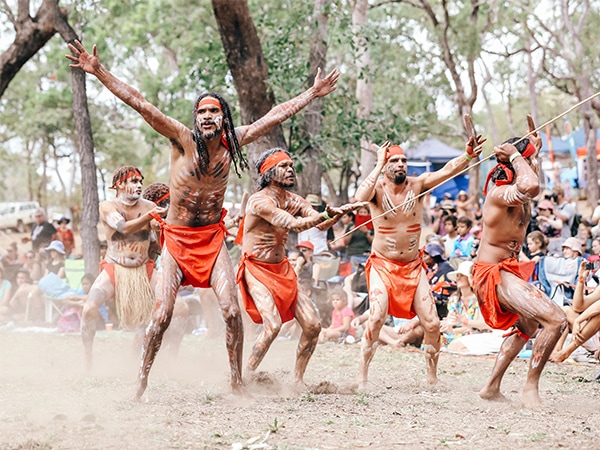
This three-day festival gathers the people of the Cape to the outback town of Laura to celebrate their history through song and dance.
Parrtjima – A Festival in Light, NT
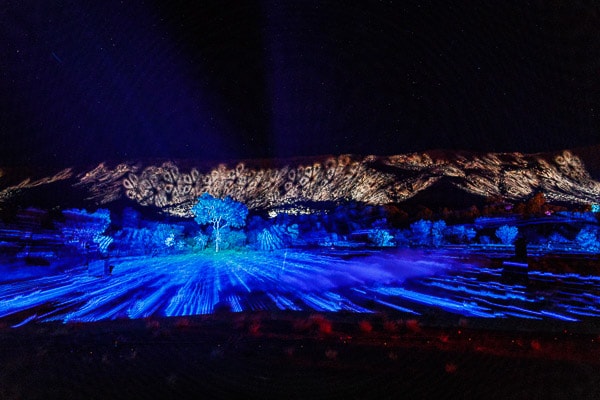
Held over 10 nights, Parrtjima has been likened to Vivid in the outback, with the city of Alice Springs lit up with exuberant light installations by Aboriginal artists and projected on everything from buildings to the desert floor to the MacDonnell Ranges. Register to attend the annual event.
Darwin Aboriginal Art Fair, NT
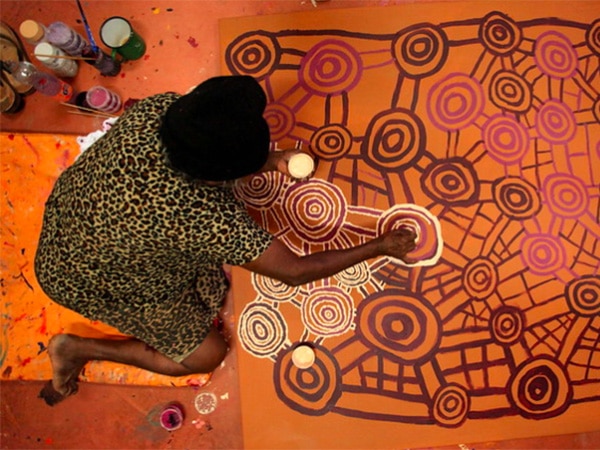
With more than 70 Indigenous-owned community art centres in attendance, the annual Darwin Aboriginal Art Fair (DAAF) gives visitors the chance to purchase artwork directly from artists and their community arts centres. The program includes art auctions, a showcase of First Nations textiles and fashions, traditional dance and music, and bush tucker. After going virtual for the first time last year, this year’s event will take place from 6–8 August.
From the city to the outback
Easy journeys to discover the beating heart of our wide brown land.
Sydney to Mungo National Park, NSW
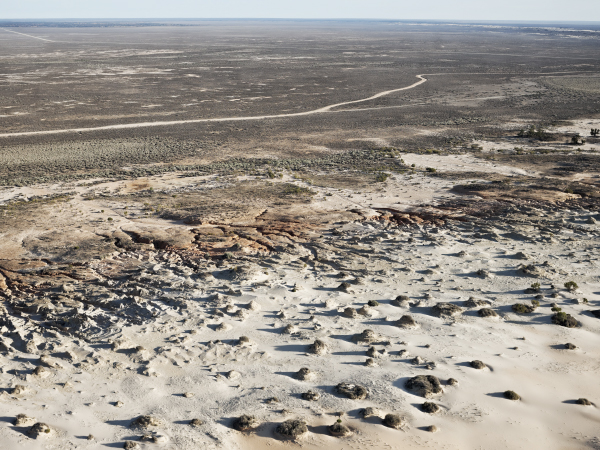
The unearthly landscape of World Heritage-listed Mungo National Park is often compared to something from another planet, but its history is just as interesting. The remains of Mungo Lady and Mungo Man, the oldest Homo sapiens remains ever found on the Australian continent, were uncovered here, establishing Aboriginal culture as one of the oldest on Earth.
Getting there
Despite its otherworldly persona, Mungo is easily accessed via a short 3.5-hour flight from Sydney to the city of Mildura. From here, you can join an organised tour, self-drive or take a scenic flight over the spectacular fossilised lake that deposits you at Mungo Lodge’s red-dirt runway.
To do
Mungo’s centrepiece, the Walls of China, is another natural treasure worth exploring. Take an Aboriginal Discovery Tour from the visitor centre to see the astonishing surprises that have come from these fragile sand and clay formations – from ancient fireplaces to the bones of long-extinct megafauna. Back at eco-friendly Mungo Lodge, browse Indigenous artworks and enjoy a generous meal, before stargazing by campfire light.
Brisbane to Birdsville, Qld
It’s difficult to explain Birdsville’s significance to first-time visitors. Giving equal credit to the journey and the destination, this remote town – over 1500 kilometres inland from the city of Brisbane – is a physical embodiment of the Aussie bush spirit.
To do
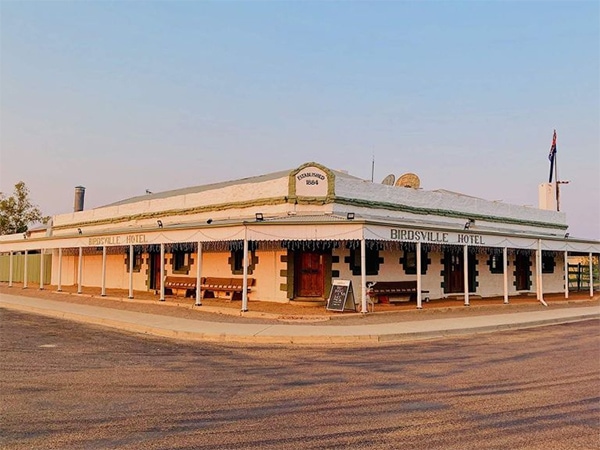
At its heart stands Australia’s most famous outback pub, Birdsville Hotel , a verandah-skirted, weathered sandstone building that has been welcoming explorers for 130 years. Spend a night or two here, chatting with the locals and marvelling at the Australiana that binds its interior together – including a ceiling strewn with well-worn Akubras.
In September, 6000 pilgrims gather for the Birdsville Races and thousands flock in for the world’s most remote rock concert (Big Red Bash) in July, set below the Simpson Desert’s largest dune.
Getting there
Whether you fly in directly from Brisbane or tour the whole Diamantina and Corner Country, Birdsville will open your eyes and heart to the outback.
Adelaide to the Flinders Ranges, SA
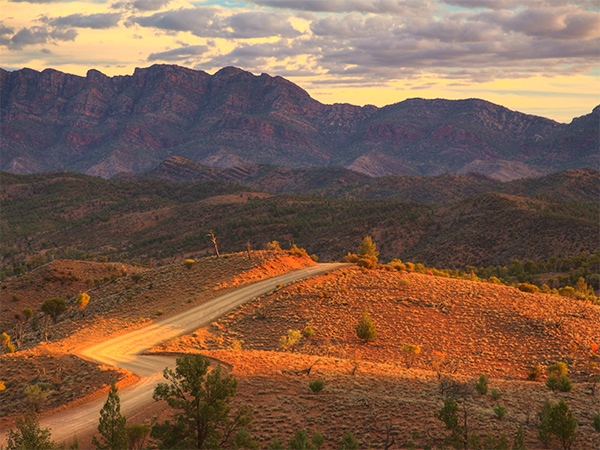
A leisurely trip around the Flinders Ranges’ half-billion-year-old rocky peaks is the perfect maiden voyage for outback tenderfoots.
To do
Marvel at Ikara (Wilpena Pound), which looks like a meteor crater but is actually the remnants of a mountain range that once eclipsed the Himalayas. To fully comprehend the 17-kilometre-long by eight-kilometre-wide formation, take a scenic flight over it or hike through it on the four-day Arkaba Walk, spending the small hours cosying up in your very own ‘star bed’.
The Flinders, as it’s known, is full of quirky stays. Go glamping in a safari tent at Ikara or bed down in well-appointed eco-villas at Rawnsley Park.
Sample bush food with a twist at classic pub-turned-gourmet-oasis Prairie Hotel , where adventurous carnivores can try the Feral Mixed Grill (emu liver pâté or camel sausage) and sweet-tooth the quandong pie.
Getting there
A three-day tour departing from Adelaide will give you a good introduction to the Flinders, but a week will leave you more time to explore vast Kati Thanda–Lake Eyre and the striking sandstone tablelands at The Breakaways, near Coober Pedy.
Darwin to Kakadu, NT
At nearly half the size of Switzerland, Kakadu is Australia’s largest national park, but its delights lie in the small details. Culturally rich and biodiverse, it’s all about getting out there among its spectacular escarpments and lotus-lilied wetlands, just like Paul Hogan did in Crocodile Dundee, which was filmed here.
To do
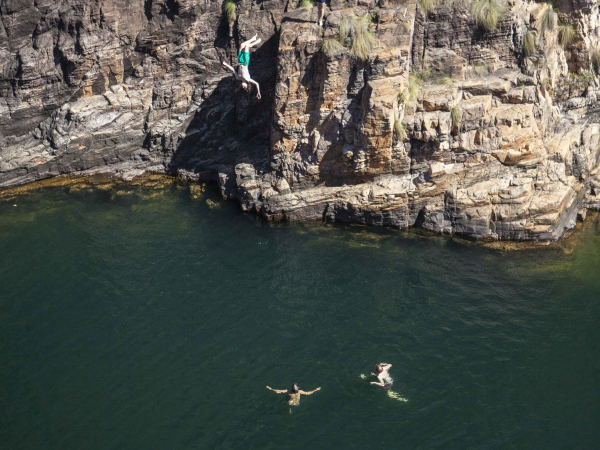
Take a dip in the natural infinity pools of Gunlom Falls, or hike up to the cascading waterfalls of Jim Jim Falls. Cruise the tranquil Yellow Water Billabong amid millions of migratory birds, including the dancing jabiru, and keep your eyes peeled for lurking salties.
Kakadu is best appreciated through the eyes of its Traditional Owners, the Bininj/Mungguy people, with the highlight for many visitors the Indigenous-led tour of the millennia-old rock art galleries at Ubirr and other cultural sites.
Getting there
Kakadu is a three-hour drive from Darwin. Day trips and longer guided tours are available from the city, some with stops at Litchfield National Park and Arnhem Land. For an above-ground perspective, take a scenic helicopter over the park’s wild landscapes.
Perth to the Kimberley, WA
The Kimberley region in Australia’s far northwest is a barely imaginable, insanely colourful wilderness full to the brim with magnificent contrasts and contradictions.
To do
From Broome, it’s easy to explore the culture of the region’s Indigenous owners, the Bardi Jawi people, on a tour to Kooljaman at Cape Leveque, where red dirt and the azure Indian Ocean are separated only by a strip of striking white beach. Tag along on a bush tucker tour to eat like the locals have for thousands of years, tasting the spicy apple-flavoured illarr berry and Kakadu plum known as gubinge.
Inland, the dramatic landscape constantly gives up its secrets: grand gorges, clear freshwater swimming holes and Horizontal Falls. Yet there’s no reason to ‘rough it’; secluded Berkeley River Lodge’s stunning dune-top luxury coastal villas with open-air bathrooms are accessible both by seaplane or helicopter.
Kimberley Coastal Camp and Faraway Bay also offer great sea-facing stays. In East Kimberley, at the homestead on El Questro’s sprawling 283,279-hectare cattle station, you can ease into your outdoor bathtub and watch Chamberlain River flow by, as Hollywood A-listers regularly do. Give yourself at least one week here, preferably two, because many more Kimberley experiences beckon: from luxury coastal cruises to one of Australia’s most epic 4WD adventures along the Gibb River Road.
Getting there
The short flight from Perth (or Sydney and Melbourne in the dry season) lands you in the laid-back, frangipani-treed nirvana that is Broome. Wander alongside aqua waters (and boutiques) full of Pinctada maxima (‘mother of pearls’) and become part of the sunset on an organised camel ride along the 22-kilometre-long Cable Beach.