An icon is a place or thing that’s instantly recognisable and widely adored. Be that for its beauty, symbolism, ingenuity or the joy it brings. These wonders are part of our fabric.
This article is part of our 100 Australian Wonders series. Throughout the series, we explore our nation’s wonders across culture, nature, food, islands and many more. We hope it inspires your own exploration of Australia’s many wonders.
1. Uluru, NT
Travelling with: Megan Arkinstall
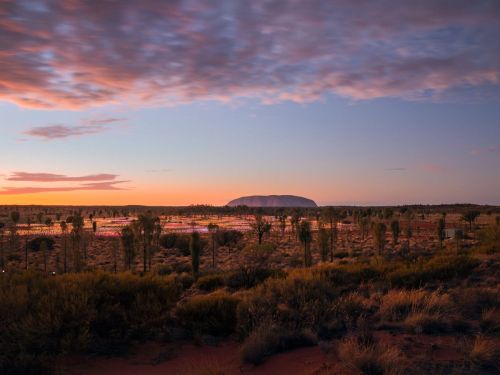
Rising from the desert like our country’s symbolic heart, this ancient monolith is a deeply spiritual place for the Anangu people, entwined in traditional Tjukurpa (Creation stories).

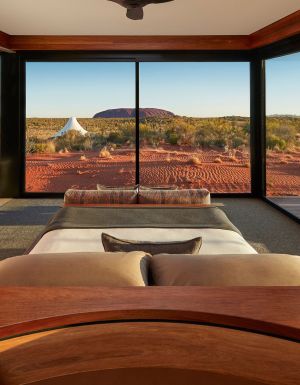
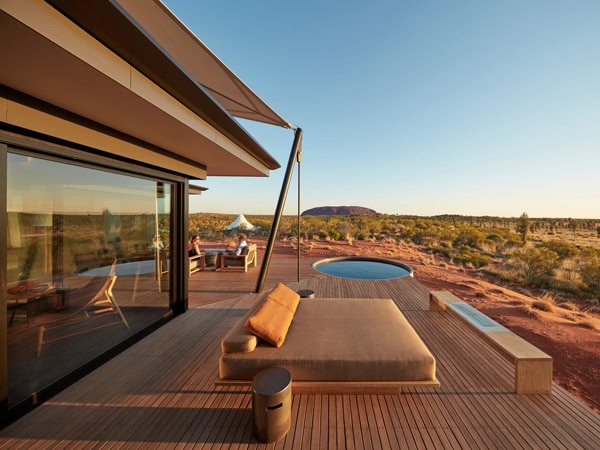
For an unforgettable experience, pair a stay at ultra-luxe safari-style lodge Longitude 131°, which has uninterrupted views of Uluru, with a viewing of Wintjiri Wiru, the after-dark light show that tells the ancestral Mala story through more than 1000 choreographed drones, lasers and projections.
2. Murray River
Travelling with: Taylah Darnell
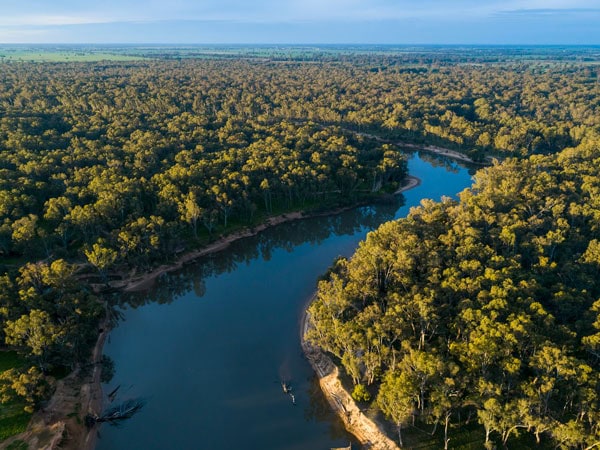
The ancient Murray River crisscrosses the border of NSW and Victoria like a thread down the haphazard seam of a blanket, from the NSW Snowy Mountains to the Murray mouth near Goolwa in South Australia, sustaining the land and Traditional Owners along its shores for more than 40,000 years.
In a constantly changing landscape, the river remains a stalwart of the country it runs through, acting as an important cultural symbol, trade route and integral part in farming and agriculture. Communities have built their lives around it and will continue to do so for as long as the water flows, developing a strong connection to the river that is as deep as the Murray itself.
3. Sydney Harbour, NSW
Travelling with: Megan Arkinstall
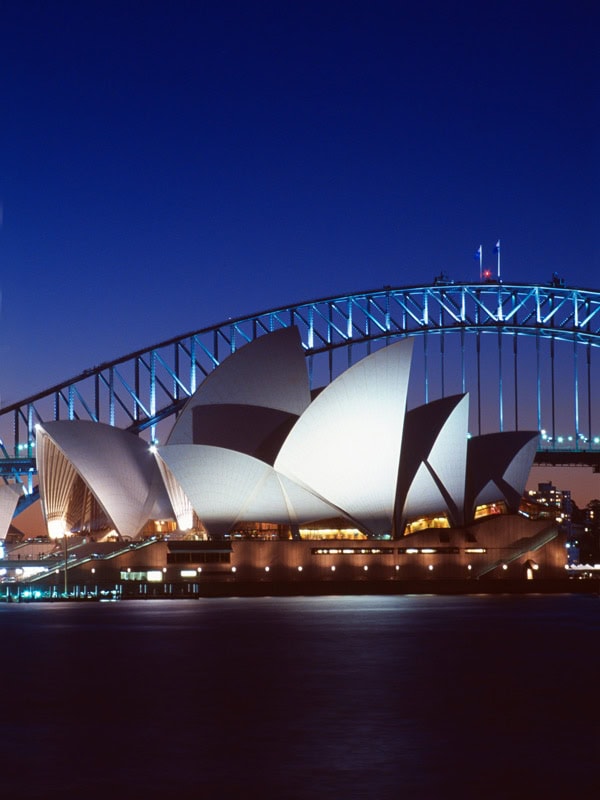
This sparkling natural harbour needs no introduction, so instantly recognisable is its steel arch bridge and white-sailed Opera House. Book a BridgeClimb and jump aboard a ferry to see the beauty and bustle from above and on the water, wander through the historic cobbled streets of The Rocks (book a walking tour with Dreamtime Southern X to learn about it from a First Nations perspective), stroll the Royal Botanic Gardens and take a dip at beaches such as Camp Cove in Watsons Bay or Milk Beach in Vaucluse, with views back towards the famous skyline.
4. Great Barrier Reef, Qld
Travelling with: Lara Picone
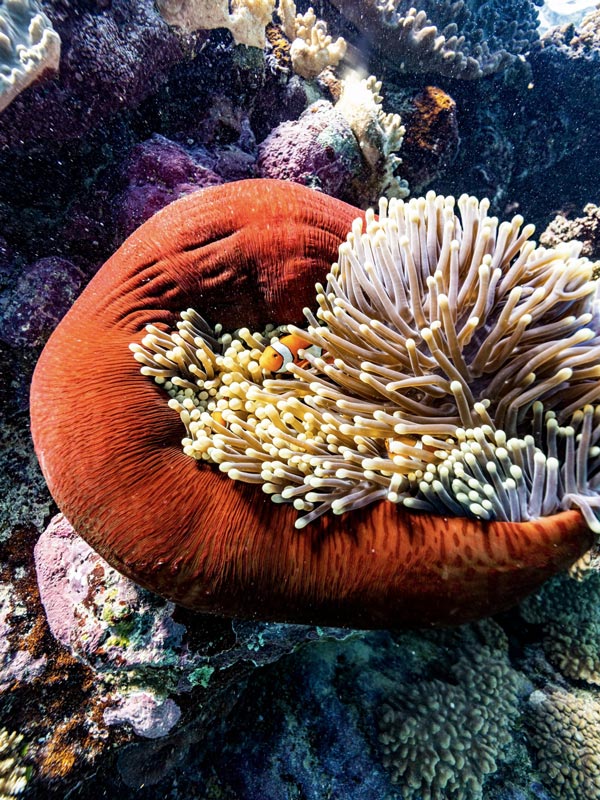
Slip below the surface of Queensland’s Great Barrier Reef and it’s as if a black light has been switched on, illuminating fish and corals brilliantly highlighted with neon paint. The iridescence seems manufactured for human amusement, but the UNESCO World Heritage-listed wonder is not here to entertain us (although, as the world’s largest single structure made by living organisms, it absolutely does).
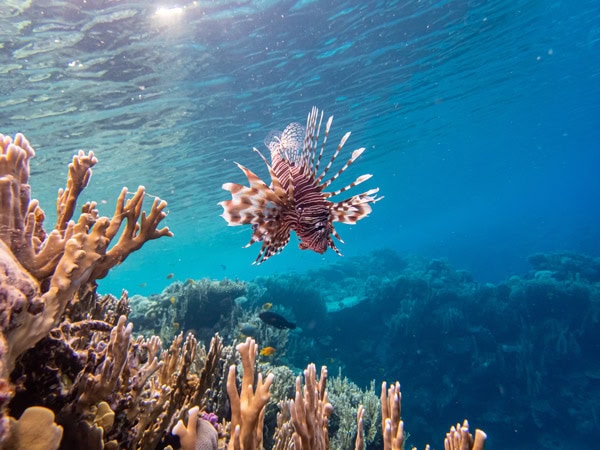
A natural marvel on a scale so immense it can be seen from space, yet so vulnerable that the carelessness of our species might destroy it, the reef deserves our heartfelt respect and protection. Because it has always been there, we tend to overlook its majesty, but a single plunge reaffirms its significance and magnanimous beauty.
Need tips, more detail or itinerary ideas tailored to you? Ask AT.
AI Prompt
5. Hunter Valley, NSW
Travelling with: Megan Arkinstall
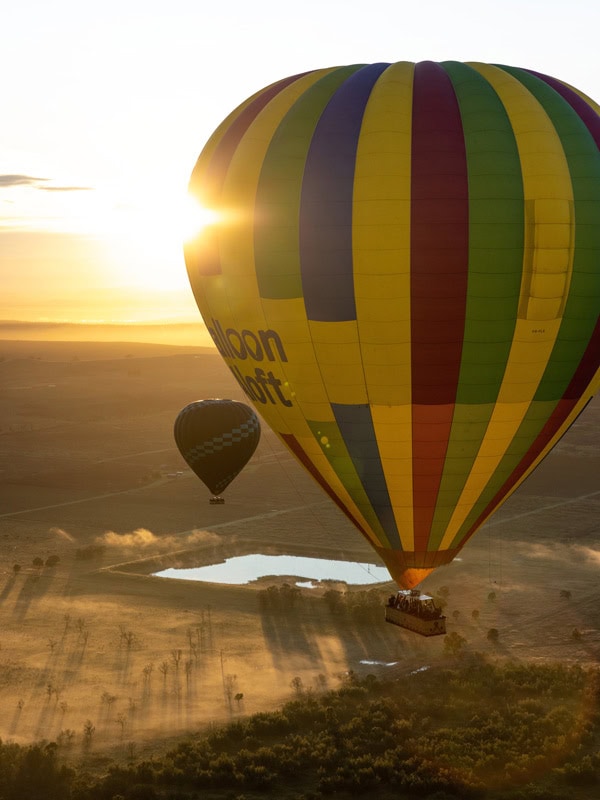
Vignerons in Australia’s oldest wine region have been cultivating grapes since the early 19th century. Dotted among rolling green hills that stretch to the Great Dividing Range are more than 150 wineries with a medley of cellar doors, from sleek and modern (think Vamp by Lisa McGuigan) to charming and boutique (Krinklewood Organic & Biodynamic Estate) and plenty of places to sip vino among the vines, such as Hope Estate.
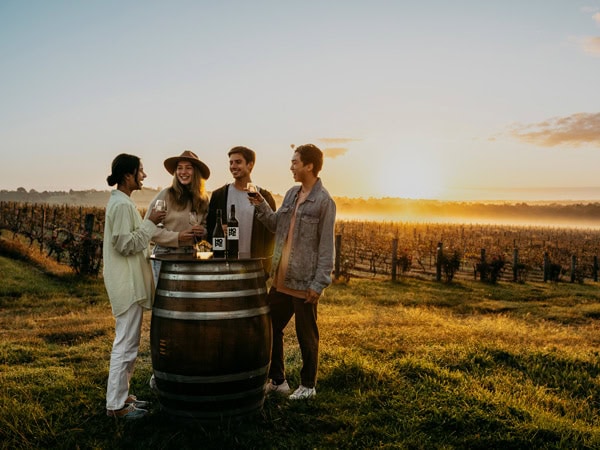
Semillon is the hero, but chardonnay and shiraz also reap worldwide attention; add to that a slew of hatted restaurants (Muse, Bistro Molines and more) and the Hunter Valley is a satiating destination for oenophiles and gourmands alike.
6. Quokkas of Wadjemup (Rottnest Island), WA
Travelling with: Kassia Byrnes
The vibrant blue ocean, white-sand beaches and abundant marine life entice many to make the 30-minute ferry trip from Fremantle to Rottnest Island/Wadjemup Here, a lucky few can stay long after the day-trippers have departed, spending afternoons exploring the island or lazing on picturesque beaches.
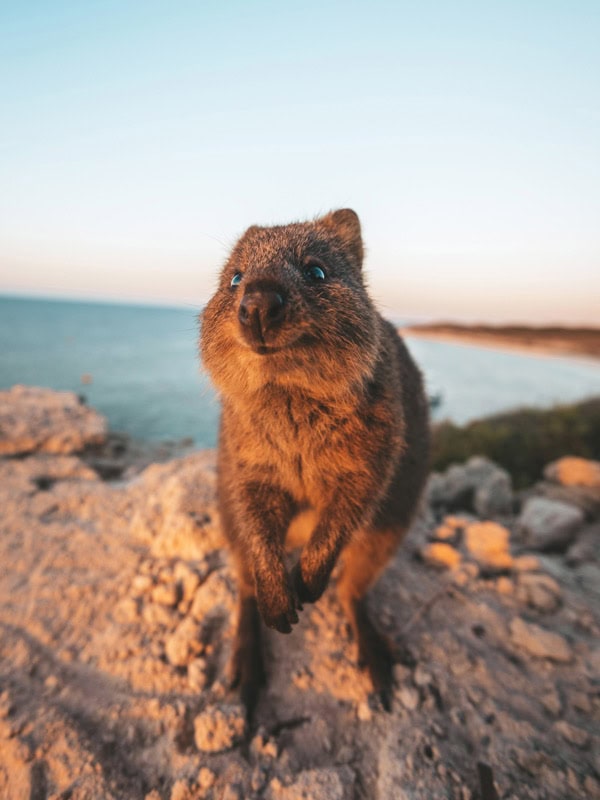
The small, permanent human population is friendly, but none can match the enthusiasm of the island’s friendliest locals: the quokkas. This adorable relative of the wallaby first caused an international stir in 2019 when actor Chris Hemsworth shared a selfie with these happy little creatures that went viral. Australians, however, have long been charmed by their permanent smiles.
7. Australia’s Big Things
Travelling with: Megan Arkinstall
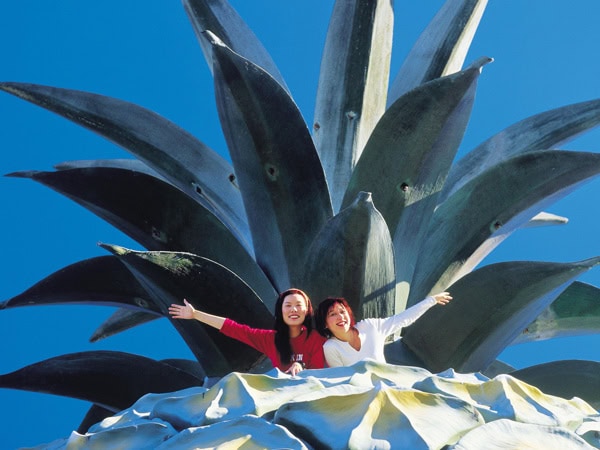
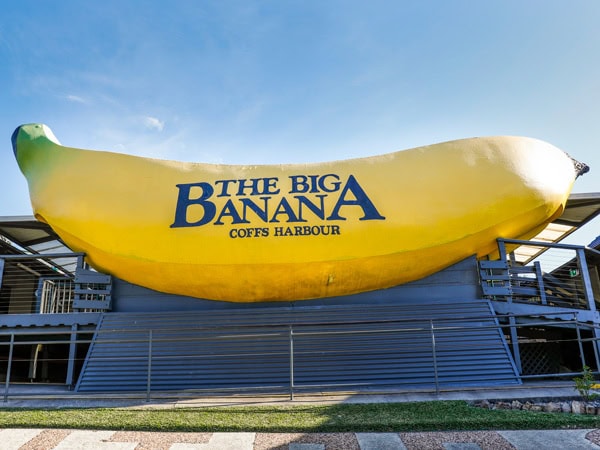
A road trip would be incomplete without a kerbside cameo from a Big Thing. While it’s a battle between Coffs Harbour’s Big Banana and Adelaide’s Big Scotsman for the oldest Big Thing, the 13-metre-long yellow fruit is arguably the country’s most famous. (Just don’t tell The Big Pineapple on the Sunshine Coast.)
Australia’s Big Things make for the best (and cheekiest) photo ops, such as Goulburn’s Big Merino, the 100-tonne sheep whose nether regions are well photographed. Or the curious-looking Big Potato in Robertson, in NSW’s Southern Highlands. Say cheese with a six-metre statue of outlaw Ned Kelly in Glenrowan; have a stubby by The Big Stubby in the NT’s now-infamous town of Larrimah; or pose in front of an eight-metre-tall bin in Kalgoorlie, WA. Big, weird and wonderful.
8. Parliament House, ACT
Travelling with: Christine Aldred
Canberra’s Parliament House is a result of an international design competition, opening its bronze-handled doors in 1988. The building that serves as our national parliament is a remarkable architectural feat and full of surprises.
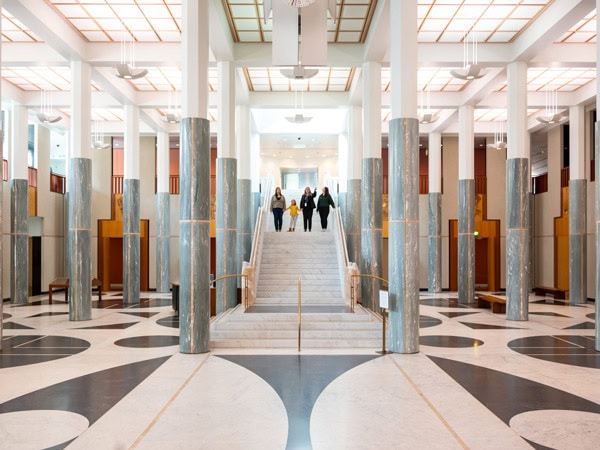
Its centre is built within Capital Hill itself and covered with grass, designed so that people can stand above their elected representatives. With more than 4500 rooms, nine hectares of native gardens, a 22-kilometre labyrinth of corridors and even its own furniture restoration services and post office, Parliament House operates as a virtual city.
Daily or specialist tours provide intriguing insights by exploring the building, its extensive art collection and Indigenous perspectives.
Weekly travel news, experiences
insider tips, offers, and more.
9. Luxury Lodges of Australia
Travelling with: Megan Arkinstall
Premium accommodation and exceptional service is the benchmark when it comes to luxury. Where the Luxury Lodges of Australia differ is the connection to place through exclusive access to bespoke experiences – what’s more luxurious than that?
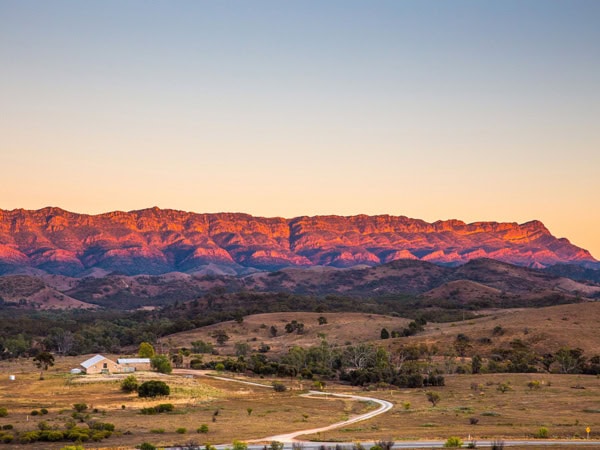
Guests can walk through remote rock art sites in Arnhem Land as part of a heli safari while staying at Bamurru Plains in the Top End; try their hand at mustering cattle while checked into outback Queensland’s Mt Mulligan Lodge.
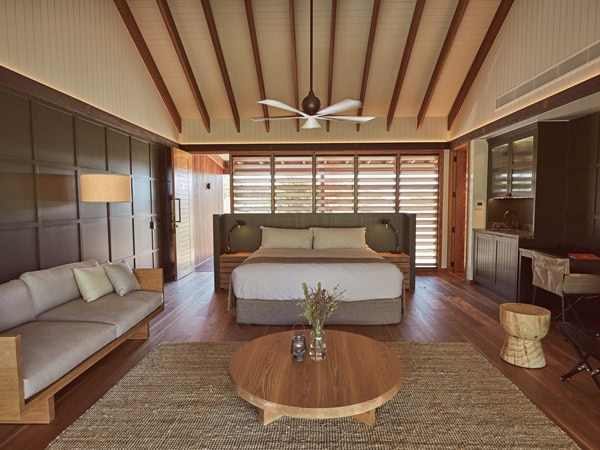
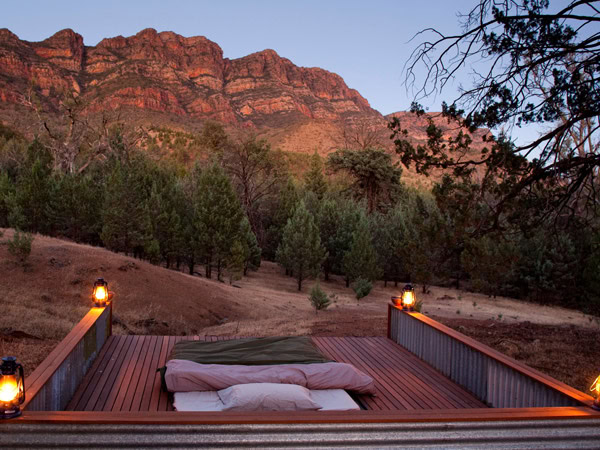
Learn all about bushcraft on NSW’s beautiful Central Coast during a sojourn at Pretty Beach House or hike through Ikara-Flinders Ranges National Park with an Adnyamathanha Elder at Arkaba, SA.
10. Aussie pubs
Travelling with: Megan Arkinstall
Pubs have become more than a place to sink an ice-cold beer – they are ingrained in our culture and are as iconic as they are diverse.
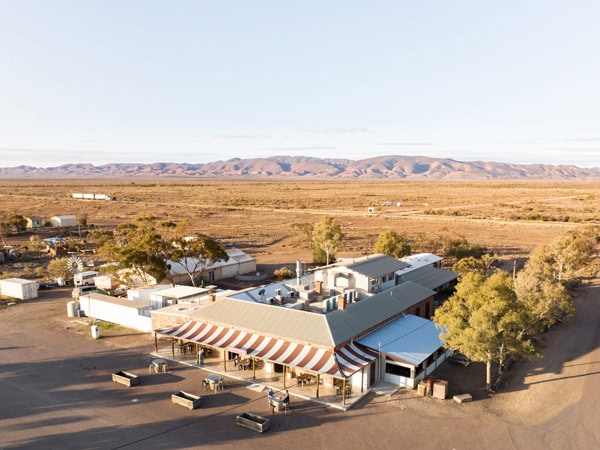
There are the classic, timeworn hotels, such as Hobart’s Hope and Anchor Tavern, Australia’s oldest continually licensed hotel; Characterful and remote watering holes where visitors pin mementoes to the walls, like outback Queensland’s Birdsville Hotel or the NT’s Daly Waters Pub; Historic hotels that have been reincarnated with style – such as Newcastle’s Great Northern Hotel, The Royal in Perth and SA’s Prairie Hotel in the Flinders Ranges; Cultural institutions such as LGBTQIA+ icon The Imperial in Erskineville, Sydney; And live music hotspots like The Espy in St Kilda.
No matter what corner of the country, great Aussie pubs are at the heart of our communities and the setting for core memories.
Keep reading our 100 Australian Wonders series; from road trips, outback and cultural wonders to foodie wonders and many more.
Want to see more stories from Australian Traveller in your Google search results?
- Click here to set Australian Traveller as a preferred source.
- Tick the box next to "Australian Traveller". That's it.

Editor
View profile and articles