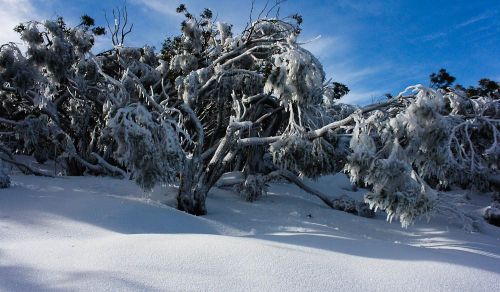
‘The breathtaking landscape of the Victorian High Country and its snow fields provide plenty of amazing photo opportunities.
This photograph was taken in the morning light on a day trip to Mt Baw Baw.
It was a perfect day; the snow seemed to sparkle in the sun light, the sky was bright blue and there was not a breath of wind. I think the tree almost looks like an ice sculpture.
It was taken with Canon 60D, lens EFS 18-55mm, f/5.6, ISO 800, 1/3200 sec and no adjustments were made.’
Lindsey Garside, Pakenham Vic
Calling all Australian Travellers: For a chance to have your photograph published in Australian Traveller, send your favourite travel pictures to photo@australiantraveller.com. They must be hi-res (ie, 300dpi at a minimum of 10cm wide). Our winner for each issue receives a major prize . Each runner-up receives a $100 gift voucher from Australia’s first and finest photobook maker, Momento. Start your own today at momento.com.au/austraveller.
Want to see more stories from Australian Traveller in your Google search results?
Just over an hour from Melbourne, spectacular walking and hiking trails encompass ancient landscapes, forested ridgelines and volcanic peaks.
Just a short drive from the city, the urban sprawl gives way to rolling hills, mineral springs, and lush forests that will have you feeling like you’re in the bucolic countryside of France. Encompassing Daylesford, the Macedon Ranges, Castlemaine and the Central Goldfields, this pocket of Victoria is a region where nature, art, and wellness intertwine. Heritage towns hum with creativity, good food and wine, and welcoming locals. While Daylesford hikes, and those nearby, offer the chance to take a pause and reconnect with nature.
1. Hanging Rock Summit Walk
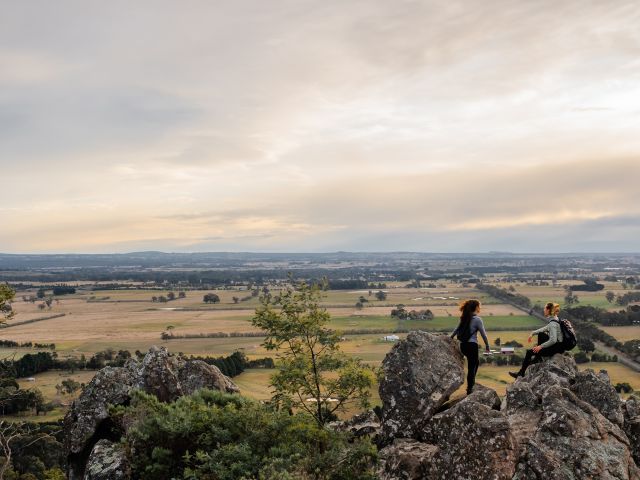
Take in views across the Macedon Ranges.
Etched into folklore, few places in Australia carry as much mystique as Hanging Rock. Rising dramatically from the plains near Woodend, this volcanic mamelon offers a beautiful nature walk. The walk begins at a gentle pace, weaving through shaded woodland before it gets a little steeper as the path starts to climb and twist to the summit. From here, you’ll have views that stretch across the Macedon Ranges. The walk is roughly 1.8 kilometres return, but the real reward lies in standing among the weathered boulders, feeling the age and energy of the earth beneath your feet.
2. Macedon Ranges Walking Trail
Walk to Camel’s Hump. (Image: Clair Derwort)
The Macedon Ranges Walking Trail traverses around 19 kilometres of forest and mountain landscapes. The full trail is a six-hour circuit, with most of the walk being a grade three; however, you don’t have to tackle it all at once. There are shorter walks that will take you through the tall mountain ash forests, to tranquil picnic areas, and sweeping views from Camels Hump and the Memorial Cross. The best times of year to head out are autumn, when the mountain turns into a tapestry of crimson and gold, and spring, when wildflowers brighten the trail.
3. Mount Alexander Traverse
Take in the serenity.
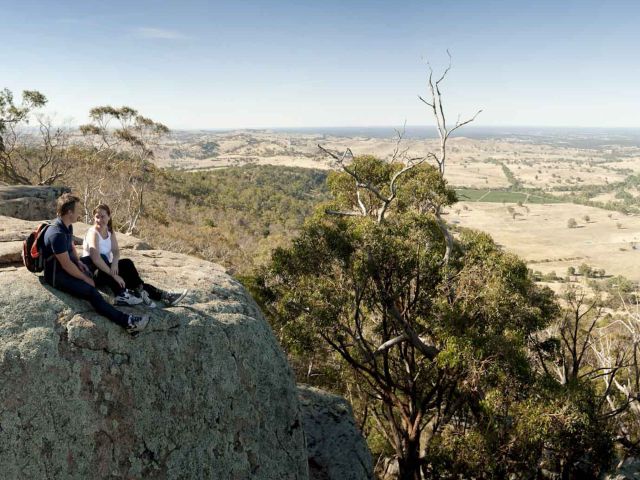
Towering above the goldfields near Castlemaine, Mount Alexander is a granite giant that offers some great bushwalking trails. The Mount Alexander Traverse winds along the mountain’s rocky spine through dry eucalypt forest that opens up in sections to reveal beautiful panoramas across Loddon Valley and all the way to the distant Grampians. Once a site of ancient volcanic activity (and later a gathering place for the Dja Dja Wurrung people), the mountain’s granite tors are now quiet and create a beautiful, serene atmosphere for a moment of reflection while walking.
4. Murmuring Walk
Circle the picturesque Sanatorium Lake.
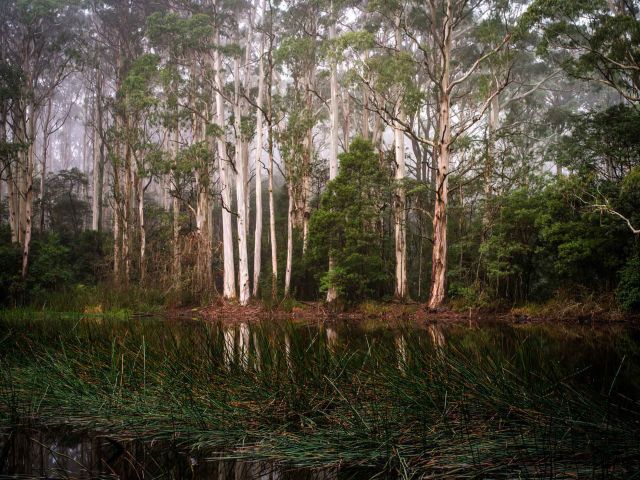
Located an easy drive from Daylesford, Murmuring Walk offers something a little different. Circling Sanatorium Lake, this free audio-guided walk aims to immerse you in the rhythms of Dja Dja Wurrung, Taungurung and Wurundjeri Woi Wurrung Country by blending the sounds of nature with a multi-layered soundtrack. There are two routes to explore while you listen: a shorter loop around the lake itself and a longer circuit that extends deeper into the woodland.
5. La Gerche Forest Walk
Walk into history on the La Gerche Forest trail.
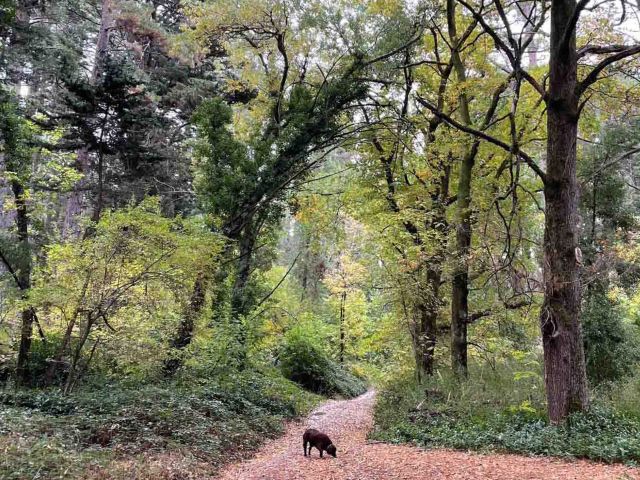
Located in Creswick, the La Gerche Forest Walk honours the legacy of John La Gerche, a 19th-century forester who championed the regeneration of the then gold-rush-ravaged land. Today, over 100 years later, his replanting efforts have grown into a living cathedral of towering pines, oaks, and native gums. As you meander along the 2.2-kilometre circuit, you’ll find interpretive panels along the way that help tell the story of La Gerche’s vision, so you can learn as you wander.
6. Sailors Falls Loop
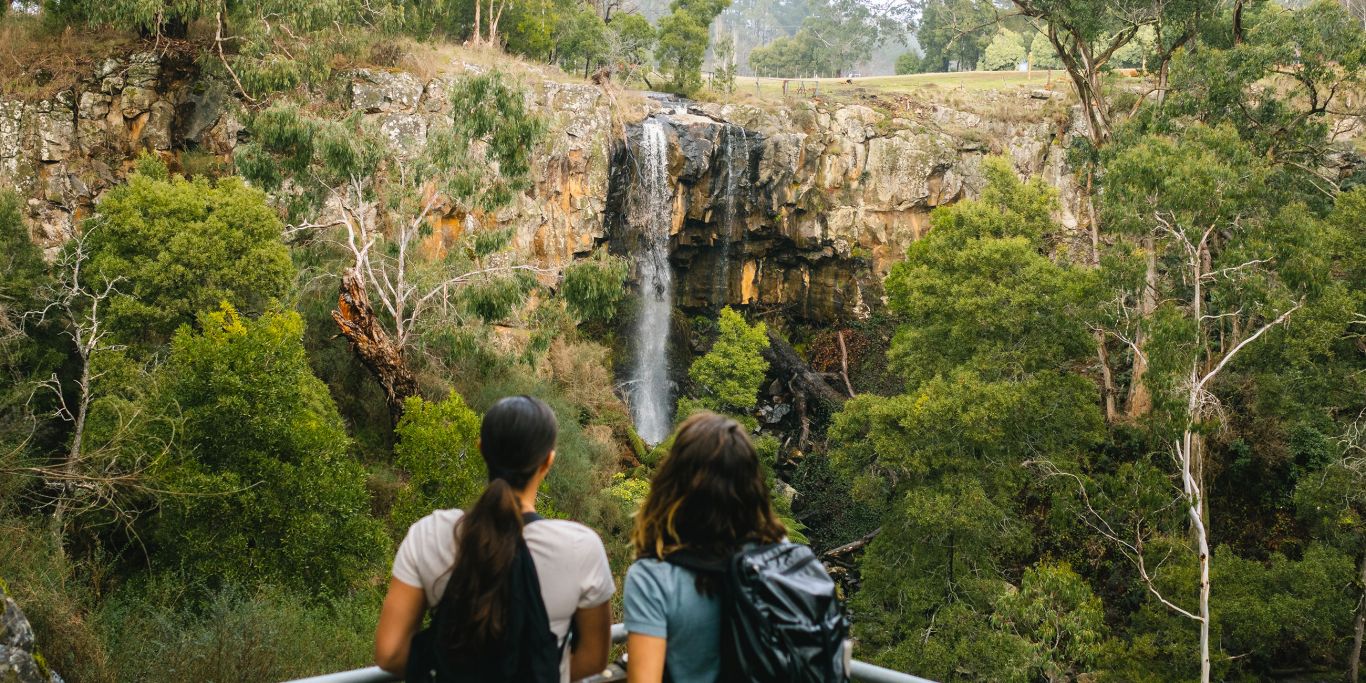
See these spectacular falls. (Image: Visit Victoria)
Just outside Daylesford, Sailors Falls tumbles through a fern-lined gorge, fed by mineral springs. Thought to be named after the sailors who jumped ship to seek gold in the area during the 1850s gold rush, the loop walk begins at the car park and descends through a cool, shaded gully to the base of the falls. From here, you’ll make the climb back via the mineral springs. It’s a short but enchanting walk – about 1.5 kilometres in total, so make a day of it by packing a picnic to sit by the springs; you’ll feel worlds away from the city.
7. Paddys Ranges Loop Walk
Further north, the Paddys Ranges State Park loop reveals a different side of Victoria’s Heartland – dry forest, golden light and hints of a gold-rush past. This protected reserve is a stronghold of box-ironbark woodland, providing vital refuge for endangered species. In spring, the forest floor is awash with the colour of over 230 species of wildflowers, so a springtime walk is a must-do. As you walk the 4.5-kilometre loop trail, keep an eye out for remnants of old mine shafts and rusted relics from the prospectors who once sought their fortunes here.
8. Mount Franklin Summit Walk
Take in forests and waterfalls along the way to the top of Mount Franklin.
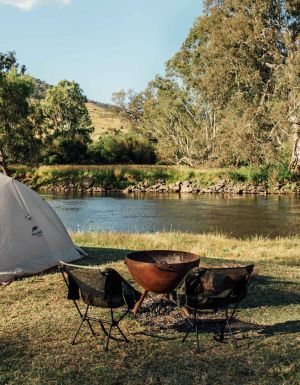
An extinct volcano turned picnic ground, Mount Franklin (known as Lalgambook to the Dja Dja Wurrung people) is one of the region’s quiet marvels. The summit walk follows a narrow, winding path through native forest to the crater’s rim, where you’ll get glimpses of farmland and forest below. It’s a moderate climb – just over an hour return, so it can easily be done if you’re camping in the surrounding reserve for a weekend nature retreat.