Northern Great Barrier Reef Marine Park

hero media
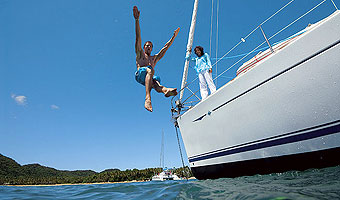
Beginning at Townsville and spilling northwards beyond Cape York into Torres Strait, the emphasis in the northern reaches is on the vast range of experiences, with everything from five star celebrity hangouts to deserted Robinson Crusoe-style outposts. The choice is yours.  By Fiona Harper

The sickly sweet scent of frangipani permeates the air as you venture further north on your Marine Park journey. As the temperature increases, so too do the heady sun-infused aromas wafting from the forests, jungles and gardens of Tropical North Queensland. Seasoned sailors will say they can determine how far offshore they are by the land smells that waft out across the waves.


While that may be true, and indeed some of the northern delights, like Flinders Reef, are so far offshore that you almost need a passport to get there, others like the Low Isles are just a few kilometres from land. The favoured destination of adrenalin-seeking game fishermen and hardcore scuba devotees for the deep water and unpolluted reefs that run inside the Continental Shelf, this region is also the haunt of languid sunworshippers aiming for nothing more strenuous than an easy snorkel off the beach of a deserted coral cay. The northern region is a delightful jumble of sun, sand and sea that just gets more interesting the further north you venture.


So how to find your chosen piece of paradise? You could fly into Townsville, which will give you immediate access to Magnetic Island and the Palm Group. Alternatively, hop in a car and drive north from Townsville, passing through Cardwell (with access to Hinchinbrook Island) and Mission Beach (departure point for Dunk and Bedarra Islands) before you come to Cairns, the gateway to nirvana for reef and tropical island worshippers.


Or you could fly straight into Cairns and feel the soft sand of a deserted island slipping through your toes within hours of touching down. There are enough cruise options from Cairns to satisfy the most jaded holidaymaker. From small friendly sundowner cruises to purpose-built dive boats that lurk so far offshore the only way to get there is by helicopter, the choices are phenomenal. Green, Fitzroy and the Frankland Islands are just a short boat ride away. Permanently moored pontoons provide an easy, if somewhat generic, reef experience at Moore and Norman Reefs, but there are plenty of more personalised cruises exploring offshore reefs where humans are well outnumbered by the wildlife.


Another option is to get on the road again from Cairns and drive north for an hour to Port Douglas on one of the best coastal rainforest drives around, the Captain Cook Highway. Stopping in for a latte or lunch at heavenly Palm Cove is almost mandatory for those who like to boast of rubbing shoulders with the rich and famous once they get back home. Intimate Double Island Resort is so close you can almost hear the crystal glasses tinkling.


Enchanting Port Douglas has well and truly awoken from its “sleepy little village" slumber and rivals Cairns as a major departure point for Marine Park cruises. Though it retains its village charm (for now), it’s a sophisticated waterfront town whose star is on the rise. Most of its best restaurants have settled on the winning formula of outdoor dining beneath breeze-rustled palms, serving culinary treats created from a bounty of fresh local produce.


Further north still, the wilderness of Cape York begins soon after leaving Port behind, as you head into mountainous, heavily forested Cape Tribulation and beyond to Cooktown. The bitumen road terminates at Cooktown, meaning that if you don’t have a 4WD or access to a boat, you’ll go no further. If you want to explore the Marine Park north of Cooktown, you’ll need to backtrack and board a vessel from Cairns or Port Douglas.

Need tips, more detail or itinerary ideas tailored to you? Ask AT.

AI Prompt

Back to the Ultimate Guide to the Great Barrier Reef

Want to see more stories from Australian Traveller in your Google search results?

  1. Click here to set Australian Traveller as a preferred source.
  2. Tick the box next to "Australian Traveller". That's it.
Australian Traveller

Australian Traveller

View profile and articles
hero media

Can’t handle the cold? Hamilton Island serves a slice of summer in winter

(Image: Hamilton Island)

When the winter chill settles in, an escape to Hamilton Island’s year-round tropical shores is the only acceptable coping mechanism.

As a heliophile with the cold tolerance of a Mediterranean house cat, the arrival of winter tends to spark a particular panic. How will I survive? Must I really start layering? What do you mean, Aperol season is over? But there are far better ways to spend the cooler months than sulking in the depths of your doona.

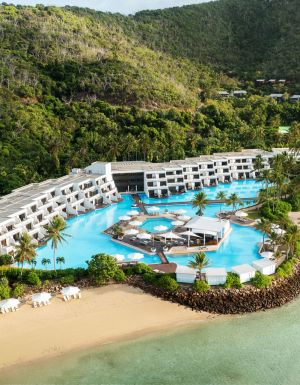
Enter, Hamilton Island. With its year-round sunshine and permanent on-holiday atmosphere, this Whitsundays favourite promises a veritable slice of summer in winter.

Think salt-stiff hair and the smug pleasure of devouring seafood beside the water while friends back home are defogging their windscreens. Here’s why Hamilton Island should figure into your winter plans.

1. Year-round summer weather

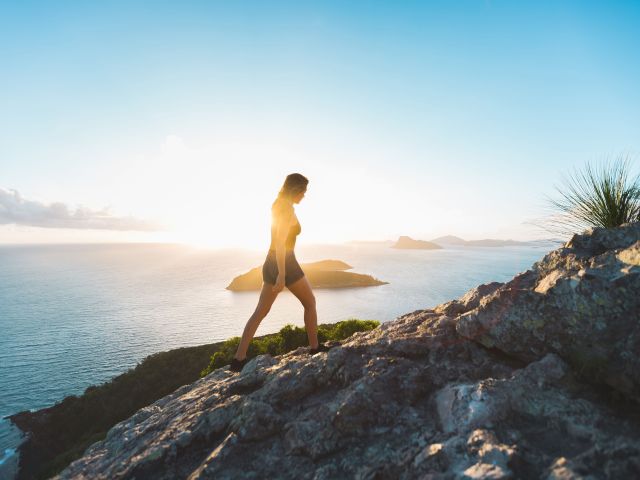
A woman hiking along the Passage Peak trail on Hamilton Island.
Hike under sunny winter skies on Hamilton Island. (Image: Andrew Caitens)

In the crisper months, Hamilton Island offers perfectly mild, sunny weather (17-24°C) that lends itself to morning swims and afternoon spritzes. Better still, you can enjoy the island’s outdoor adventures – from hiking to mountain biking – without the humidity or rain you’ll often find in summertime. With direct flights from most major Australian cities offering ease of access, Hamilton Island is the ideal place to flee the cold.

2. Getting active without the humidity

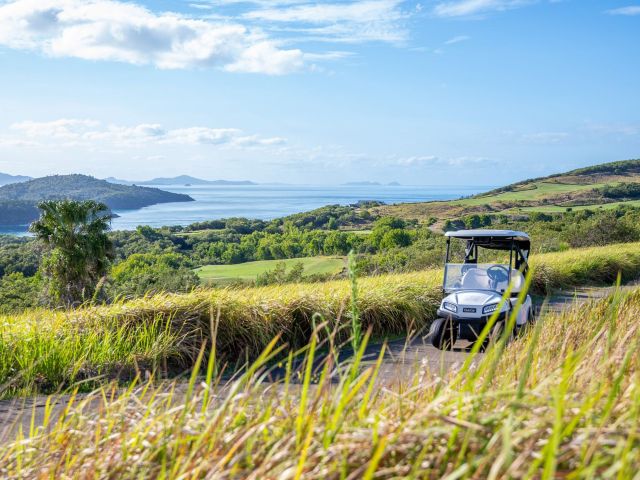
A buggy parked overlooking Hamilton Island’s golf course, with sweeping views of the sea at Whitsundays in winter.
Zip around Hamilton Island by buggy. (Image: Hamilton Island)

Whether you’re hiking up to Passage Peak or exploring the island by buggy, tropical Queensland humidity is nobody’s friend. The one way to guarantee you will avoid the inevitable stickiness and fluffy hair? Visit during winter. There’s plenty to be enjoyed, from sunrise yoga at The Sundays (exclusive to guests of The Sundays) to playing golf on Dent Island.

3. Hamilton Island Race Week

Yachts racing across the sparkling Whitsundays during Hamilton Island Race Week.
Feel the thrill of Hamilton Island Race Week. (Image: Salty Dingo)

Taking place in August, Hamilton Island Race Week is a destination in its own right that attracts spectators and racers from around the globe. Boating enthusiasts and thrill-seeking holidaymakers flock to the island, which is palpably energetic as the first yachts set off for Dent Passage from Hamilton Island Yacht Club. The annual action-packed week, taking place from 15 to 22 August in 2026, offers an exciting calendar of on- and off-water events – spanning everything from celebrity chef dinners to golfing comps and wine tastings.

4. Best time for snorkelling

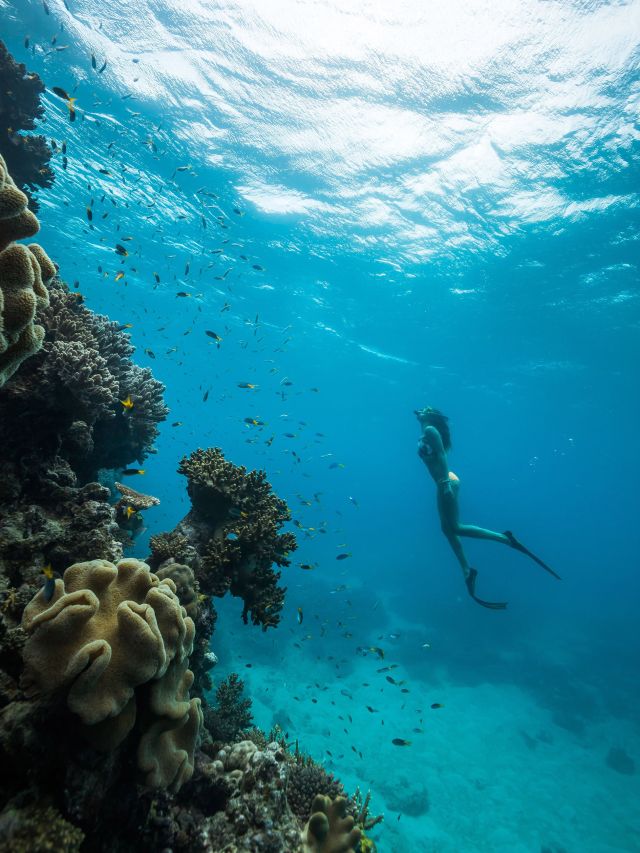
A woman snorkelling in the crystal-clear waters of the Great Barrier Reef.
Explore Hamilton Island’s winter waters. (Image: Andrew Caitens)

While the crowds on Hamilton Island may disperse with the cooler weather, the marine life certainly doesn’t. Winter is widely considered one of the best times to snorkel and dive in the Whitsundays.

It’s down to a number of reasons: excellent water visibility, higher chances of seeing whales as they migrate north and – best of all – no nasty stingers. This means no need to wear those notoriously unflattering full-body wetsuits visitors have to wear in warmer months. On top of all this, you’ll find calm seas ideal for sailing and Great Barrier Reef tours.

5. Fewer crowds

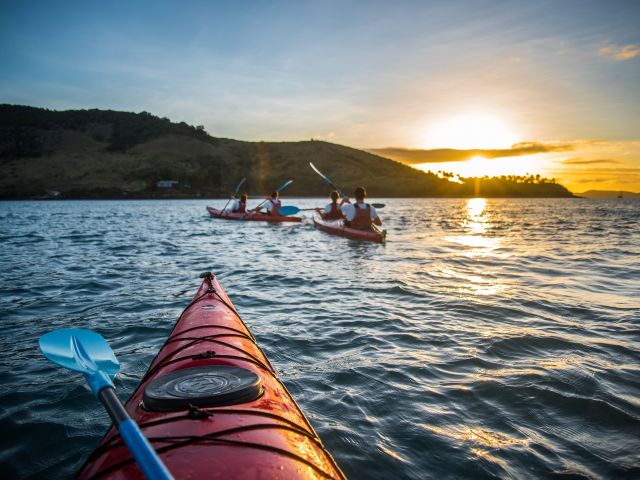
People kayaking.
Experience a quieter Hamilton Island on a kayaking adventure. (Image: Hamilton Island)

Winter is often the quietest time to visit Hamilton Island, with the peak season crowds thinned to a relaxed trickle. You can snorkel or dive straight off the reef-laced waters of Catseye Beach, then swap fins for a buggy and zip between One Tree Hill, the marina and sunset cocktails without the usual summer queues. Active days stretch from kayaking, sailing and jet skiing to hopping over to famous Whitehaven Beach to witness those breathtaking white swirls of silica sand. You won’t have to elbow your way to the front of the crowd to get a good snap.

6. Delicious dining

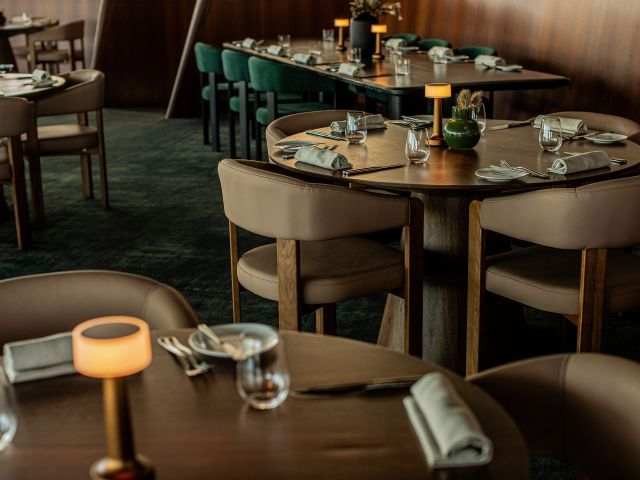
The interiors of Bommie Restaurant, featuring modern coastal design with warm lighting and elegant detailing.
Treat yourself to Bommie Restaurant’s fine dining featuring fresh, seasonal Aussie produce. (Image: Nikki To)

The food on Hamilton Island tastes just as good any time of year, and winter is still perfect weather for sundowners. Start with an iced tea Negroni at harbourside Bommie Deck, before transitioning to Bommie Restaurant for a fine-dining feast centering on seasonal Aussie ingredients. Or perhaps enjoy a more casual poolside evening at Sails Restaurant, where plates of chermoula chicken skewers, baked cauliflower steak and crispy sumac squid come served with ocean views. From family-friendly pub meals to elevated wine tastings, there’s something for everyone.

5. Clear skies for idyllic views

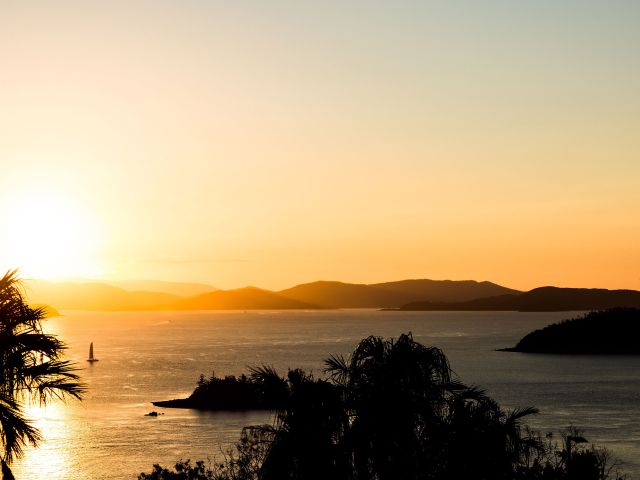
The golden hour across the Whitsundays in winter.
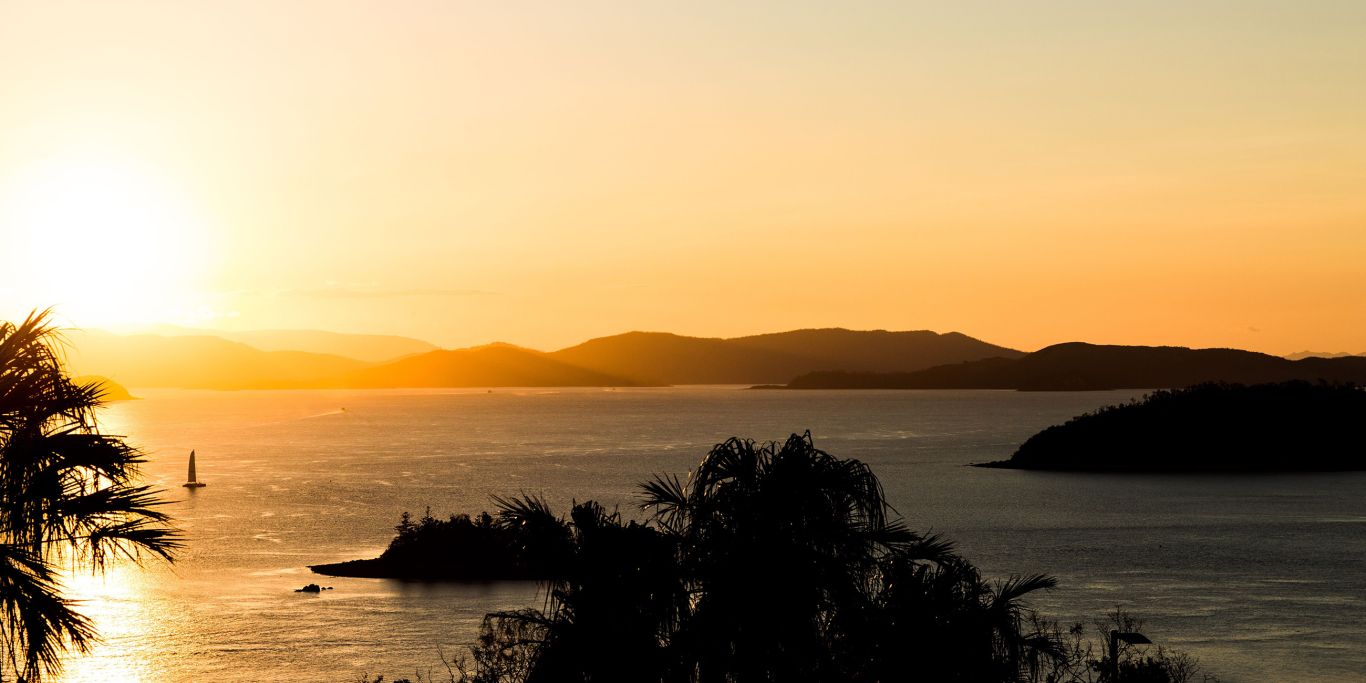
End your day with golden Hamilton Island sunsets over the water. (Image: Hamilton Island)

Never let a cloud rain on the parade of Hamilton Island’s spectacular scenery. Winter brings clearer skies and more stable weather to the Whitsundays, meaning your picture-perfect sunset at One Tree Hill is likely to remain that way. And after putting in the legwork to hike to a scenic lookout, the last thing you want is a vista hidden behind low cloud and haze.

To learn more about travelling to the Whitsundays in winter, visit hamitlonisland.com.au.